
The Houses Here
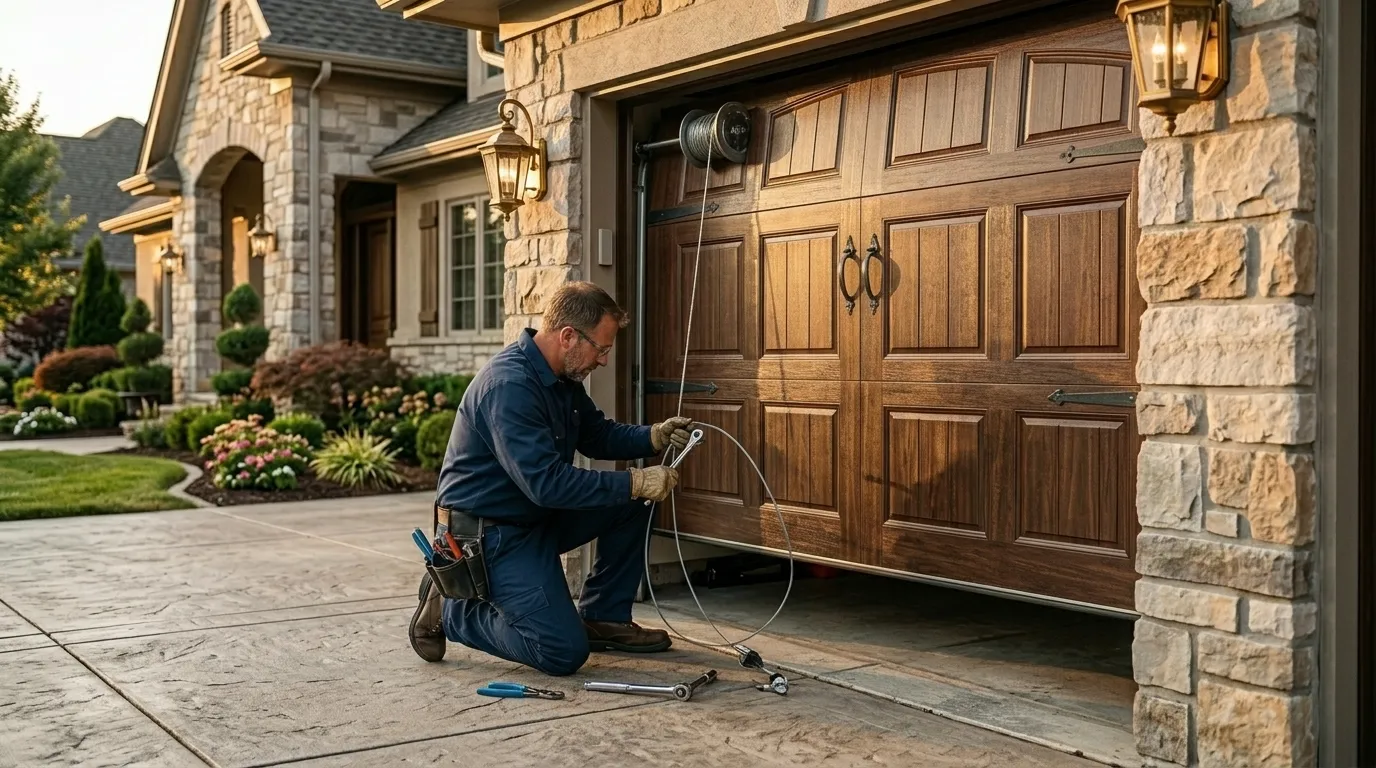
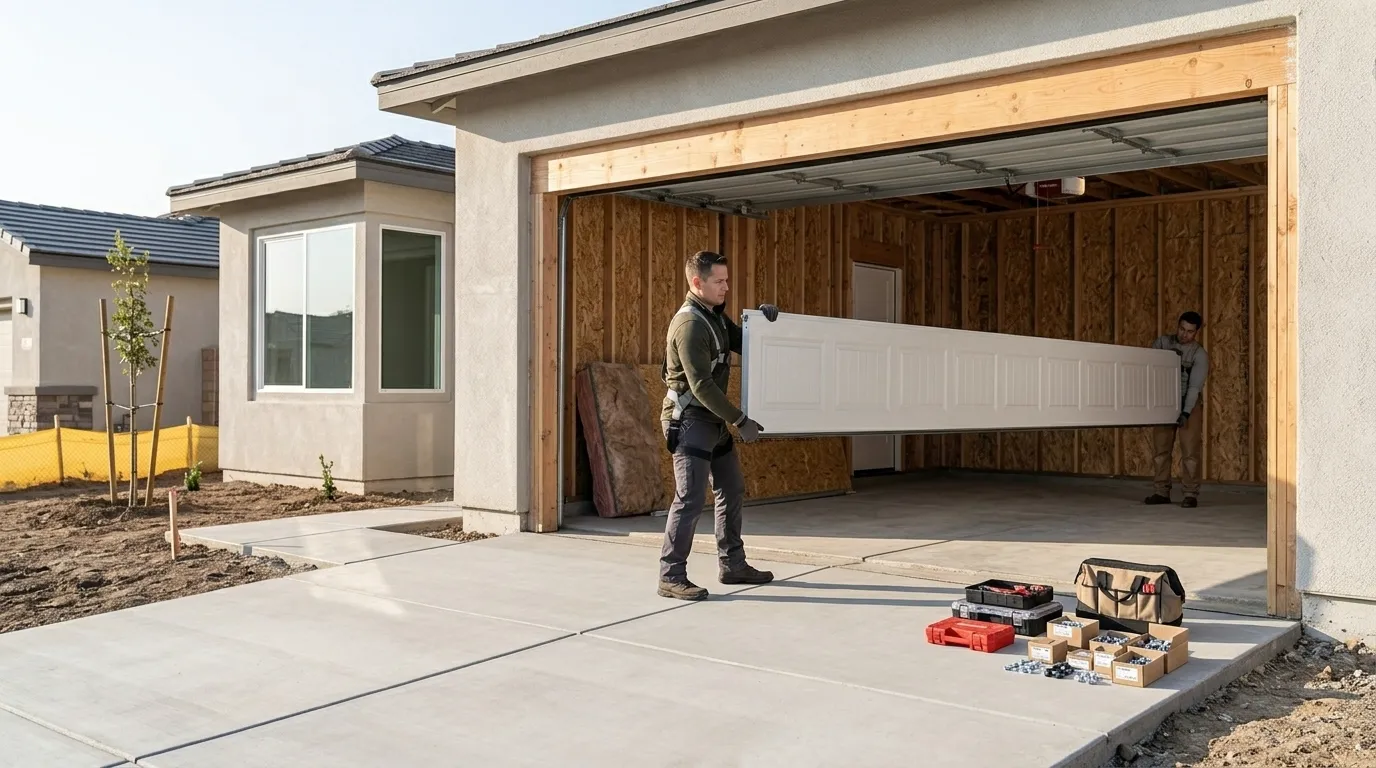
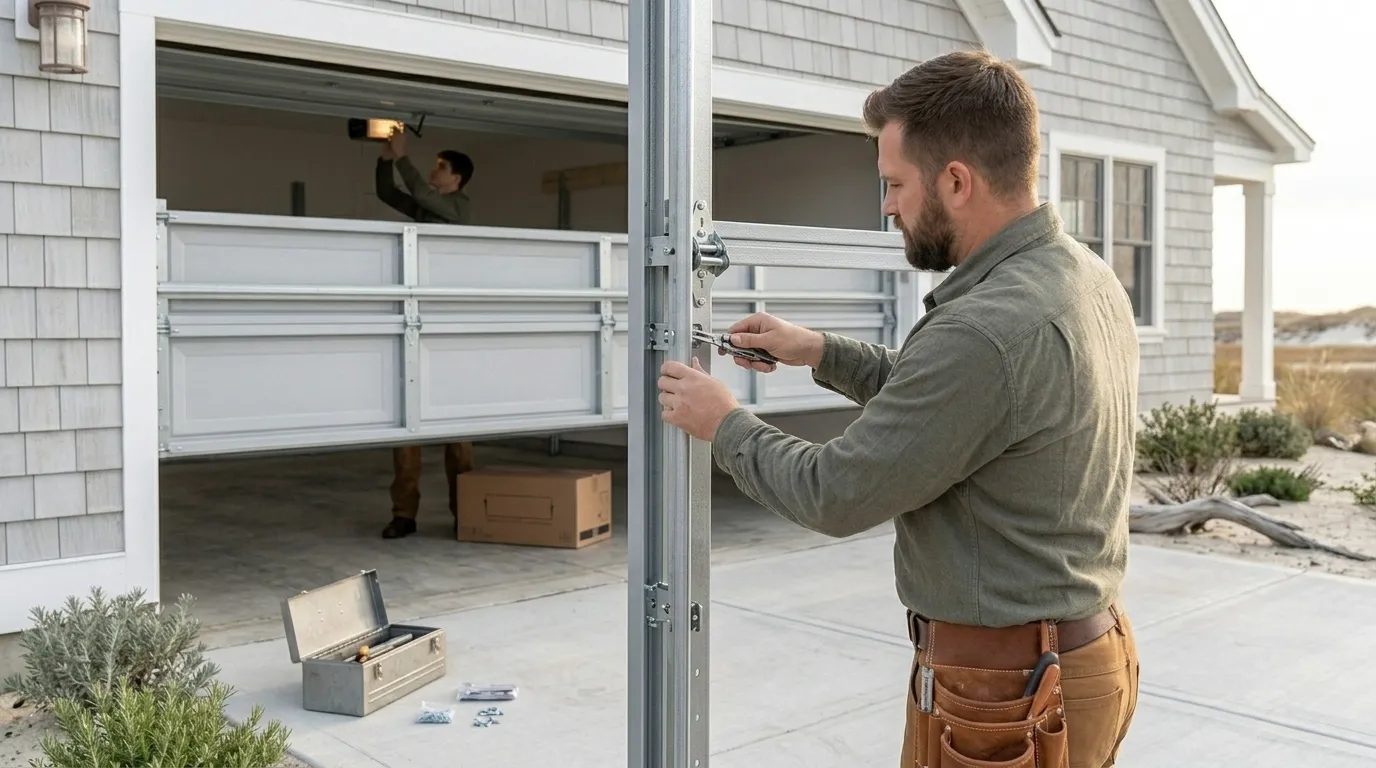
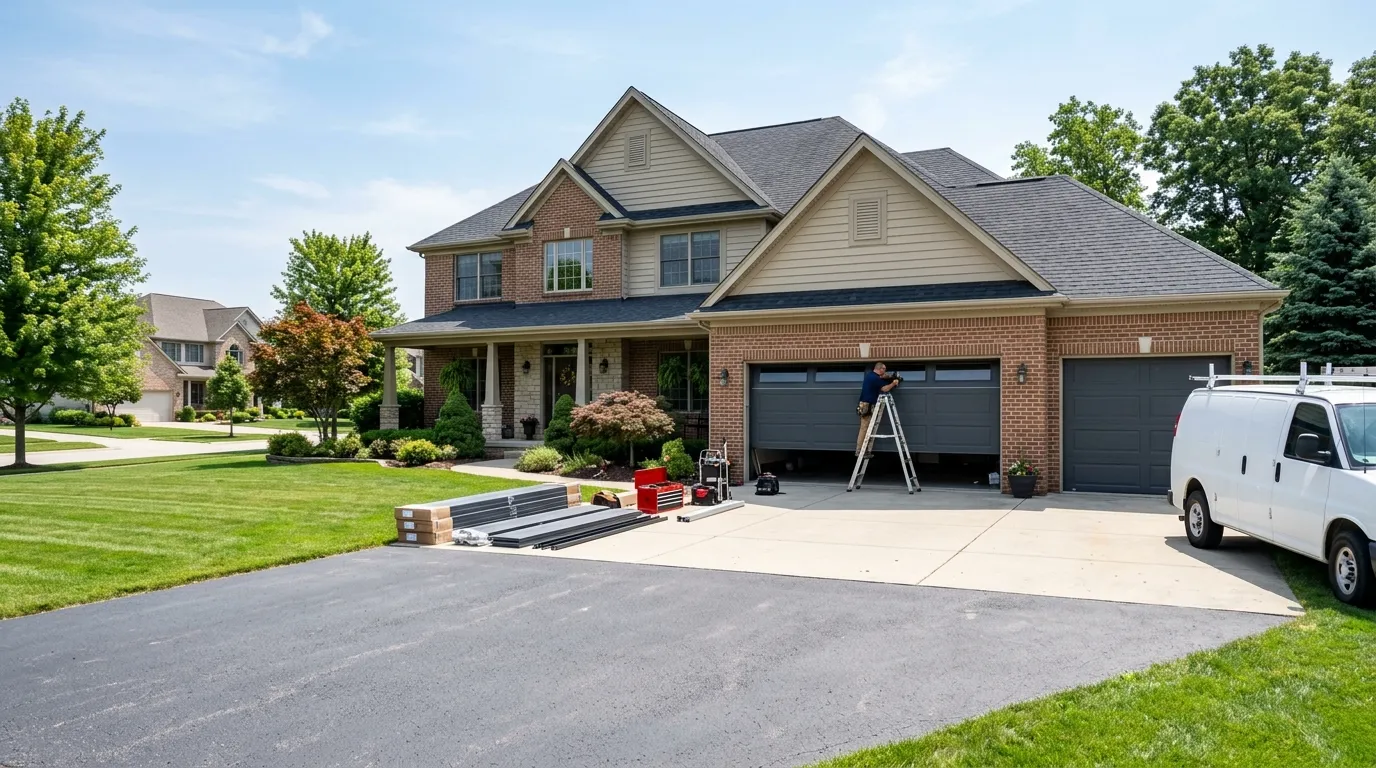
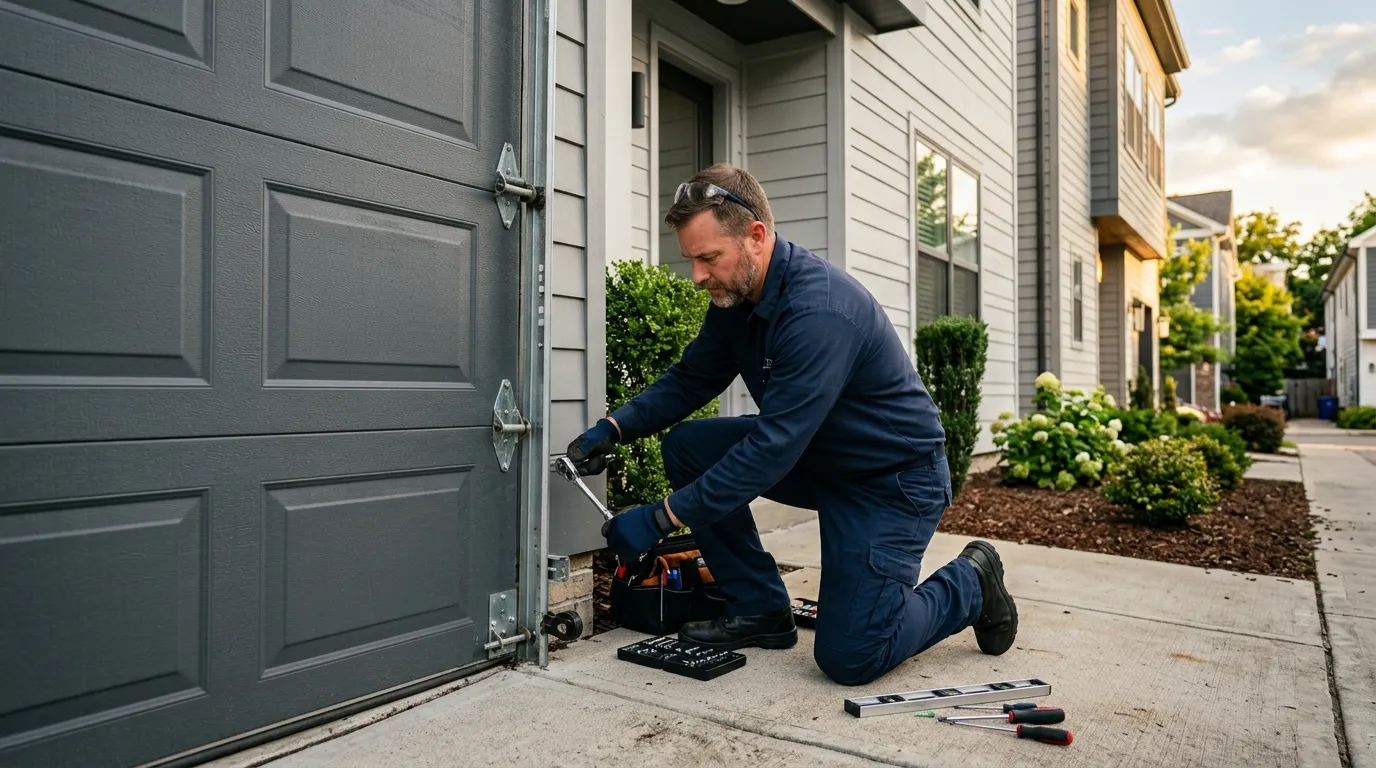
Wesley Chapel's housing stock runs newer than most of the towns we cover. The median home here was built around 2003, which puts it well past the 1998 median for the wider service area we work across. That gap matters more than it sounds like it should. A door installed in 2003 or later almost always came with a factory steel torsion system, a lift-master or chamberlain-branded opener with a photo-eye safety sensor, and roller tracks sized for a lighter, better-balanced door than the one-piece or older sectional doors common in the 1980s builds nearby. Wesley Chapel's median household income, at $129,962, also runs well above the broader area figure, and that shows up in the doors themselves - more insulated steel and composite panels, more homes with two full garage bays instead of one-and-a-half, more openers with battery backup and smart-home tie-ins. We're not guessing at your hardware when we quote a job here the way we might on a 1985 build. We know roughly what's behind the panel before we open the truck.
What People Here Ring About
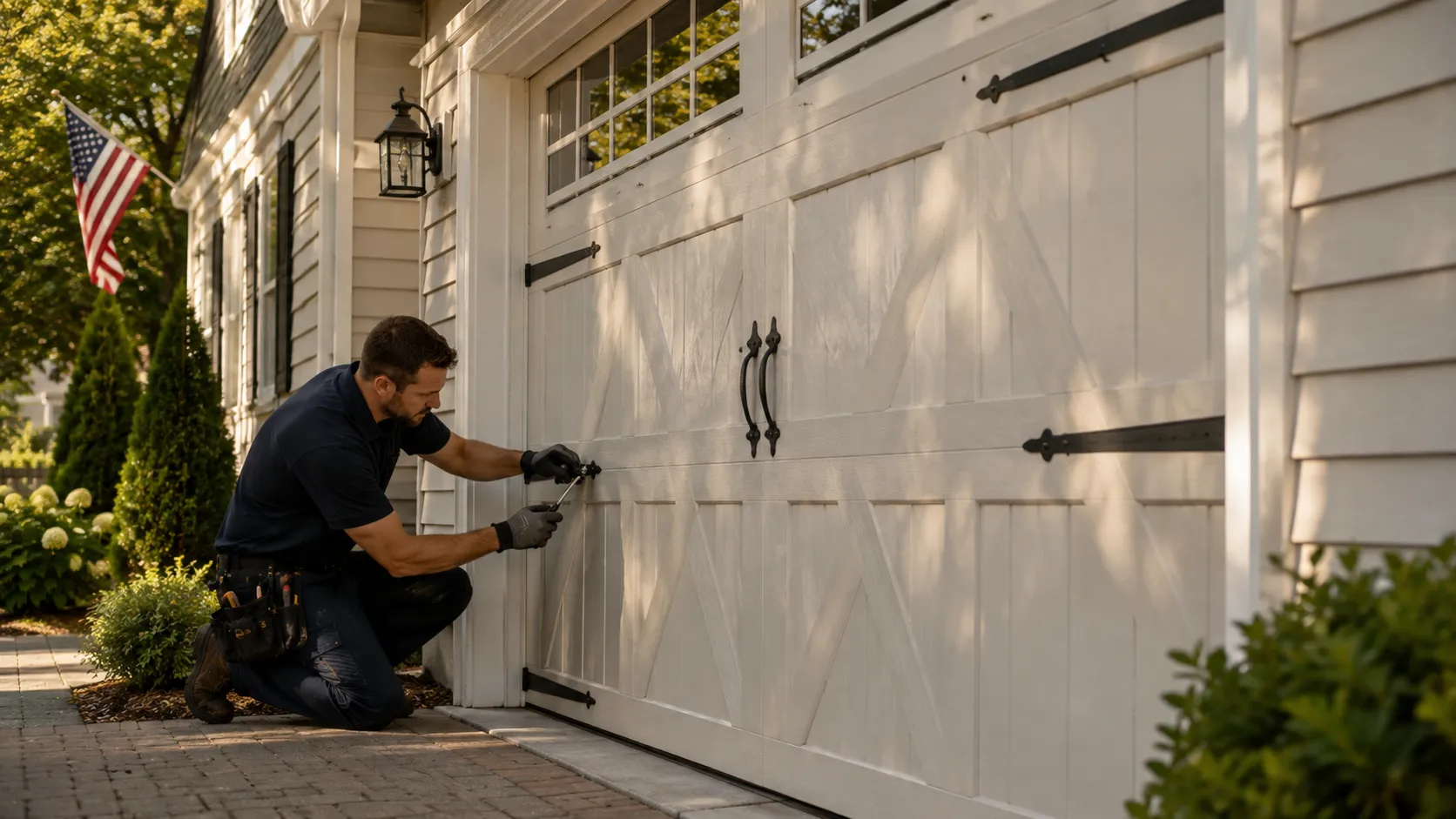
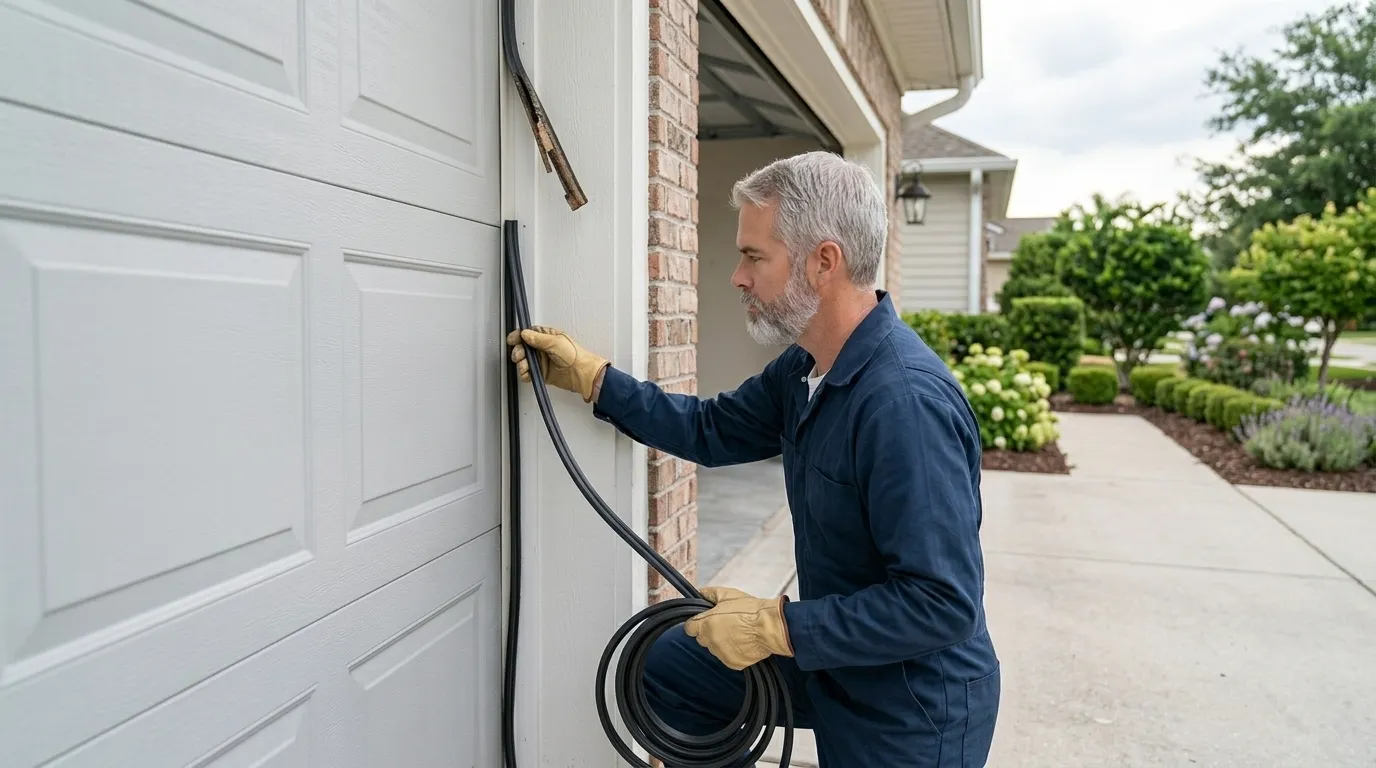
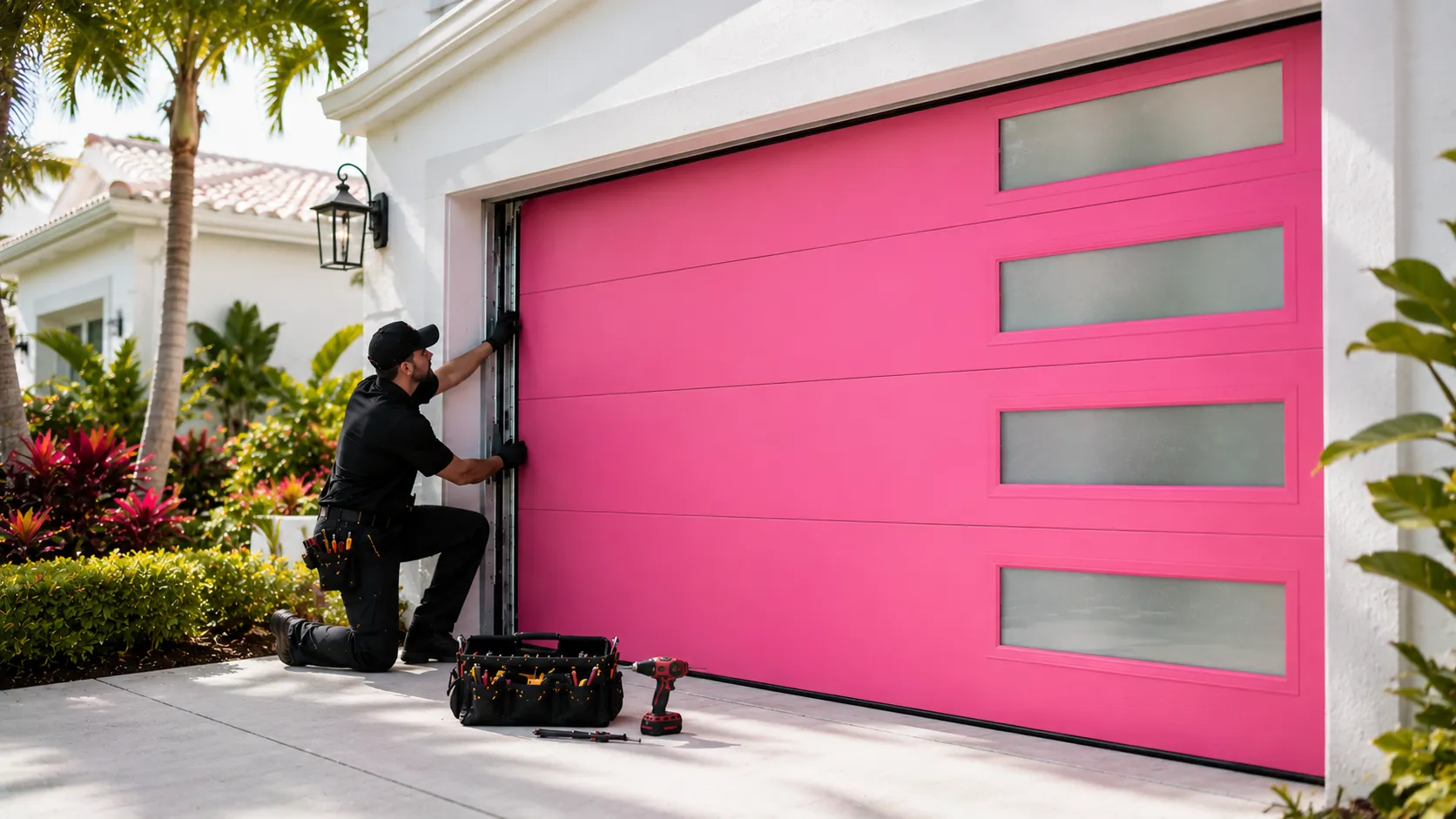
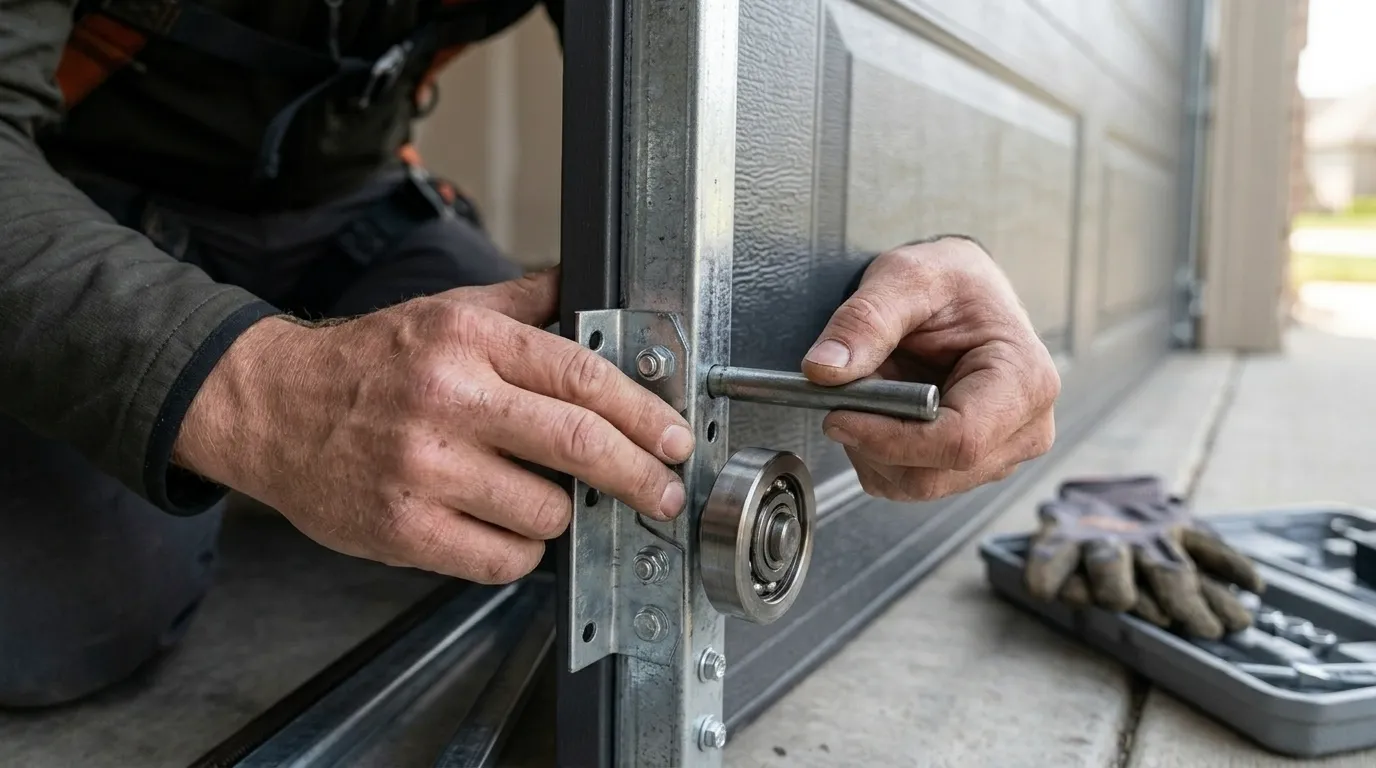
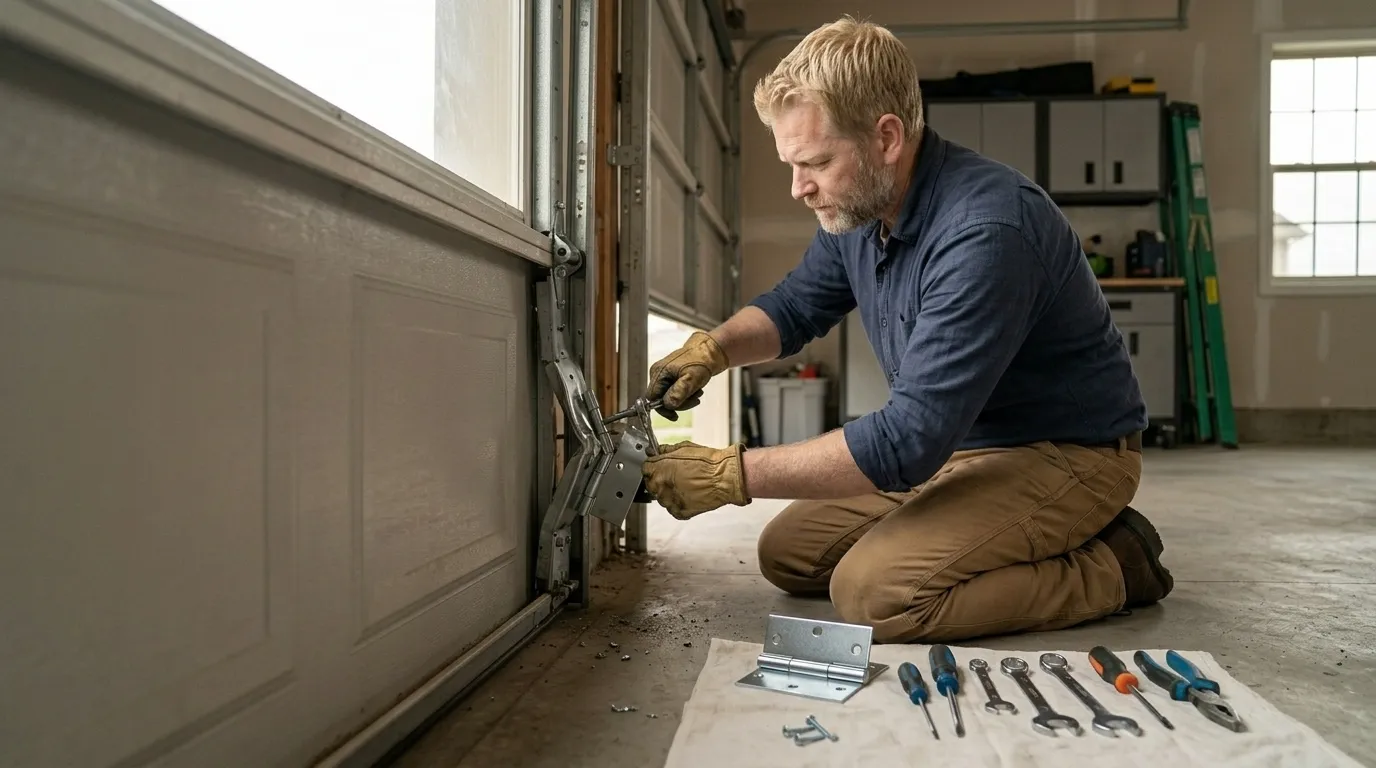
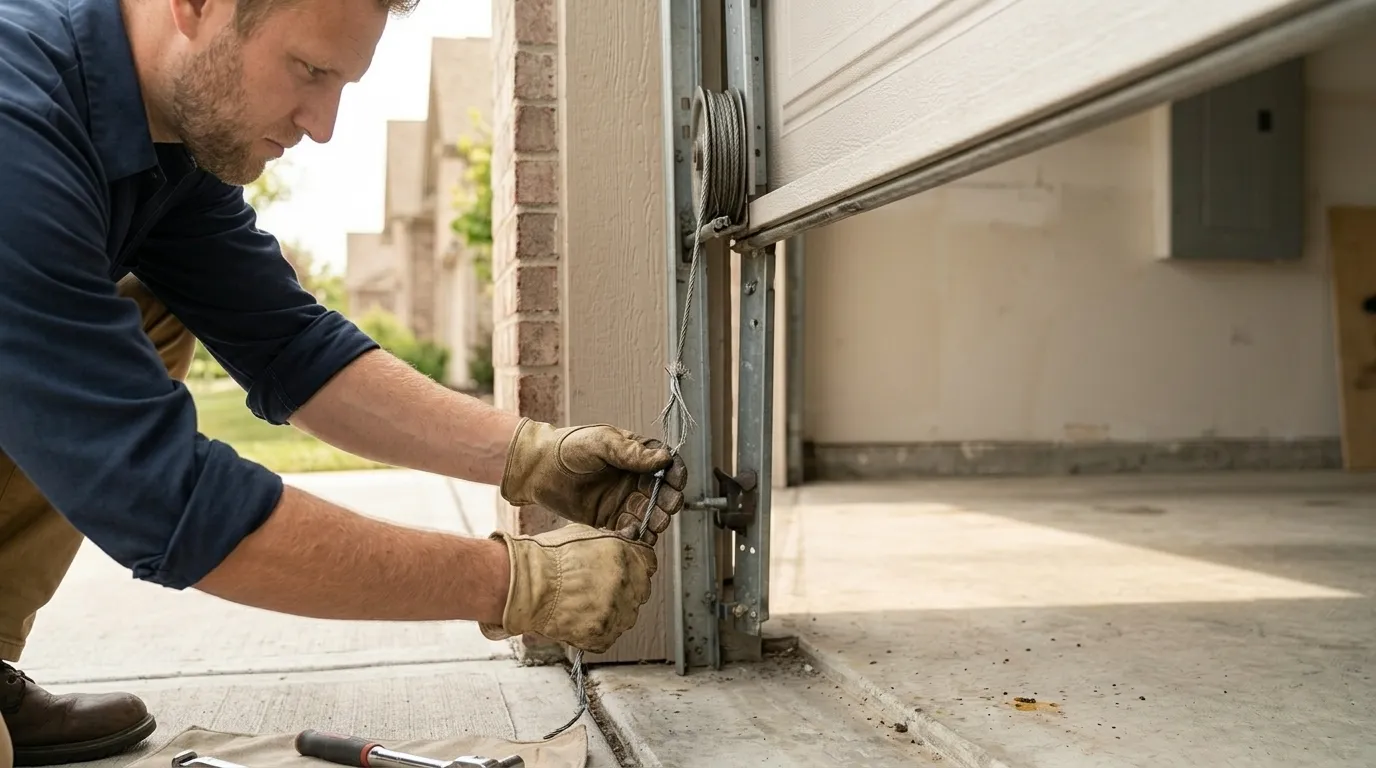
The calls we get from Wesley Chapel skew toward opener electronics and safety-sensor faults more than they do toward the worn-out mechanical failures you'd expect on an older door. Photo-eye sensors that have drifted out of alignment, circuit boards that won't take a remote pairing, and springs that are still original to a 15-to-20-year-old install and starting to fatigue - that's the bulk of it. We also see more requests for insulated panel replacement after a dent or a storm hit, since the composite and steel-sandwich doors common in newer builds cost more to patch piecemeal than an older single-layer steel door would. Cold-climate swings in this part of North Carolina put stress on nylon rollers and rubber weatherseals regardless of the home's age, so worn rollers and gapped bottom seals show up across every build year we service.
How That Shows Up in the Door
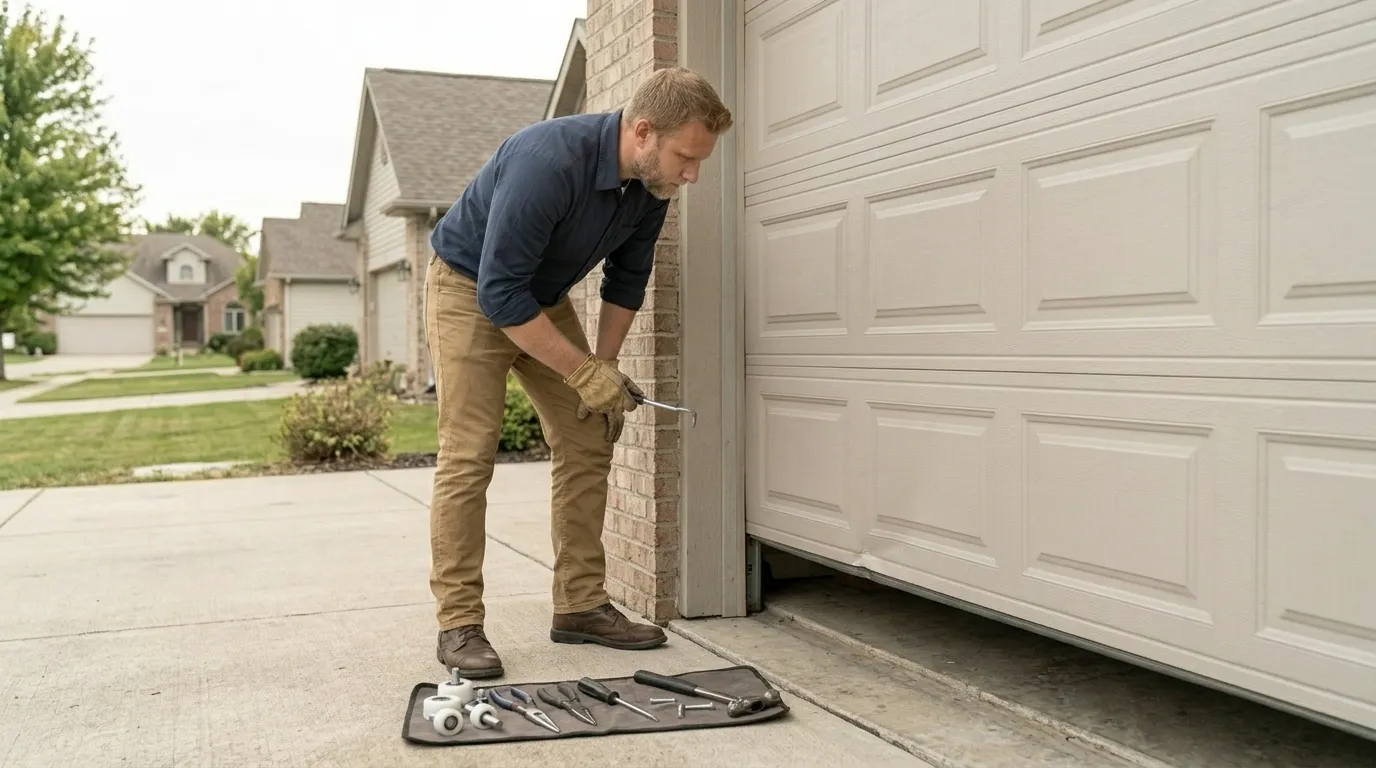
Because Wesley Chapel skews toward homes built after 2000, the parts we bring on a first visit lean toward factory-spec torsion springs sized for insulated steel doors, universal remotes that pair with newer circuit boards, and photo-eye sensor kits rather than the older mechanical reversal hardware you'd need on a pre-1990 door. That's a real limitation worth saying plainly: if your house is one of the older outliers in the area, built before the local median, we may need a second trip to source a part that doesn't match what we'd normally stock for this town. We'd rather tell you that up front than pretend every door here is the same age.