The Problem
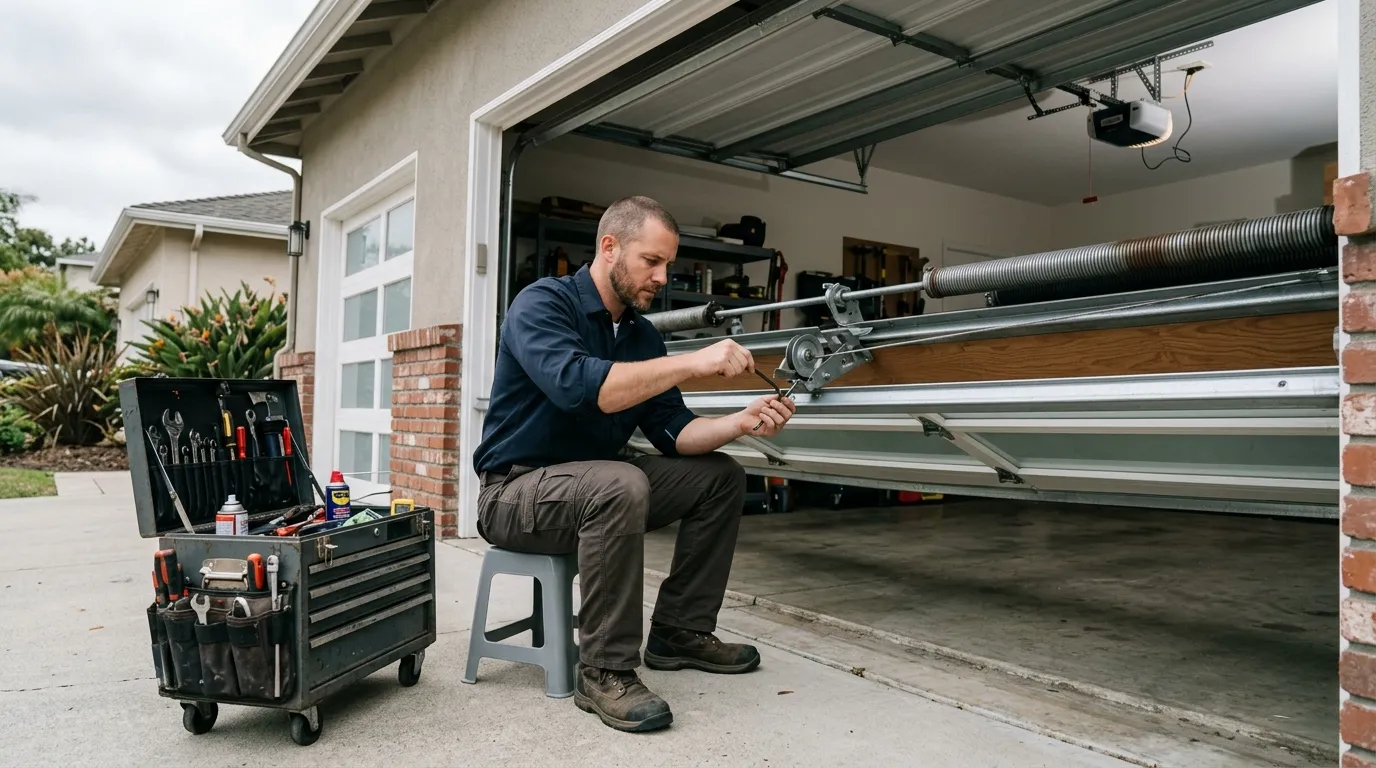
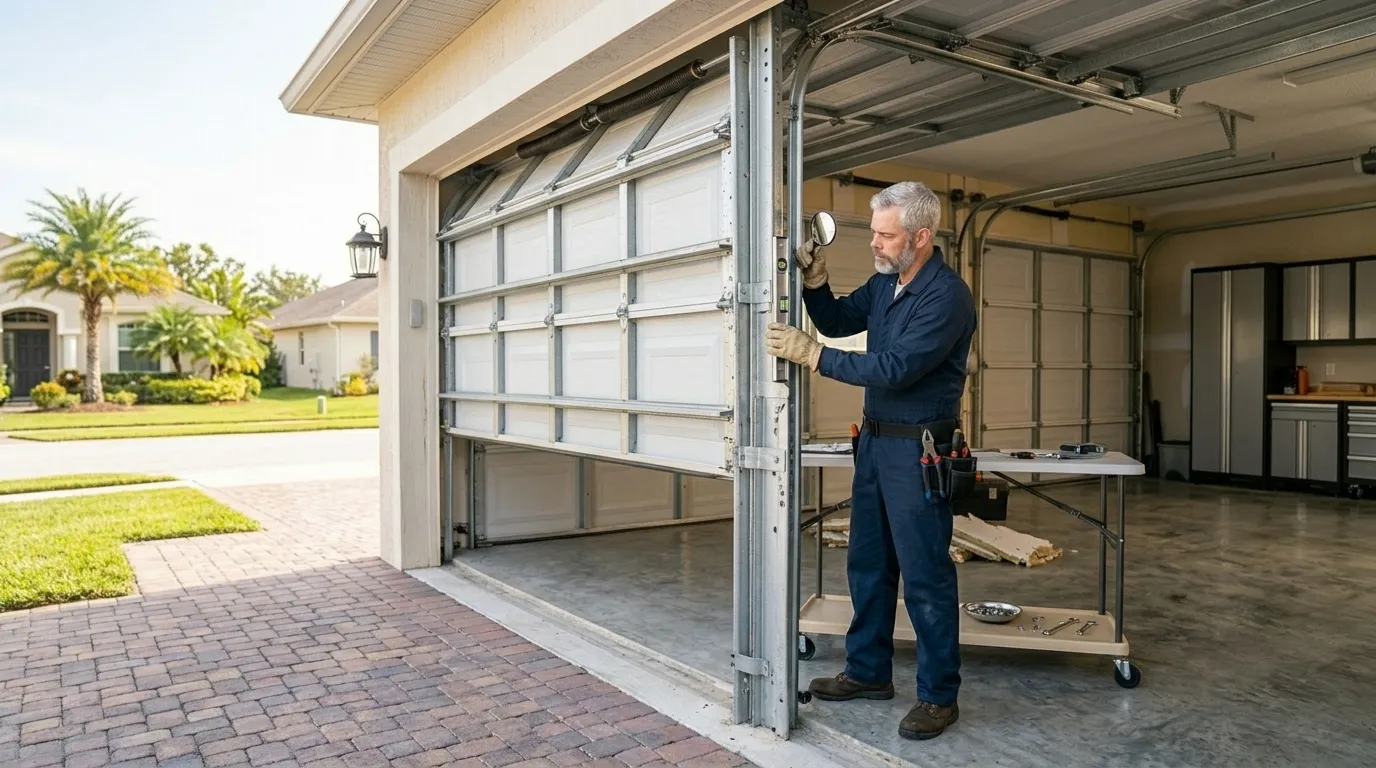
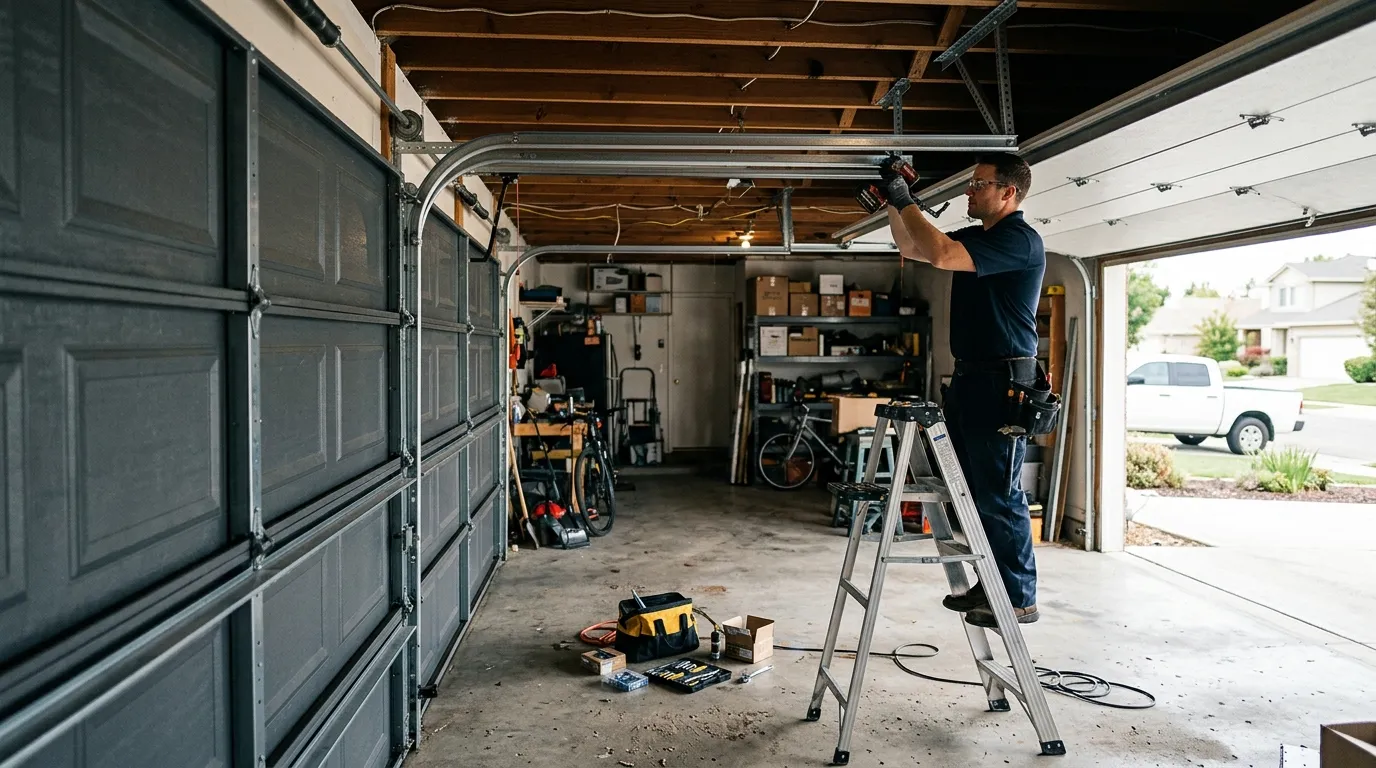
Most houses in Matthews went up between 1974 and 2006, with the median build year landing around 1998. That puts a lot of doors in this town at twenty-five to thirty years old right now, which is right where steel torsion springs, rollers, and cable start failing on their own timeline rather than because anything went wrong. The door still looks fine from the driveway. The spring is just done.
Across the seventeen named areas that make up most of this stock - places like Sardis Woods, Marshbrooke, Idlewild South, and Stonehaven - the doors are largely the same builder-grade steel panels that came standard in 1980s and 90s construction. Non-insulated cores, single torsion spring on most single doors, galvanized track that's held up but is starting to pit. That's not a knock on the houses. It's just what got installed at the time, and it wasn't built to last forever.
The question we get isn't usually "can you fix this," it's "should I." That decision depends on what's actually broken versus what's just old, and on how many more of these original parts are about to go the same way.
What You Pay
We don't quote a number without seeing the door - spring size, opener age, and whether the track or panel is also shot all move the bill. What we can tell you is how the math tends to work in this market. Median household income across the service area sits at $88,203, which is high enough that most owners here aren't choosing between a repair and skipping a mortgage payment. That changes the decision. It's less "what's the cheapest fix" and more "what's worth doing once."
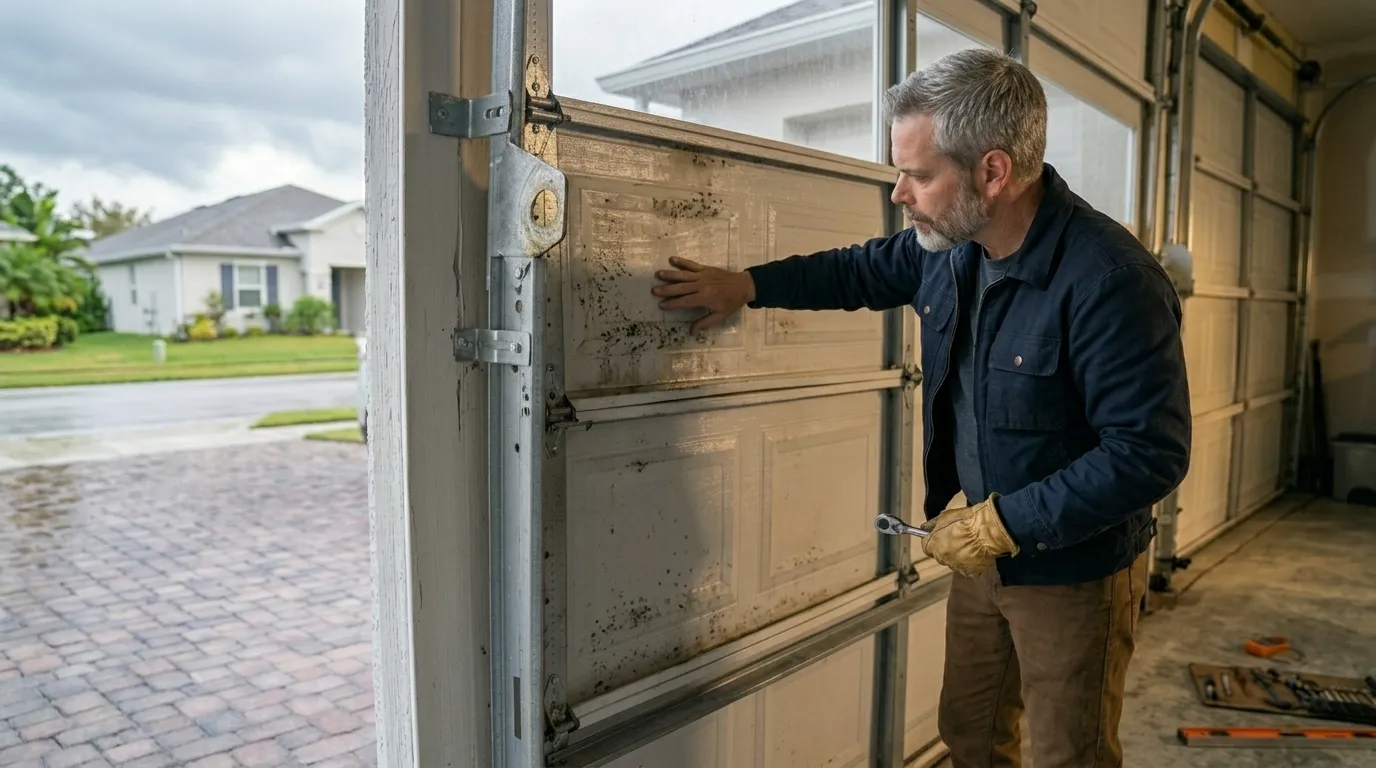
A broken spring or a bad opener on a door that's otherwise sound is almost always worth fixing. The panel, the track, and the frame are the expensive parts to replace, and if those are fine, you're paying for hardware, not a new door. Where it stops making sense is when the panel is dented past squaring, the track is warped, or you're looking at a second or third repair on the same door inside a couple years. At that point you're paying twice to end up where a full replacement would've landed you the first time. We'll tell you straight which side of that line your door is on before we write anything up.
How Local Conditions Play In
Matthews sits in a cold-moderate climate band, not brutal winters but real freeze-thaw cycles every year. That matters for torsion springs and steel panels more than people expect. The metal contracts in the cold, expands as it warms back up, and that cycle fatigues a spring faster than steady mild weather would. On a 25-to-30-year-old spring that's already near the end of its rated cycles, one hard cold stretch is often what finishes it off.
It also affects the weatherstripping and seals on older non-insulated doors common in this area's 1980s and 90s stock. Once that seal cracks, cold air gets into the garage, which on an attached garage means a colder wall on whatever room sits next to it. That's not a reason to replace a door on its own, but it's worth folding into the decision if you're already looking at hardware that's failing.
None of this is unique to any one street. Whether you're closer in or out past Stallings or Mint Hill, a builder-grade door from the same era carries the same wear pattern. The build year tells us more than the zip code does.