The Problem
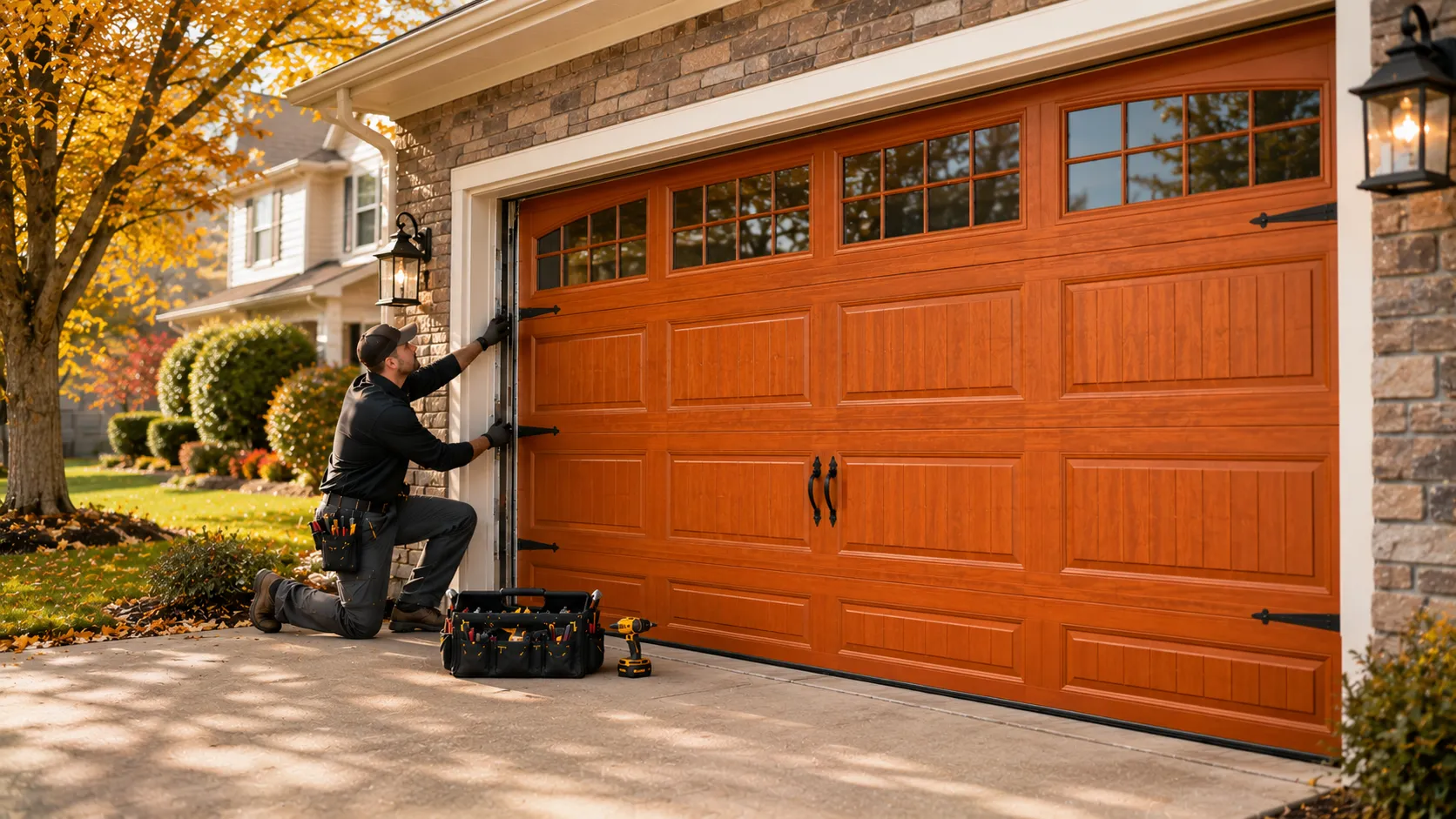
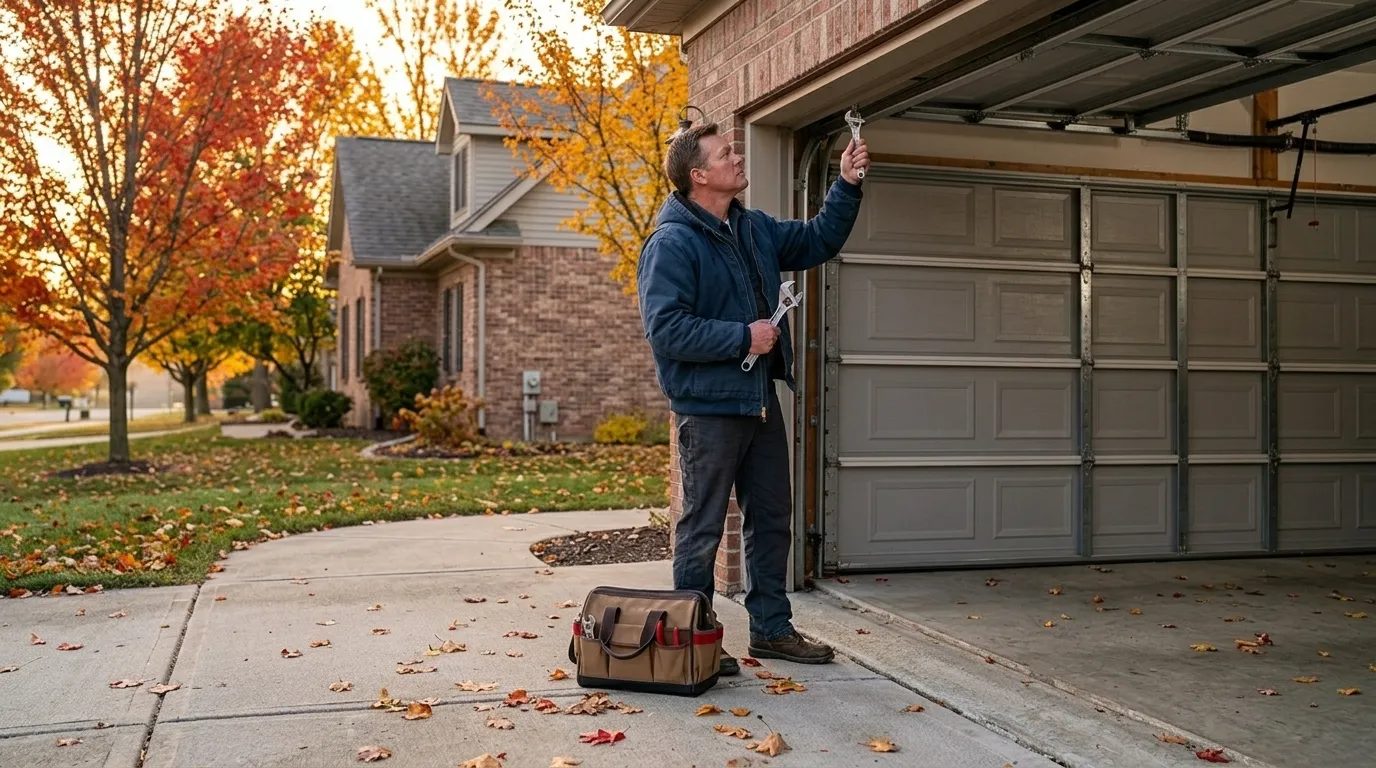
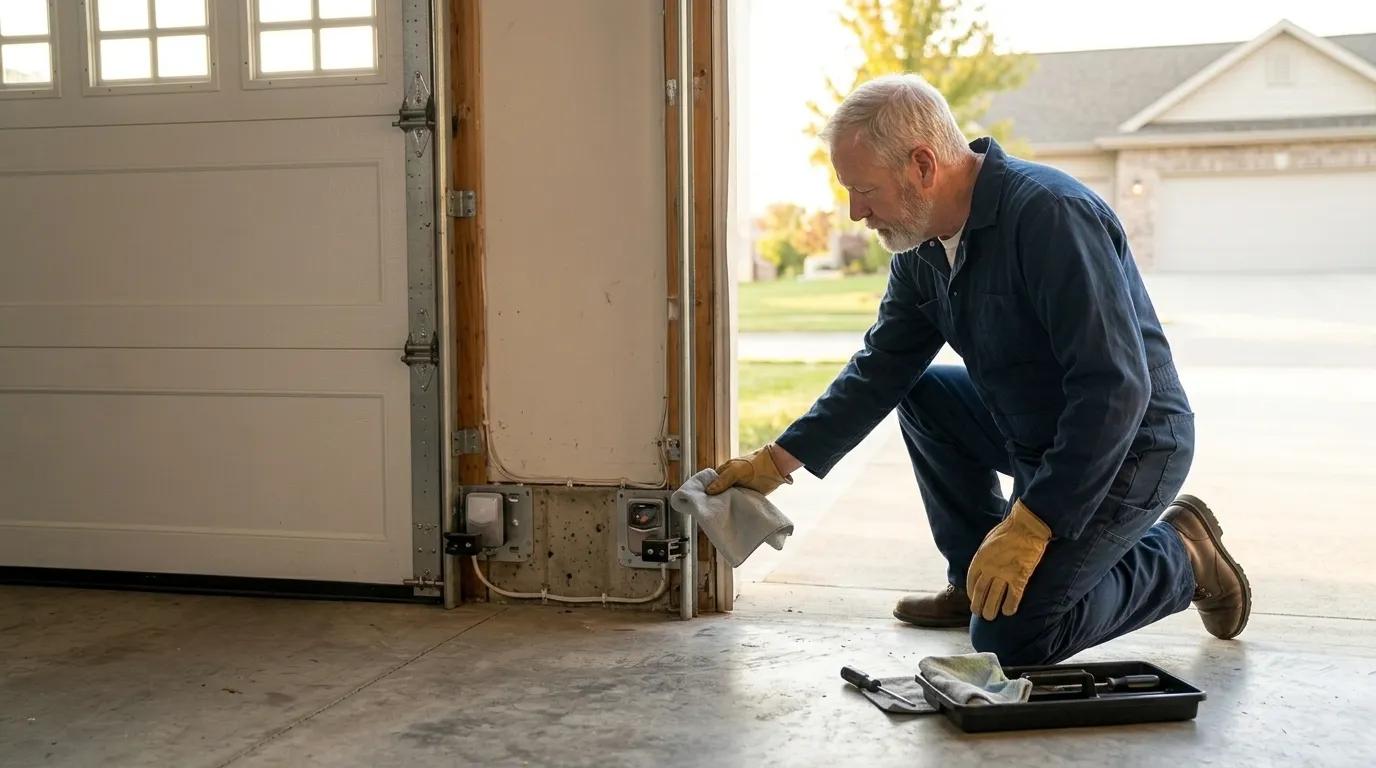
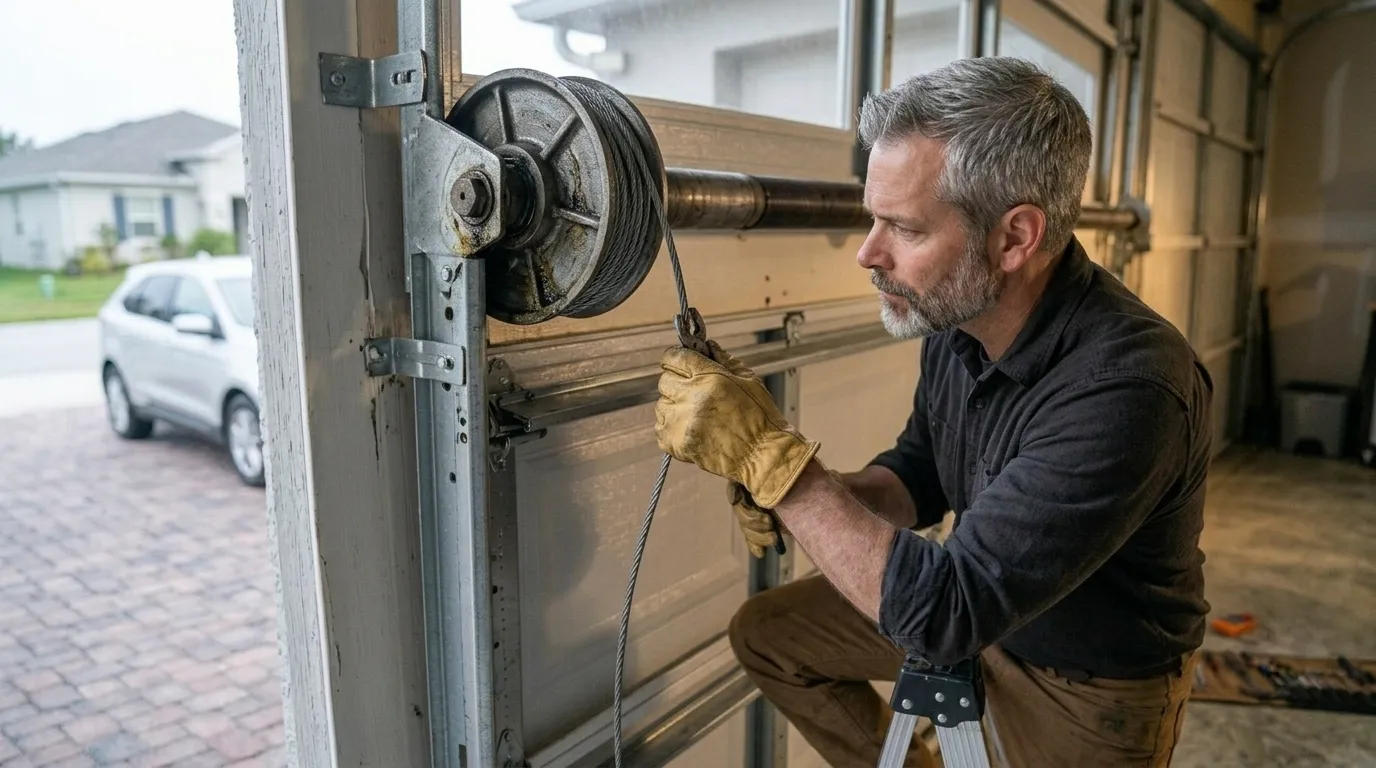
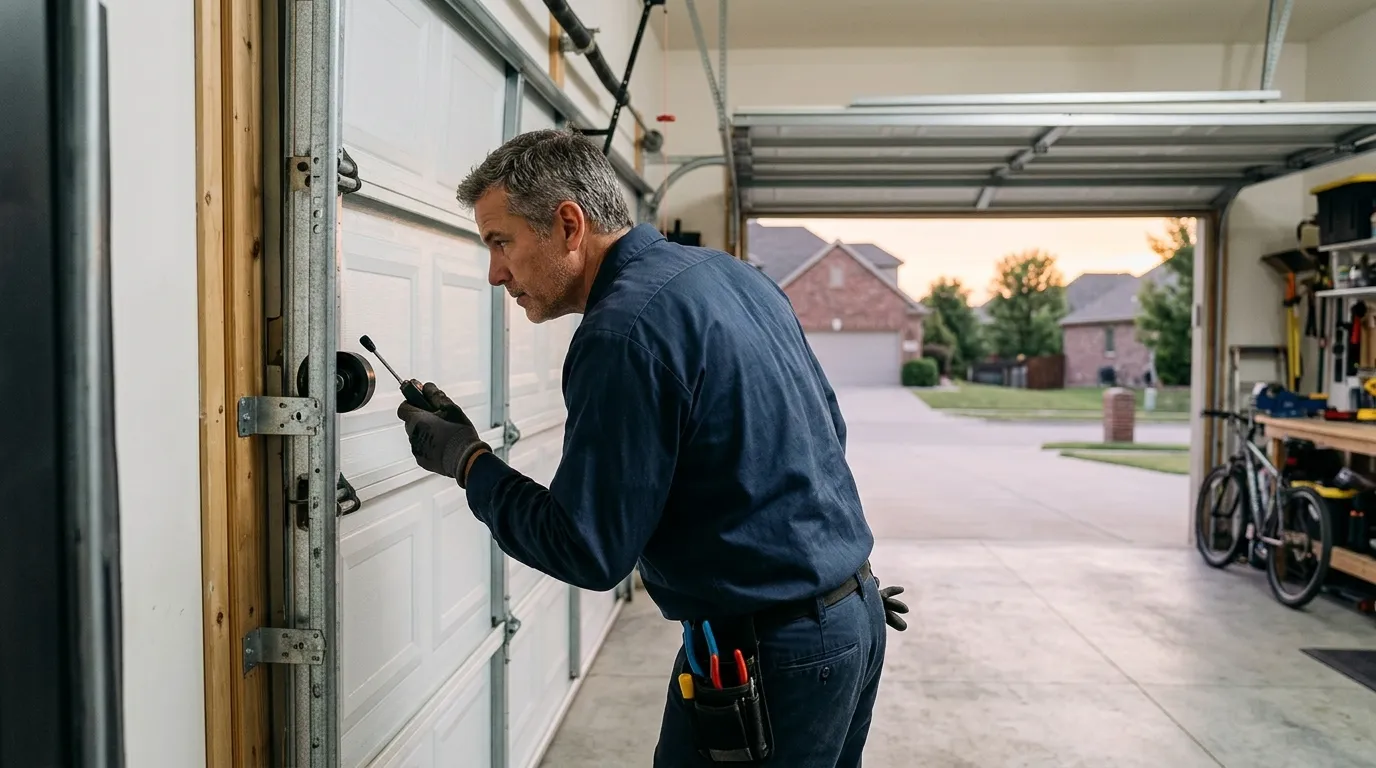
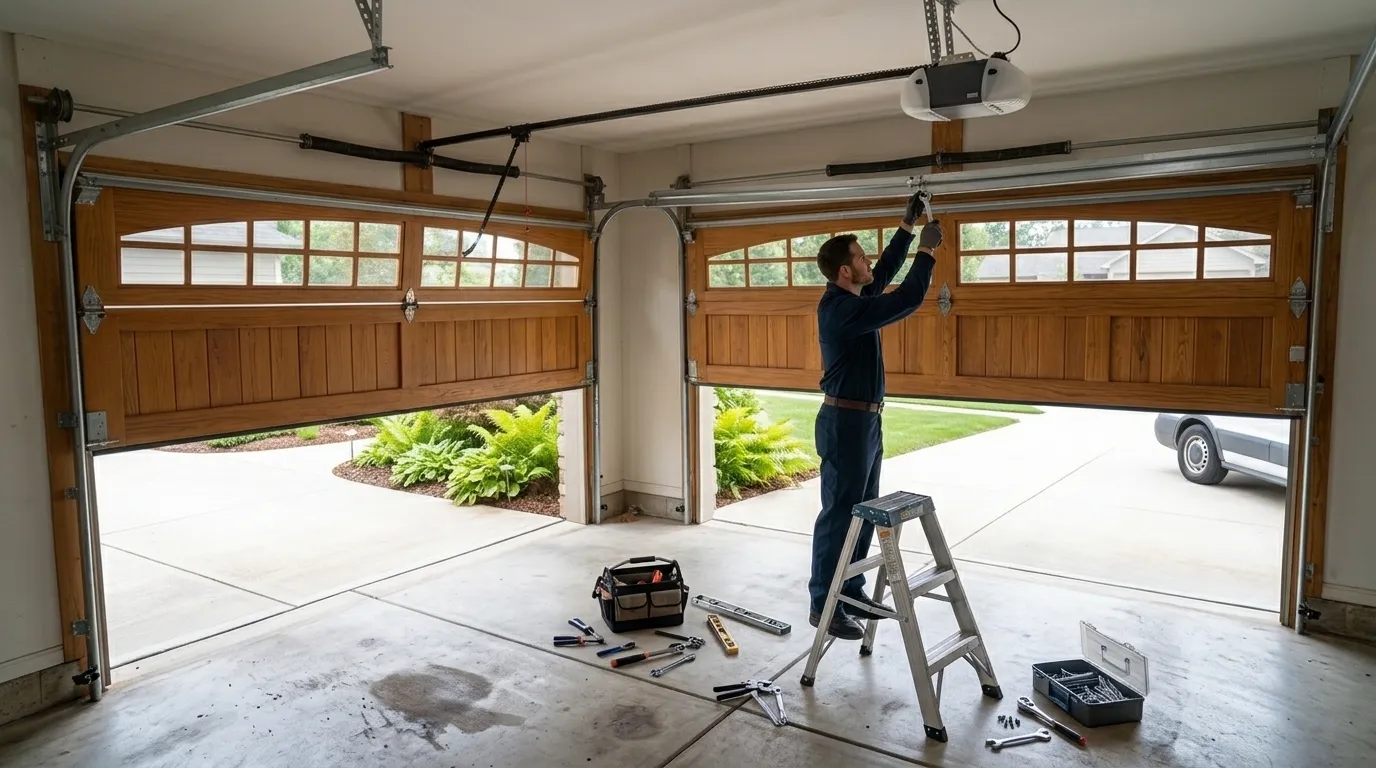
Most houses in Matthews went up between 1974 and 2006, with the heaviest run of construction landing in the 1980s and 90s. That means a lot of the openers still bolted to the ceiling out there are original equipment, or close to it - chain-drive units pushing 30 or 40 years old, with motors and gear sets that were never designed to last this long. Add a power cut to an opener that old and you've got two problems stacked on top of each other: a motor that may already be tired, and no way to run it without utility power because it was never fitted with a backup battery. Newer openers ship with battery backup as standard or as a cheap add-on. Older ones don't have anywhere to plug one in without a board swap. When the power drops in a house with a first-generation opener, the door doesn't fail - it just stops, mid-cycle sometimes, with no warning and no easy way to know if the motor itself is still fine or if it's just waiting on juice. That distinction matters, because one is a five-minute fix and the other means new equipment.
What You Pay
I'm not going to hand you a number here, because it depends too much on what's actually wrong - a dead capacitor is not the same job as a dead logic board, and neither is the same job as swapping the whole unit for something with a battery built in. What I can tell you is that at a median household income of $88,203 across this area, most owners here can absorb the cost of upgrading to a battery-backup opener without much of a stretch, and a fair number do it as soon as they've been caught by one outage. The ones who don't usually didn't know it was an option - they assumed a stuck door during a power cut meant the opener was shot, called for a full replacement, and were surprised to hear the motor itself was fine. Ask what you're actually paying for before you agree to anything: motor, board, or battery add-on are three different bills, and only one of them requires a new opener.