The Houses Here
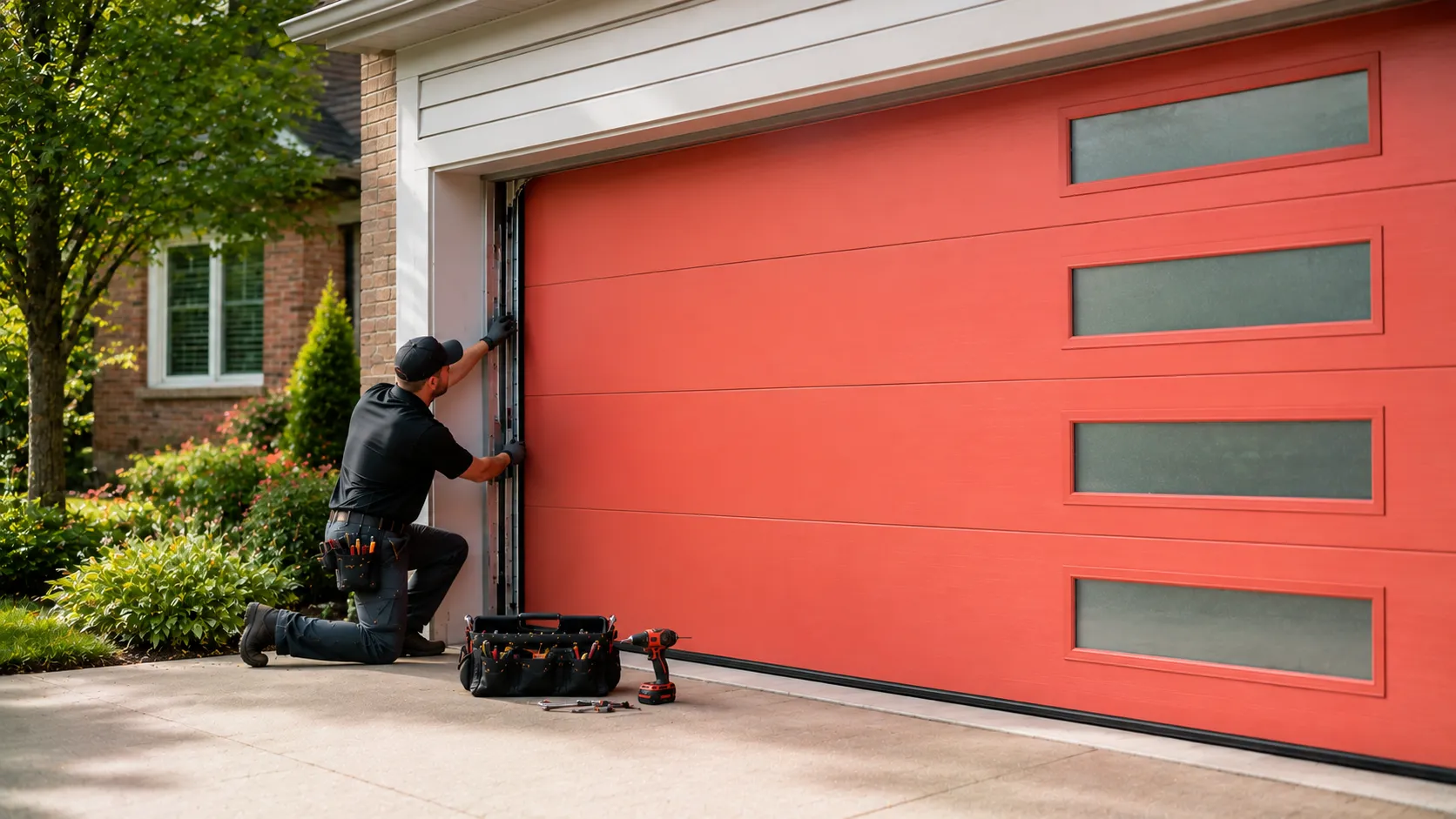
Weddington sits about seven miles out from our shop in Matthews, and the houses out here look different from what we see closer in. Across the wider service area, most homes were built between 1974 and 2006, with a median year of 1998 - and Weddington tracks right at that median. That means you're mostly looking at doors and openers from the 1990s building boom: taller garage openings, wider double-car bays, and chain or belt-drive openers that replaced the old screw-drive units builders used a decade earlier. Median household income out here runs well above the broader service area's $88,203, closer to $196,159, and that shows in the doors themselves - more insulated steel, more custom panel work, more openers with battery backup and smart features than you'll find in older, smaller houses. The stock isn't uniform, though. Some of these lots were built out later than others, so you'll still find a handful of older single-panel doors on side-mount hardware mixed in with newer sectional doors on standard torsion springs. When we come out, we're not guessing at what's behind the door - we're expecting 1990s-era torsion setups with room to upgrade, not the older hardware you'd find on a 1970s house closer to town.
What People Here Ring About
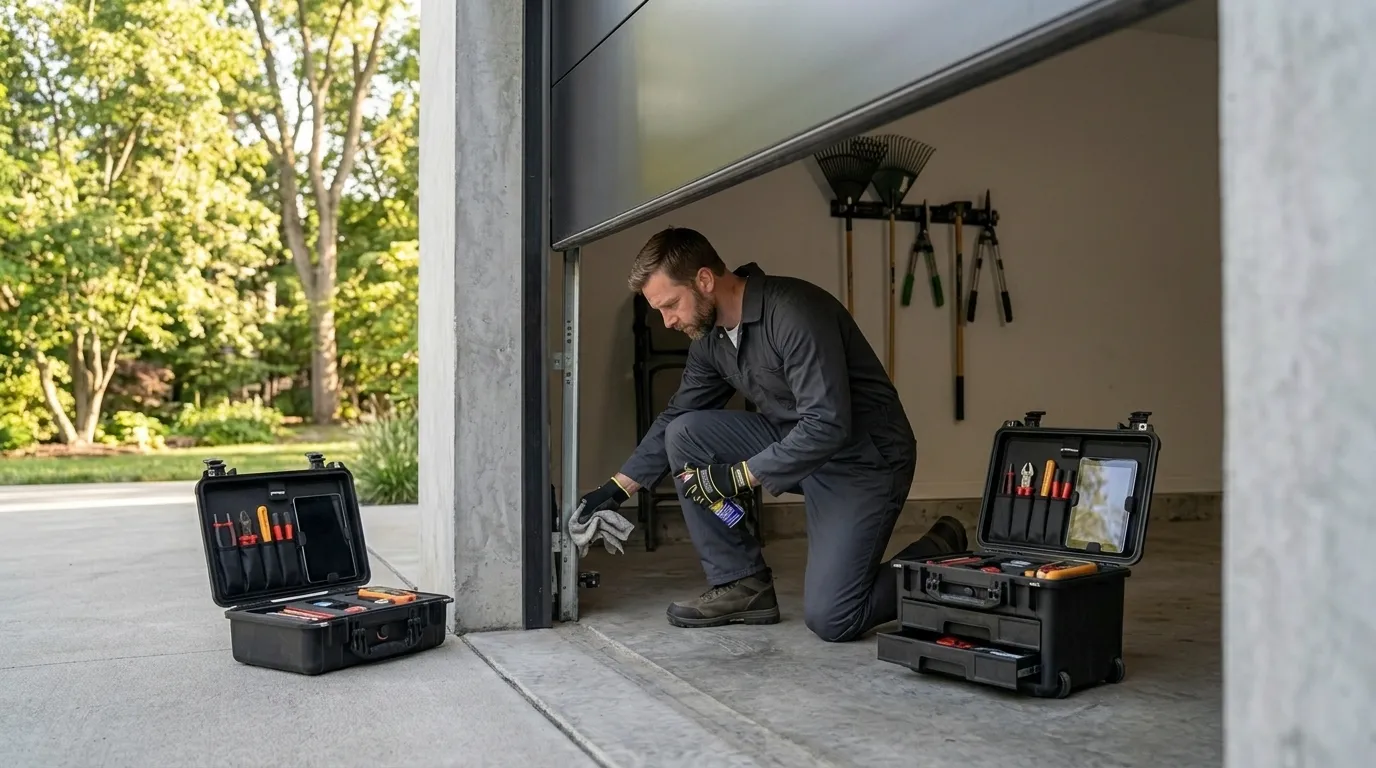
The most common call from this area is a broken torsion spring - expected, since a lot of these openers and springs are original to houses built in the 1990s and simply wearing out on schedule. Second most common: opener boards failing on units old enough that parts are getting hard to source, especially on the chain-drive models that were standard through that era. We also get calls about noisy nylon rollers on doors that have never been serviced, which is common on original hardware once it clears twenty-plus years. Given the income profile out here, we get more requests than average for full door replacement rather than patch repairs - owners who'd rather put in an insulated steel door with a quiet belt-drive opener than keep nursing 1990s hardware along. One honest limitation: if your opener is a specialty or discontinued model from that era, we may not have the exact circuit board on the truck, and it can mean a short wait on a special order rather than a same-visit fix.
How That Shows Up in the Door
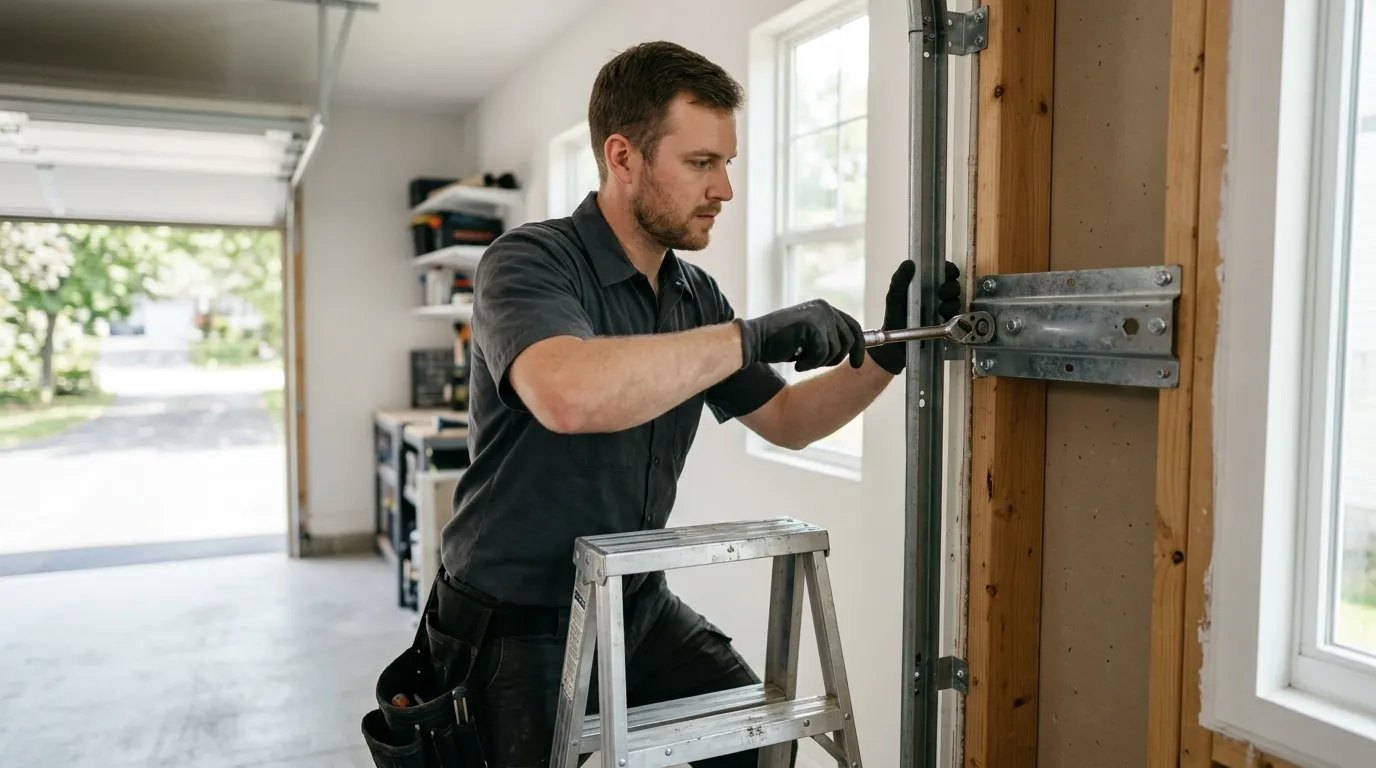
Cold-moderate winters mean steel doors here see real temperature swings across a year, and on 1990s-era doors without factory insulation, that shows up as stiff torsion springs in January and a slightly heavier pull on the opener until things warm up. Because Weddington's housing sits right at the 1998 median for the wider area, the springs, cables, and drums we replace out here are almost always the standard torsion setup that era used, not the older extension-spring hardware you'd find on a house built in the 1970s. Combined with the higher-end finish level common in this income bracket, we see more requests for insulated replacement panels than bare-bones swaps - owners upgrading the whole door rather than patching a thirty-year-old one. It's a straightforward mix: predictable hardware, predictable failure points, and enough household income in the area that most people choose to fix it right the first time instead of deferring.