The Houses Here
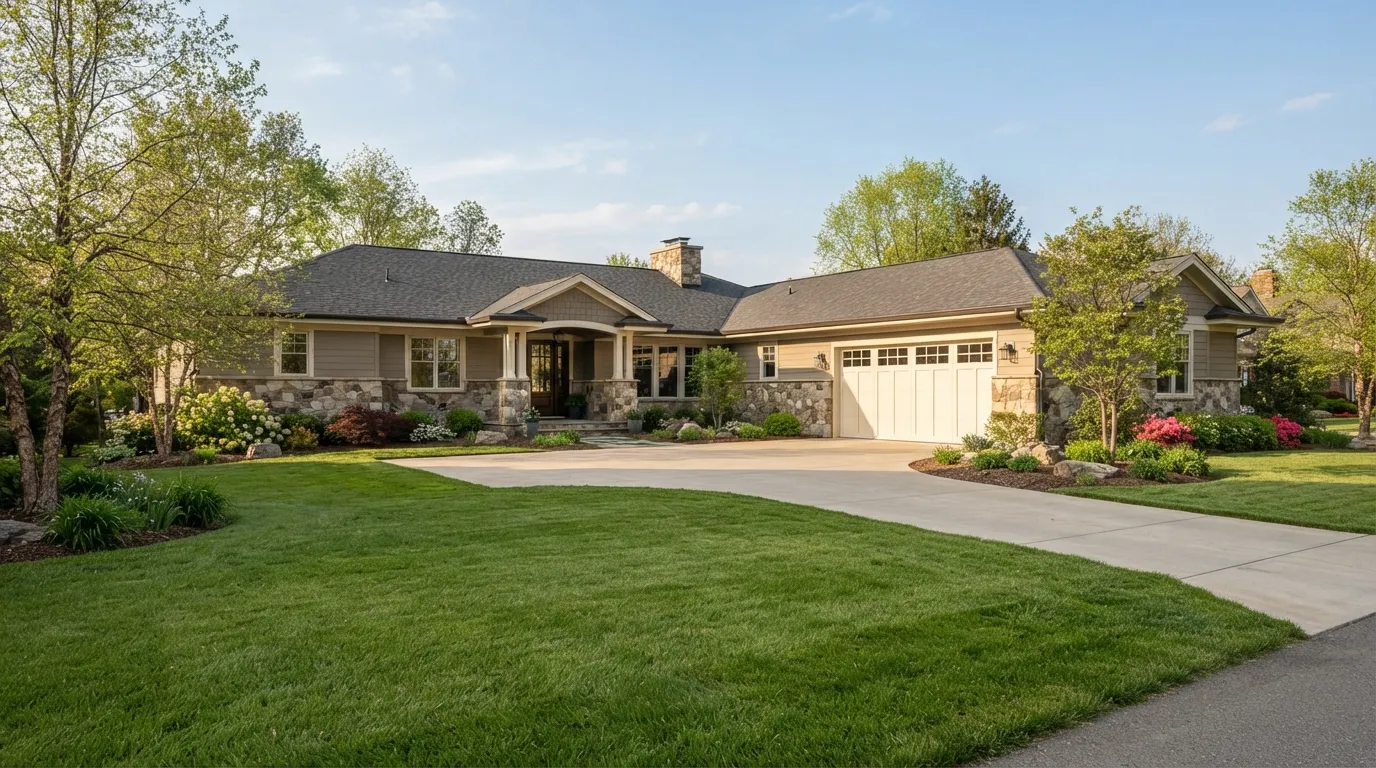
Unionville's housing stock centers on 1993, a good decade newer than the older pockets closer to Matthews but still solidly inside the 1974-2006 window that covers most of this service area. That matters because 1993 is right in the middle of the shift from cheap steel doors with minimal insulation to the heavier, better-braced panels that started showing up by the late '90s. A lot of Unionville garages still have the original door, or a same-era replacement, running on torsion springs sized for a lighter panel than what's sometimes been swapped in since.
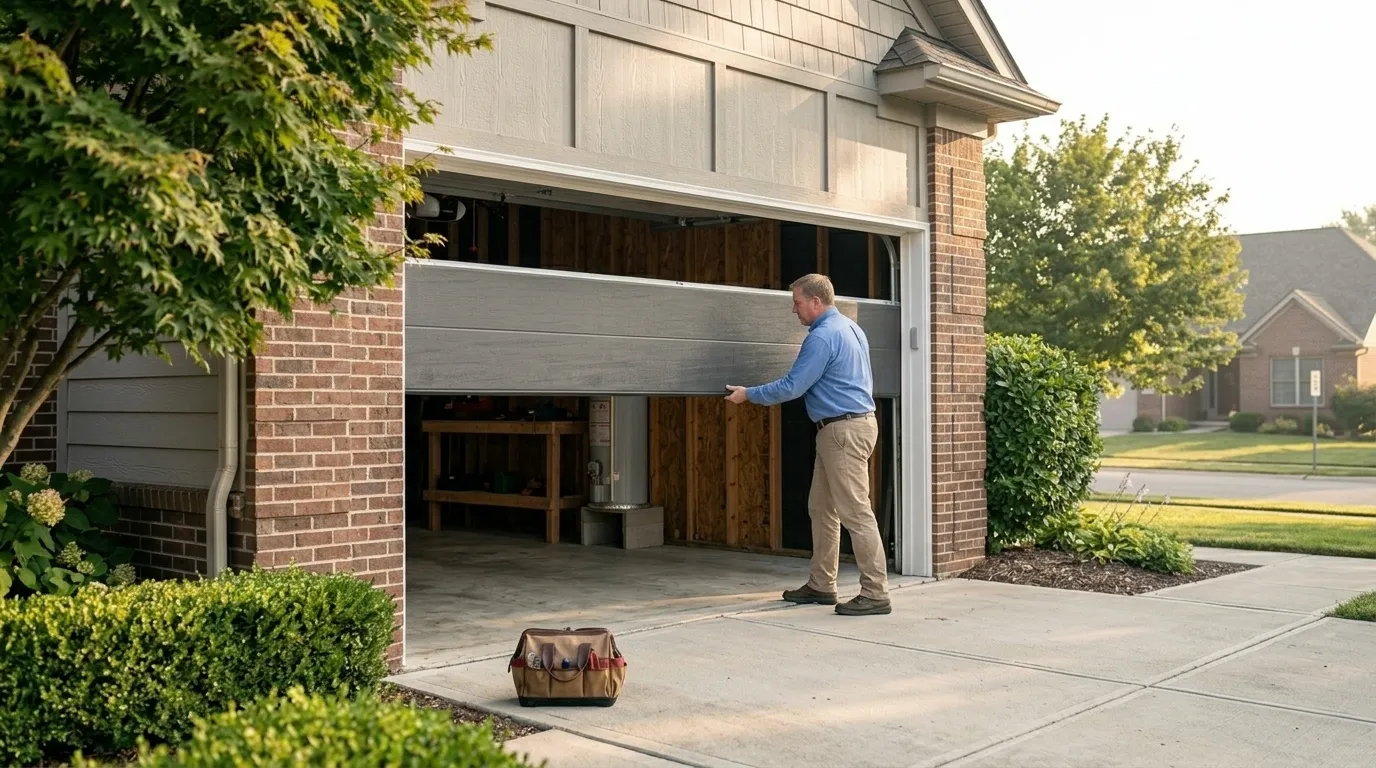
With 2,431 households in the immediate area, it's not a huge market, and it's not densely built either - lots here tend to be bigger, which usually means longer driveways and detached or side-load garages rather than the tight front-load setups you see in older, denser subdivisions. That layout changes how we think about track angle and header clearance on a service call, because a side-load door on a wider garage often needs a different spring count than the standard two-car opening.
Median household income here runs $92,009, a bit above the wider area's $88,203, which we mention only because it tends to track with how many owners ask for a full opener upgrade instead of a patch repair when a board fails.
What People Here Ring About
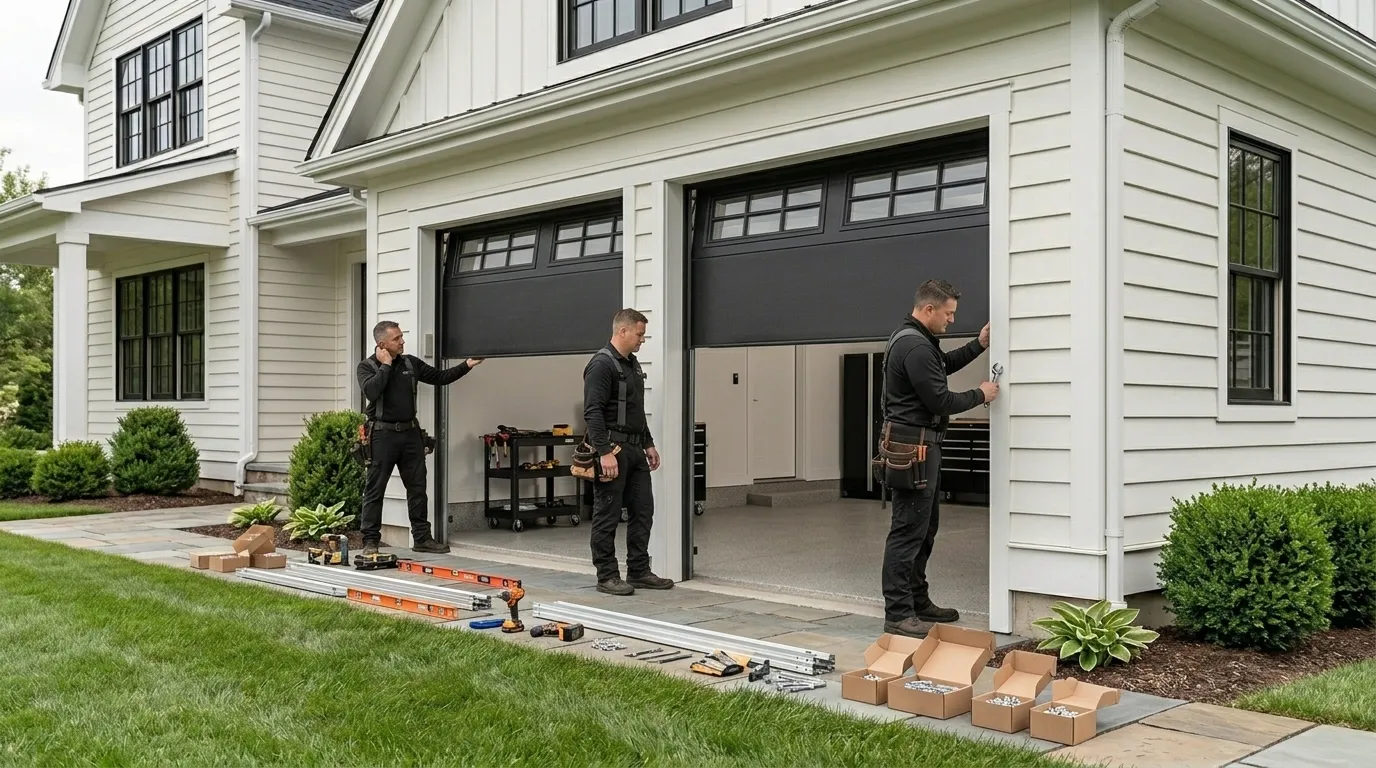
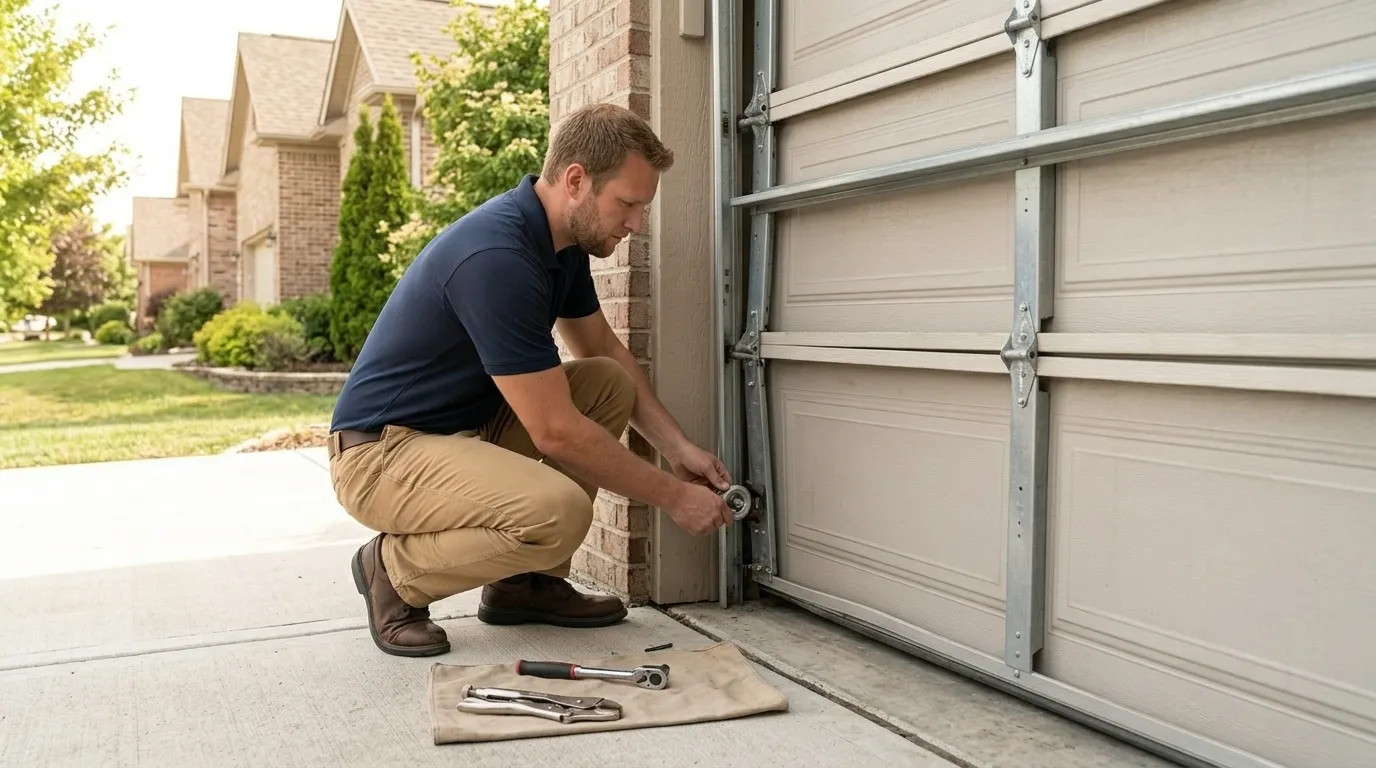
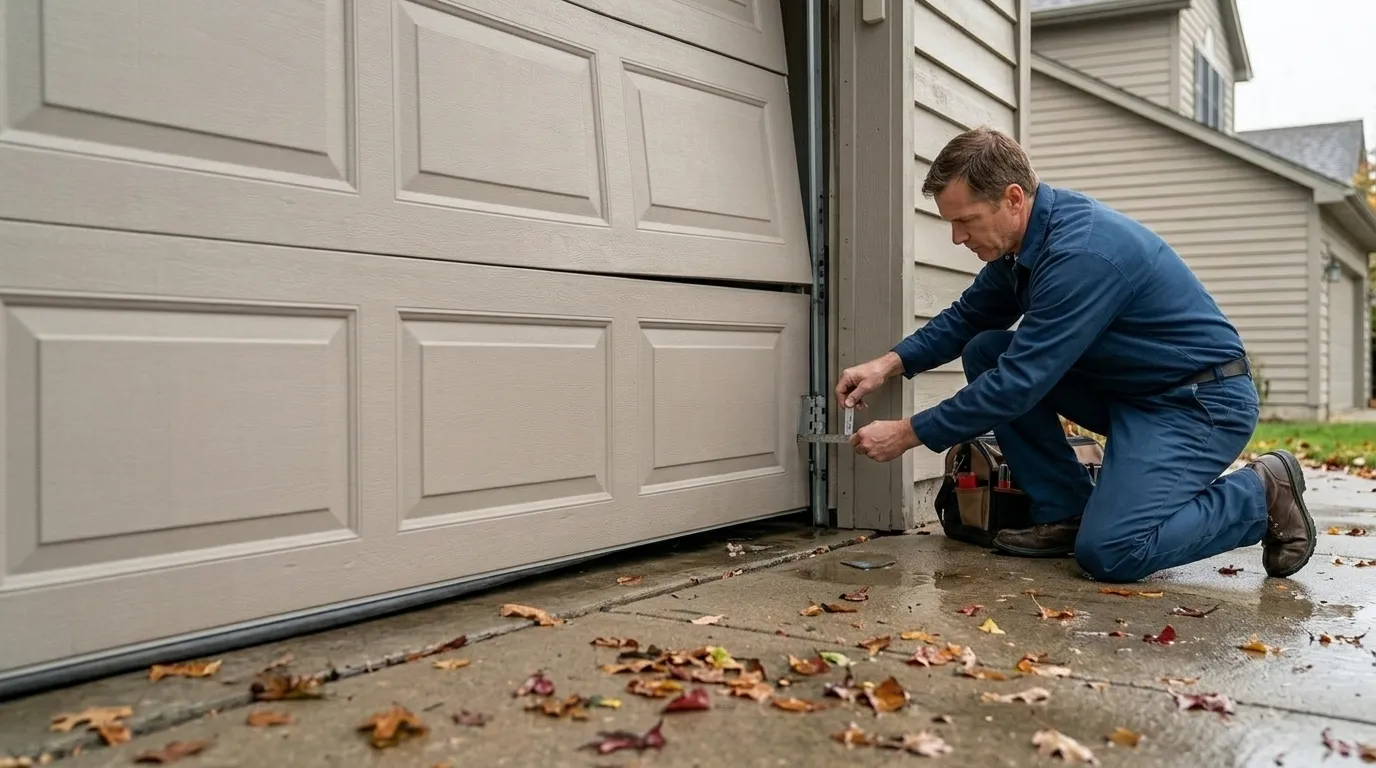
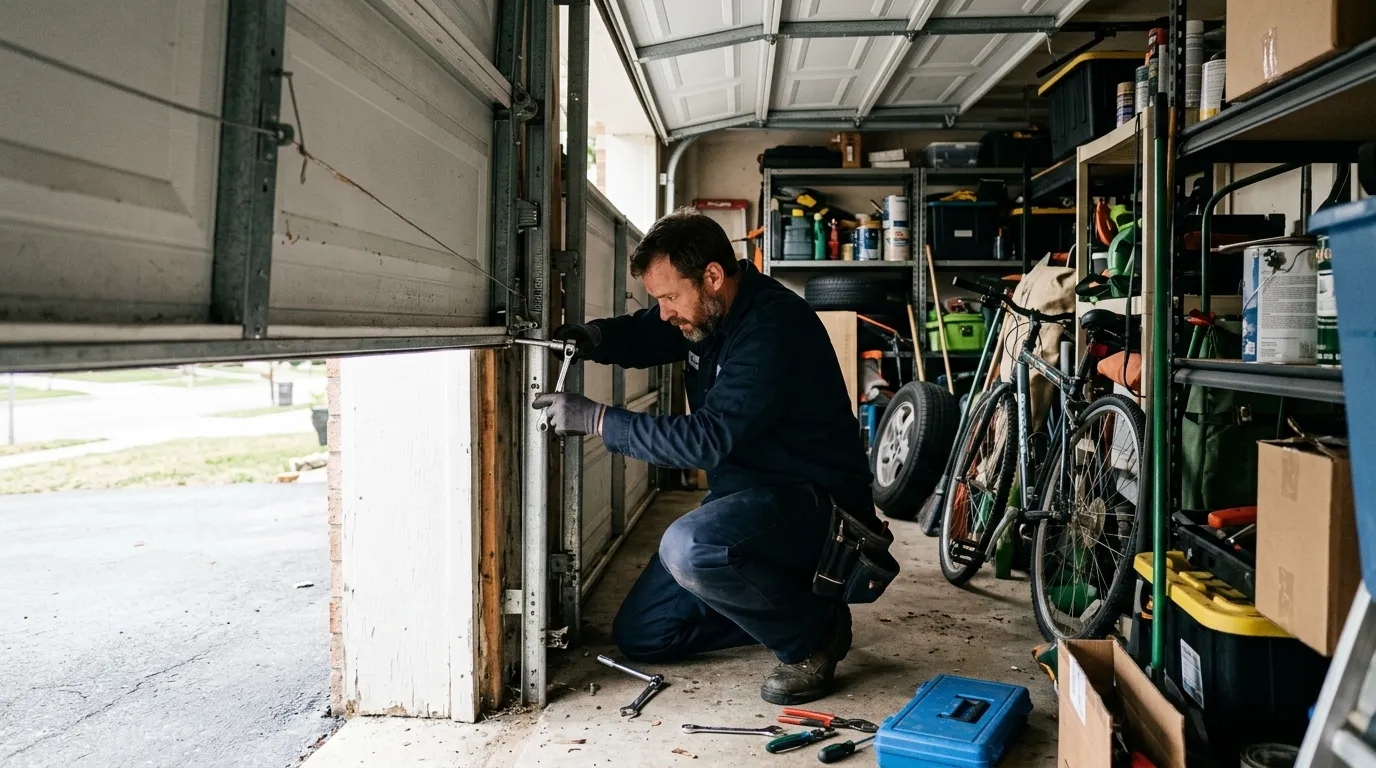
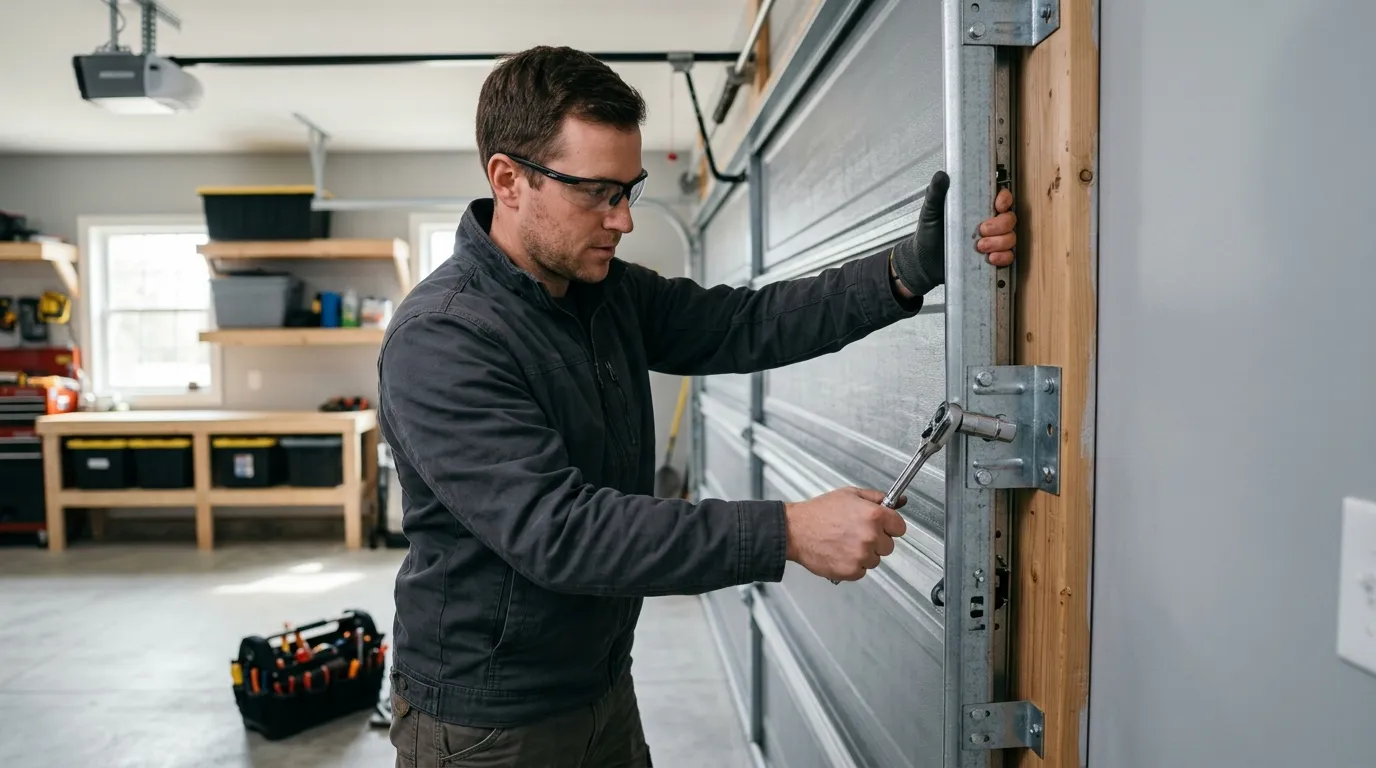
For a 1993-era door, the two most common calls are worn nylon rollers that have gone from quiet to grinding, and torsion springs that are original to the house and finally giving out after three decades of cycles. Springs from that build year weren't rated for anything close to today's cycle-count standards, so if your door still has its factory spring, it's overdue, not early.
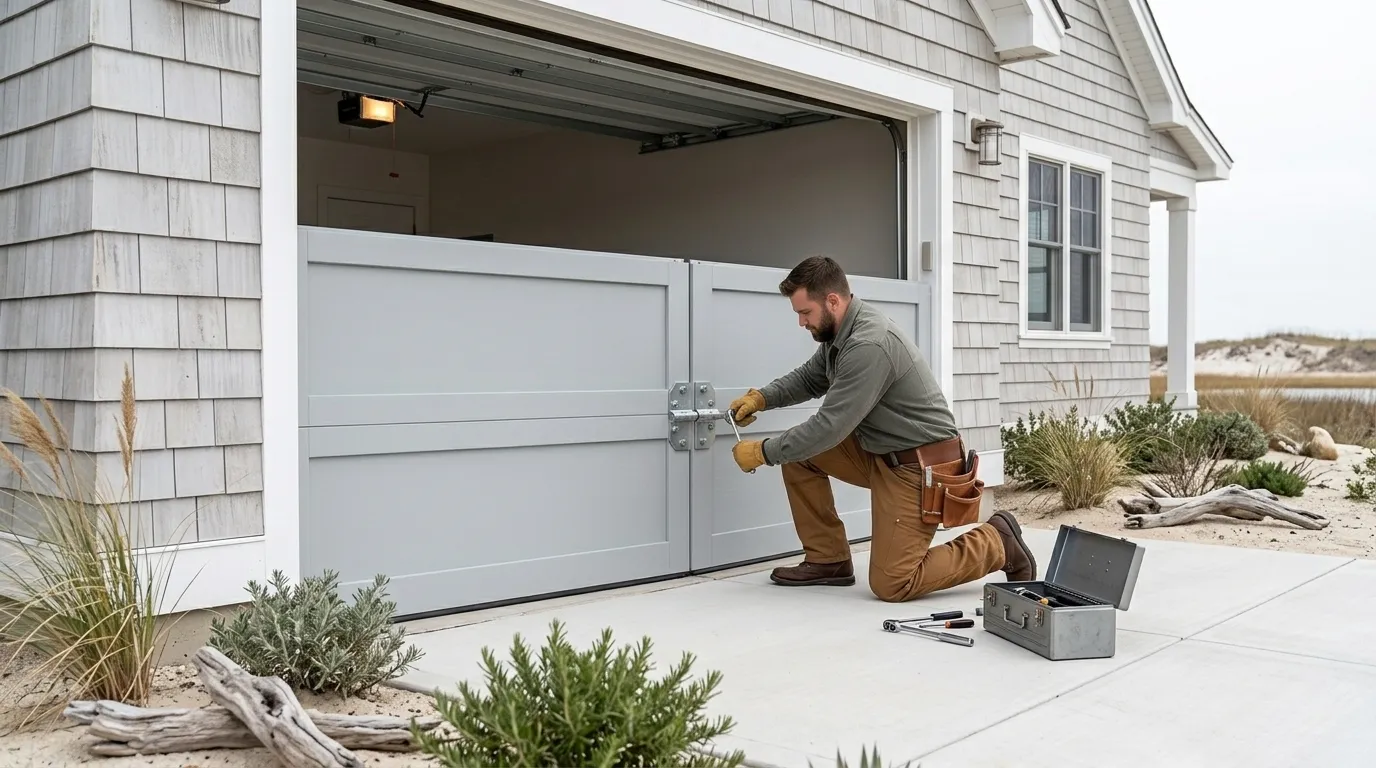
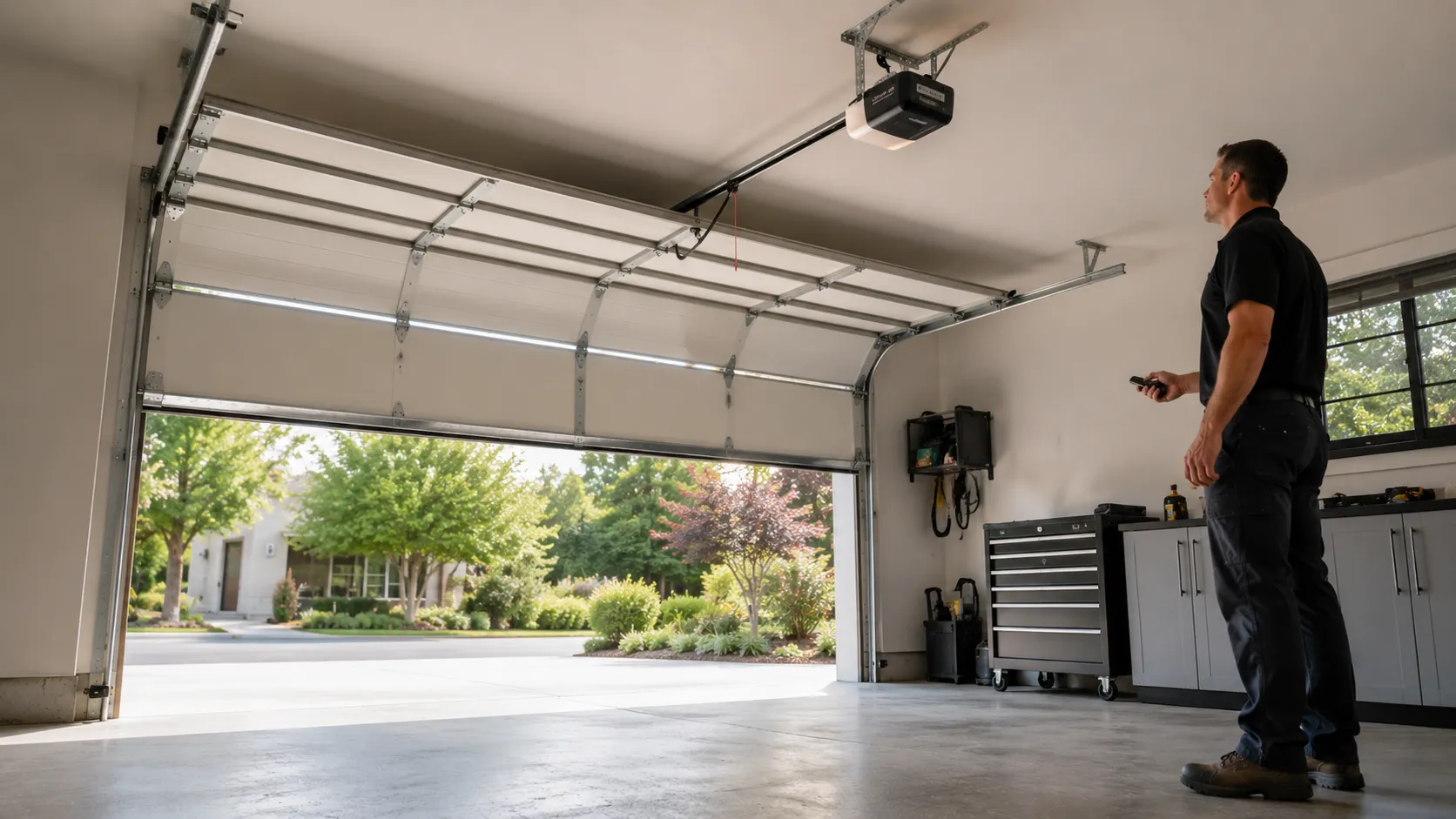
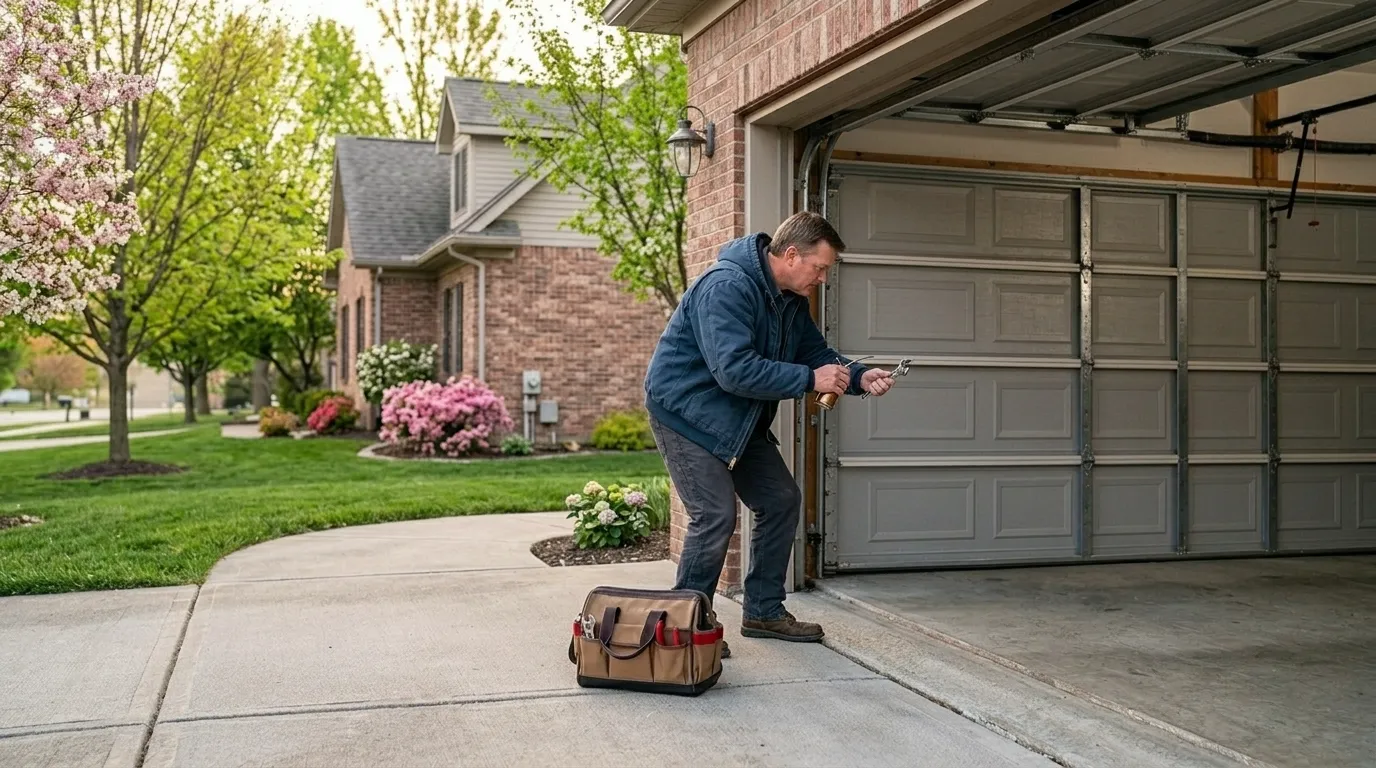
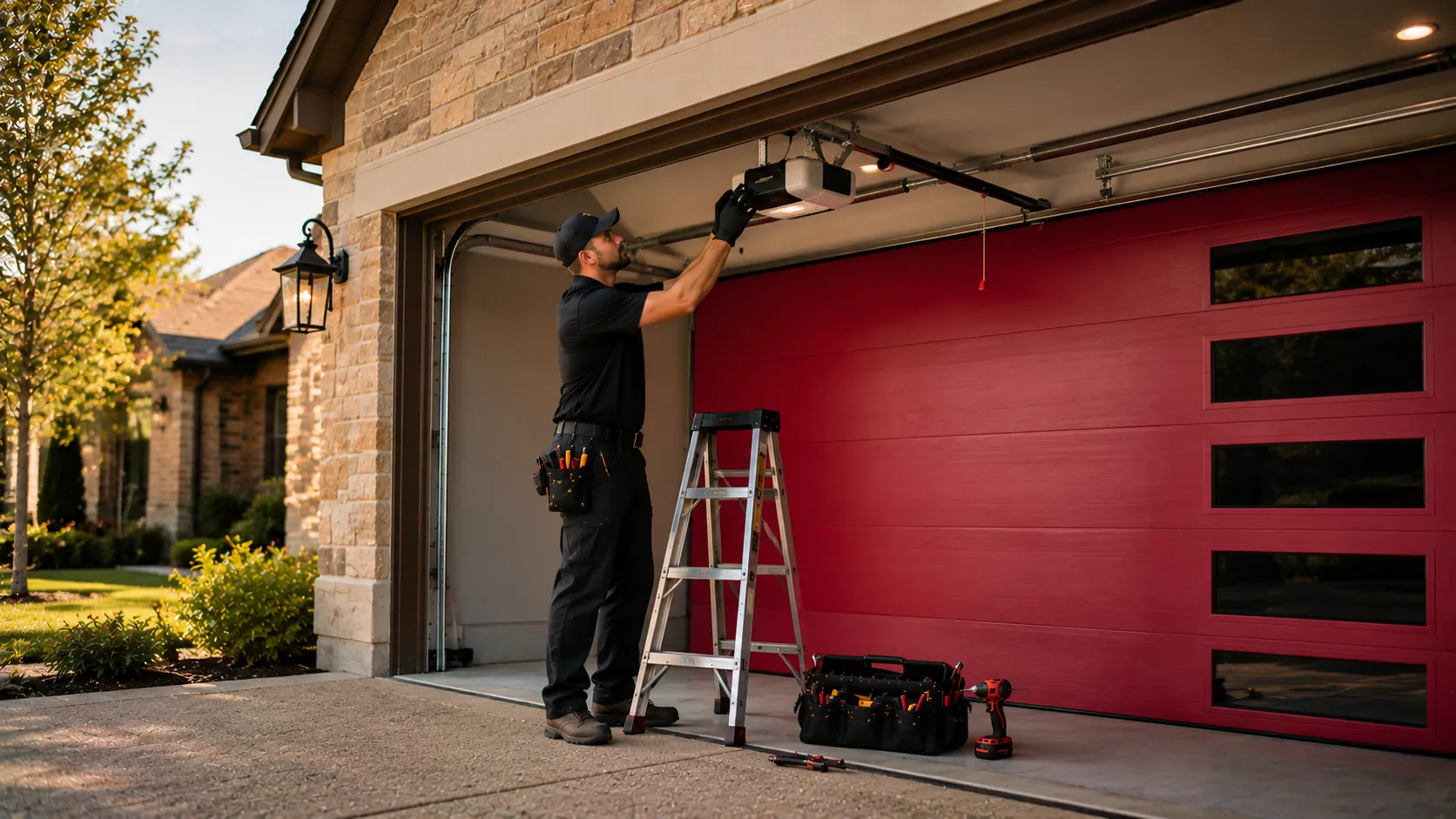
Openers are the other pattern. A garage door installed in the early '90s has usually seen at least one opener swap already, sometimes two, and mismatched hardware from a prior DIY install is common - a newer opener bolted to an old bracket, or a safety sensor added later without the wiring cleaned up. We also see cracked bottom panels on doors that never got weatherstripping upgraded to match the region's cold-moderate winters, where freeze-thaw cycling stresses the seam at the bottom section.
One honest note: if the door itself is original steel from 1993 and the bottom panel is rusted through or the track is bent from age, we'll tell you when a repair isn't worth chasing and replacement is the better spend. Patching a 30-year-old panel to save a spring job usually costs more over time.
How That Shows Up in the Door
Put it together and the typical Unionville service call looks different from one in an older Matthews neighborhood. You're less likely to be dealing with a one-piece door on ancient hardware, and more likely to be dealing with a sectional steel door from the early-to-mid '90s that's now on its second opener and first or second spring set. The fixes are usually more straightforward - parts for that era are still widely available, unlike the obsolete hardware on some of the pre-1970s stock elsewhere in the area.
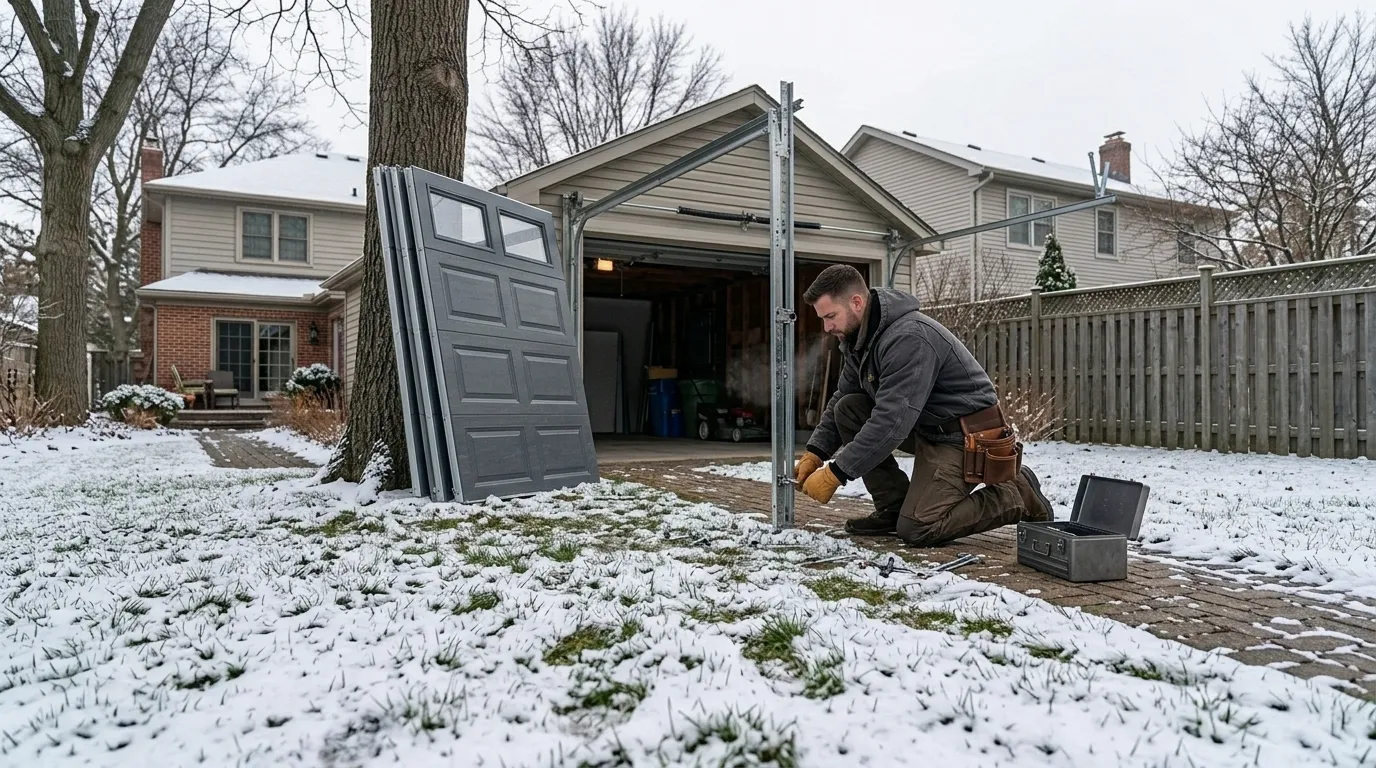
The cold-moderate climate here still matters even with newer construction: metal contracts in winter, and a spring that's already fatigued from 30 years of cycles is more likely to snap on a cold morning than a mild one. If your door's been groaning going into winter, that's usually the tell.