The Houses Here
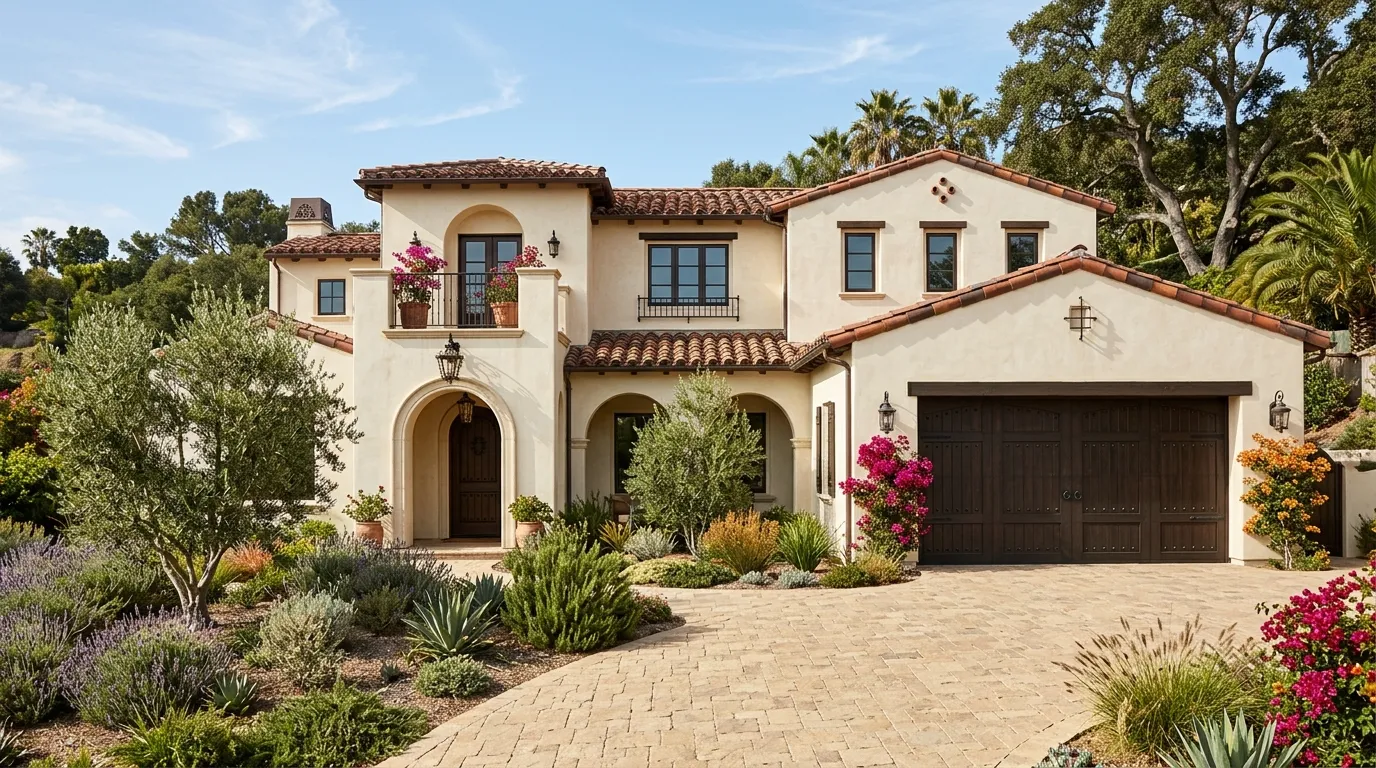
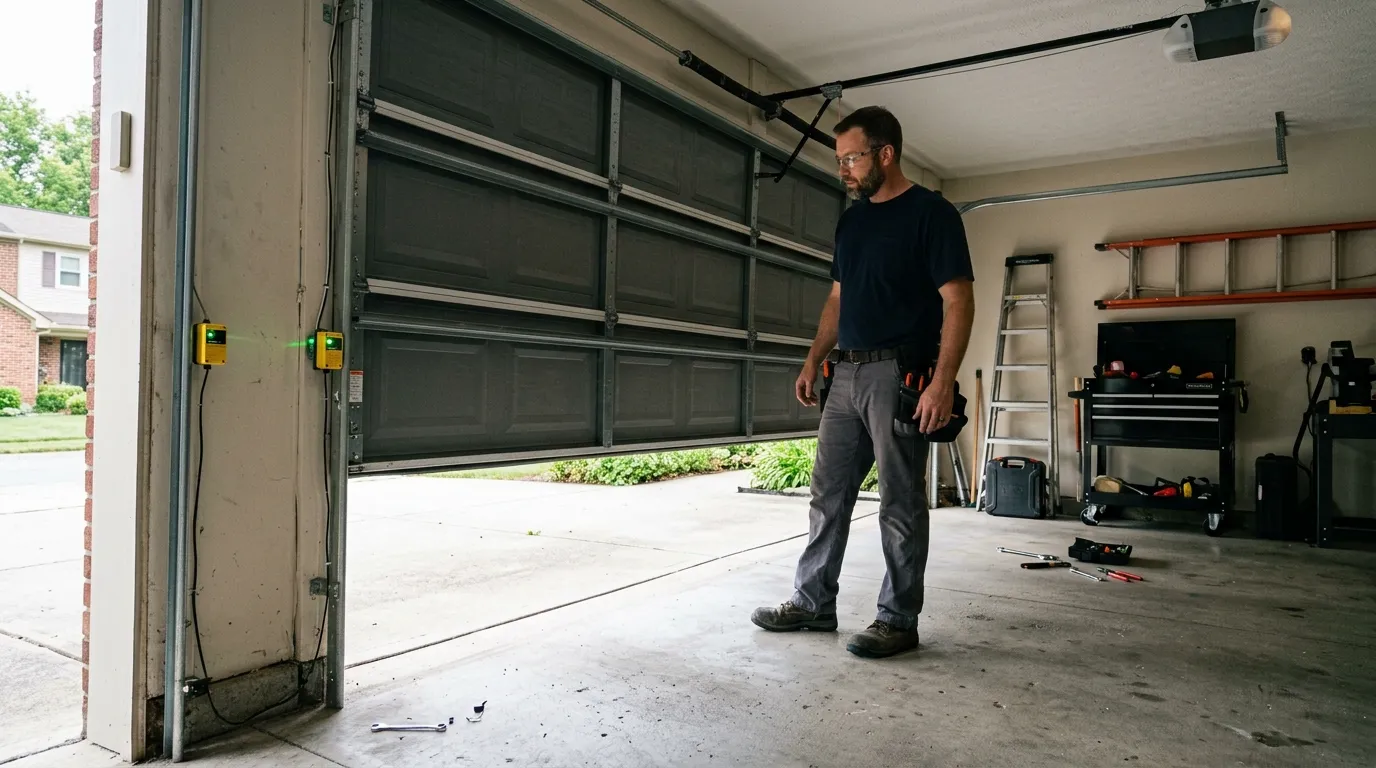
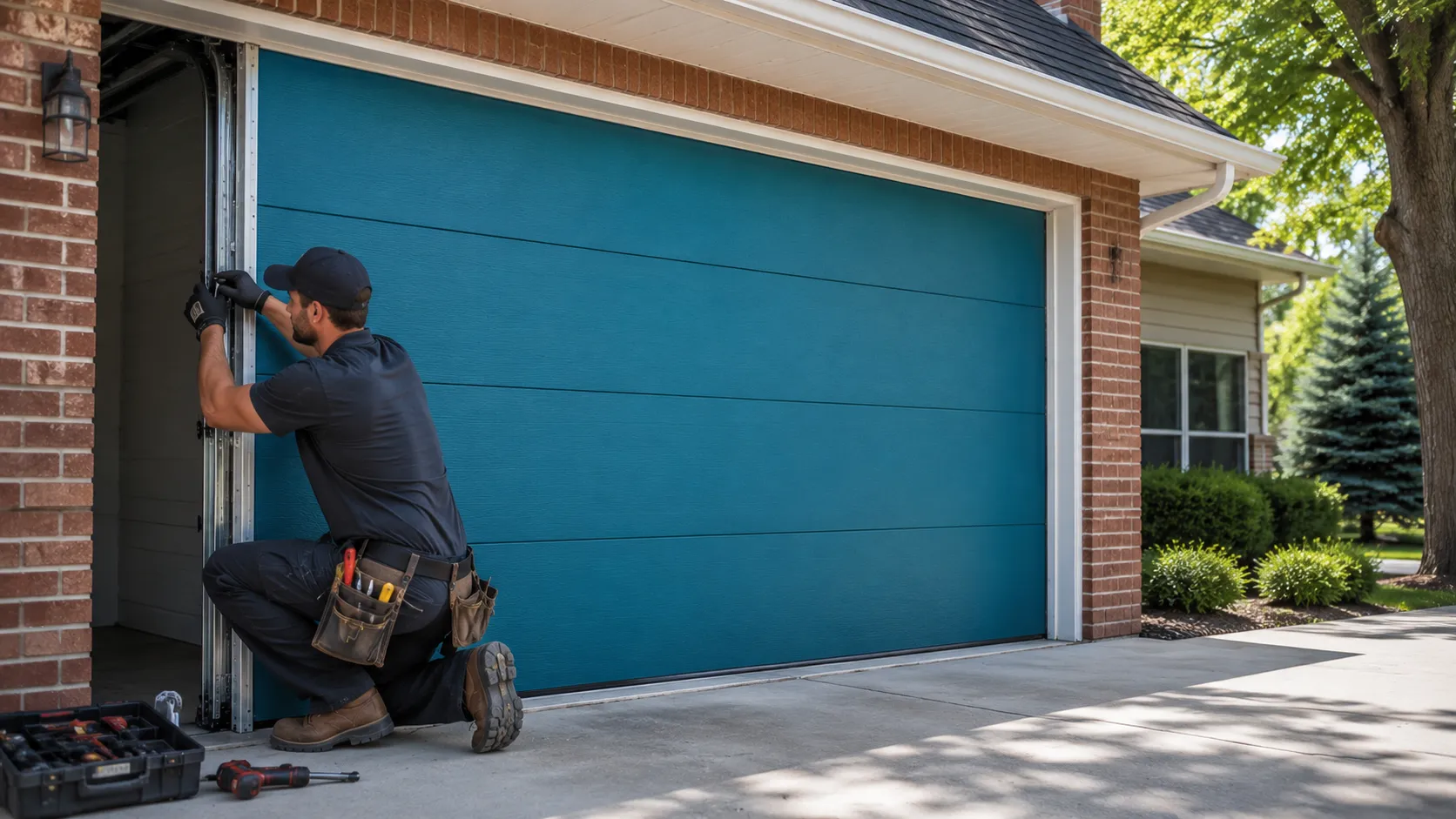
Stallings sits about 3 miles from Matthews, and the houses here skew newer than the rest of the service area. Across the wider territory the typical home dates to 1998, built somewhere between 1974 and 2006. Stallings runs a few years past that median, with most of its housing going up around 2002 as the town filled in during the late-90s and early-2000s building boom. That gap matters more than it sounds. A door installed in 2002 is a steel or steel-composite section door on a factory torsion spring, usually paired with a chain or belt-drive opener with a photo-eye safety sensor - not the older single-panel or wood doors you'd find on 1970s stock elsewhere in the area. With 6,039 households in Stallings, you've got a fairly consistent generation of doors and openers all aging out around the same time, which is part of why the same few problems show up over and over. The upside of a newer build era: standard hardware, easier parts, fewer surprises when we're under the door.
What People Here Ring About
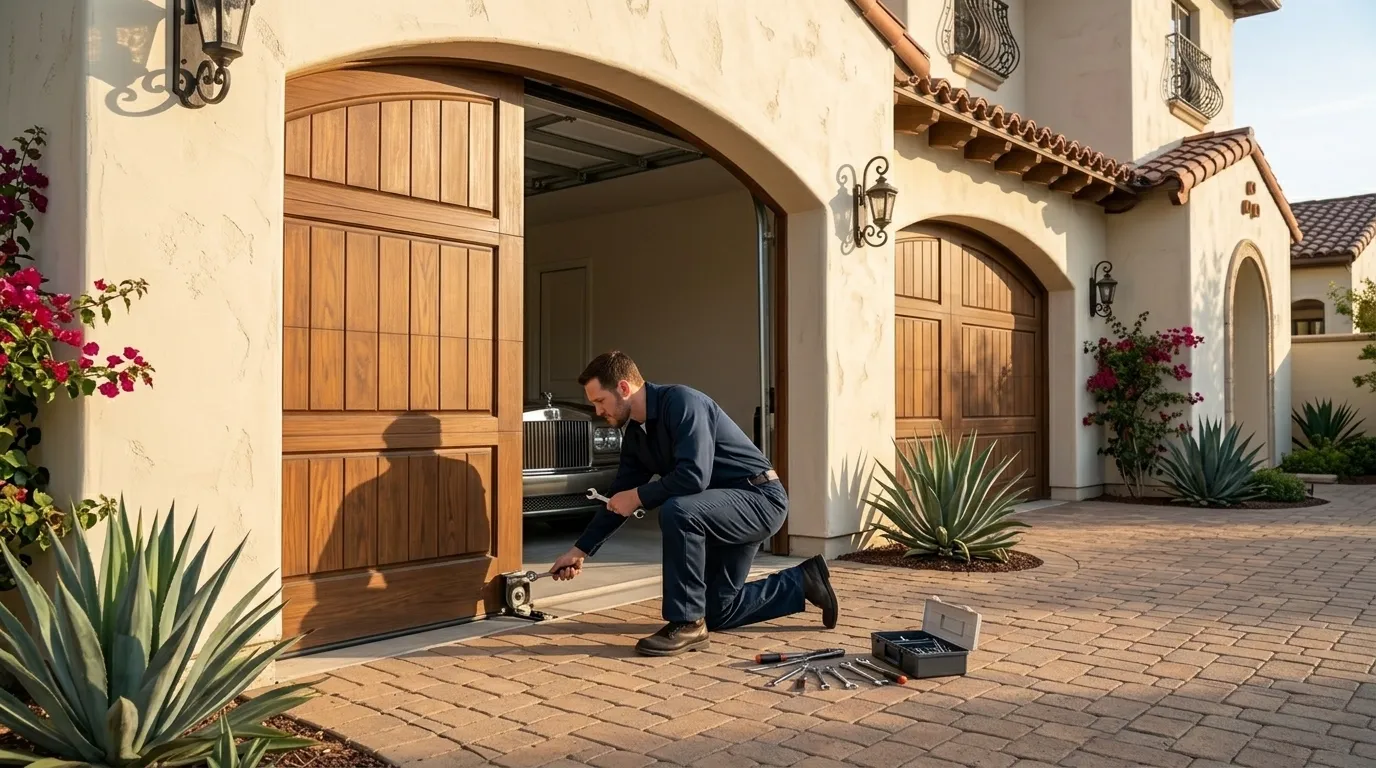
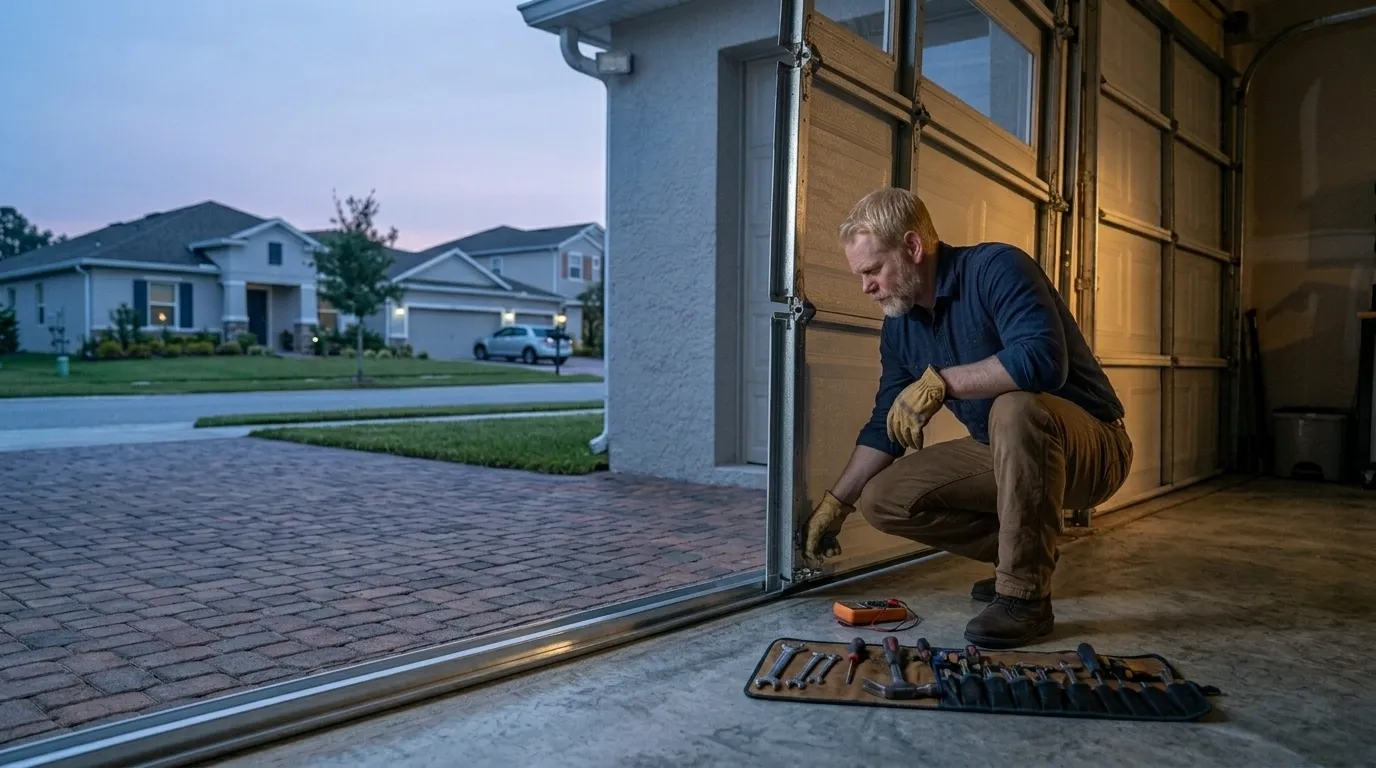
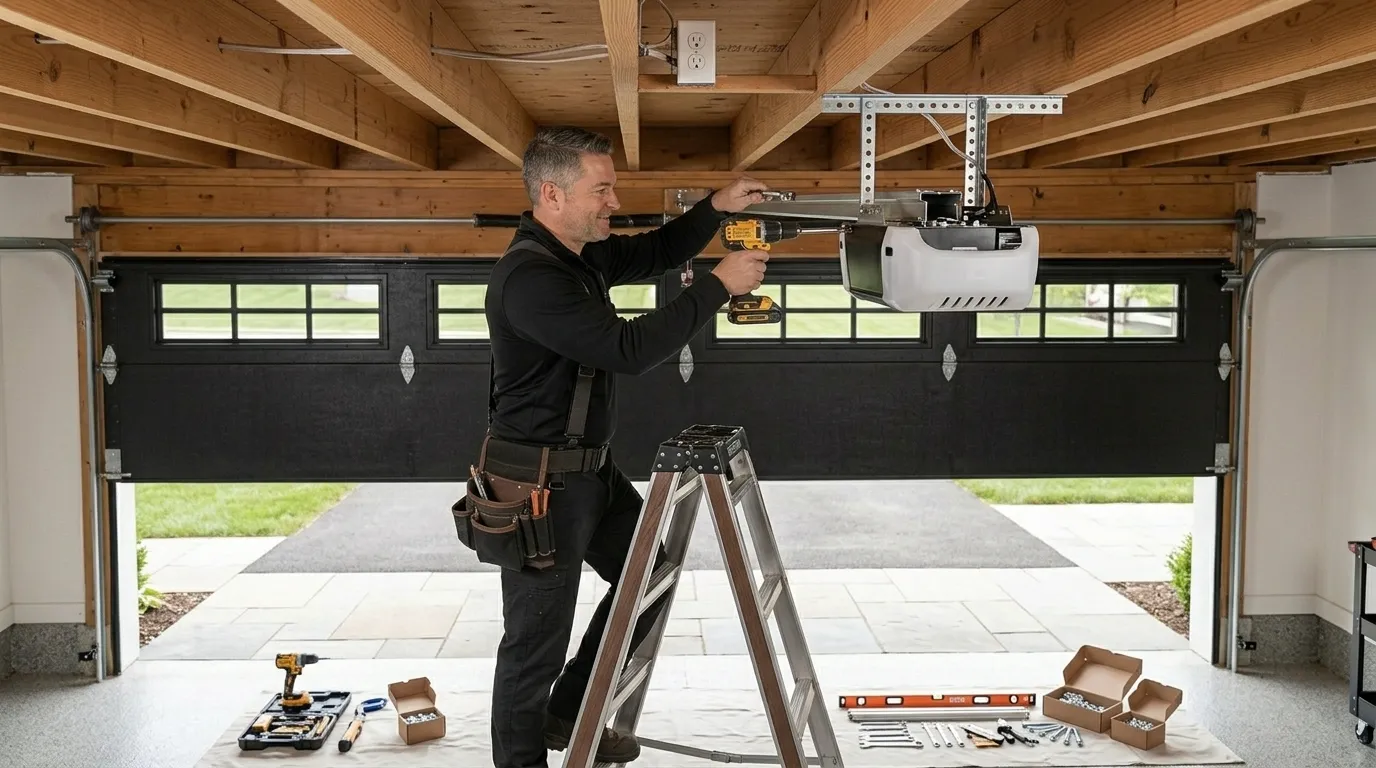
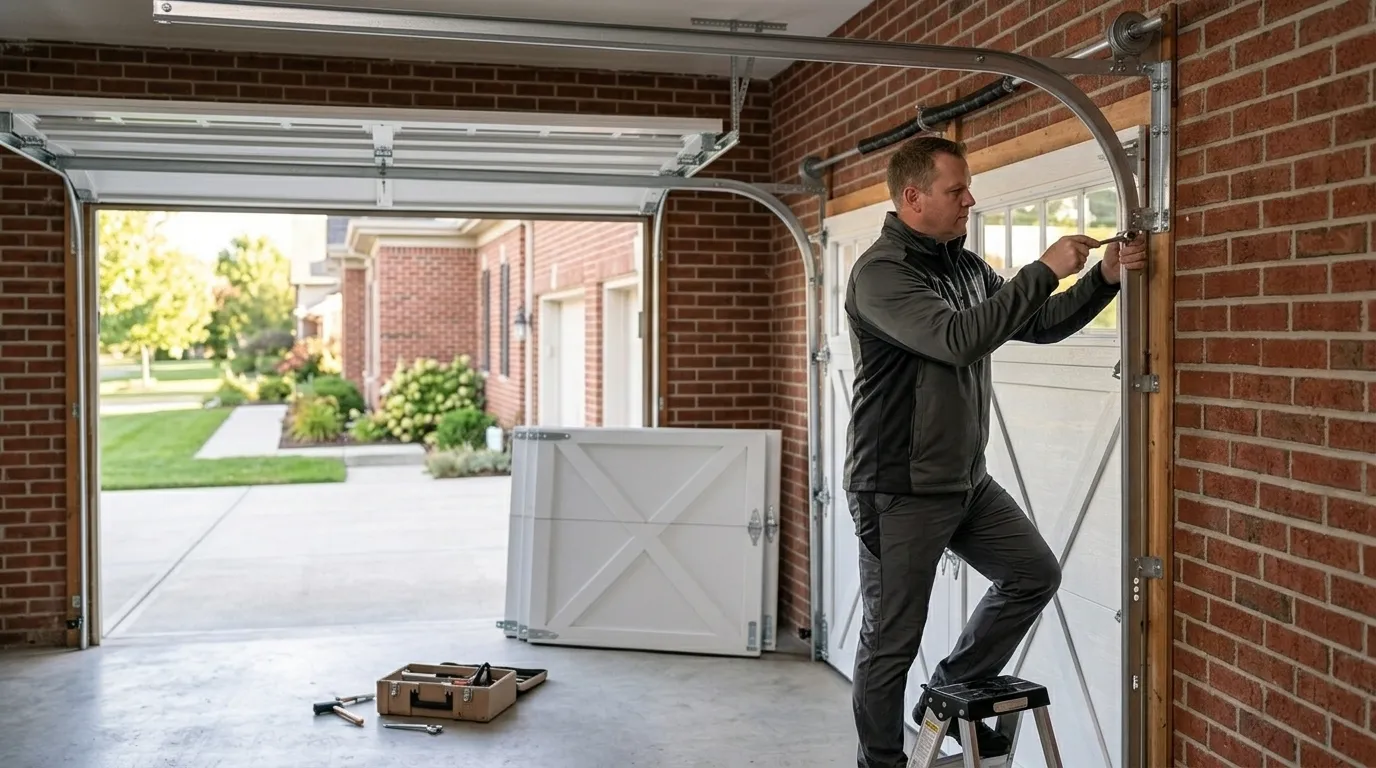
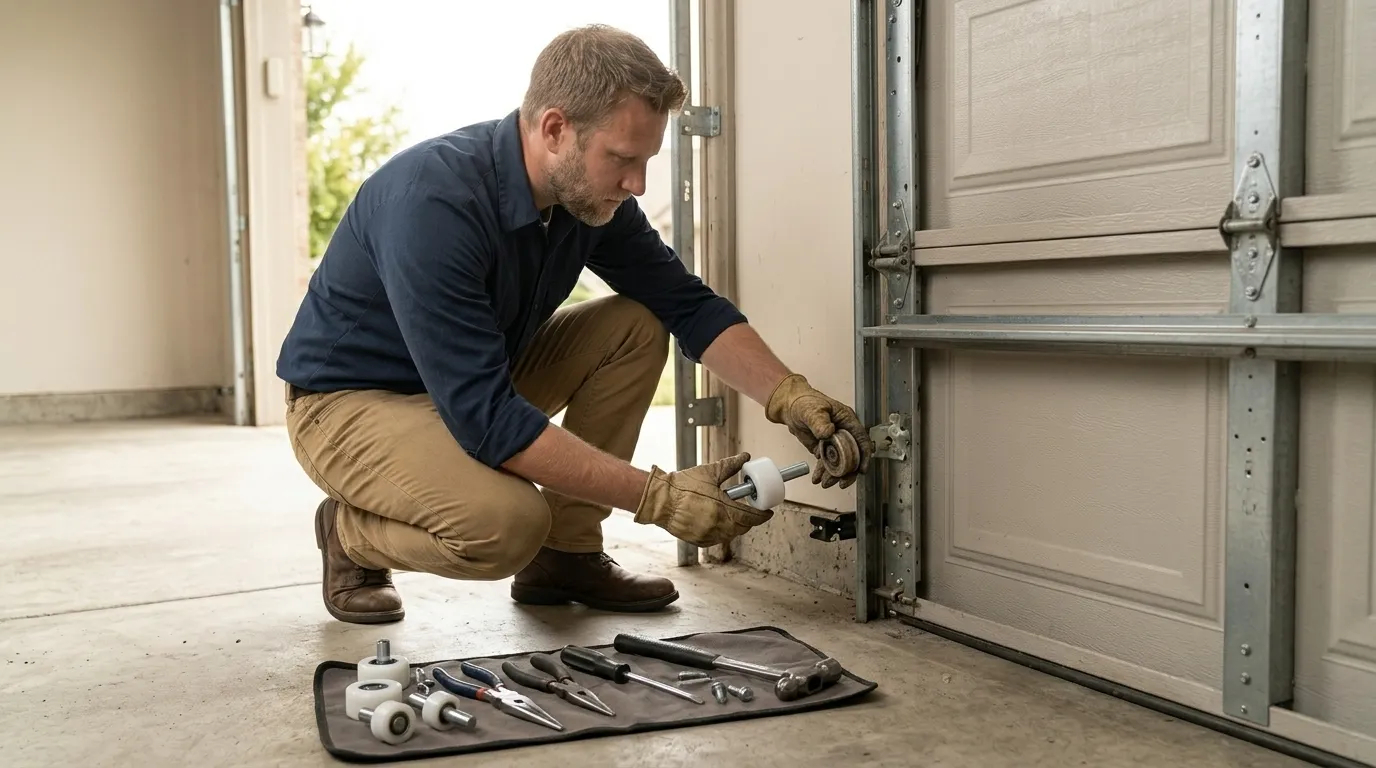
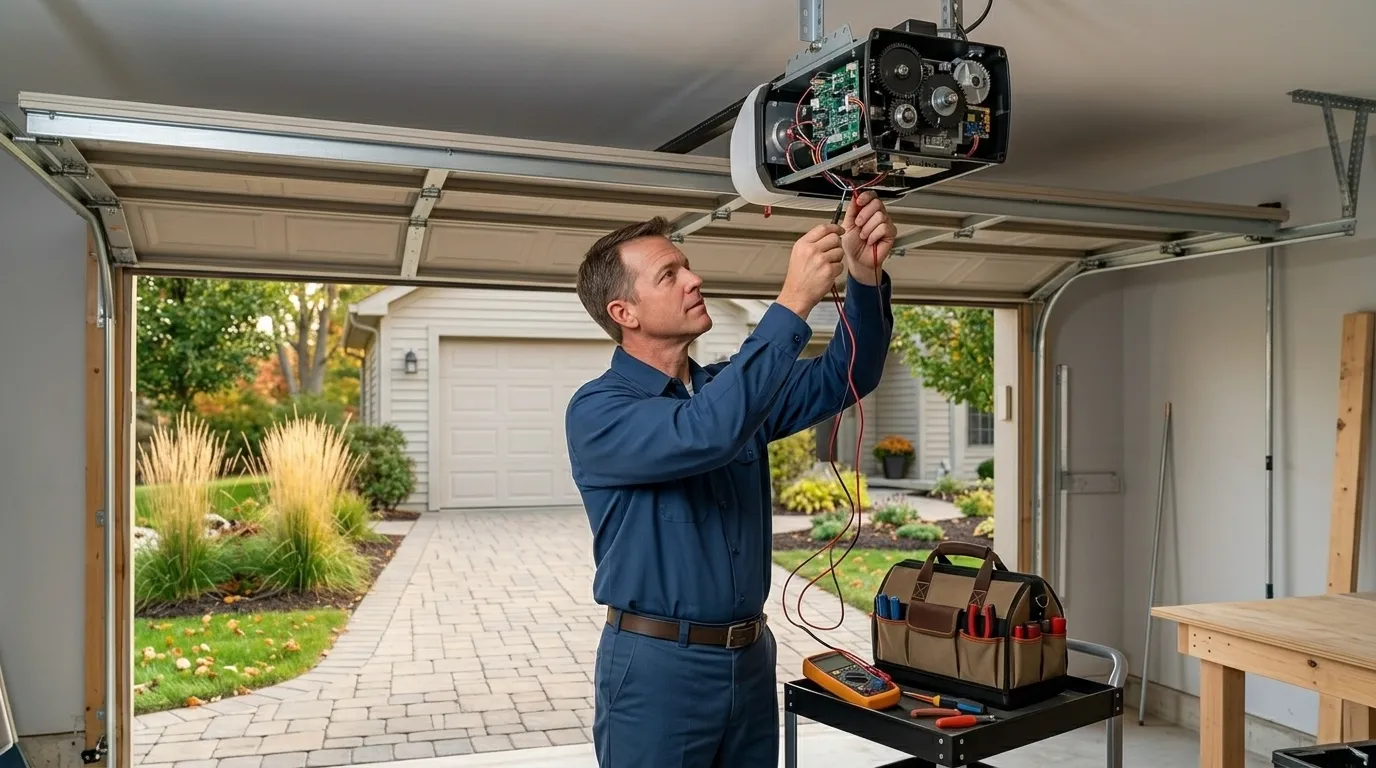
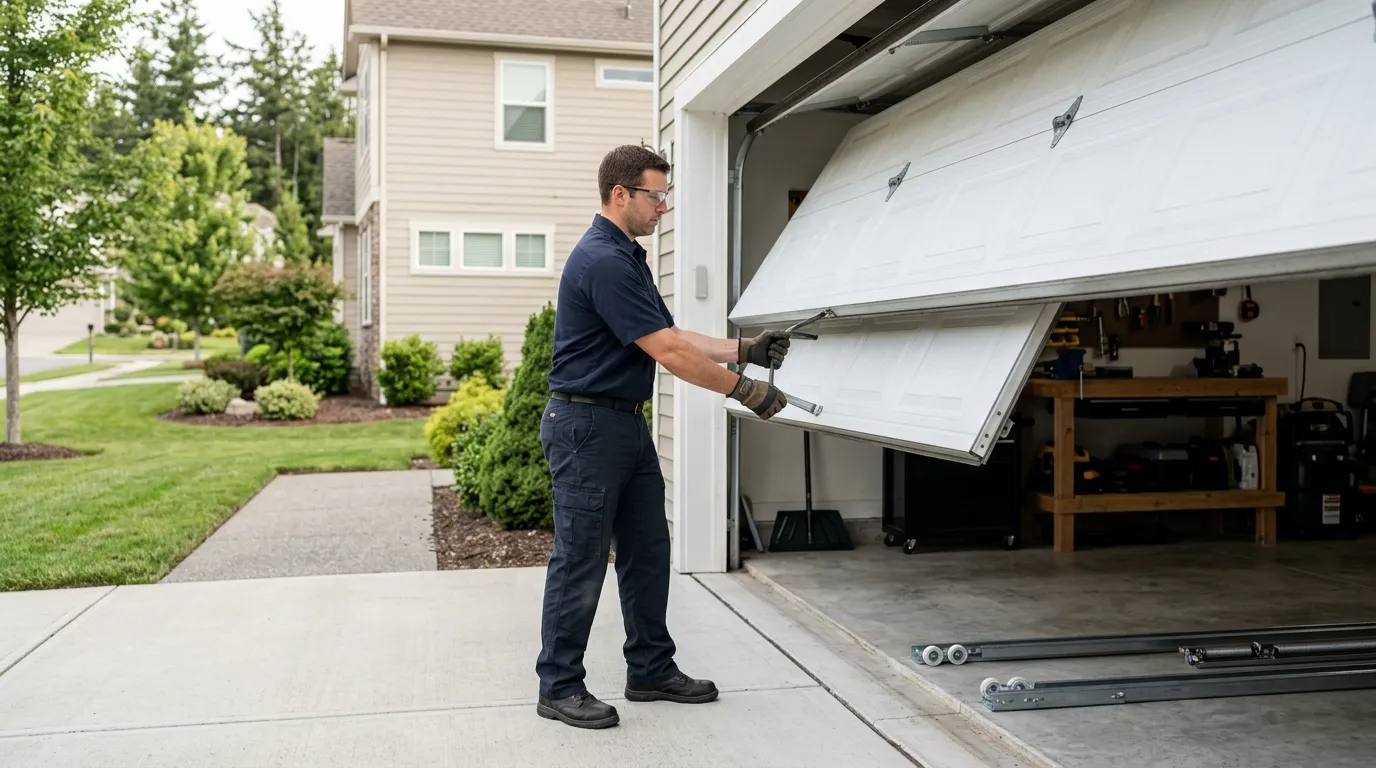
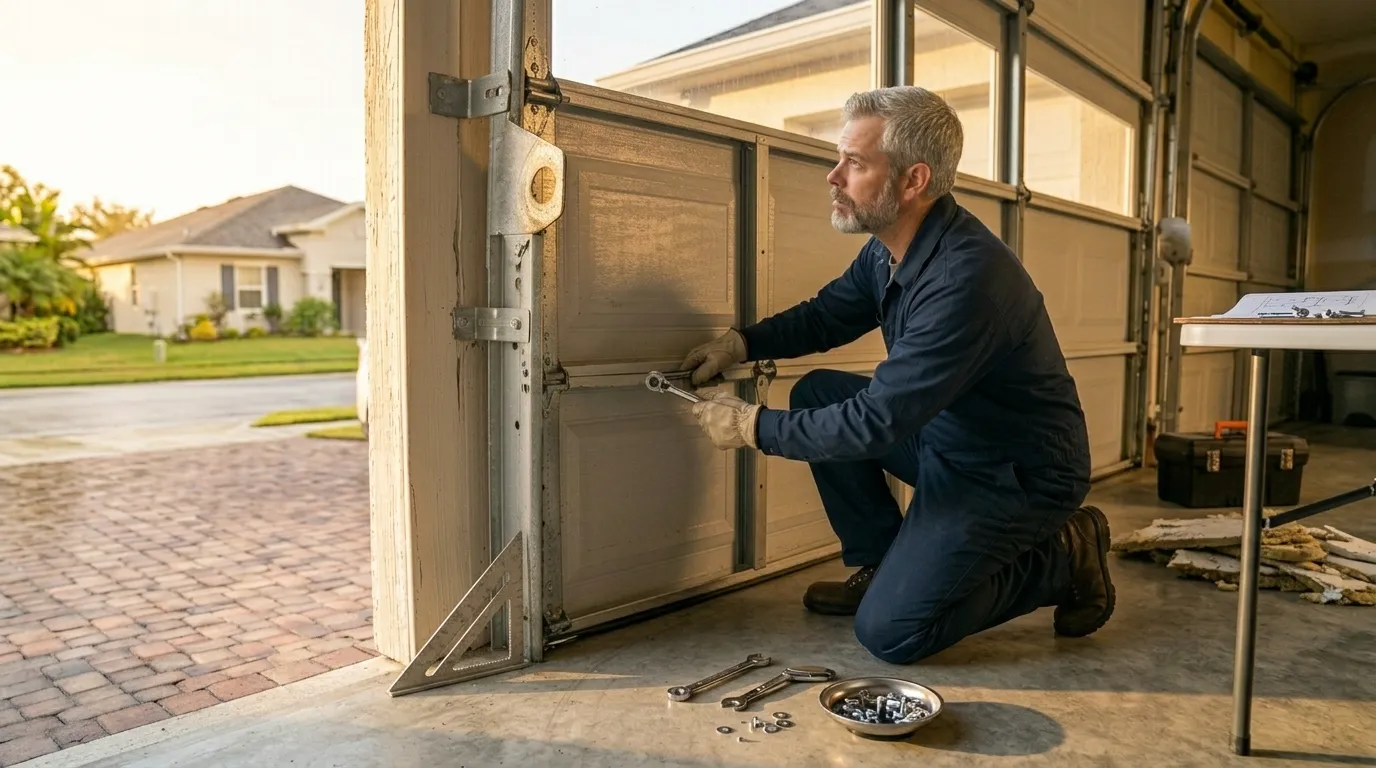
Doors from the early 2000s were built to a price point, and 20-plus years on, the calls we get from Stallings follow a pattern. Torsion springs rated for that era's door weight are reaching the end of their cycle count - most factory springs are good for around 10,000 cycles, and a door used twice a day for two decades is right in that window. Nylon rollers from that generation have usually gone brittle and noisy by now. We also hear from folks whose opener logic boards or safety sensors are original to the house and finally quitting, since 20-year-old circuit boards don't have the lifespan of the steel track around them. With median household income in Stallings at $106,074, we see more owners opt for full opener upgrades rather than patching an old board - it's often the more sensible call once a board and a spring are both due.
How That Shows Up in the Door
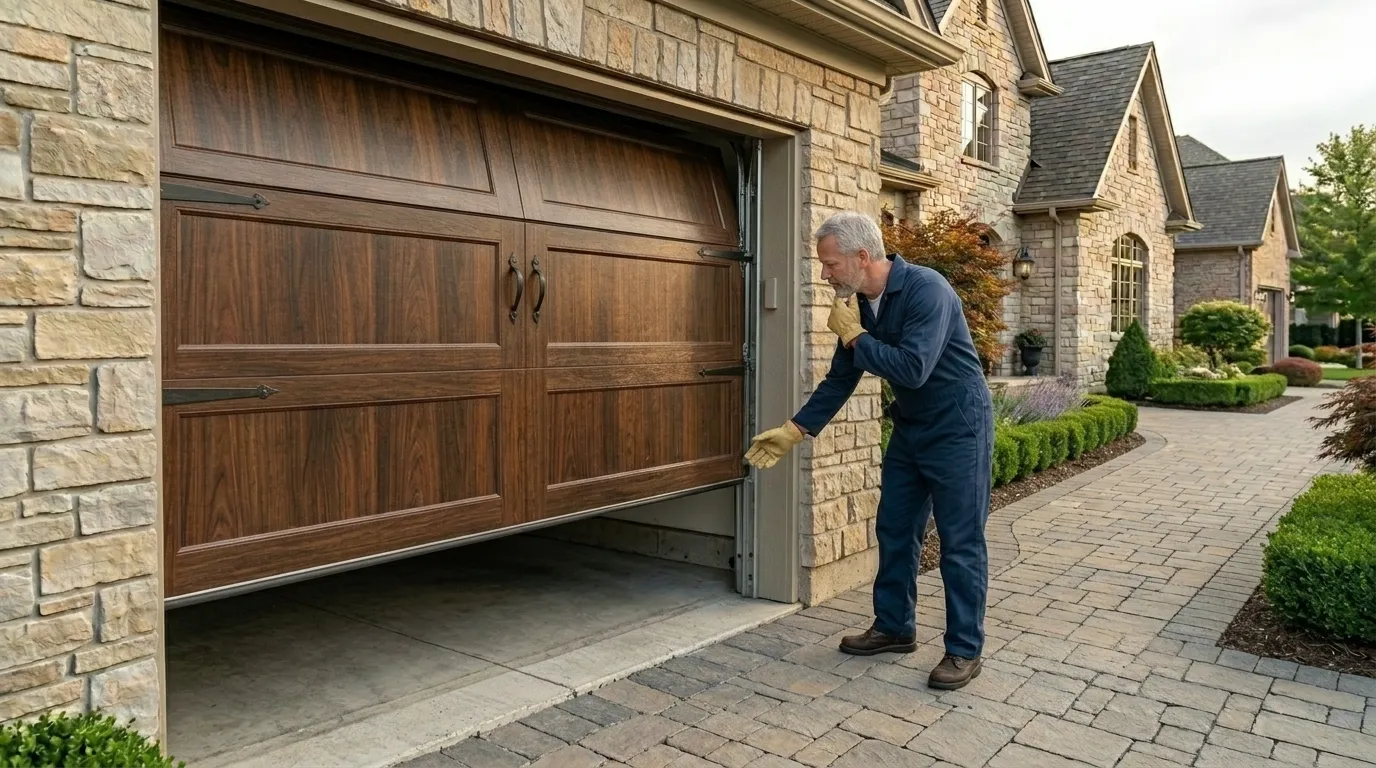
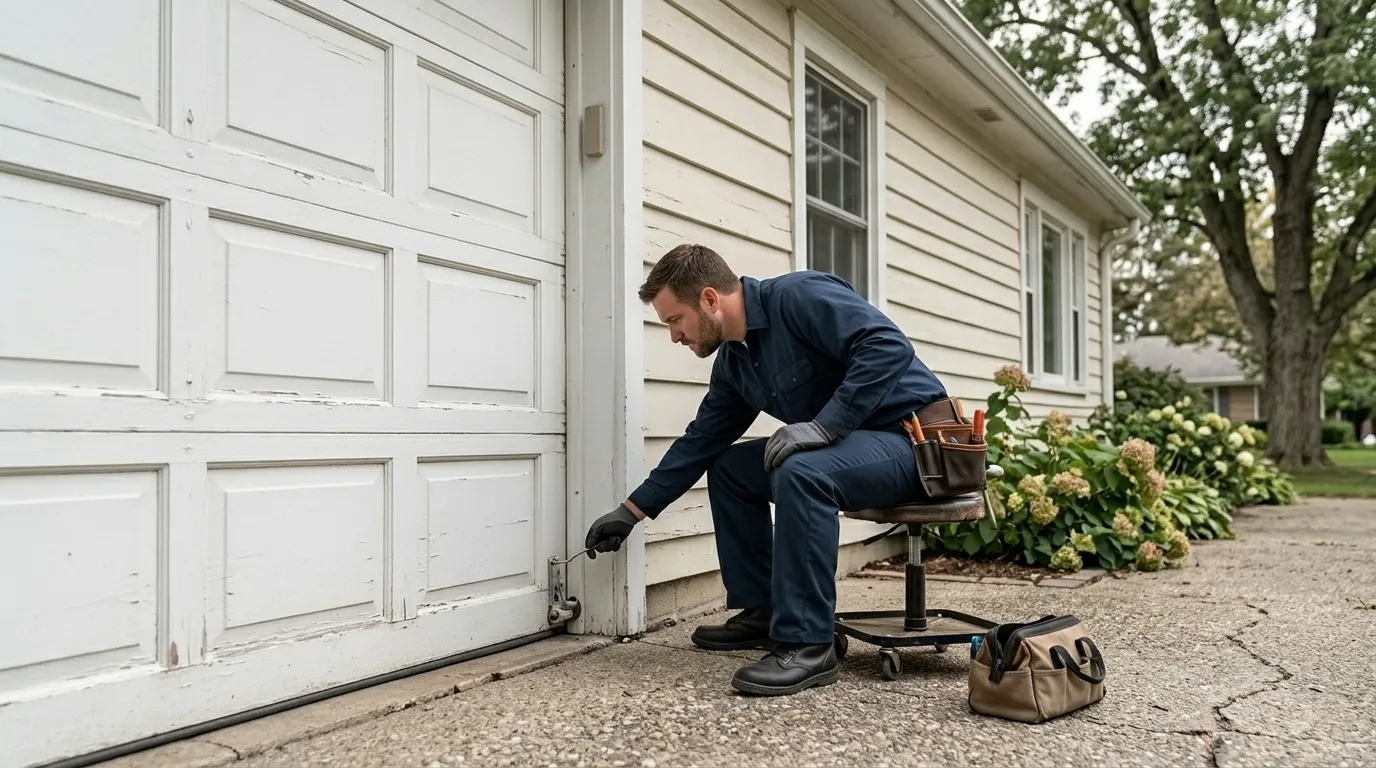
Put the build year and the climate together and you get a fairly predictable failure pattern. Stallings sits in the same cold-moderate climate band as the rest of the region, so winter cold snaps stiffen up 20-year-old grease on torsion springs and tighten steel tracks just enough to make a tired opener strain harder than it should. On a newer door that usually shows up as noise or slow travel, not the total seizing you'd see on an older wood door with swollen jambs. We're not going to tell you to replace a door that just needs a spring and a lube job - a 2002-era steel door with good panels is usually worth fixing, not swapping. Where we do recommend replacement is when the opener board, springs, and rollers are all failing at once, which happens more in Stallings than in older parts of the territory simply because so much of the housing stock turned 20 at roughly the same time.