The Houses Here
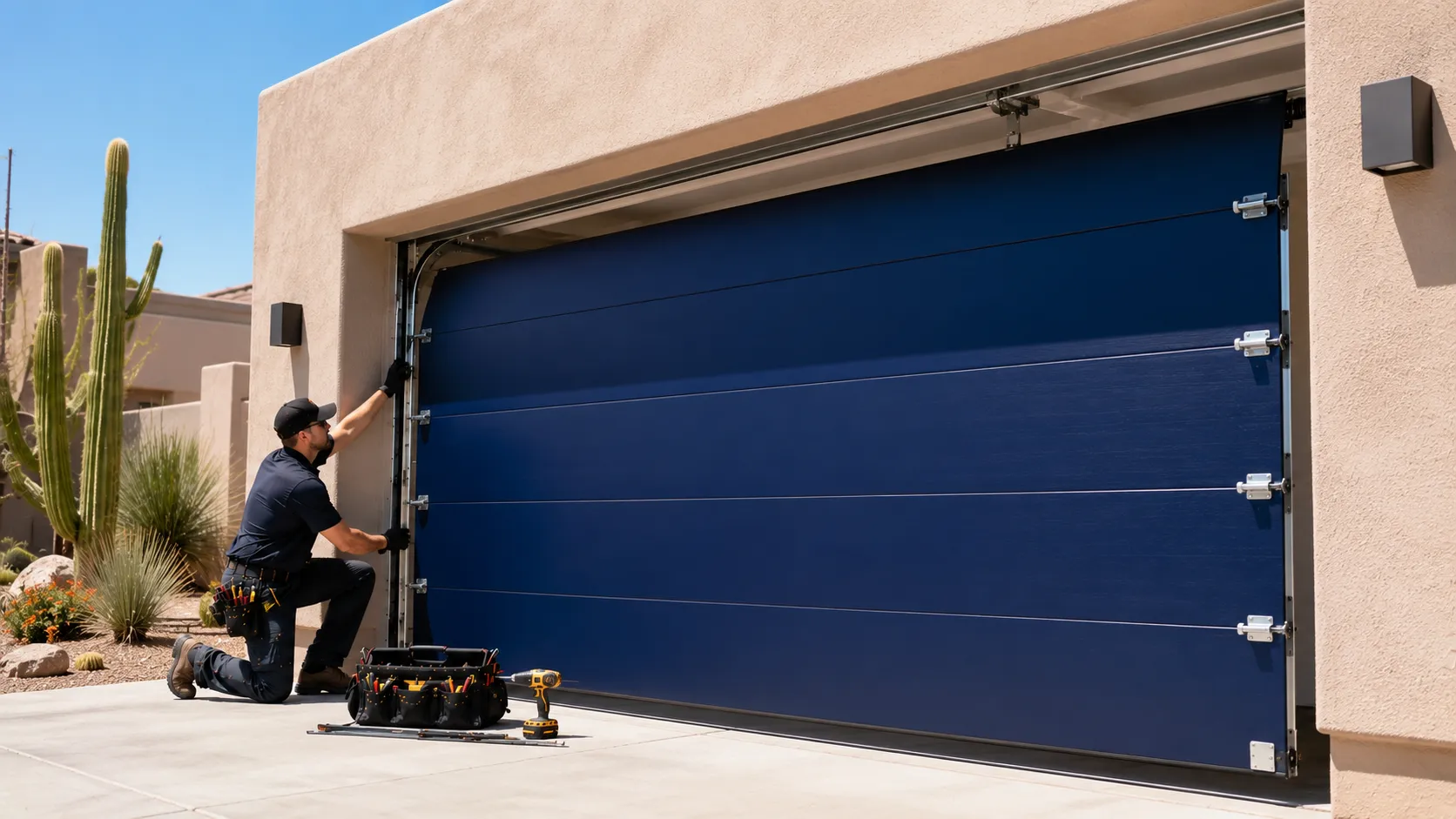
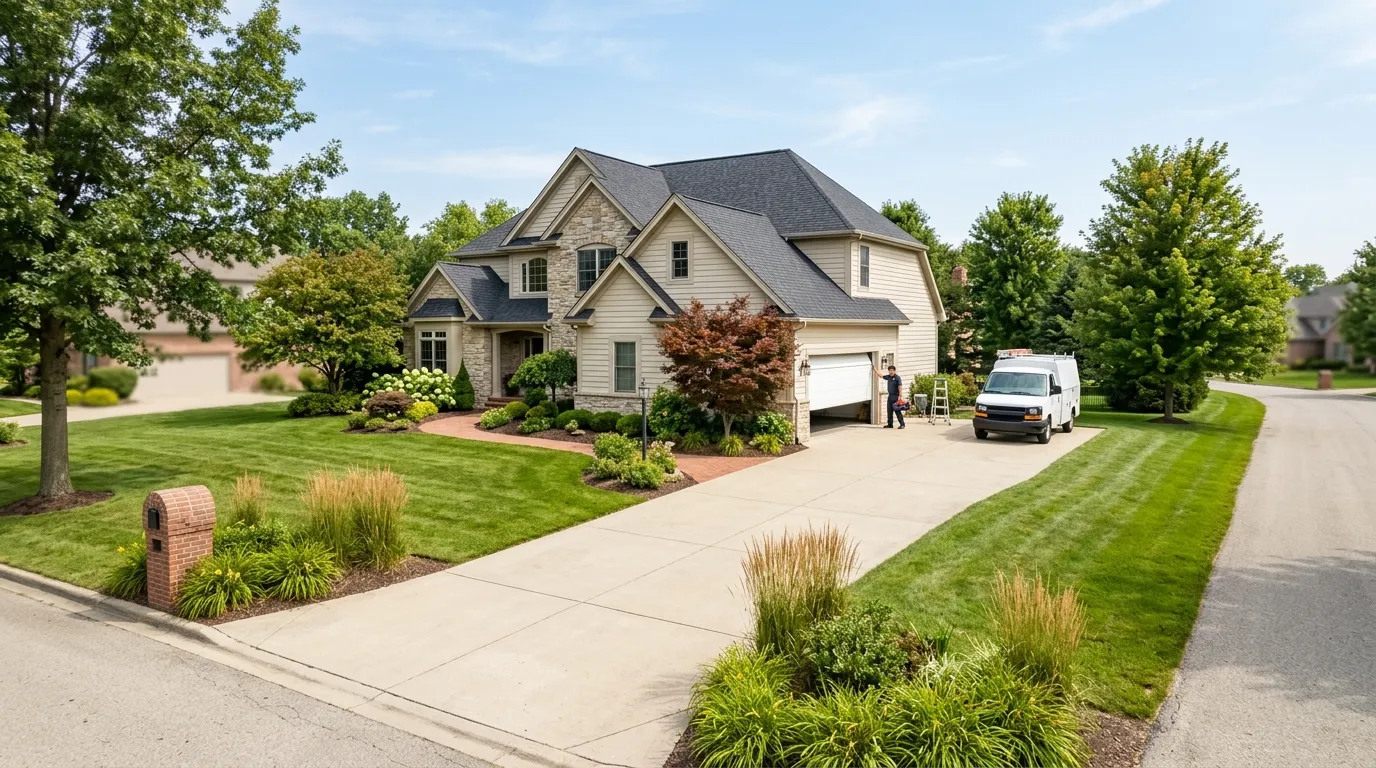
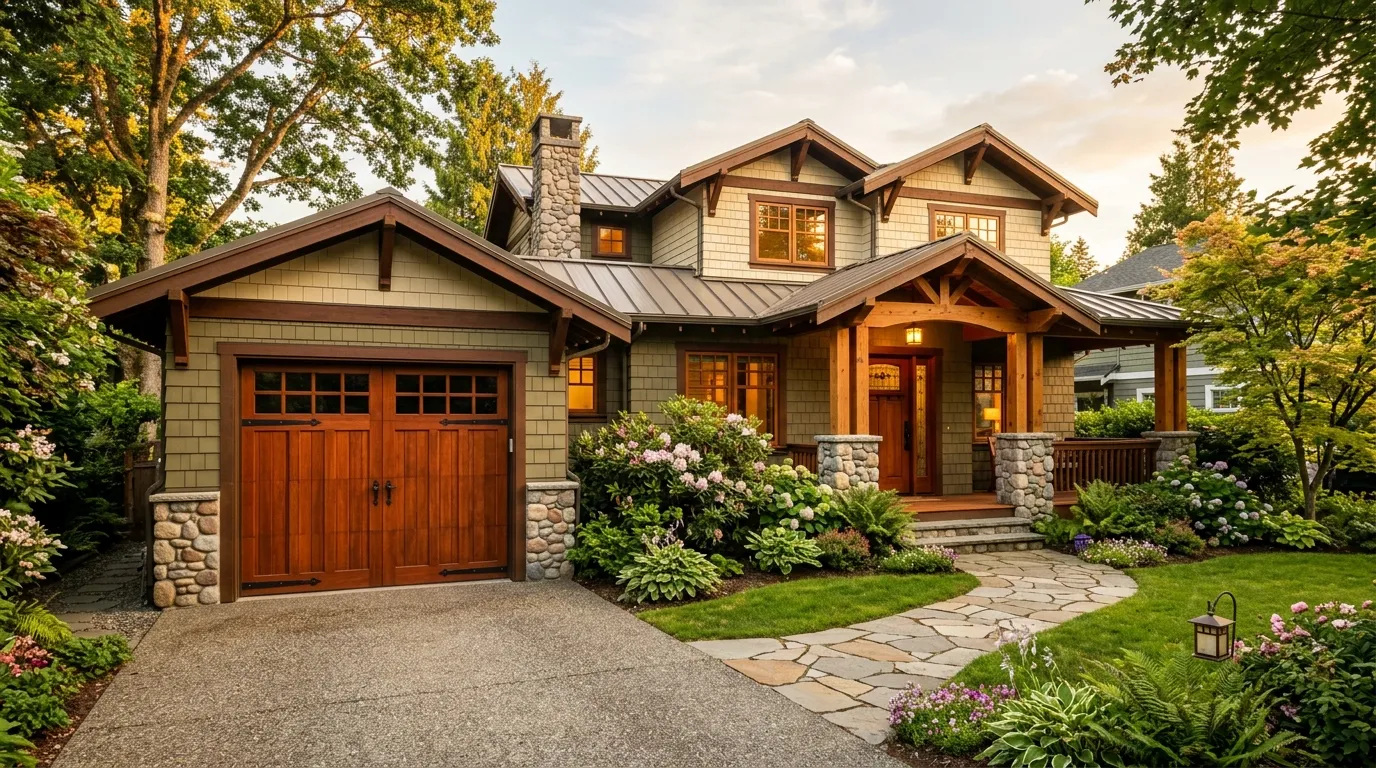
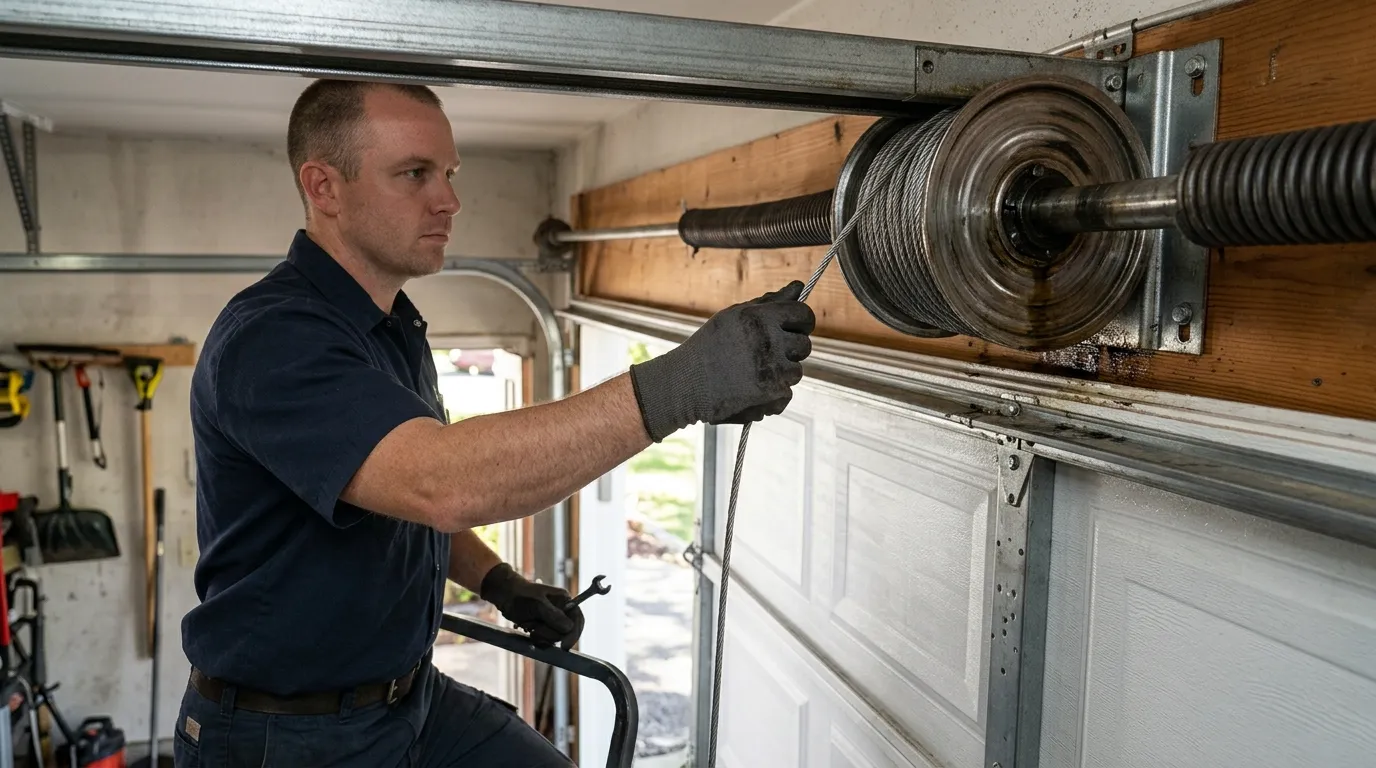
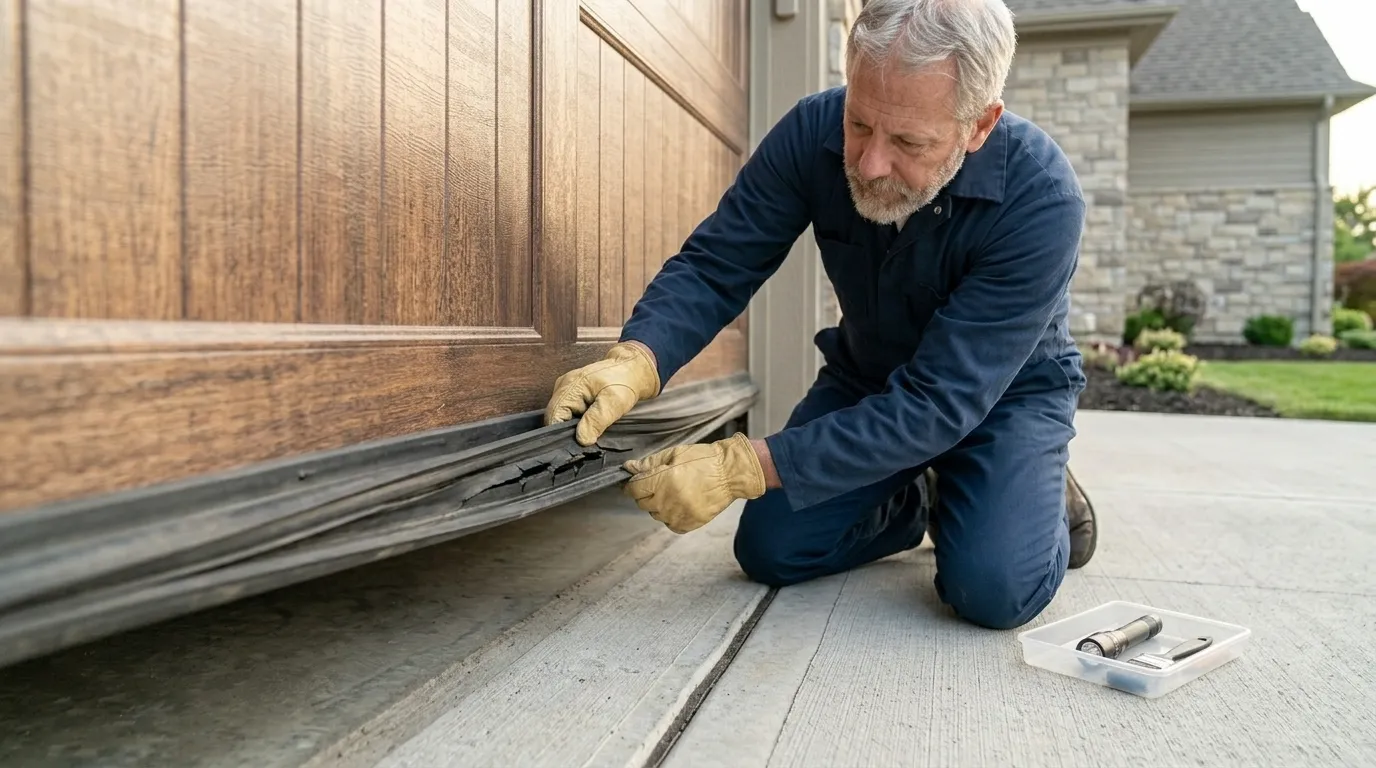
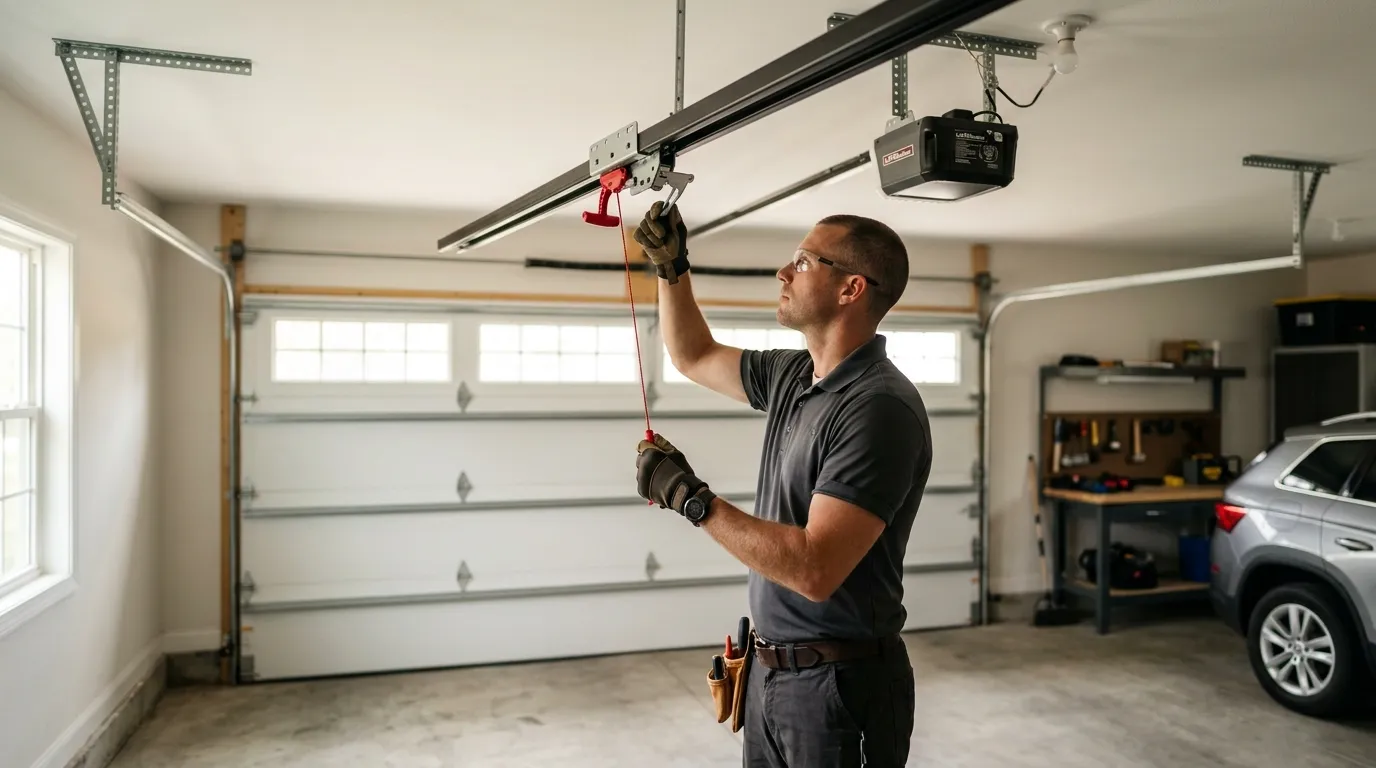
Pineville's housing stock centers on the year 2000, which puts it near the tail end of the broader area's 1974-2006 building window but still squarely in that late-1990s/early-2000s builder-grade wave. That matters more than people think. Homes built around 2000 almost always shipped with steel sectional doors, torsion spring setups (not the old extension springs from earlier decades), and openers with basic chain or belt drives - nothing smart, nothing with a battery backup. Twenty-five years on, those original torsion springs are past or near the end of their cycle life, and the steel skins on doors from that build wave are starting to show rust at the bottom panel, especially where the weather seal has flattened out. We don't see many of the mid-century one-piece doors here that you'd find in older neighborhoods closer to Matthews. What we see instead is a lot of double doors on attached garages, standard 7-foot openings, and openers that are original to the house and closing in on the point where the logic board or the drive gear gives out before the motor does. If your door is original to a 2000-built house, it's not a question of if the springs need replacing, it's when.
What People Here Ring About
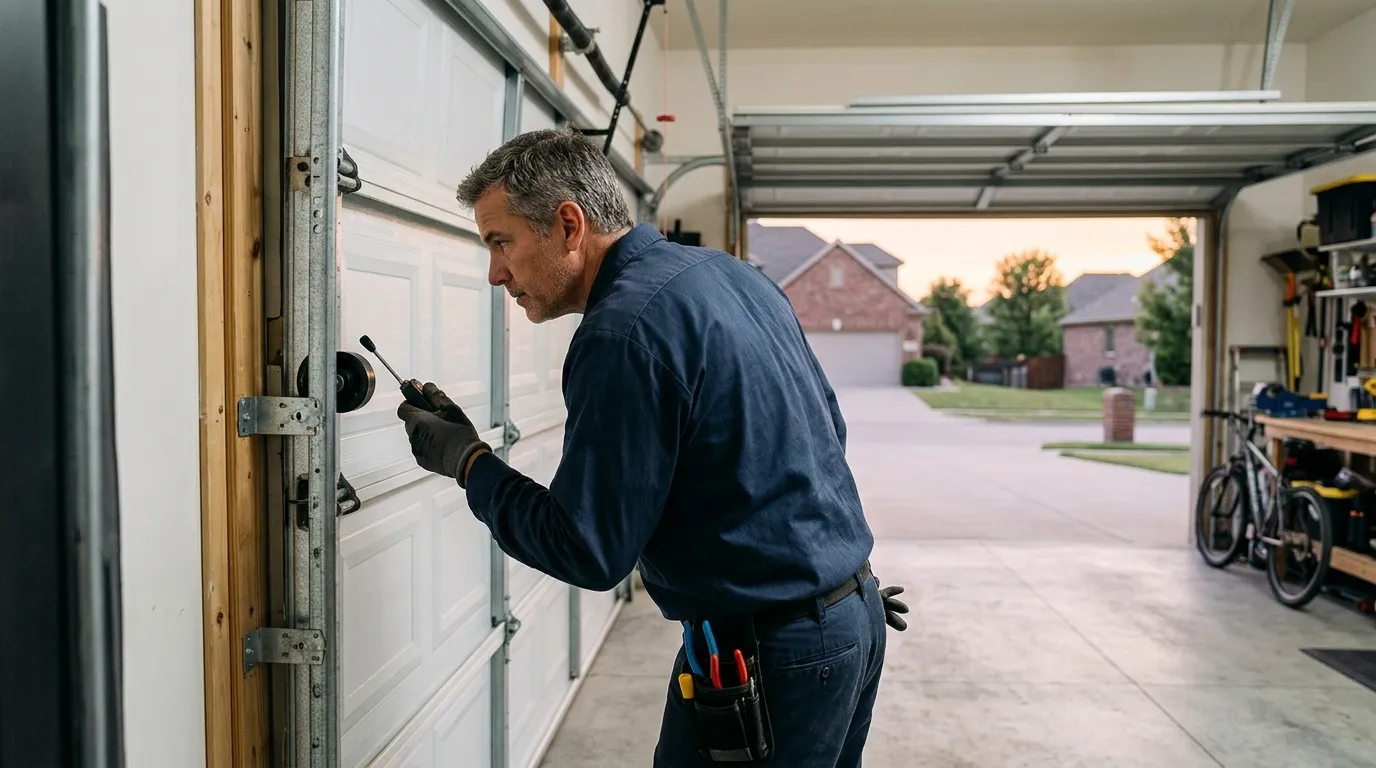
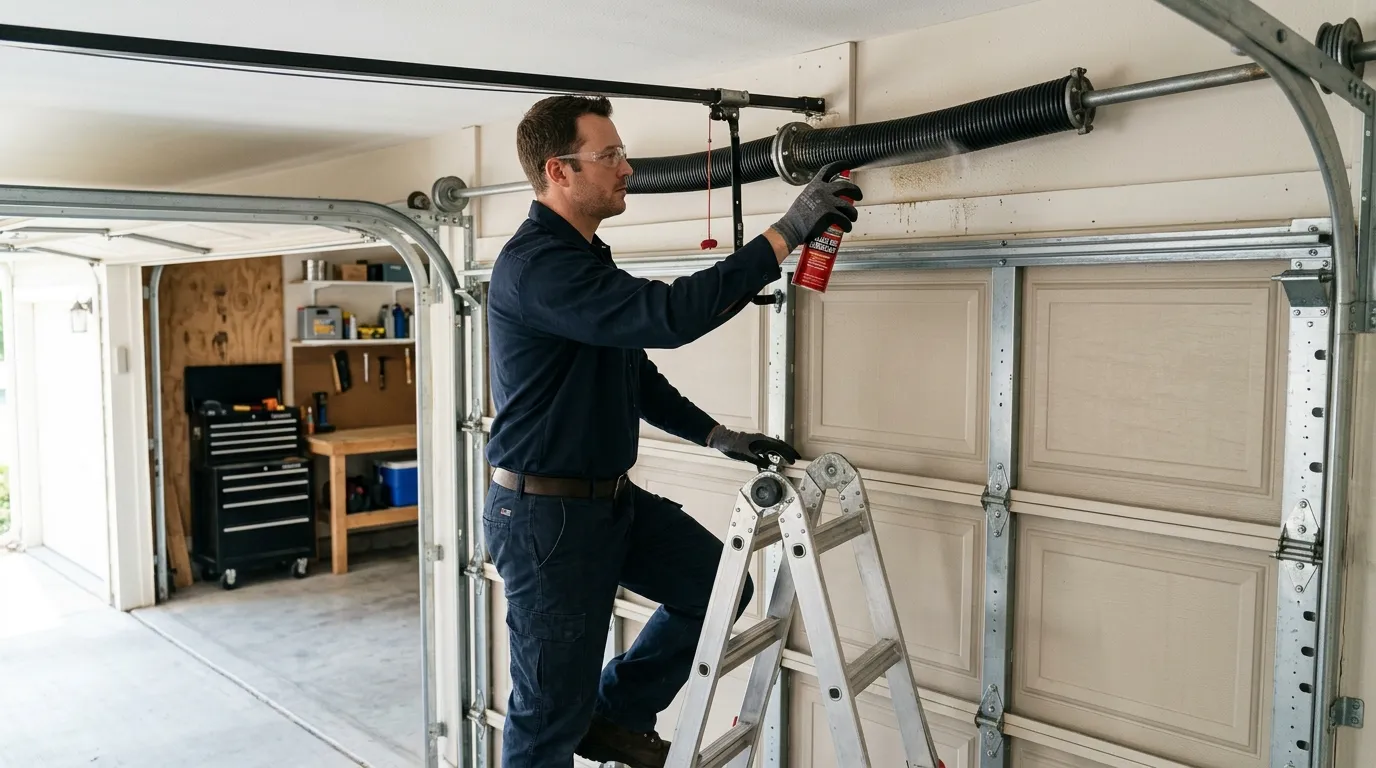
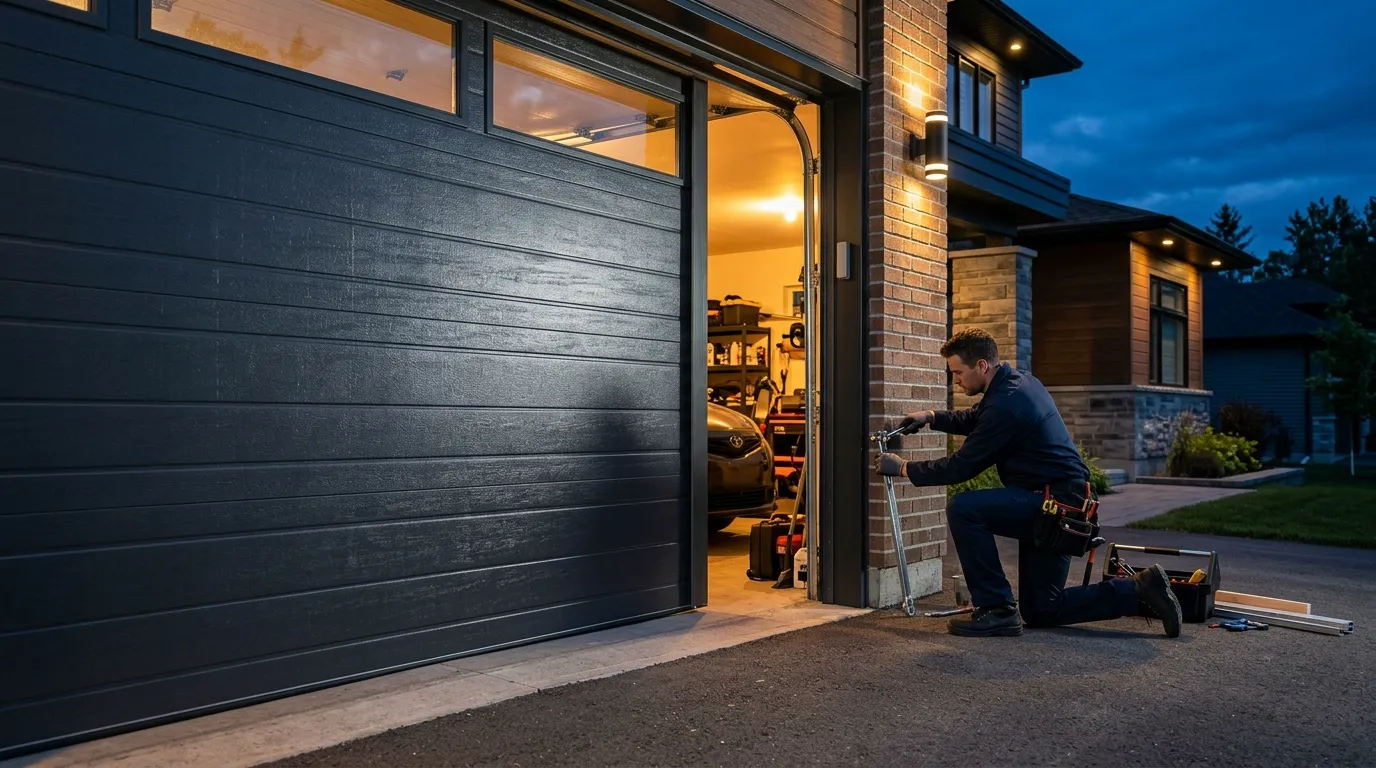
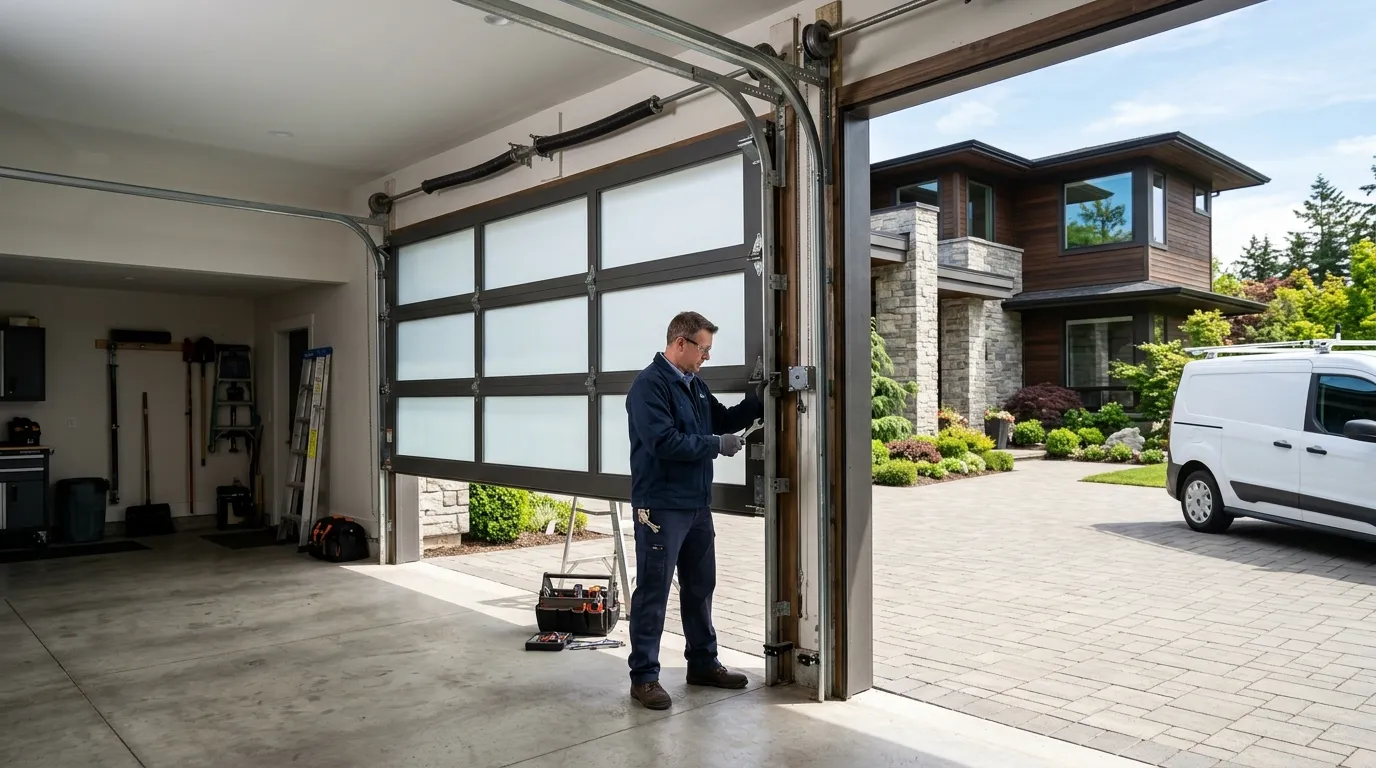
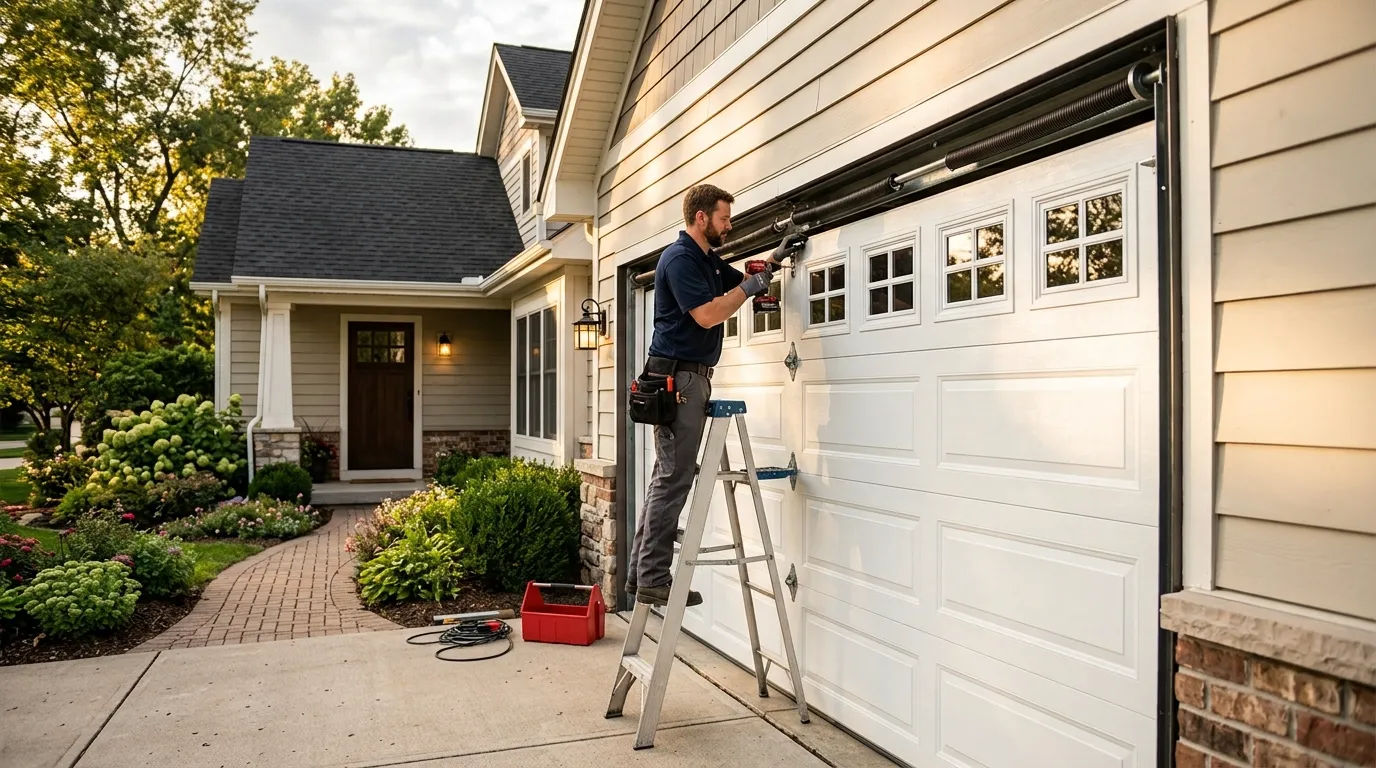
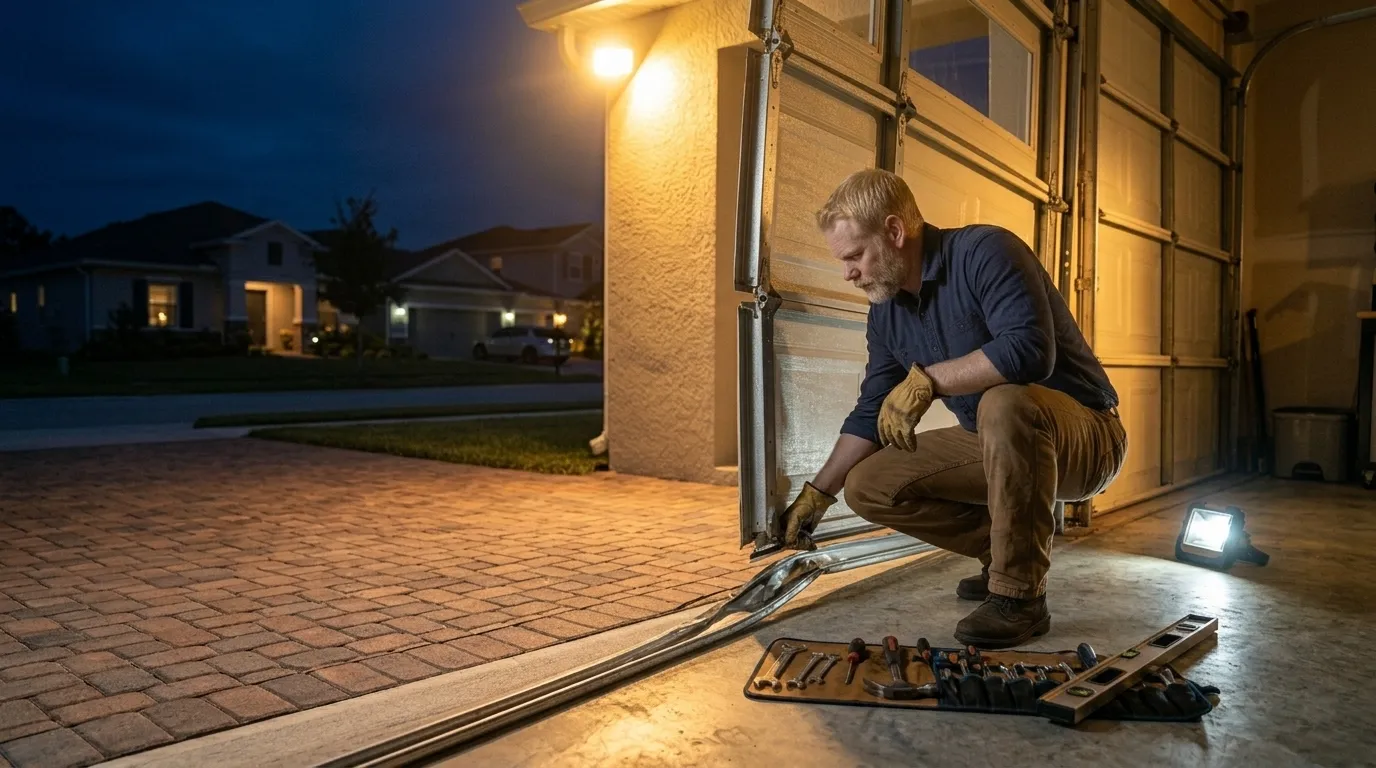
The most common call from Pineville is a broken torsion spring on a double door - the springs that came with these early-2000s builds are hitting the end of their rated cycles right about now, and they tend to go without much warning beyond a loud bang. Second most common: an opener that's stopped responding to the remote or wall button, often the logic board on a chain-drive unit that's original to the house. In this climate band, cold snaps put extra strain on old springs and stiff rollers, so we see a bump in spring failures and doors that won't open smoothly whenever temperatures drop hard. We also get calls about doors that reverse or won't fully close - usually a photo-eye sensor knocked out of alignment or coated in road grime, an easy fix but one that stops the door dead until it's sorted. One honest limit: if the opener is original to a 2000-built house and the board's fried, we'll tell you straight whether a new logic board is worth it or whether the whole unit is close enough to the end that replacement makes more sense than a patch.
How That Shows Up in the Door
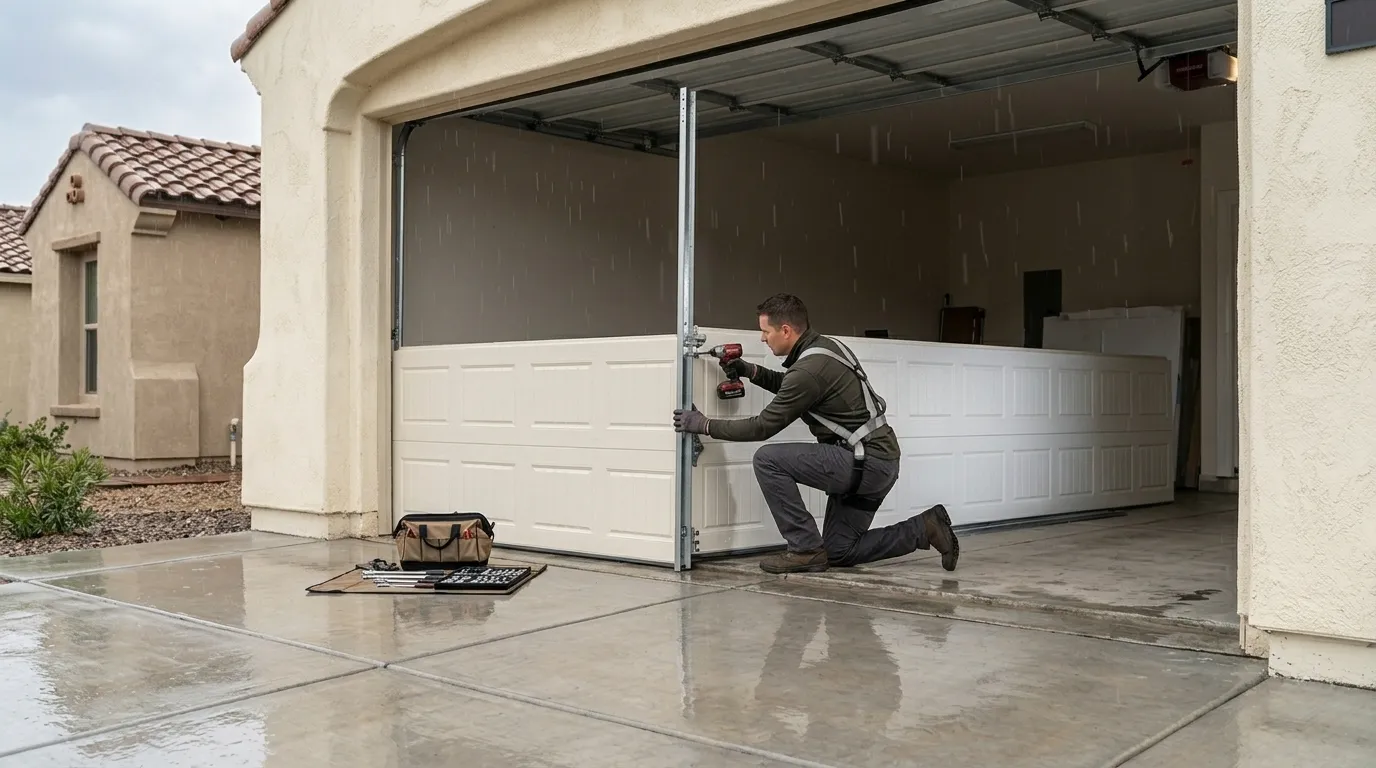
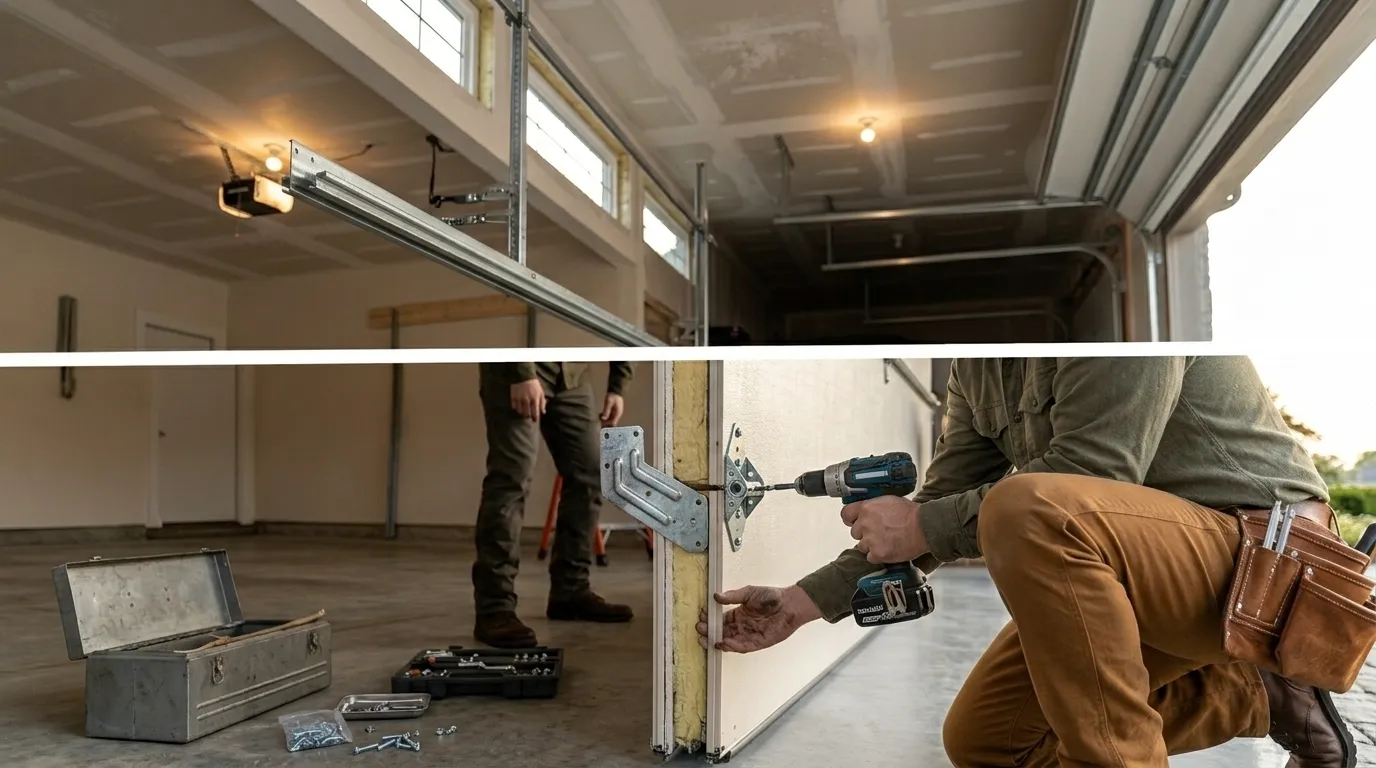
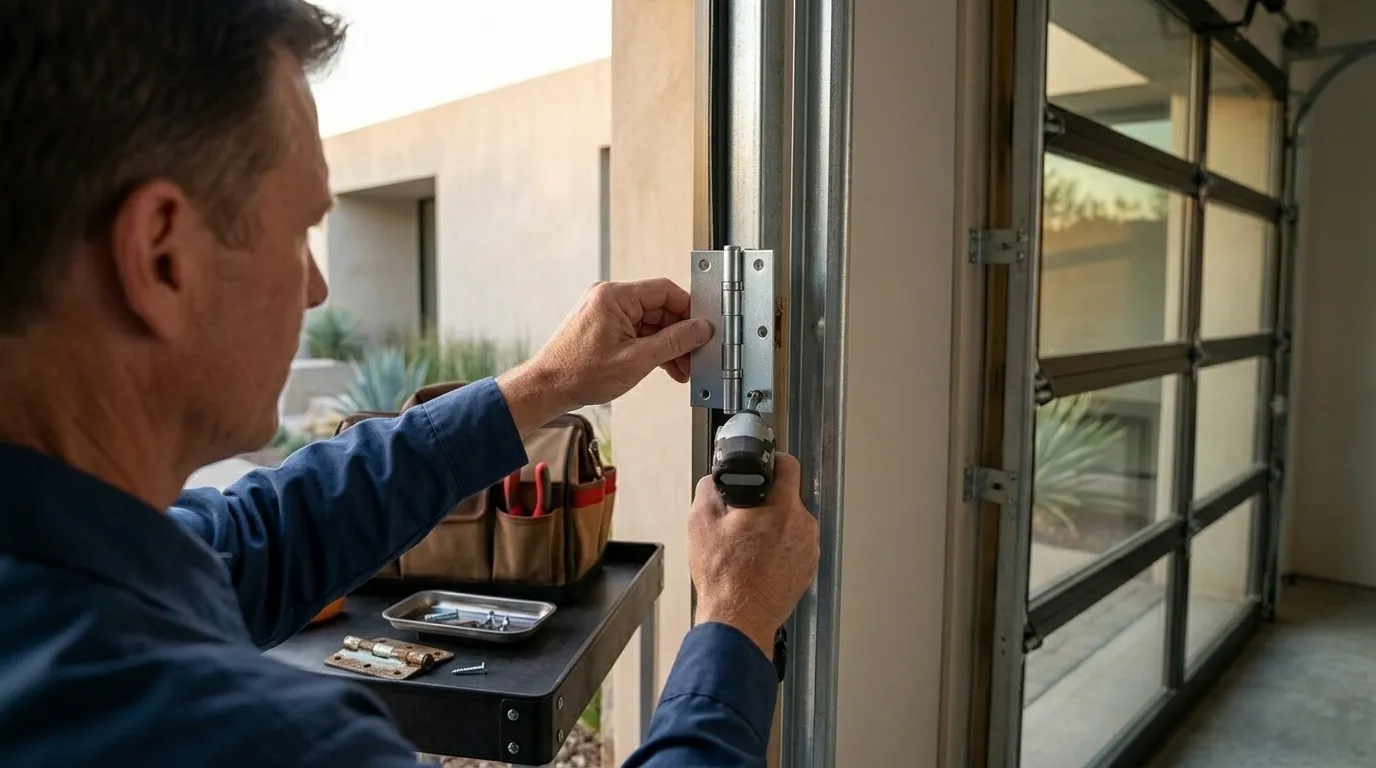
With roughly 4,600 households in Pineville and a median income of $64,257, a lot of what we get called out for here is straightforward repair rather than full replacement - people want the door fixed at a fair cost, not upgraded to something new. That lines up with what the housing stock actually needs: a torsion spring swap, a new bottom seal, a logic board, a set of rollers. Full replacement makes more sense when the door itself is failing structurally - warped panels, rusted-through skin, or a track that's been bent one too many times - and on 2000-era doors nearing 25 years old, we're starting to see more of that than we did five years back. We'll always tell you which side of that line your door is on before we start work, because a repair on a door that's structurally done is money that doesn't hold.