The Houses Here
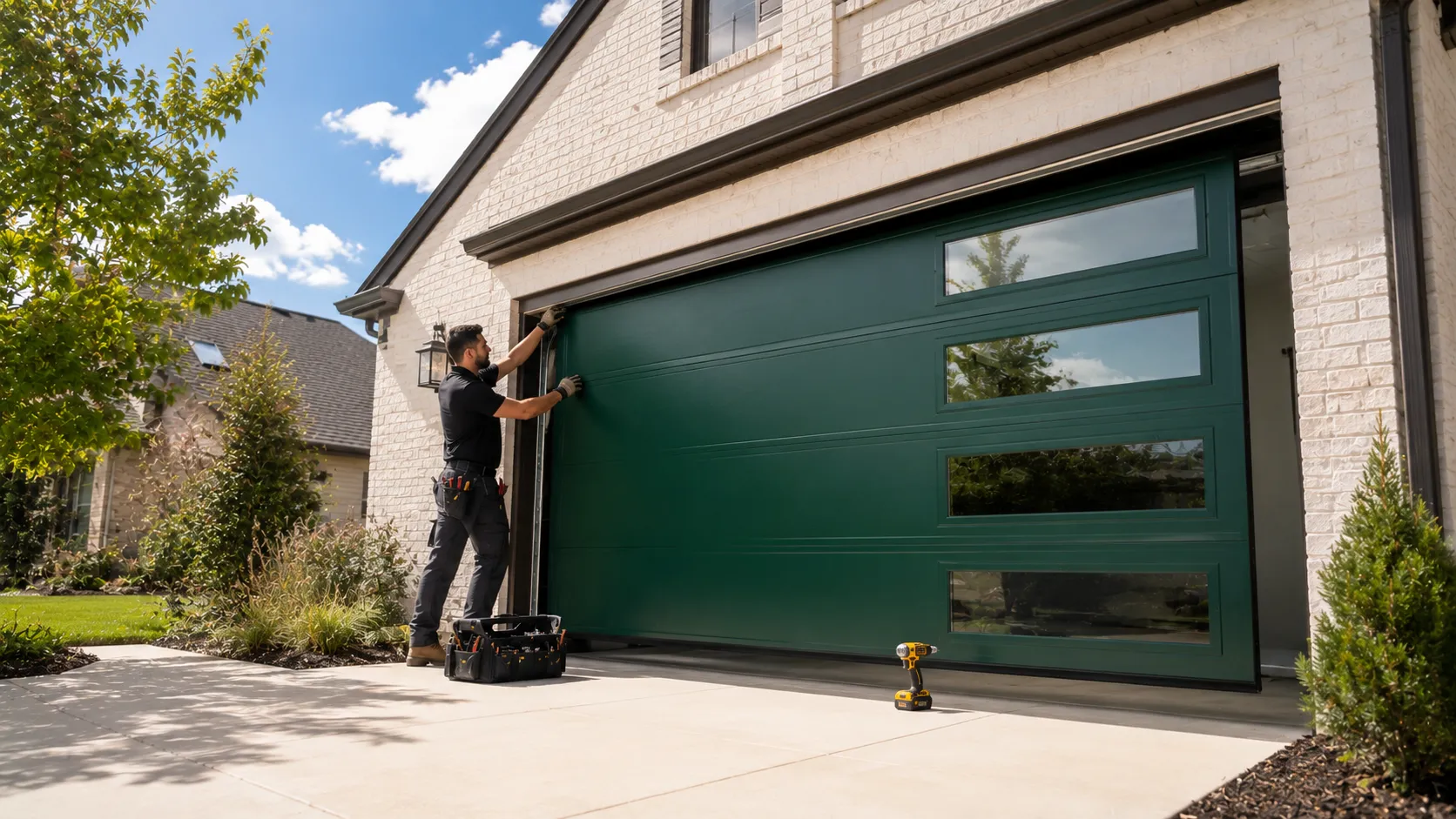
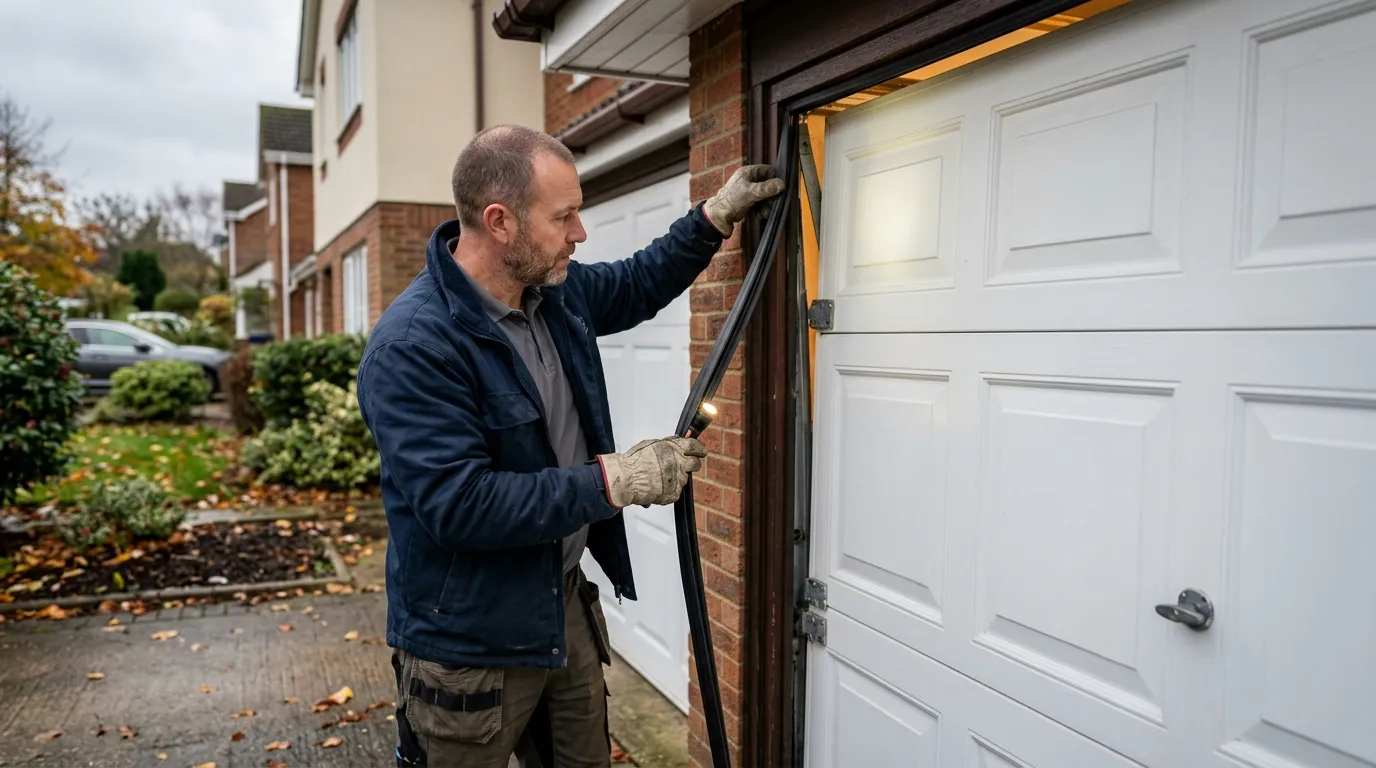
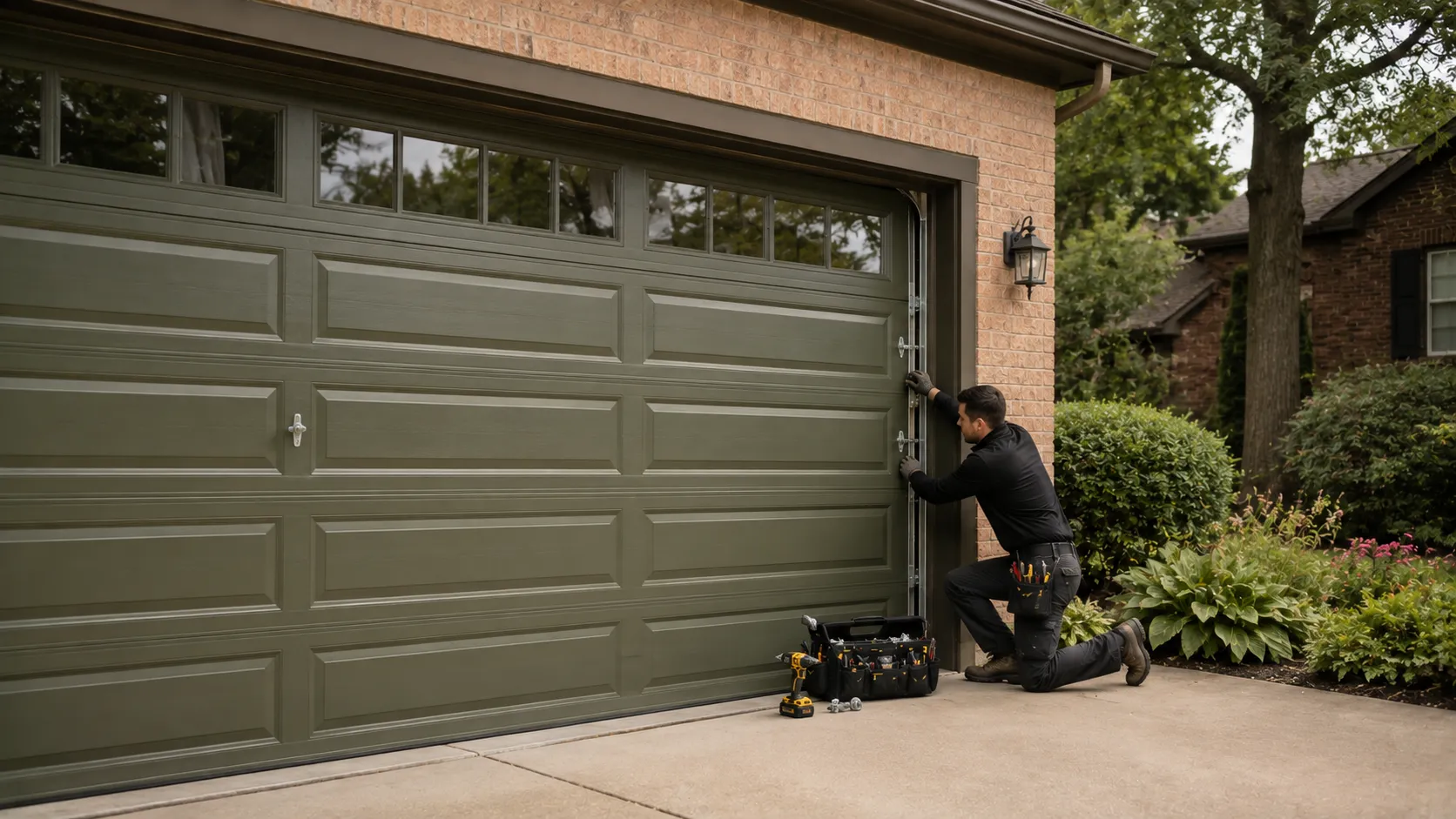
Mint Hill's houses cluster around a median build year of 1991, a bit earlier than the 1998 median across the wider service area, which itself spans houses built anywhere from 1974 to 2006. That tighter band matters. A neighborhood built mostly in the early 90s tends to share the same door hardware, because builders were buying from the same handful of suppliers in the same few years. Around here that usually means steel doors with light-gauge panels, extension springs mounted along horizontal tracks rather than torsion springs overhead, and openers that have likely already been replaced once or twice by now, since chain-drive units from that era don't run 30 years. With 10,194 households in Mint Hill, that's a lot of garage doors built to the same spec, aging out at close to the same rate. We see the pattern show up as clusters of calls - not because something's wrong with the town, but because the doors themselves are the same age. Compare that to areas with houses spanning 1974 through 2006 and you get a mix of torsion and extension setups, newer insulated doors next to bare steel ones. Mint Hill skews more uniform, which actually makes diagnosing a fault a little faster once you know the build year.
What People Here Ring About
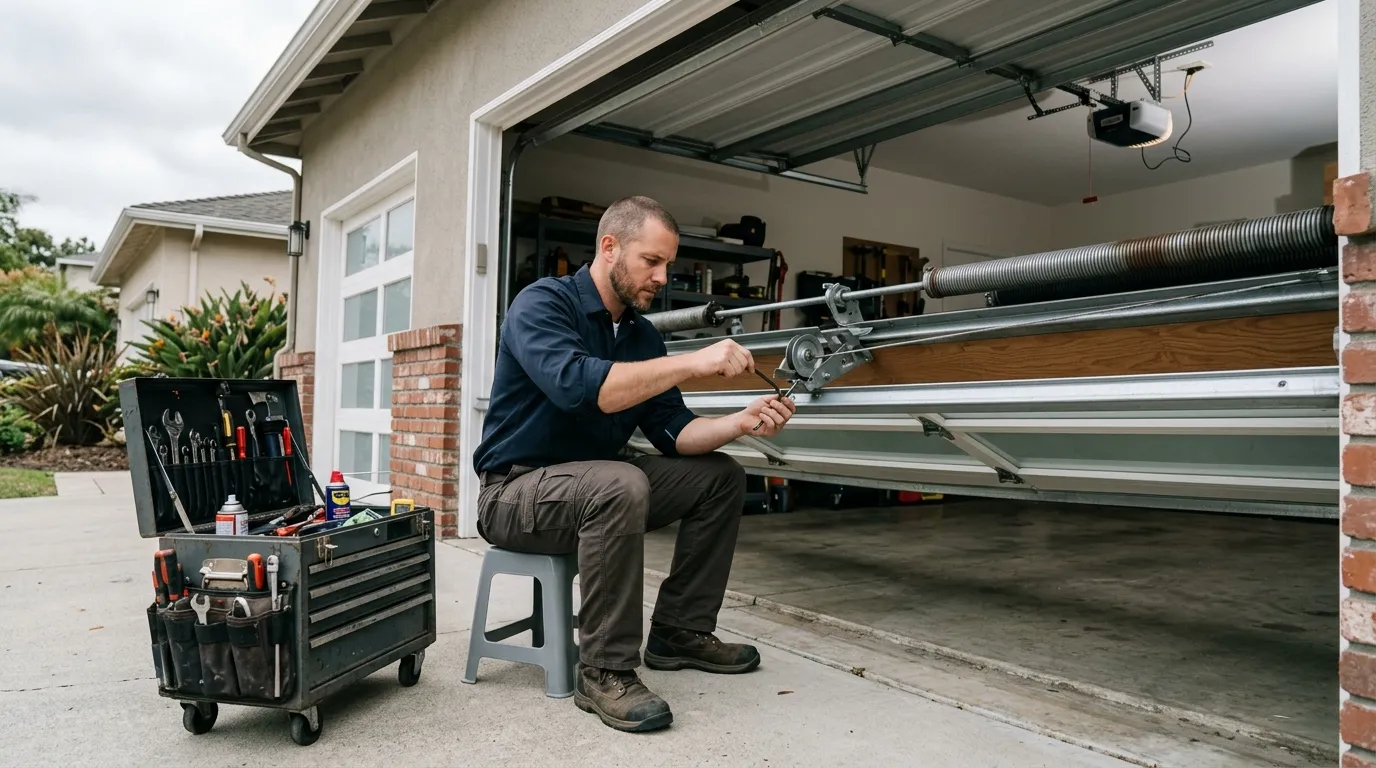
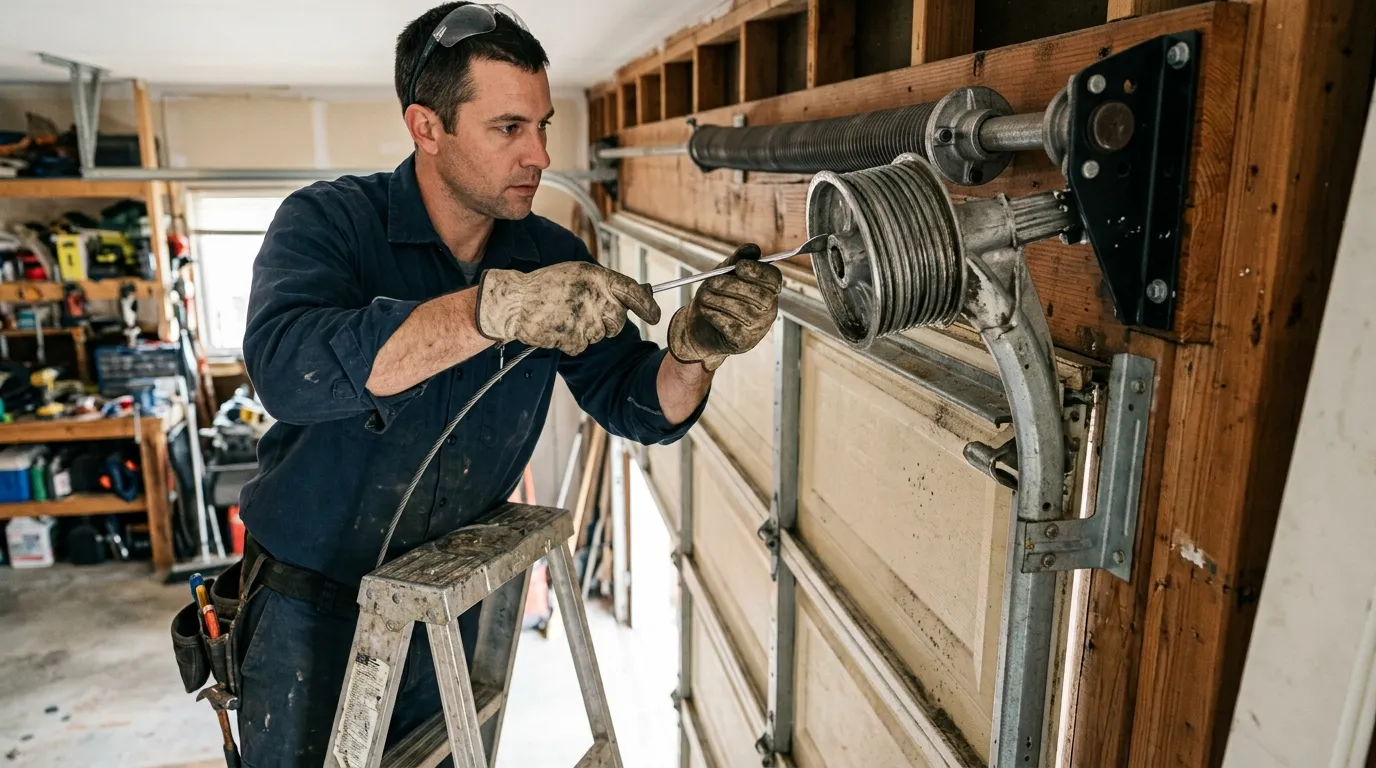
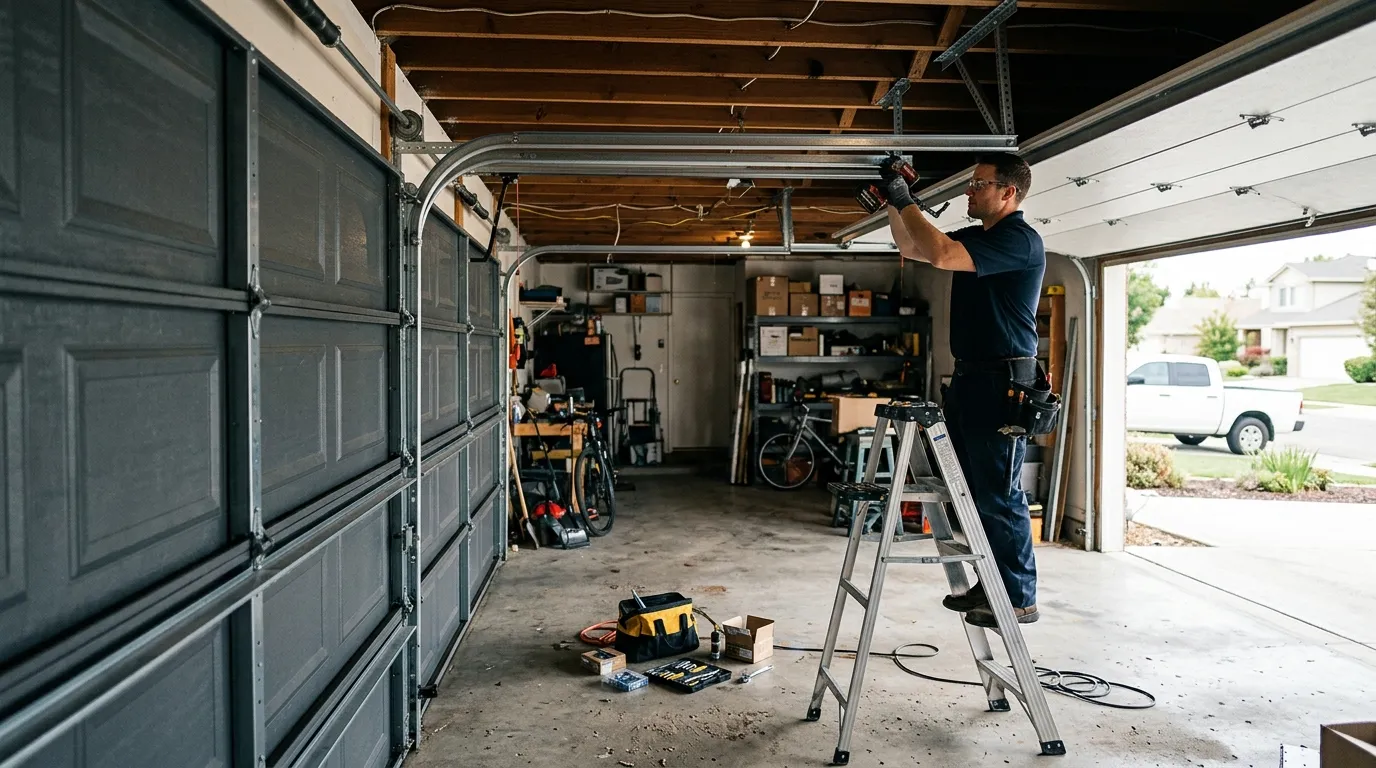
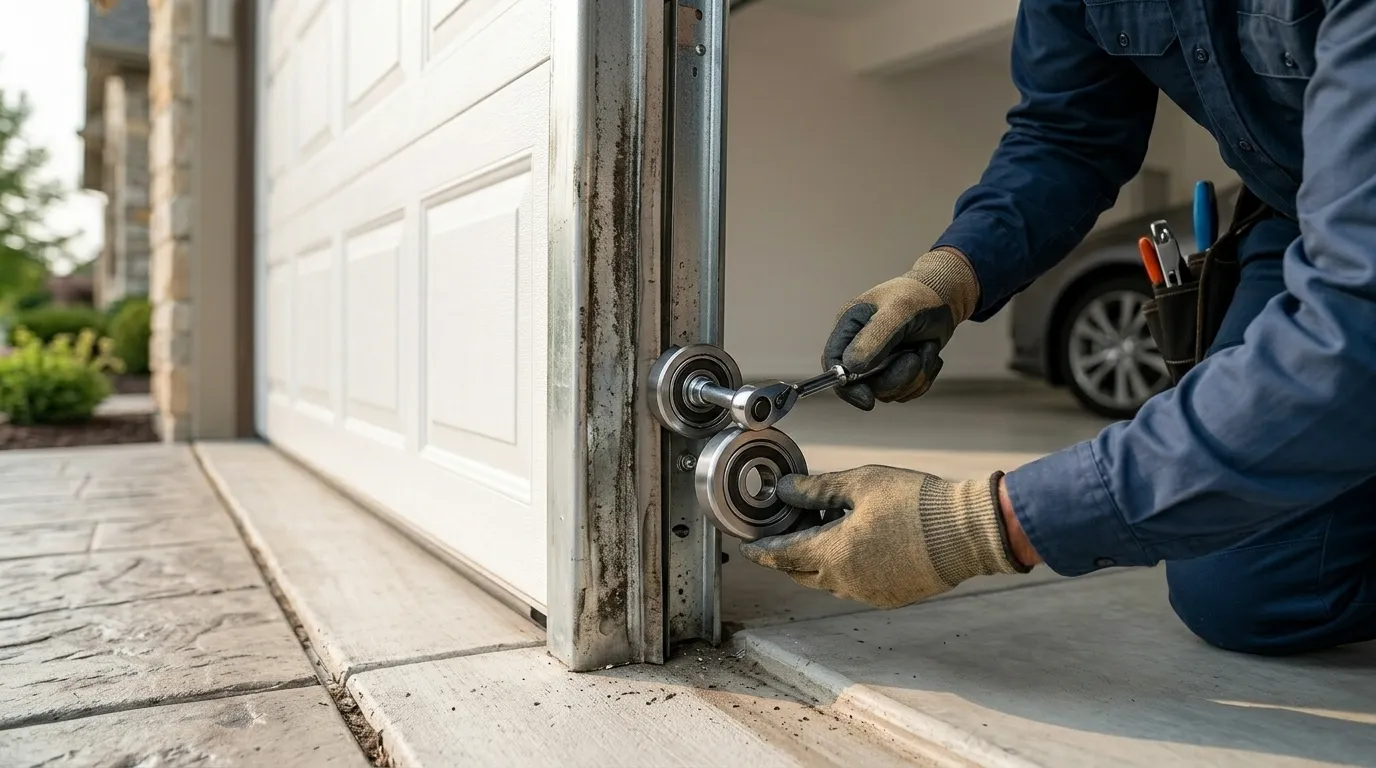
Given the housing age, the calls we get from Mint Hill lean toward a specific list: snapped extension springs (the coiled kind stretched along the horizontal track, not the torsion bar over the header), worn plastic rollers that have finally cracked after three decades of summer heat and winter cold, and openers that grind, reverse, or just stop mid-cycle. Extension spring failures are the biggest single category - those springs have a shorter service life than torsion springs, and a house built in 1991 has likely gone through two or three sets already. Cable fraying on the same original drums is common too, since a lot of these doors have never had the full hardware set replaced at once. Median household income in Mint Hill runs $99,272, well above the wider service area's $88,203, and we notice that shows up less in what breaks and more in what people choose to do about it - full hardware replacement instead of a patch, insulated panel swaps instead of a single dented panel repair. The fault is the same age-driven mechanical wear you'd expect from 1991 stock. The response to it tends to be a bit more thorough.
How That Shows Up in the Door
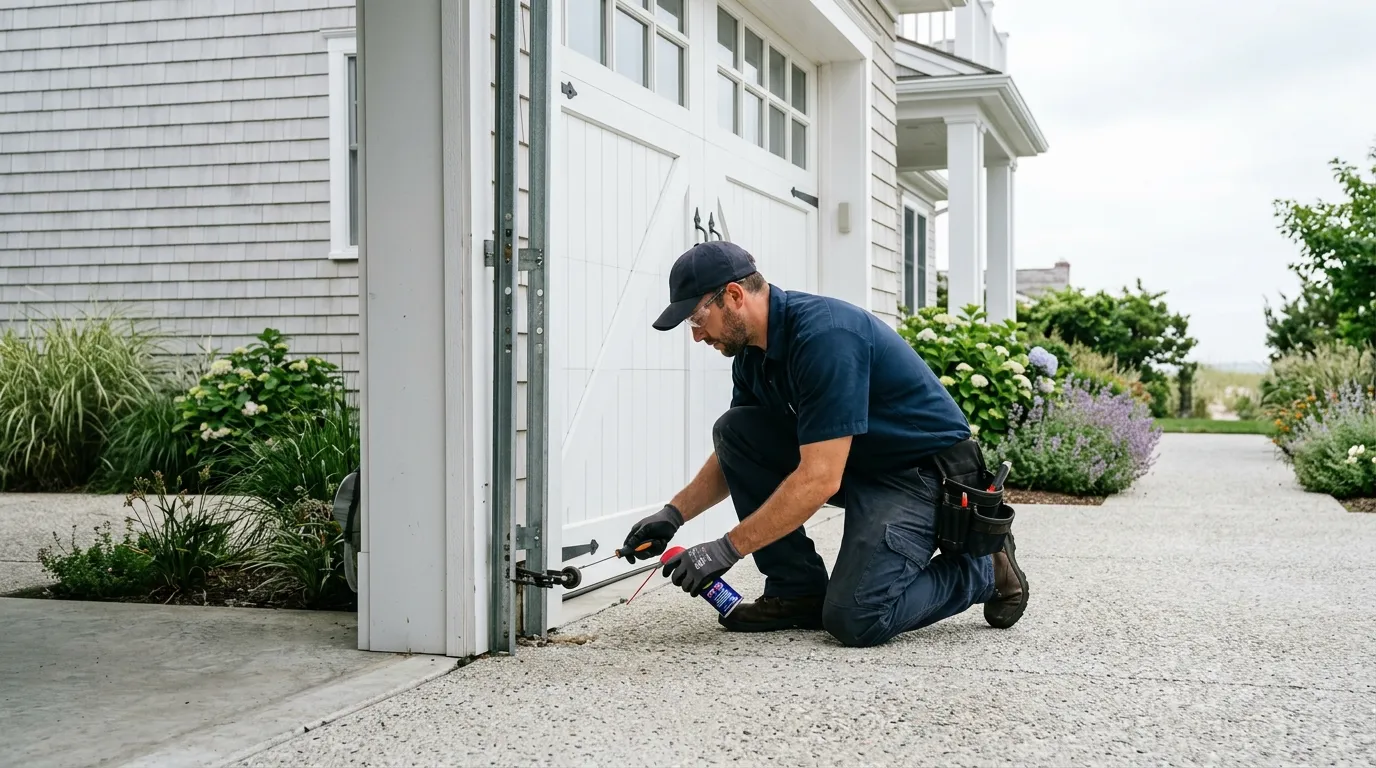
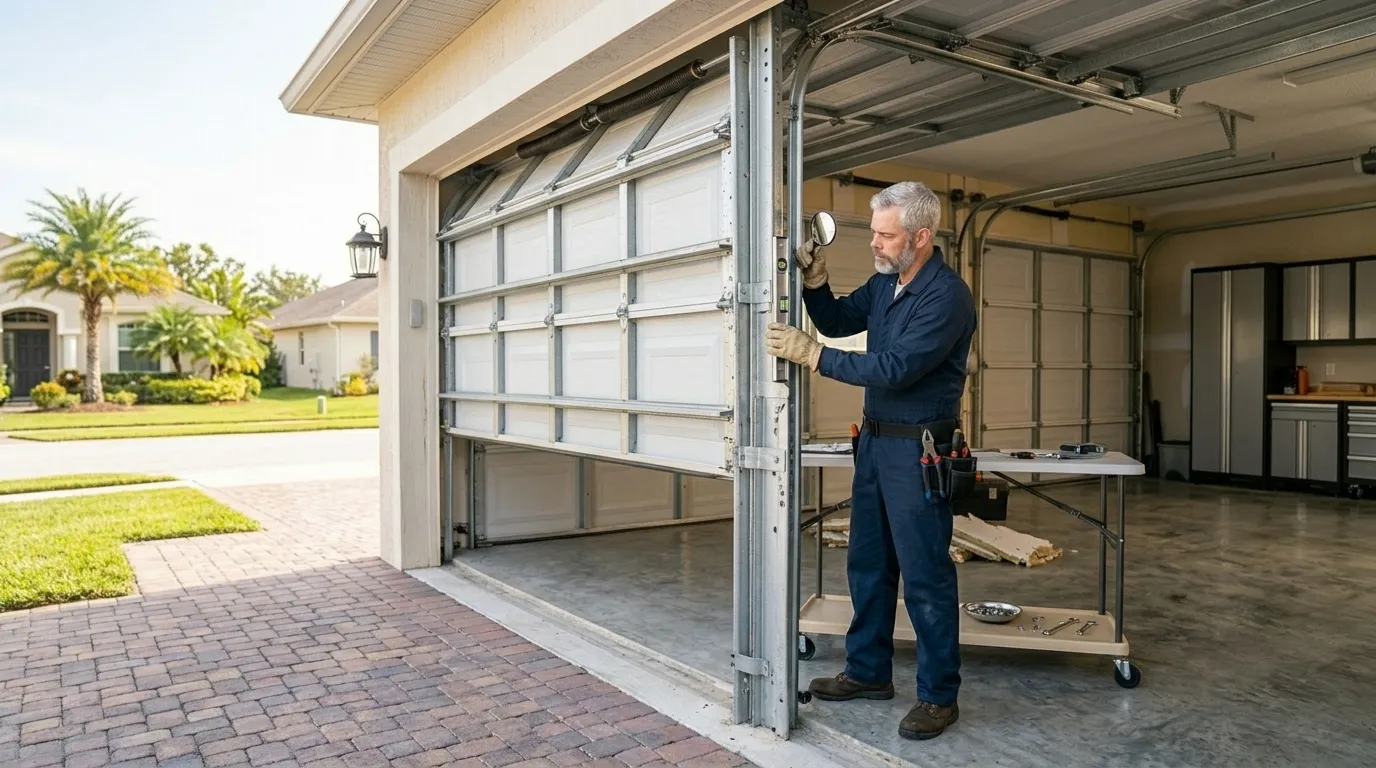
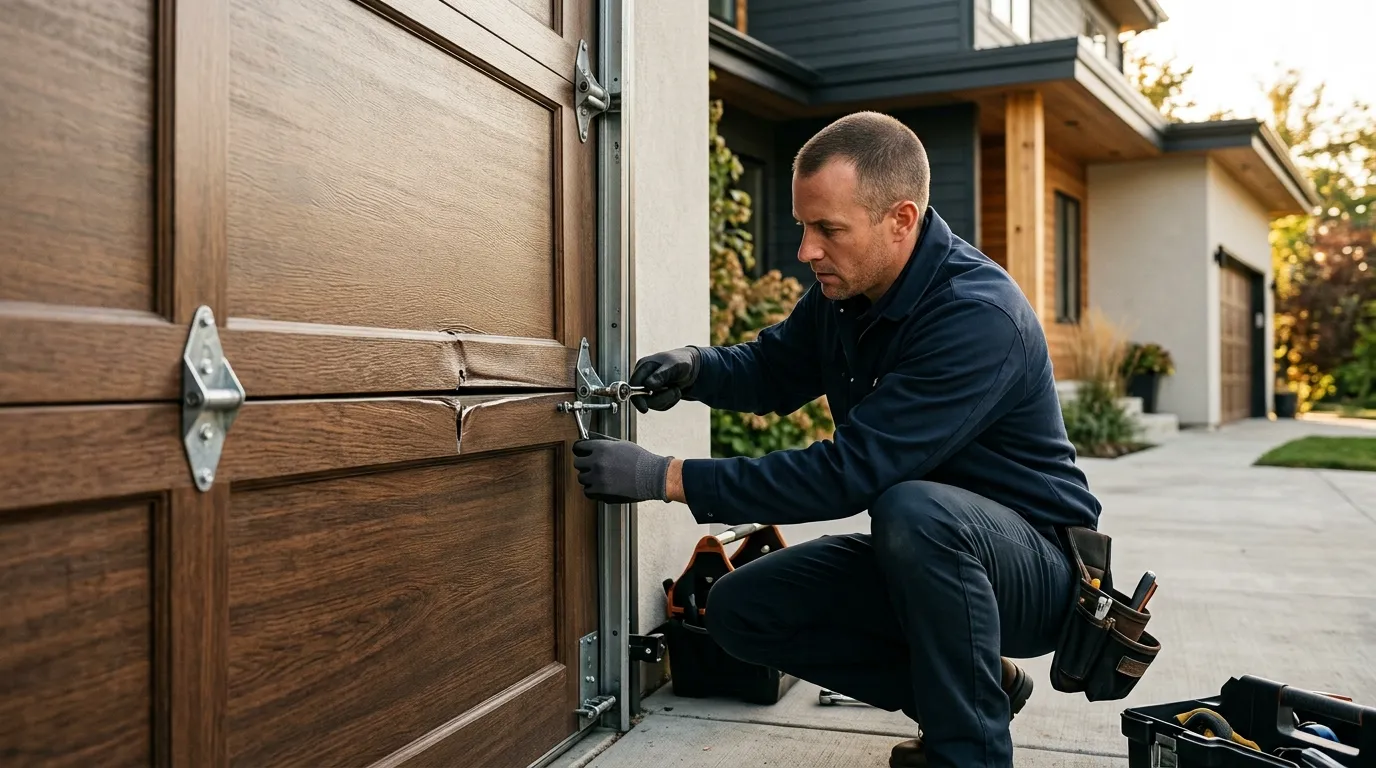
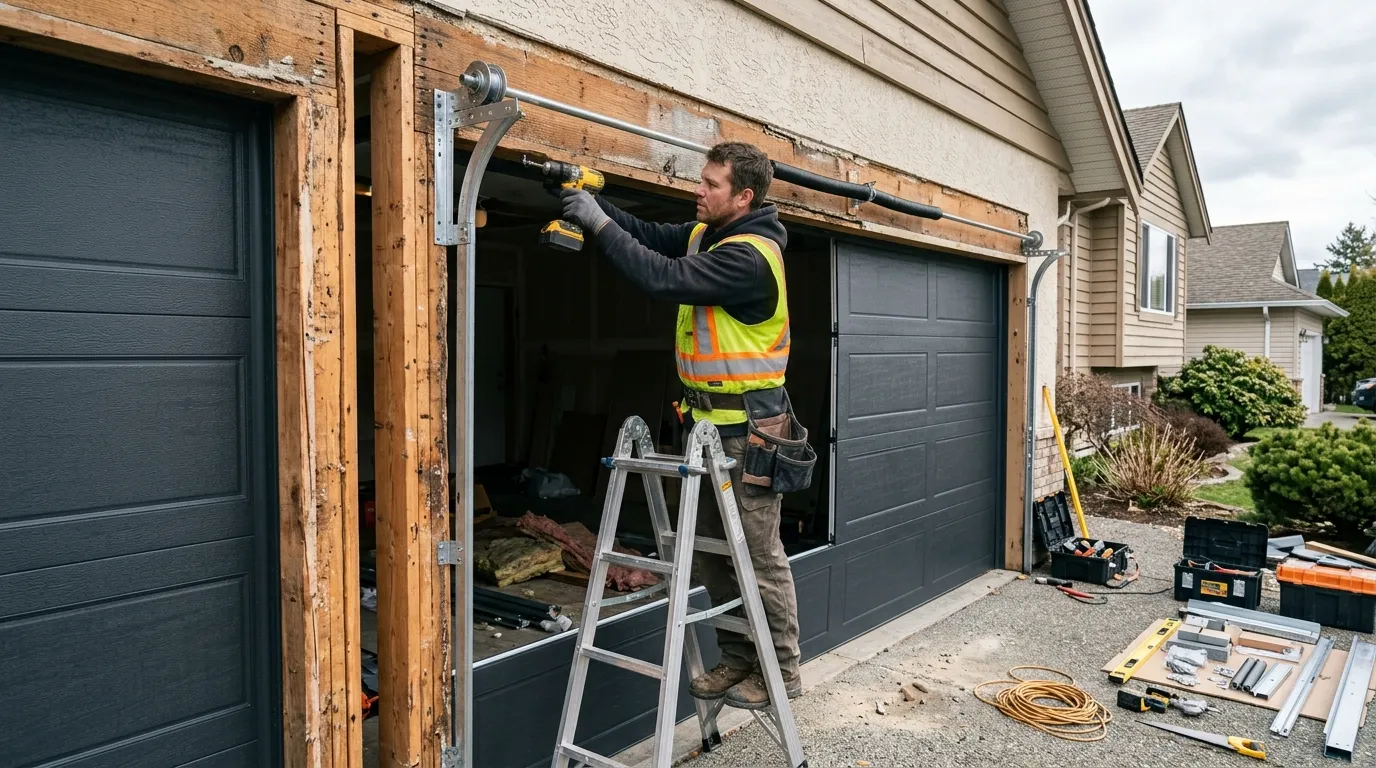
On a door built around 1991, the practical question is almost always repair versus replace, and the honest answer depends on what's failed. A broken extension spring or a bad roller is a straightforward fix on original hardware - no reason to replace a door over that. But once the springs, cables, drums, and rollers are all original and all near end of life at the same time, patching one part just means the next one goes in a few months. On steel doors from that build era, some original hardware sizes aren't common stock anymore, and we've had jobs where sourcing an exact-match roller or drum takes longer than the repair itself. In that case, a full hardware refresh usually beats waiting on a discontinued part, and it's the option we bring up rather than the one we lead with. We won't tell you to replace a door that just needs a $30 part.