The Houses Here
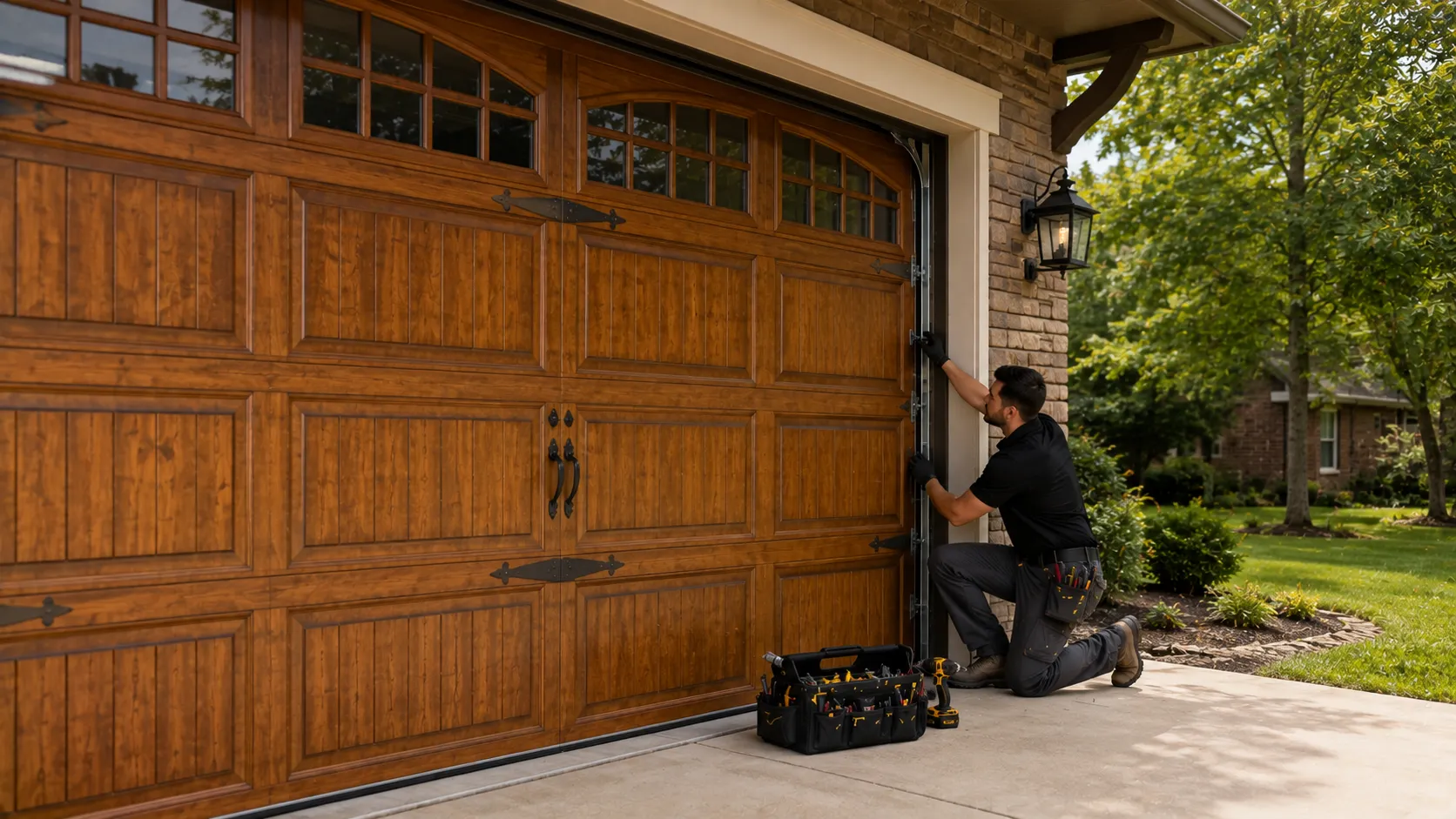
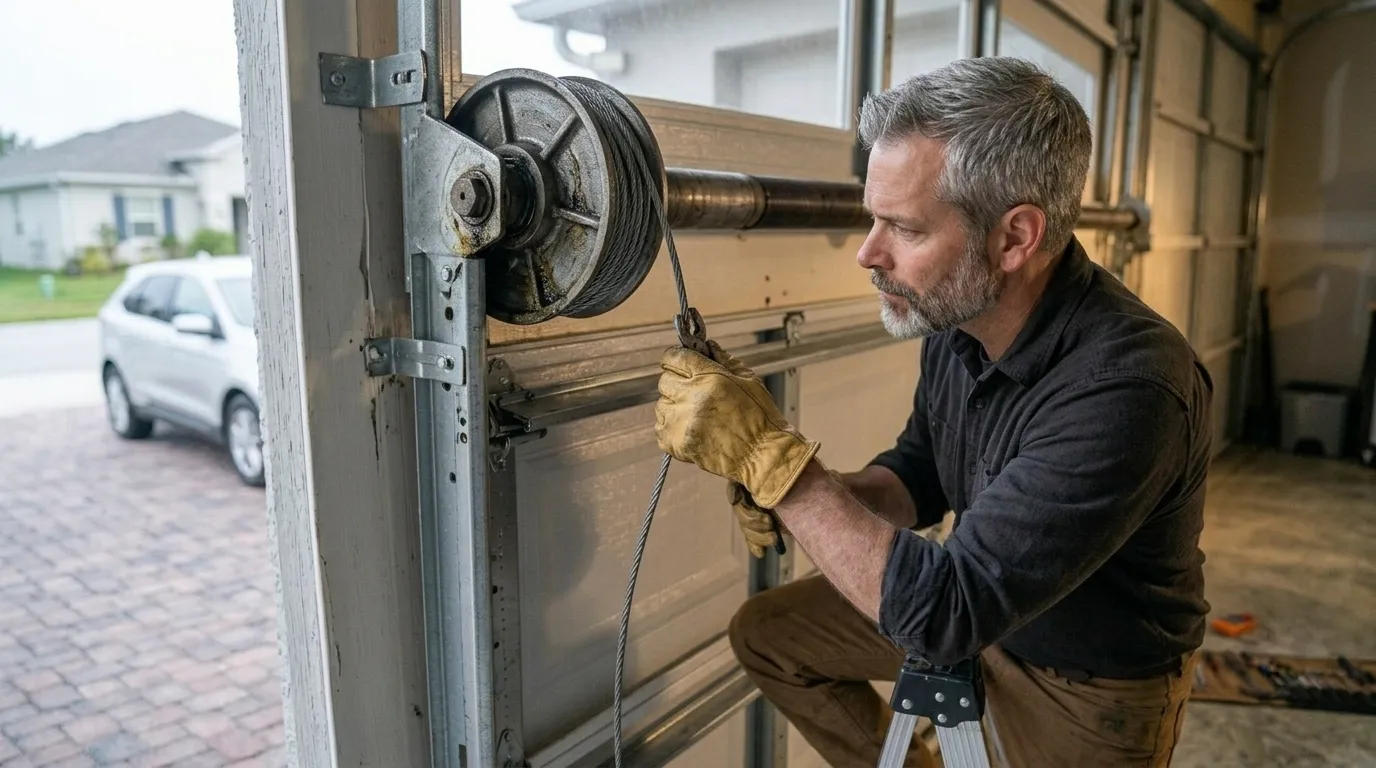
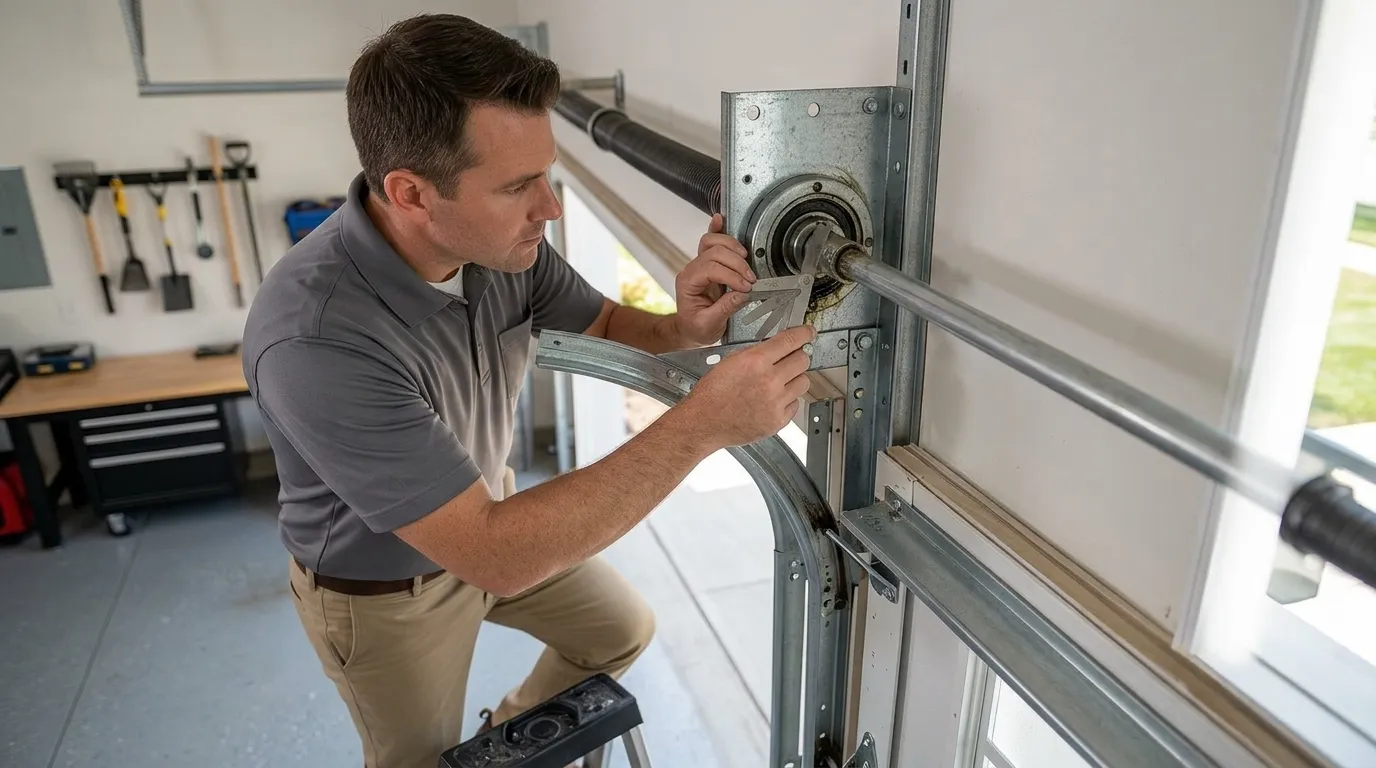
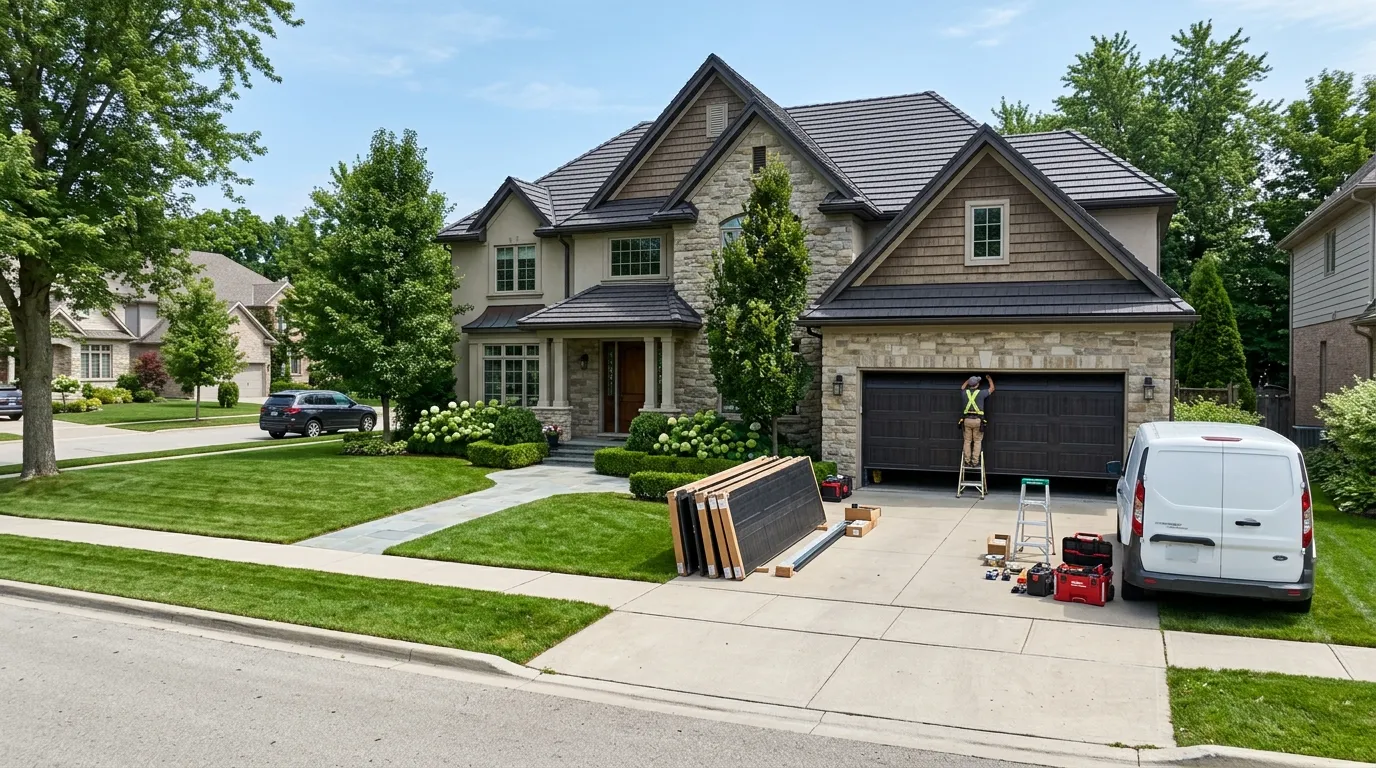
Mineral Springs sits about 12 miles out from our shop in Matthews, and the housing stock out here skews a bit older than a lot of the rest of our coverage area. The median home in Mineral Springs was built around 1991, which puts most doors and openers into their third decade of service. That matters because a door installed in the early '90s almost never has the same hardware as one installed in 2005. You're more likely to find galvanized torsion springs on a stationary center bracket rather than the newer double-bracket setups, and openers from that era often ran chain drive with a screw-style safety reverse system that predates the photo-eye sensors required on anything made after the mid-90s. With 1,188 households in this area, there's a real cluster of homes hitting the point where the original spring and the original opener are both near the end of their practical life at the same time. We don't assume every door here needs the same fix - some owners have already replaced hardware once - but the baseline age of the stock tells us what to expect before we even open the truck.
What People Here Ring About
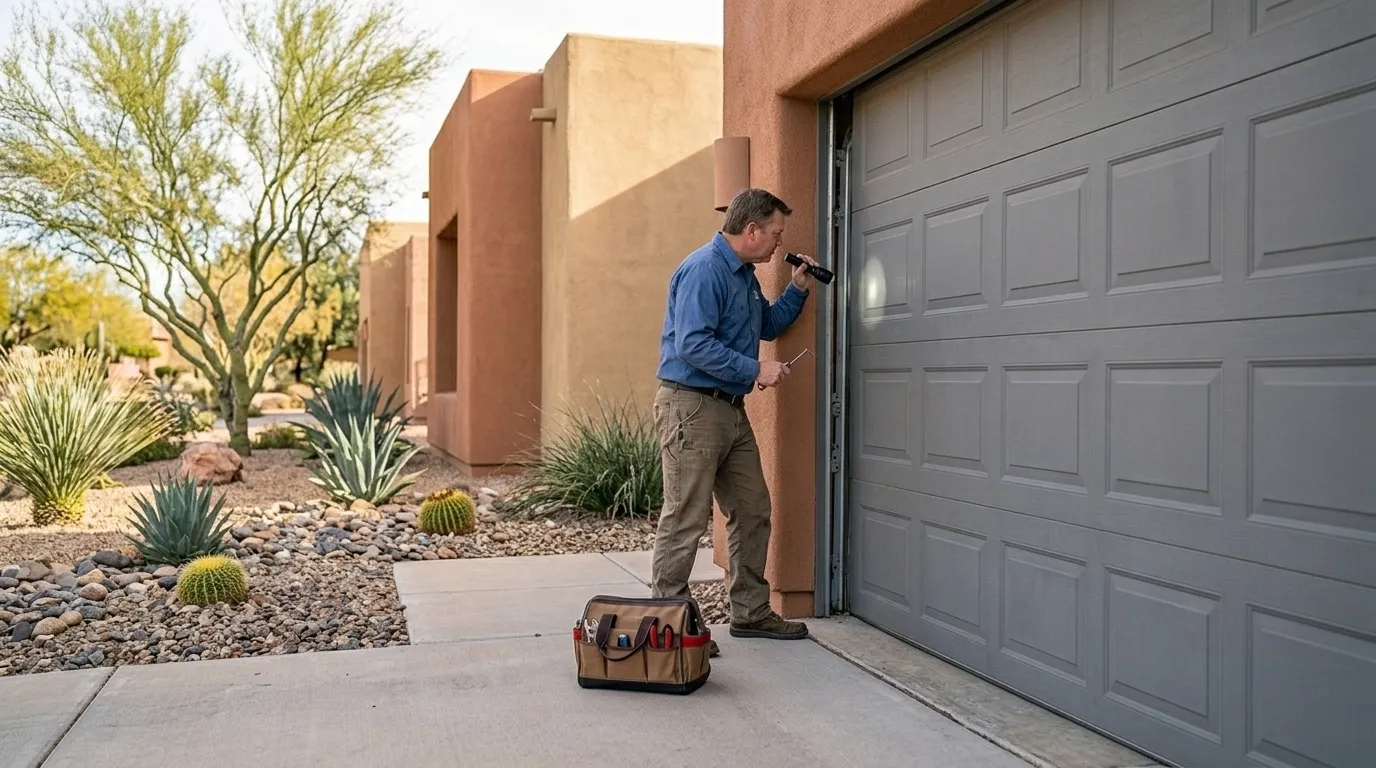
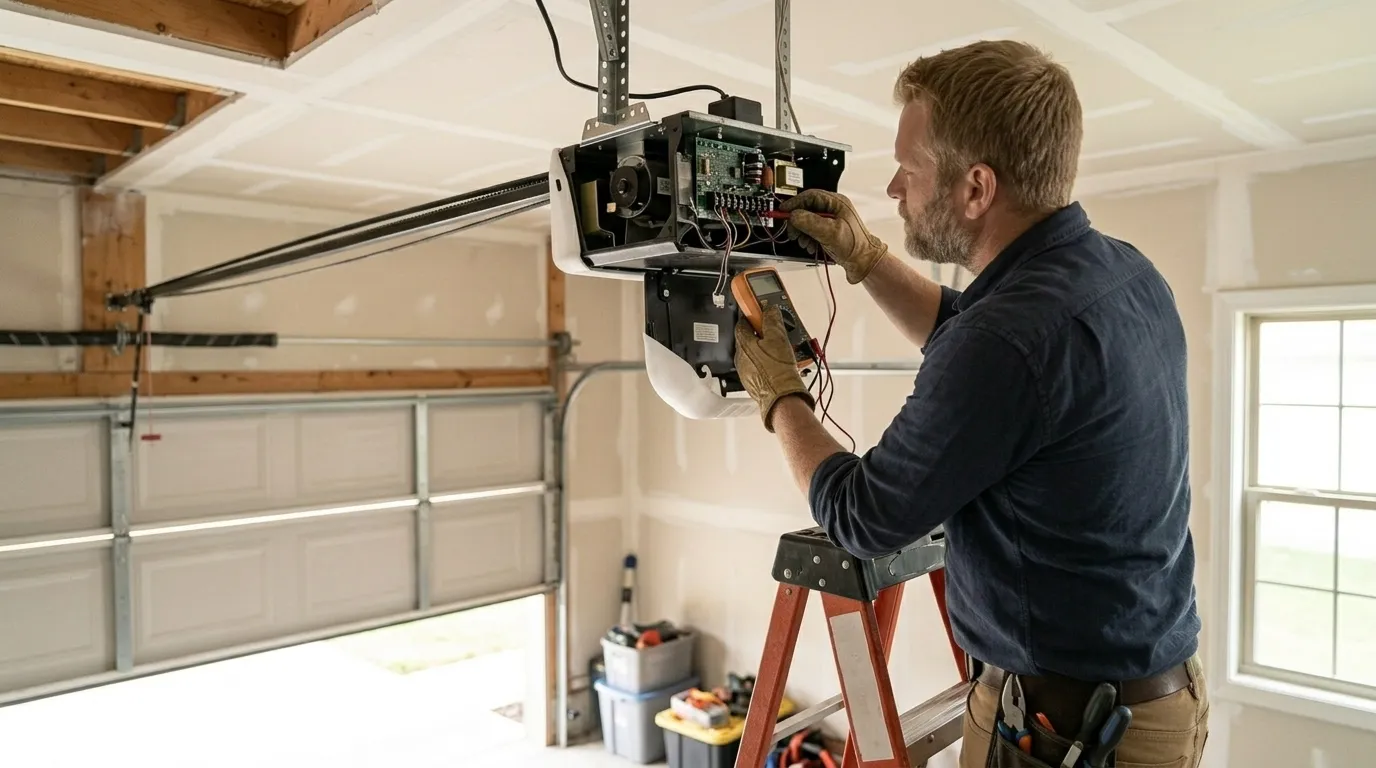
The calls we get from homeowners around Mineral Springs tend to follow the age of the housing. Torsion springs that were wound for a door that's since had insulation or a new panel added, which throws off the balance and makes the opener strain. Nylon rollers that have gone brittle and started chipping the track, especially on doors that haven't had the track lubricated in years. Openers from the 1990s and early 2000s that still work but no longer meet current safety-reversal standards, which comes up when a homeowner wants to add a second remote or connect a smart control and finds the old logic board won't support it. Median household income here runs $88,203, and what we see is that most owners want a repair that gets the existing door back to spec rather than an automatic jump to full replacement - which is usually the right call unless the door itself has warped or the track has been bent.
How That Shows Up in the Door
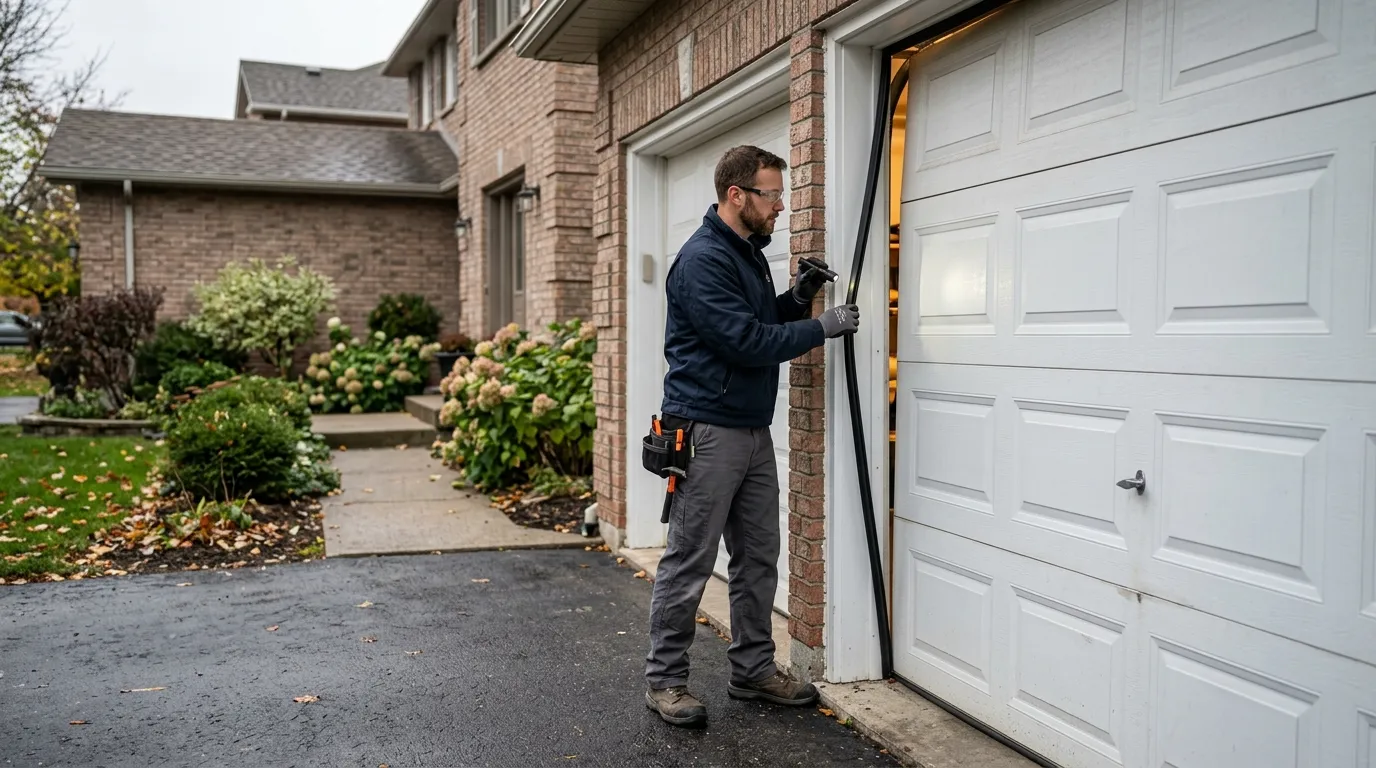
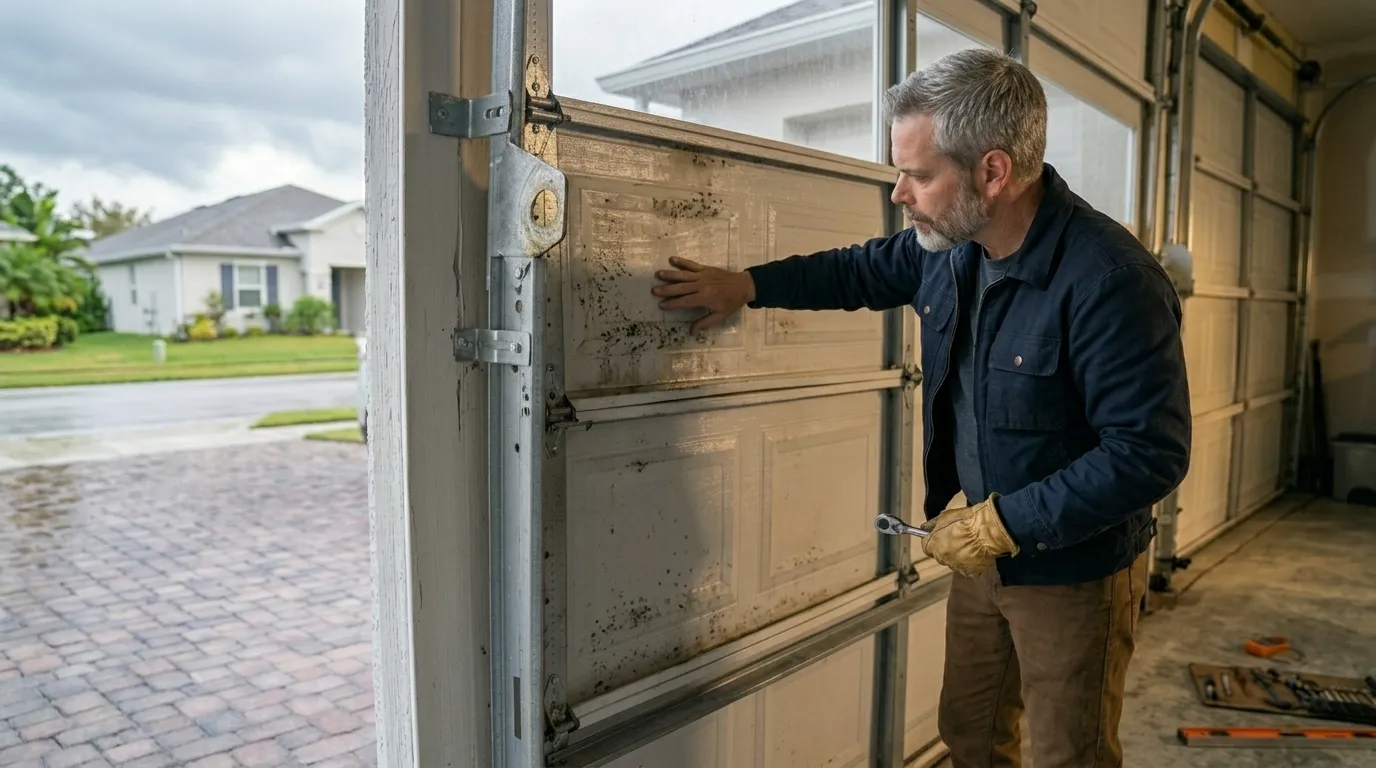
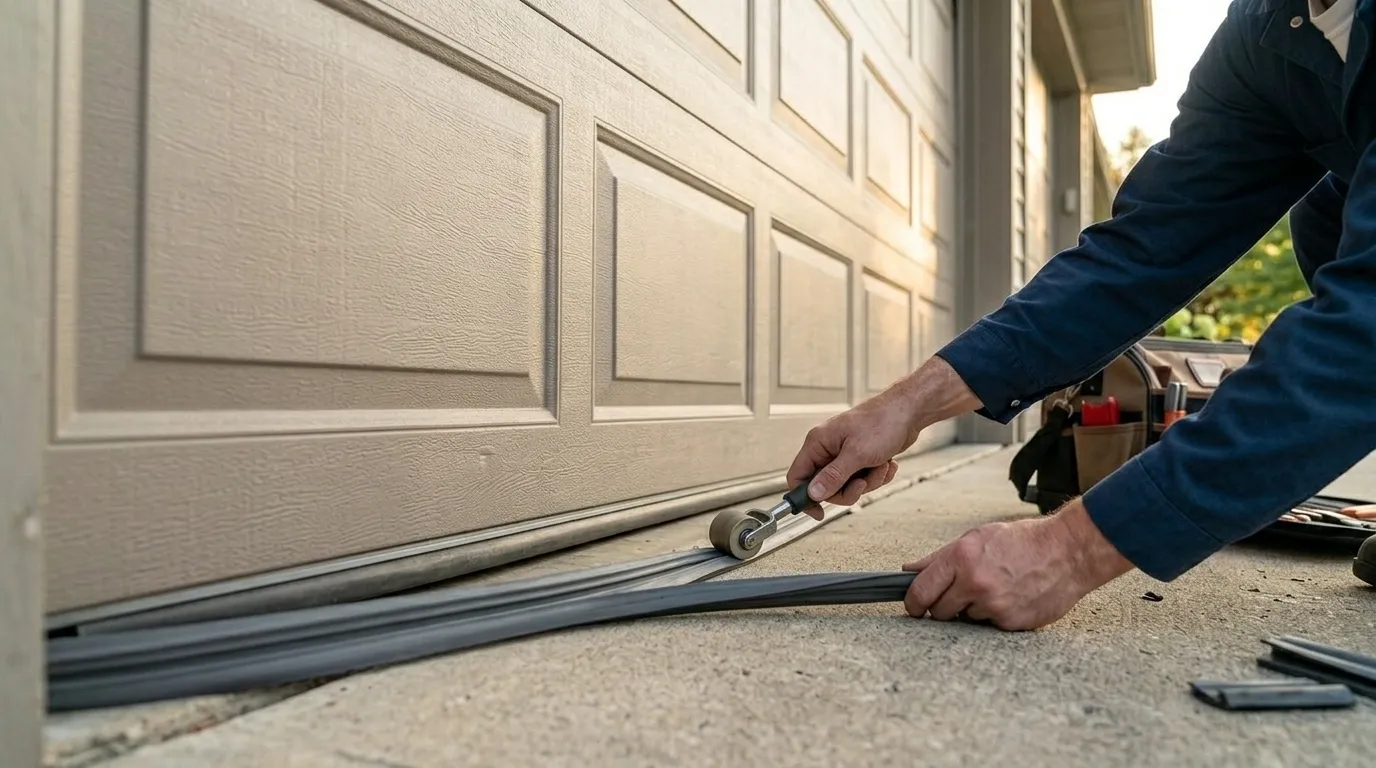
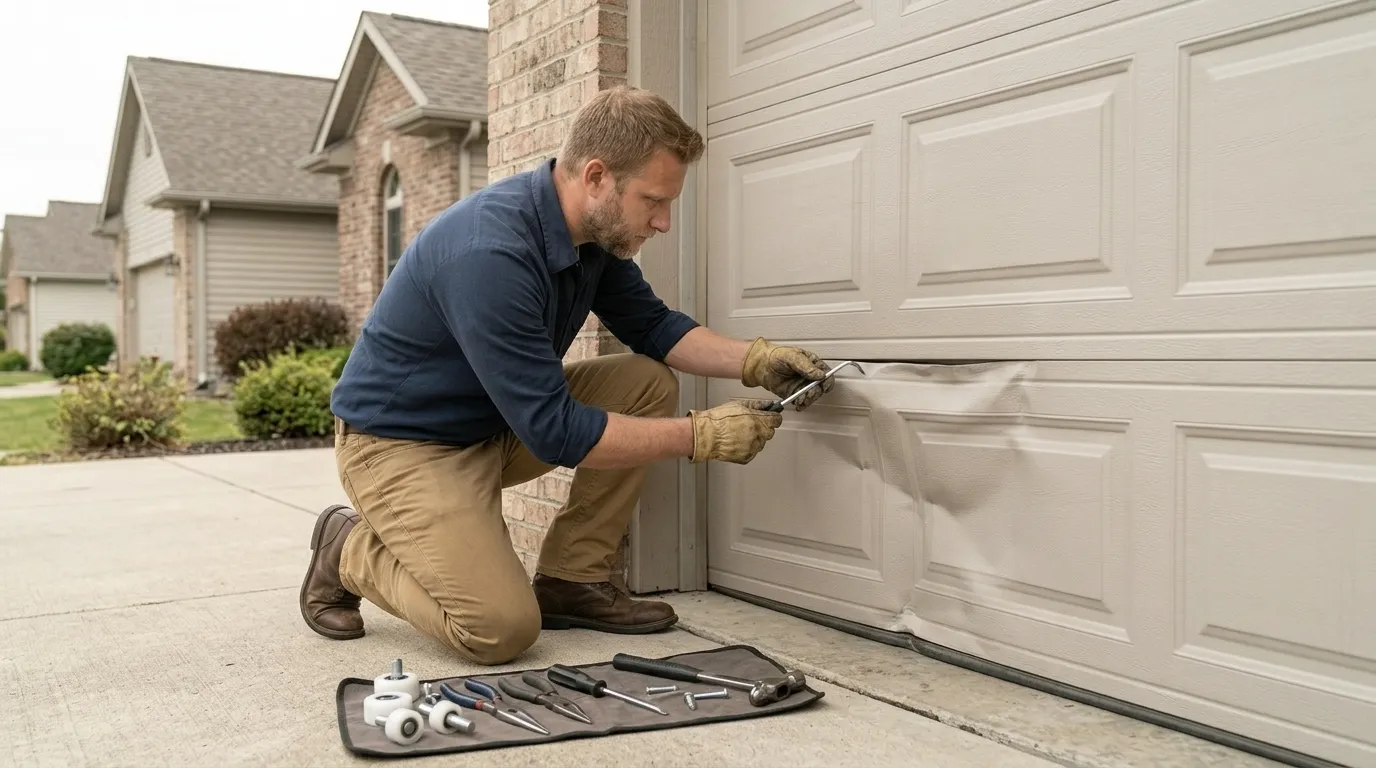
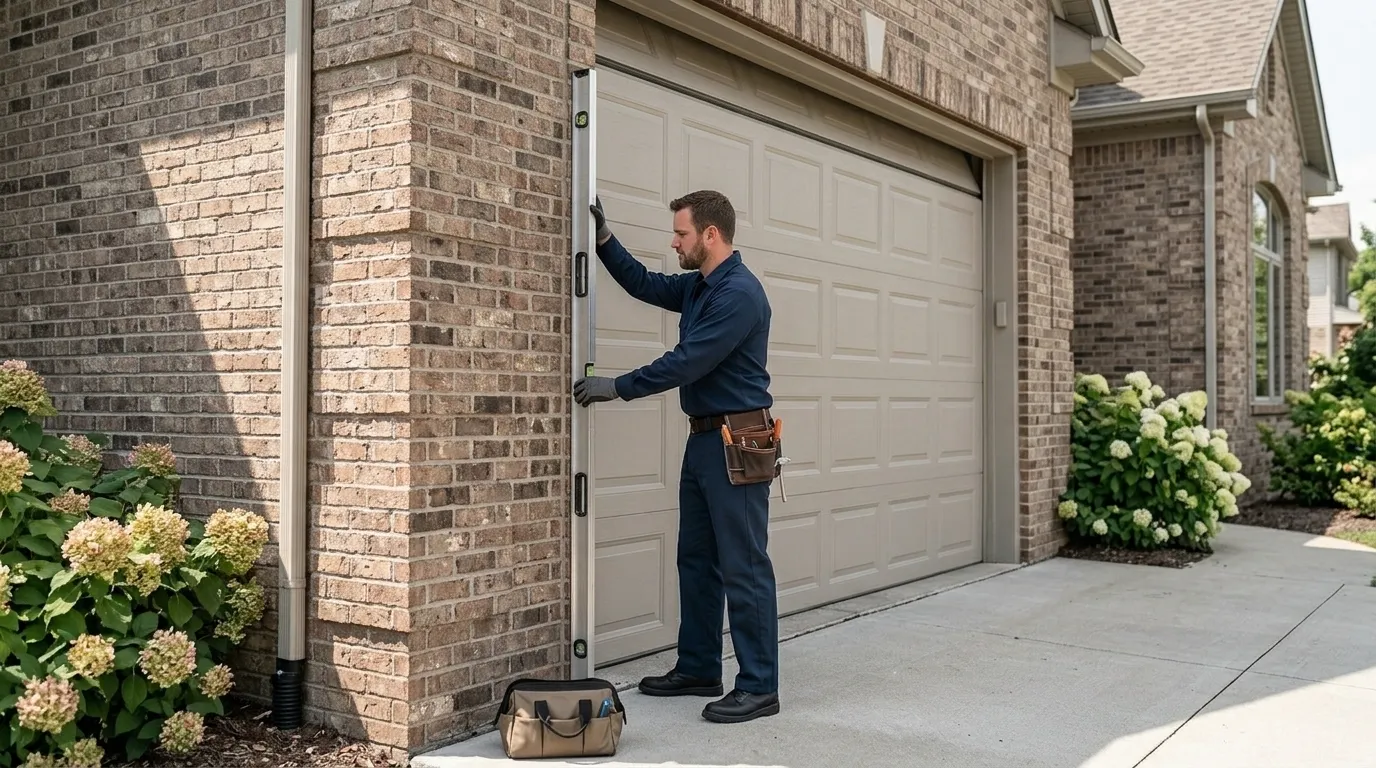
Put the age of the housing stock together with the climate here, which the region classifies as cold-moderate, and you get a specific pattern of wear. Steel springs that sit through repeated cold-to-warm cycles fatigue faster than the manufacturer's rated cycle count suggests, and a 1991-era door has had three decades of that cycling. Weatherstripping on doors this old is usually original or a single replacement, and it's often shrunk enough that it no longer seals against a cold morning, which homeowners notice as a draft along the bottom panel more than as a mechanical complaint. We'll say plainly that not every older door is worth saving - if the panels themselves have rusted through at the bottom or the track is bent from a impact, a repair is just delaying a replacement, and we'll tell you that instead of billing you twice.