The Houses Here
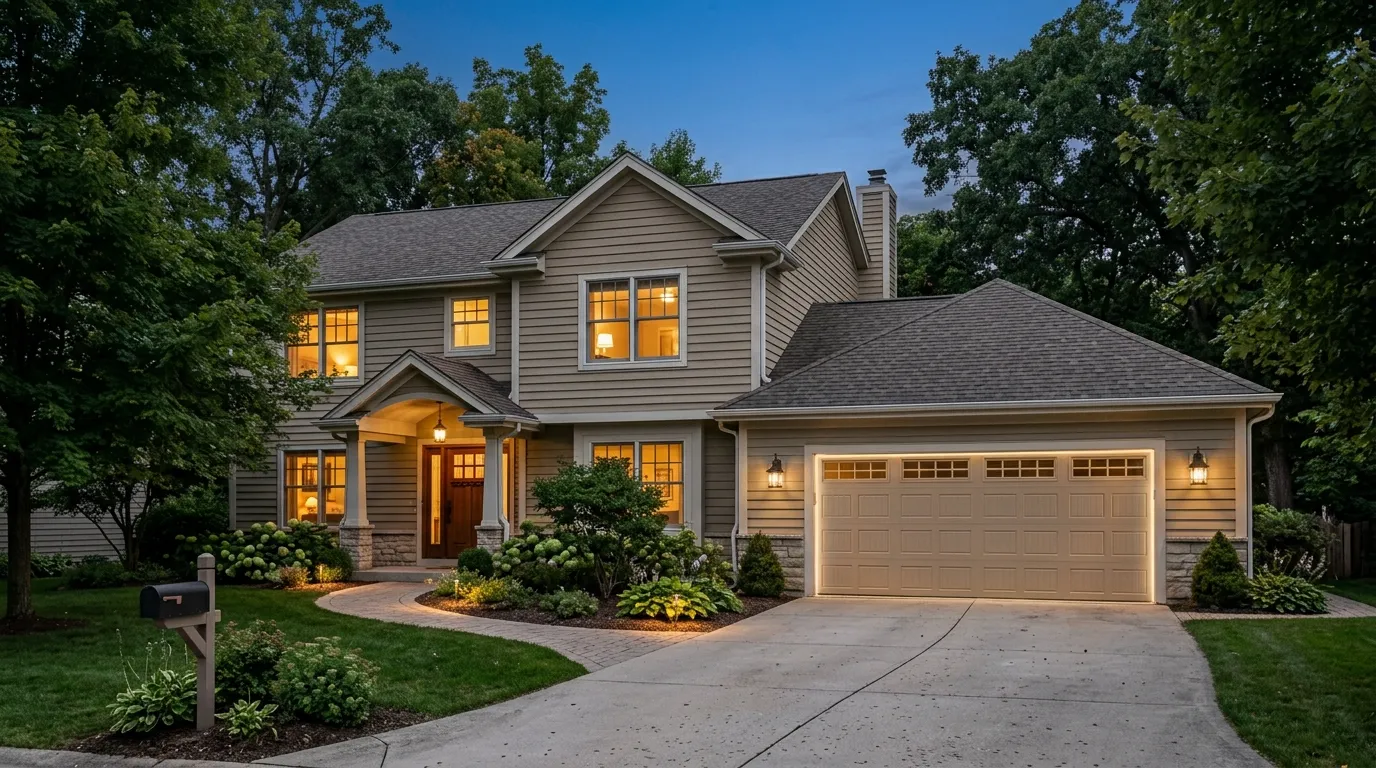
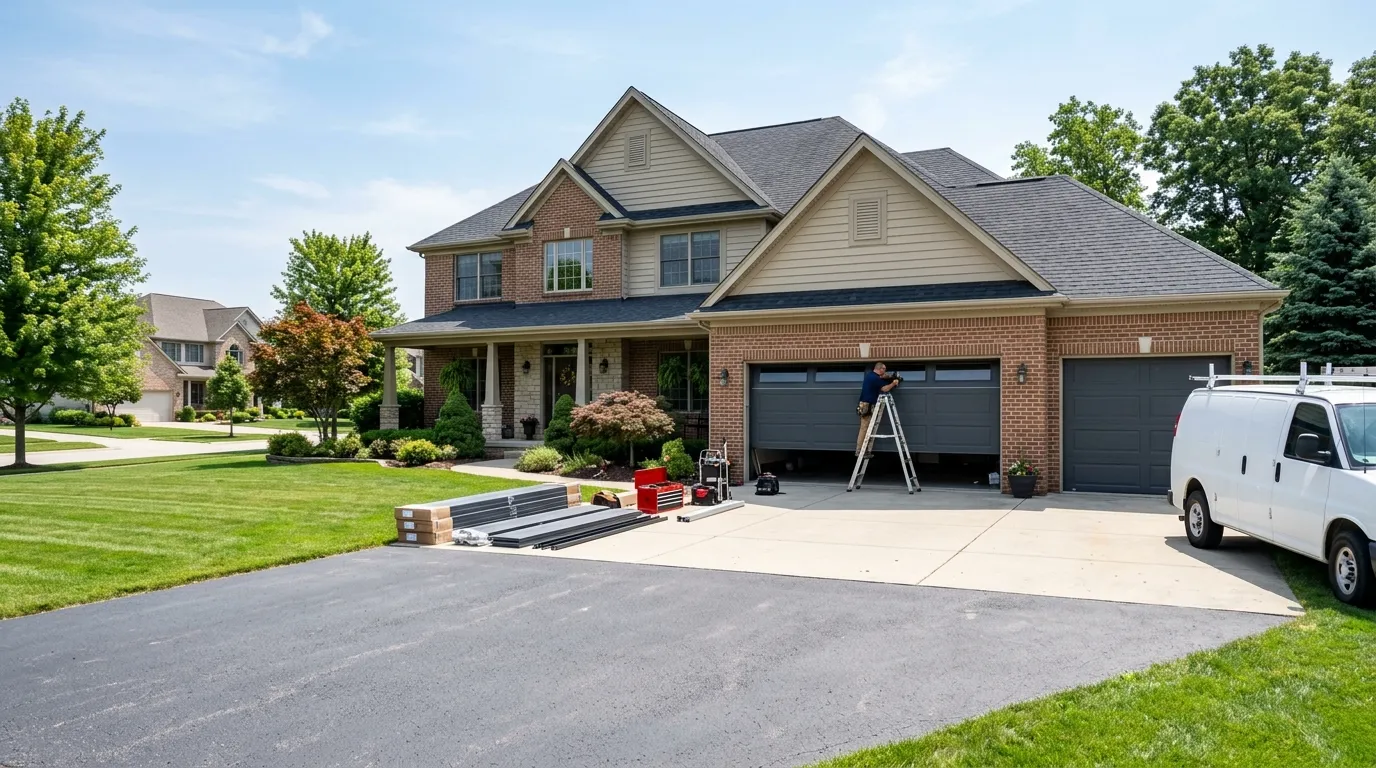
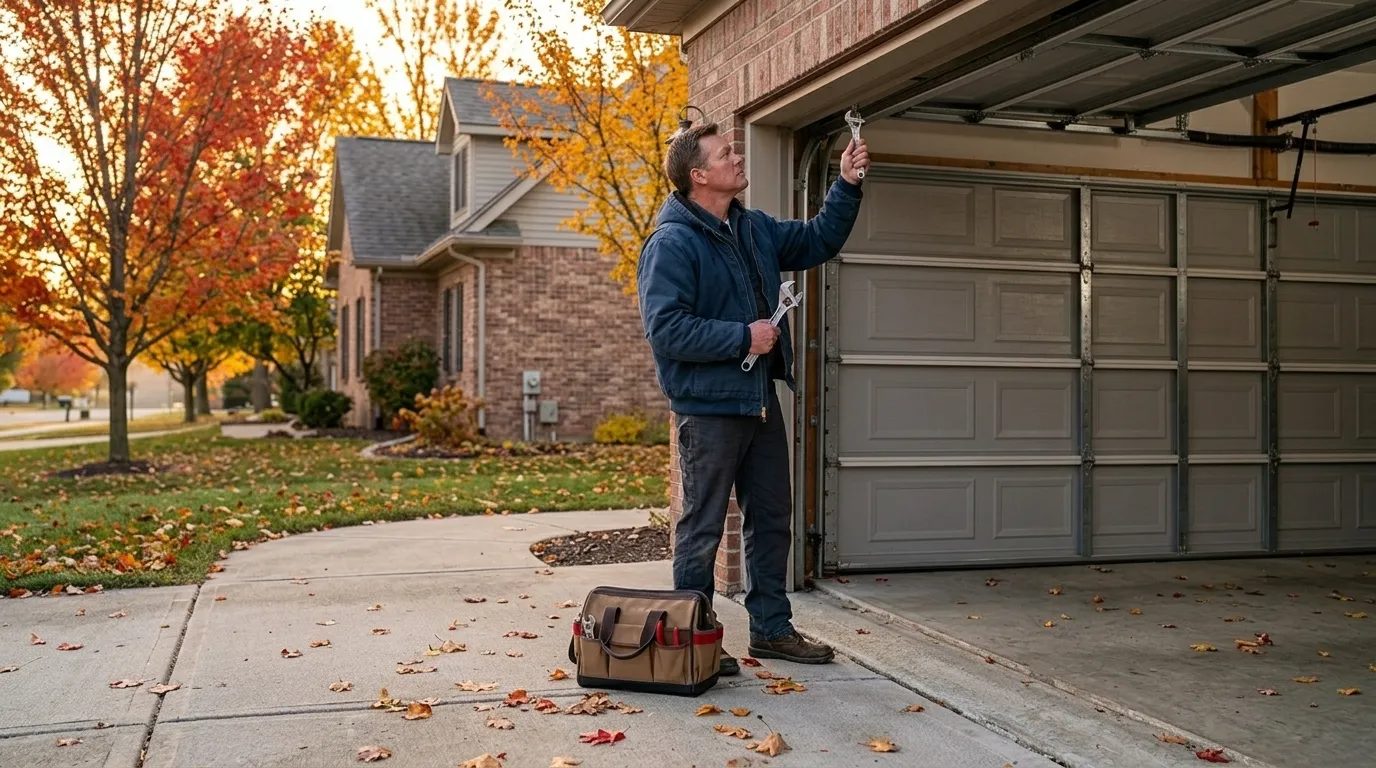
Midland sits apart from most of the rest of our coverage area in one specific way: the houses are newer. Across the wider service area the typical home was built around 1998, but here in Midland the median build year runs to 2006 - call it a decade of difference in some pockets. That matters more than it sounds like it should.
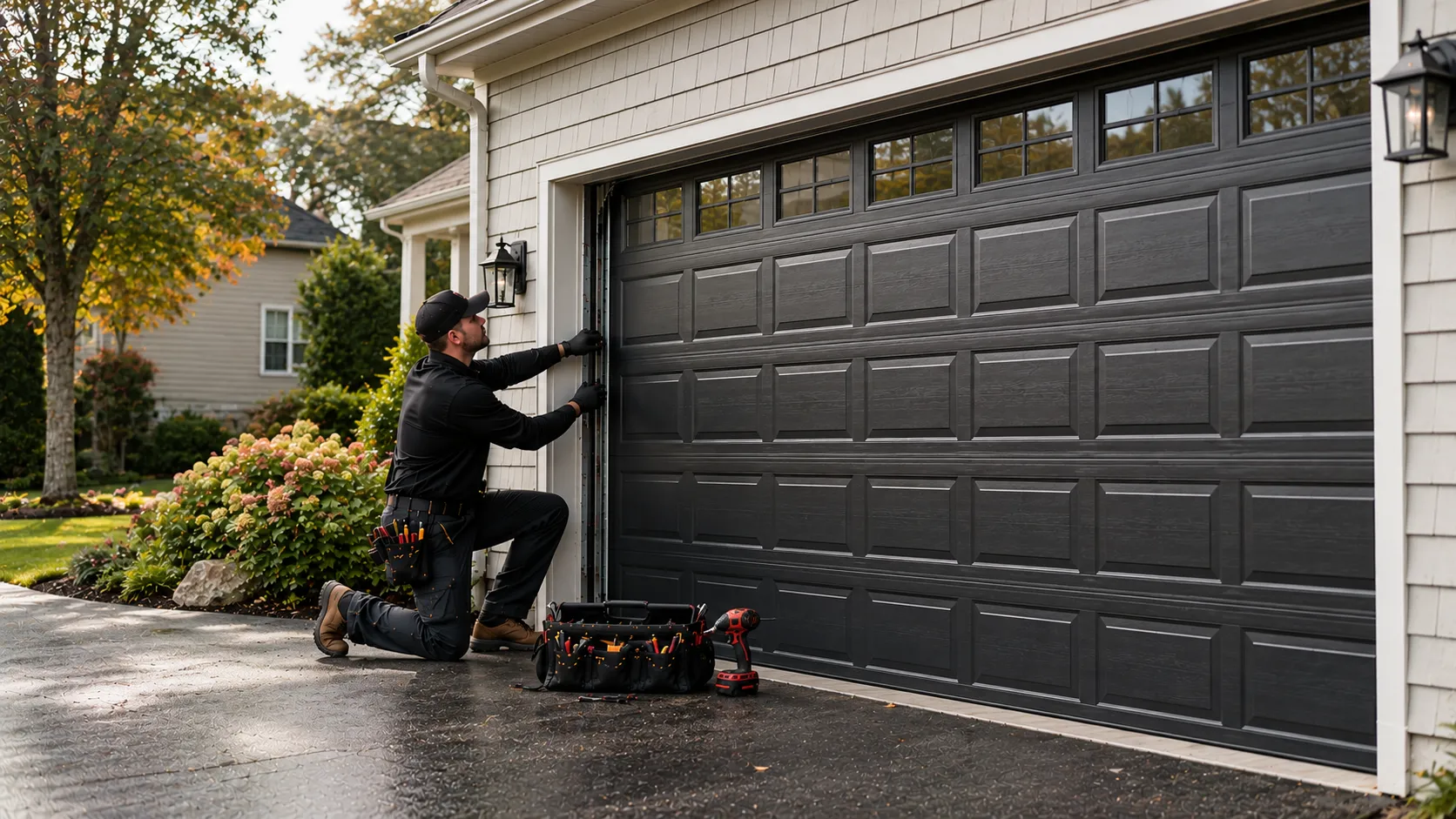
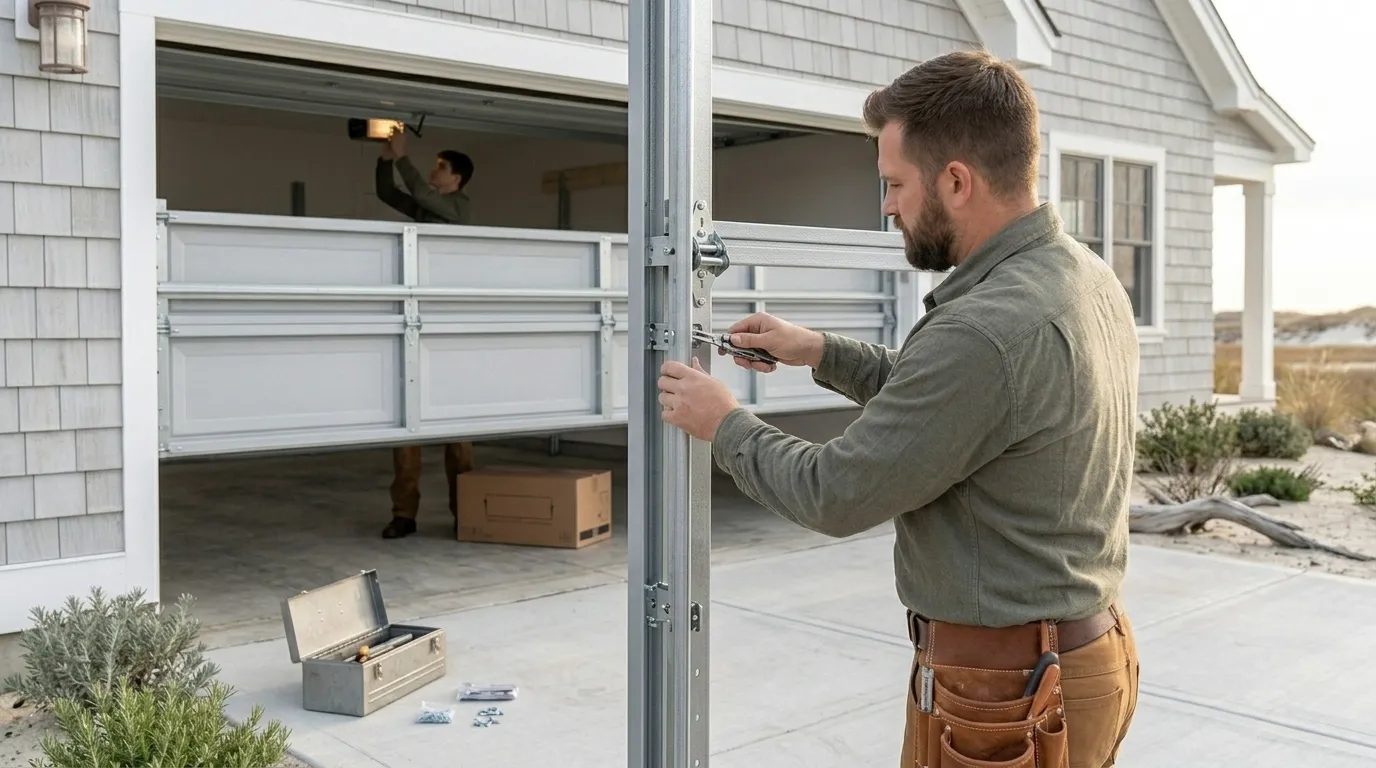
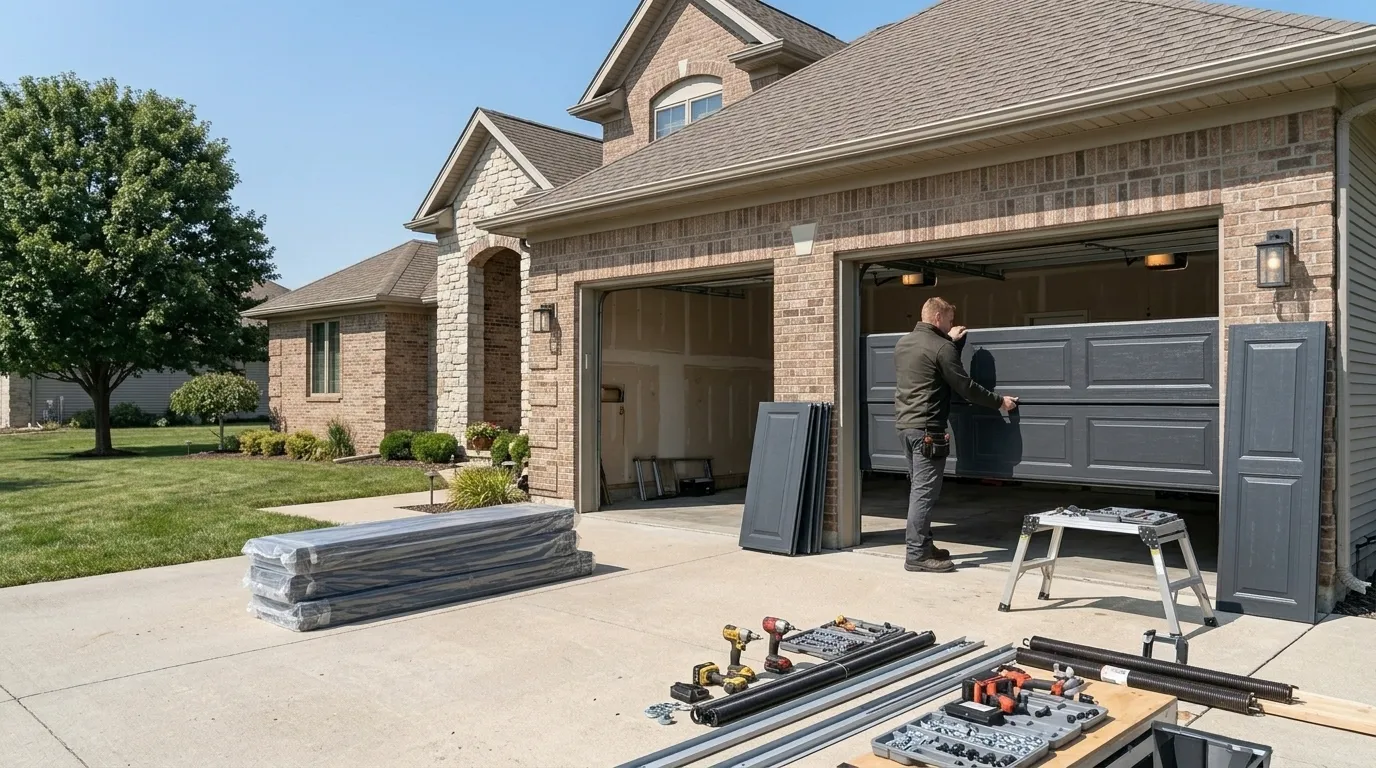
A garage on a 2006-era build almost always shipped with a factory steel or steel-composite sectional door, a torsion spring setup rated for that door's actual weight, and a chain or belt-drive opener with a photo-eye safety reversal system, since federal reversal requirements had been standard practice for years by then. You're not dealing with the old extension-spring, no-safety-eye setups that show up in older stock elsewhere in our area.
With about 1,724 households in Midland, this isn't a huge pocket, but it's a fairly consistent one - most of the garages we'd get called to here share that same build era and the same general door and opener class. That consistency actually makes diagnosis faster: when a homeowner describes symptoms over the phone, we already have a decent guess at what's inside the garage before the truck leaves Matthews.
What People Here Ring About
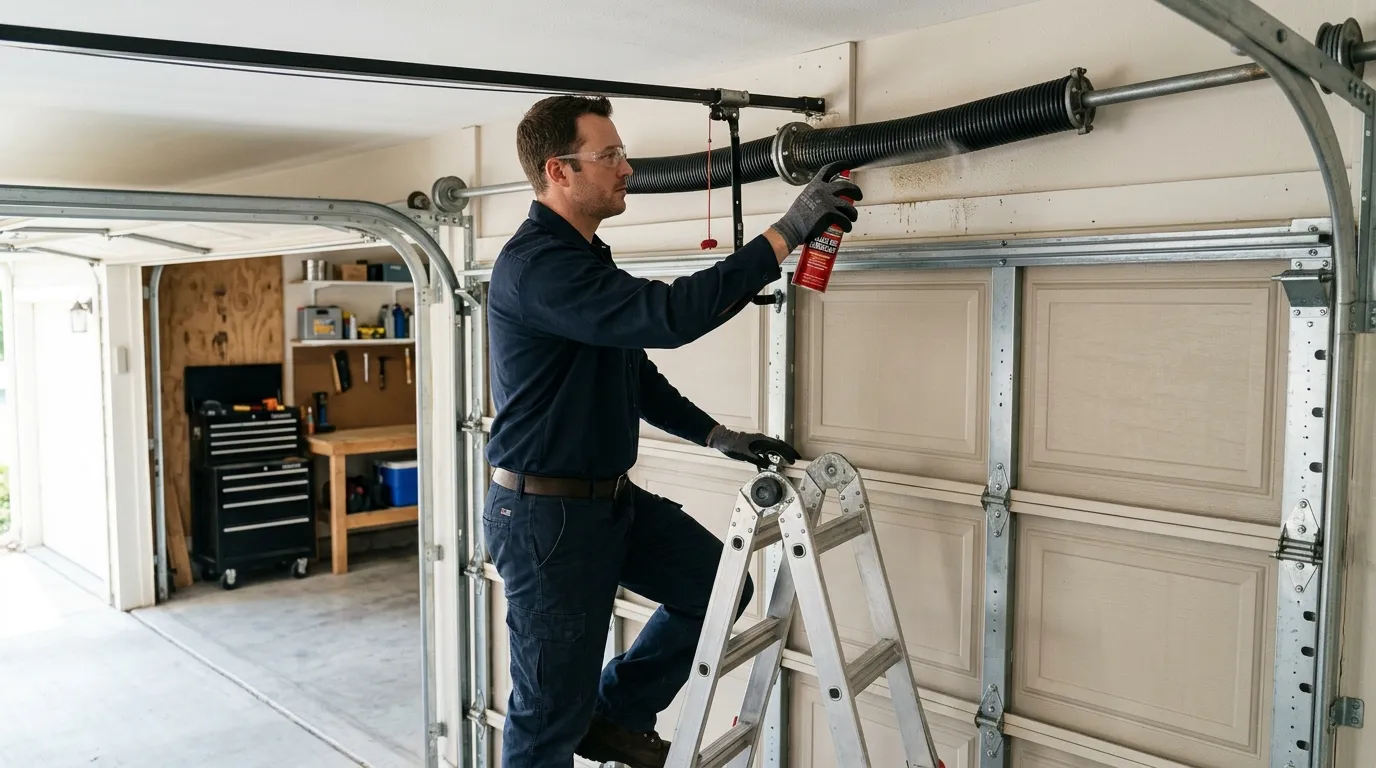
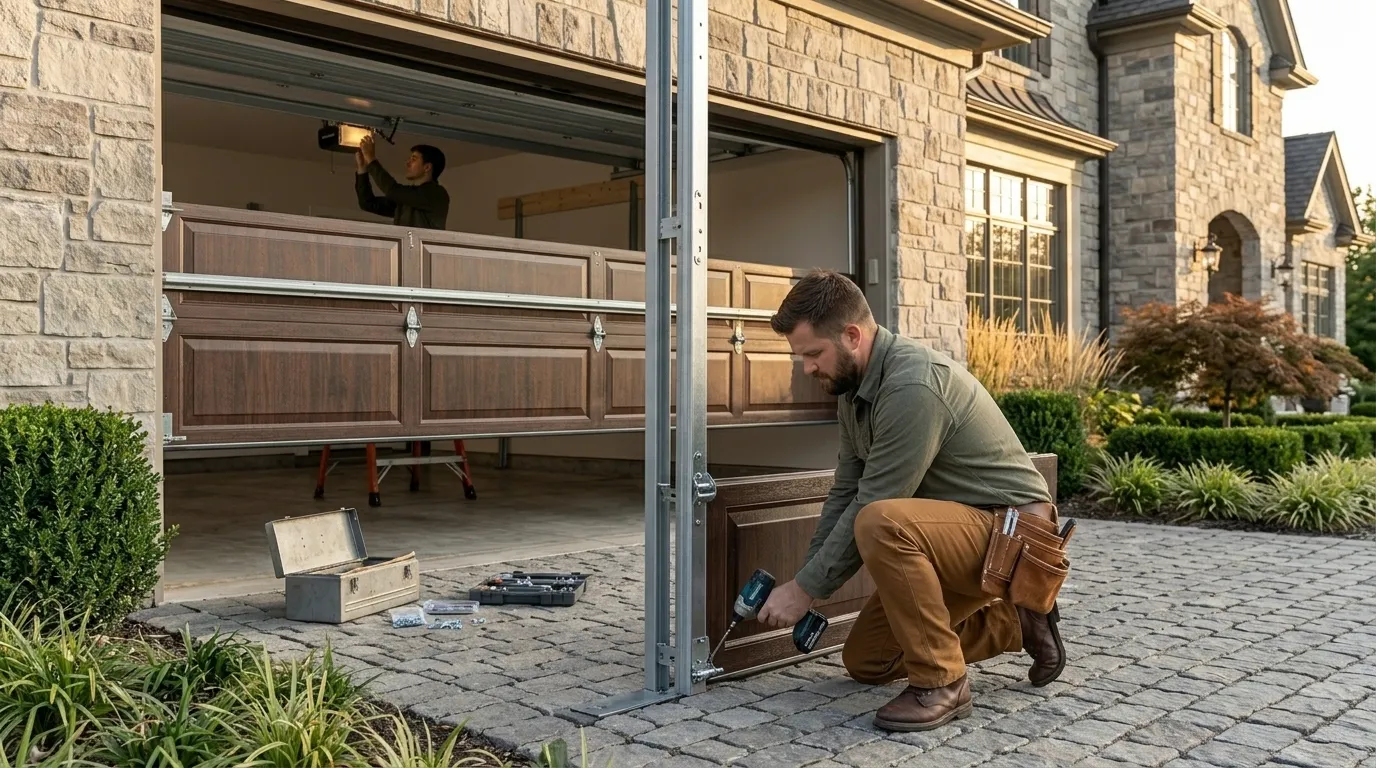
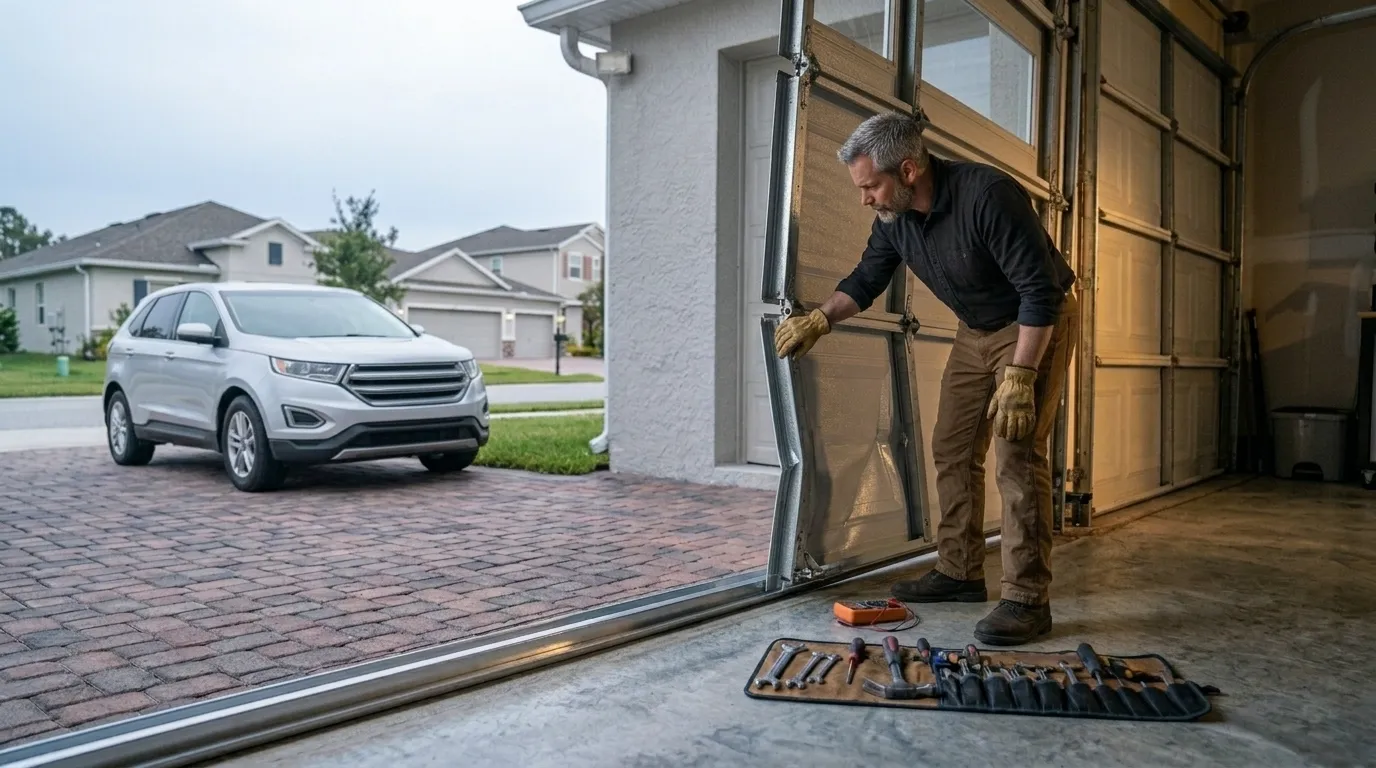
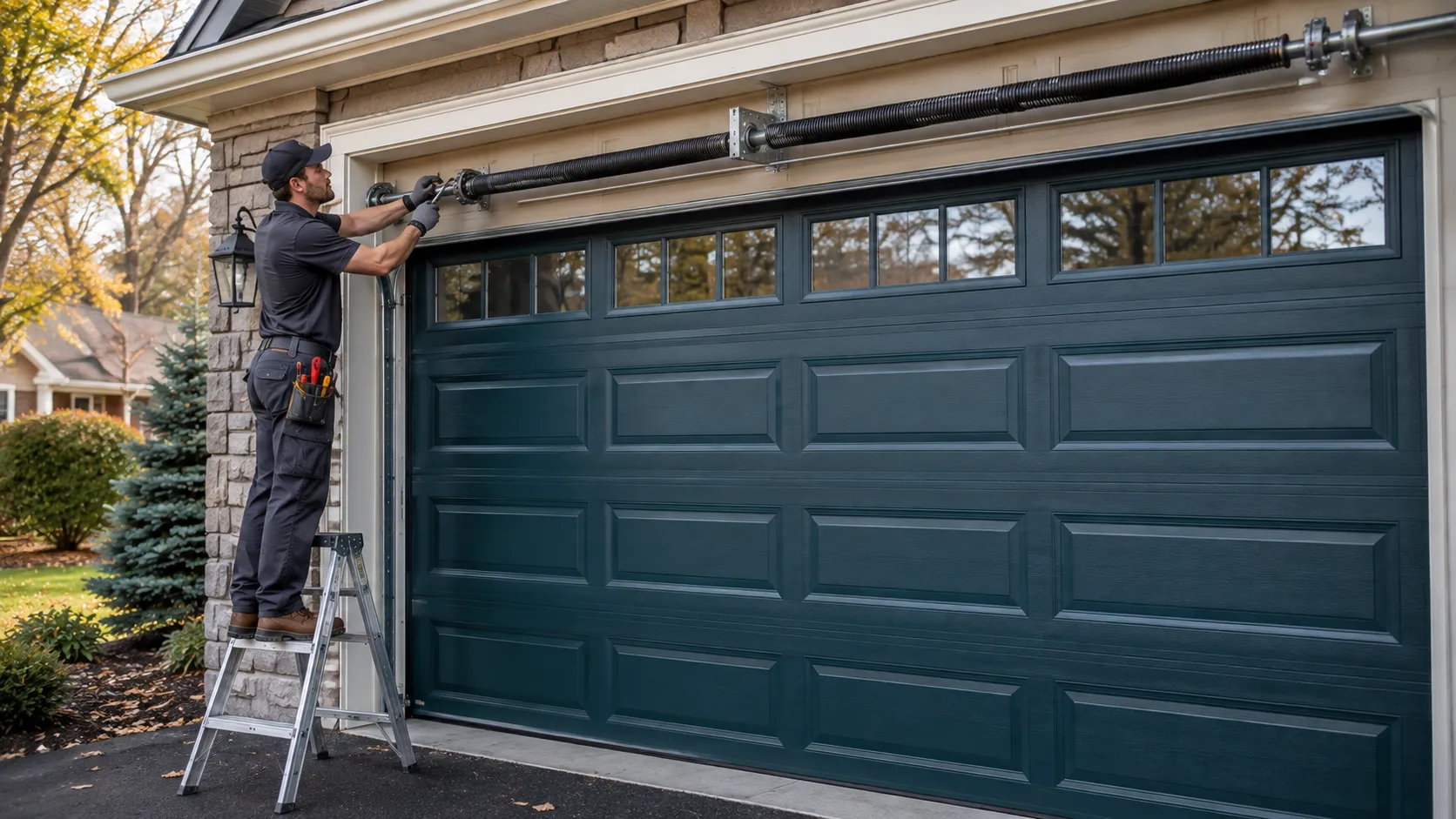
On a 2006-built door, the springs are getting into the range where original torsion springs start giving out - most torsion springs are rated for a number of open-close cycles, and a door installed in the mid-2000s has likely put a couple decades of cycles through its factory spring. That's the call we'd expect most from this area: a spring that finally lets go, usually announced by a loud bang and a door that won't budge.
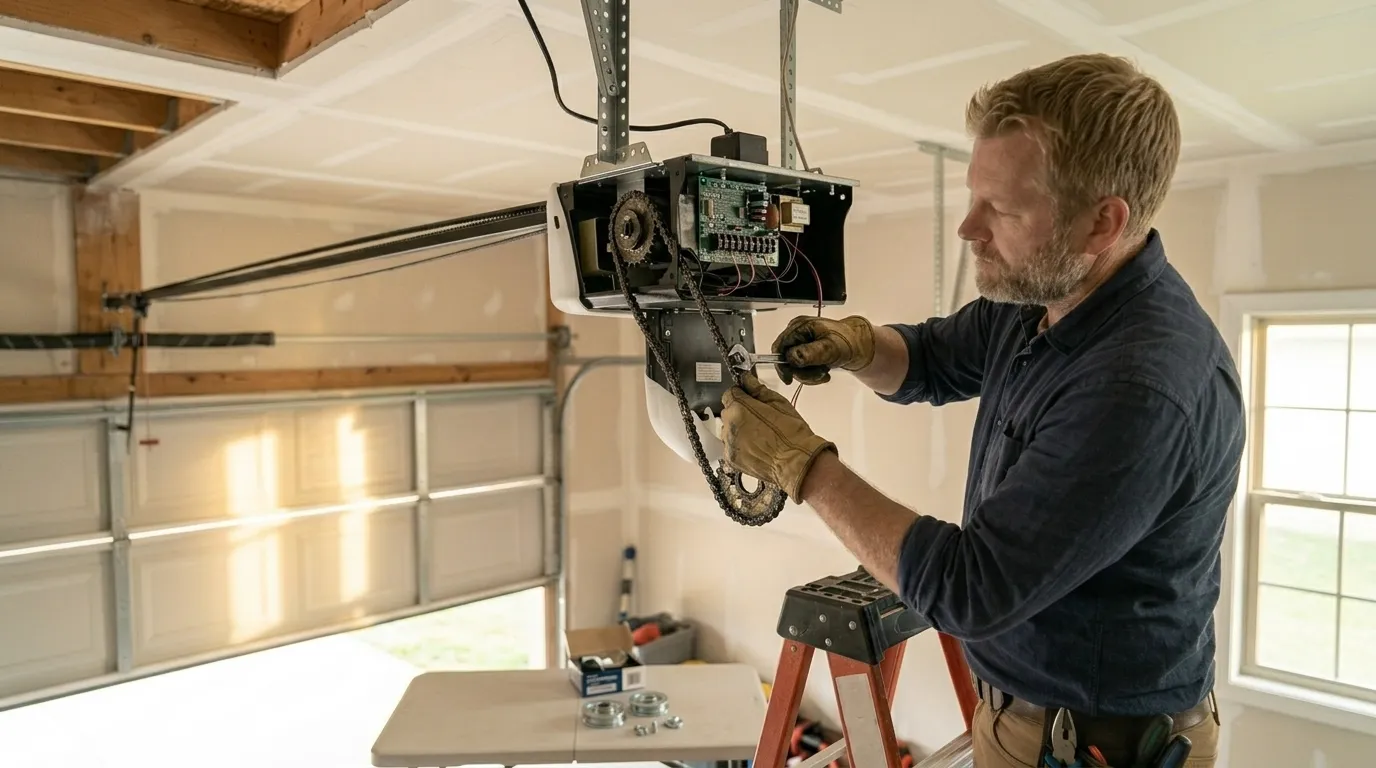
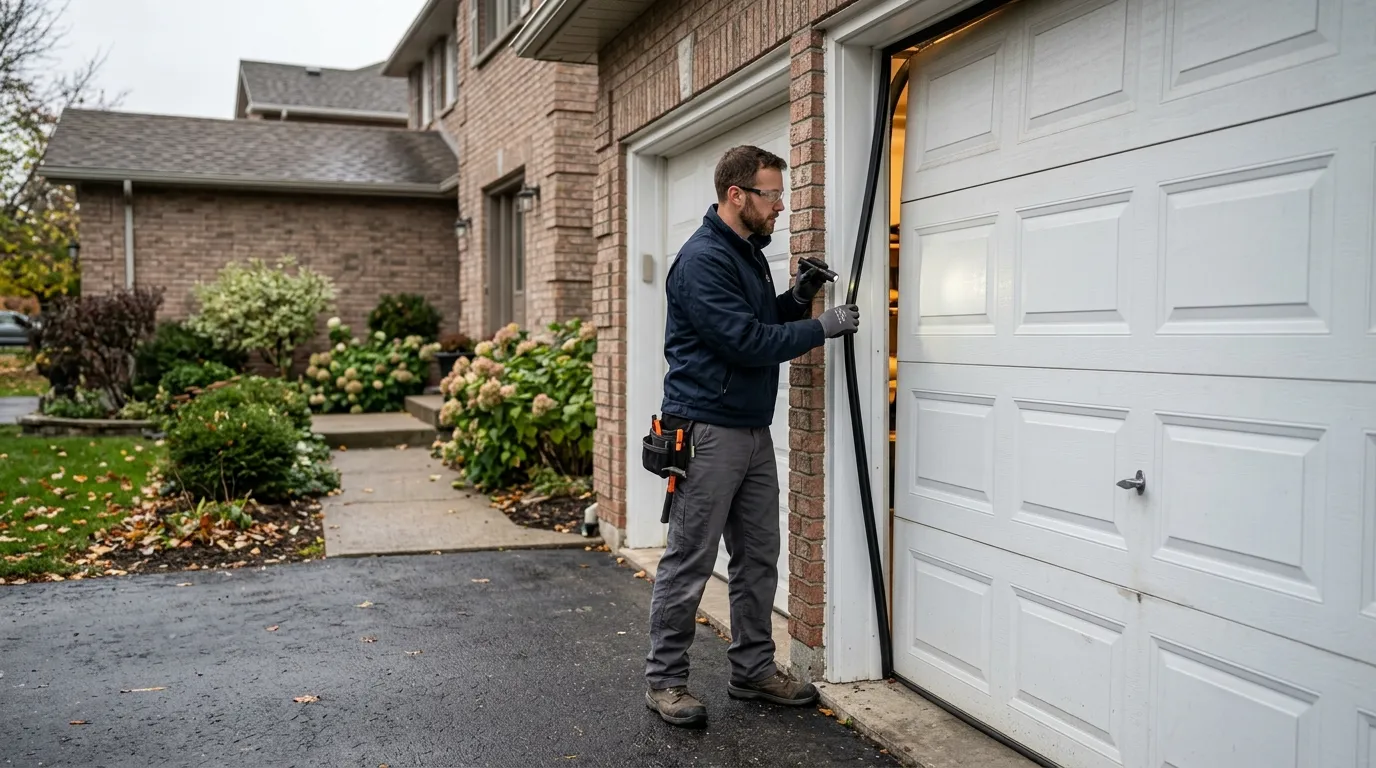
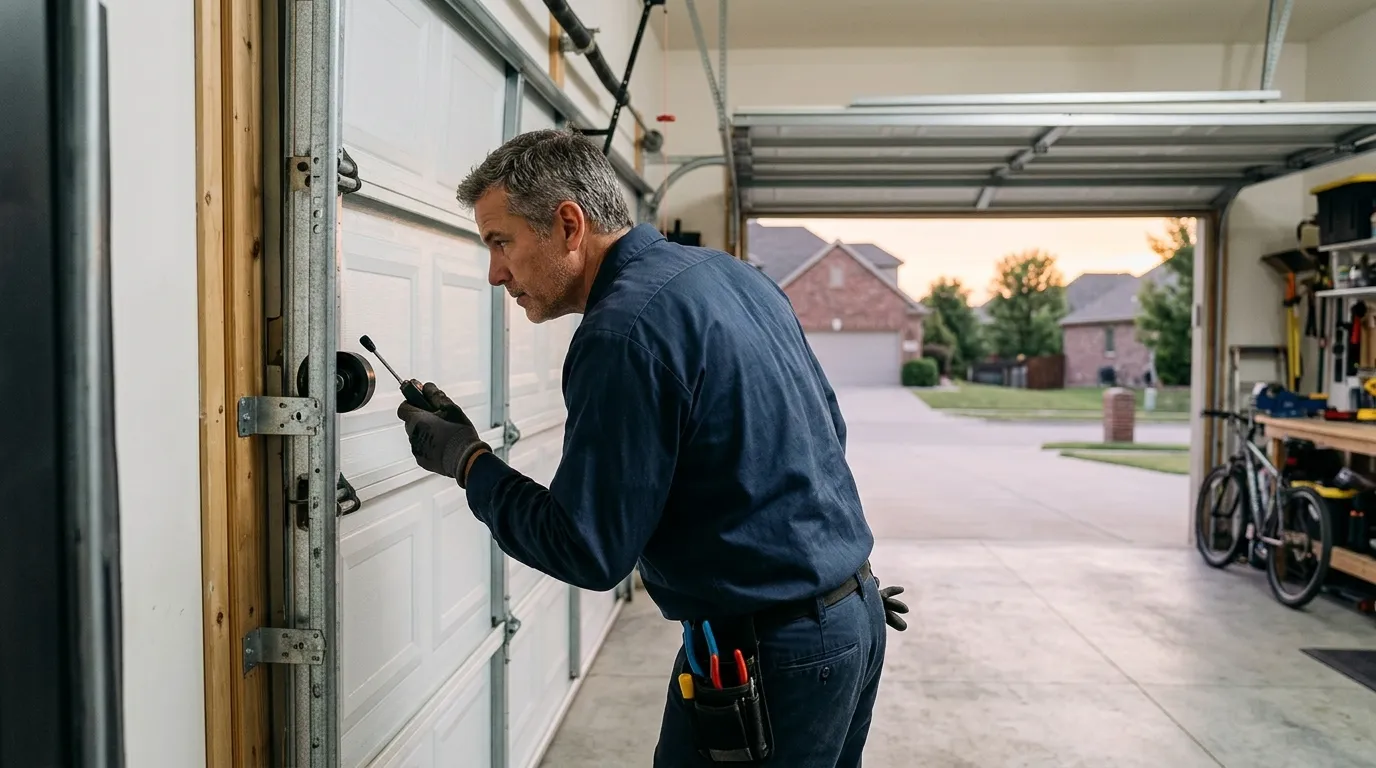
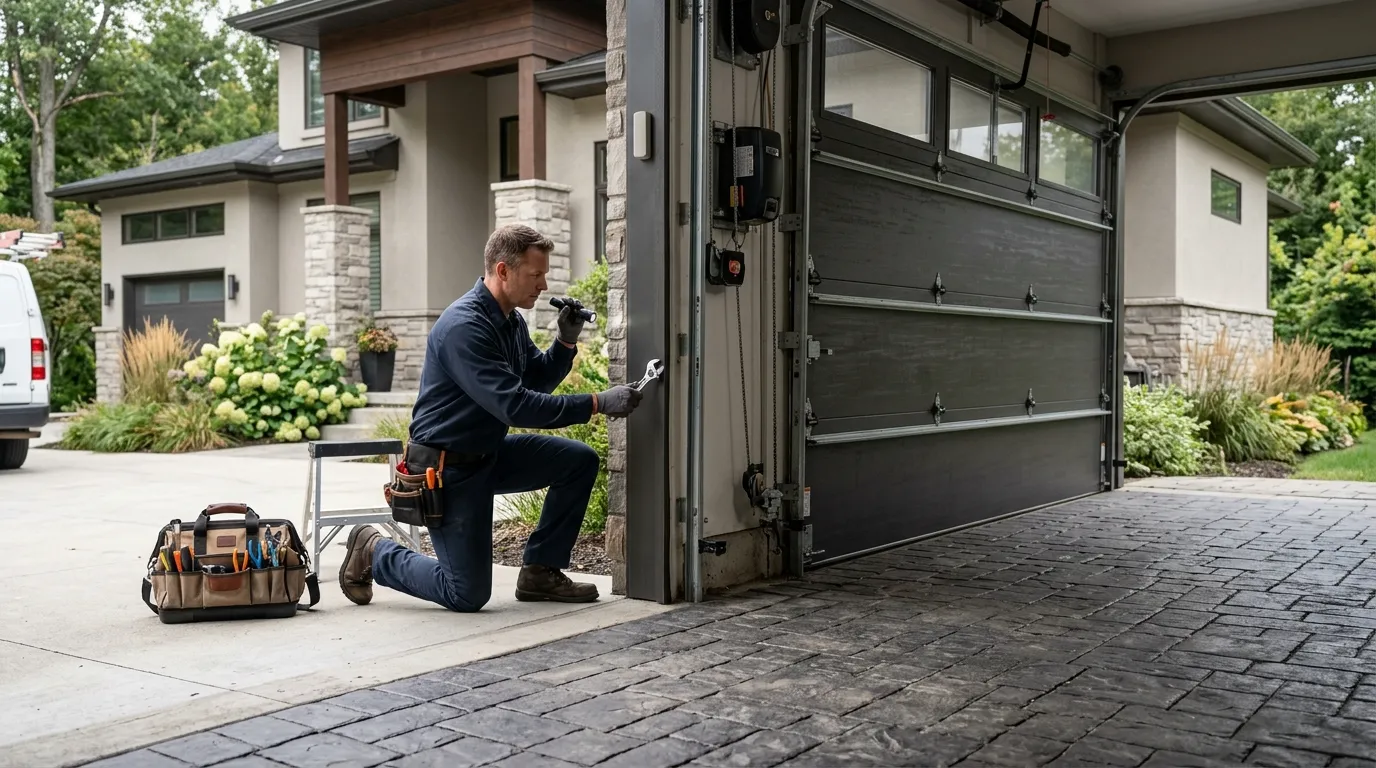
The other common one is opener electronics. Openers from that era are old enough now that circuit boards, logic units, and remote receivers are wearing into failure, but the physical rail and drive mechanism are often still fine. That's a different repair than a full opener swap, and worth knowing before you assume the whole unit needs replacing.
We don't see much of the older-stock problems - the side-mounted torsion setups and one-piece doors that show up in the pre-1980s pockets of our territory. Midland's stock is younger than that, so the failure points skew toward wear-and-tear on parts that were built to a later, more standardized spec.
How That Shows Up in the Door
Median household income in Midland runs around $85,551, which tracks close to the wider service area's $88,203 and tends to mean owners here are replacing worn openers and springs rather than living with a door that barely limps along. That's consistent with what we see: calls for a proper spring swap or a board-level opener fix, not patch-and-pray requests.
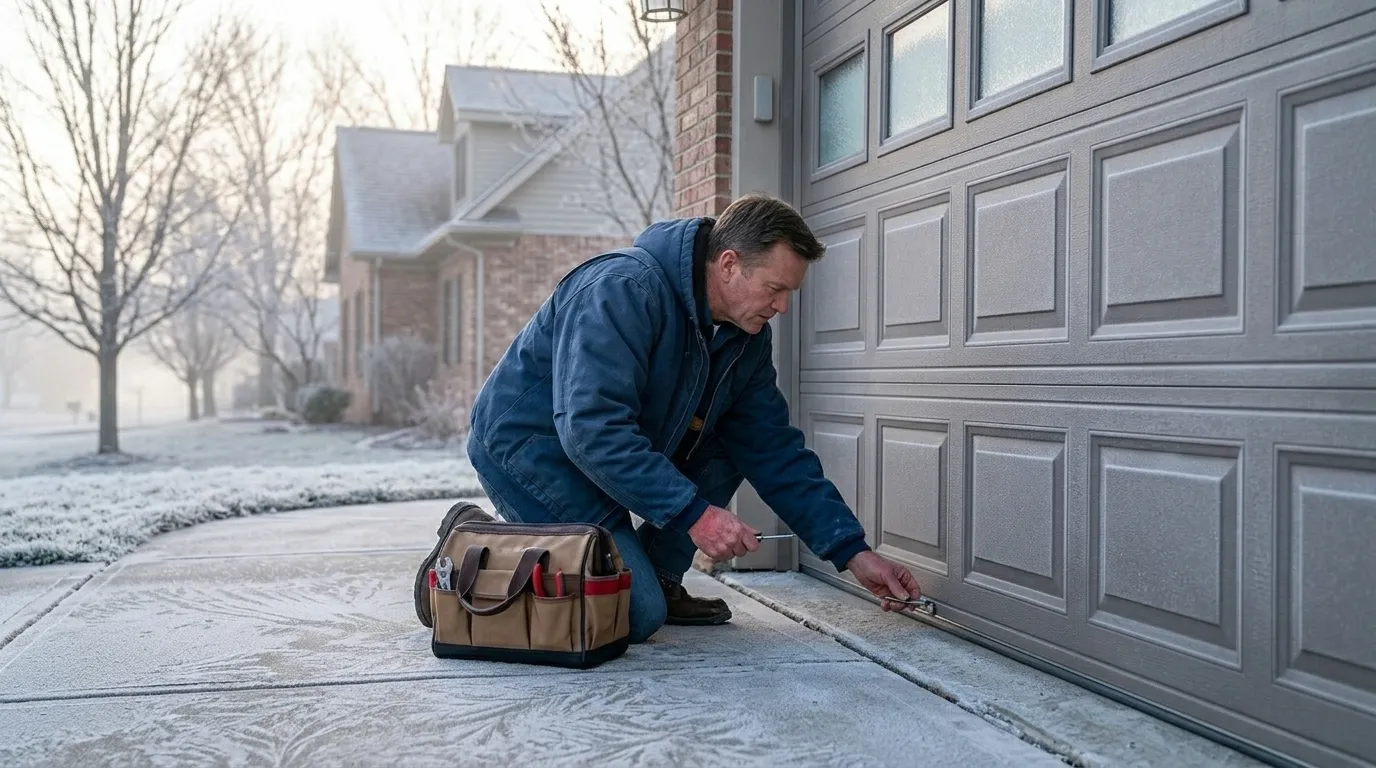
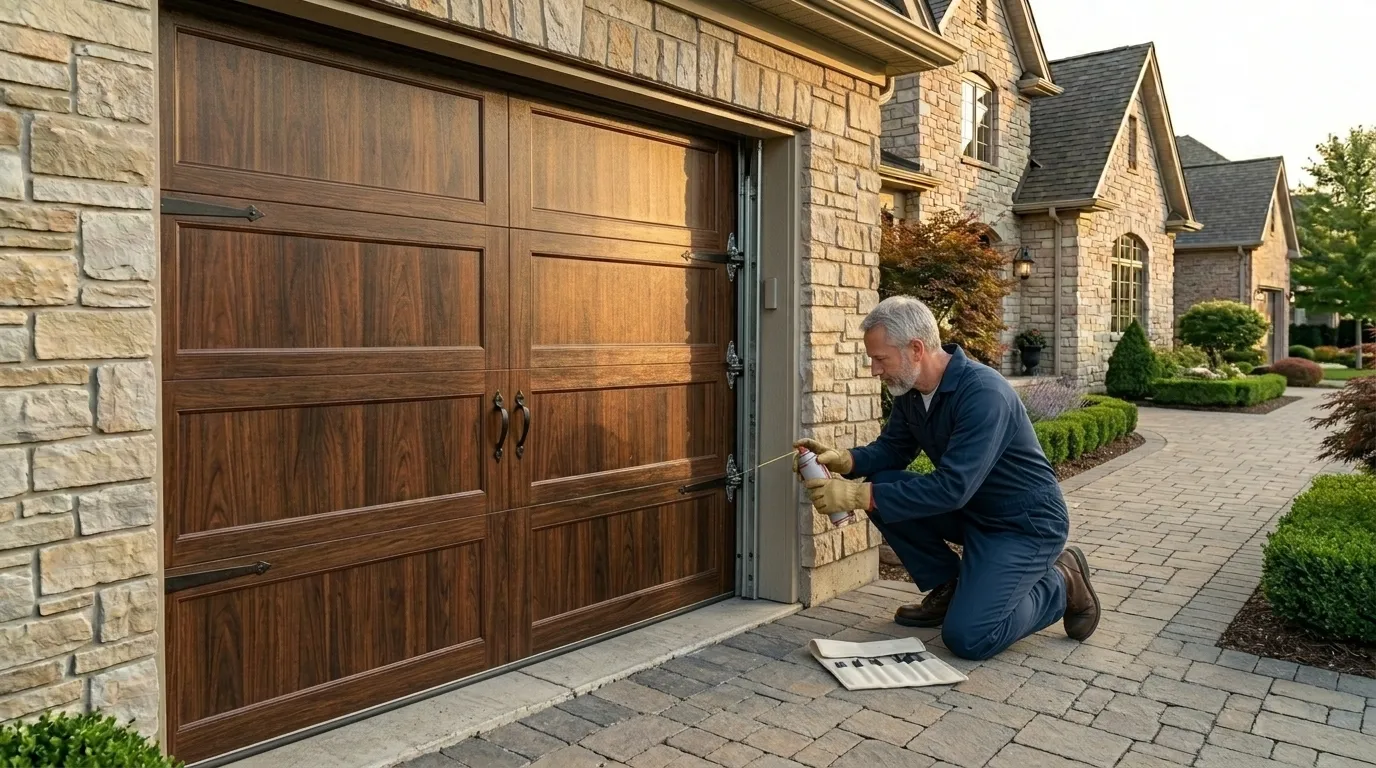
Our broader coverage area sits in a moderate cold climate band - not the harsh freeze-thaw of places further north, but enough winter cold that steel hardware still contracts, lubrication still gums up, and a spring right on the edge of failure is more likely to snap on a cold morning than a mild afternoon. On a 2006-era door that's already logged its cycles, a cold snap is often just the final push.
One honest limitation: if your opener's board is failing and the model is old enough to be discontinued, we may not be able to source an exact replacement part, and a full opener swap ends up being the more sensible call than chasing parts for a dead board.