The Houses Here
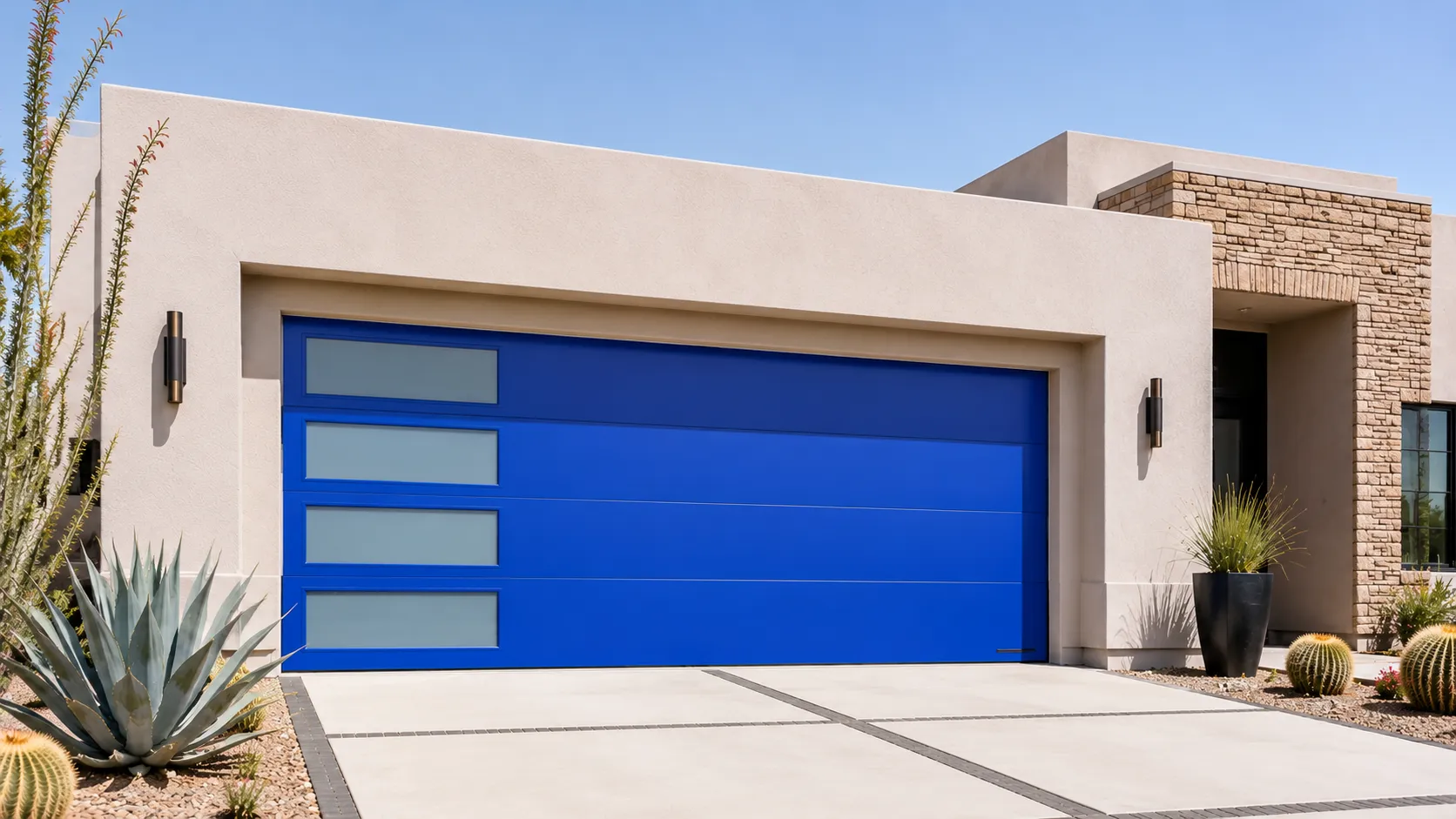
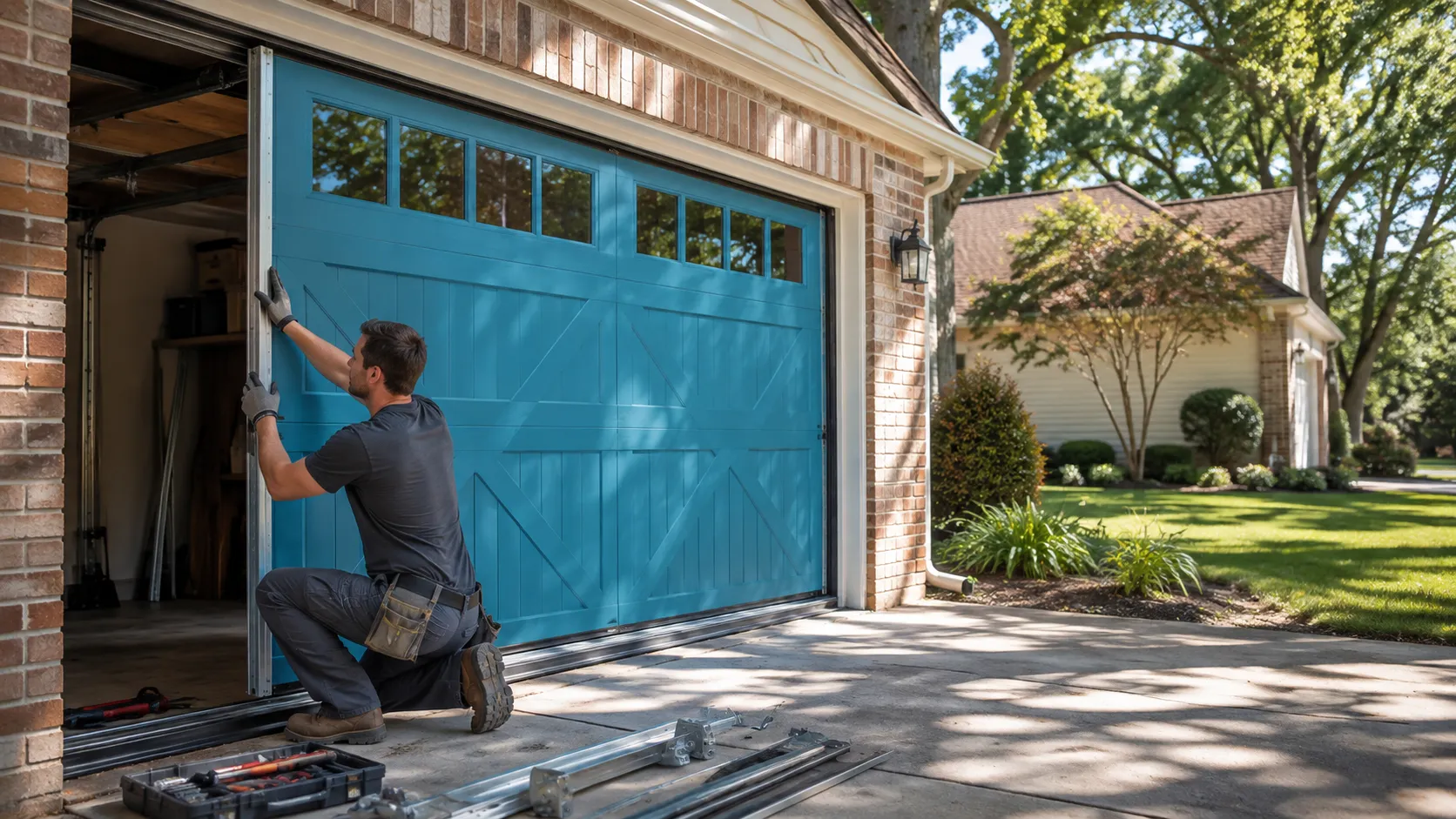
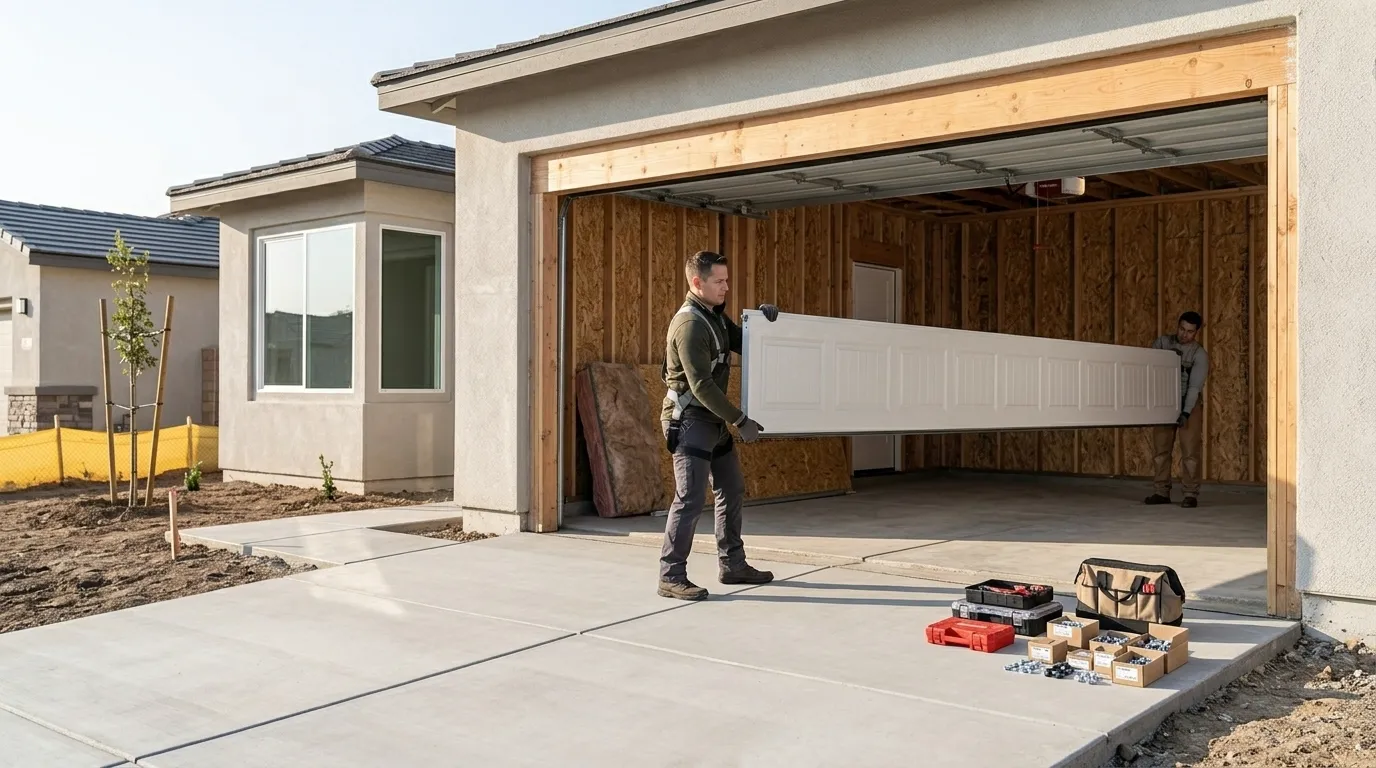
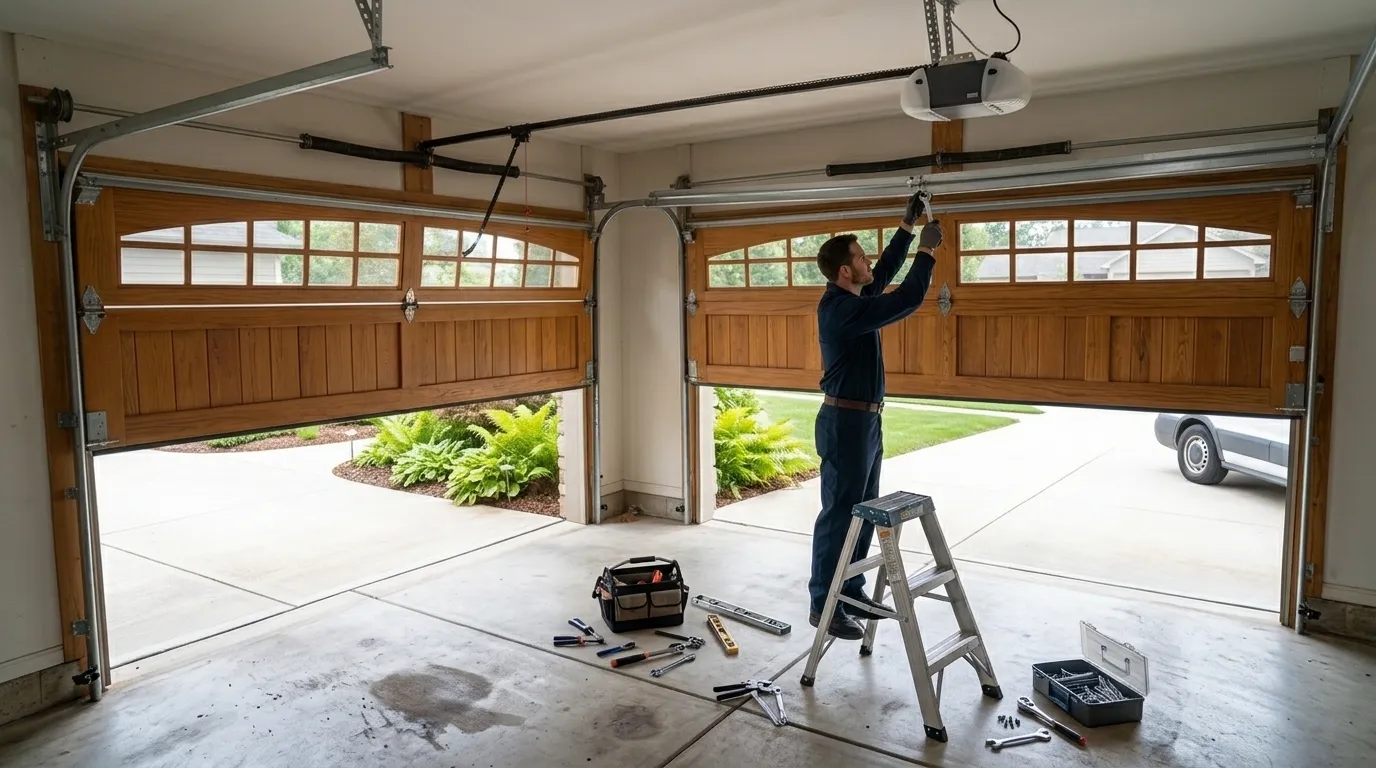
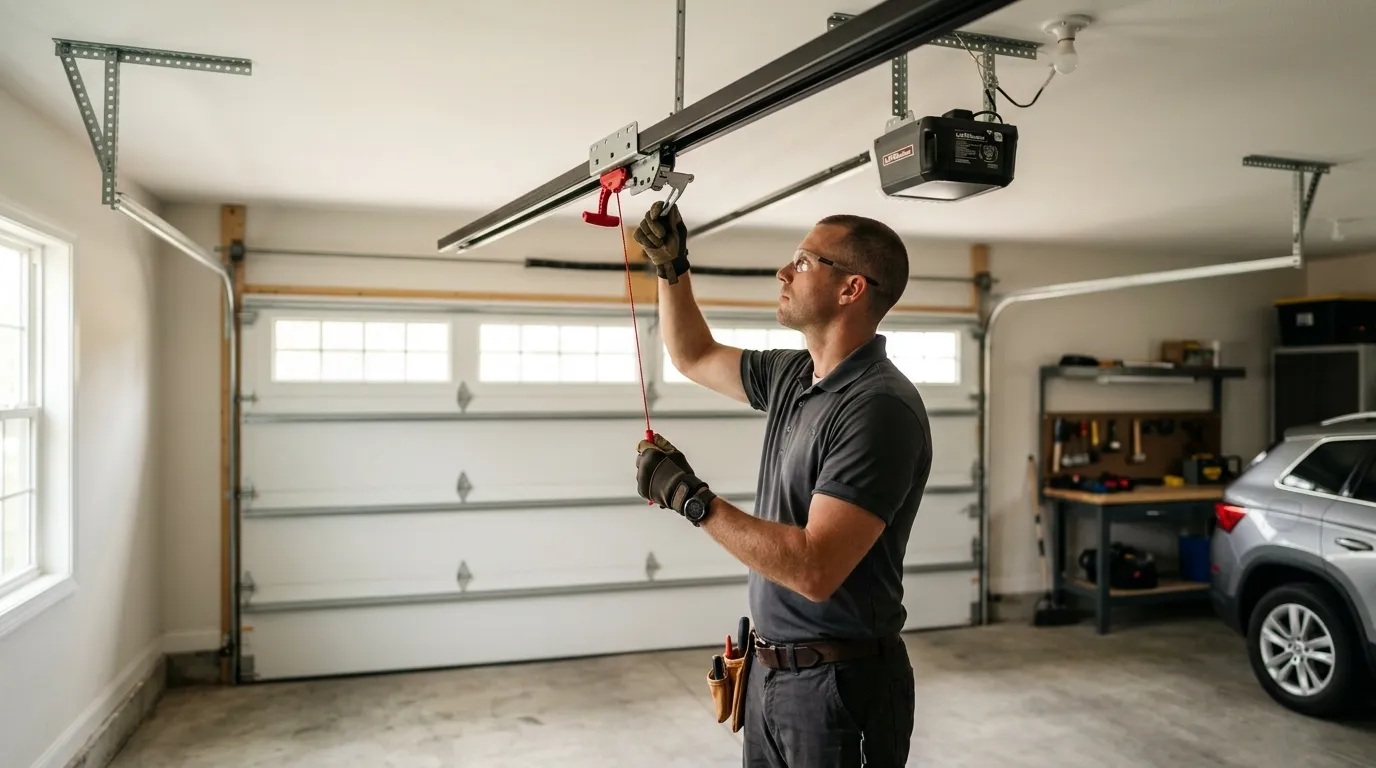
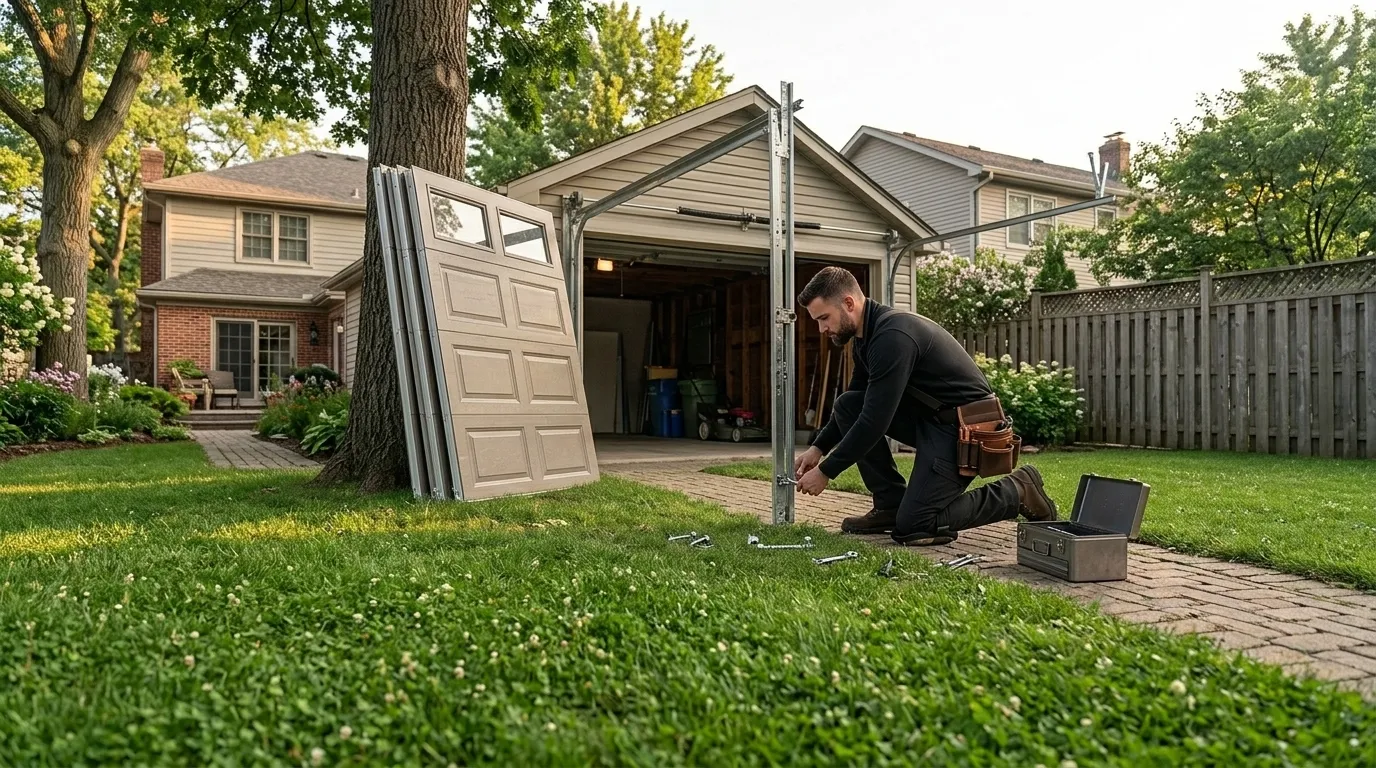
Marvin sits apart from a lot of the Matthews service area in one big way: the houses are newer. Across the wider coverage area, homes were built mostly between 1974 and 2006, with a median around 1998. Marvin's own median build year runs closer to 2005, which puts a good share of its garage doors and openers into a different generation of hardware than what you'll find in the older sections we cover. That matters because a door installed in the mid-2000s is likely to have a factory steel torsion setup with a chain or belt-drive opener already wired for a wall control pad, not the older screw-drive units or the light-duty extension springs that show up in 1980s and 90s stock. Newer doesn't mean maintenance-free. It means the failure points are different: circuit boards and logic units instead of worn-out gearing, plastic drive gears that strip under a load imbalance, and sensors that drift out of alignment rather than sag out of it. If your opener is original to the house, it's pushing two decades old, which is right around when capacitors and drive components start to go regardless of how well the door itself has held up.
What People Here Ring About
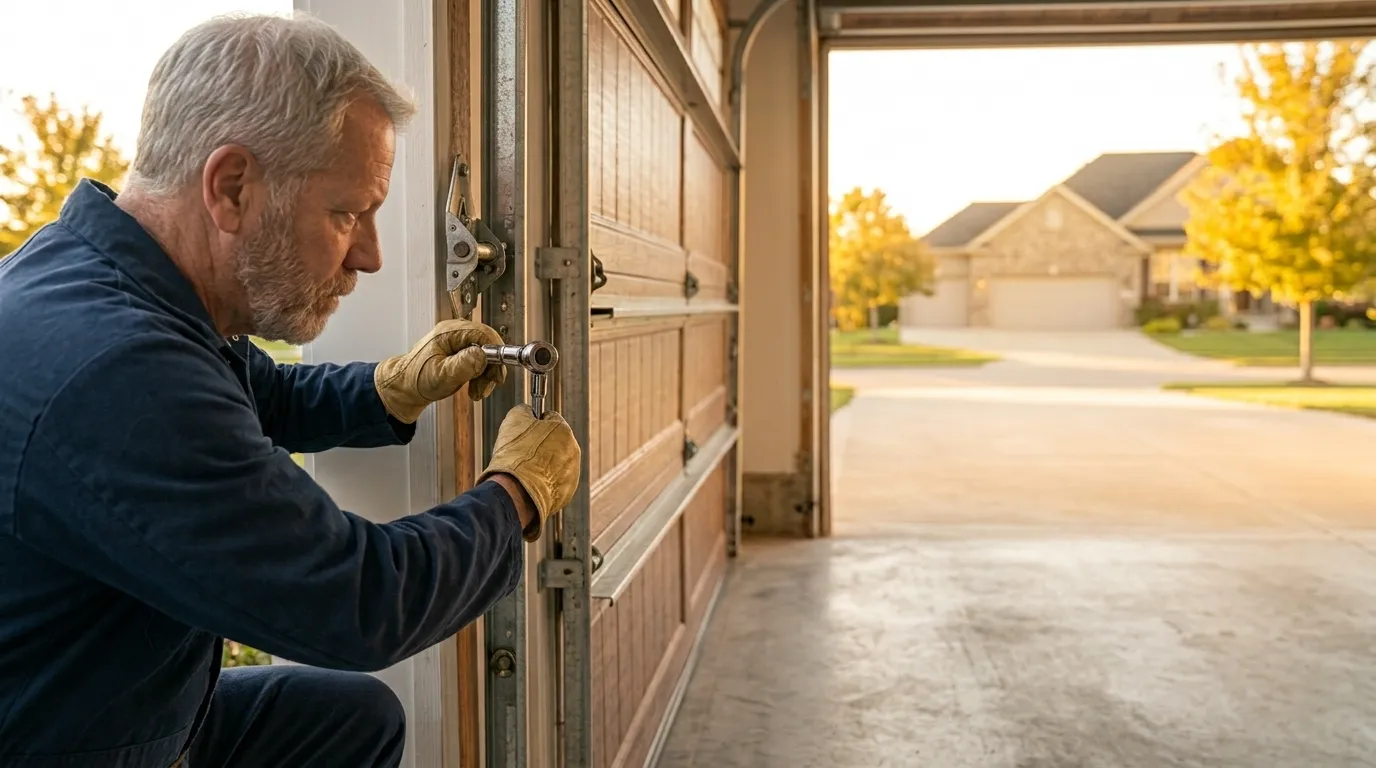
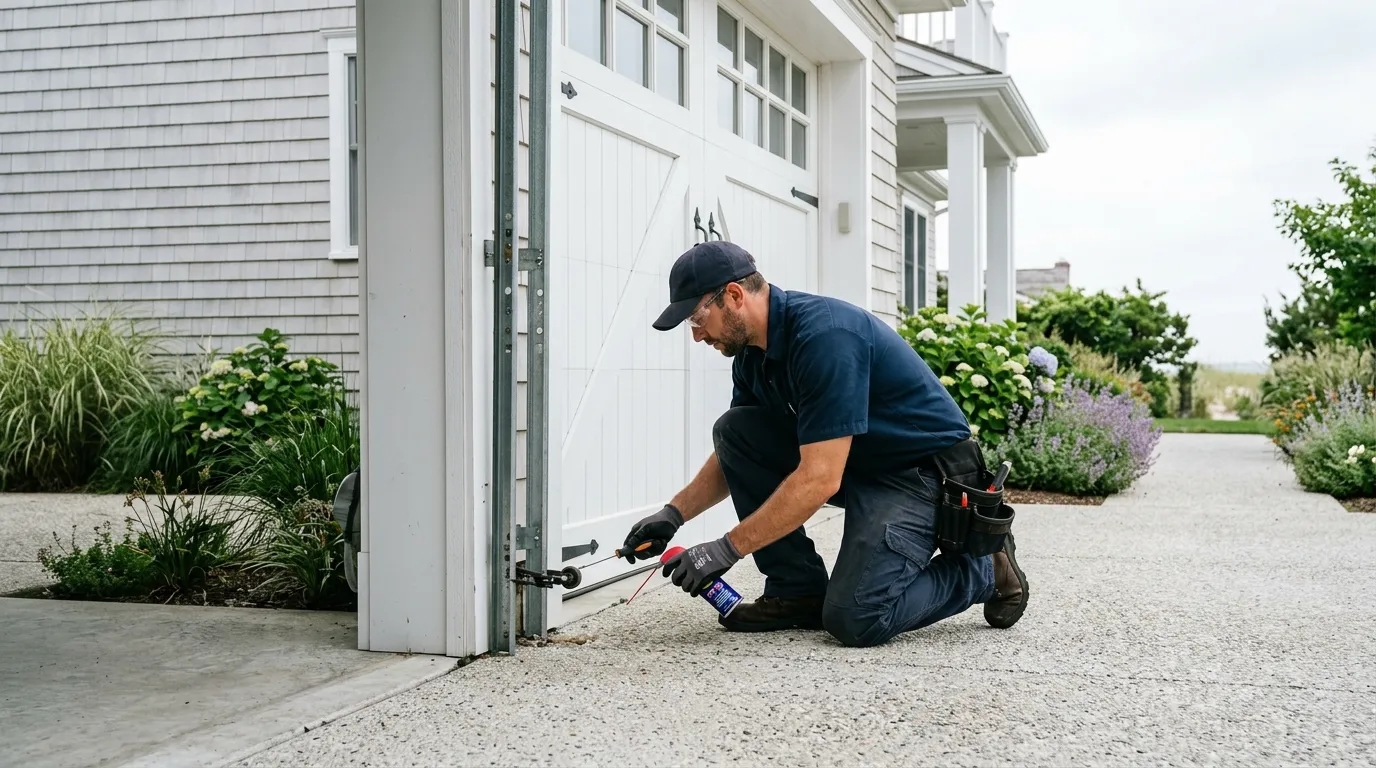
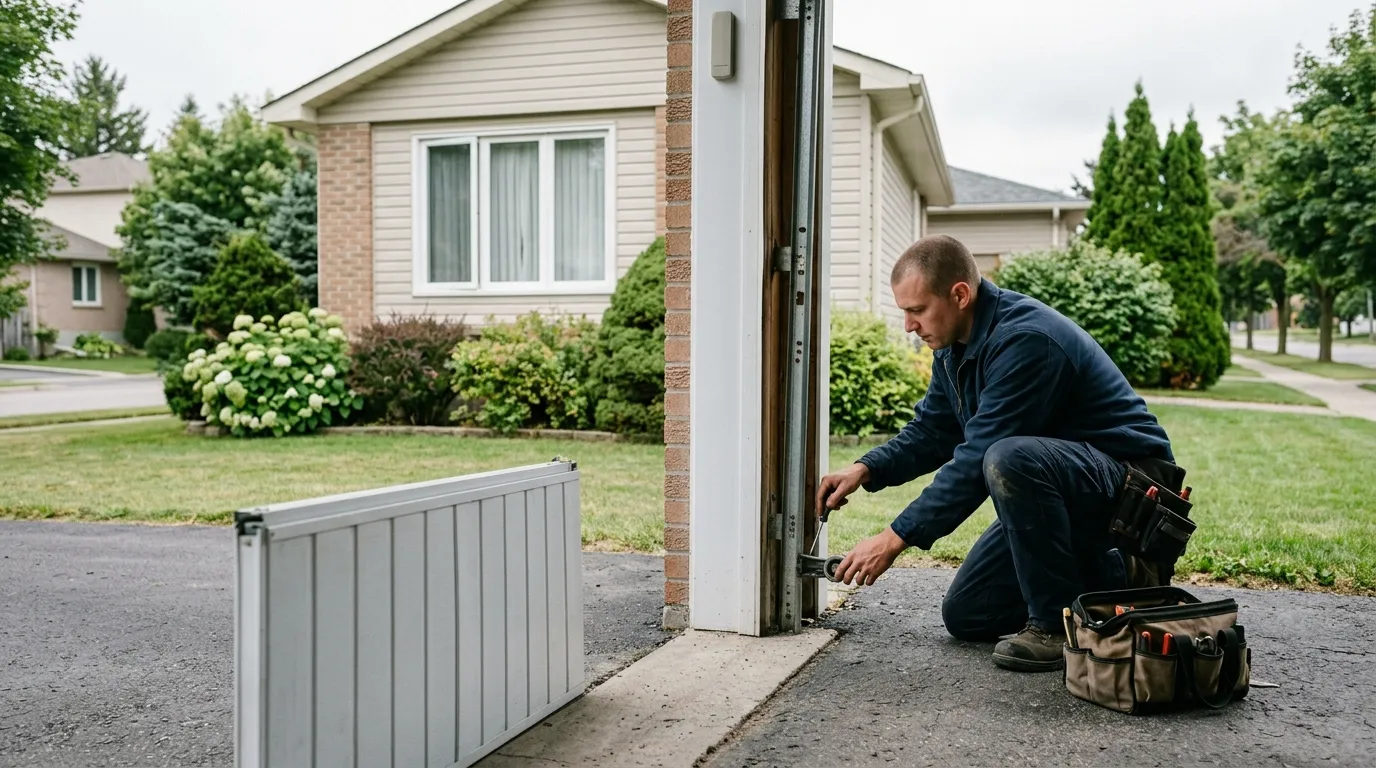
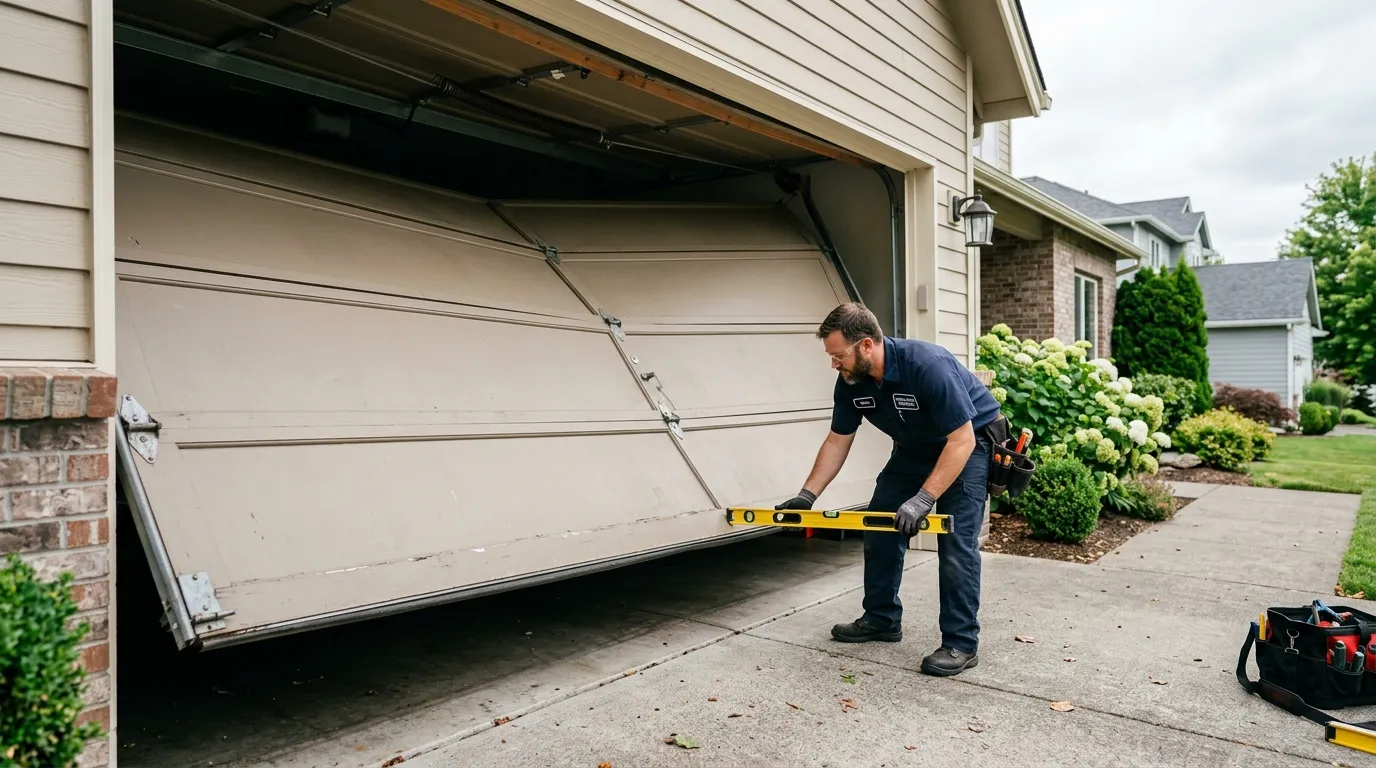
With household income in Marvin running well above the surrounding area's median (Marvin's own figure sits north of $250,000, against a service-area median household income of $88,203, F7), we hear less about patched-together fixes and more about full opener swaps and quiet-drive upgrades. People here tend to replace rather than nurse along a strip gear for another year. Winters in this part of North Carolina land in a cold-moderate band, so the common cold-weather calls still apply: a torsion spring that finally lets go on a below-freezing morning, a track that's picked up ice and won't let the roller ride smooth, weatherstripping that's shrunk and pulled away from the bottom panel. On a newer door, we also get more calls about smart-opener setup and troubleshooting - a Wi-Fi module that won't pair, an app that lost connection to the hub - because that's the kind of hardware that shipped standard on doors built in the last fifteen to twenty years, not the kind bolted onto an older unit as an afterthought.
How That Shows Up in the Door
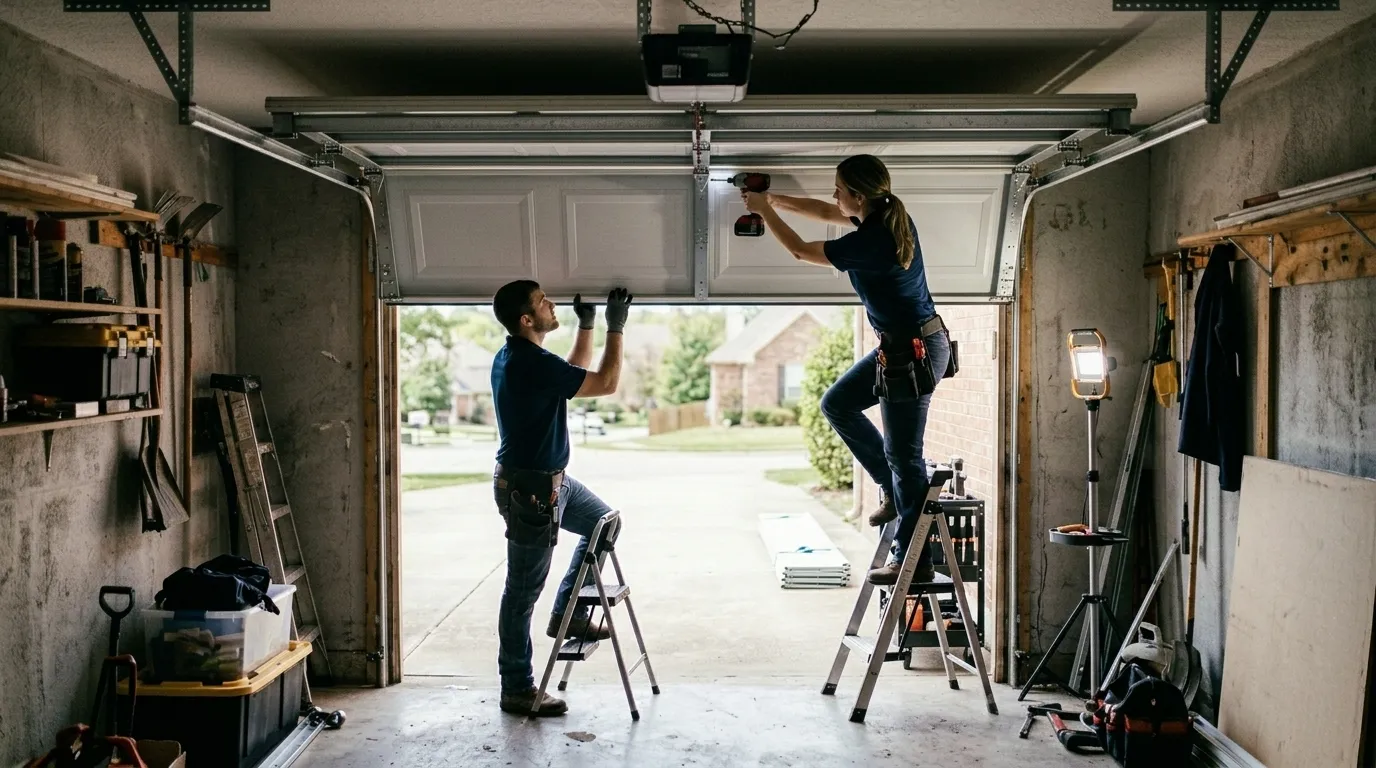
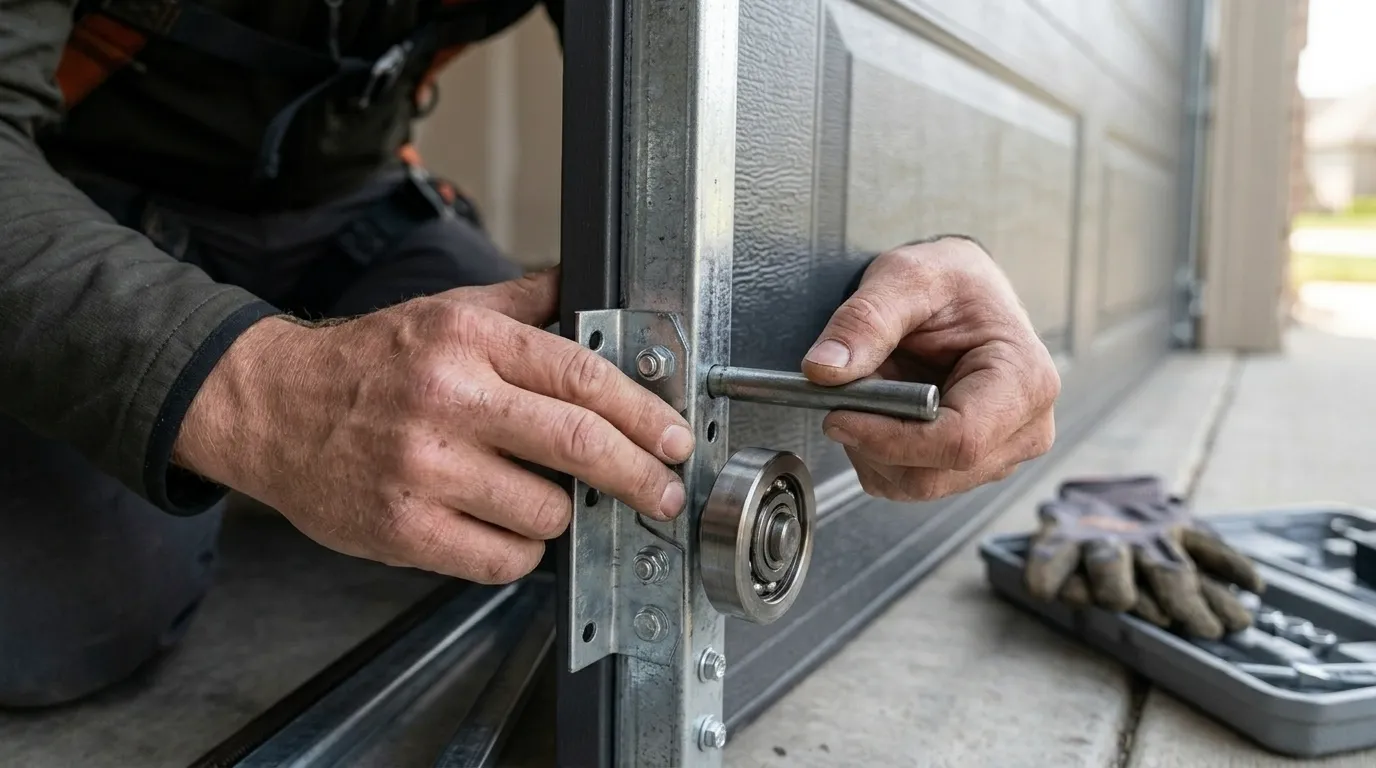
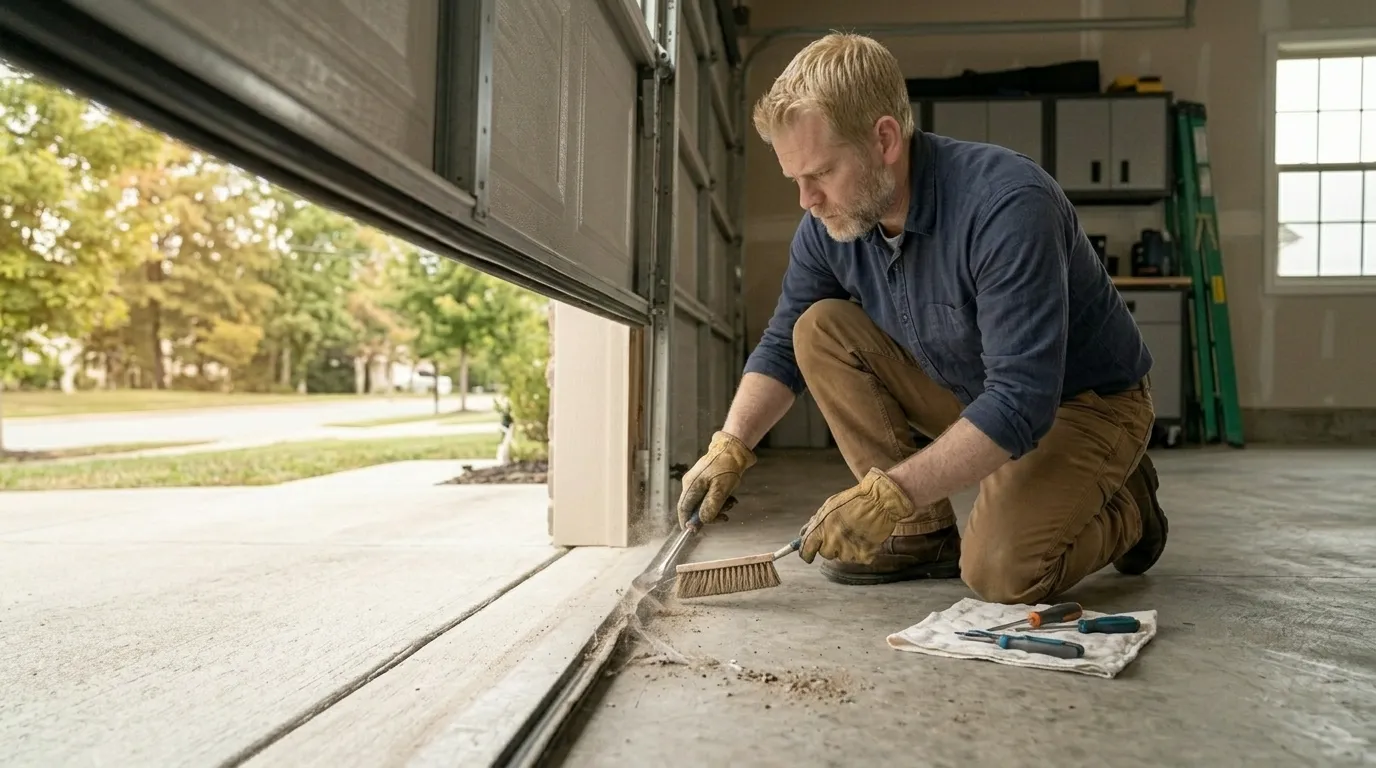
Put the build-year gap and the income gap together and you get a specific kind of service call in Marvin. It's less often a door held together with a coat hanger and a prayer, and more often a door that's structurally fine but running on an opener that's aged out - drive gear worn smooth, logic board flaking out intermittently, remote that only works if you stand under it and hold the button. Springs still break here the same way they break anywhere: torsion springs are rated for a cycle count, and a decade or two of daily use gets you there regardless of the house's age. The honest limitation: if your door was installed before 2000 in an older pocket nearby, we may be pulling parts for a different generation of hardware than what's typical in Marvin, and that can mean a slightly longer lead time on a specific part rather than a same-visit swap. We'll tell you upfront if that's the case rather than promise a fix we can't get parts for that day.