The Houses Here
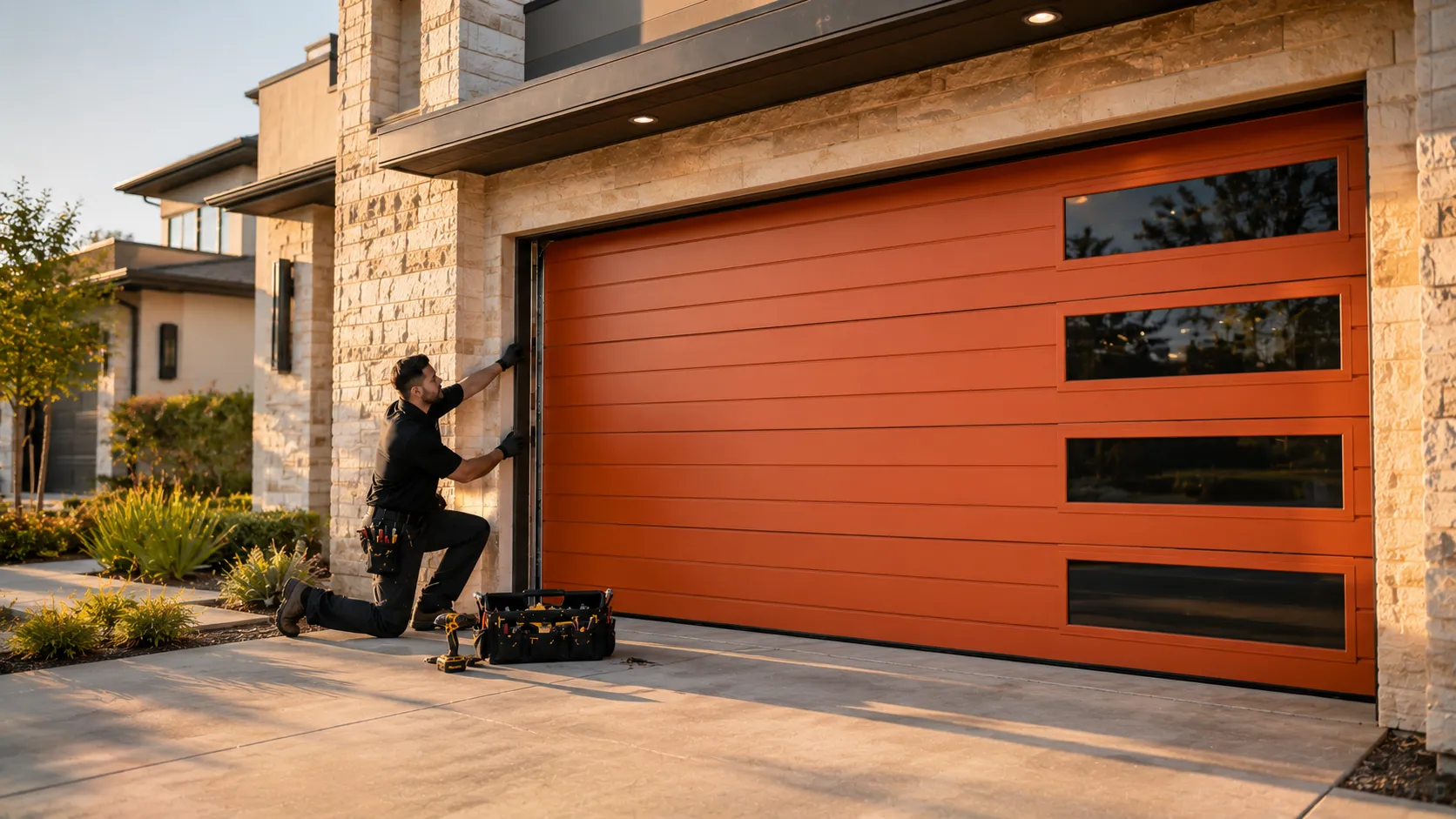
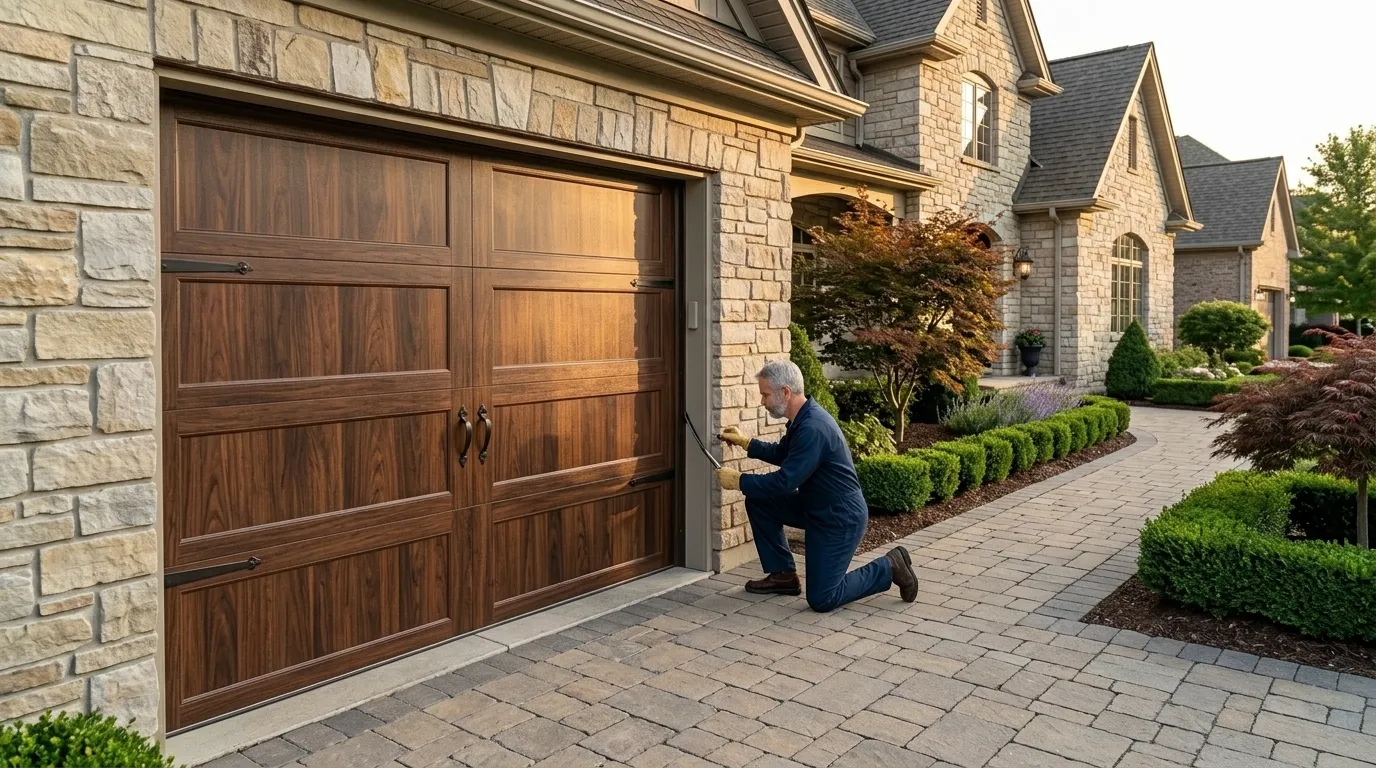
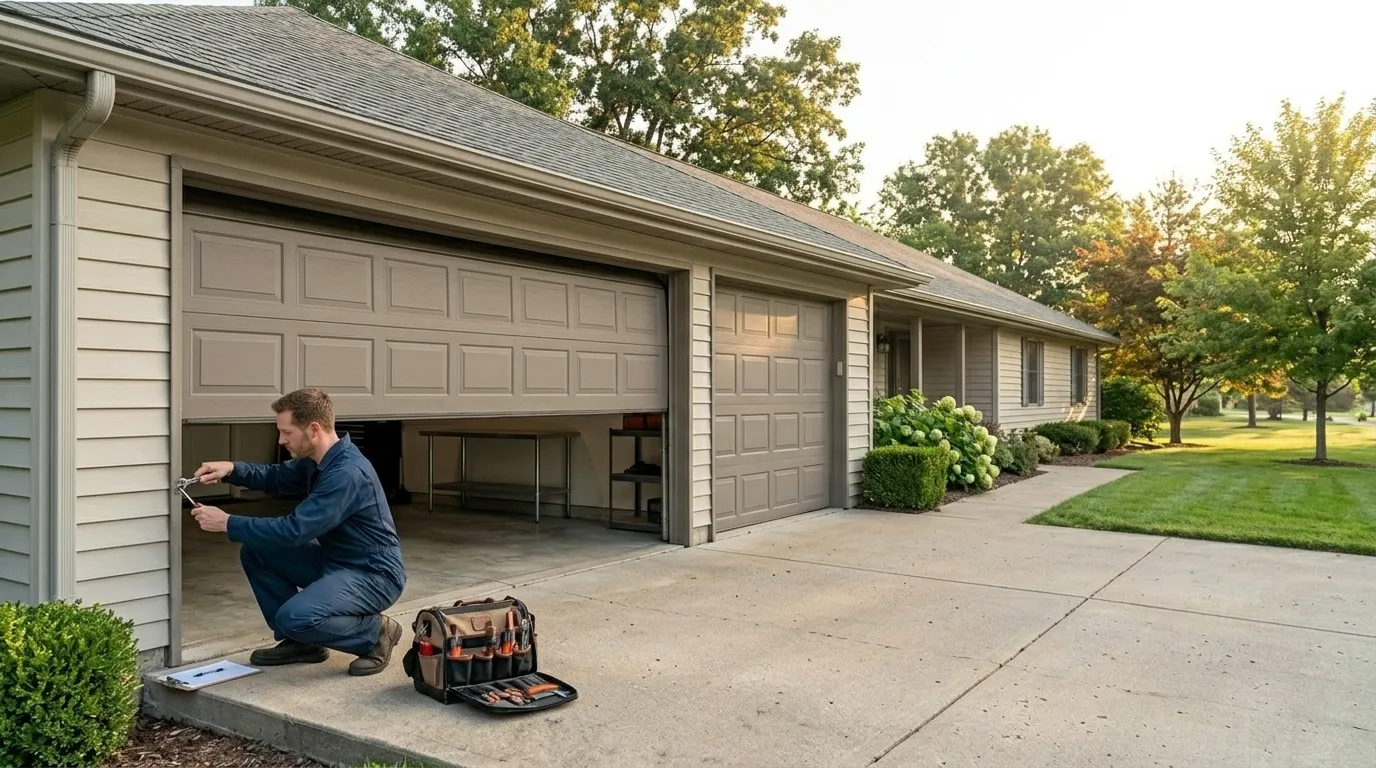
Locust sits about 18 miles out from Matthews, and the housing stock here runs newer than a lot of what we see closer in. The broader service area we cover has a median build year of 1998, but Locust itself skews later, closer to 2001. That gap matters more than it sounds like it should. Doors built in the late 1990s and early 2000s came standard with torsion spring systems and steel panel construction rather than the older extension-spring, hollow-panel setups you'd find on 1970s and 80s builds elsewhere in our coverage area. With 1,888 households in Locust, this isn't a huge market, but it's a consistent one: torsion hardware, factory-installed openers, and doors that are old enough now to need their first real spring or cable replacement but young enough that most of the original opener logic boards and drive systems are still in use. Median household income here runs $78,280, which tracks a bit under the wider service-area figure of $88,203 - something we keep in mind when we talk through repair-versus-replace with a homeowner rather than pushing whichever job costs more.
What People Here Ring About
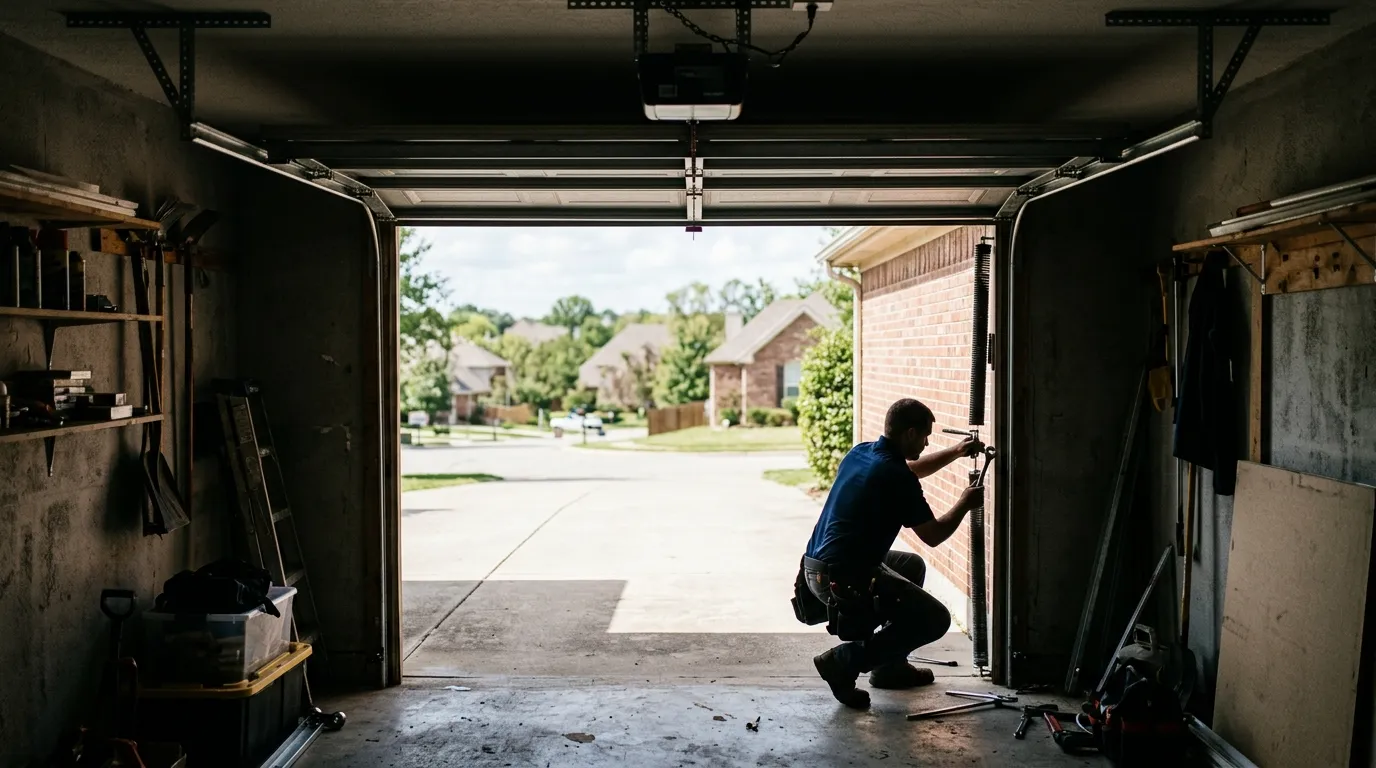
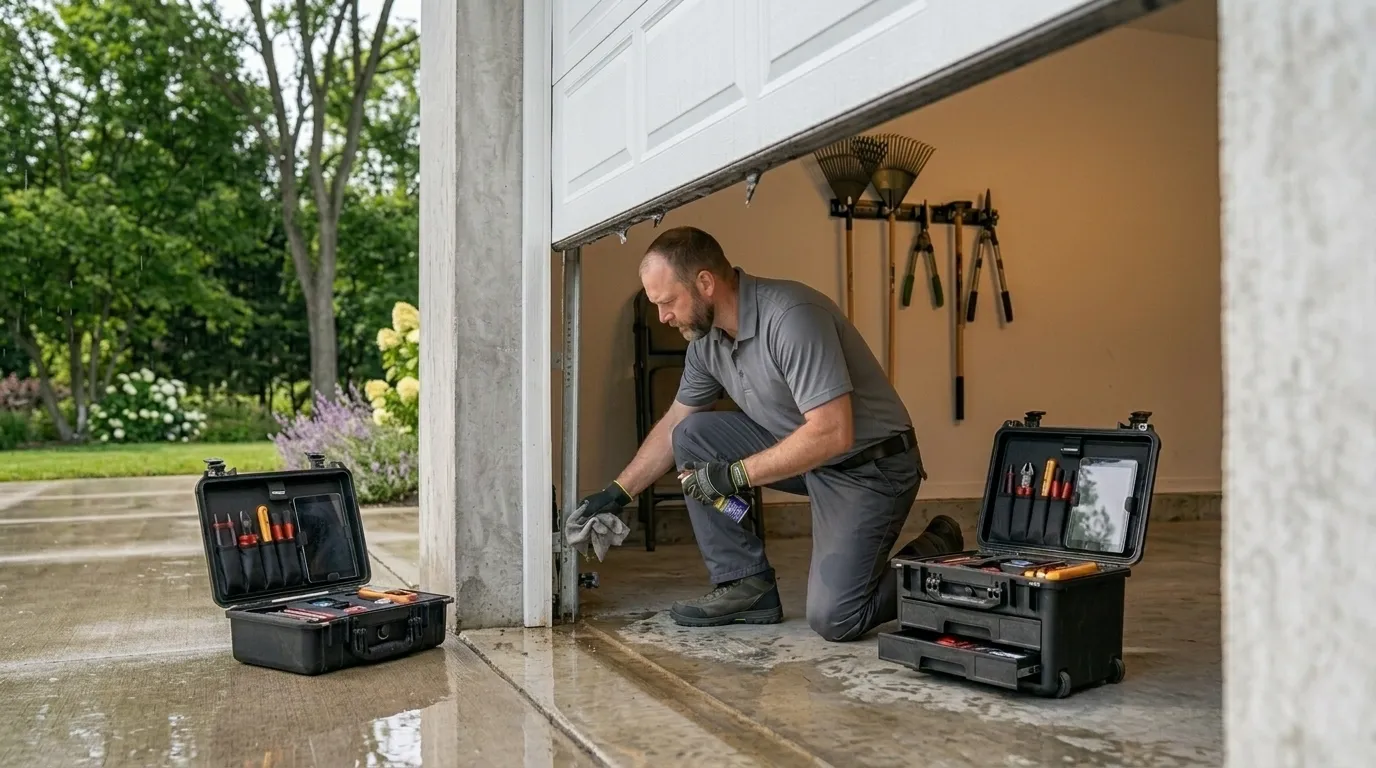
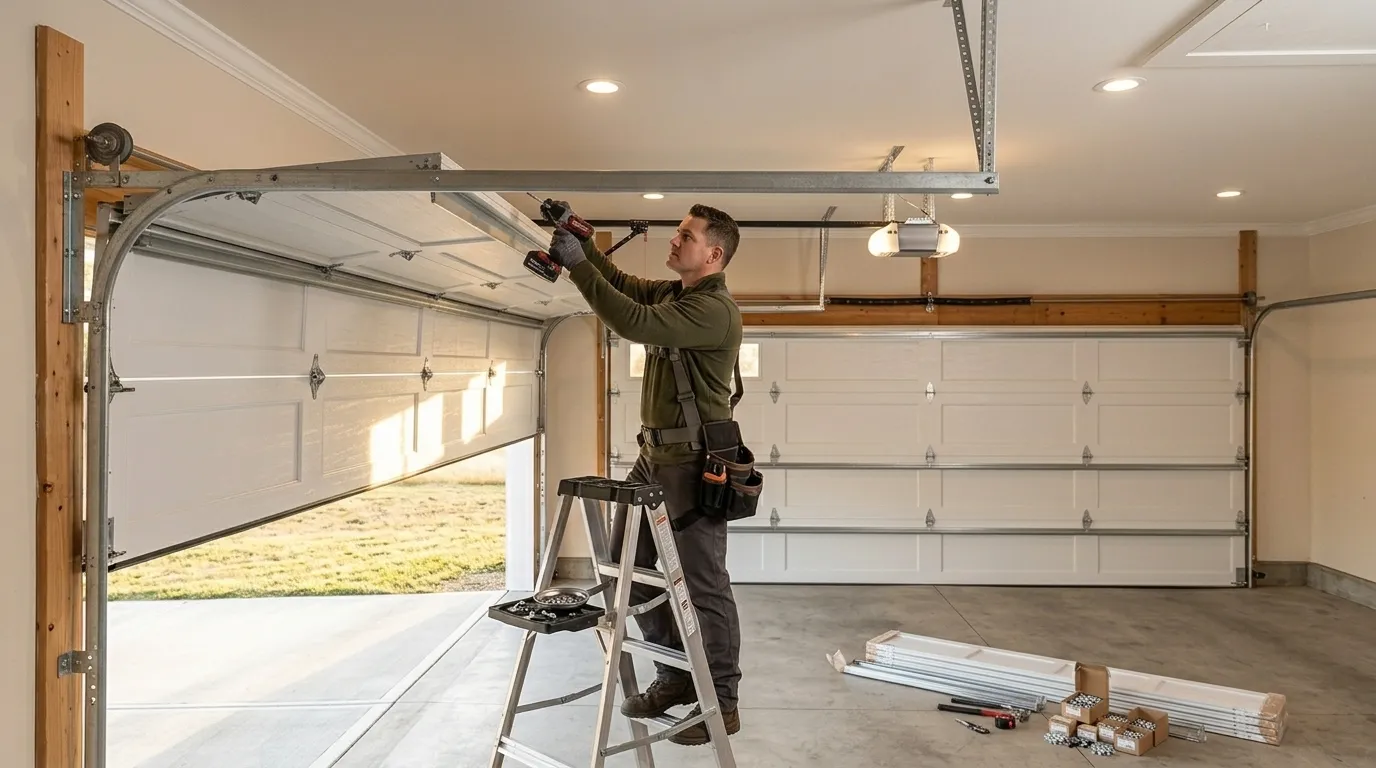
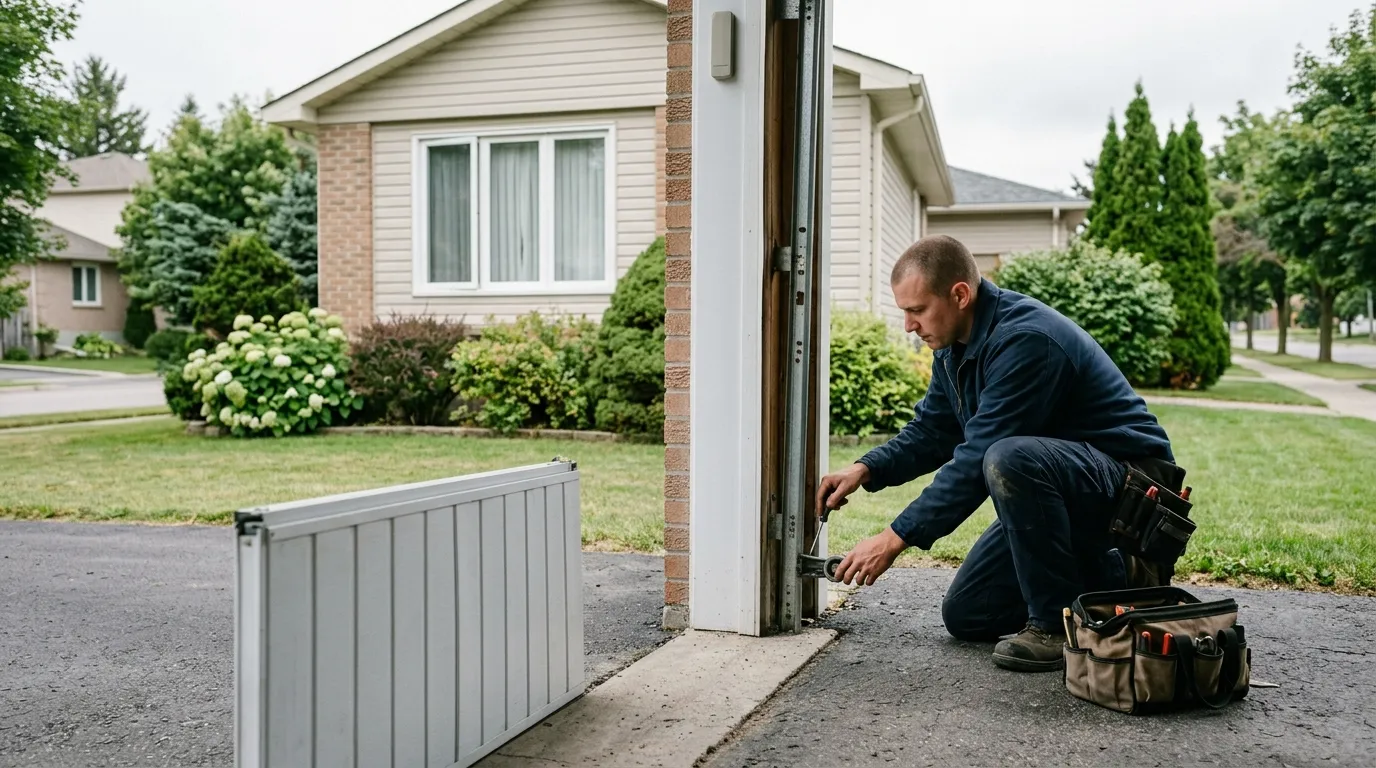
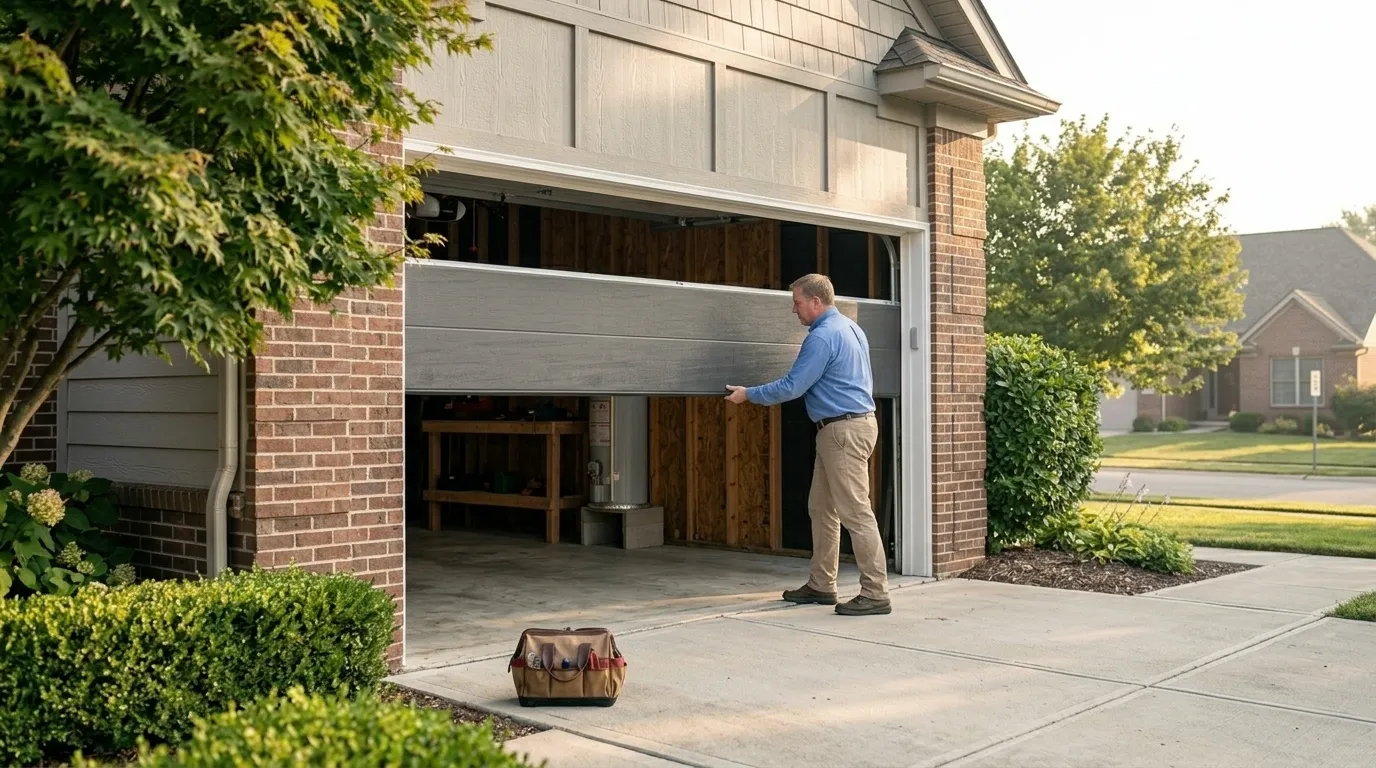
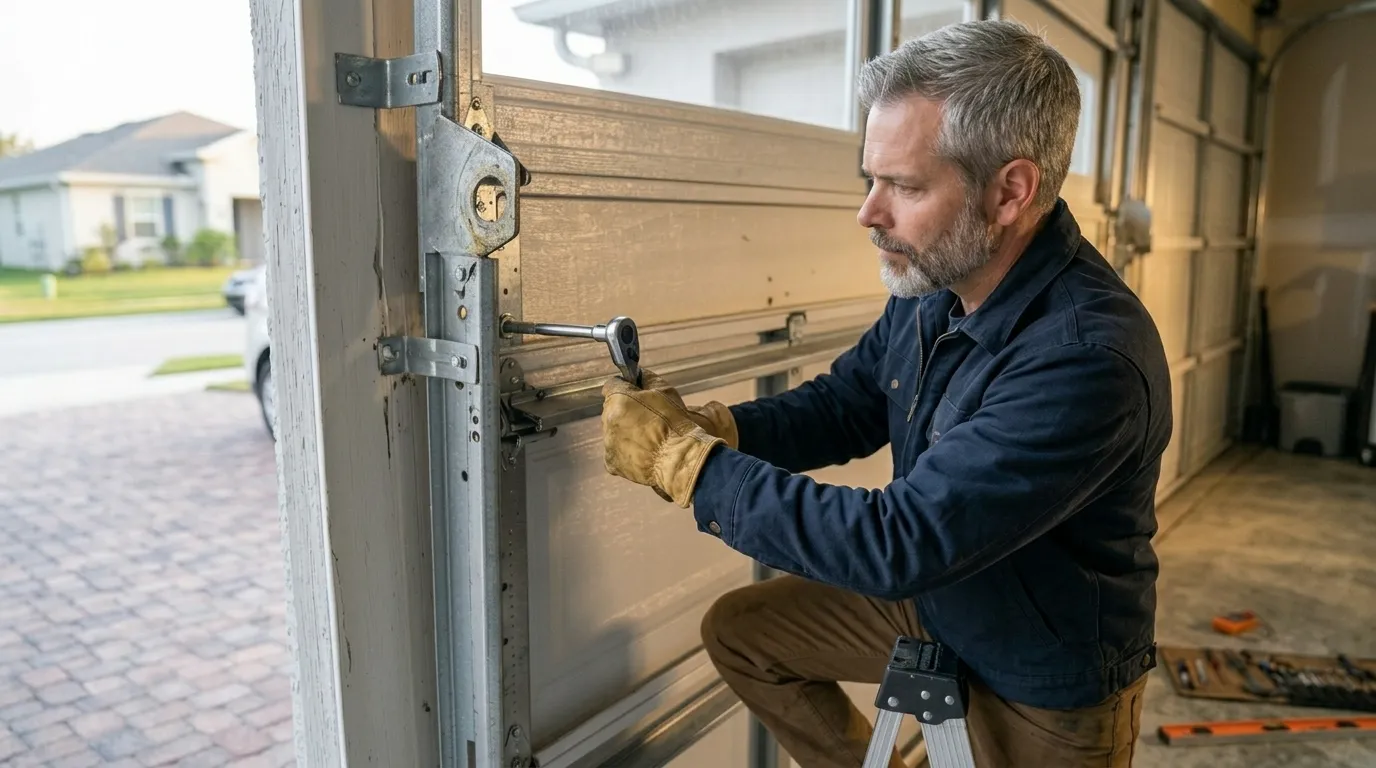
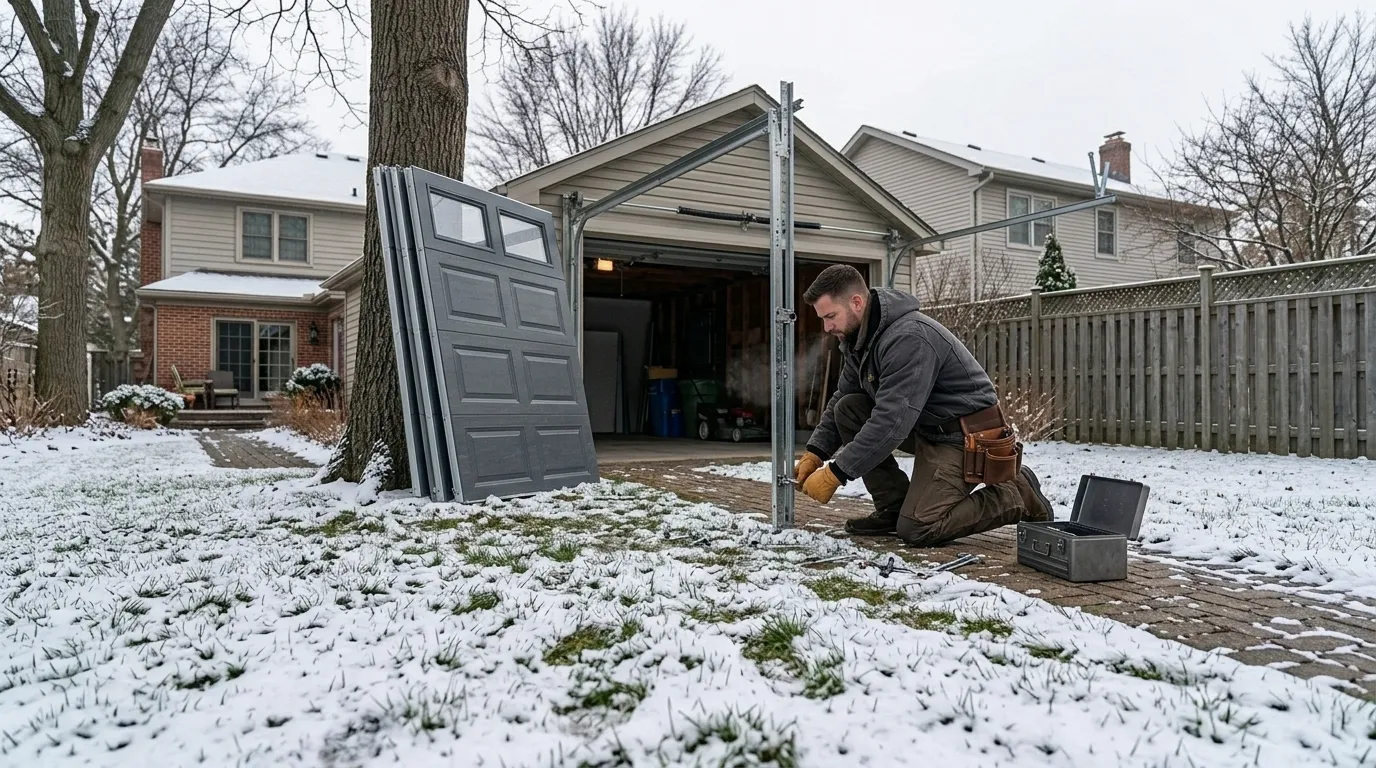
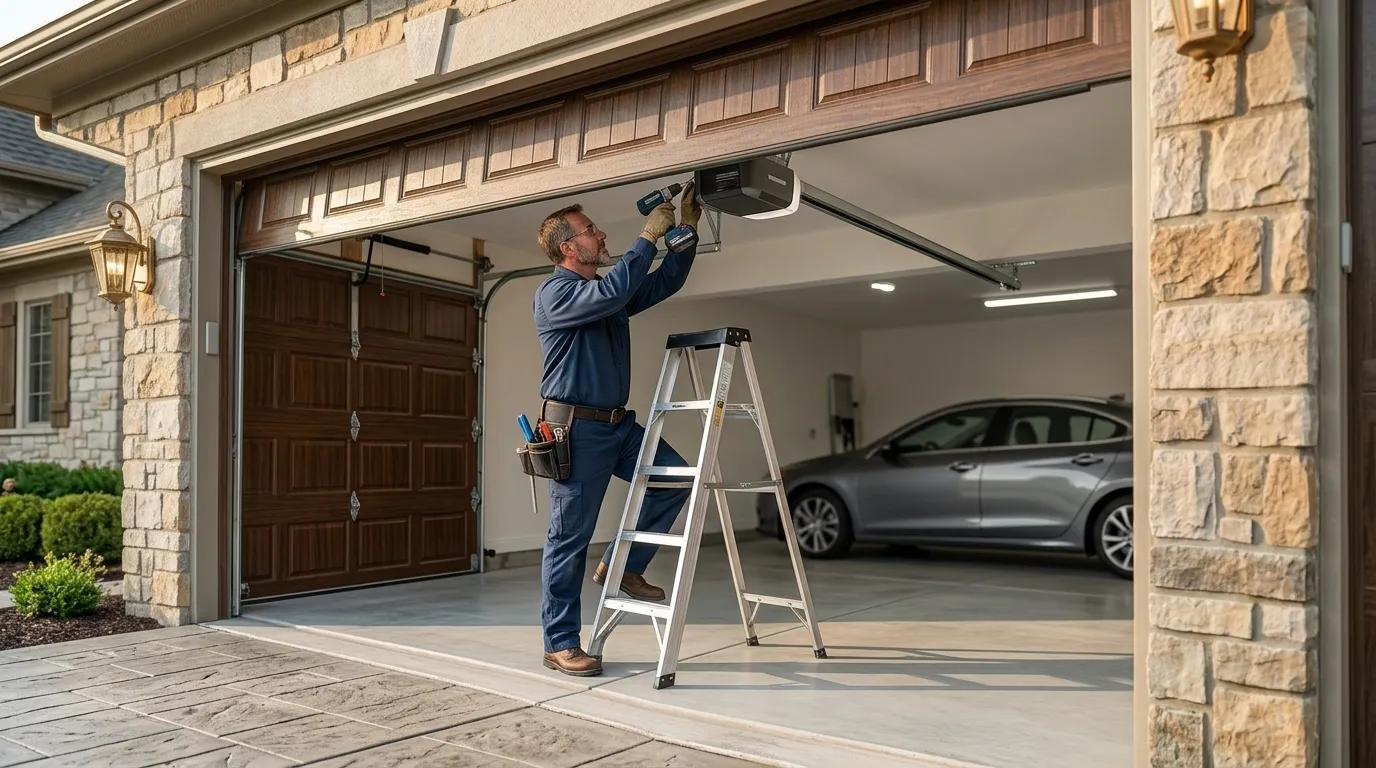
Because Locust homes cluster around that 2001 build year, the calls we get tend to be the ones that show up right on schedule for torsion-spring doors: a spring that's given out after roughly two decades of cycles, a cable that's frayed at the drum, or an opener that's starting to grind or stutter on its way up. We don't see much of the older extension-spring failure pattern here that we run into on the 1970s-and-80s stock closer to Matthews. What we do see more of is worn rollers on steel panel doors and openers reaching the end of their working life around the same time as the spring does, since both parts were usually installed together. The COLD moderate climate this area sits in also means lubrication breaks down and metal contracts through winter, so a door that's been rough all season sometimes just needs service, not replacement.
How That Shows Up in the Door
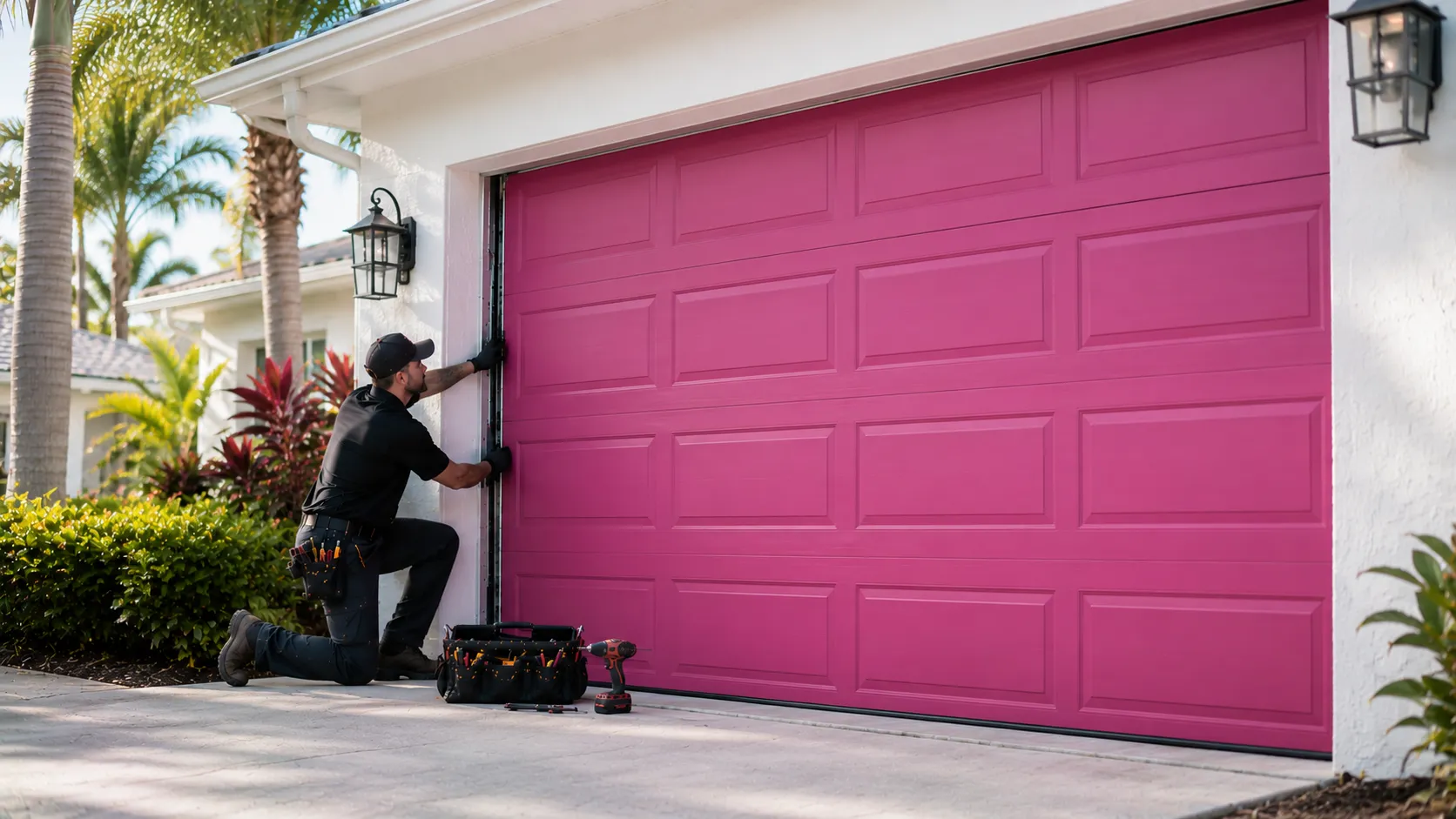
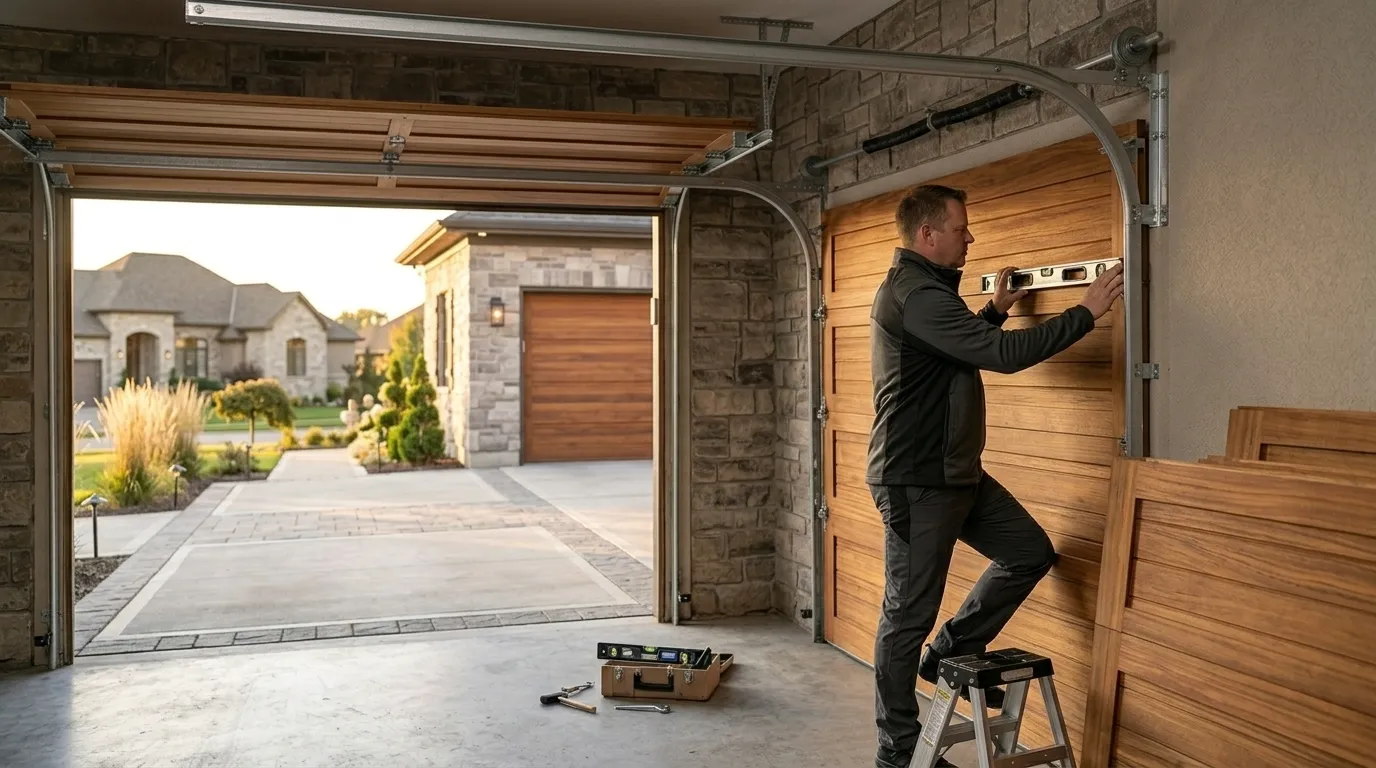
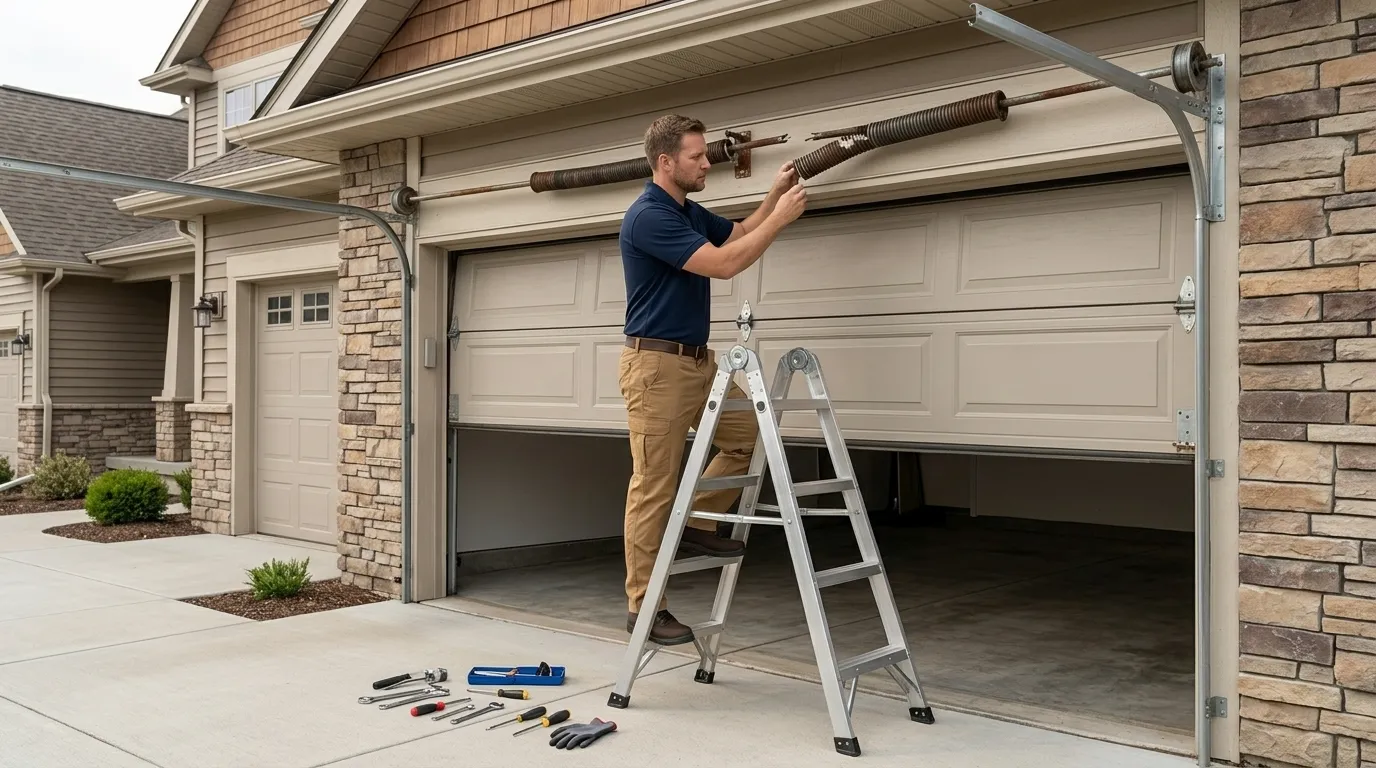
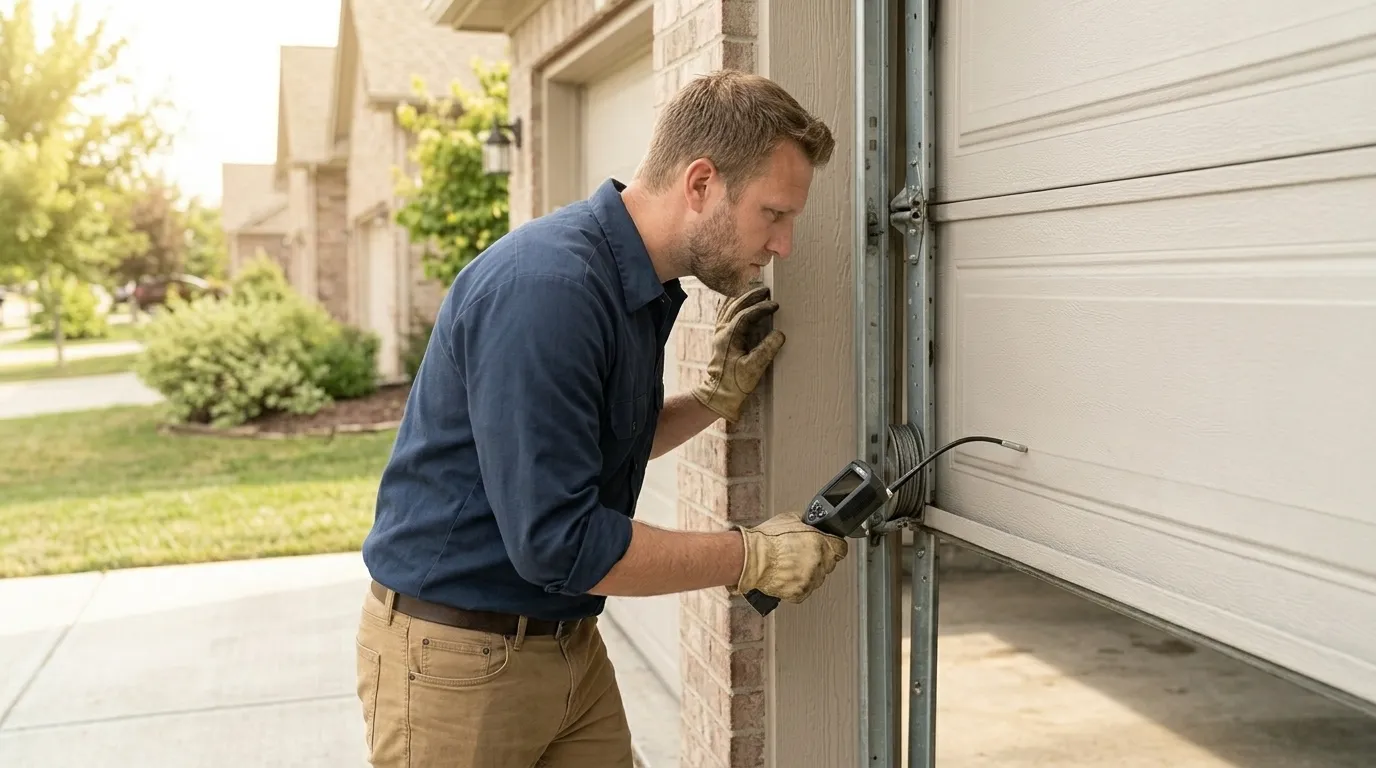
On a practical level, the newer median build year means most Locust doors you'll be dealing with have torsion springs mounted above the door on a shaft, not the older side-mounted extension springs some other parts of our coverage still run. Torsion systems are more predictable to service but riskier to touch without the right bars and clamps, which is exactly why this isn't a homeowner repair. Steel panels from this era also hold up better against the COLD moderate winters typical here than the older wood or thin hollow-core panels you'd find on pre-1990s doors, but the weatherstripping and bottom seals still wear out on their own timeline regardless of panel material. If your door is original to a 2001-era build, it's at the age where openers commonly need attention even if the door itself is sound - worth having both checked in the same visit.