The Houses Here
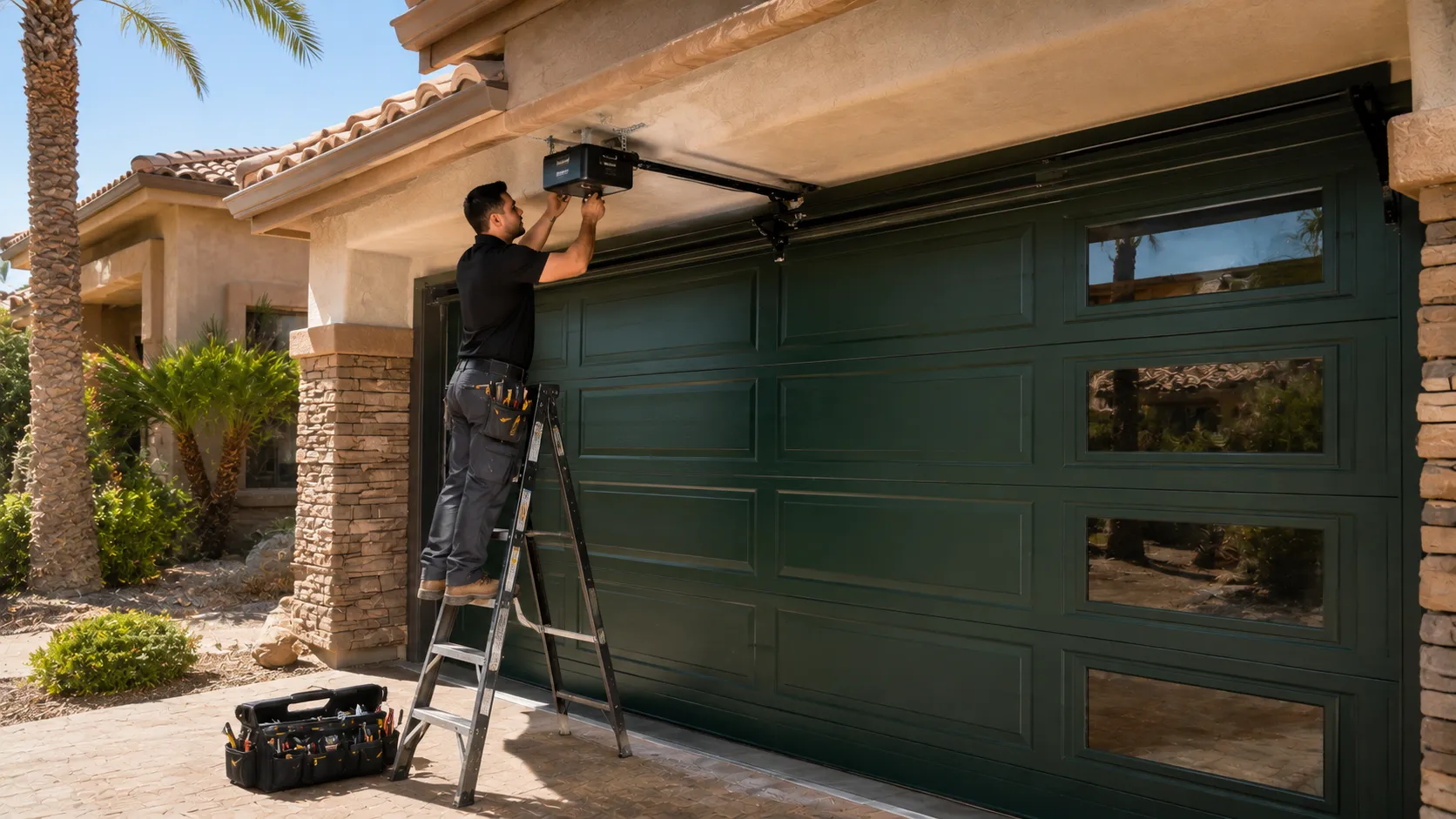
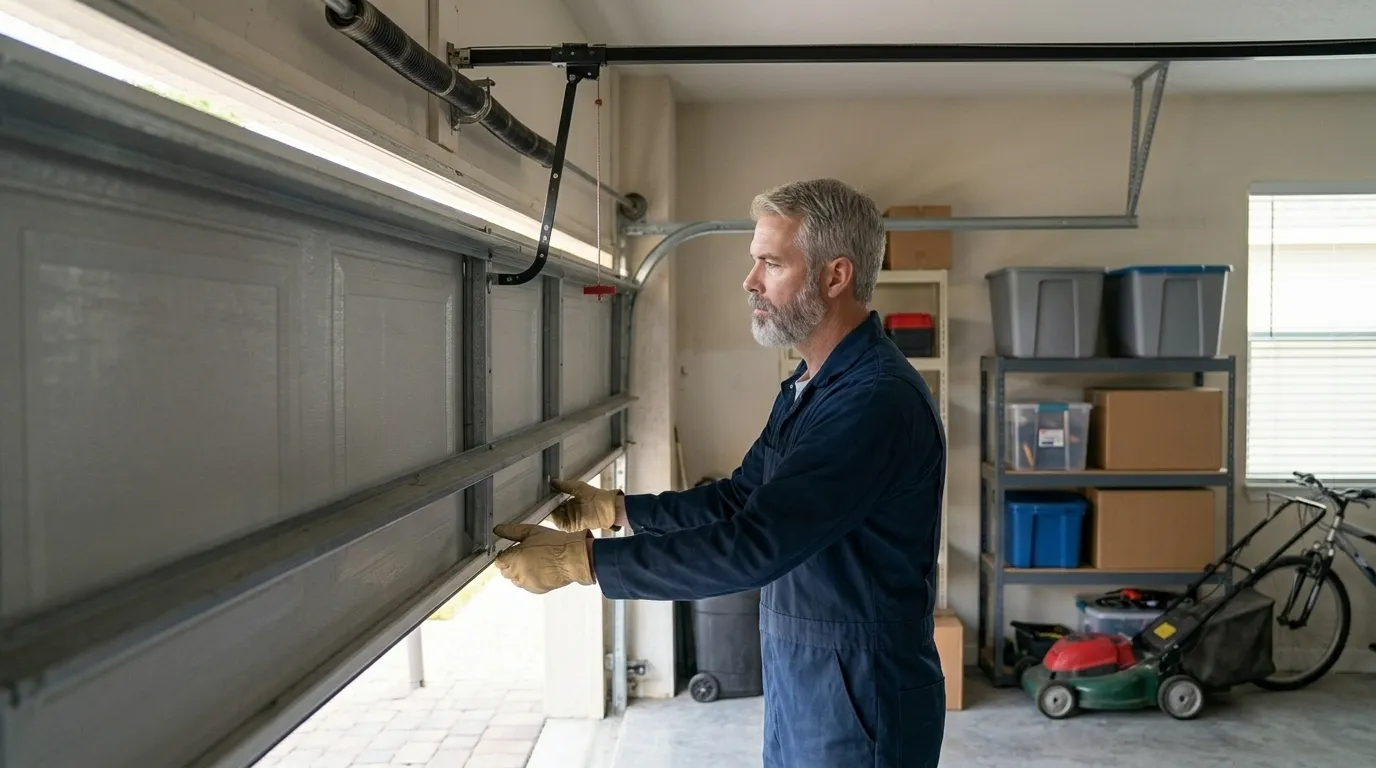
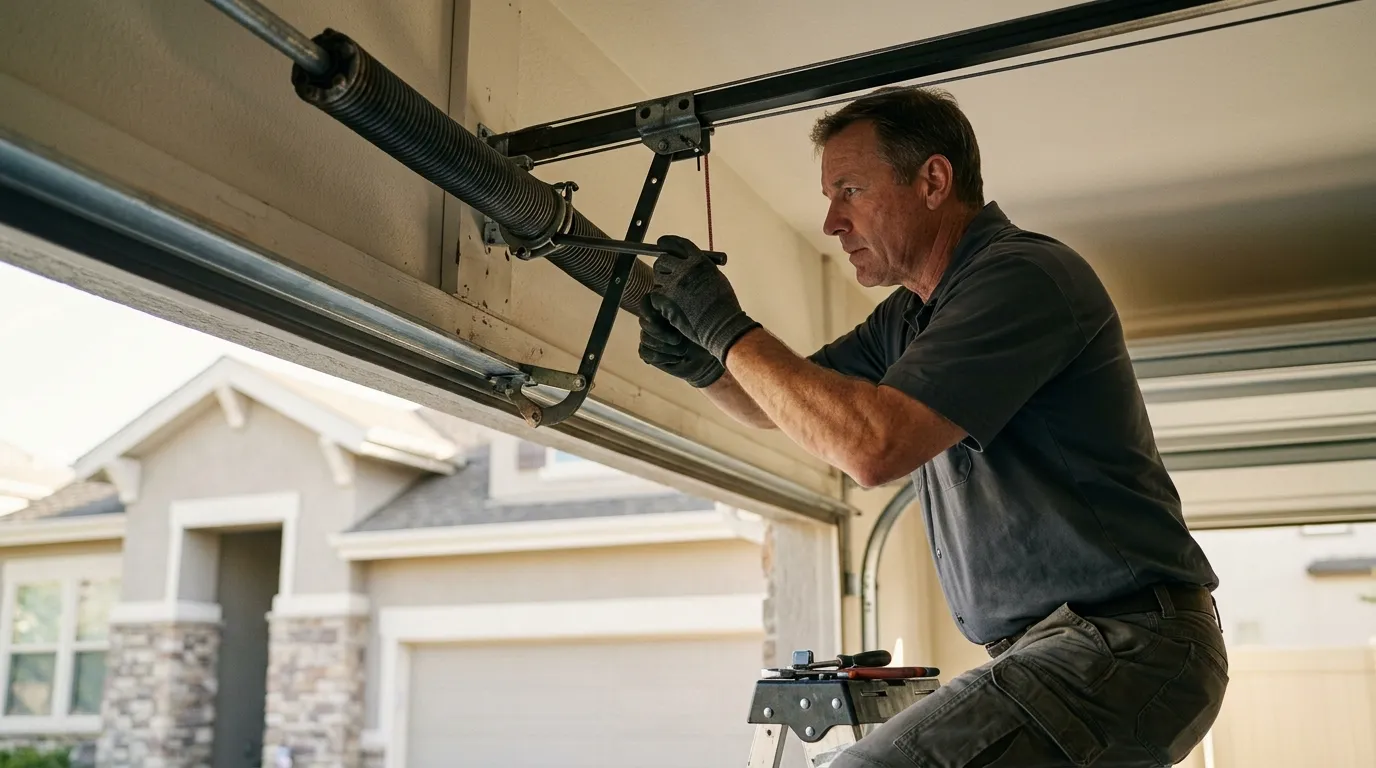
Hemby Bridge's housing stock centers on a median build year of 1974. That's a full generation older than the median across the broader Matthews service area, where homes tend to date closer to 1998. A house built in the mid-70s was very likely fitted with an extension-spring garage door system, not the torsion-spring setup that's been standard since the 1990s. Extension springs run along the horizontal tracks instead of coiling above the door, and they carry their own set of failure habits - frayed cables, worn pulleys, and safety cables that were never added because the code requiring them came later. With only about 780 households in Hemby Bridge, this isn't a huge sample, but the pattern holds: older door, older hardware, older opener brackets bolted straight to wood that's had fifty years to shift and dry out. If your door still has the springs running along the tracks rather than over the header, that's original-era hardware, not a repair someone did wrong.
What People Here Ring About
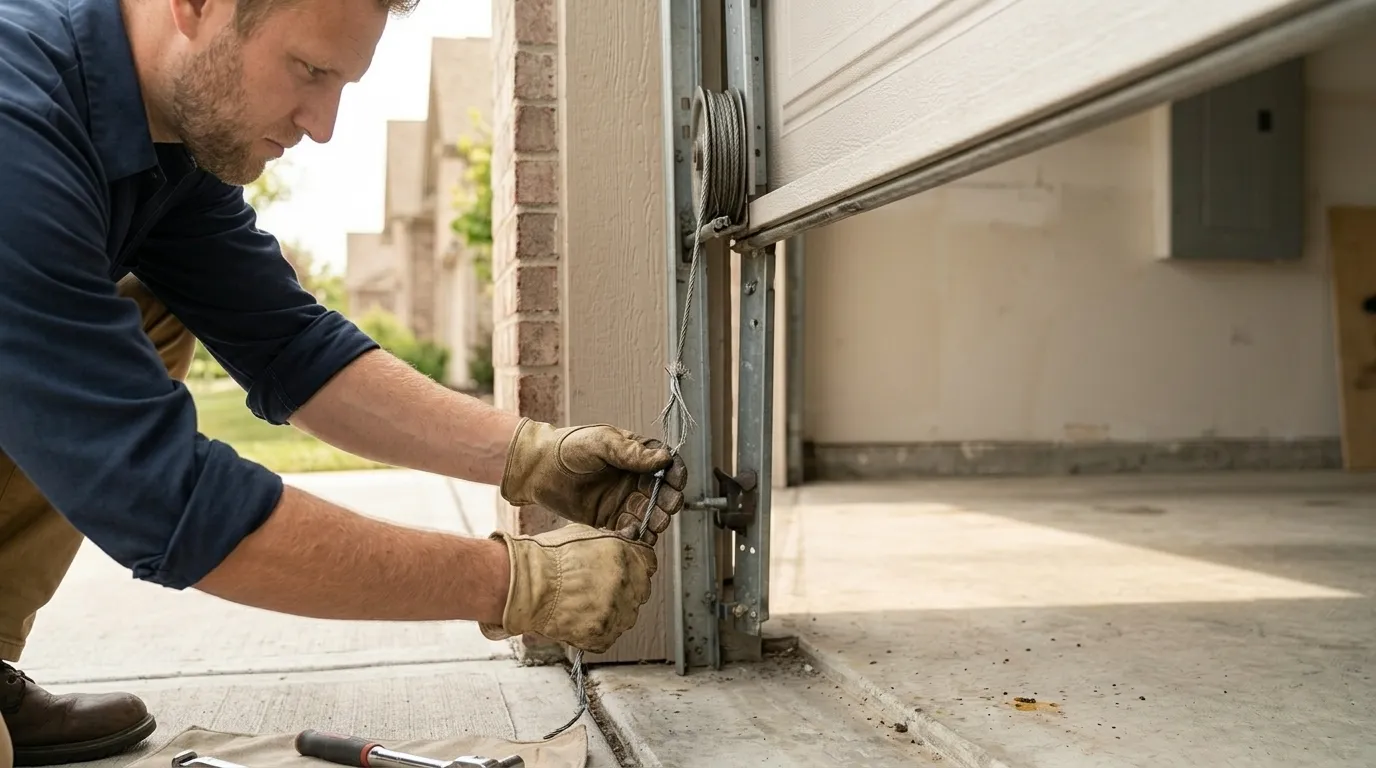
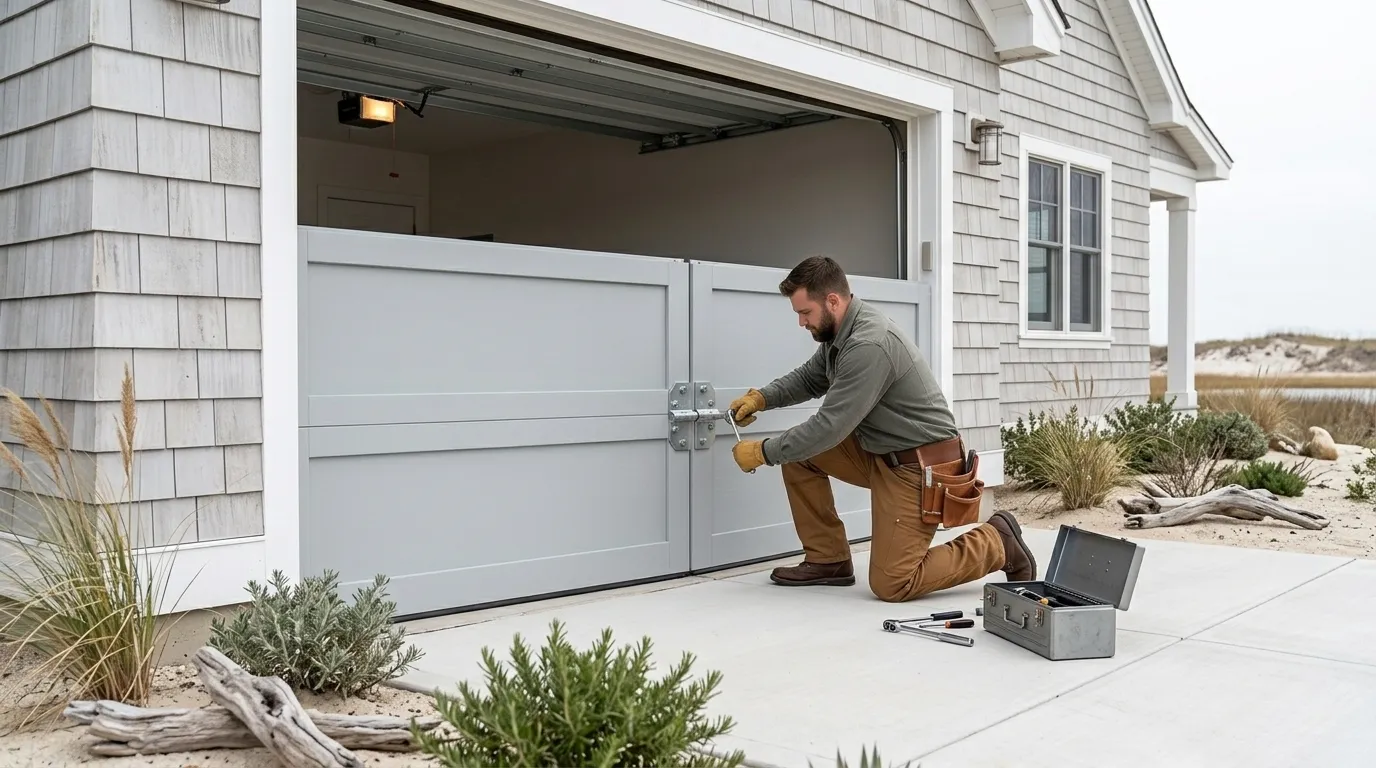
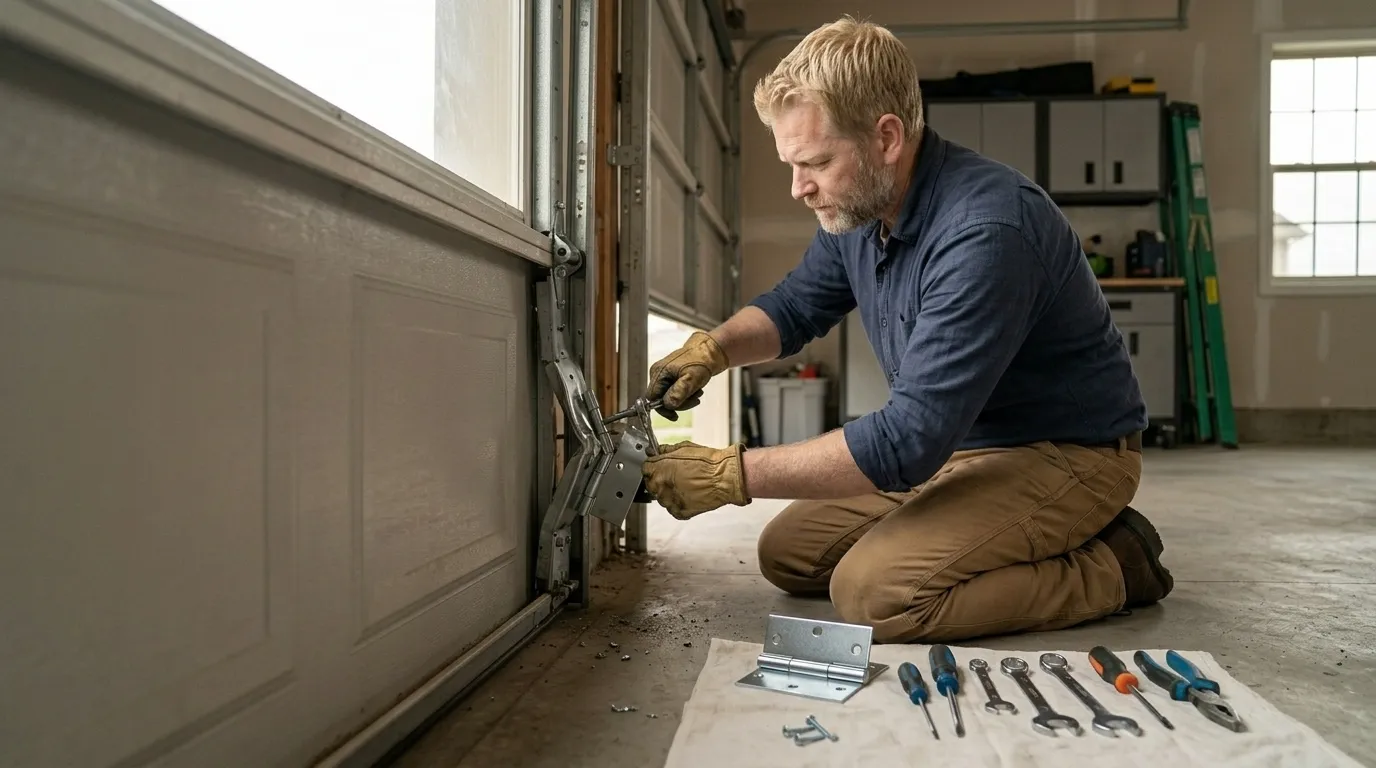
The calls we get from this area lean toward extension-spring failures and track misalignment rather than the torsion-spring snaps that dominate in newer construction. A cable that's frayed at the drum, a bottom bracket working loose from repeated cycles, an opener that's fighting hardware it was never designed for - these show up more here than in sections of the service area built after 2000. Median household income in Hemby Bridge sits at $71,953, below the wider area's $88,203, which shapes the calls too: more requests for a targeted repair on the existing door, fewer requests to just replace the whole unit. That's a reasonable instinct on a door this age, provided the track and jambs are still square - we'll tell you honestly when a repair isn't worth doing.
How That Shows Up in the Door
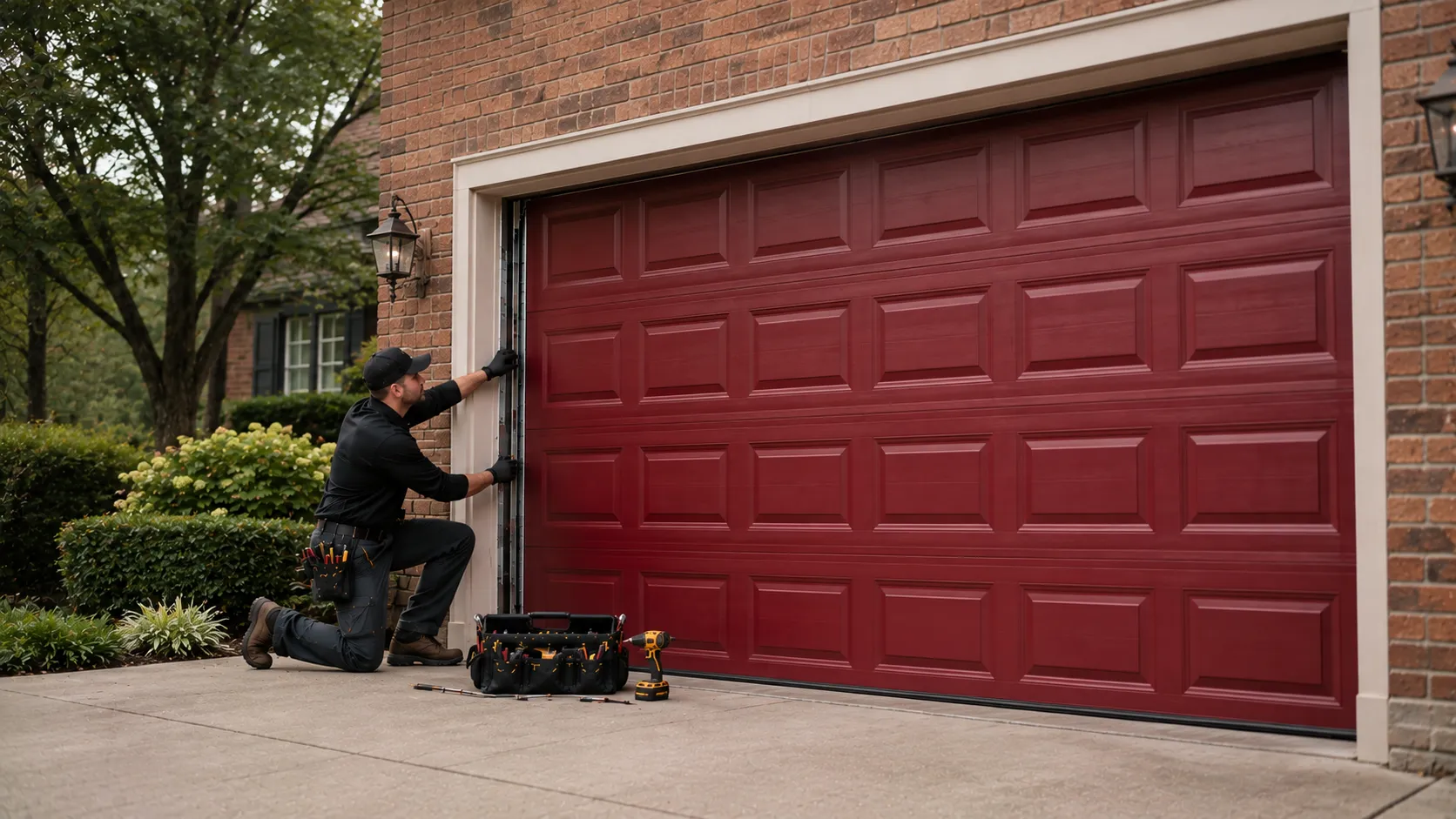
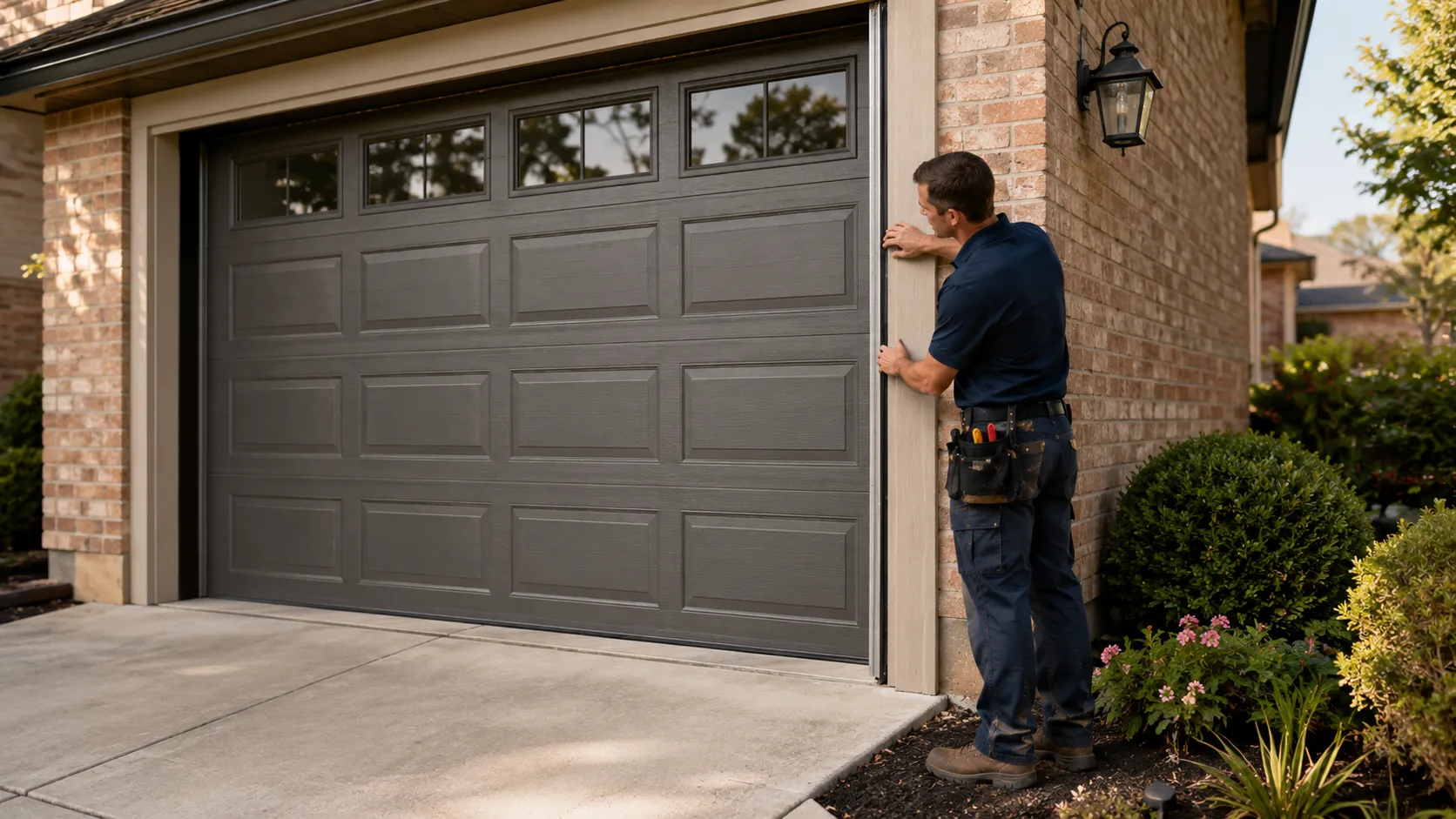
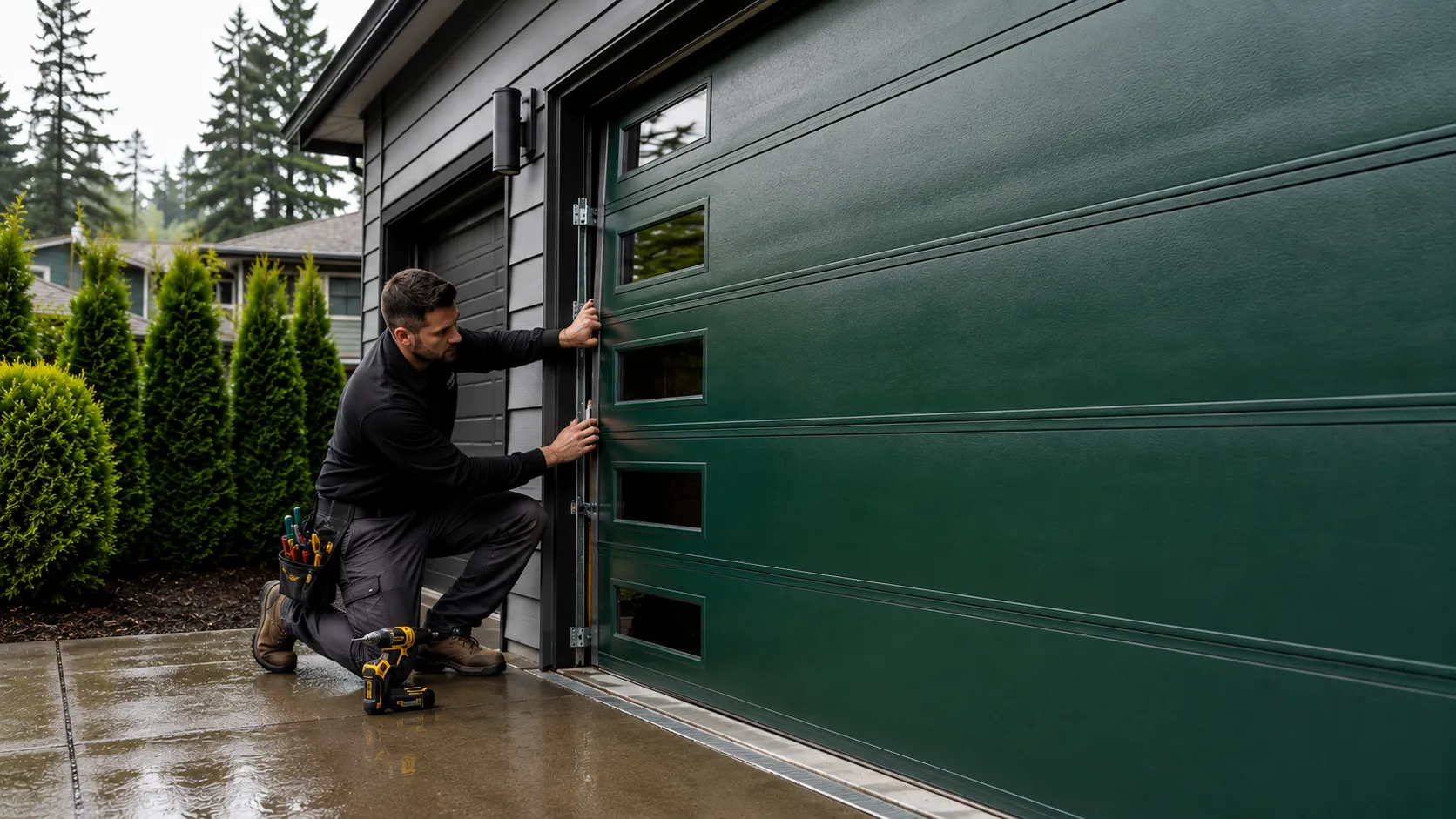
Cold-band winters matter more on a house this age because the weatherstripping and door bottom seals on a 1970s-era install have usually been replaced piecemeal over the decades, not as a matched system. That leaves gaps that let in more cold air than a door built to current stock. Combined with extension-spring hardware that's original or close to it, the failures we see tend to be mechanical - stiff or seized pulleys, a bottom bracket pulling loose from wood jambs, a cable that's about to let go rather than one that already has. None of this means the door needs to come out. Most of these systems can run reliably for years yet with the right part swapped at the right time. Where we draw the line: if the track is bent enough that the door binds every cycle, or the jamb wood is soft enough that screws won't hold torque, patching the spring isn't worth the trip - that's a door replacement conversation, and we'll say so plainly.