The Houses Here
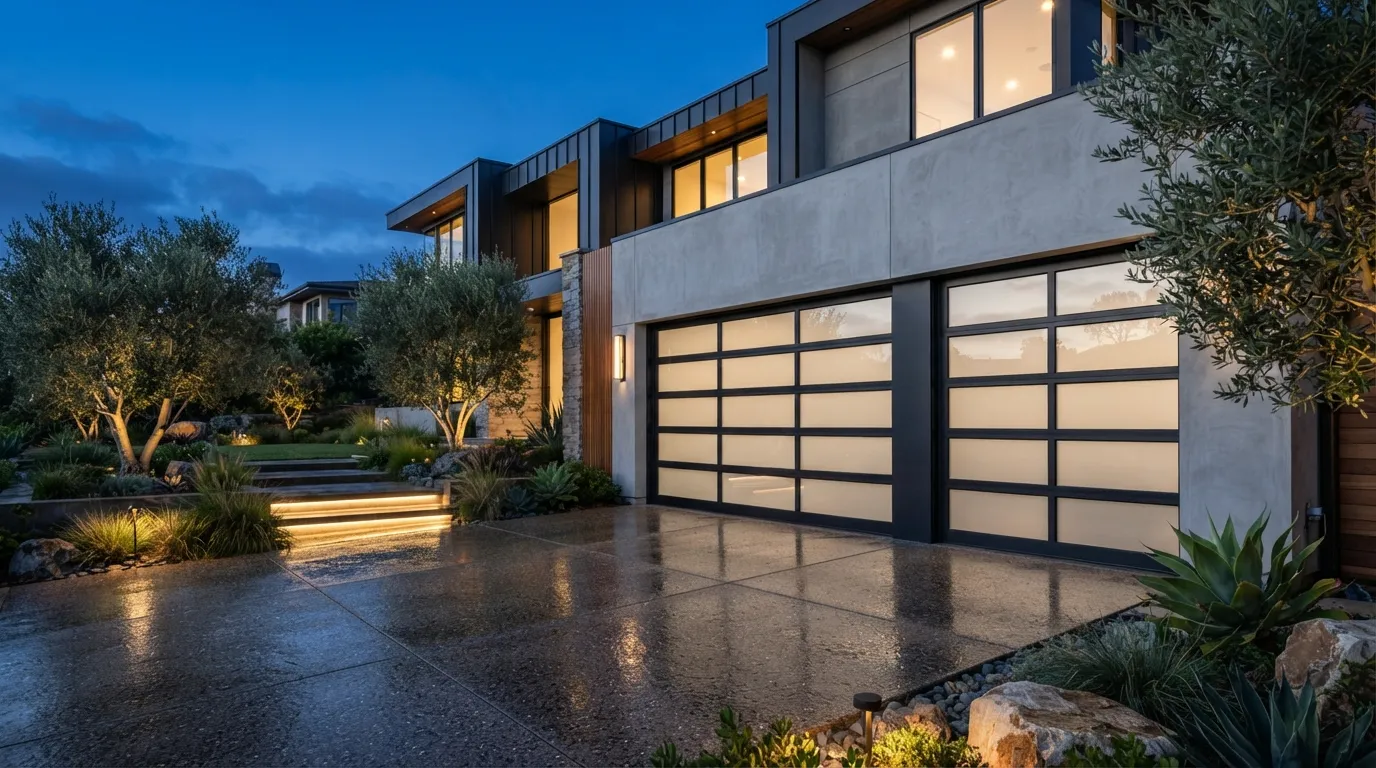
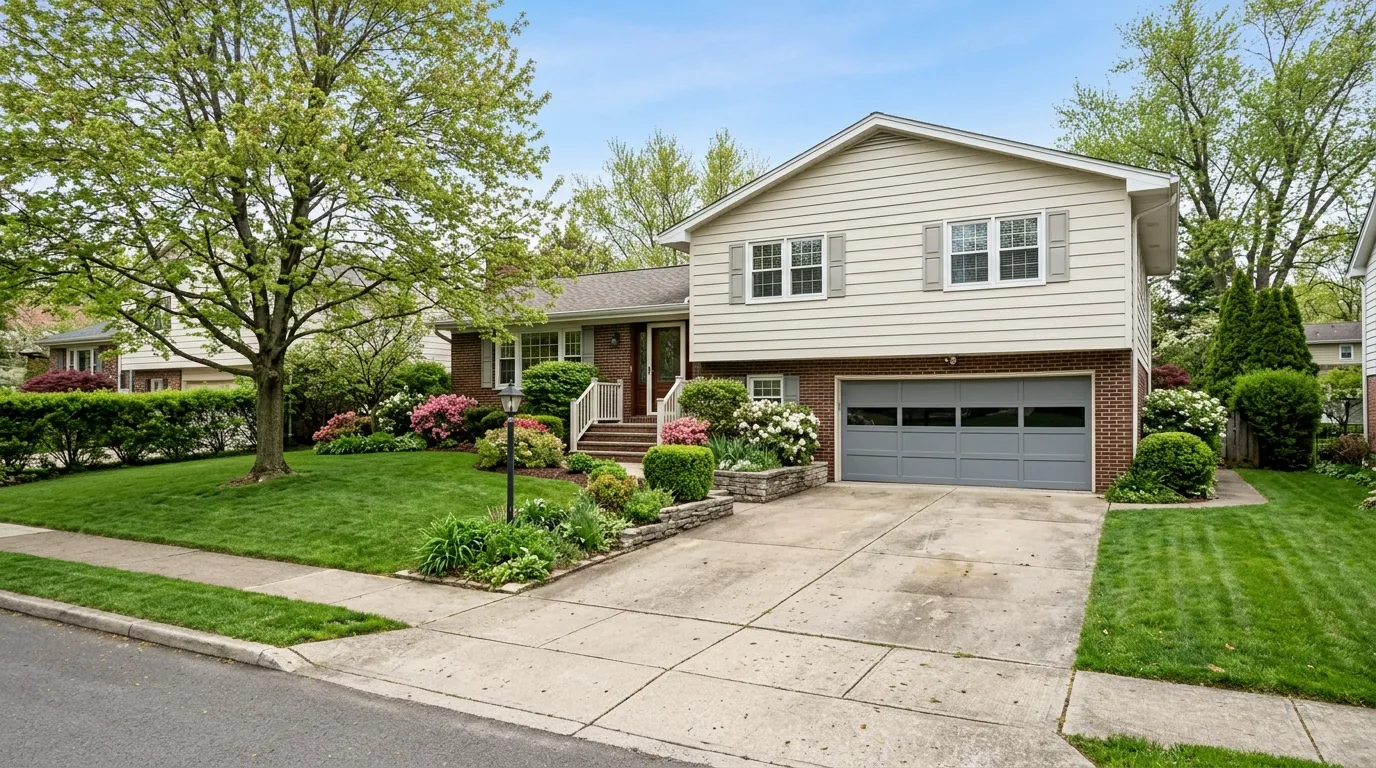
Fairview's houses mostly went up around 1987, which puts this pocket a good ten years ahead of the broader service area's median build year of 1998. That gap matters more than it sounds. A door and opener installed in the late 80s is a different animal from one installed in the mid-90s or 2000s - different spring wind, often a different track depth, and openers that predate the safety-reversal sensors that became standard later. If your house here still has its original setup, you're running gear that's pushing forty years old, and parts for it aren't always sitting on a shelf anymore. Fairview isn't part of a newer subdivision wave; it's older stock that's been re-roofed and repainted a few times over but never fully re-hardwared. That's the piece worth knowing before you call anyone out for a quote.
What People Here Ring About
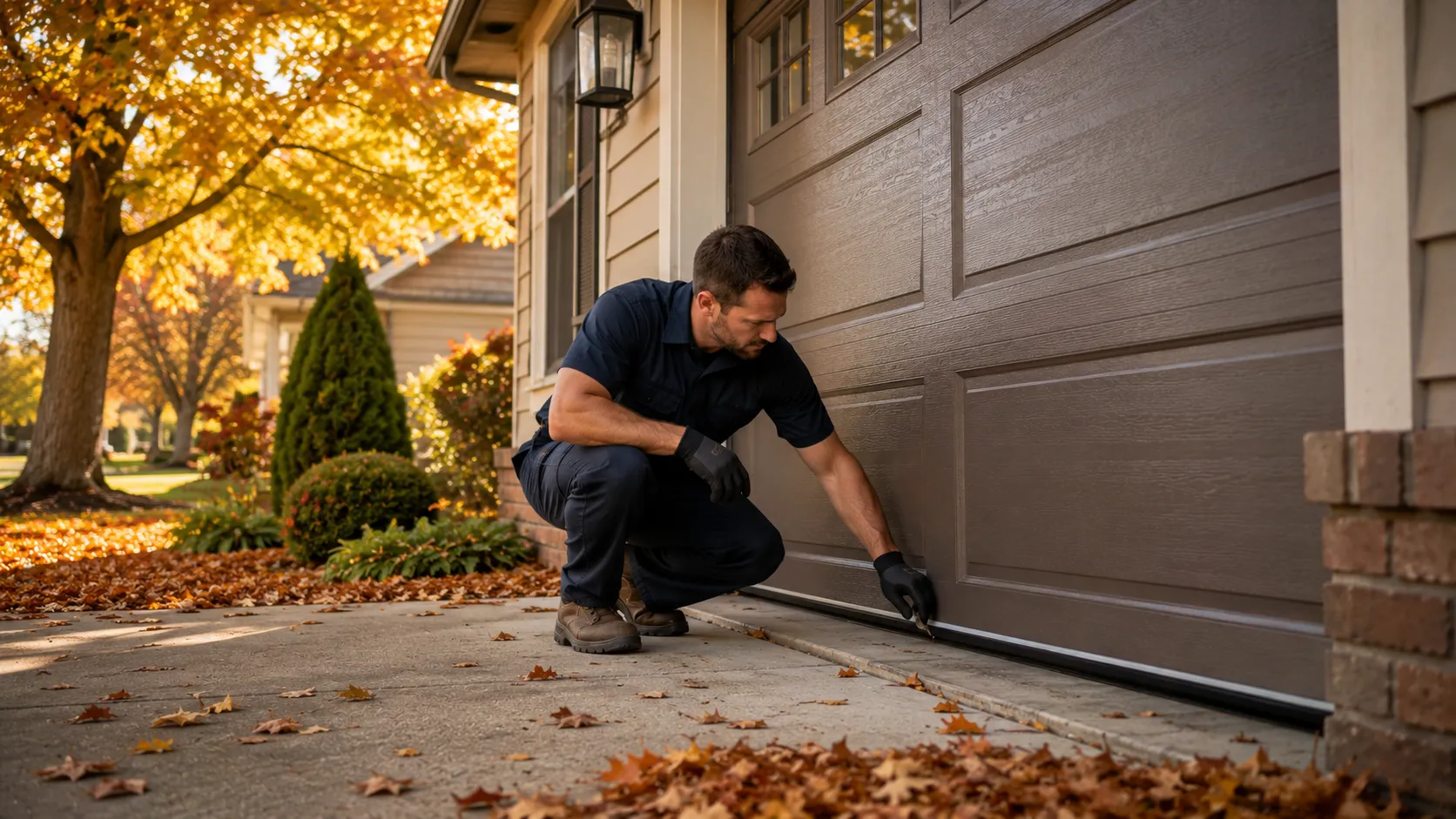
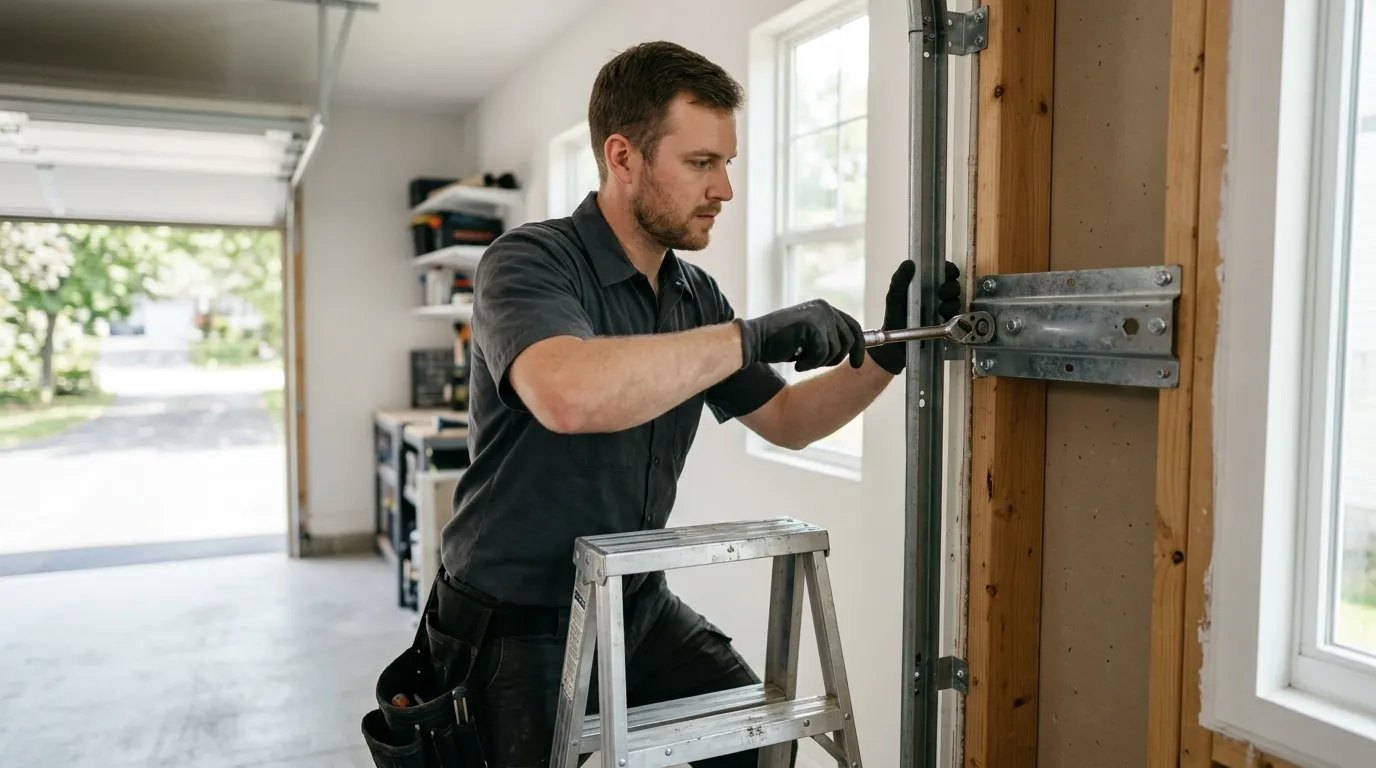
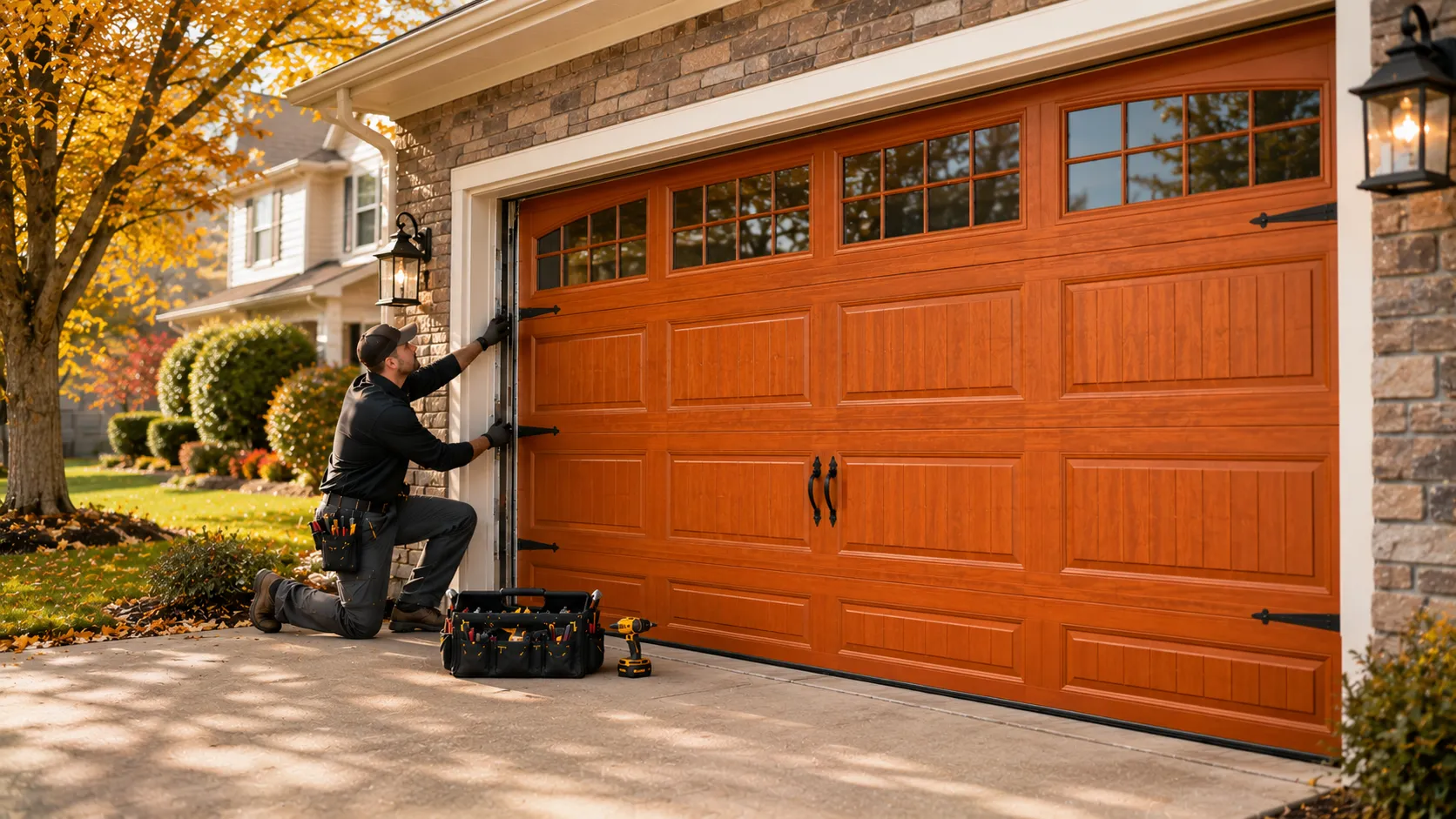
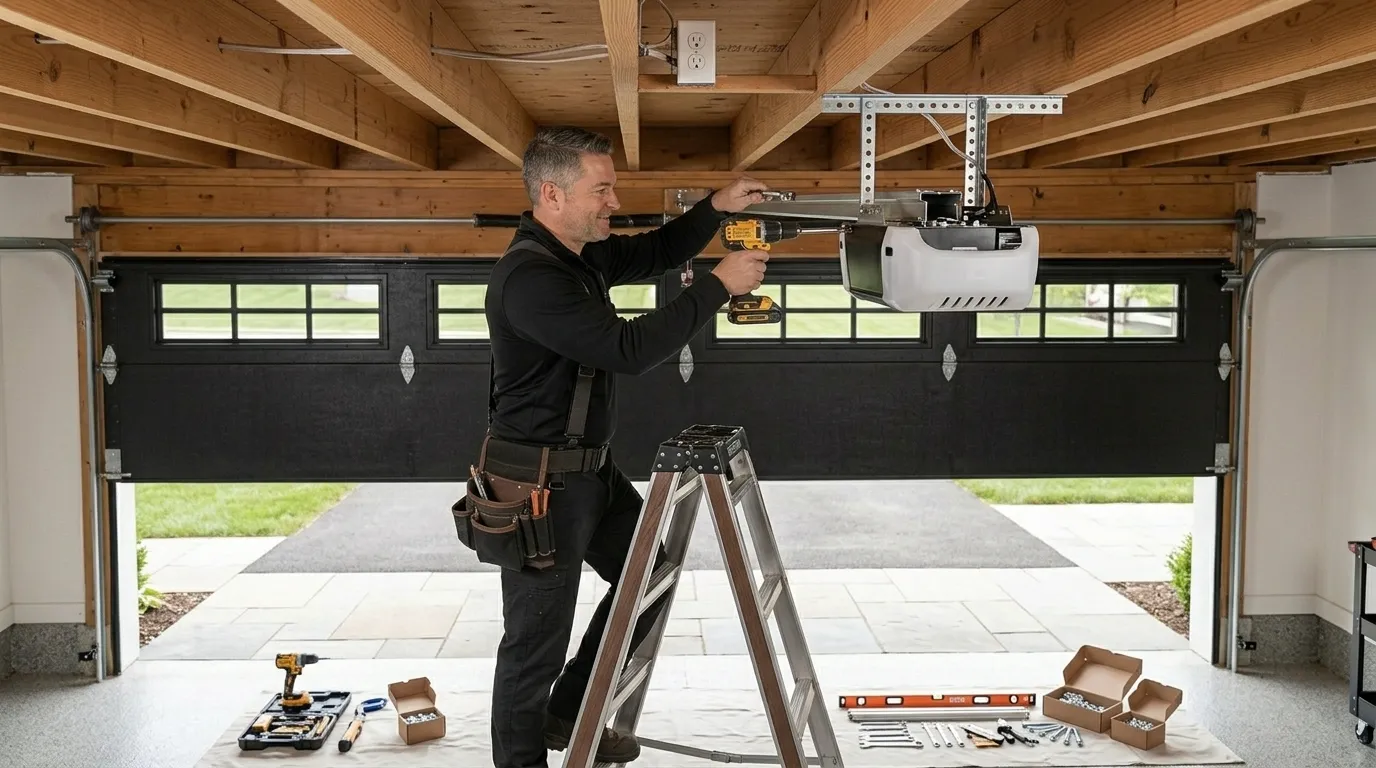
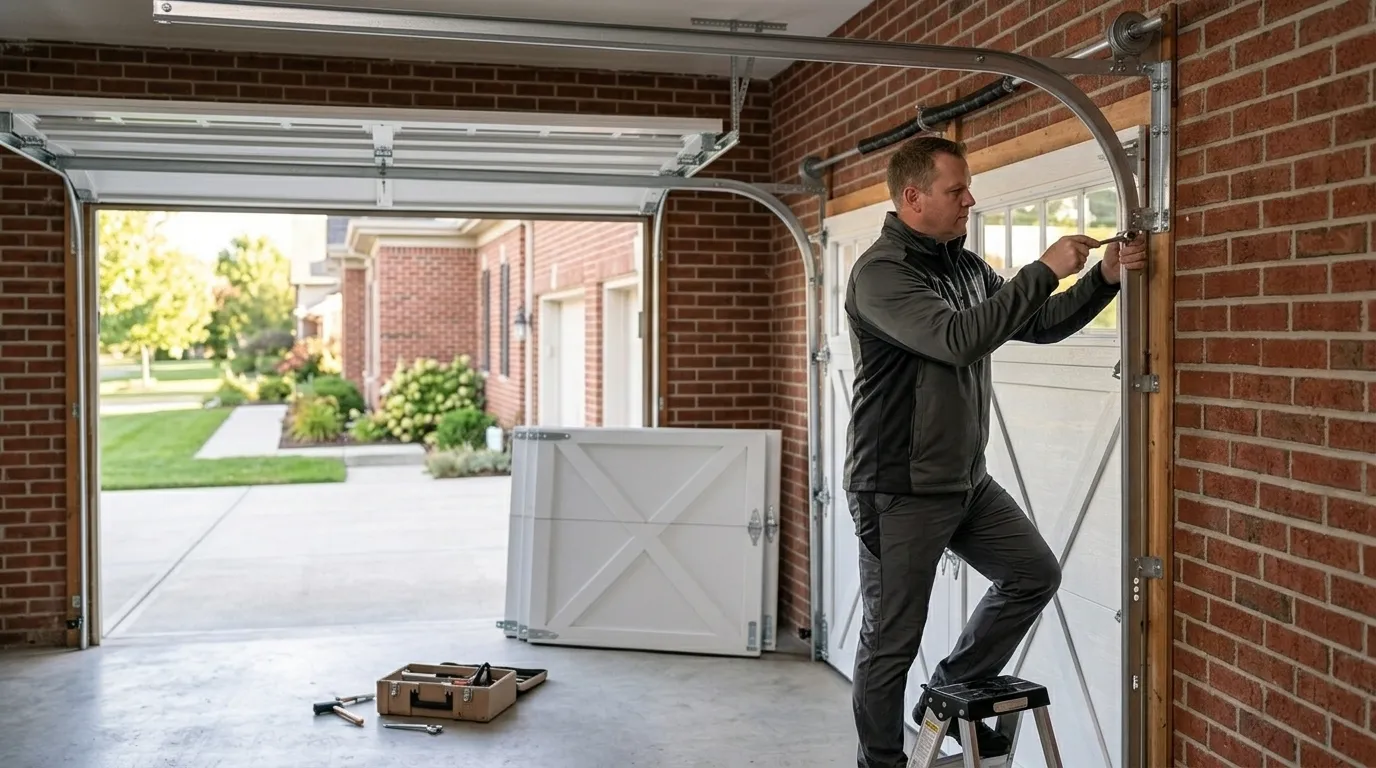
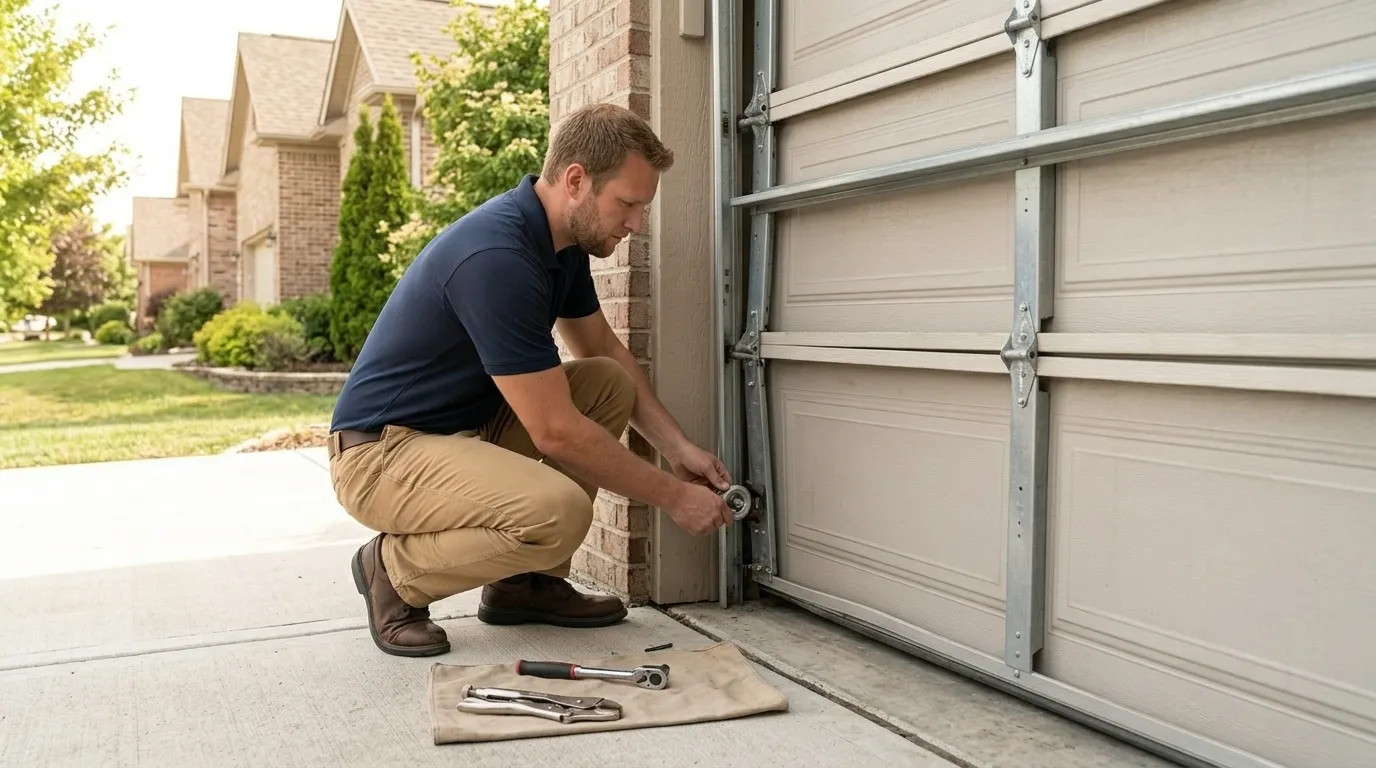
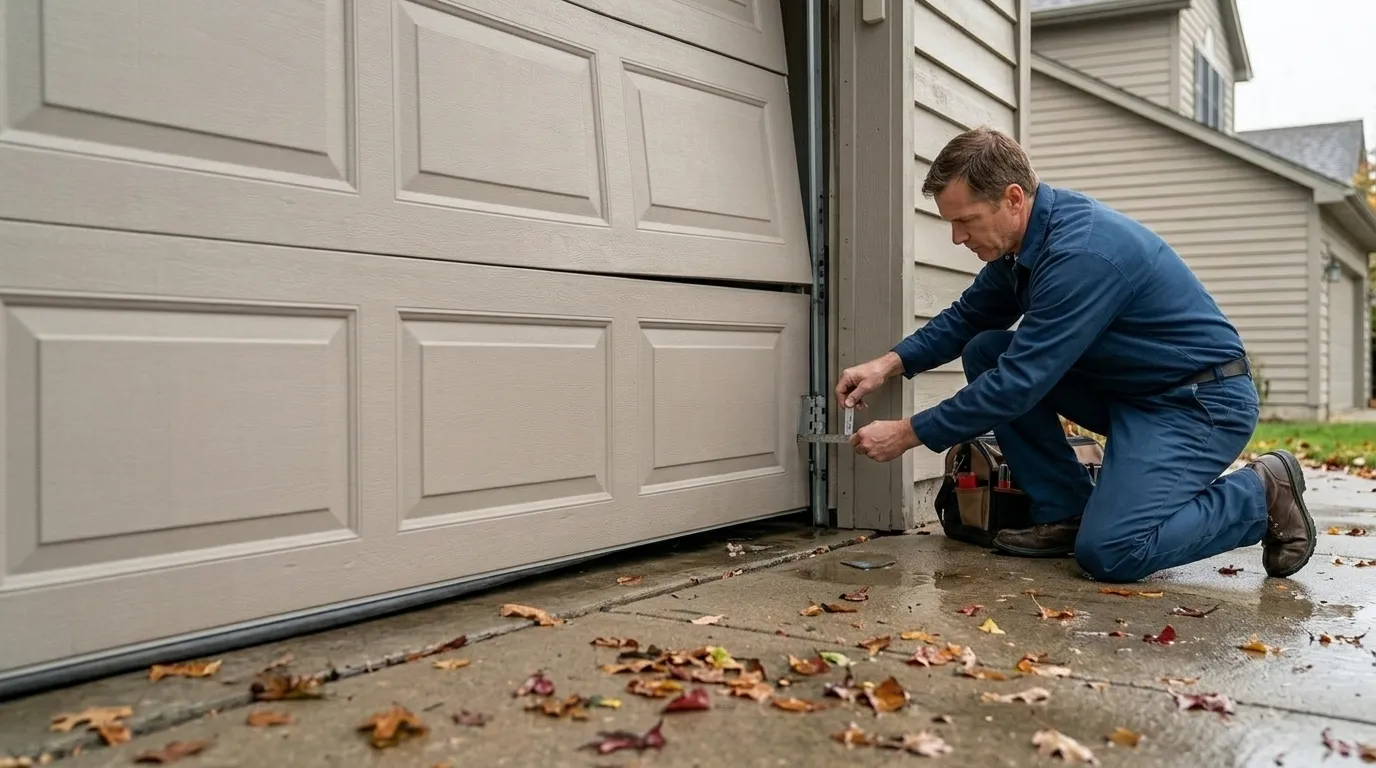
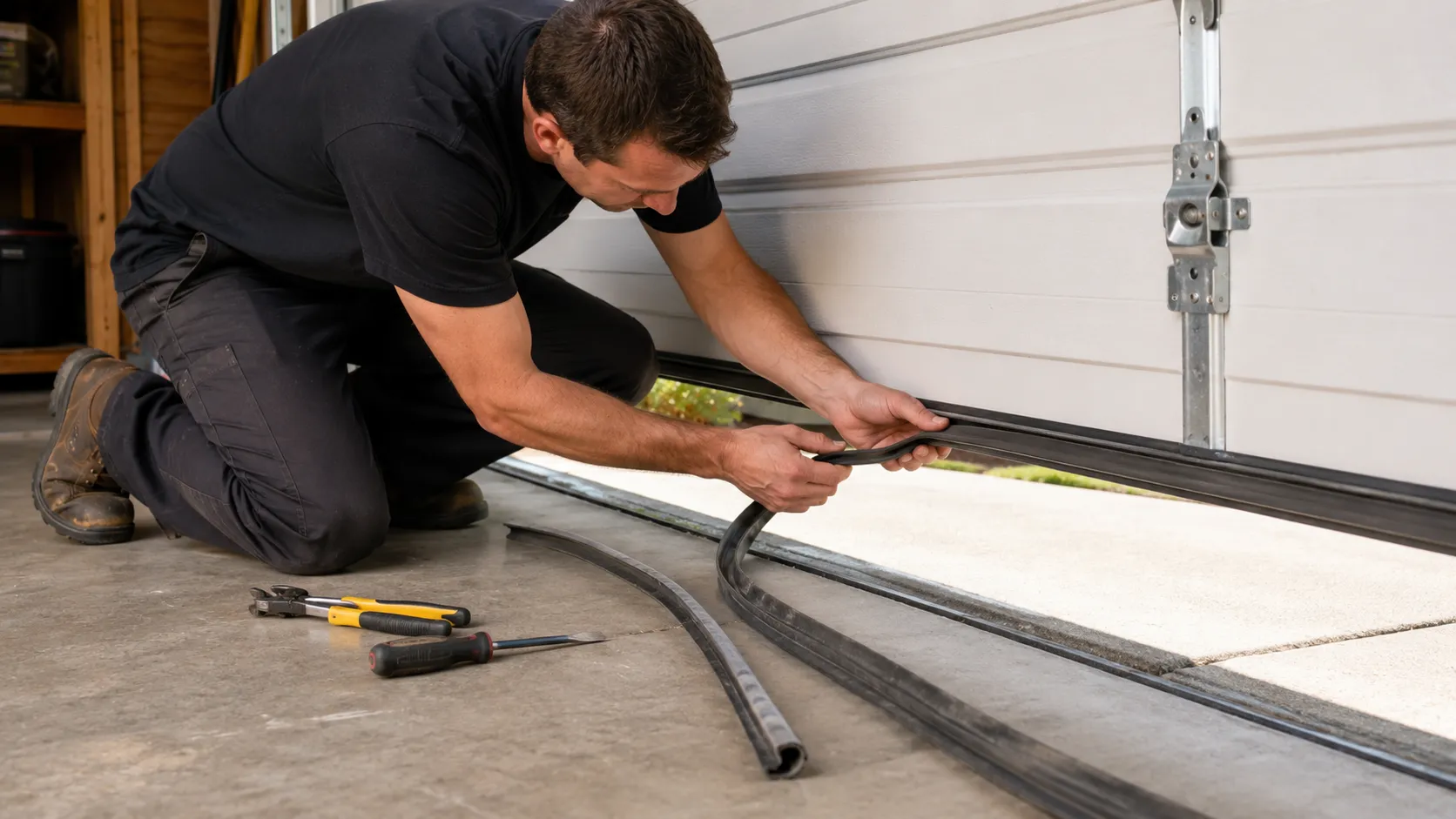
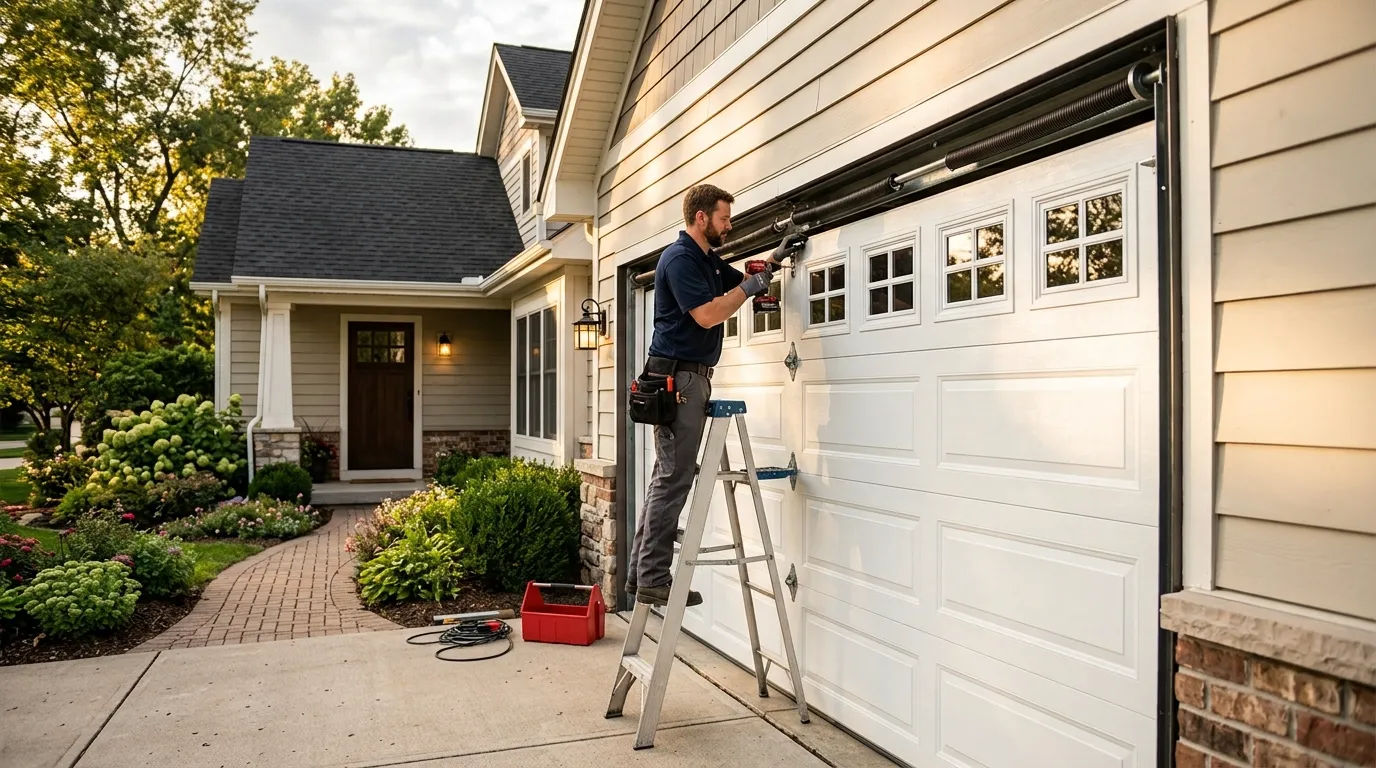
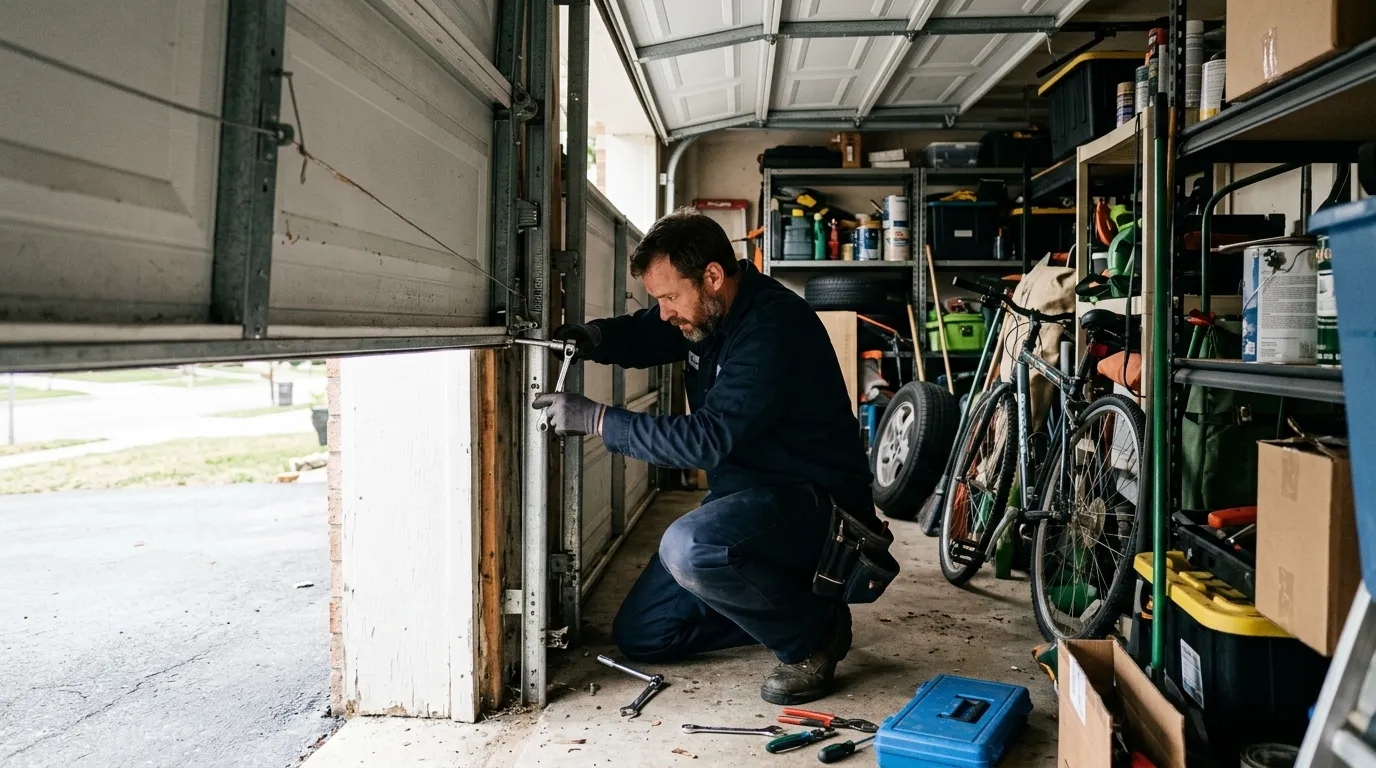
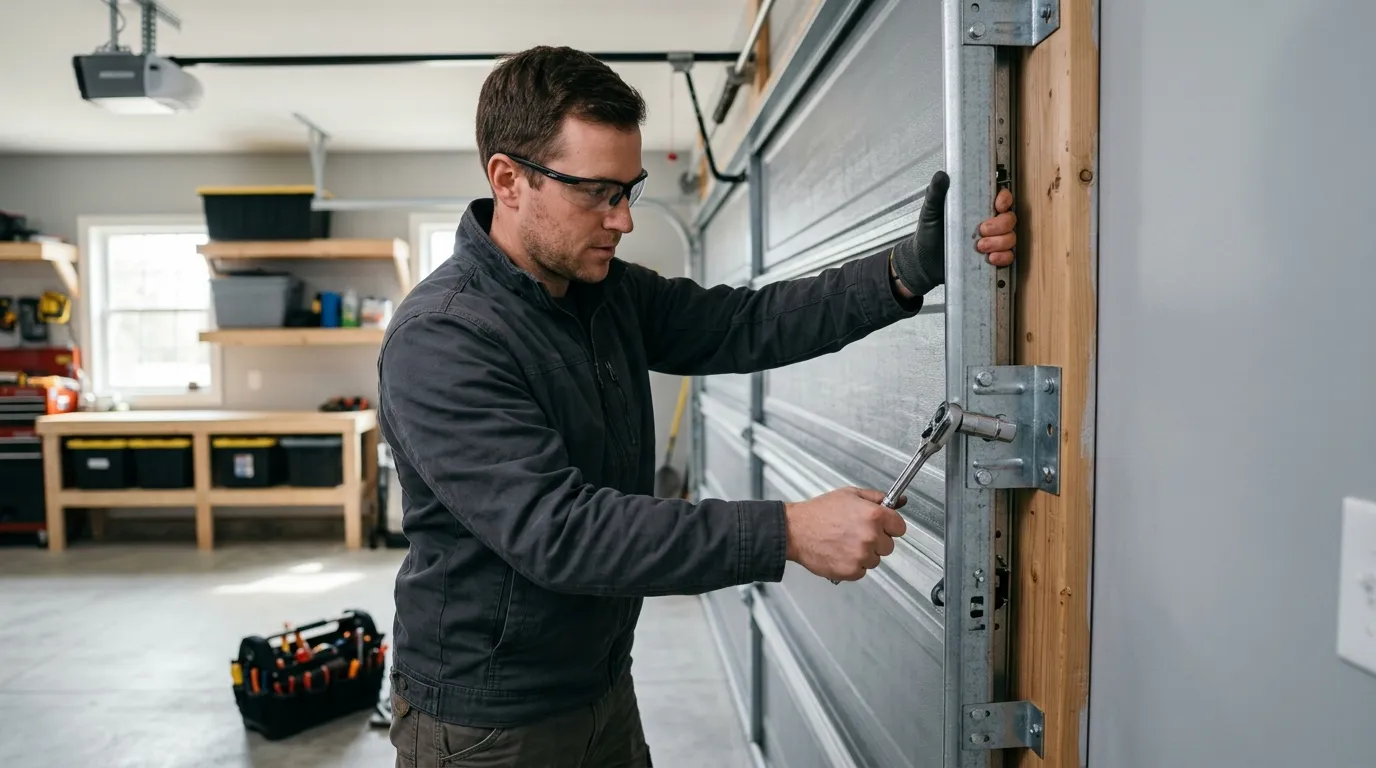
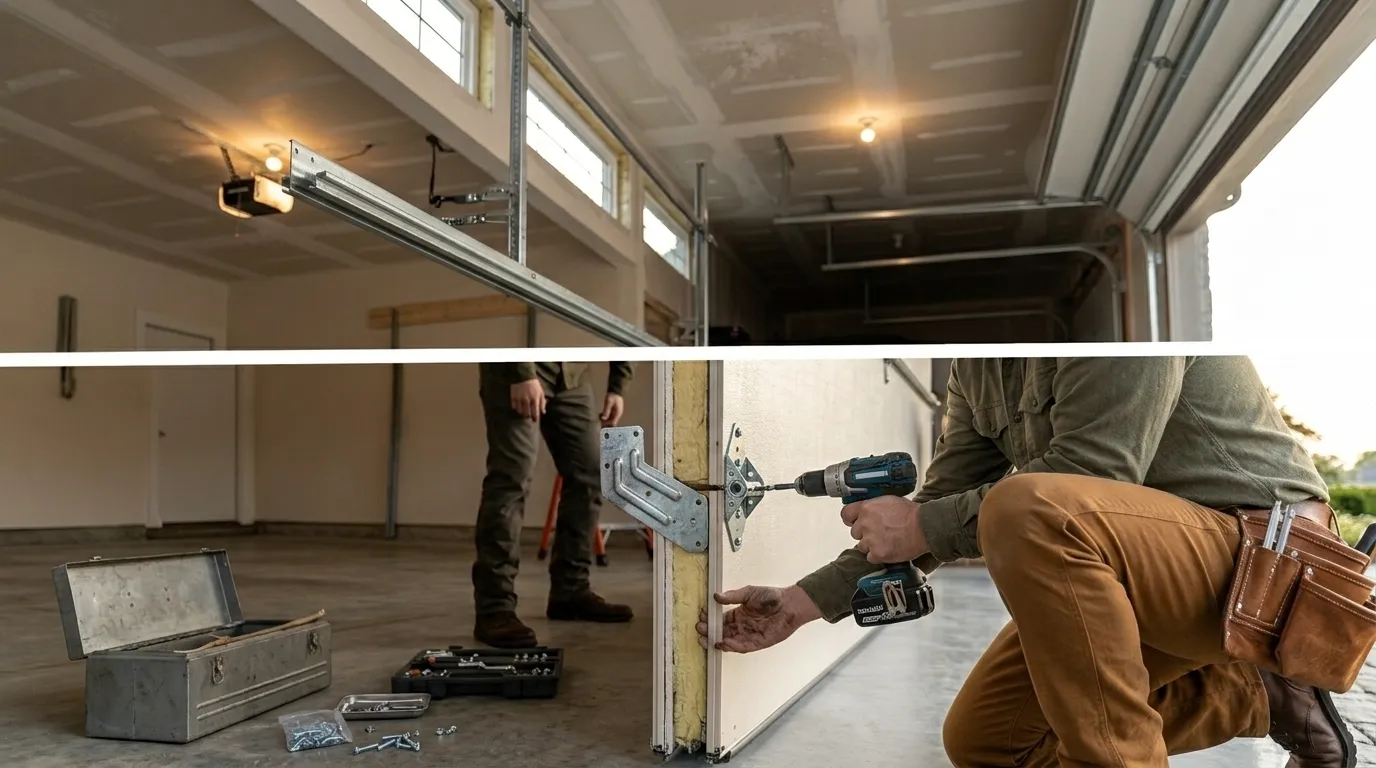
Given the 1987-era stock, the calls we get from this pocket lean toward worn torsion springs that have finally given out after decades of cycles, and openers with drive gears that have chewed themselves down to nothing. Rollers on original steel tracks tend to be next - three decades of use wears the track lip enough that the door starts binding on the way up. We also hear from folks whose panels have taken on rust or warping at the bottom, which is common on doors this age in a cold-moderate climate where the freeze-thaw cycle works on any seam that isn't sealed tight. Not every one of these is a repair job - if the door is original and the opener's original too, sometimes replacing the whole unit costs less over time than patching a system that's fighting you at every point.
How That Shows Up in the Door
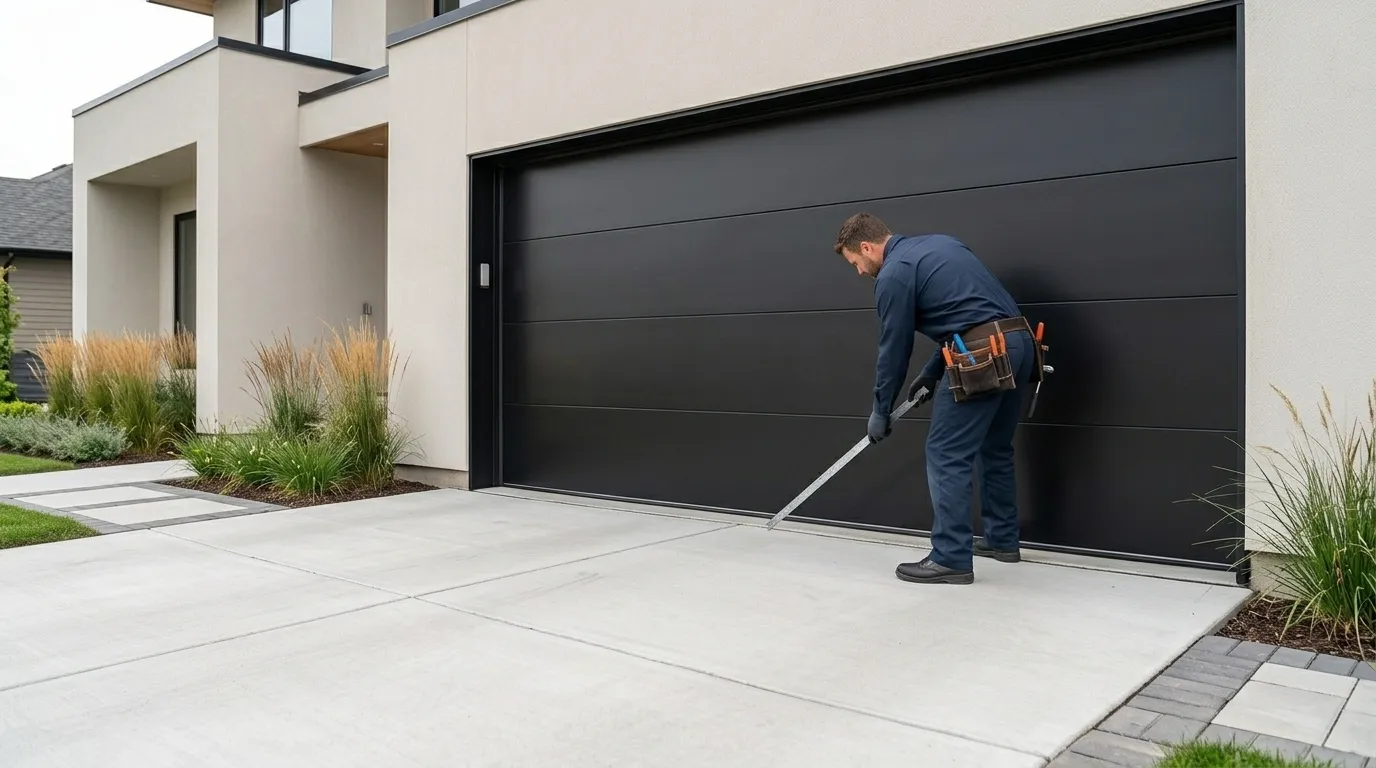
With a median household income around $89,417 here, most of the calls we get aren't about stretching a budget to the limit - they're about deciding whether to fix an aging system one more time or finally replace it. On a door this old, that's a real decision, not a formality. A new torsion spring on a 1987 door is straightforward. A new opener with modern safety sensors on the same door is also straightforward. But if the track, the rollers, and the panel are all showing their age at once, patching each piece separately usually costs more in the long run than one clean swap. We'll tell you which side of that line your door is on before we start any work, not after.