What You Are Seeing
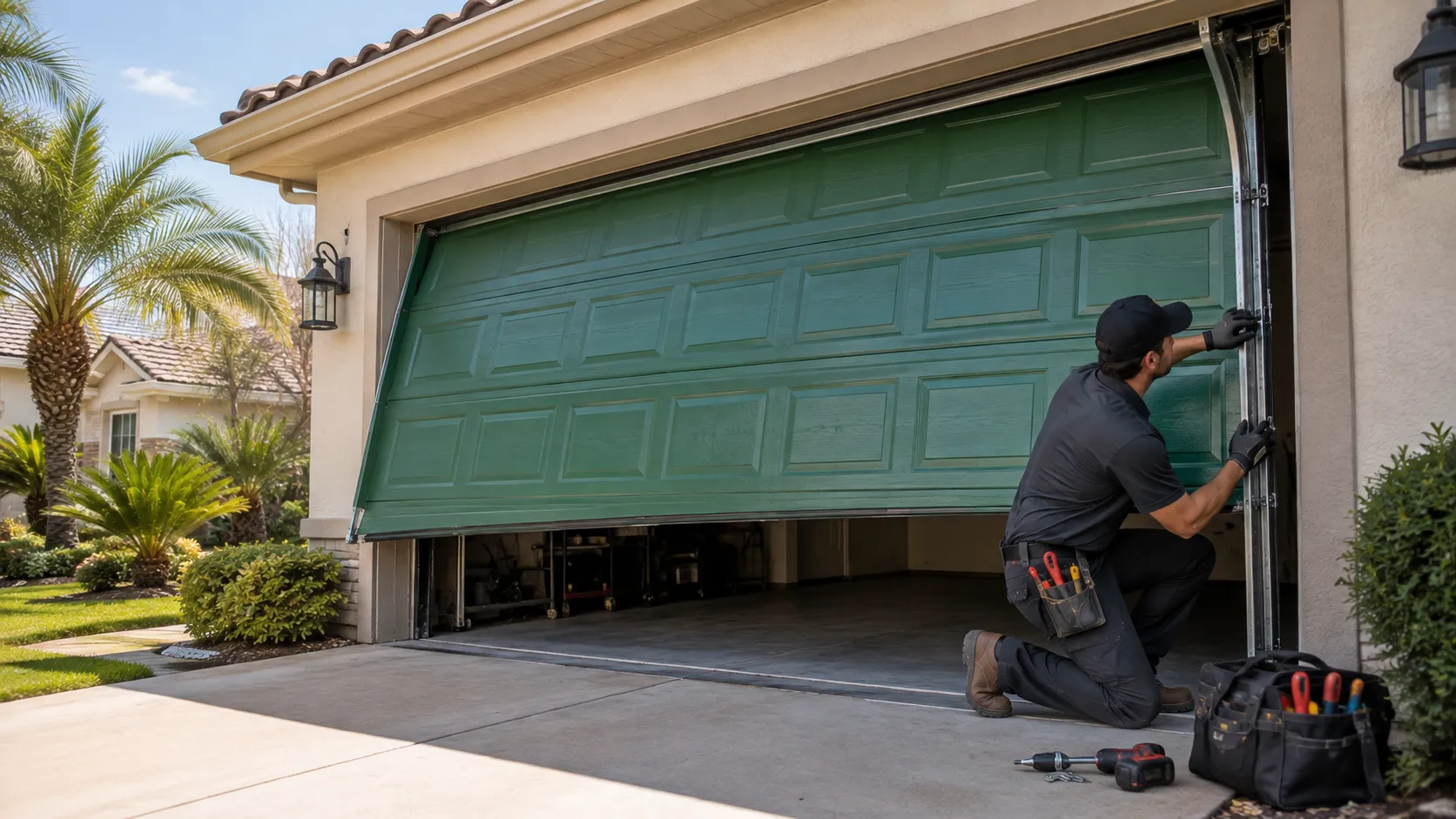
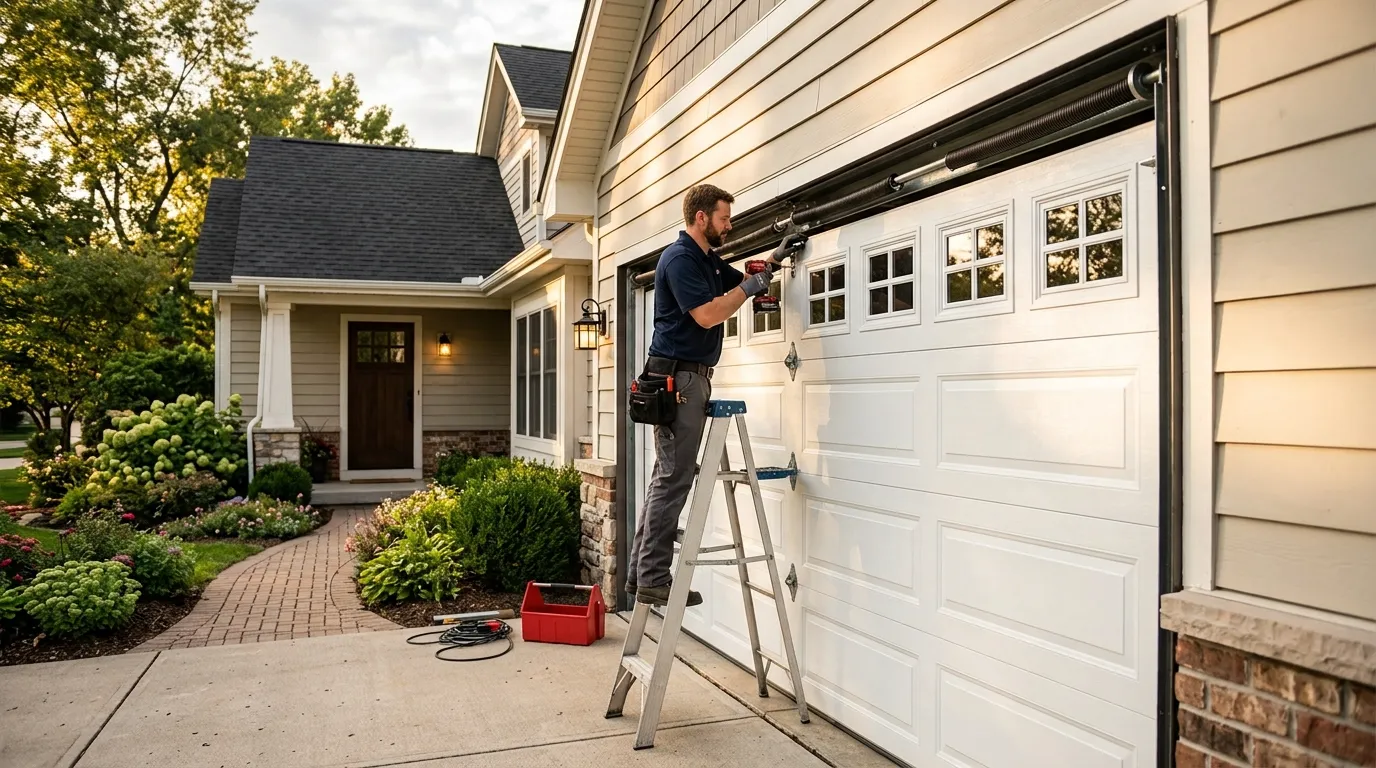
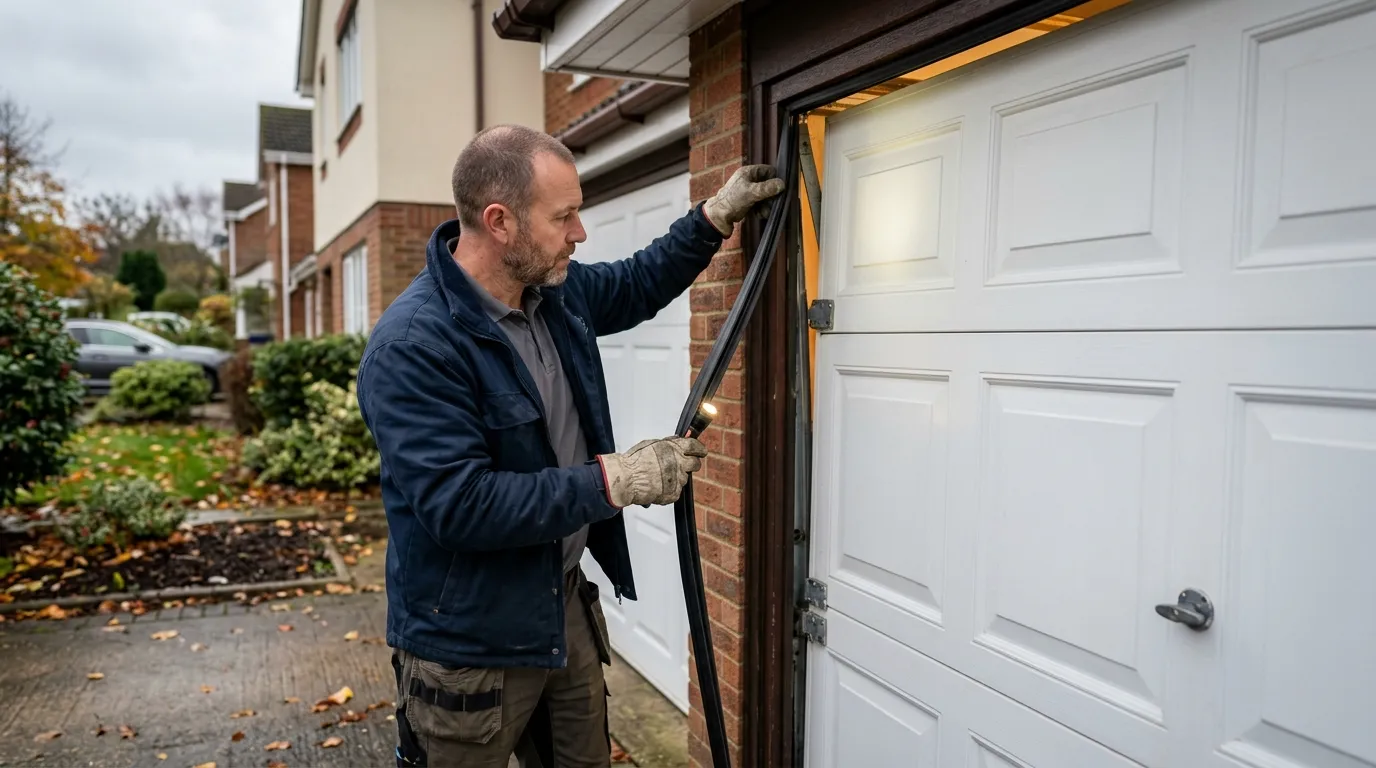
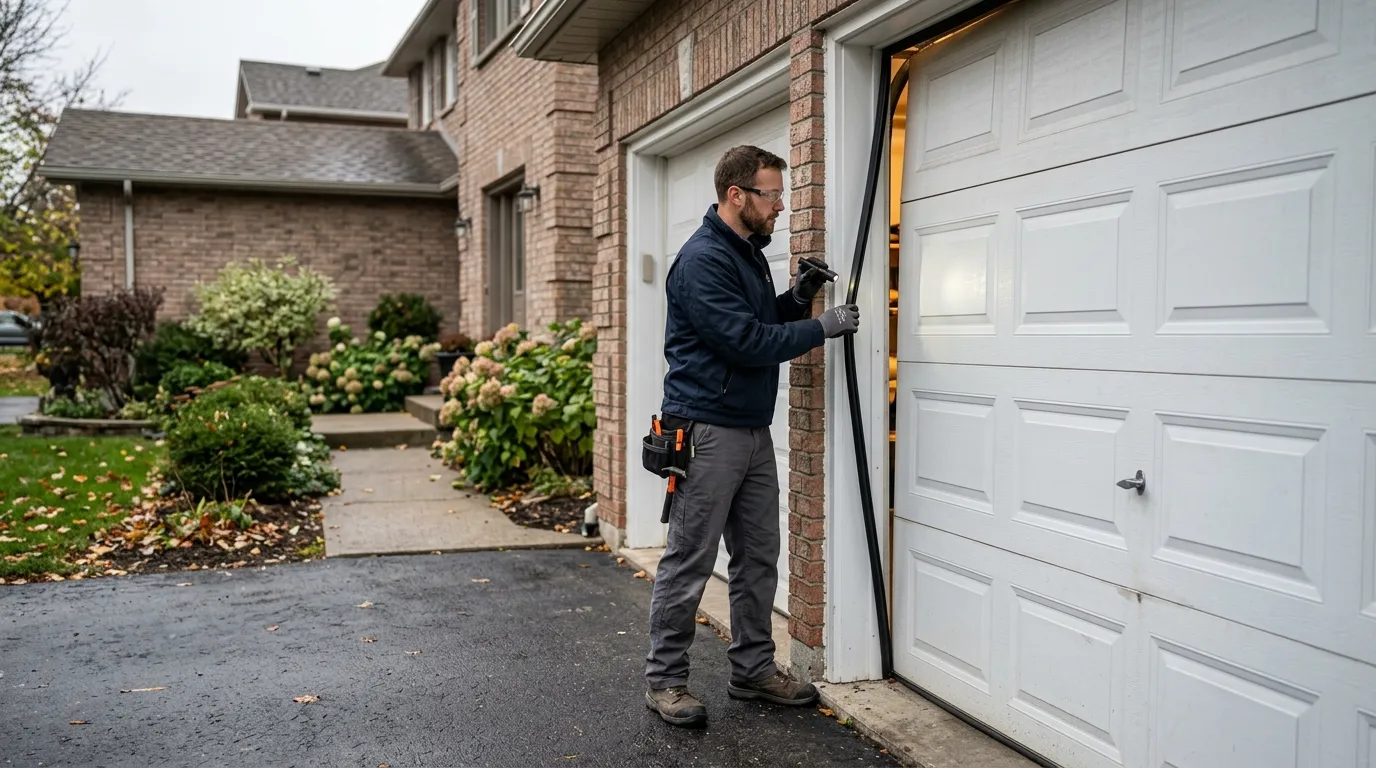
Weddington's housing stock centers on 1998, which means most openers here are original units or a first replacement, both now well past the 15-to-20-year working life a chain or screw-drive motor is built for. What you're seeing is usually one of two things: the motor hums but the door doesn't move, or the unit runs but won't respond to the remote or wall button half the time. On a house from this era, that second symptom often traces to a logic board with capacitors that have simply dried out with age, not a dead remote battery. If your door reverses on its own partway down, that's the photo-eye sensors or the travel limits drifting out of adjustment as the opener's internal parts wear unevenly. None of this means the door itself is bad. A door can be in fine shape while the opener driving it is on its last legs, and in a town where a lot of houses were built in the same handful of years, a lot of openers are failing in the same handful of years too.
Why This Fails Locally
The climate here runs cold-moderate, with real temperature swings between seasons, and that matters more to an aging opener than most homeowners expect. Cold snaps thicken the grease on the drive screw or chain, which makes an already-tired motor strain harder to pull a door that used to move without effort. That extra load is often what pushes a marginal capacitor or a worn gear over the edge into full failure, rather than gradual slowdown. On the household side, Weddington's median income sits well above the wider service area's number, and what that tends to mean in practice is more homes here already have or want a quieter belt-drive or smart-enabled replacement rather than a second chain-drive unit, which changes what a fair fix looks like once we're inside the unit.
The DIY Question
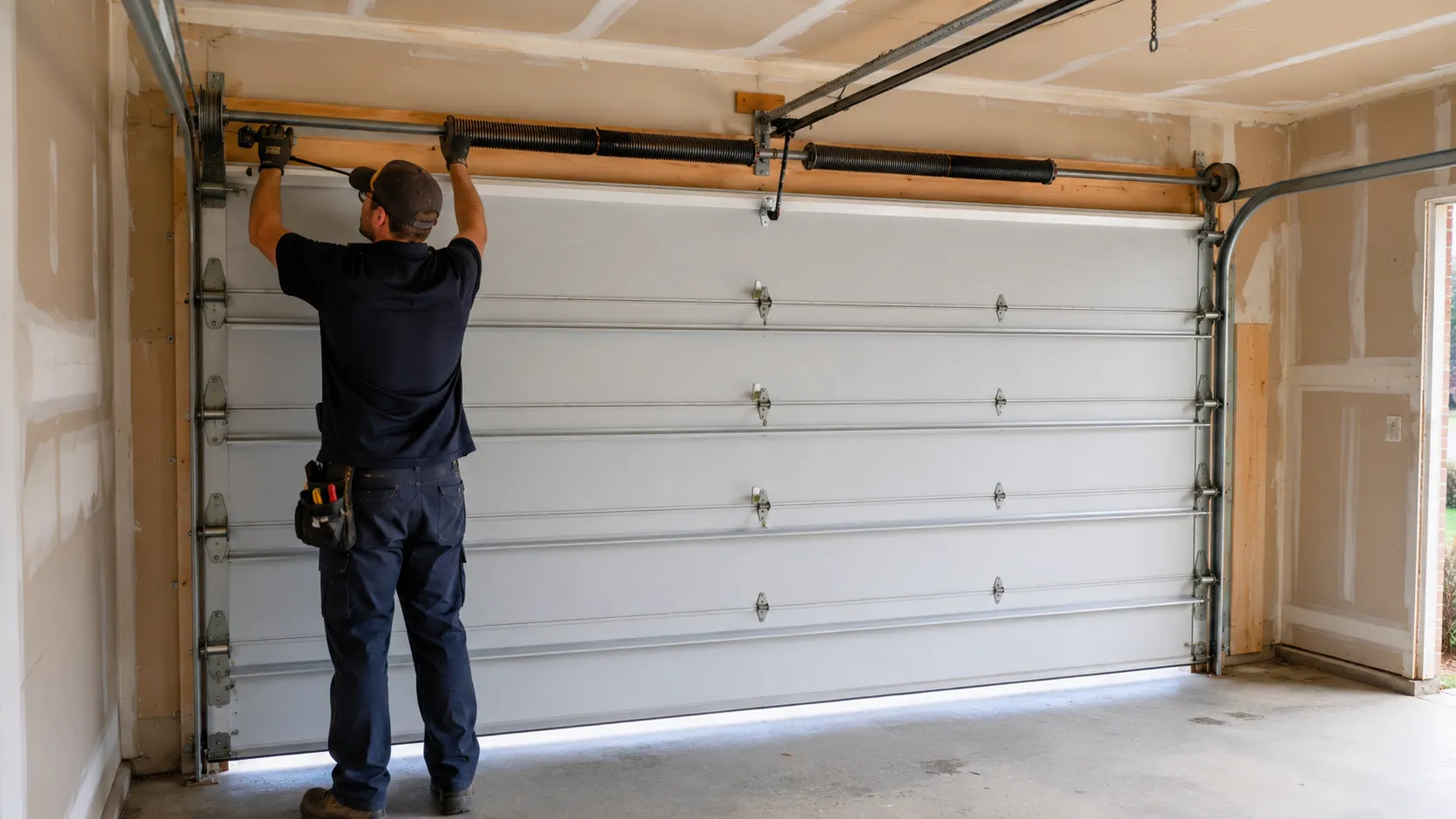
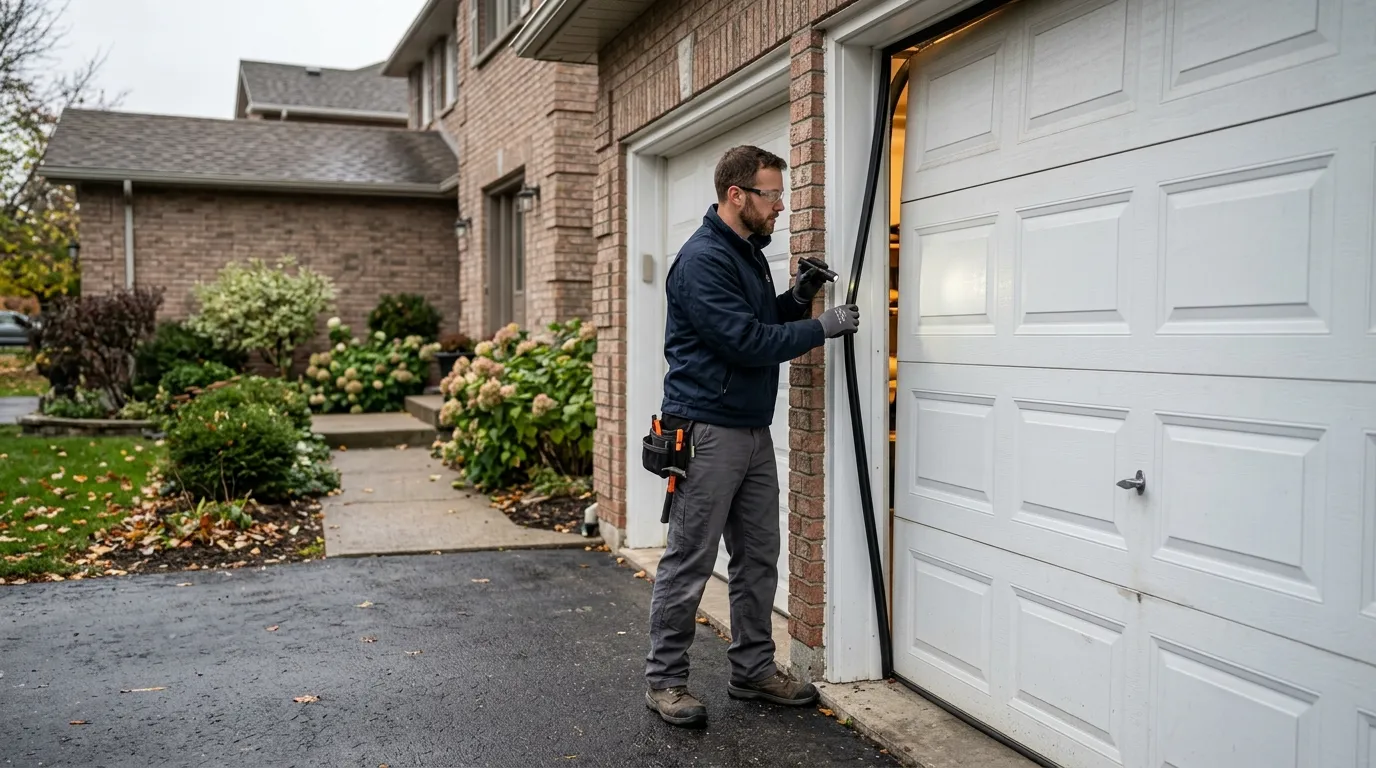
Swapping a remote battery or reseating a photo-eye bracket is fair game for a homeowner with a ladder. Diagnosing a logic board is not, and we'll say that plainly: the capacitors on these older boards can hold a charge after the unit is unplugged, and telling a bad capacitor from a bad relay from a bad motor winding takes a meter and knowing what you're reading. We also don't recommend guessing your way through limit and force adjustments on a chain-drive unit from this era, because setting the down-force too high on aging hardware is how fingers and pets get hurt. If the opener is simply dead and dark, check the outlet and the breaker first. That's the one step worth trying before anyone drives out.
What the Fix Involves
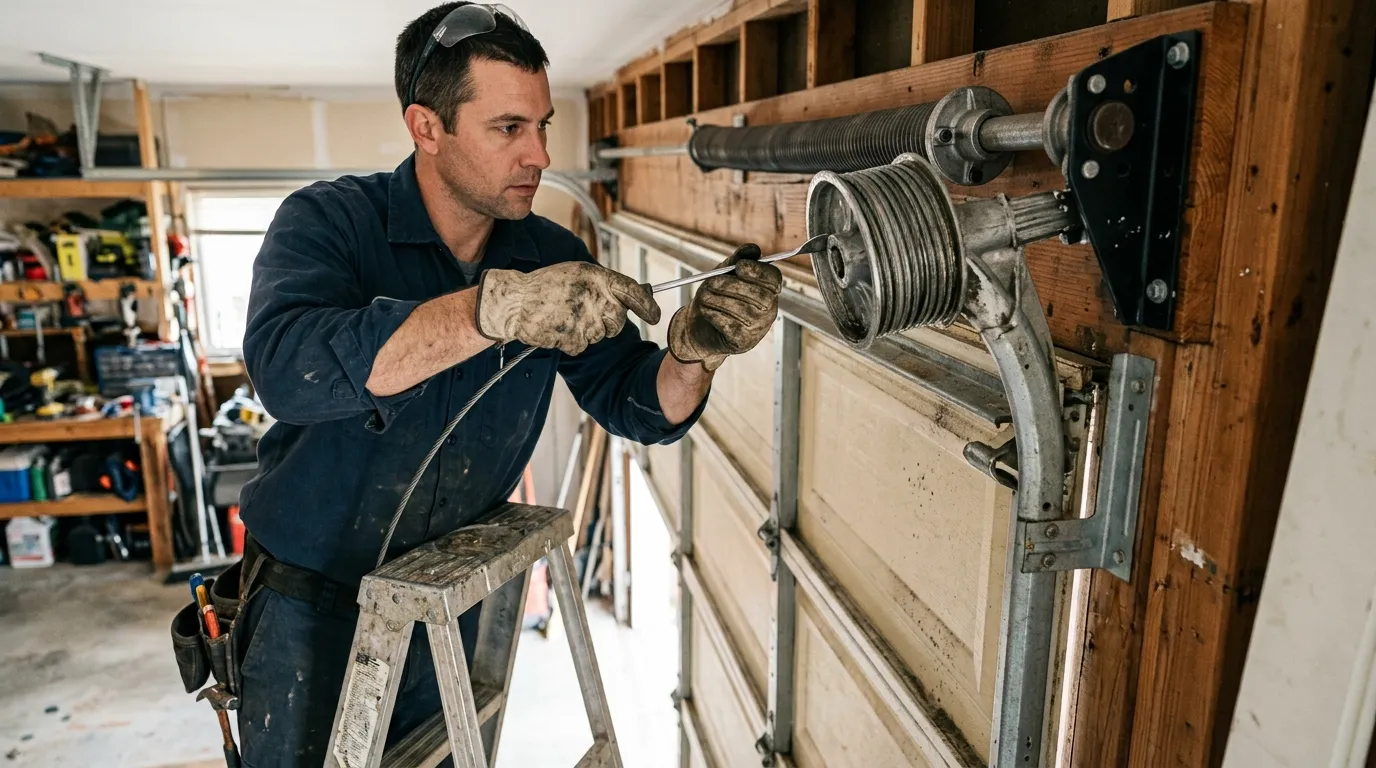
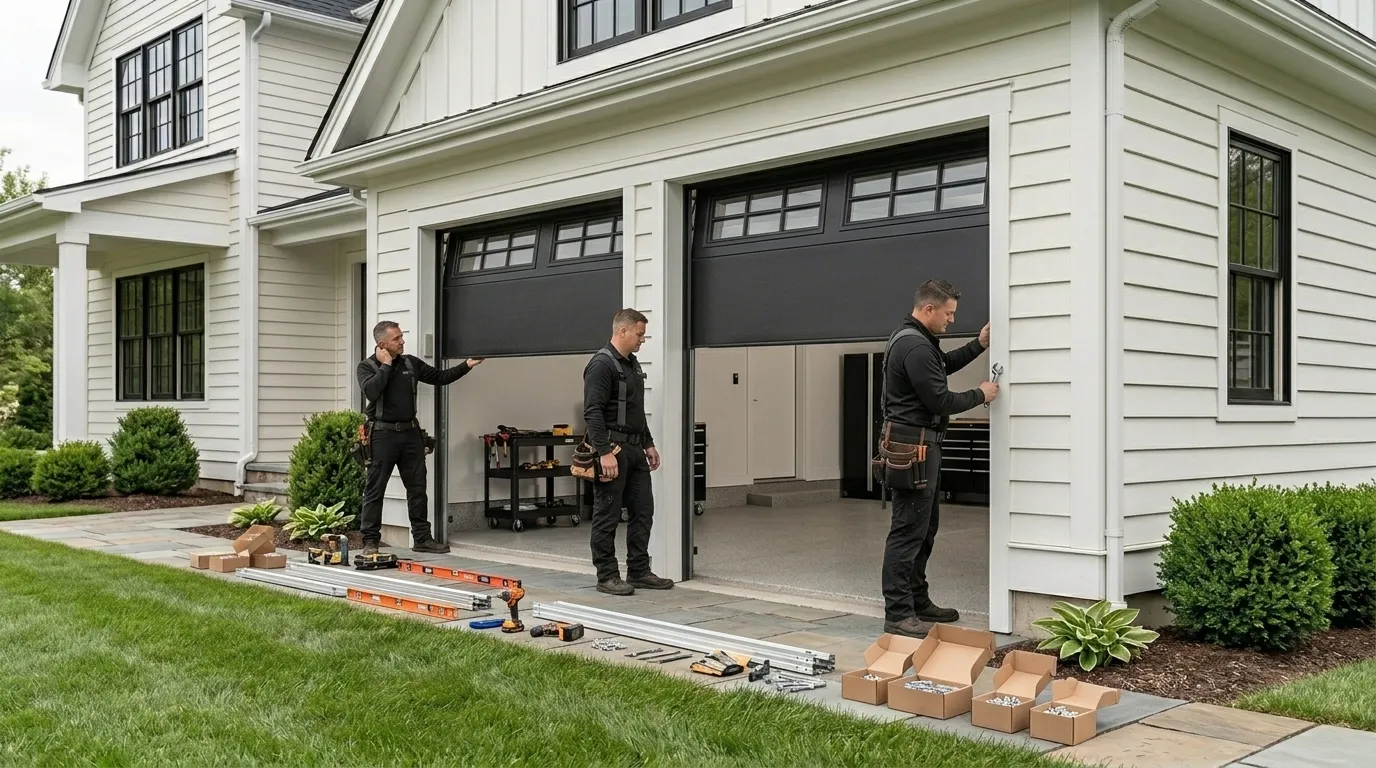
We come from Matthews, about 7 miles out, so we bring the truck stocked for the repairs that show up most on houses this age: logic boards, drive gears, capacitors, and photo-eye assemblies. The visit starts with running the opener through its cycle to see exactly where it fails, then testing the board and motor separately so we're not replacing a part that's fine. On a household base this size across the wider area, we see enough of these same-era units to know which failure points to check first, which shortens the diagnostic time even without a landmark to go by. If the fix turns out to be more than the unit is worth, we'll tell you that instead of running up a bill on a housing that's not going to last another season.