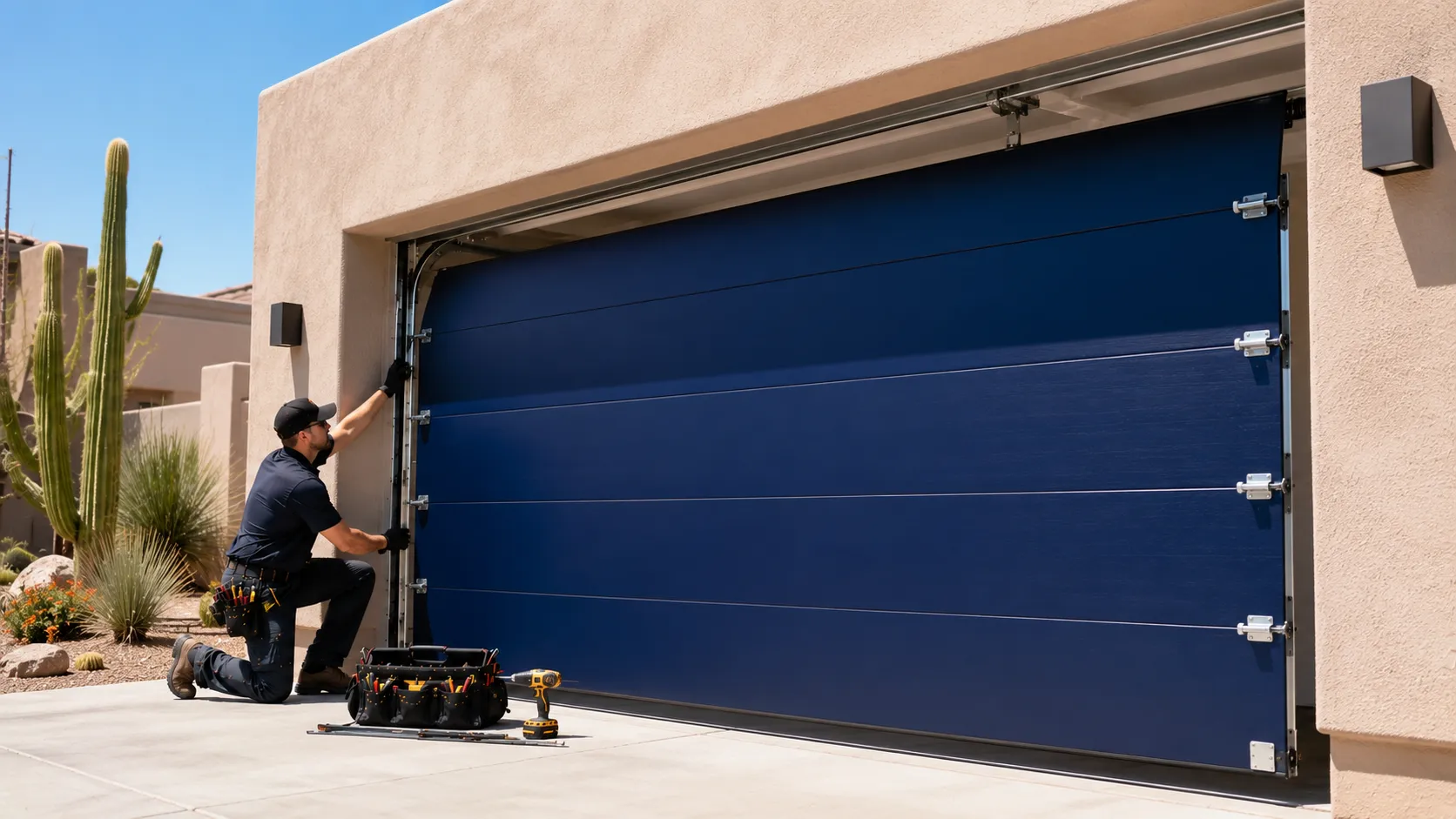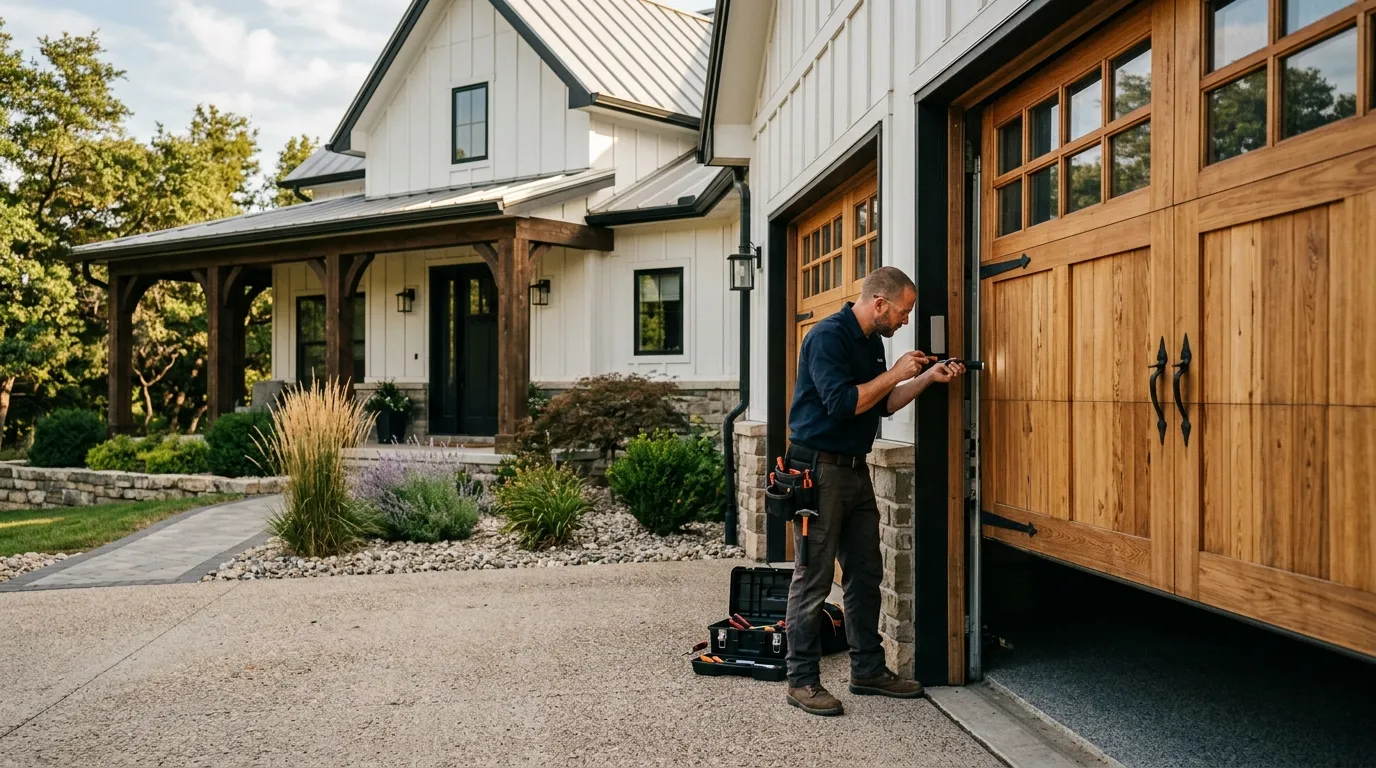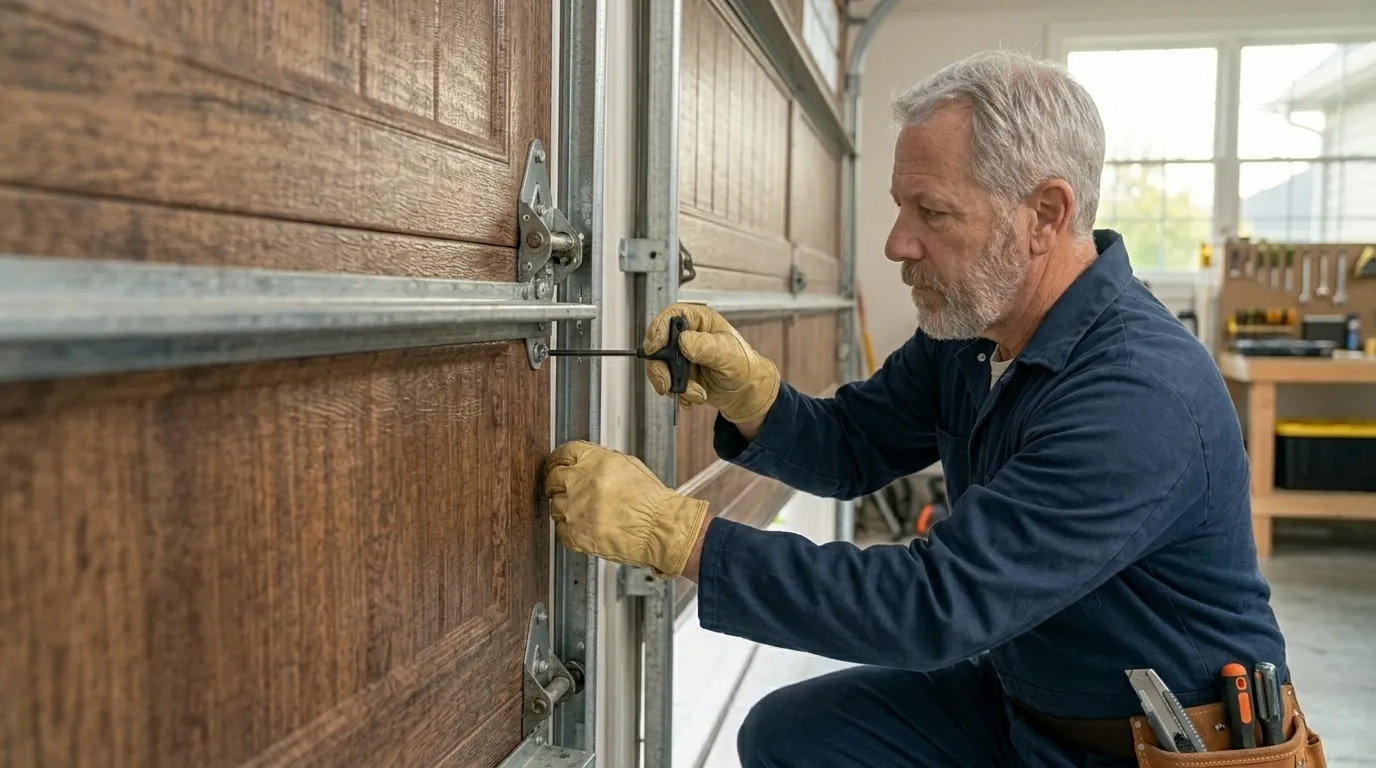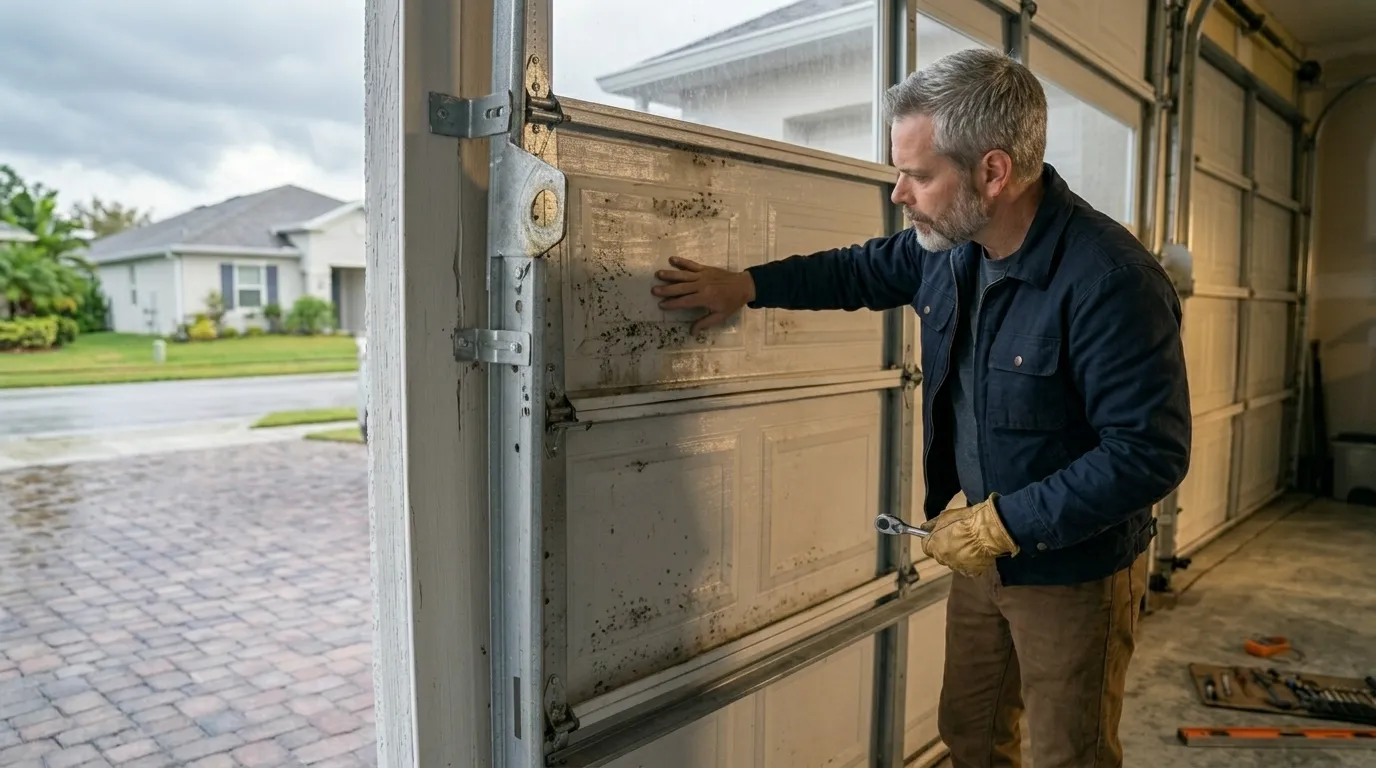
What You Are Seeing
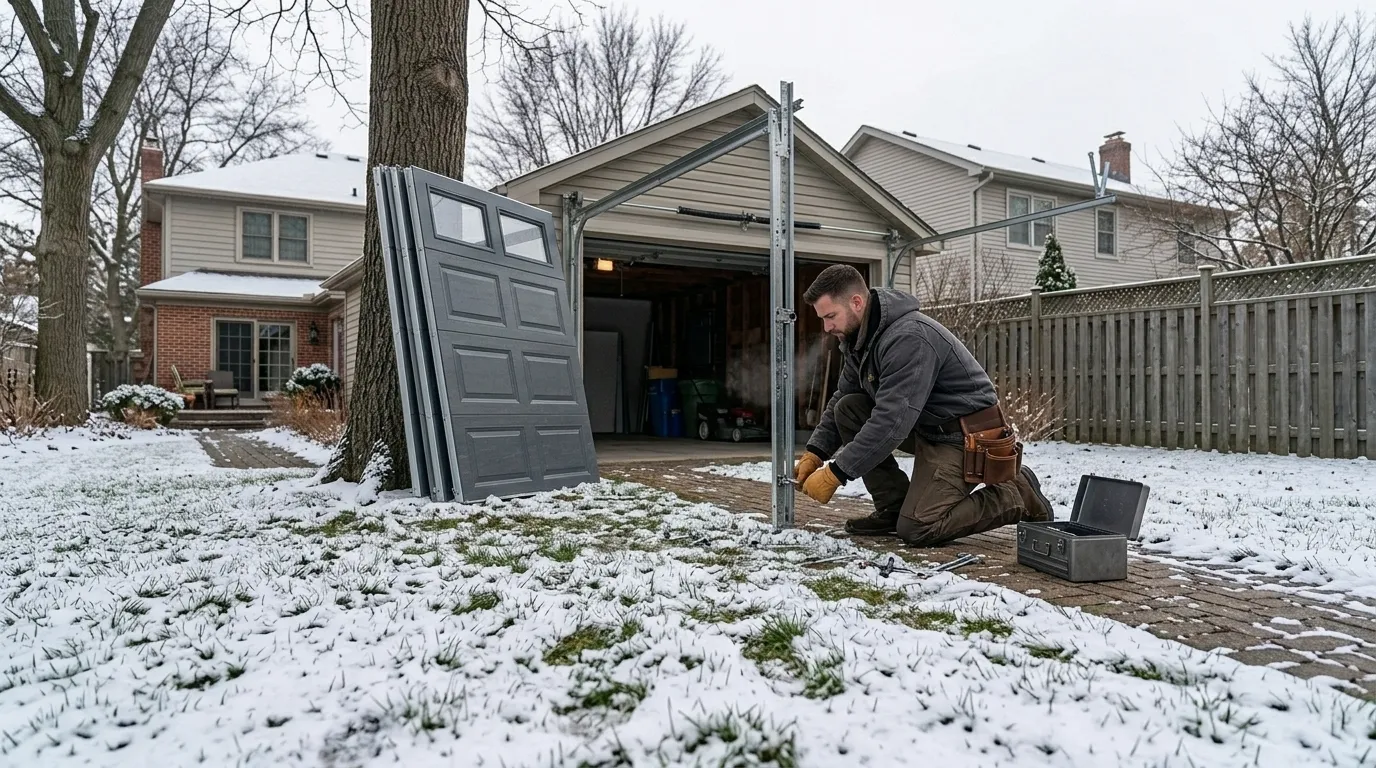
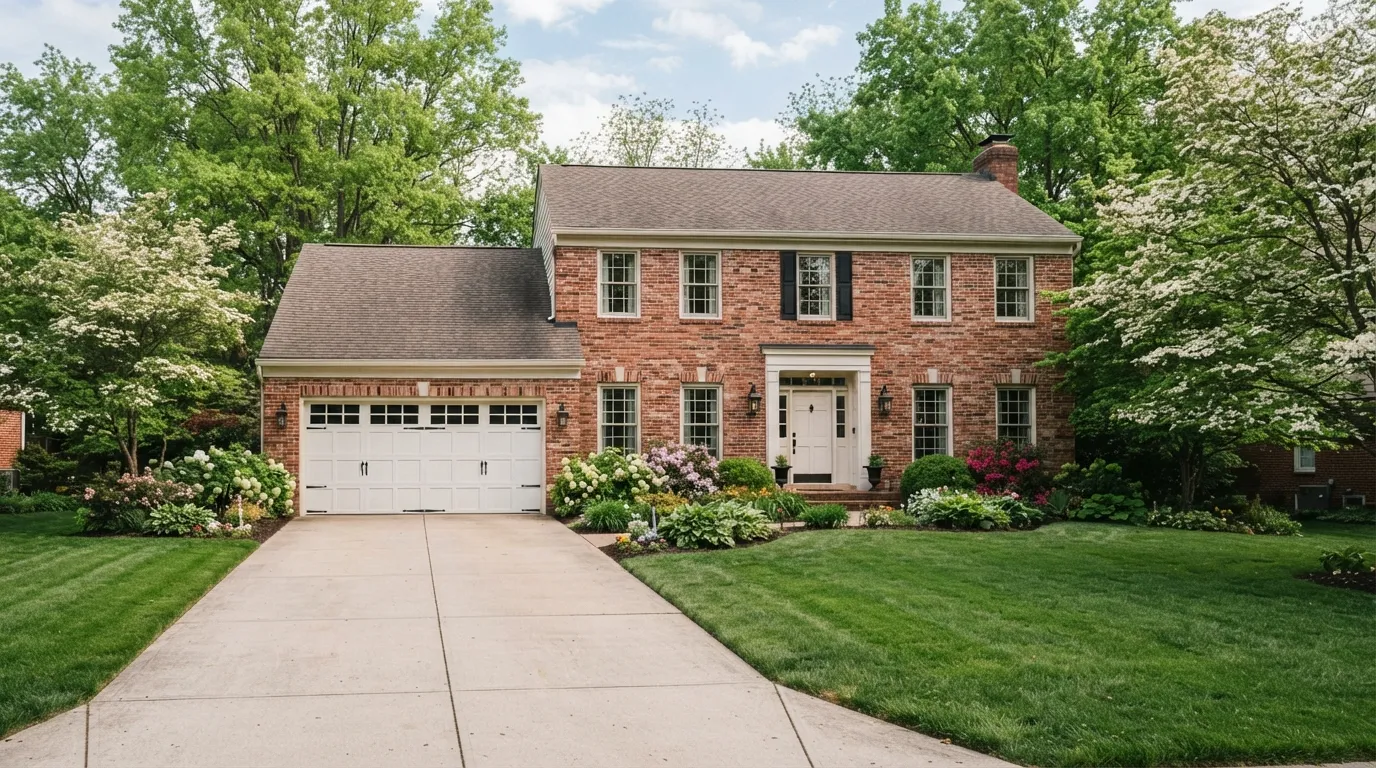
Weddington is a small town as these things go, around 4,282 households, which means the call volume here is nothing like a dense Charlotte suburb. It also means the housing stock is tighter and newer than a lot of what we cover out of Matthews. The area's median build year sits at 1998, well inside the broader service area's 1974-2006 build range, and most of that broader stock leans 1980s-90s construction. A town built mostly after that date has fewer of the oddball one-piece doors and side-mounted torsion setups that show up in older neighborhoods. What you're seeing instead are extension or torsion systems from the late 90s and 2000s builder-grade installs: steel sectional doors, standard-lift openers, factory hardware that was common enough to still get parts for. The failures we see out here are mechanical wear, not archaeology - a spring that's done its 10,000 cycles, a roller that's worn its track groove, a sensor knocked out of alignment. That's a different diagnostic starting point than a 1970s house, and it's why we don't treat every call the same before we've seen the door.
Why This Fails Locally
Builder-grade doors from the late 90s and 2000s were put up fast and specced to a price point, which means the springs and hinges on a lot of Weddington doors were never over-built for the door's own weight. Add a cold-moderate climate - real winter cold snaps, not extreme, but enough freeze-thaw cycling every year - and steel hardware fatigues on schedule rather than by accident. A torsion spring rated for a certain cycle count wears out closer to on-time in this kind of climate than it would somewhere with a flatter temperature curve. The other local factor is income and upkeep: Weddington's median household income runs near $196,159, well above the wider area's $88,203, and higher-income homeowners here tend to keep openers and doors under warranty service longer, then replace rather than nurse a marginal repair. That changes what kind of call we get - fewer patched-together doors held together with mismatched parts, more single-point failures on hardware that was otherwise sound.
The DIY Question
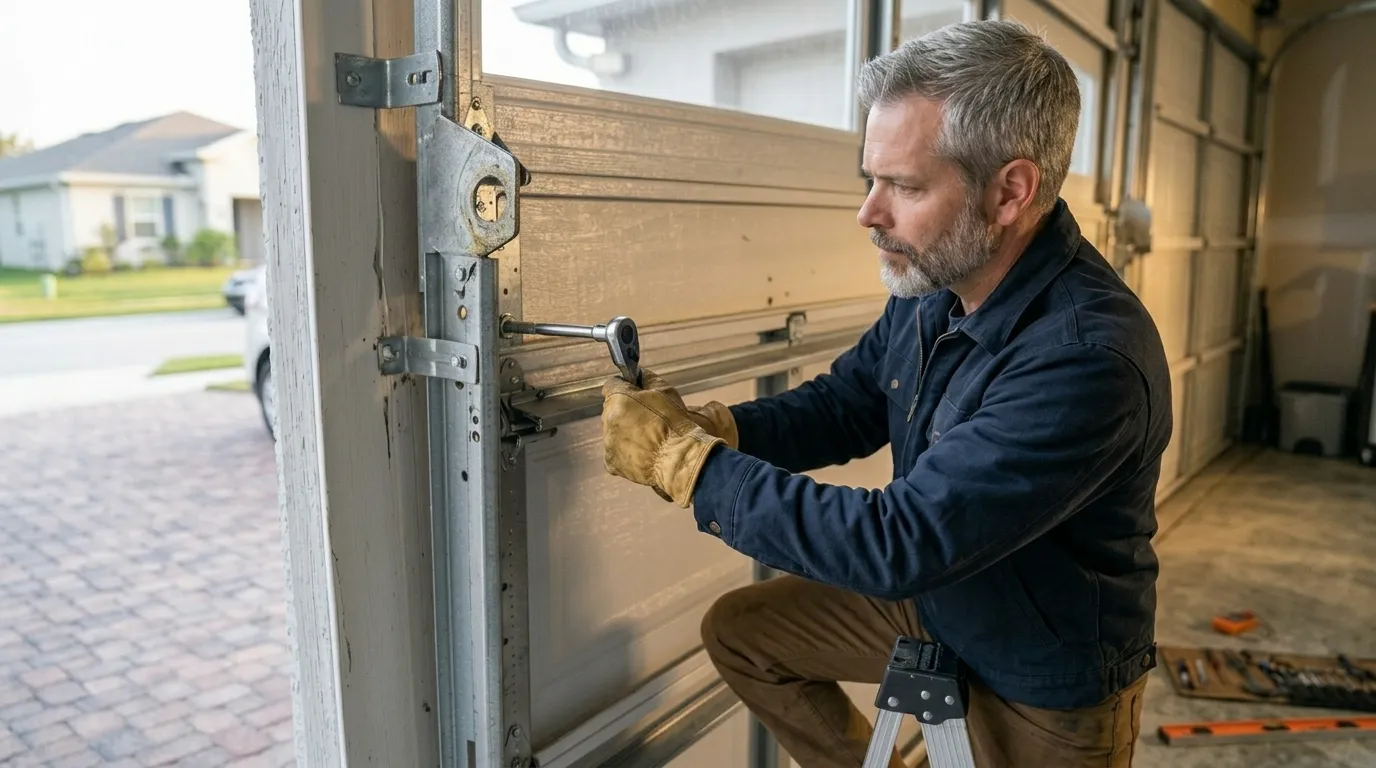
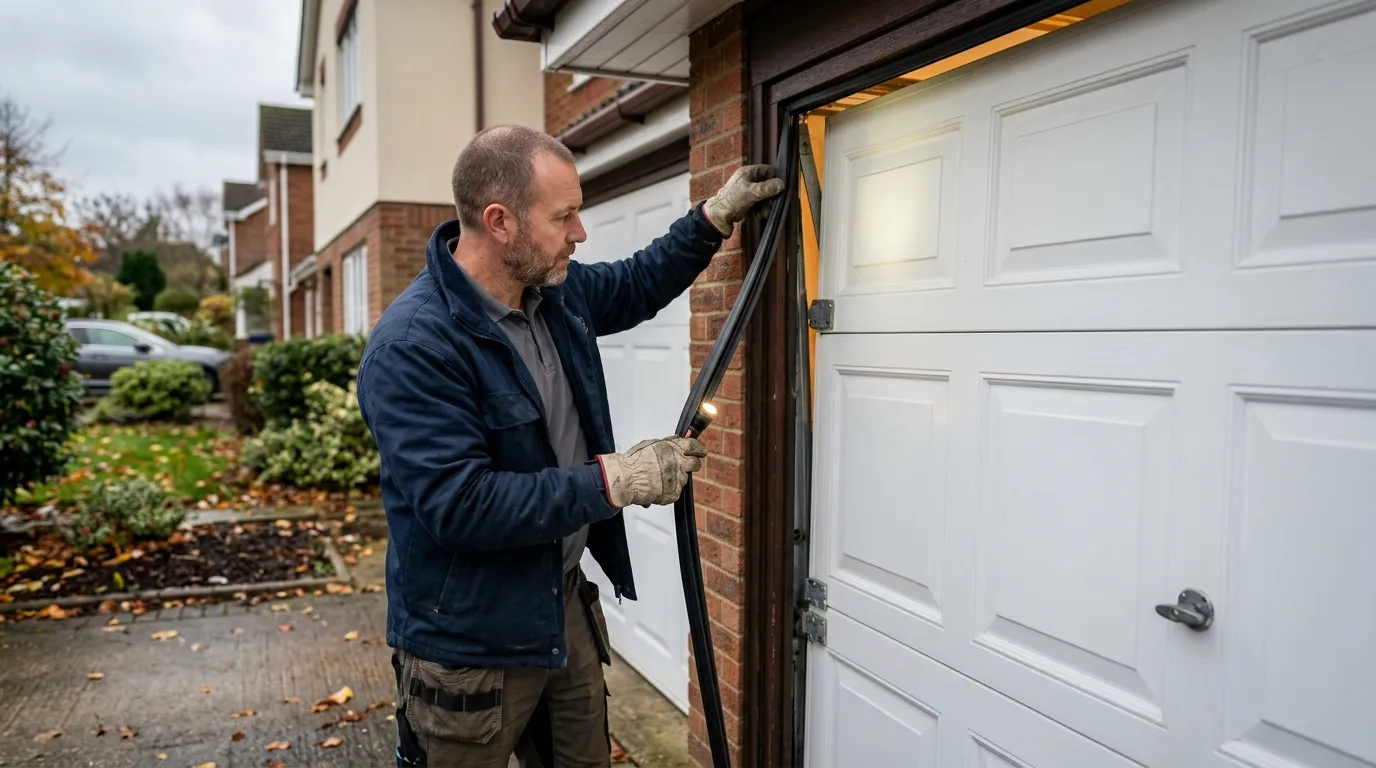
A torsion spring under load can put someone in the hospital, and that risk doesn't change because the house is newer or the town is smaller. Rollers, hinges, and weatherstripping are reasonable owner jobs if you're comfortable with a ladder and a wrench. Springs, cables, and anything involving the torsion bar are not - the mechanism doesn't care how new the door is. If your opener is cycling but the door won't move, that's very often a spring problem wearing an opener's clothes, and it's worth a call before you start pulling the opener apart.
What the Fix Involves
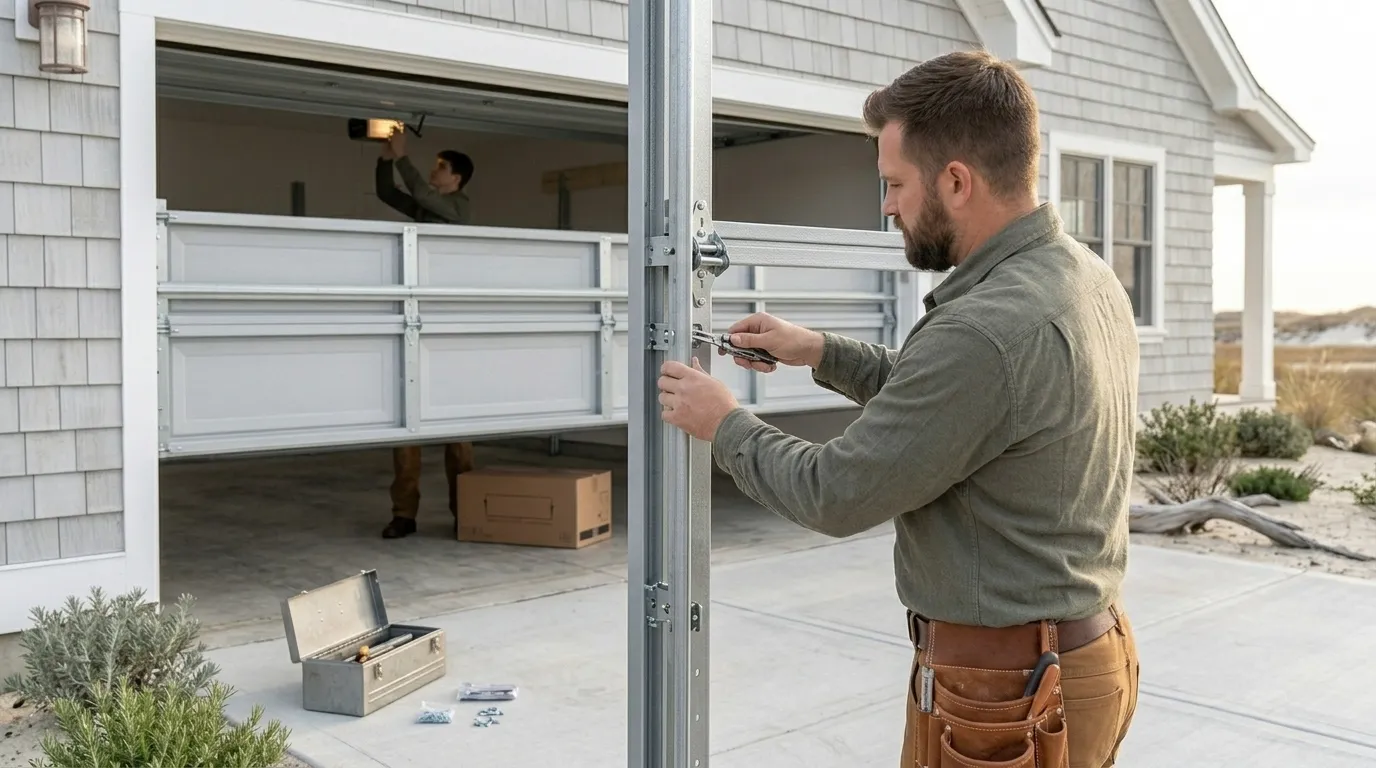
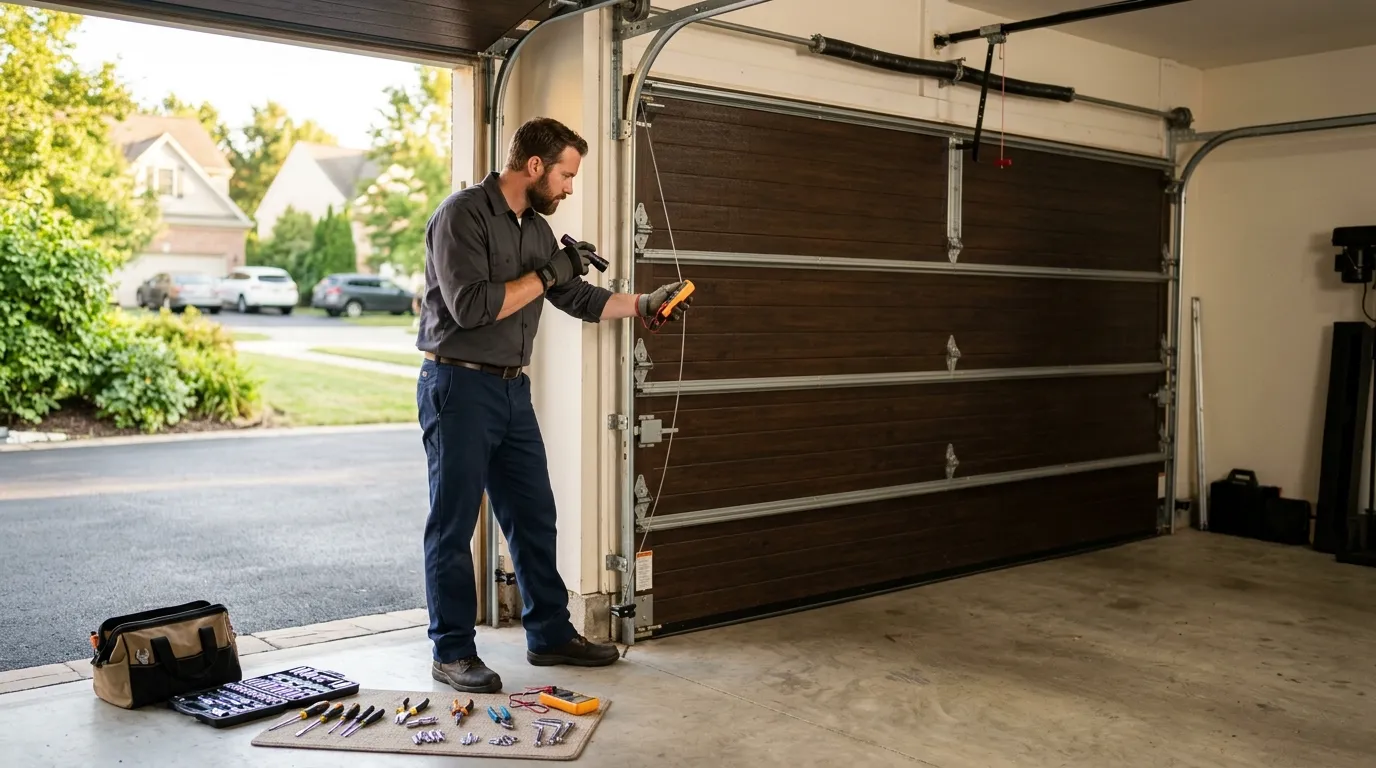
On a builder-grade door from this era, the fix usually starts with a full-cycle test: open, close, watch where it binds or hesitates. If it's a spring, we match the wind and wire gauge to the door weight rather than eyeballing it - a spring sized wrong is the most common reason a repair fails again within a year. If it's tracks or rollers, we check alignment against the jamb, since a door that's run slightly out of square wears its rollers unevenly over time regardless of age. We don't stock every obscure opener logic board on the truck, so if the fault is electronic on an older opener model, that part sometimes has to be ordered - that's the one place a repair here can take longer than the door work itself.