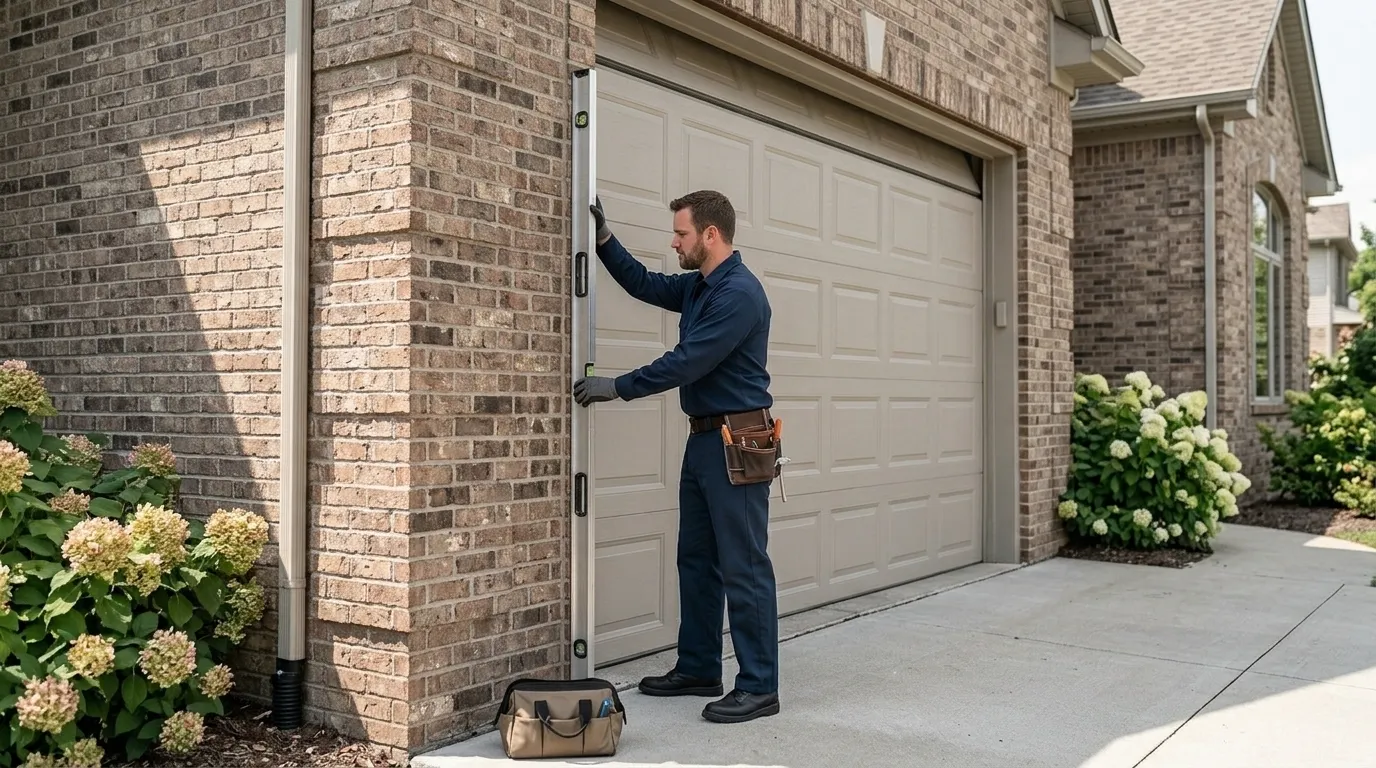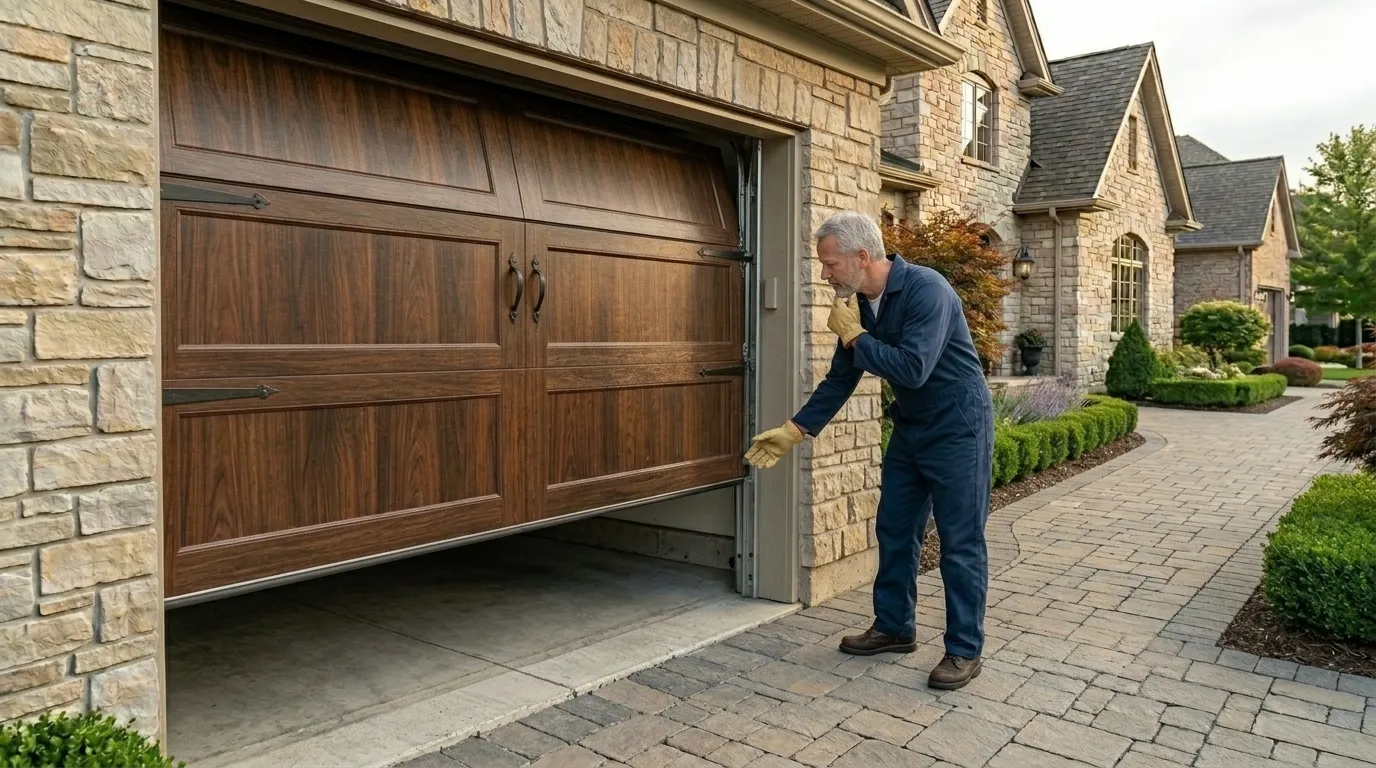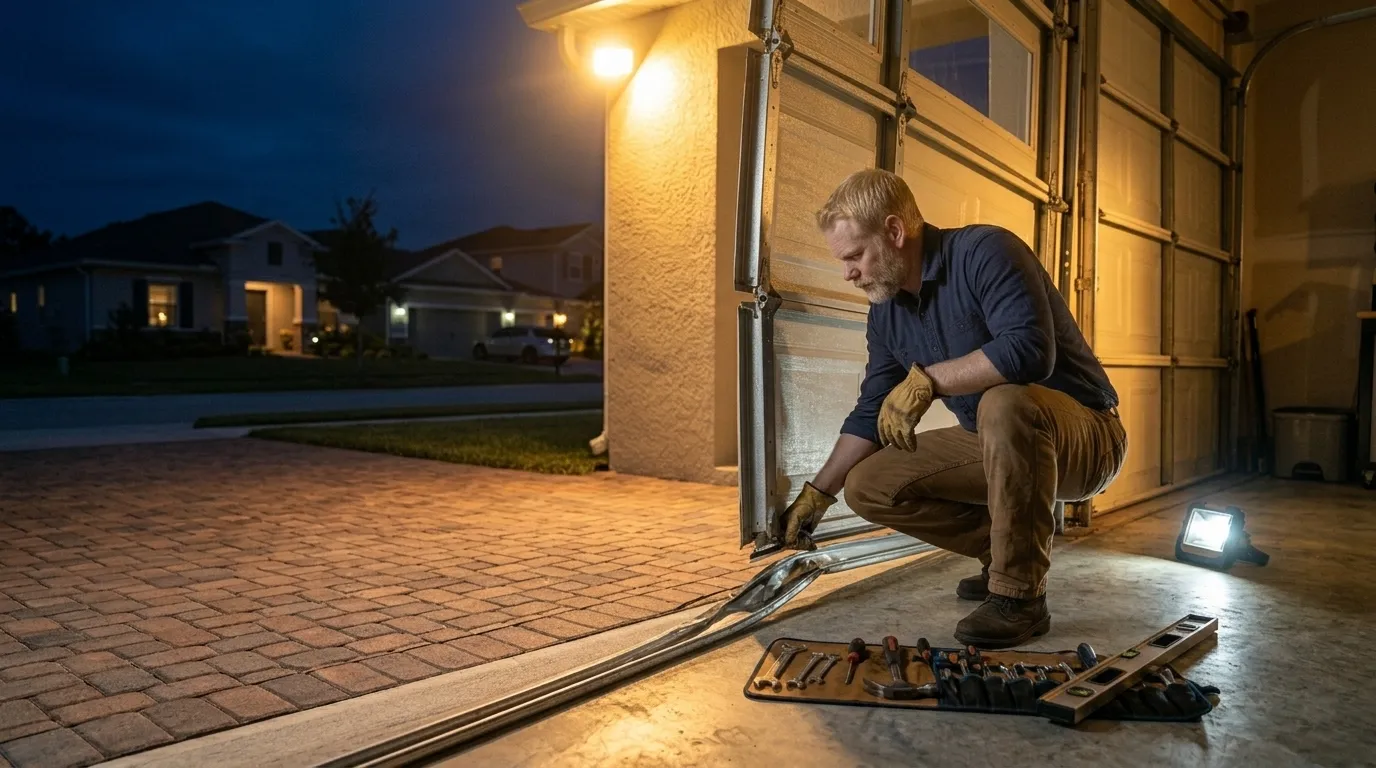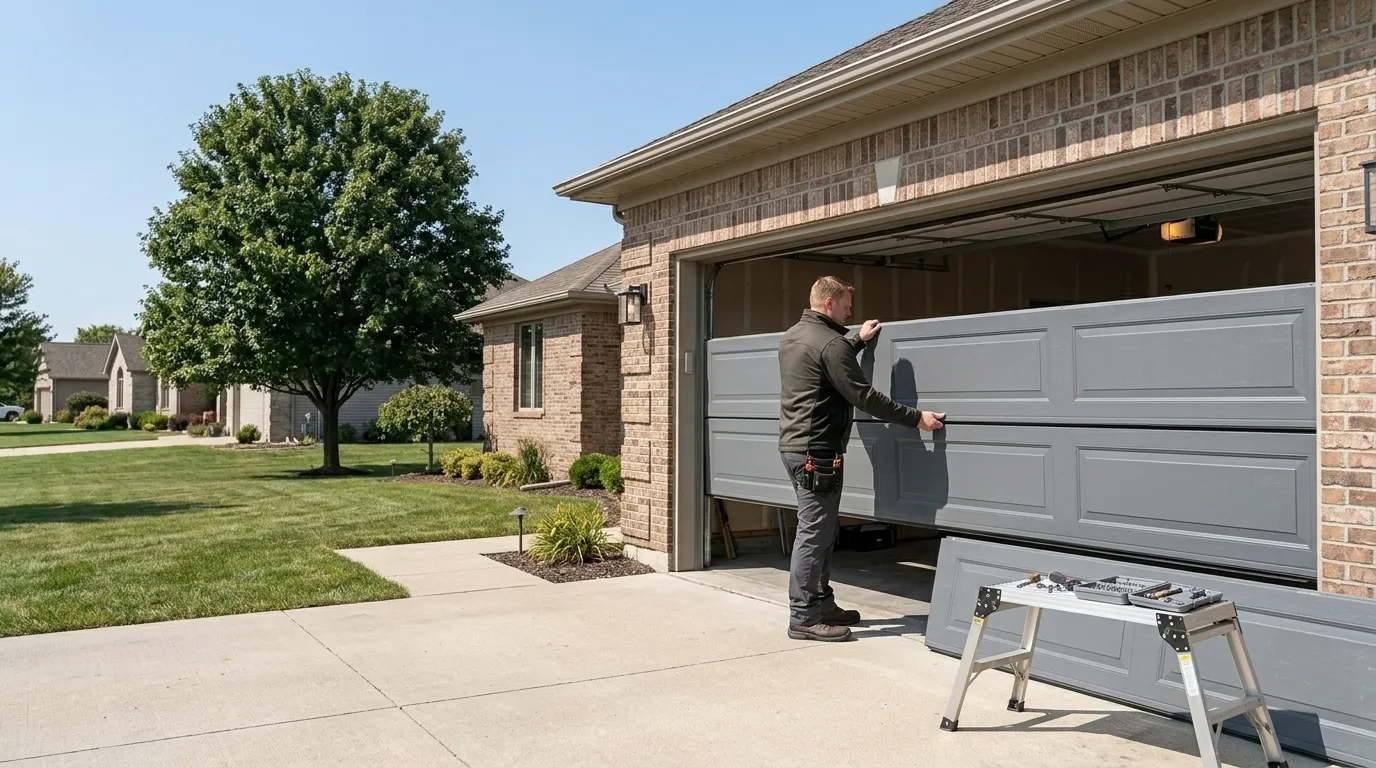
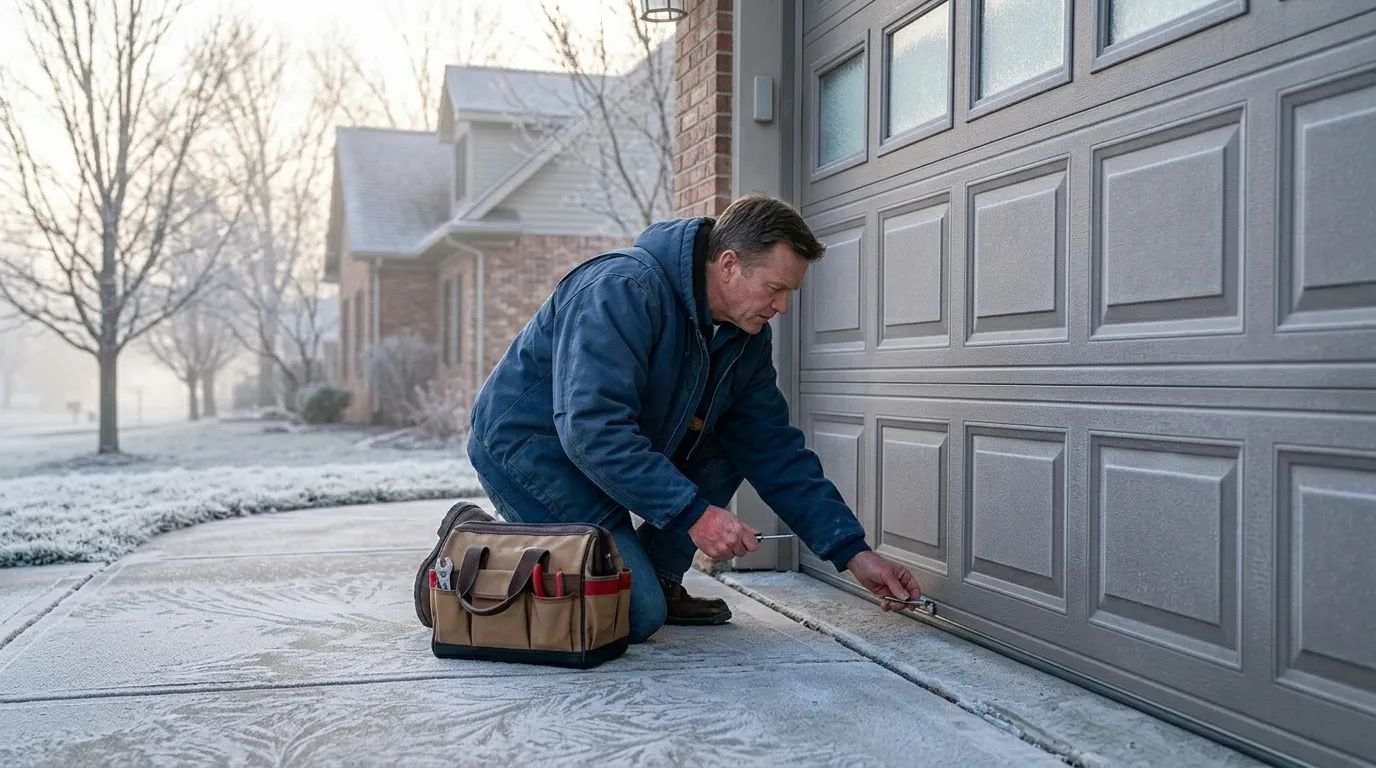
What You Are Seeing
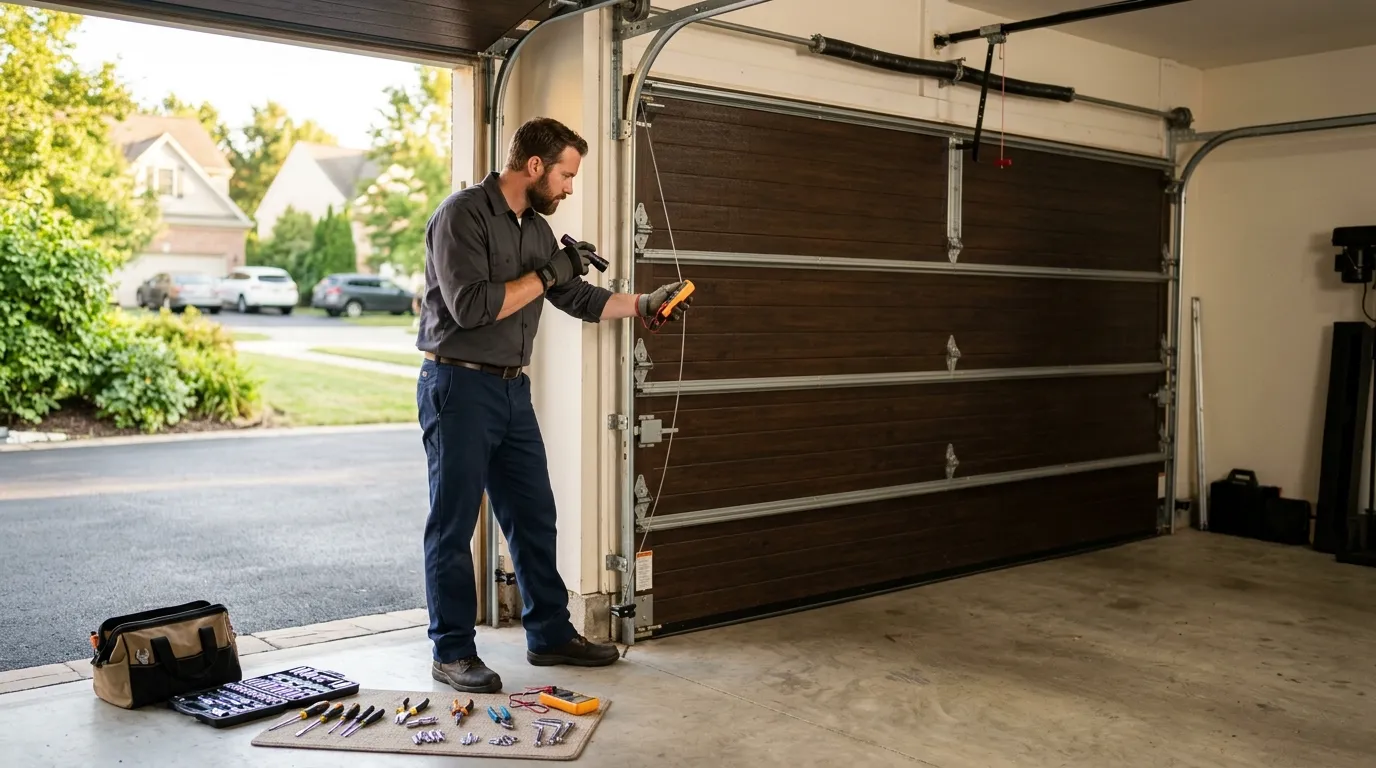
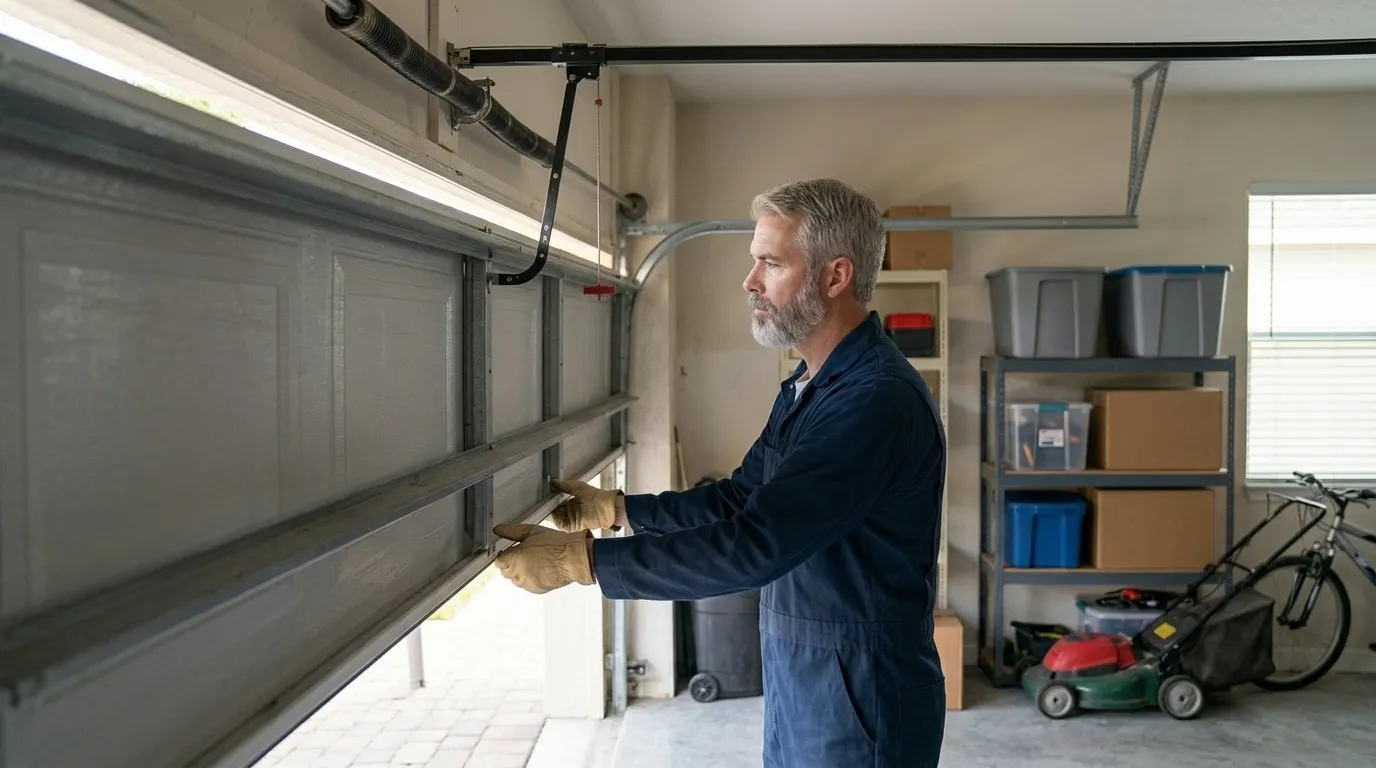
The door won't budge, or it opens six inches and stops, or you hear a bang from the garage and now the door sits crooked on one side. Sometimes it's the opener humming with no movement at all. These are the calls that come in at 6 a.m. before work or 9 p.m. on a weeknight, and they don't wait for business hours.
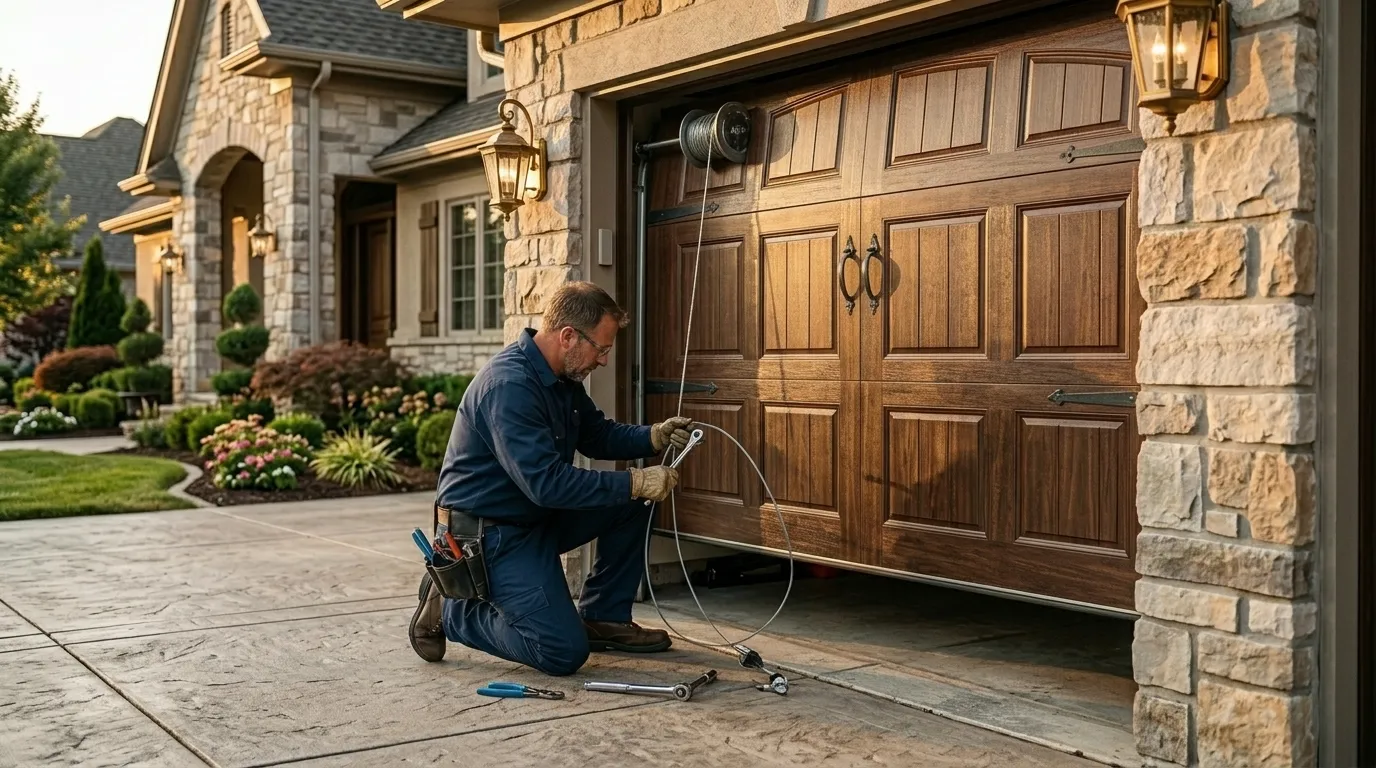
Most of what we see falls into a short list: a torsion spring that's let go, a cable that's frayed through and jumped the drum, a broken roller that's popped the panel off the track, or an opener whose gear or circuit board has finally quit after two decades of daily use. Across the service area - 64,855 households, with 44,306 of those owner-occupied houses - these failures follow the age of the housing stock closely. A door that's been opened twice a day for 25 years has cycled that spring somewhere north of 15,000 times, and steel fatigues whether or not anyone notices.
We don't guess over the phone. If you can tell us whether the door is stuck open, stuck shut, off track, or just silent, that alone tells us what's likely in the truck before we pull in the driveway.
Why This Fails Locally
Housing across this service area went up mostly between 1974 and 2006, with the median build year sitting around 1998, and the bulk of it - spanning 17 named areas - is 1980s and 90s construction. That means a huge share of the doors we're called out to are original equipment: torsion springs and chain-drive openers installed when the house was framed, never touched since except for a bulb change.
The climate here is cold-moderate, not brutal, but it swings enough through the year to matter. Steel torsion springs contract in cold snaps and expand back in the heat, and that repeated flex accelerates metal fatigue in a spring that's already near the end of its rated cycle count. A spring that might have another two years left in a mild, stable climate can go in a hard cold week here instead.
The honest limitation: we can't always tell you over the phone whether a 25-year-old spring failure is a $200 fix or the start of a full opener replacement, because openers from that era often fail in clusters - the spring goes, then the gear that was already worn out finishes the job trying to lift a dead-weight door. We diagnose on site before we quote.
What the Fix Involves
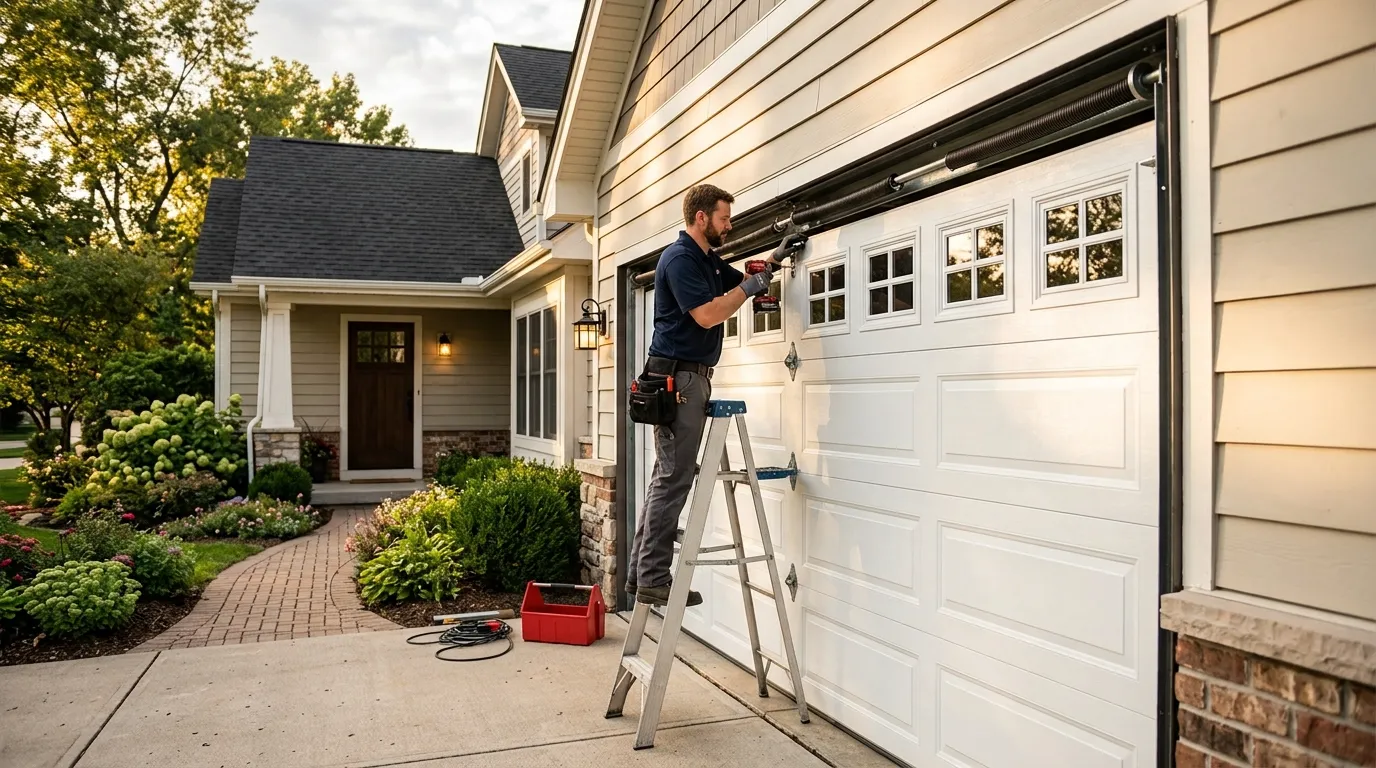
A snapped torsion spring gets replaced in pairs on most double doors, even if only one side broke - the other one is on the same clock and rarely worth leaving half-done. We match spring wire size and wind to the door weight, not just swap in whatever's closest, because an undersized spring fails again inside a year.
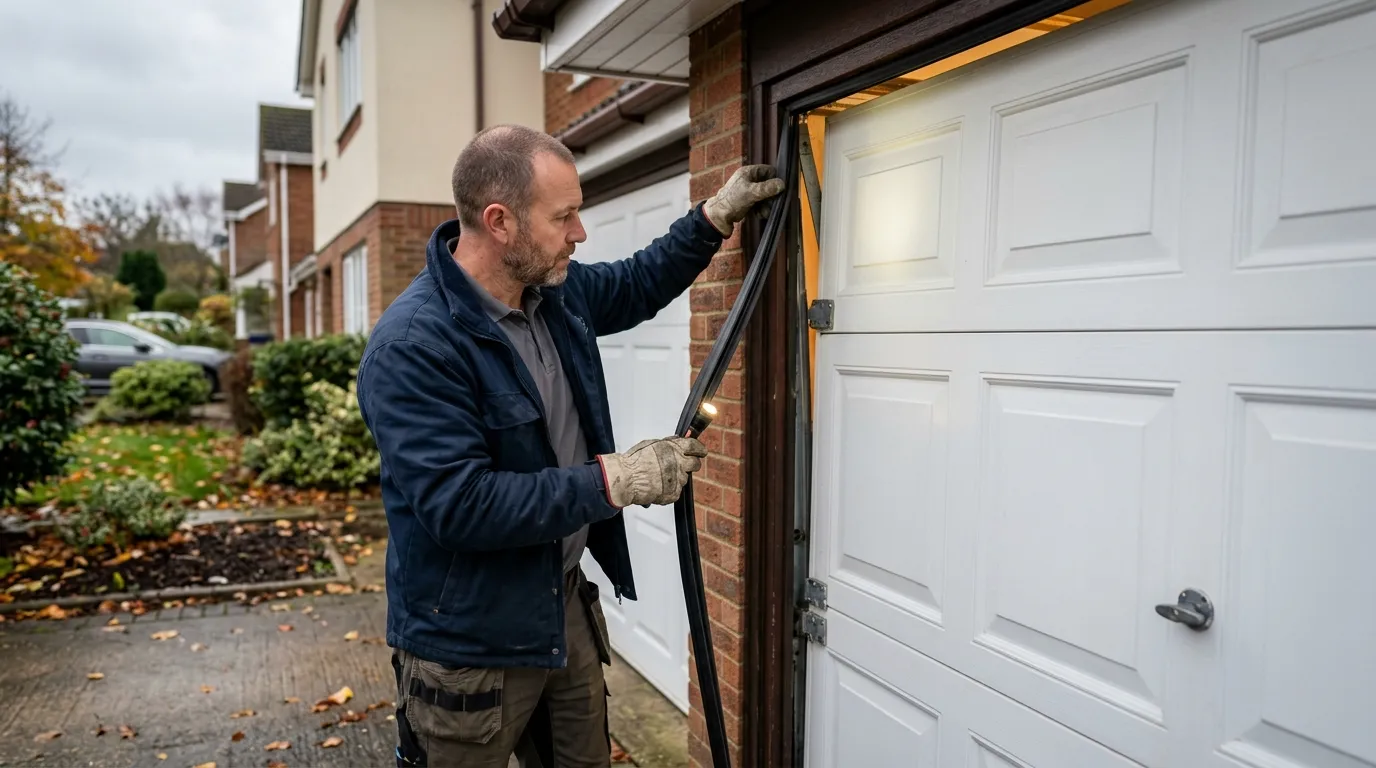
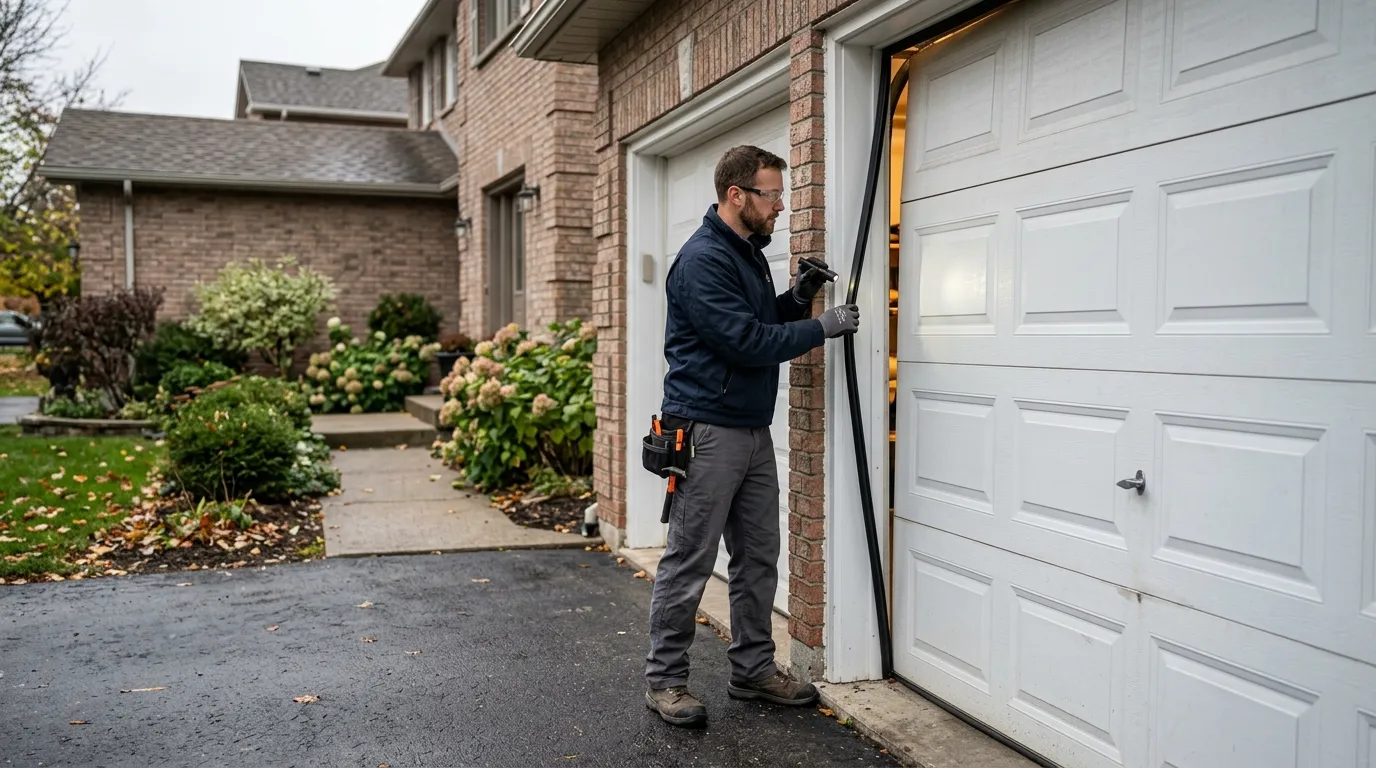
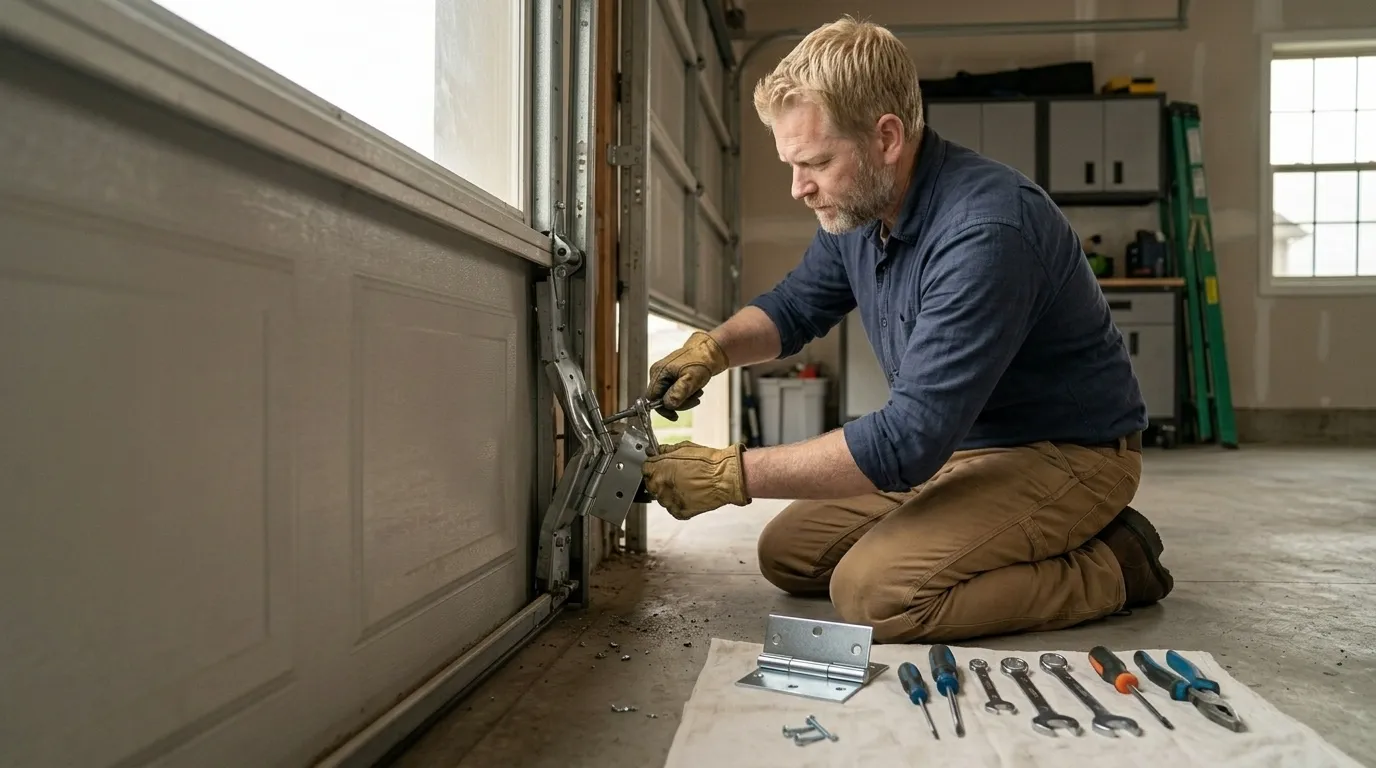
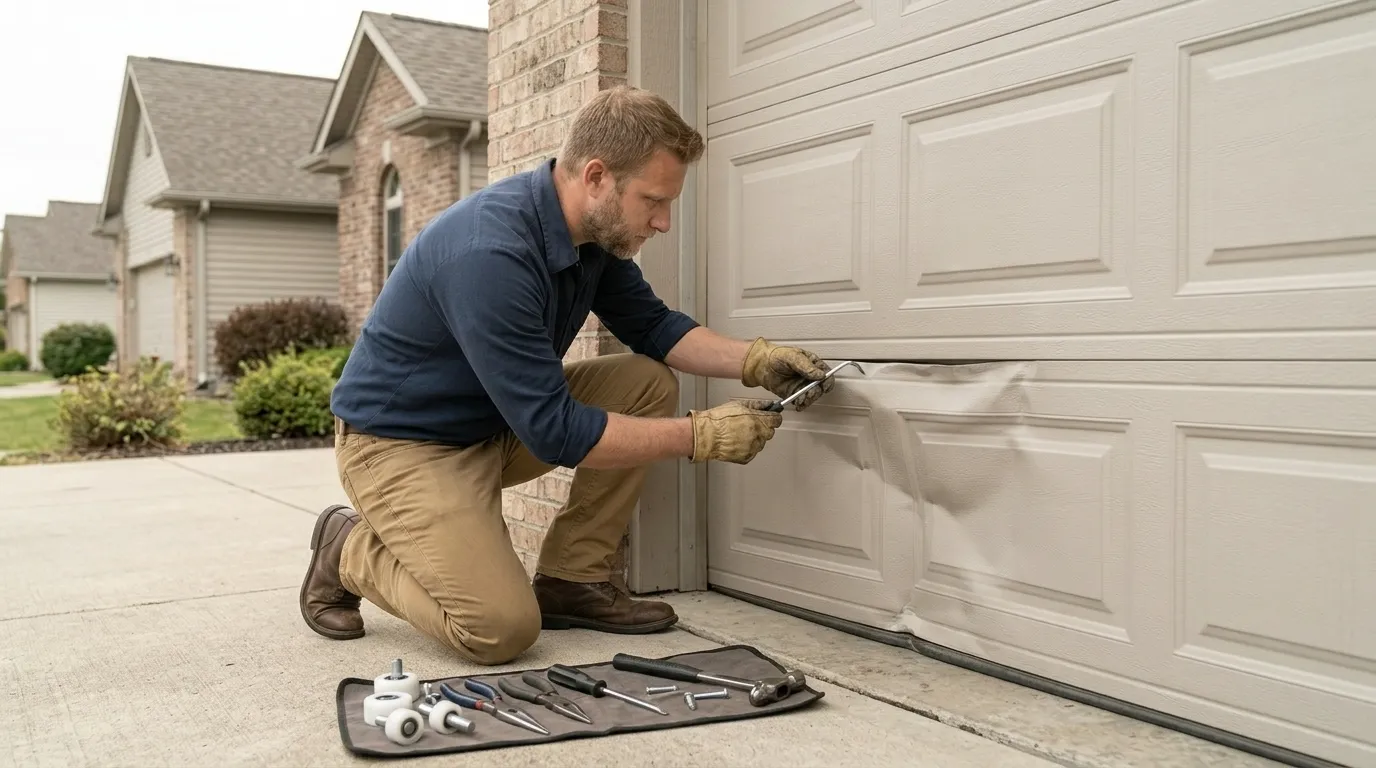
A cable that's jumped the drum usually means the drum and cable both get replaced together, along with a check of the bottom brackets, since a frayed cable is often a symptom of a roller or track problem upstream. Off-track doors get the panel reseated, the track checked for bends, and the rollers inspected - original 1980s and 90s steel rollers are usually the ones that finally give out and take a track with them.
Opener failures on units from that construction-era stock are a judgment call. If it's a worn gear or a bad capacitor, we replace the part. If the logic board is dead on an opener that old, replacement often costs less over time than chasing discontinued parts for a unit that's already outlived its expected service life. We'll lay out both numbers before you decide.