
Where This Job Goes Sideways
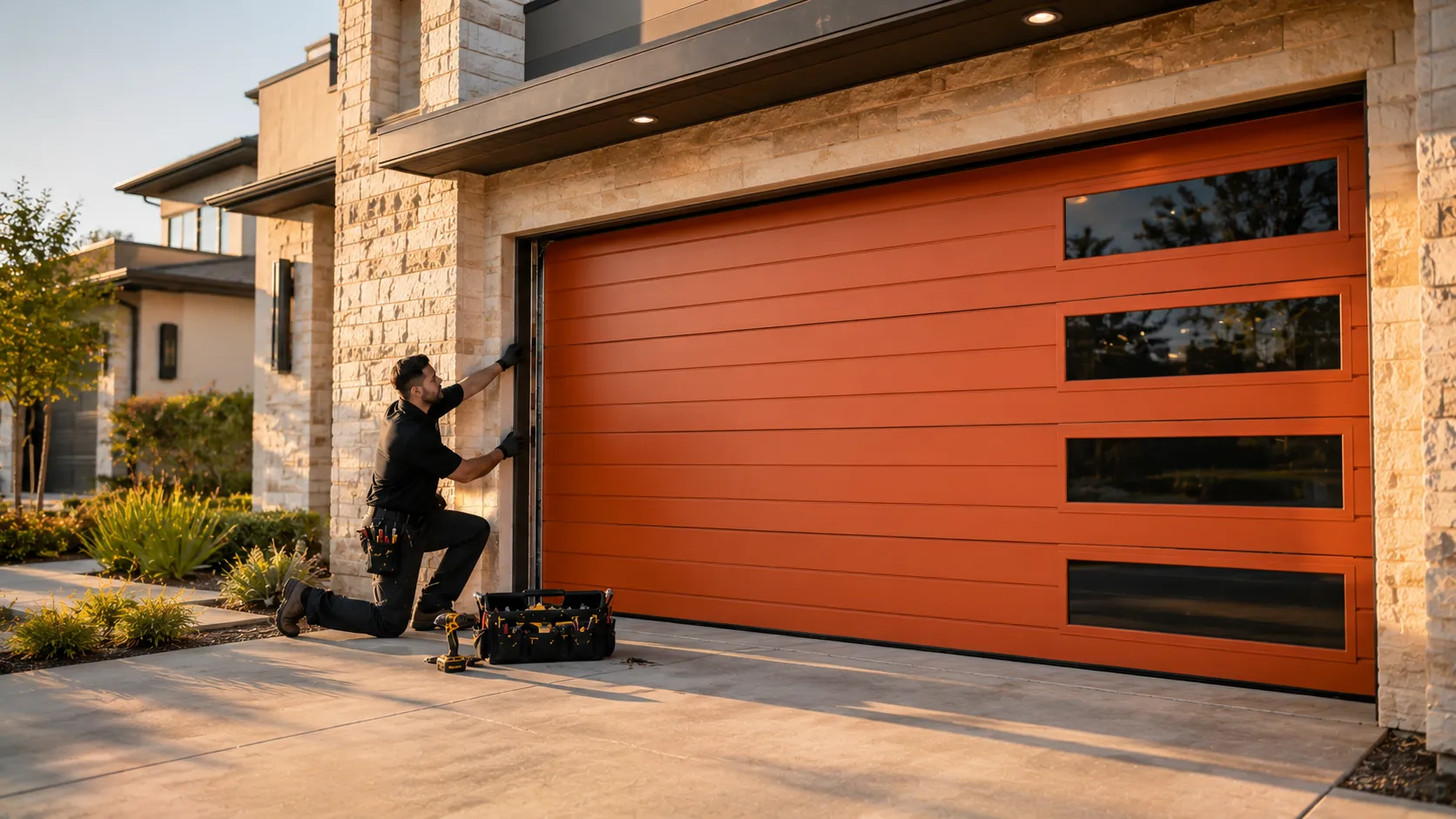
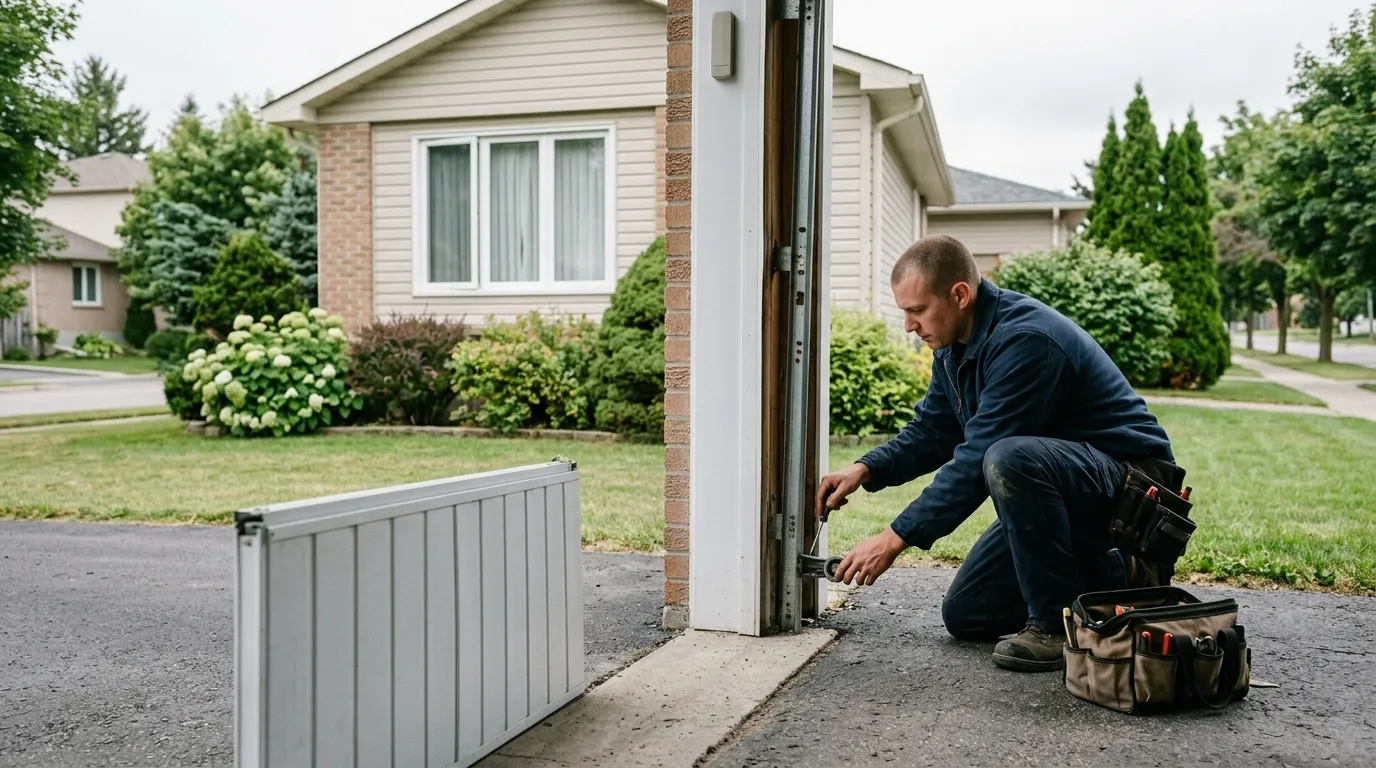
The typical Mint Hill house went up around 1991, which puts most garage doors here squarely in the builder-grade era: steel skin over a hollow frame, minimal or no insulation, and a torsion spring sized to lift the door and nothing more. Openers from that stretch were often 1/3-horsepower chain drives, some installed right around the years federal law started requiring photo-eye reversal sensors - which means a fair number of these setups predate that safety feature entirely and were retrofitted later, sometimes badly. Thirty-plus years in, the steel has usually held up fine. What hasn't held up is the spring cycle count, the bottom brackets, and in a lot of cases the weight balance itself, since replacement doors installed over the decades don't always match the spring that came with the house. Add the cold-moderate winters this part of the state gets and you get hardware that's tired in ways that don't show until the door is off track or the spring lets go. This is the job we see most: not a broken part in isolation, but an entire door-and-hardware system that was matched to 1991 and never rebalanced since.
Stocked Parts
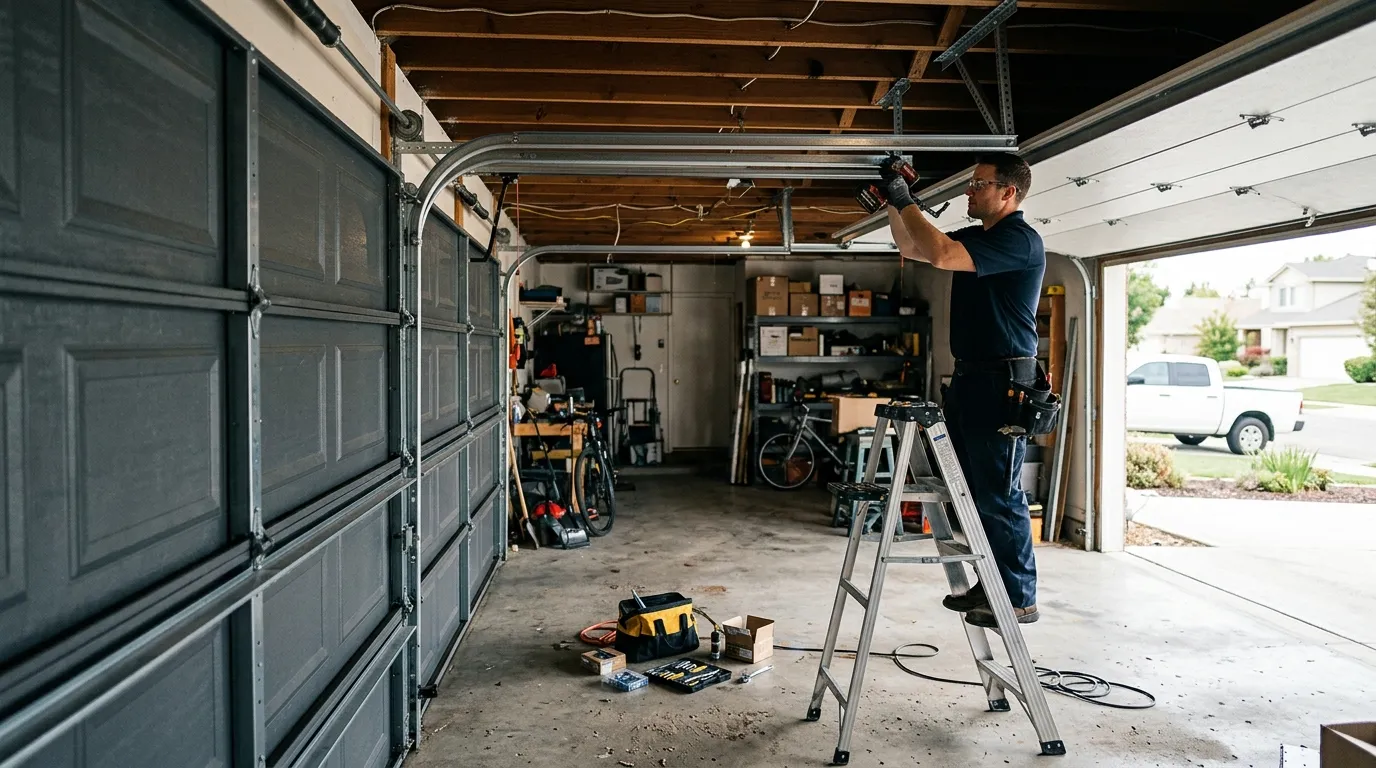
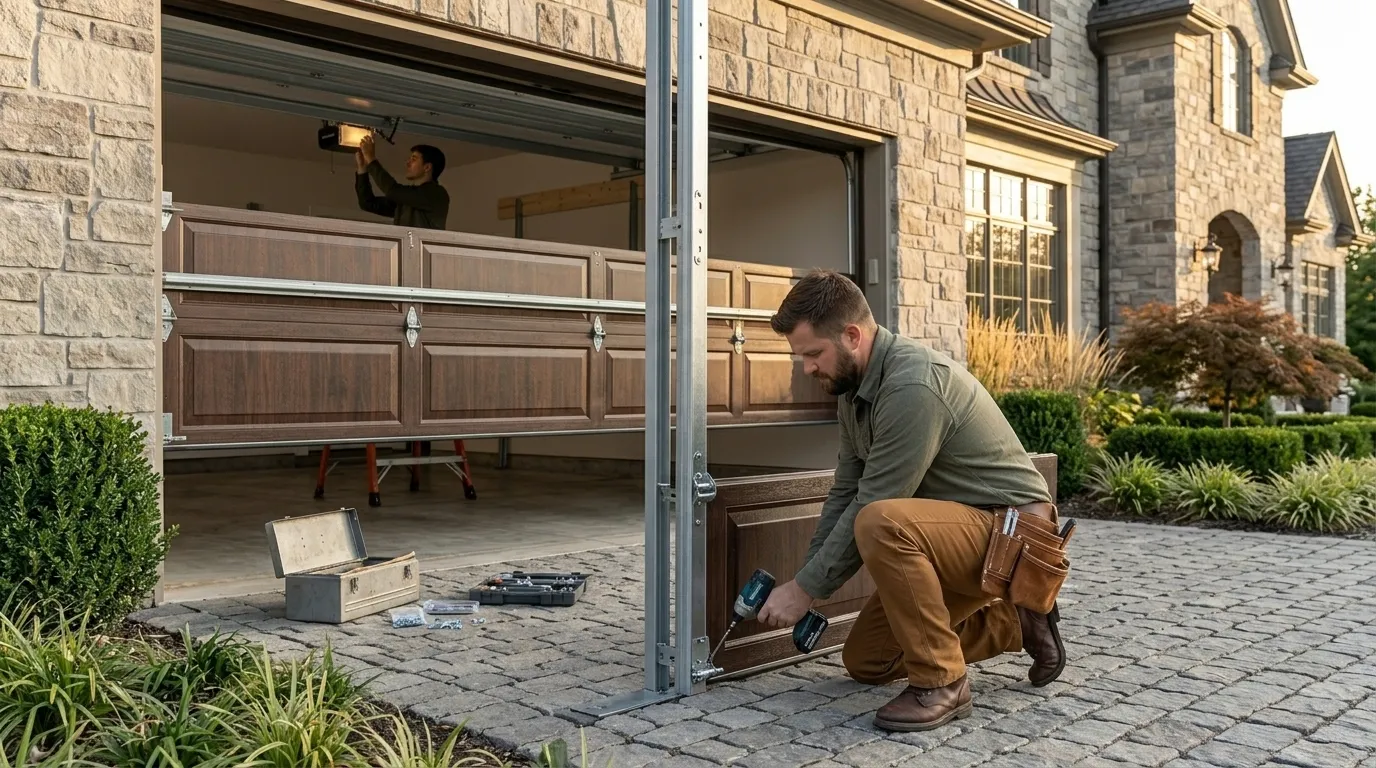
For a service area where most housing sits in that late-1980s-through-1990s band, we carry the torsion spring sizes, standard 2-inch track, and common opener drive systems that match what went into houses like Mint Hill's the first time around. Steel raised-panel doors in standard widths are stock items on the truck out of Matthews. Where it gets slower is anything custom to that era but not common - a nonstandard door width, a discontinued opener rail length, or specialty hardware some builders used for a run of a few years. Those parts get ordered, not pulled off the truck, and that's worth knowing up front rather than after the estimate. We won't tell you a part is in stock when it isn't just to close the job faster.
The DIY Question
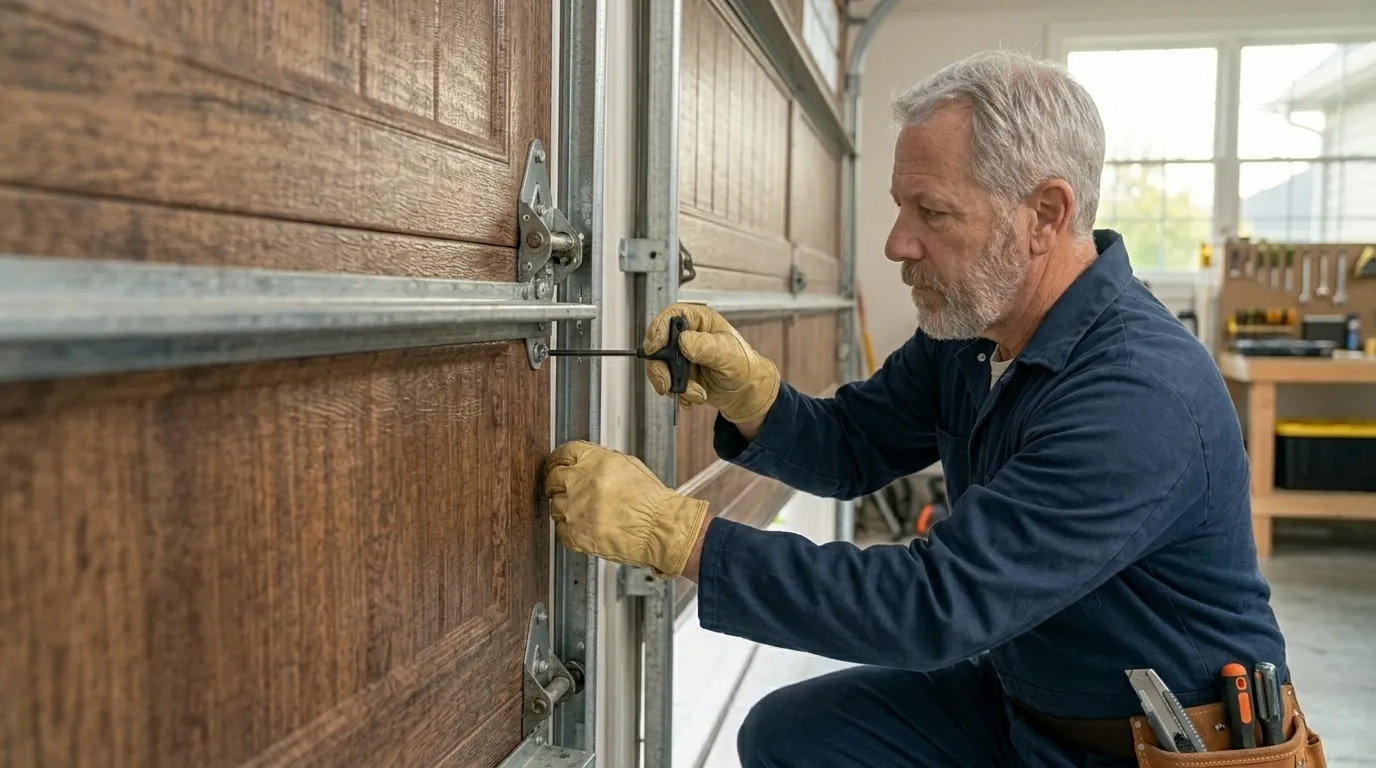
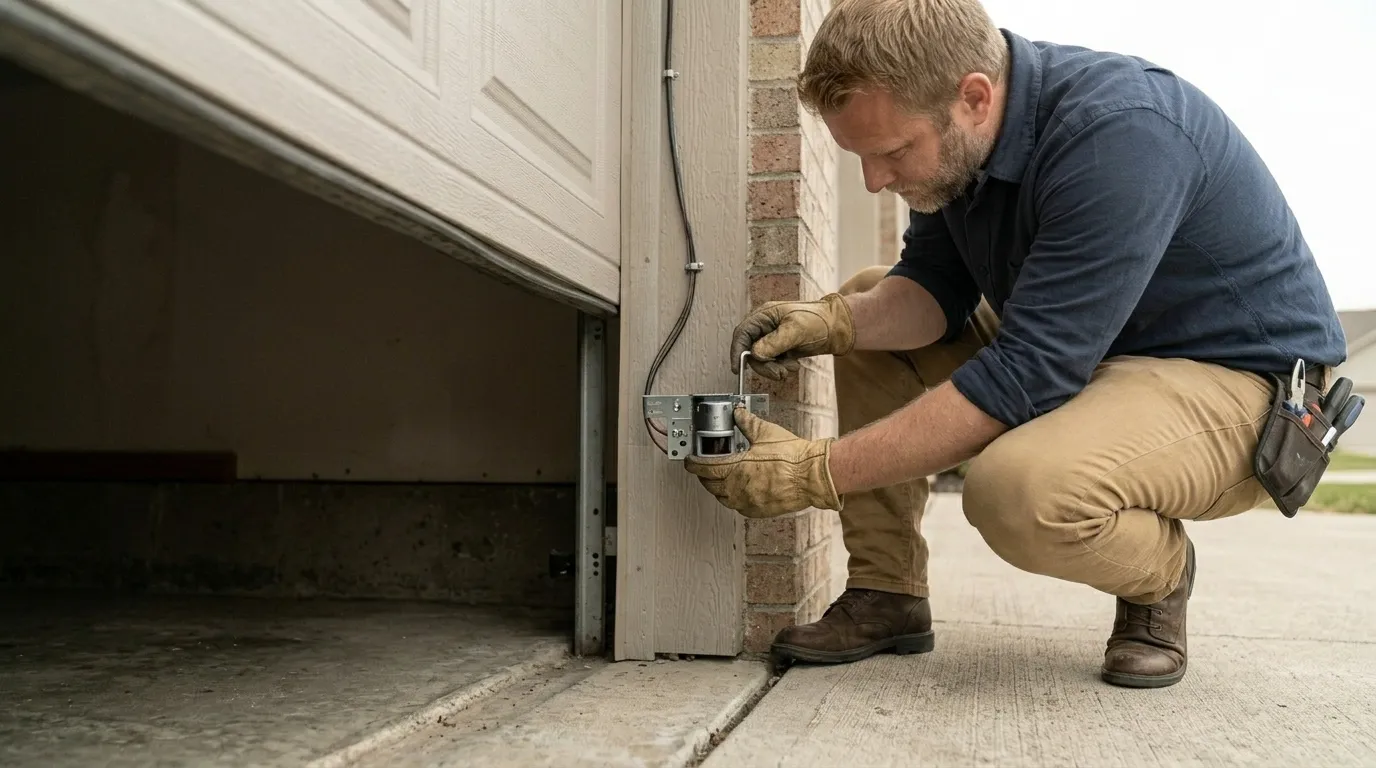
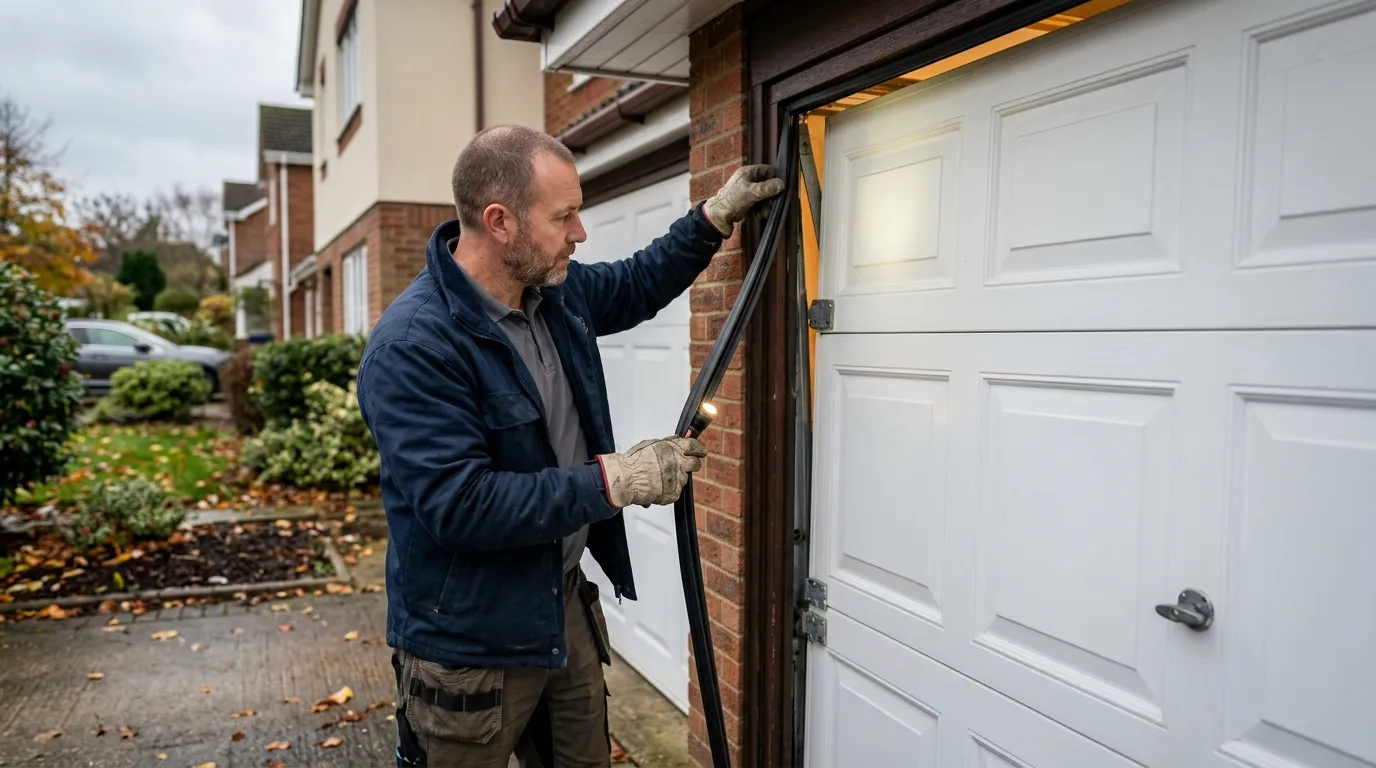
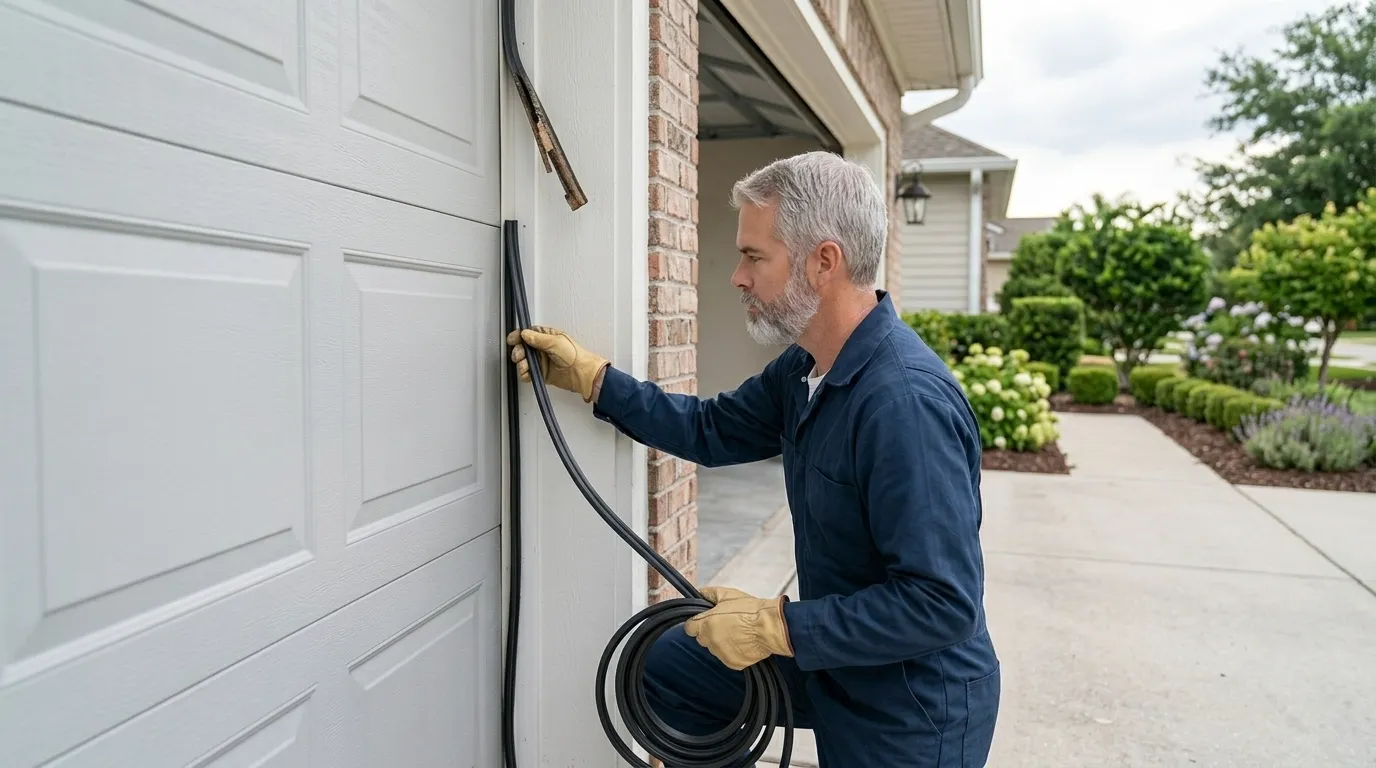
Weatherstripping, tightening loose hardware, lubricating rollers and hinges - a homeowner can do all of that safely on a Saturday. Torsion spring replacement is not on that list. A door sized for a 1990s build, with a spring that's been under tension for 30 years, can cause real injury if it's handled without the right bars and a clamp on the track. If your door is original to the house and you're not sure of its age or spring size, that's the point to call rather than guess. We'll say plainly when a repair isn't worth doing on a door this old - sometimes the honest number is a new door, not a patched one, and we'd rather tell you that up front than sell a repair that buys you six months.