
Where This Job Goes Sideways
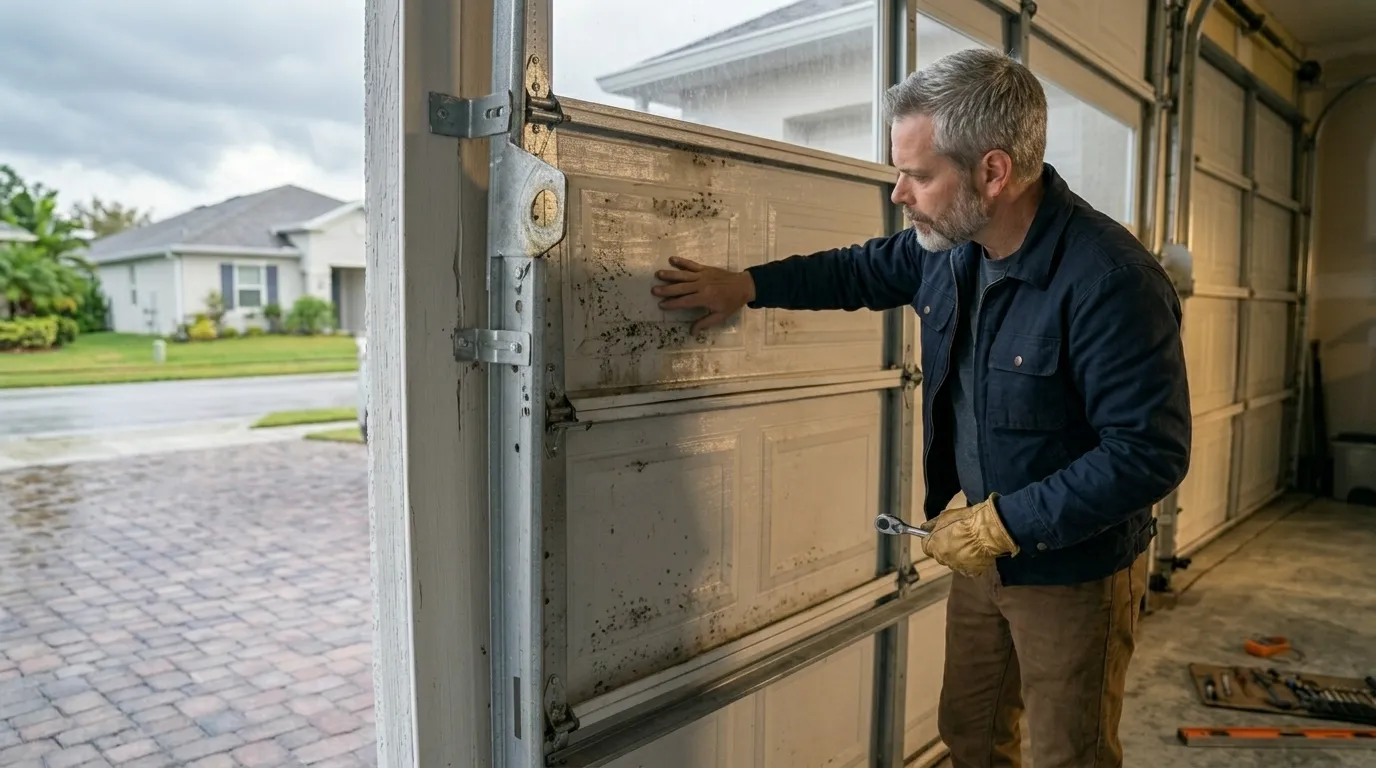
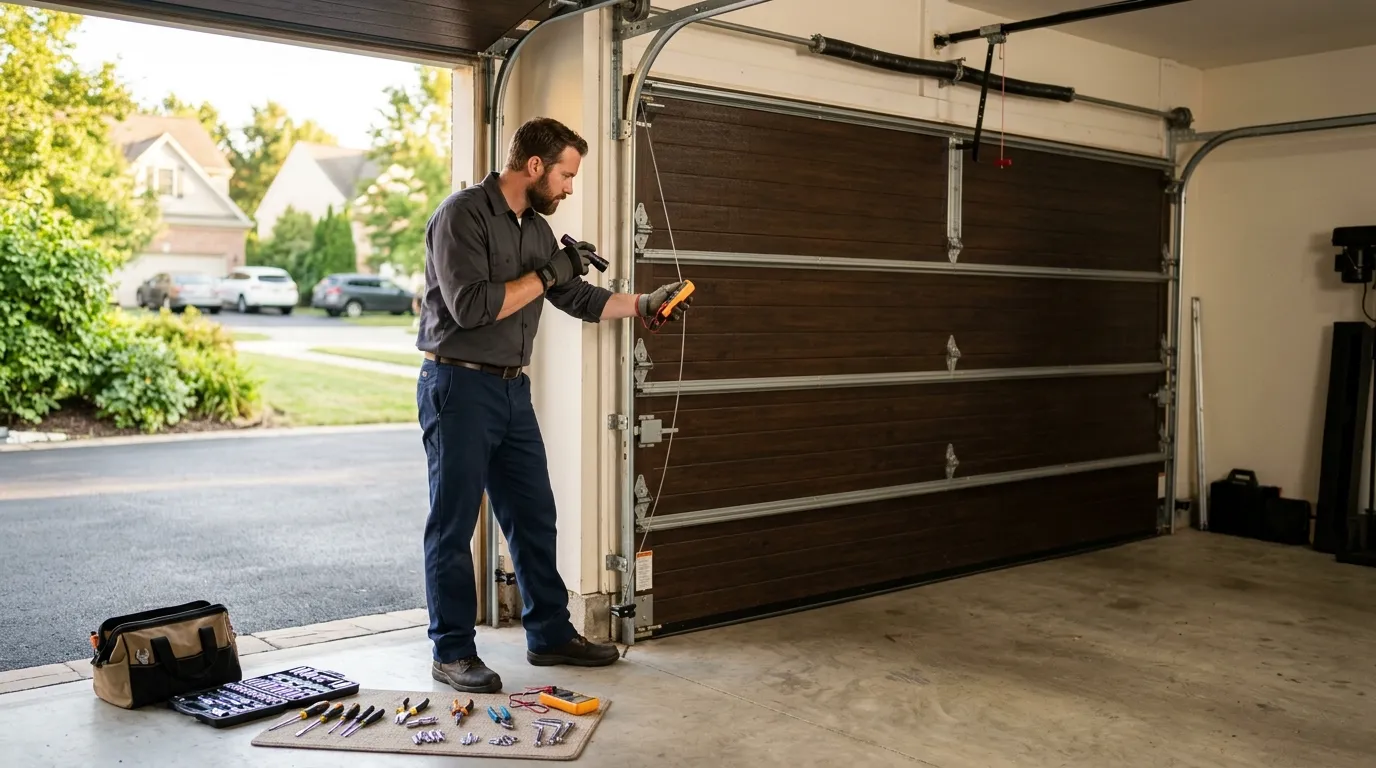
Mint Hill's median household income runs around $99,272, higher than the $88,203 median across the wider service area, and that number matters more than people think when a spring or opener quits. At that income level, a lot of owners default to replacing the whole unit the first time something breaks, because the cost of a new door doesn't feel like the setback it would be elsewhere. That's not always the right call. A house built around 1991, which is roughly the median build year here, usually still has serviceable steel hardware - tracks, hinges, and rollers that were built to last decades, not the thinner stock you see in some newer builds. The math changes when the opener itself is original to the house. A motor pushing past 30 years is working near the end of its expected life regardless of income bracket, and no amount of lubrication fixes worn gear teeth inside the housing. Where this actually goes sideways is when someone with a perfectly fixable spring assembly gets quoted a full replacement, or the reverse - someone patches a door whose opener logic board is already failing intermittently. The fix depends on which part is actually worn, not on what the house is worth.
Stocked Parts
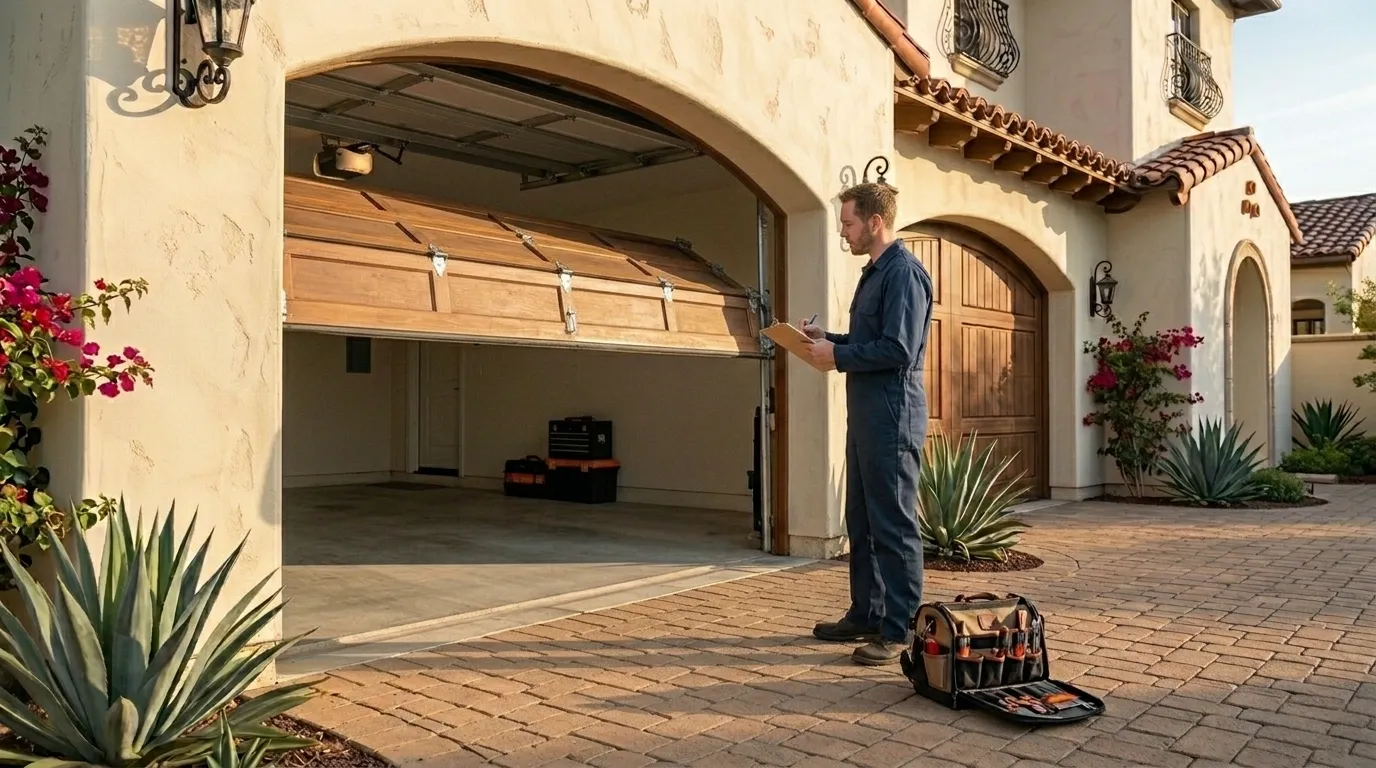
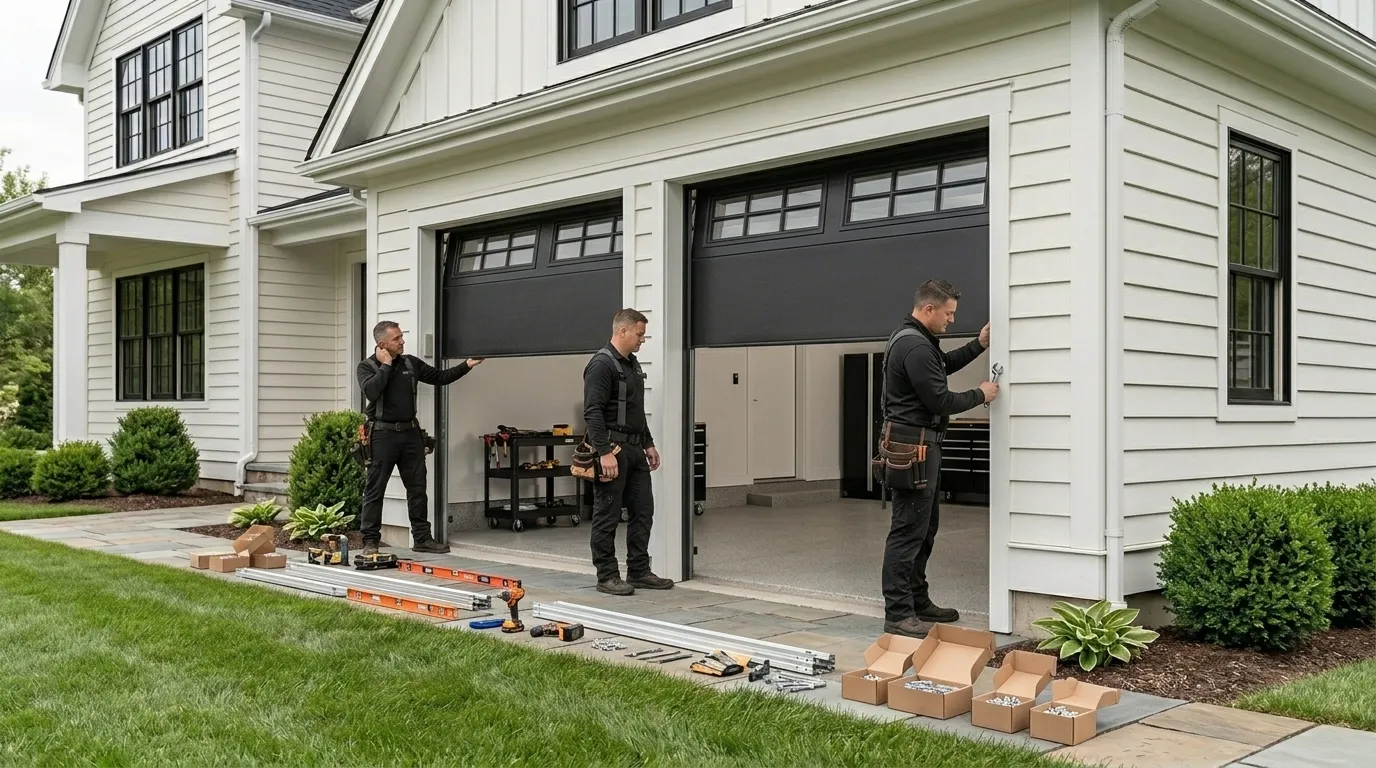
We come out from Matthews, about 5 miles away, and we carry the parts that match what's actually on the ground in Mint Hill: torsion springs sized for doors from the 1991-era stock, standard-lift cable, and roller and hinge sets that fit the hardware most of these houses shipped with. With roughly 10,194 households in Mint Hill, the housing stock leans consistent rather than scattered, which means we're not guessing at spring wire diameter or drum size when we show up - it's a narrower range of doors than you'd find in a town with a wider mix of build decades. What we don't carry on the truck is anything custom: specialty insulated panels, oddball opener logic boards for discontinued models, or parts for doors that have already been modified with aftermarket hardware. Those get ordered, and that's the honest limitation here - if your door needs a part outside the common range, you're looking at a return trip, not a same-visit fix.
The DIY Question
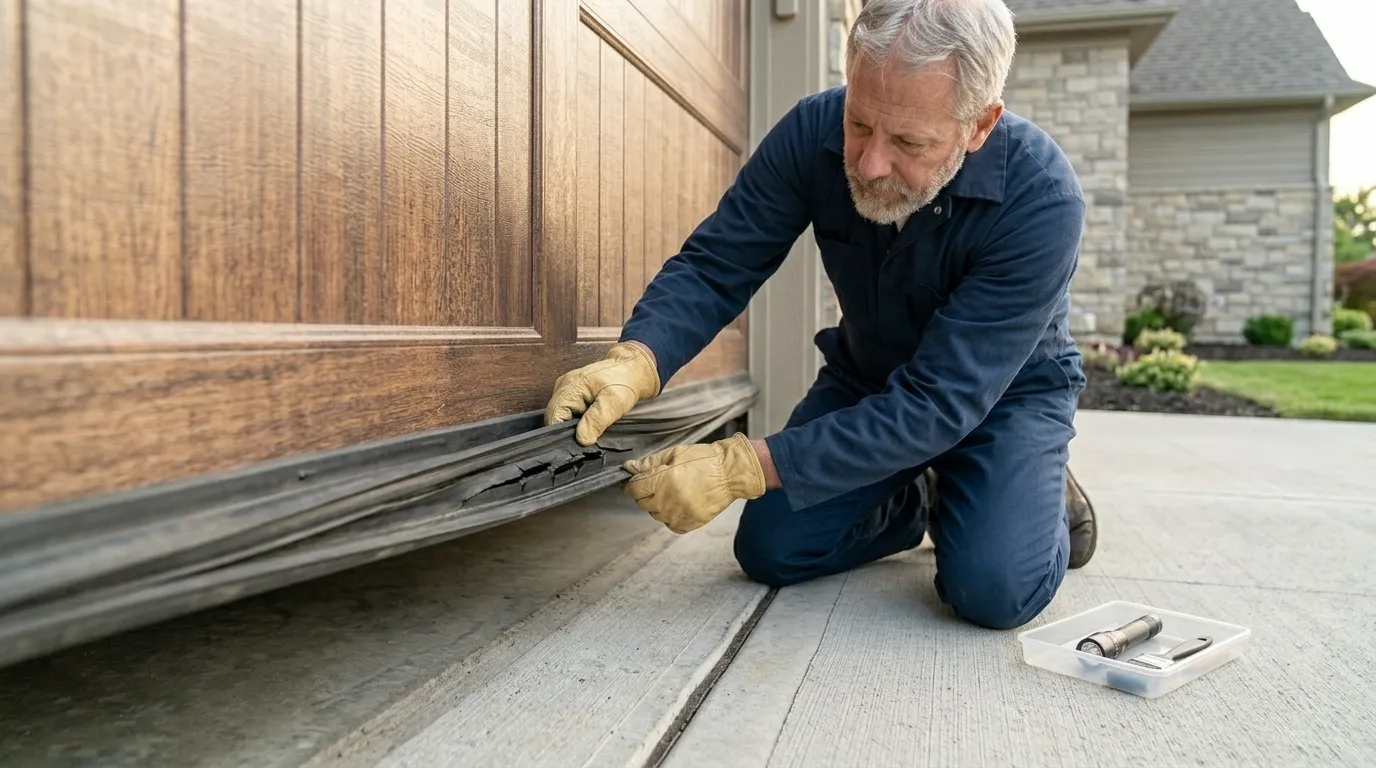
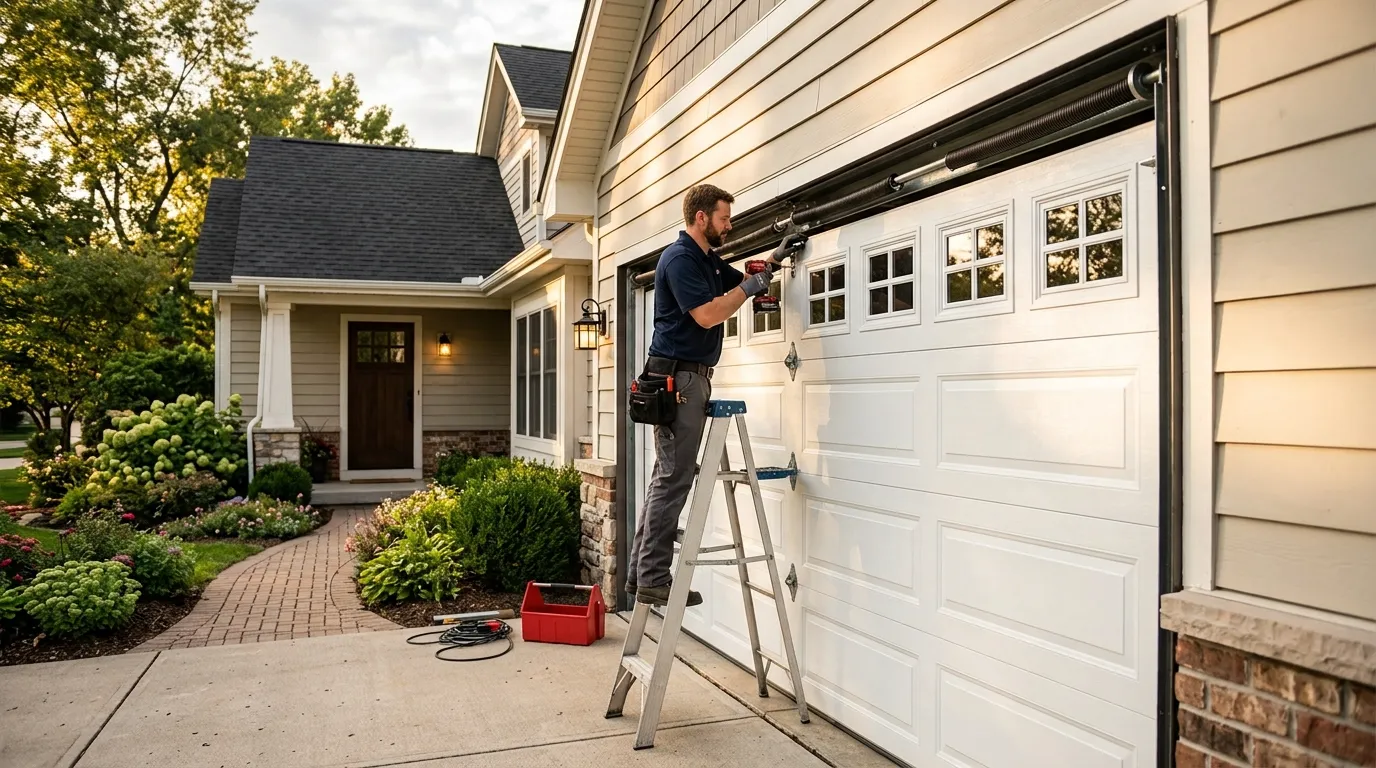
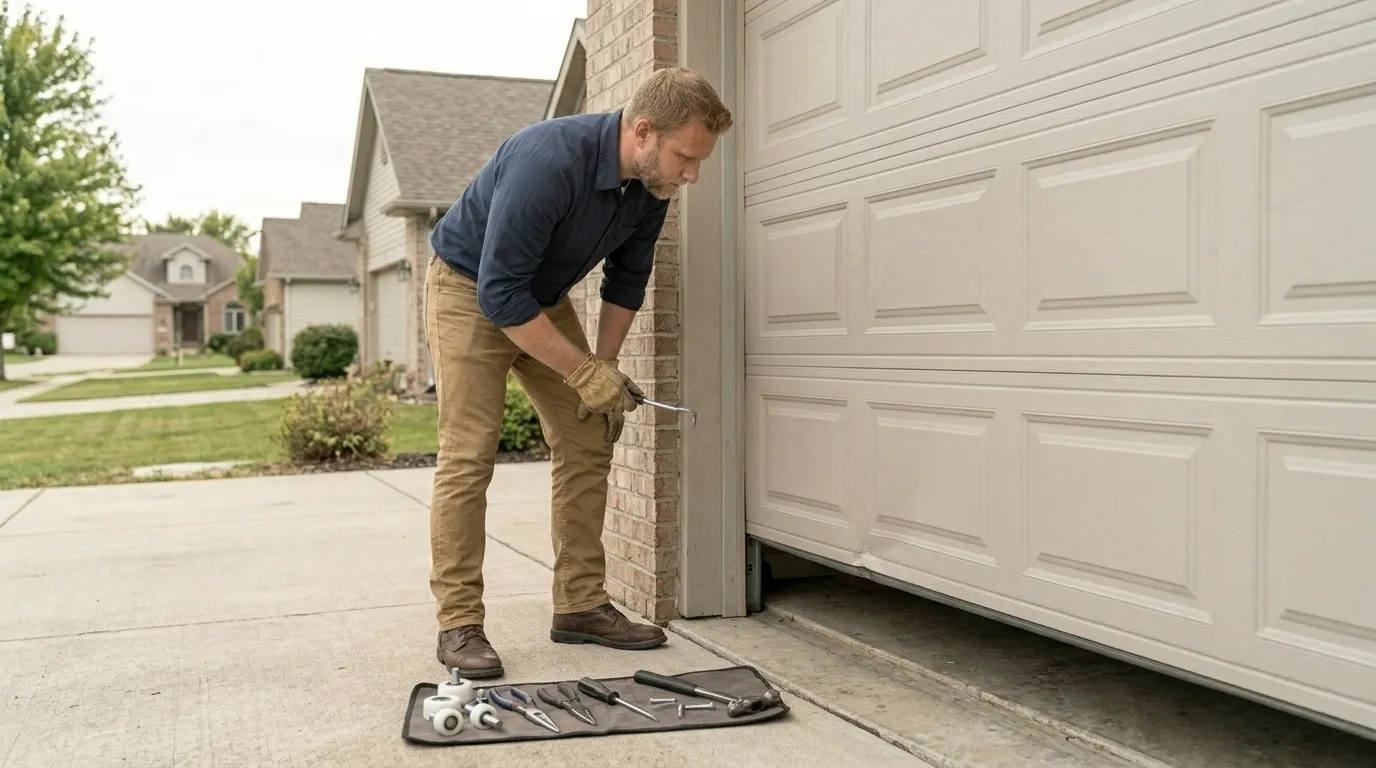
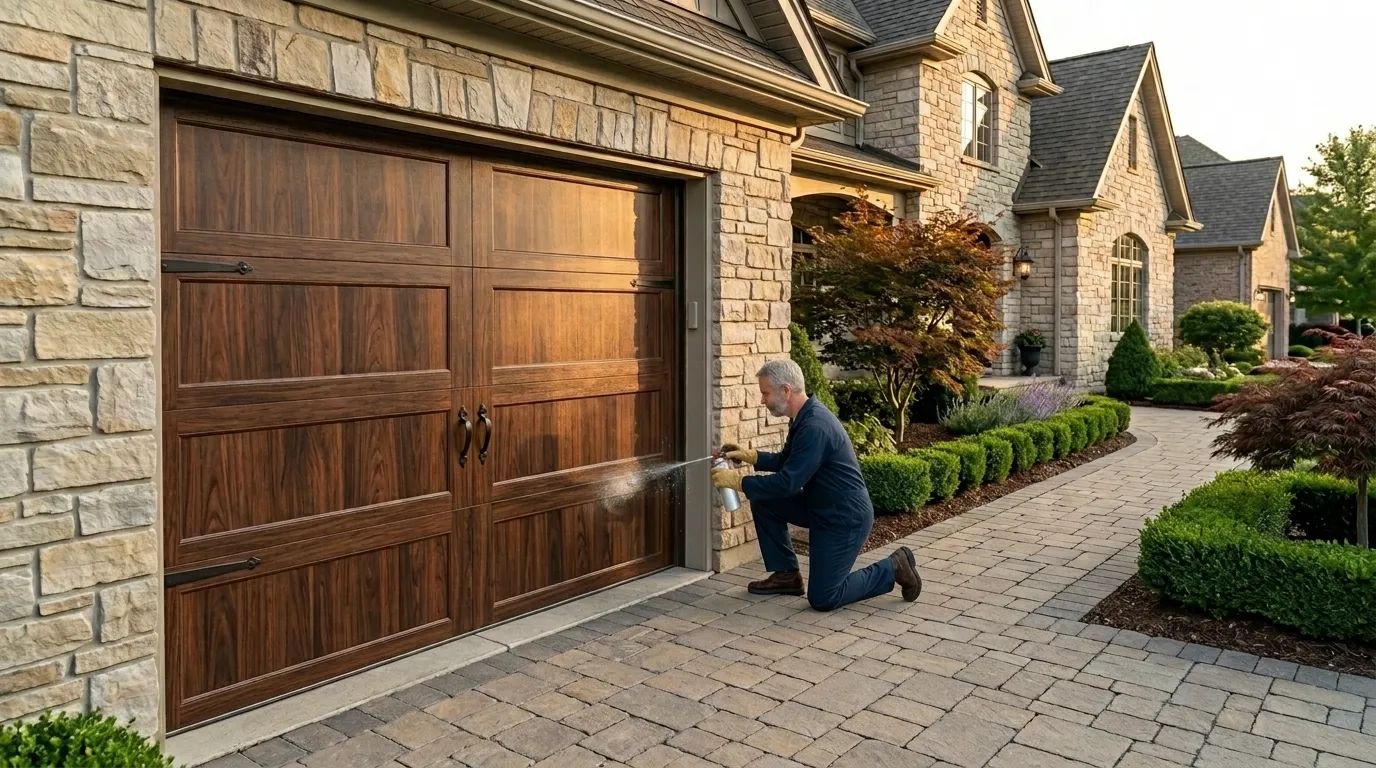
Lubricating hinges and rollers, checking the auto-reverse with a piece of wood on the floor, and tightening loose bolts on the track brackets are all fine to do yourself, and doing them twice a year keeps small wear from turning into a stuck door. What isn't a DIY job is anything involving the torsion spring itself - the cable and drum system is under enough tension to cause a serious injury, and it's not a place to save a service call. If you're not sure whether what you're hearing is a spring on its way out or just a dry hinge, that uncertainty is itself the reason to call rather than guess: a spring that lets go while someone's hands are near it does real damage, and there's no version of that repair that's worth doing solo.