Where This Job Goes Sideways
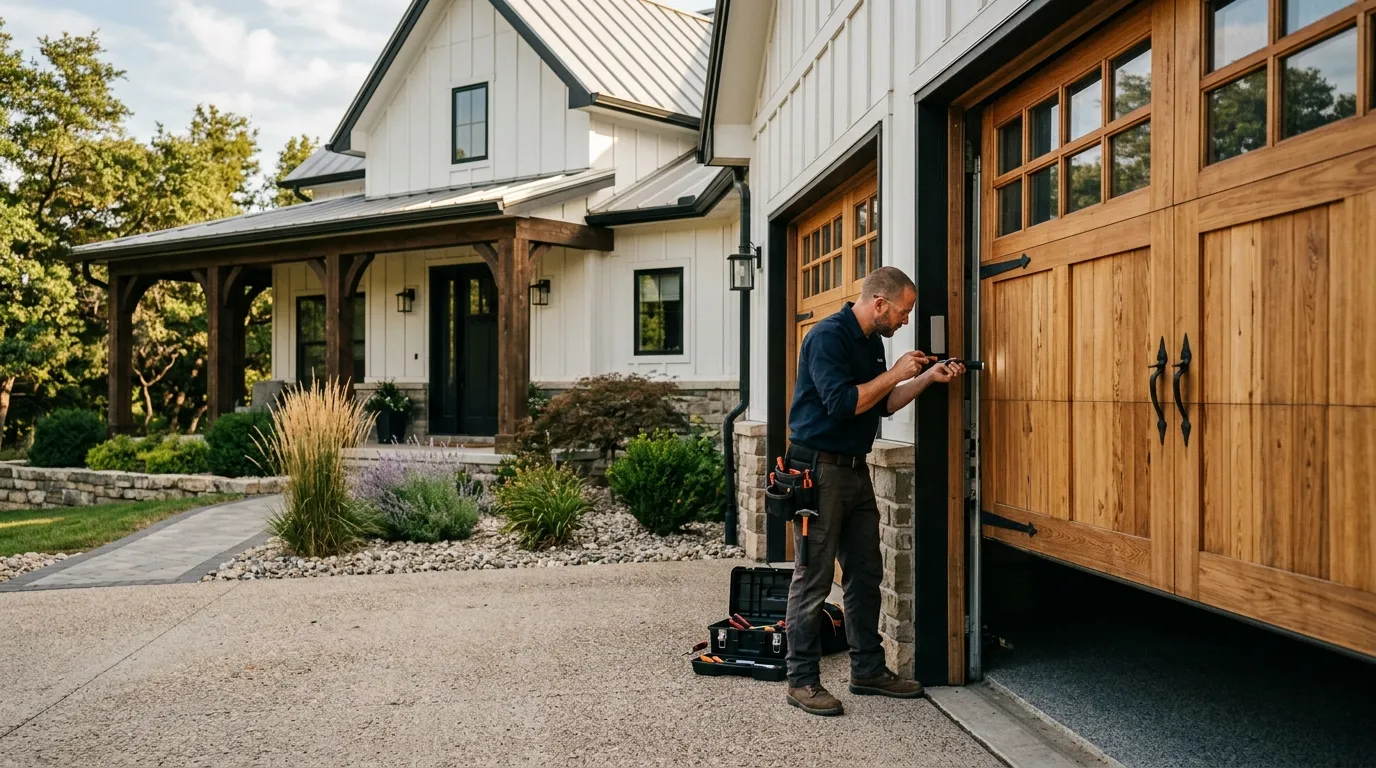
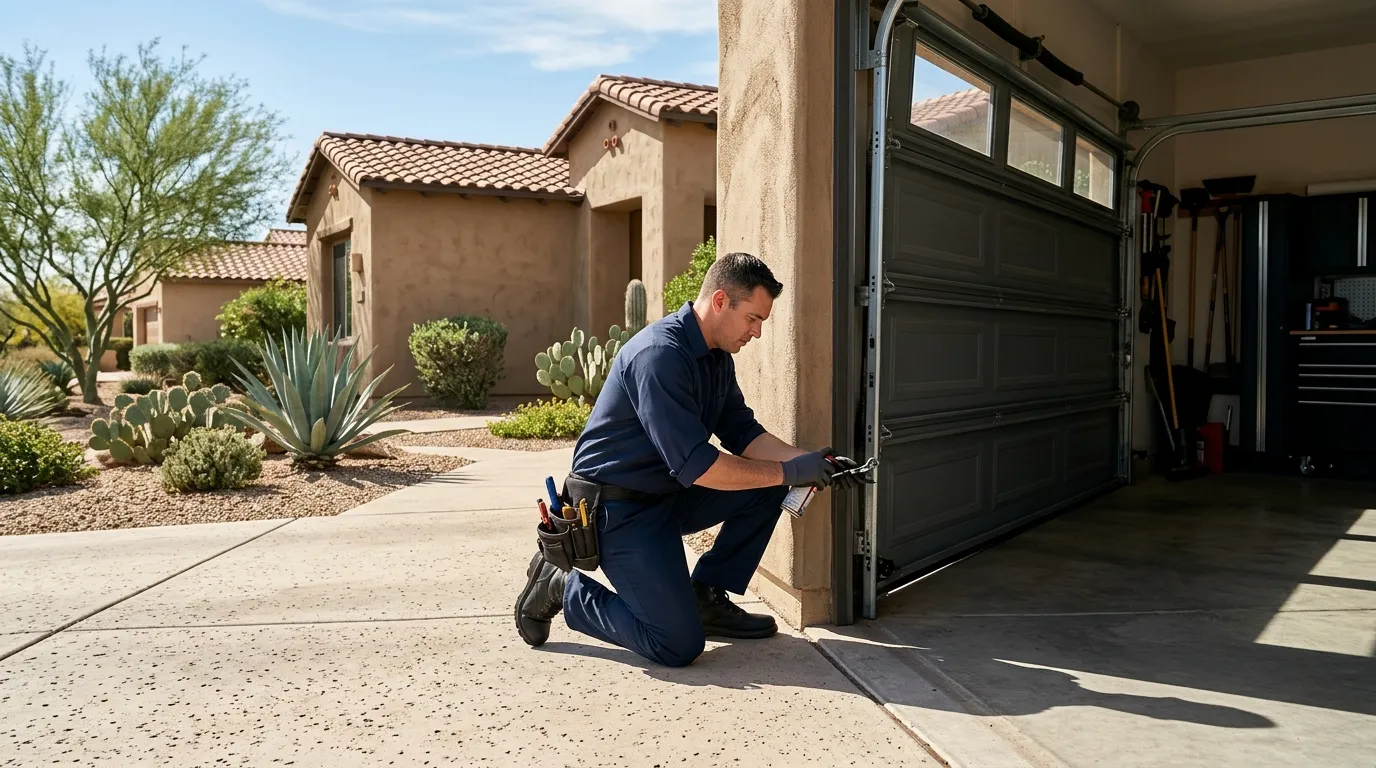
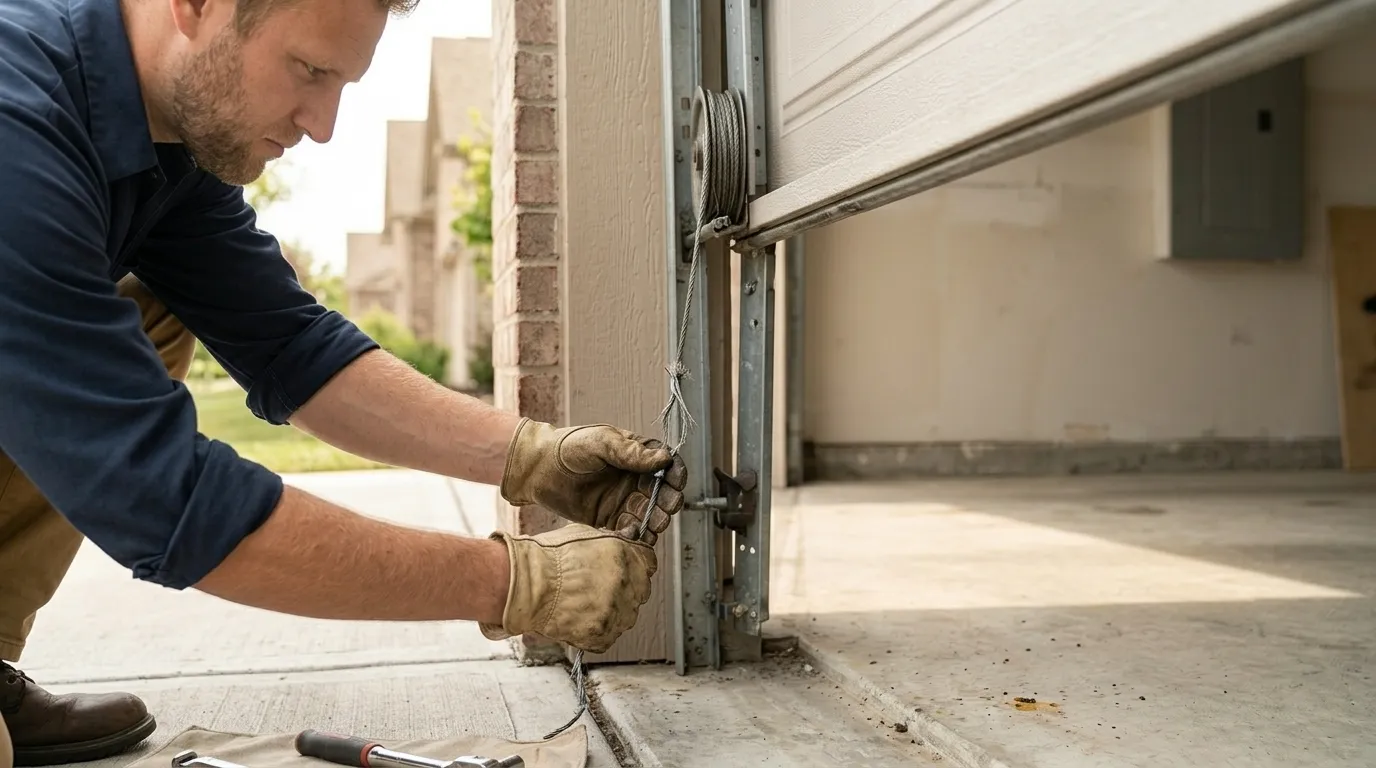
Most of Mint Hill's housing dates to around 1991, which puts the typical door here a few years ahead of the wider Matthews service area's 1998 median. That gap matters more than it sounds like it should. A door built in the early '90s is almost always steel, sectional, hung on a standard torsion spring over the header rather than the side-mount extension setups you see on older stock nearby. The panels are usually 24-gauge steel, non-insulated or single-layer, sized for a 16x7 double or 9x7 single opening - heavier than today's foam-core doors, which means the torsion spring wound for it is sized differently too.
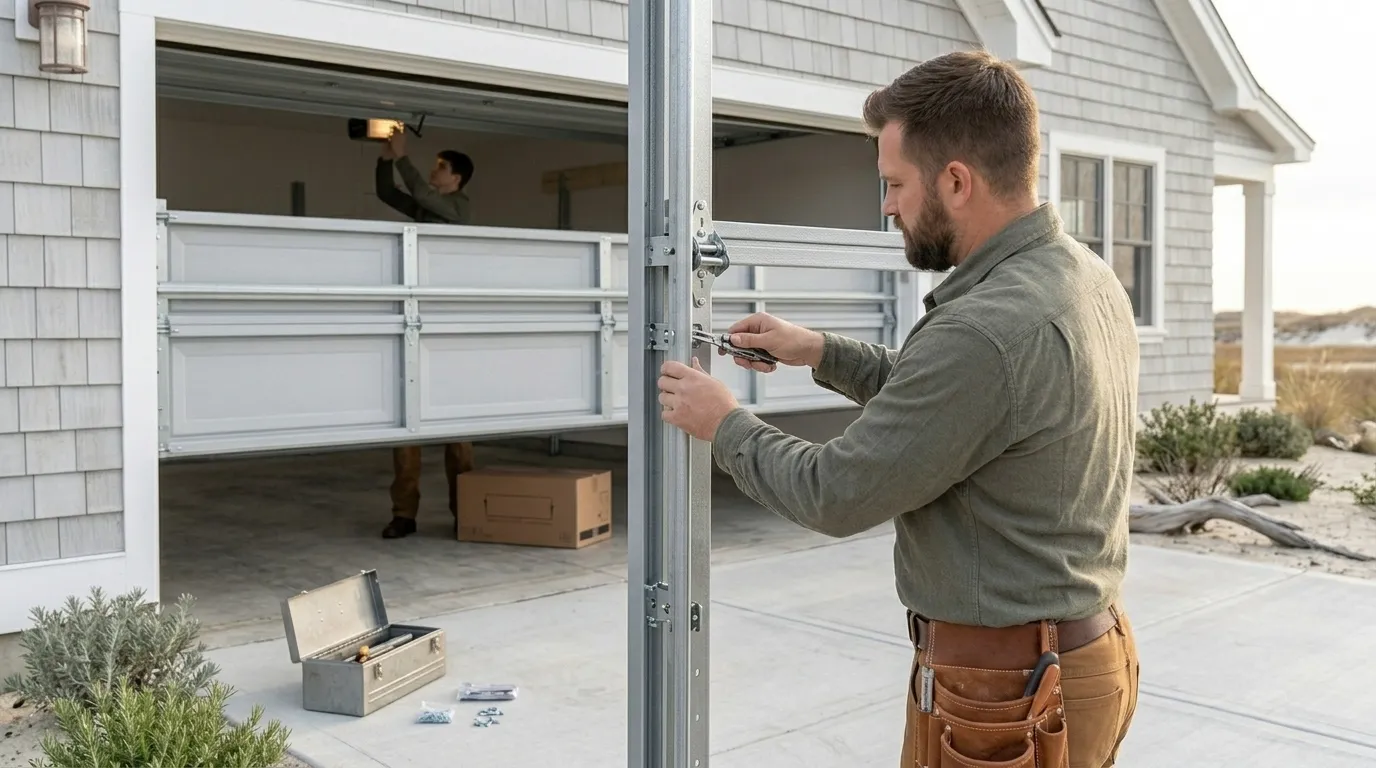
When that spring finally goes - and on a 30-plus-year-old door, it usually already has once or twice - the replacement has to match the original door weight, not a generic size off a shelf. Get it wrong and the door either won't lift cleanly or it slams down when the cable lets go. We come out from Matthews, five miles over, and the job usually starts with actually weighing the door rather than guessing from a chart. That's the part that goes sideways when someone skips it.
Stocked Parts
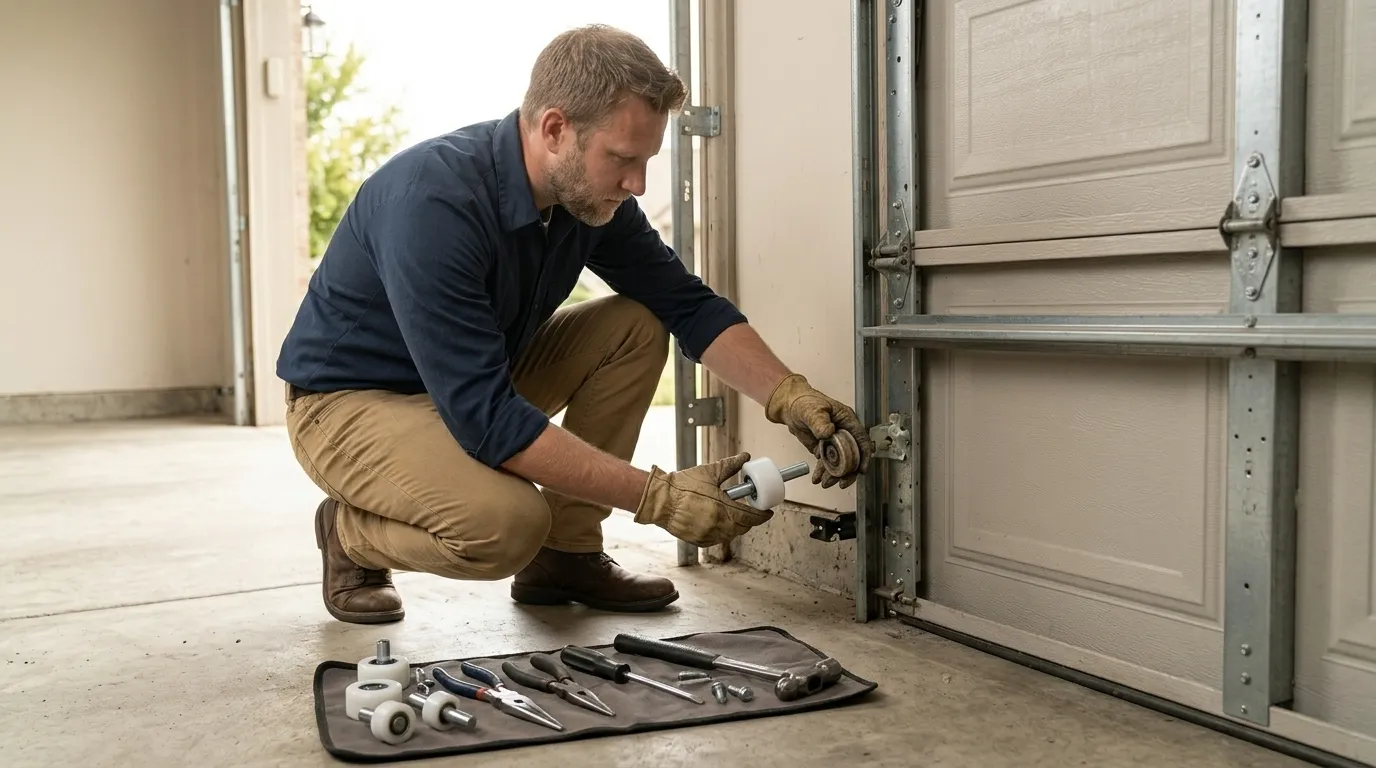
We carry torsion springs in the size range that fits 1990s-built steel sectional doors - the wind and wire gauge that match a 16x7 or 9x7 non-insulated panel set, plus the standard drums, center bearing, and galvanized lift cable that go with them. Rollers and hinges for that era's hardware are common stock, not special order.
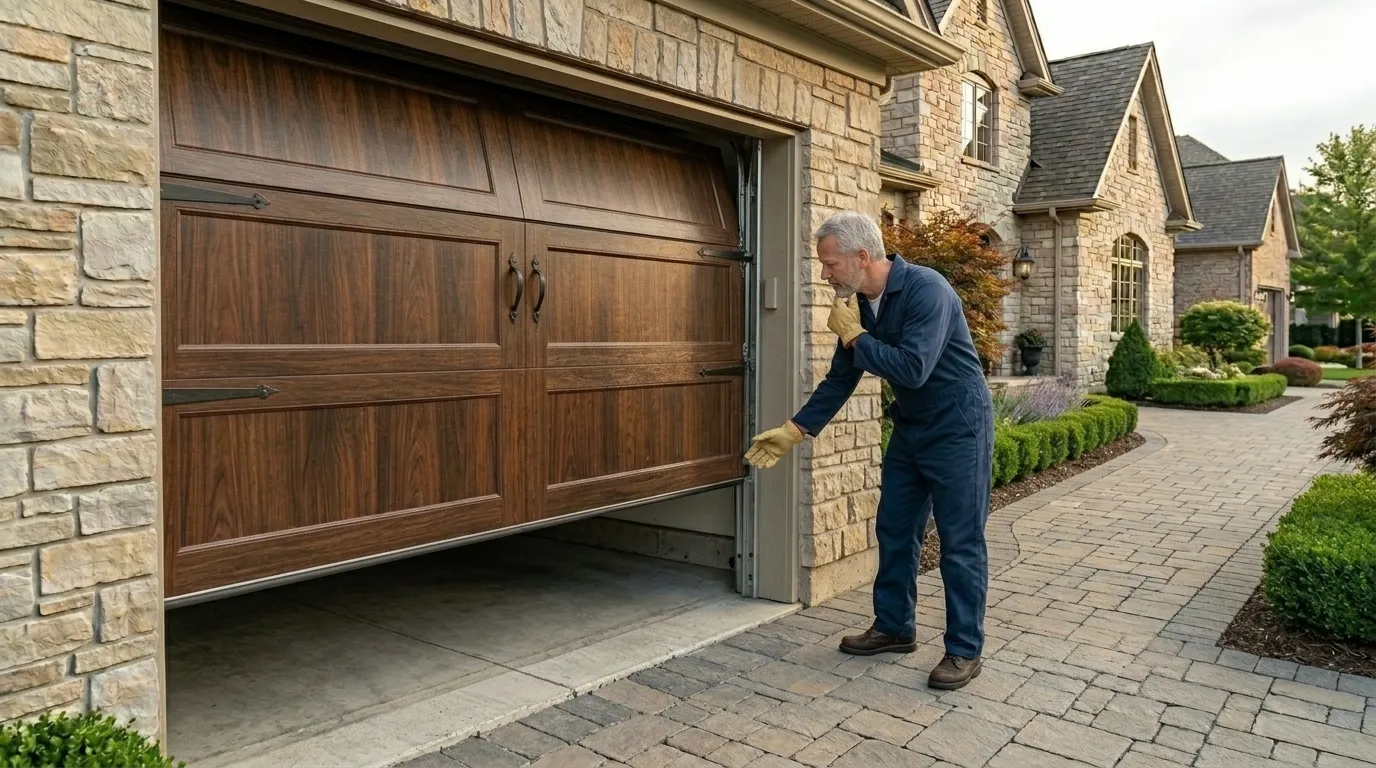
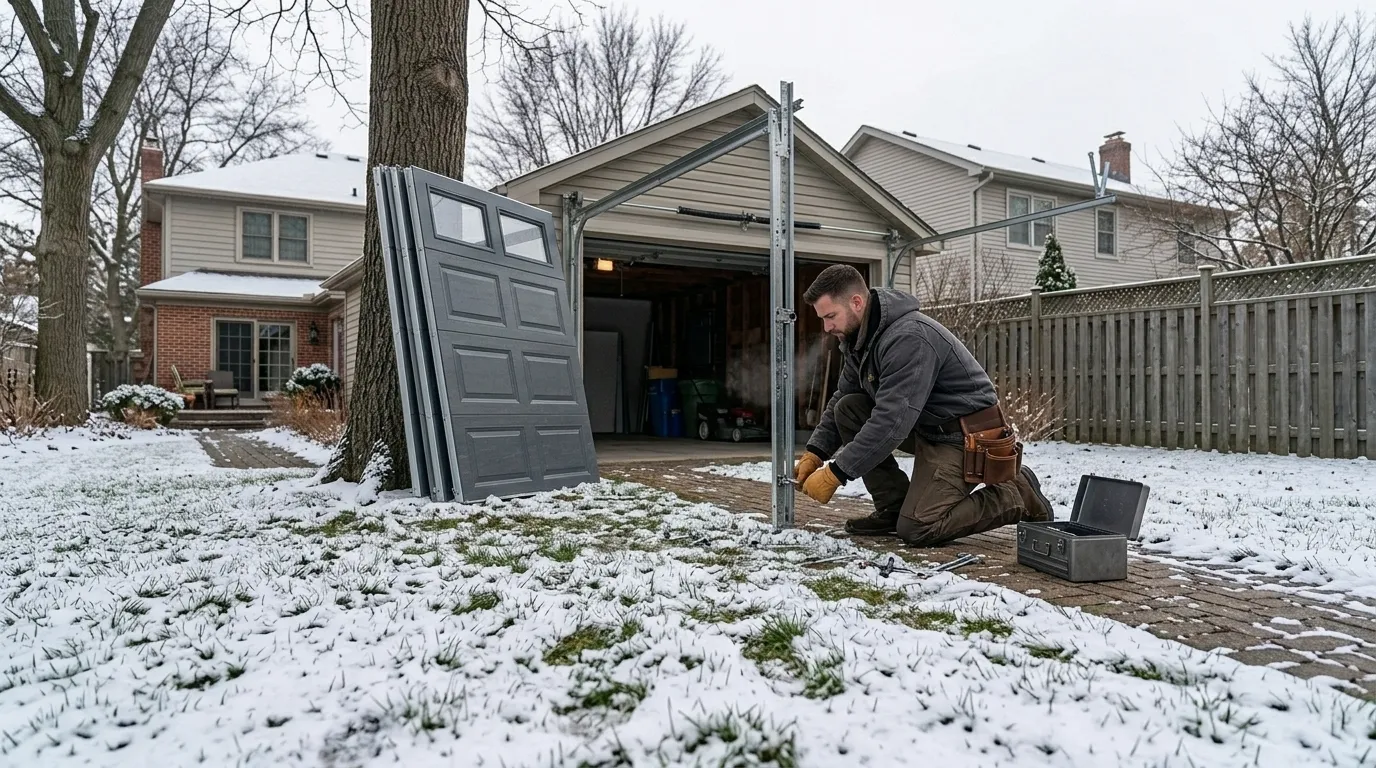
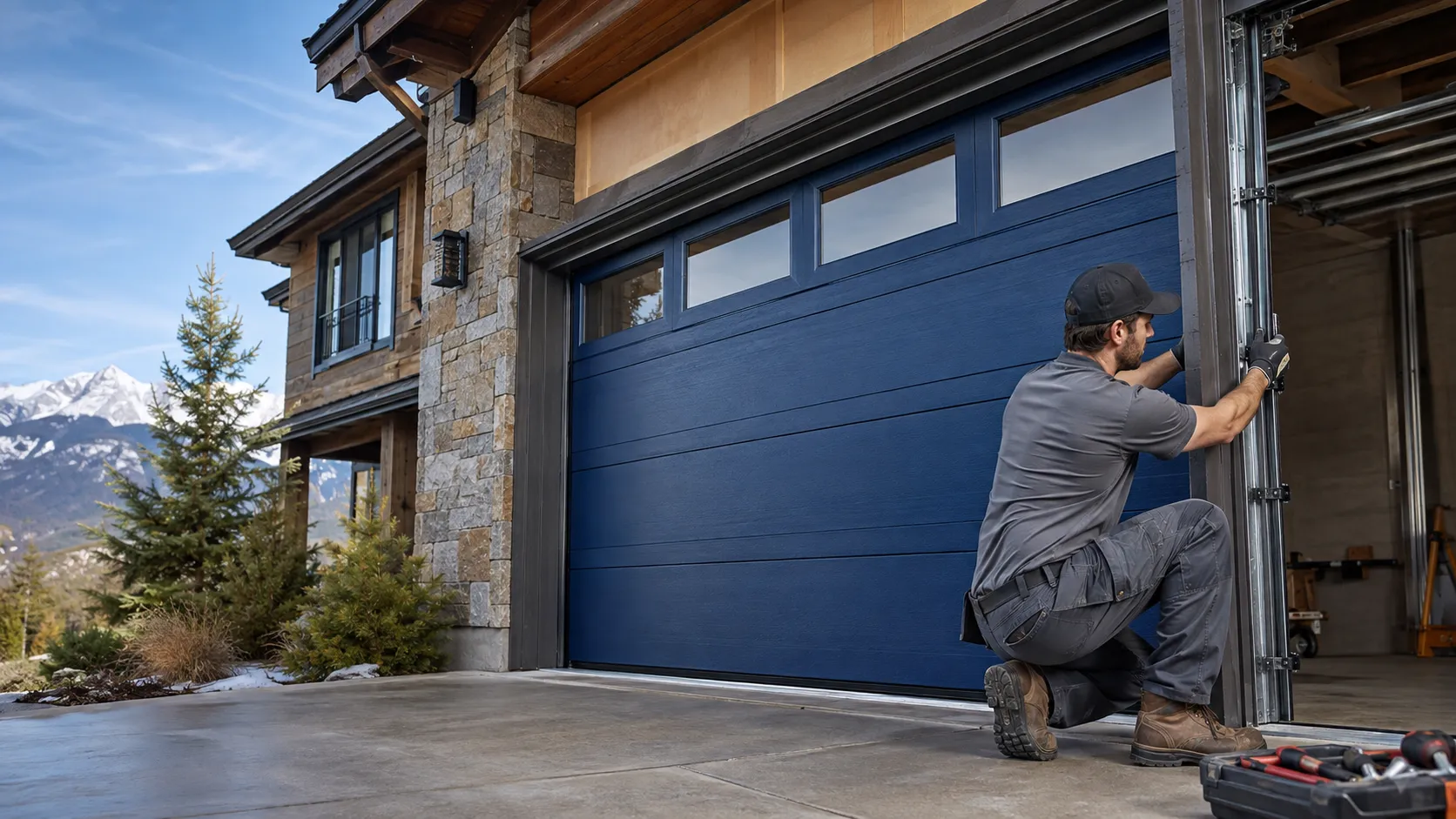
What we don't carry on the truck is a panel match for every specific door still standing in Mint Hill. A single dented section on a door this age often means ordering from whatever's left of that model line, and lead times on a panel-only order can run past what a spring or cable job takes. If the color or profile is discontinued, we'll tell you that instead of pretending a close match will look right next to thirty-year-old paint. Sometimes the honest answer is a full replacement rather than chasing one panel.
The DIY Question
A torsion spring under tension can break a hand or worse - that part doesn't change no matter how old the door is. On a door built to 1990s spec, the spring is sized to the original panel weight, and guessing at a replacement without weighing the door is how people end up with a door that free-falls or won't stay open. That's not a DIY repair, full stop.
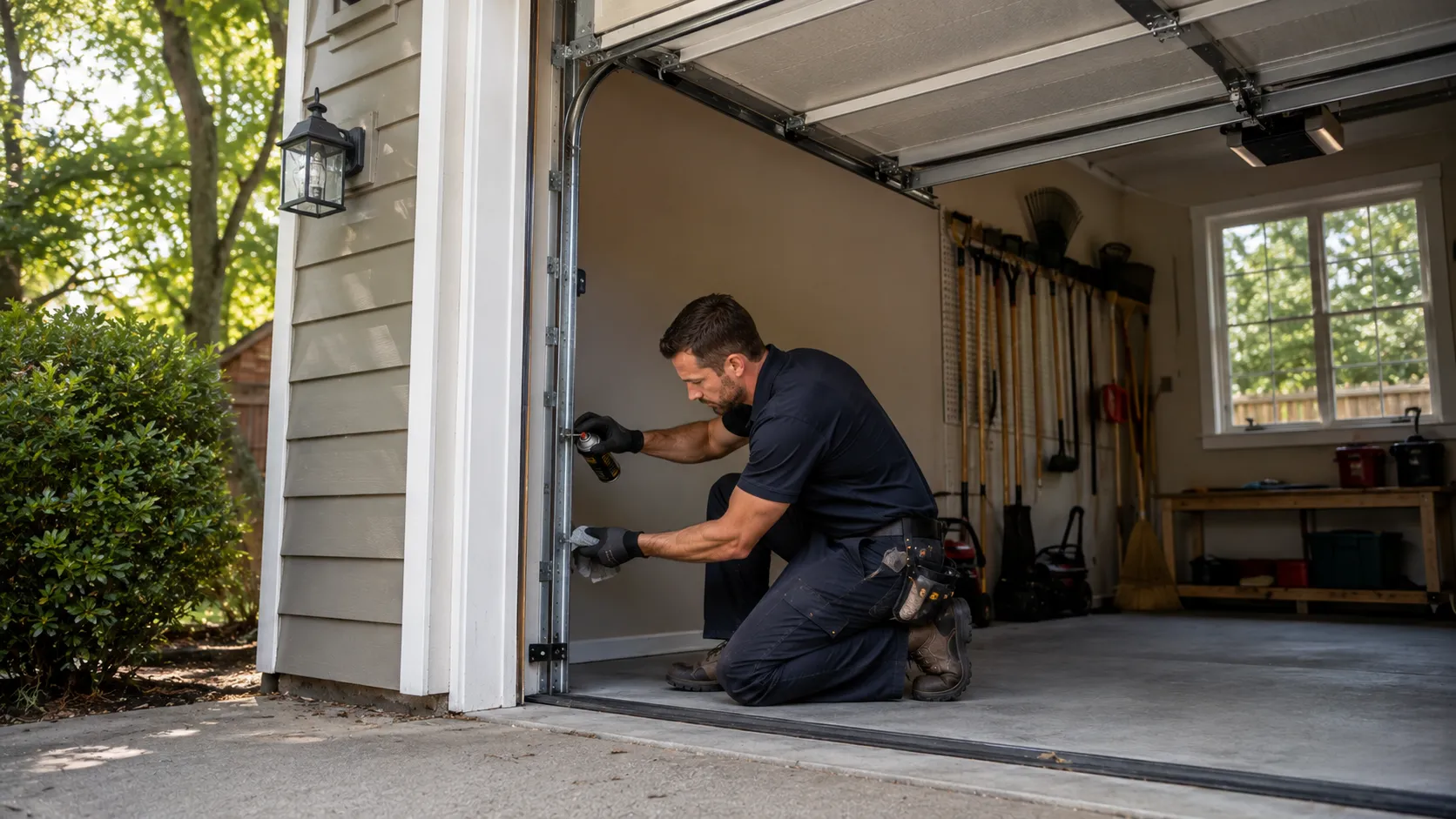
What you can reasonably check yourself: the track for visible dents, the bottom weatherseal for cracking, and whether the rollers are metal or nylon (a quick flashlight look tells you). If the door is original to a house built around 1991, at minimum ask whoever services it whether the spring size on file actually matches the door in front of them - a lot of quotes get done off a phone call and a guess. We come from Matthews for these calls, so we'd rather get the size right the first trip.