Where This Job Goes Sideways
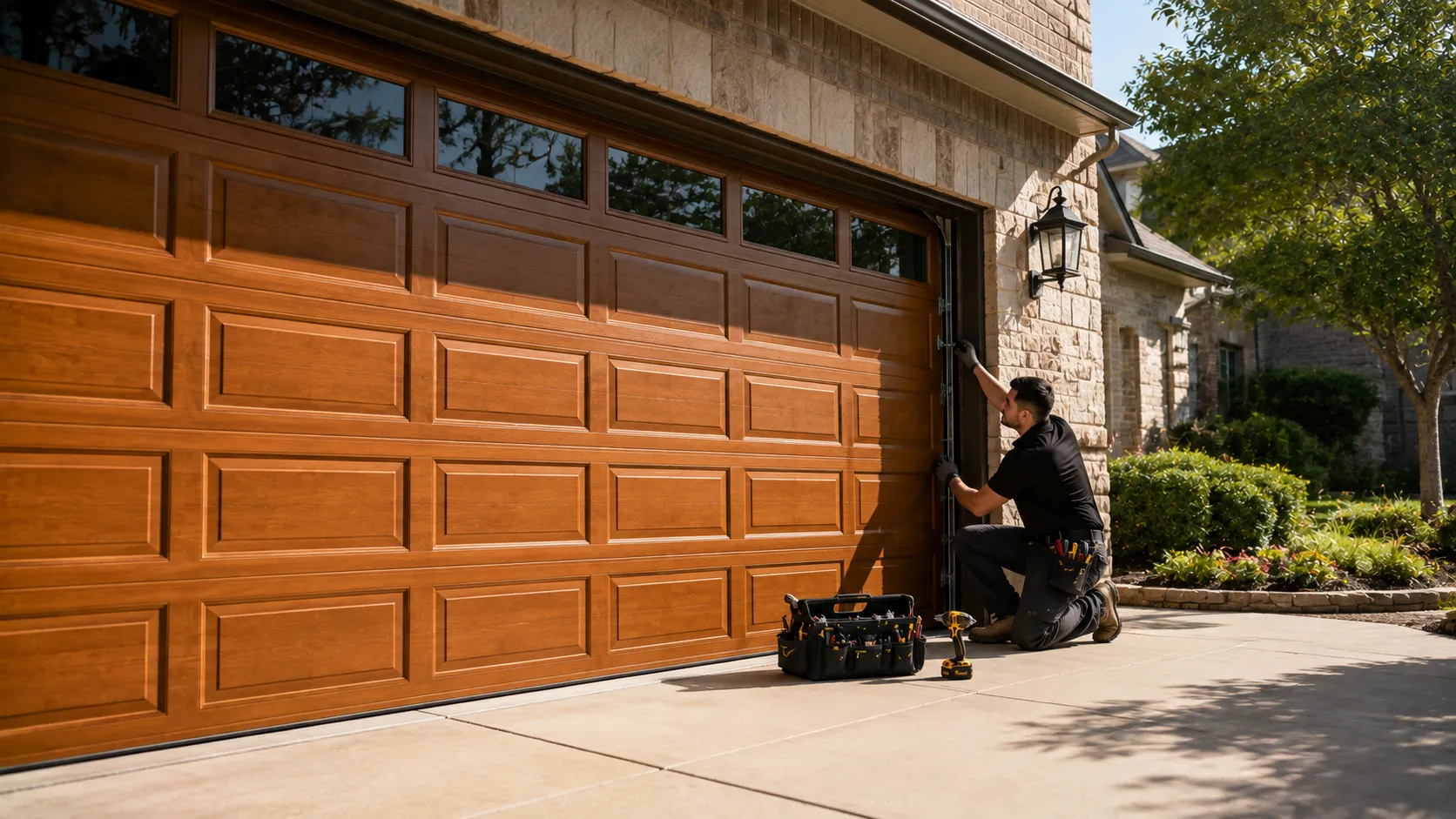
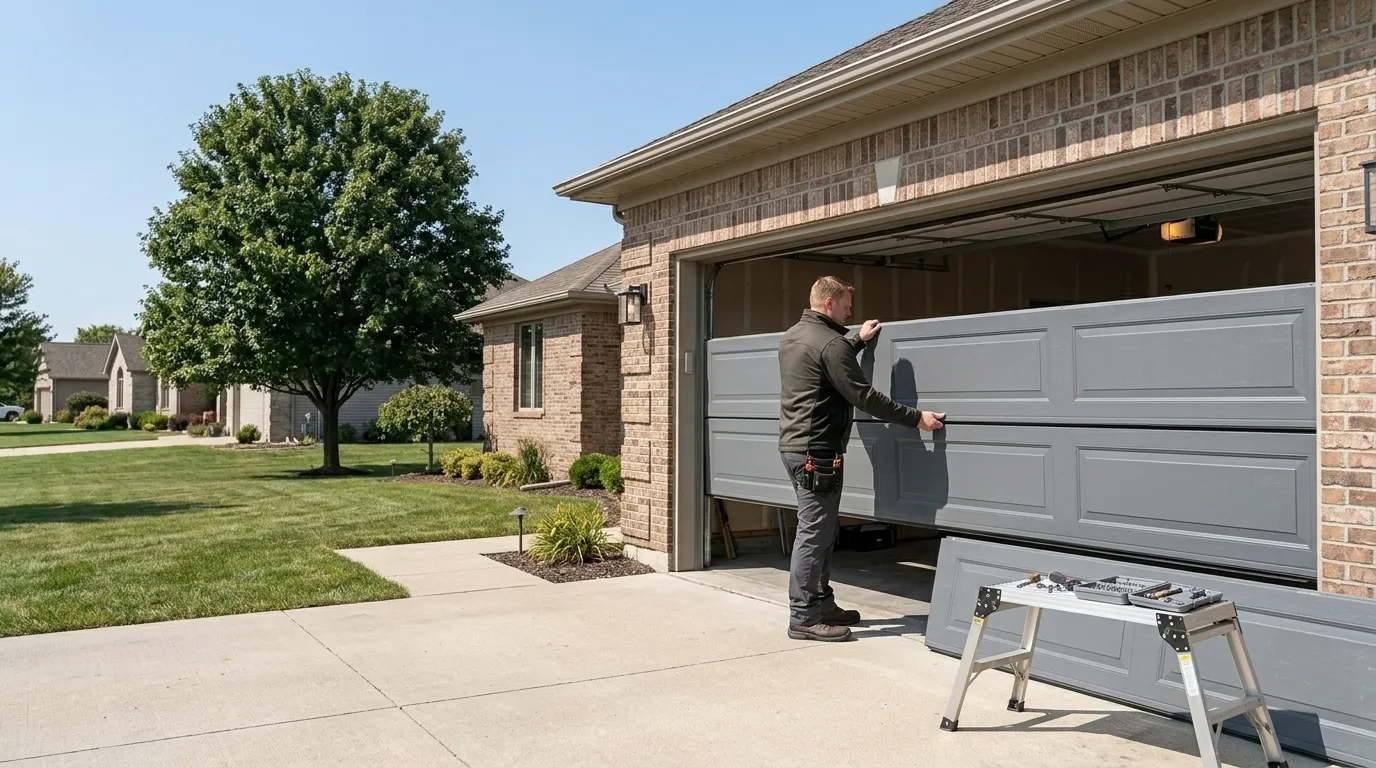
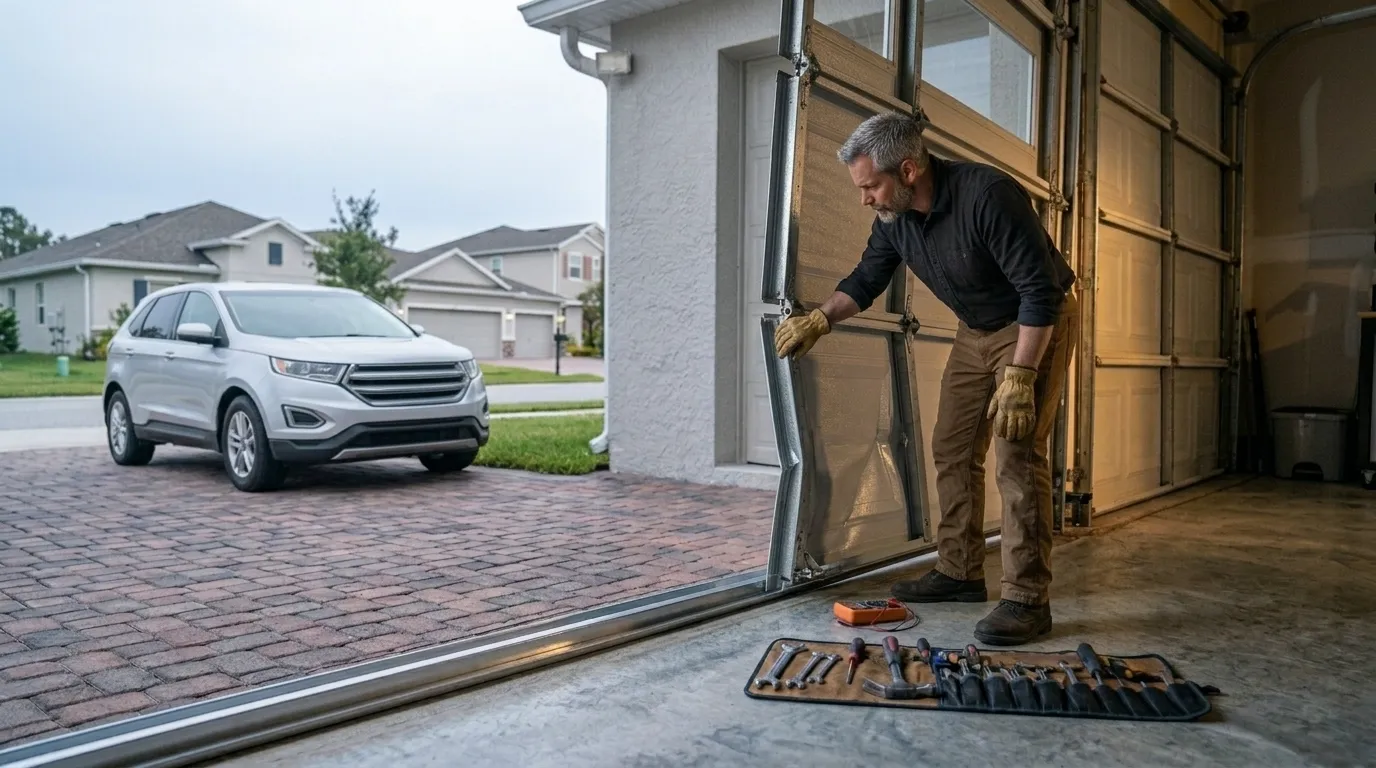
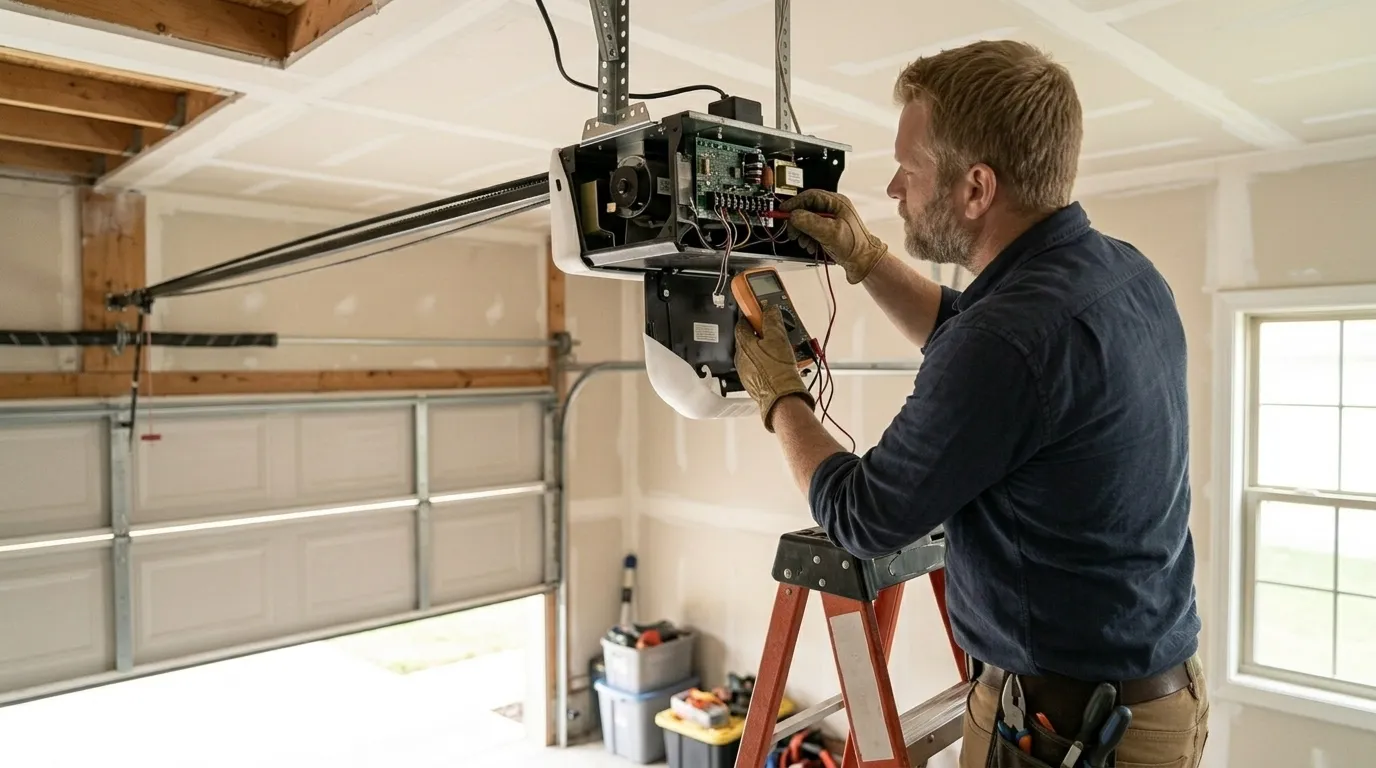
The median house in Mint Hill went up in 1991, which puts a lot of these garages a full seven years ahead of the newer builds that make up the rest of the service area out of Matthews, where the median lands closer to 1998. That gap matters more than it sounds. A door installed in 1991 has had thirty-plus years to sit on the same torsion spring, the same lift cables, the same steel rollers in plastic sleeves that were standard before nylon took over. Nobody comes back out to replace that stuff unless something breaks, so a huge share of it is still original. That's where the job goes sideways: you call about a noisy door, and what's actually failing is a spring wound for a door twenty pounds lighter than the insulated replacement panel someone bolted on ten years ago, or a cable running over a drum that's worn a groove nobody can see from the ground. We're 5 miles out from Matthews, which is close enough that getting a truck to Mint Hill isn't the problem. Diagnosing hardware that predates the current owner's memory of the house is.
Stocked Parts
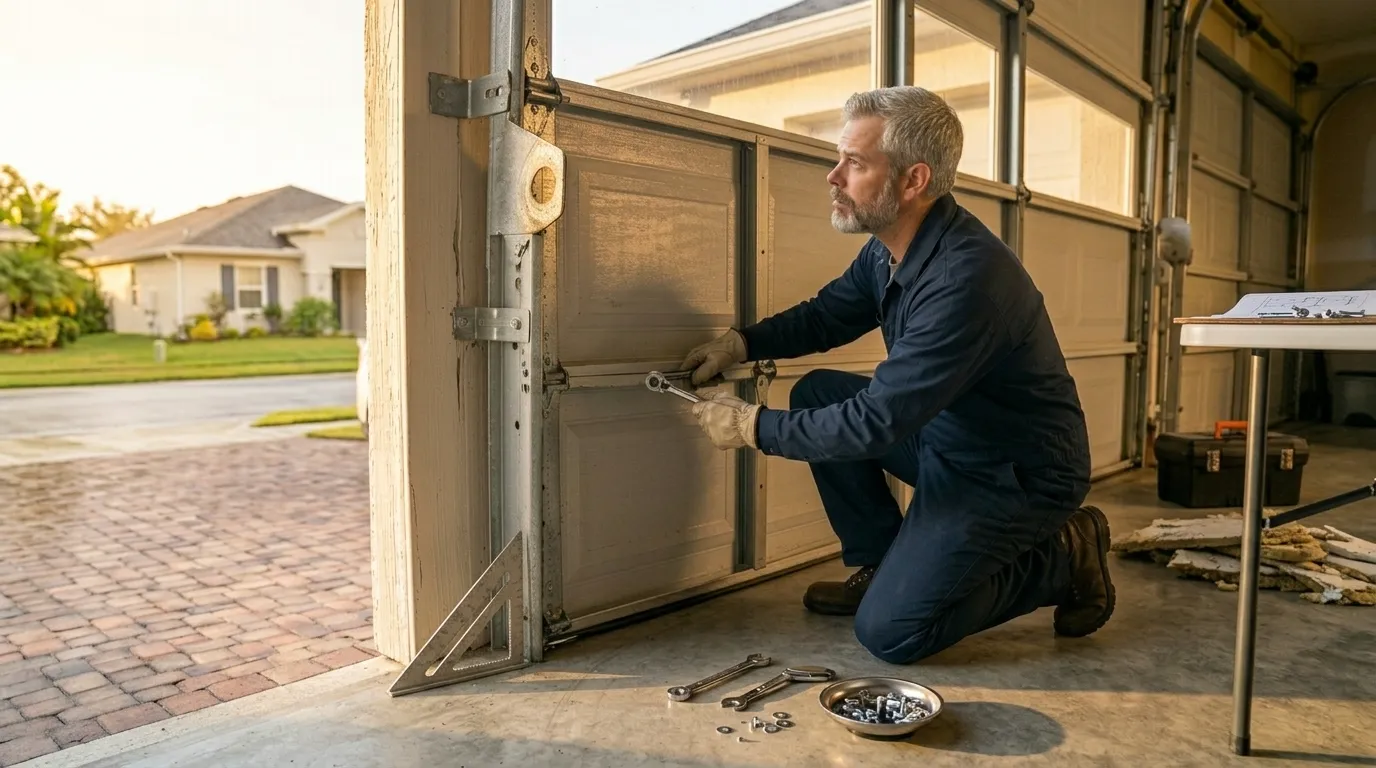
For a build-year median of 1991, the truck carries torsion springs sized for the standard steel doors that shipped in that era, plus the older 2-inch and 3-inch drum sizes that newer installs don't use anymore. Cables, rollers, and hinges for that hardware come standard, along with the more common residential opener drive parts. What doesn't ride along every day is anything specific to a door someone special-ordered or a commercial-grade opener - those get sourced after we see the unit, not guessed at ahead of time. That's the honest limit: a common failure on a common 1990s door gets fixed same visit; something a previous owner special-ordered might mean a second trip while a part comes in. With 10,194 households in Mint Hill and a median income of $99,272, we see plenty of owners choose a full opener replacement over patching a thirty-year-old drive system once the labor on the old one starts adding up - and that's usually the right call, not just the profitable one.
The DIY Question
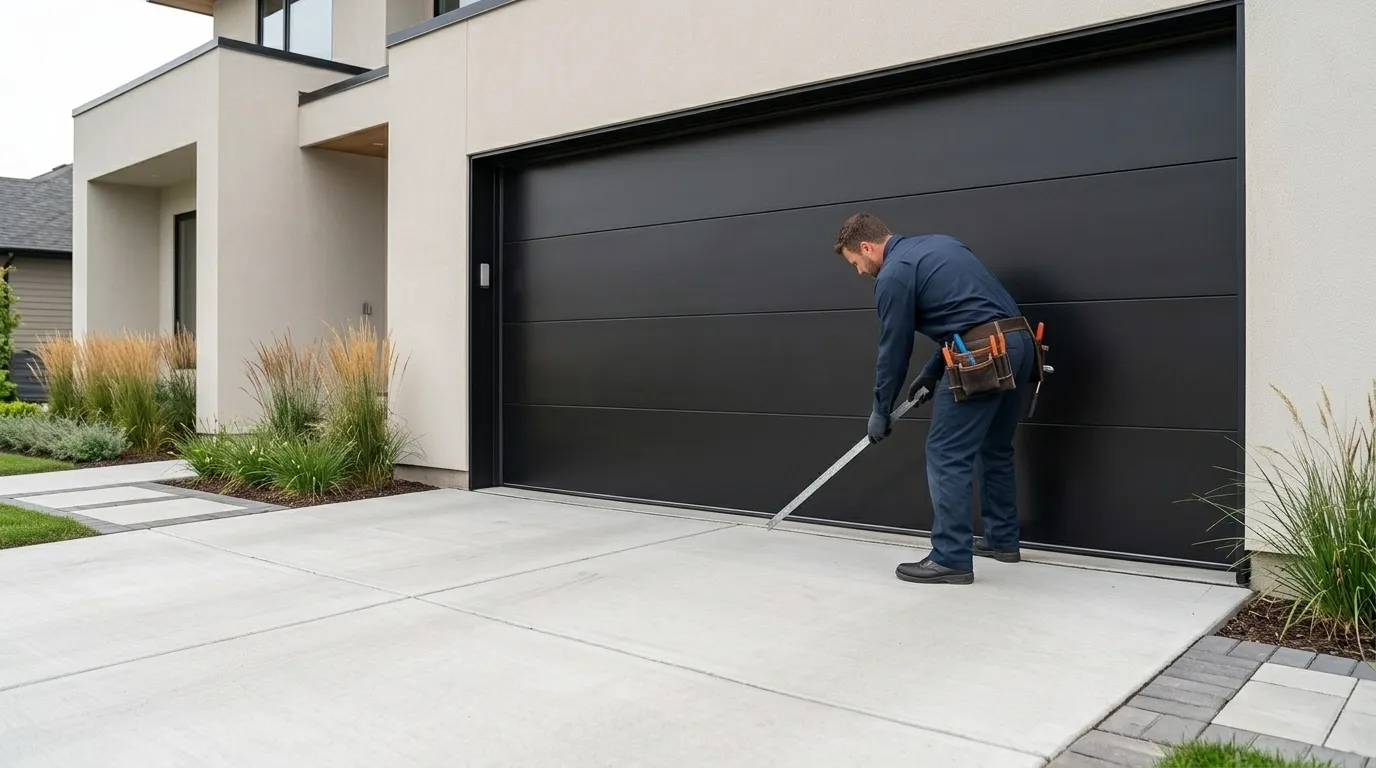
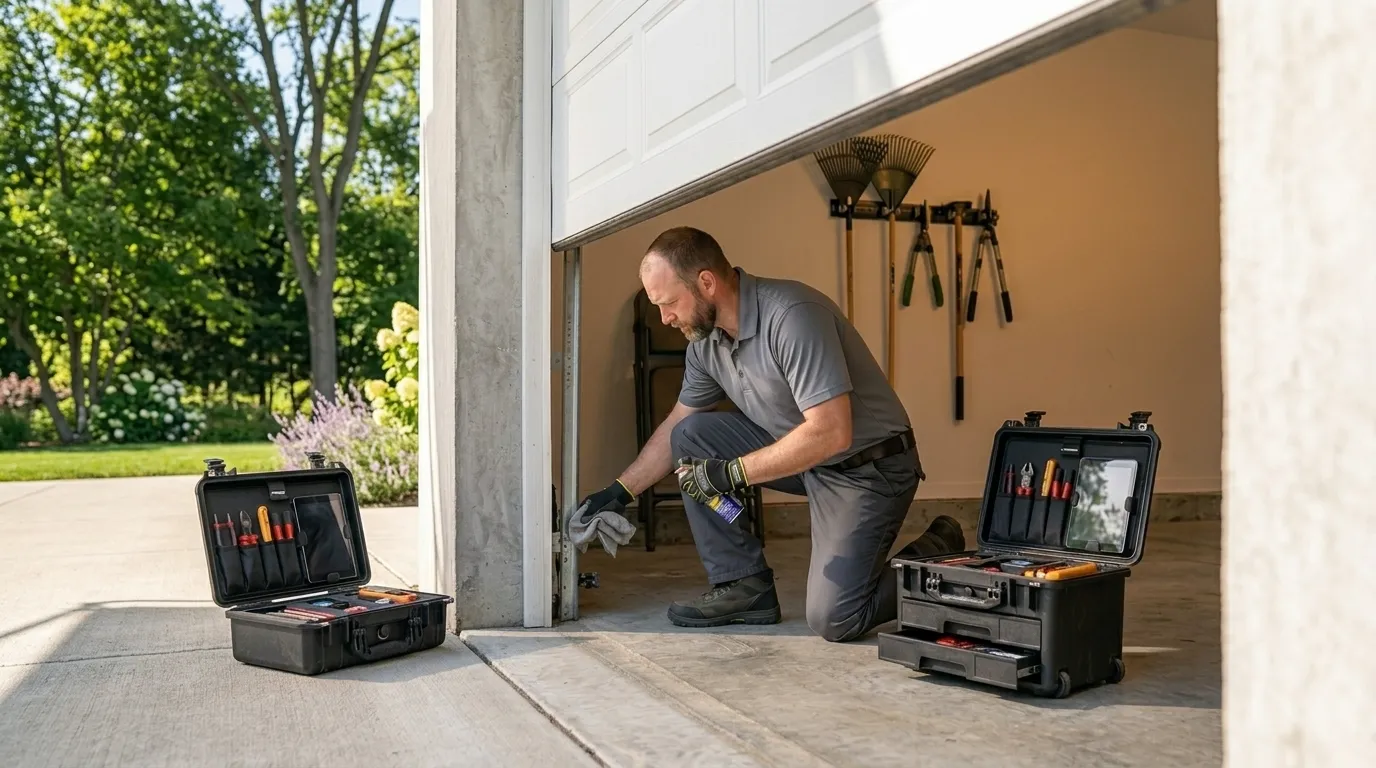
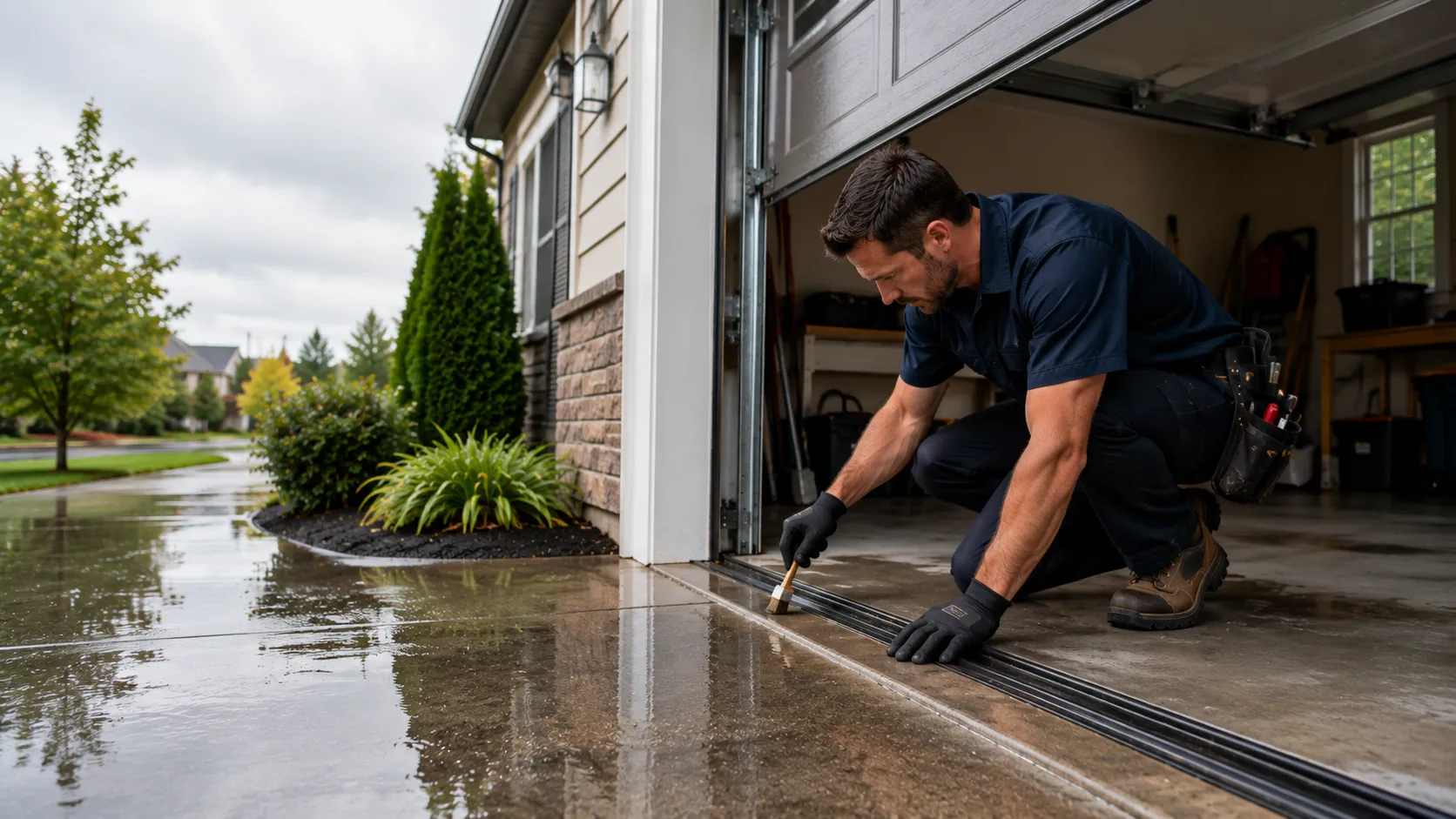
A torsion spring holds enough stored force to break a wrist or worse, and on a door this old the winding cone itself may be corroded or undersized for whatever panel got added later - that's not a weekend fix regardless of how many videos make it look simple. What you can reasonably check yourself: the track for dents or gaps against the rollers, the weatherstripping at the bottom for cracking, and whether the opener's safety sensors are aligned and clean. If the door is slamming down instead of lowering evenly, stop using it and call rather than adjusting the spring tension yourself. We're driving in from Matthews, so there's no same-hour walk-up option - but for a door built when Mint Hill's housing boom was in full swing, we're not guessing at what's inside it.