
Where This Job Goes Sideways
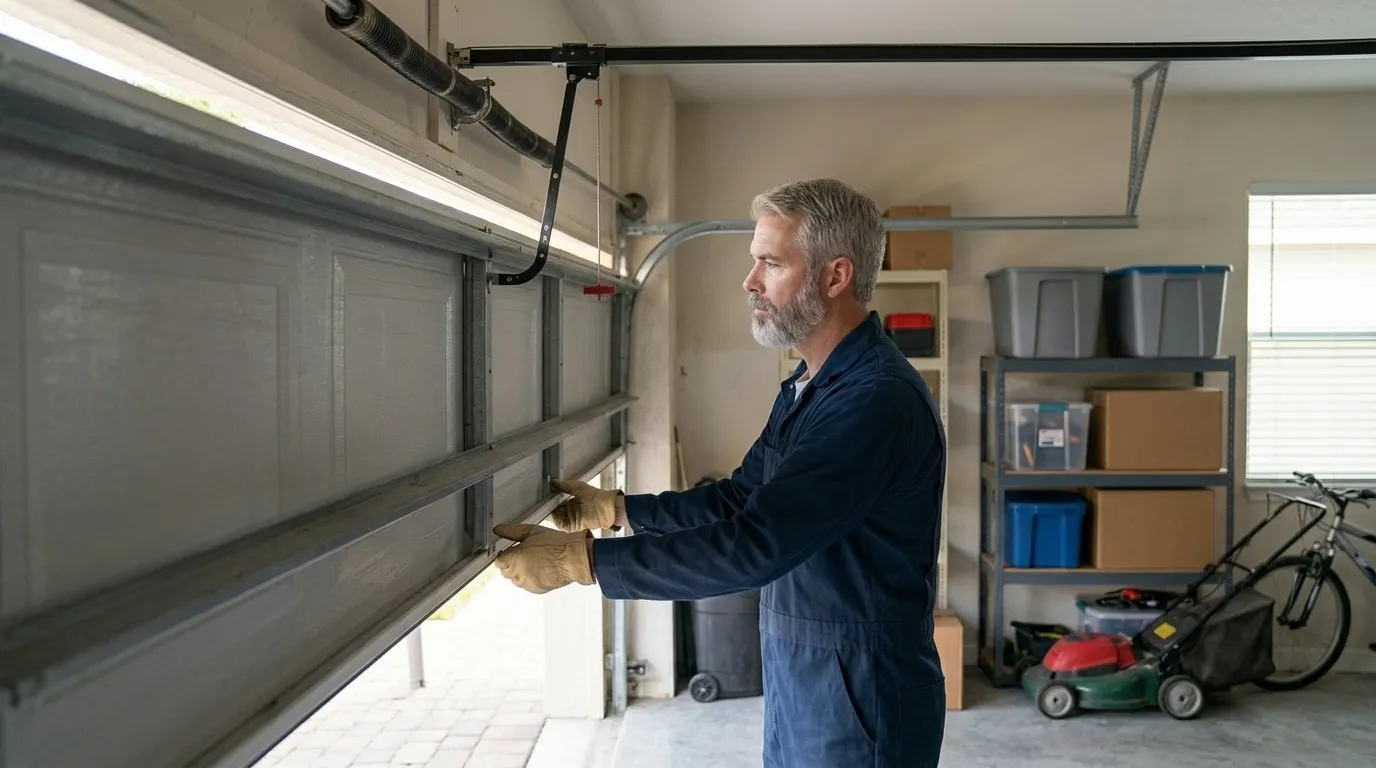
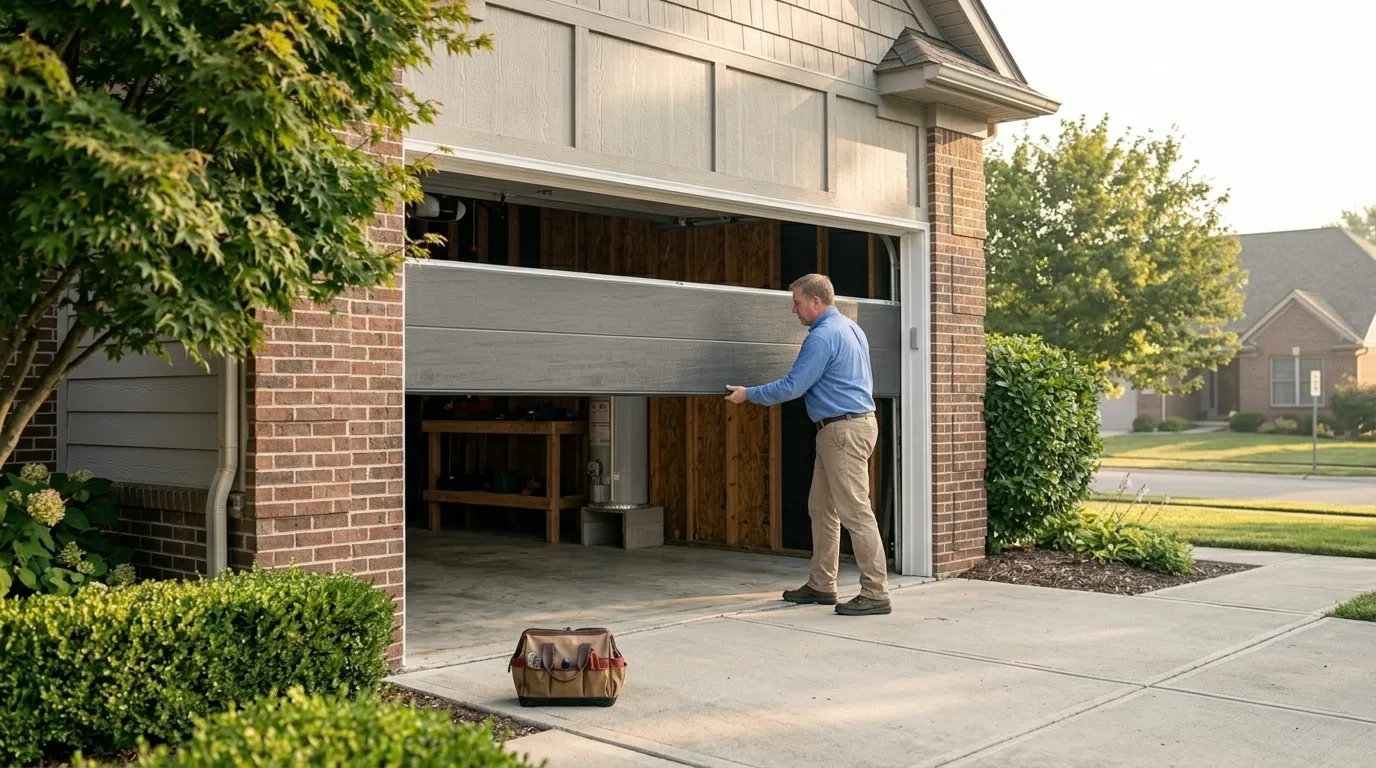
Harrisburg's housing stock runs newer than most of the area we cover - median build year here is around 2006, a good eight years past the 1998 median across the wider service territory. That matters because it tells us what's hanging on the wall of your garage. Doors from this era almost always came factory-set with torsion springs on a standard two-inch shaft, not the older side-mount extension springs you'll still find on 1980s builds elsewhere. The failure mode is usually the same either way - a spring loses temper and snaps, or the winding cone slips - but the fix looks different. On a 2006-era door we're usually dealing with a single torsion spring or a matched pair rated for a heavier insulated panel, since builders in that period had started specifying thicker doors than they used in the '80s and '90s. Where it goes sideways is when someone tries to treat a torsion spring like an extension spring, or reuses a cone that's already stripped. We also see winter cold snaps here shortening spring life a touch faster than in milder climates, since the coil metal stiffens and cracks under cycling stress at low temperatures. None of that is unique to any one street - it's the build year and the climate band talking, not a landmark.
What the Fix Involves
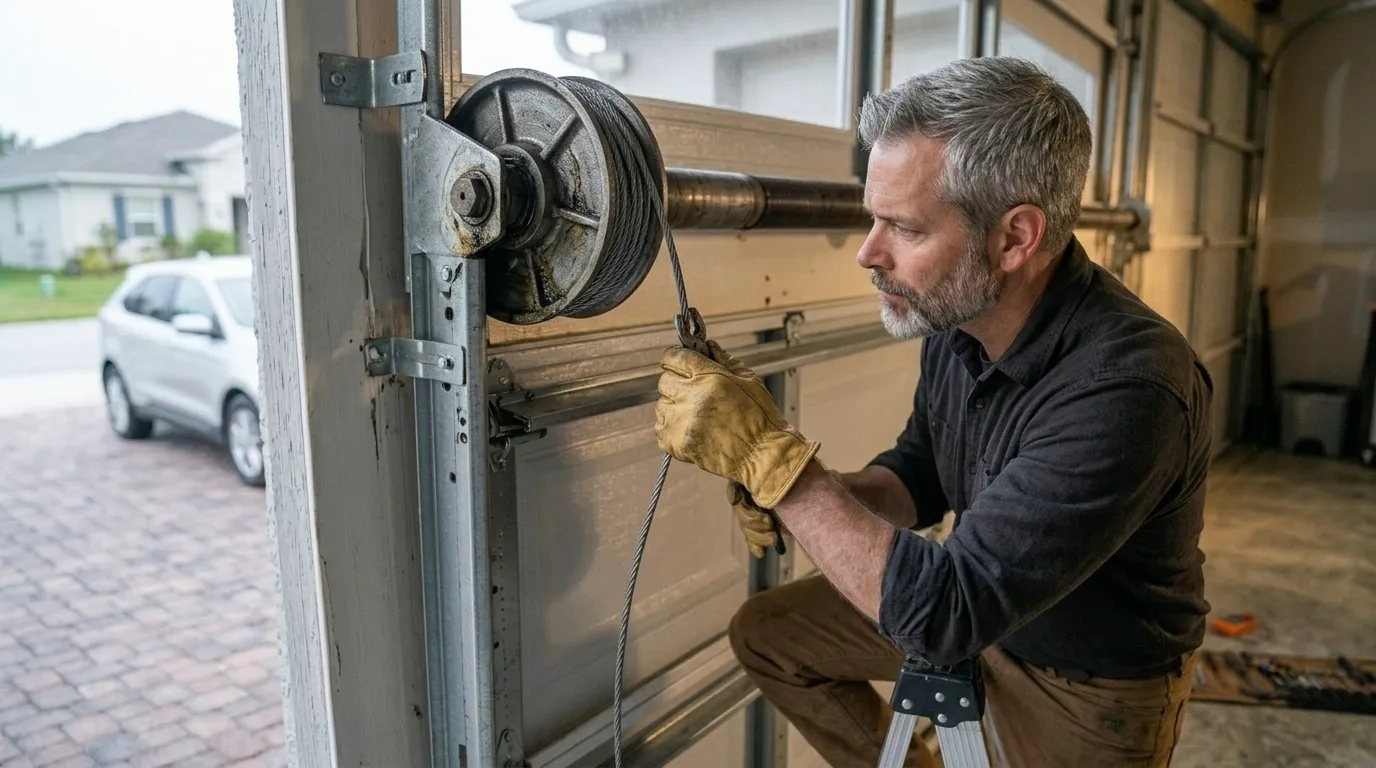
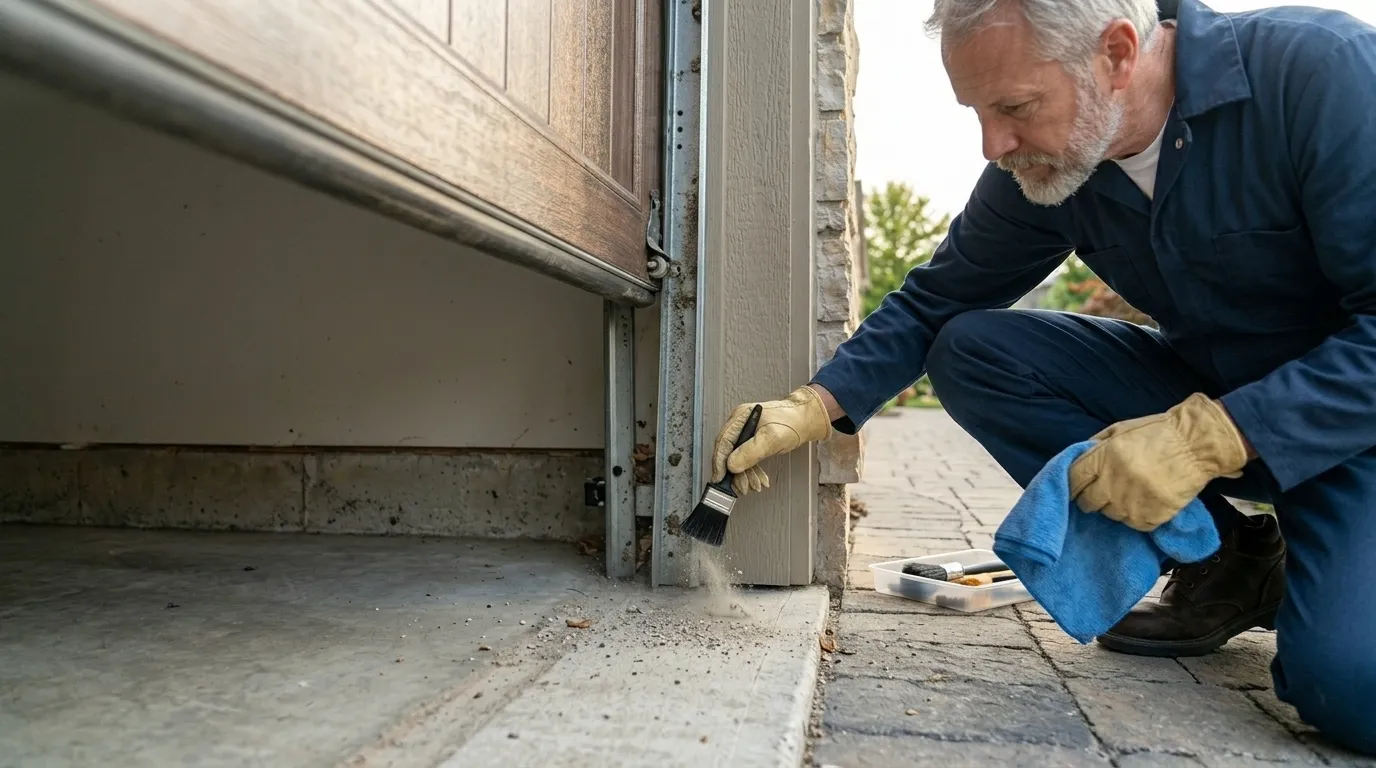
A broken torsion spring on a door from this era gets replaced as a pair even if only one side let go - mismatched springs bind the shaft and wear the opener gears fast. We measure the wire gauge, coil diameter, and shaft length off the existing hardware rather than guessing from the door's size, because builders in the 2000s used a range of spring ratings depending on whether the door was insulated or not. We check the cable drums and the bottom brackets while the door is unloaded, since a spring failure often takes a little finish damage with it - a bent bracket, a frayed cable - that's easy to miss if you only replace the obvious part. If the winding cones show wear, we swap those too rather than reuse them on new springs. Torsion hardware from this build period is common stock, which keeps parts and labor straightforward compared to older extension-spring setups where the drums and pulleys have usually been replaced piecemeal over the years.
The DIY Question
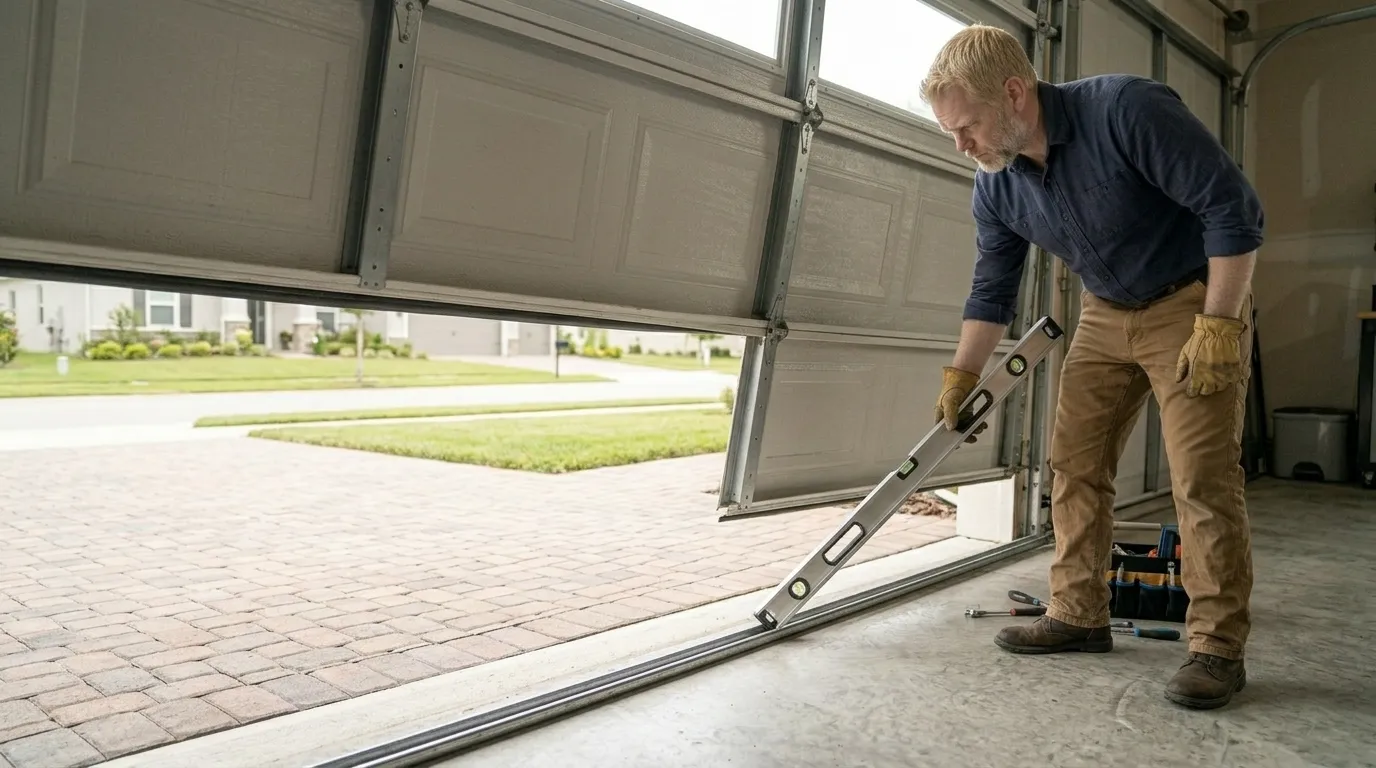
Torsion springs are under real load - enough that winding or unwinding one wrong has put people in the hospital. This isn't a job for a winding bar and a YouTube video, and we won't talk anyone through doing it themselves over the phone. Where a homeowner can help themselves is in the diagnosis: if the door feels heavy to lift by hand, or one side of the top panel sits lower than the other when the opener struggles, that's a spring, not a track or opener problem, and it's worth mentioning when you call. Also worth knowing - with the income and home values common in this part of Harrisburg, we sometimes see people ask about upgrading to a heavier-duty spring set at the same time as a repair. That's a reasonable add-on conversation, but it's a separate decision from the emergency fix, and we won't bundle it in without asking first.
Stocked Parts
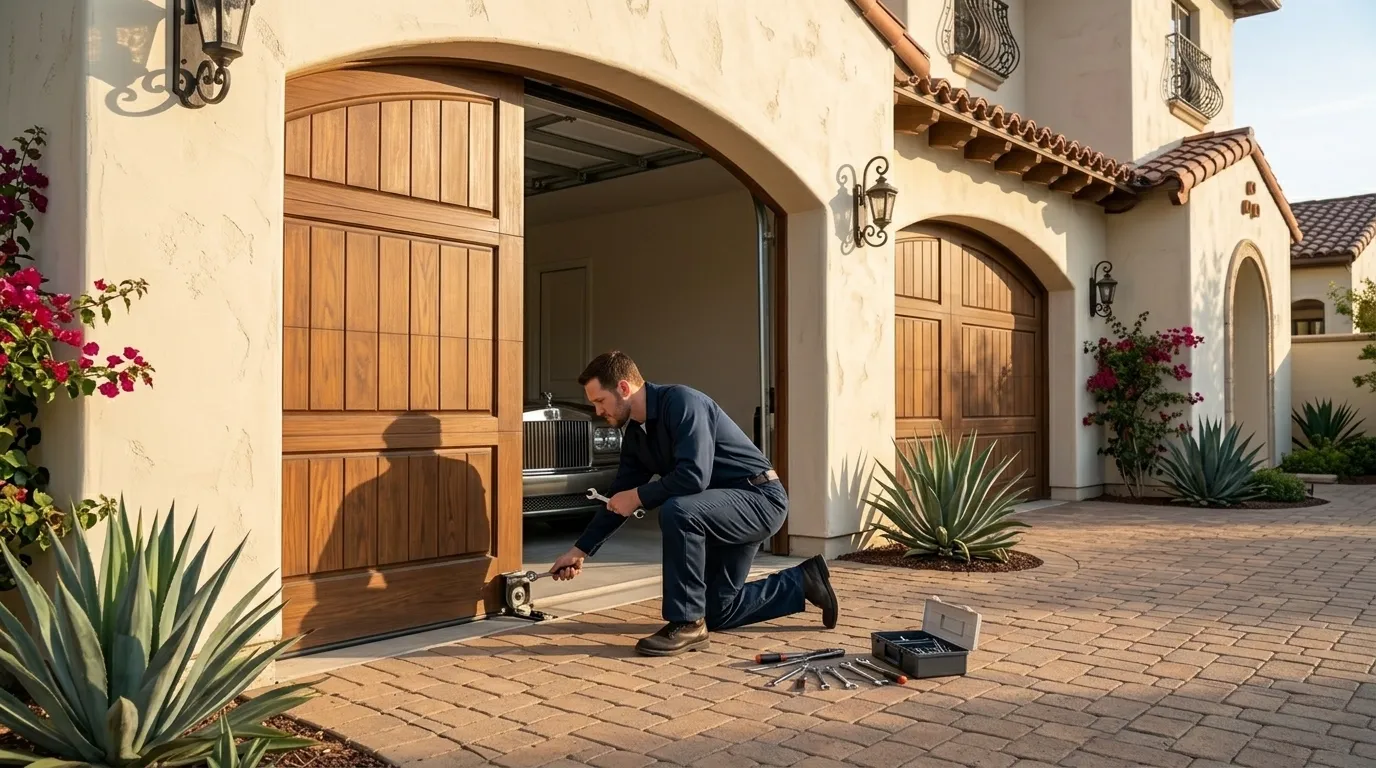
We carry the torsion spring gauges that match Harrisburg's 2006-era housing stock as standard truck stock, along with the cones and drums that pair with them. What we don't stock on the truck is anything custom - a spring built for an oversized or heavily modified door, which shows up occasionally in a service area with roughly 5,804 households and a wide range of home sizes. Those get ordered and take longer. For the standard torsion setup found on most doors built in this window, we're not waiting on a supplier to get your door back on its spring.