Where This Job Goes Sideways
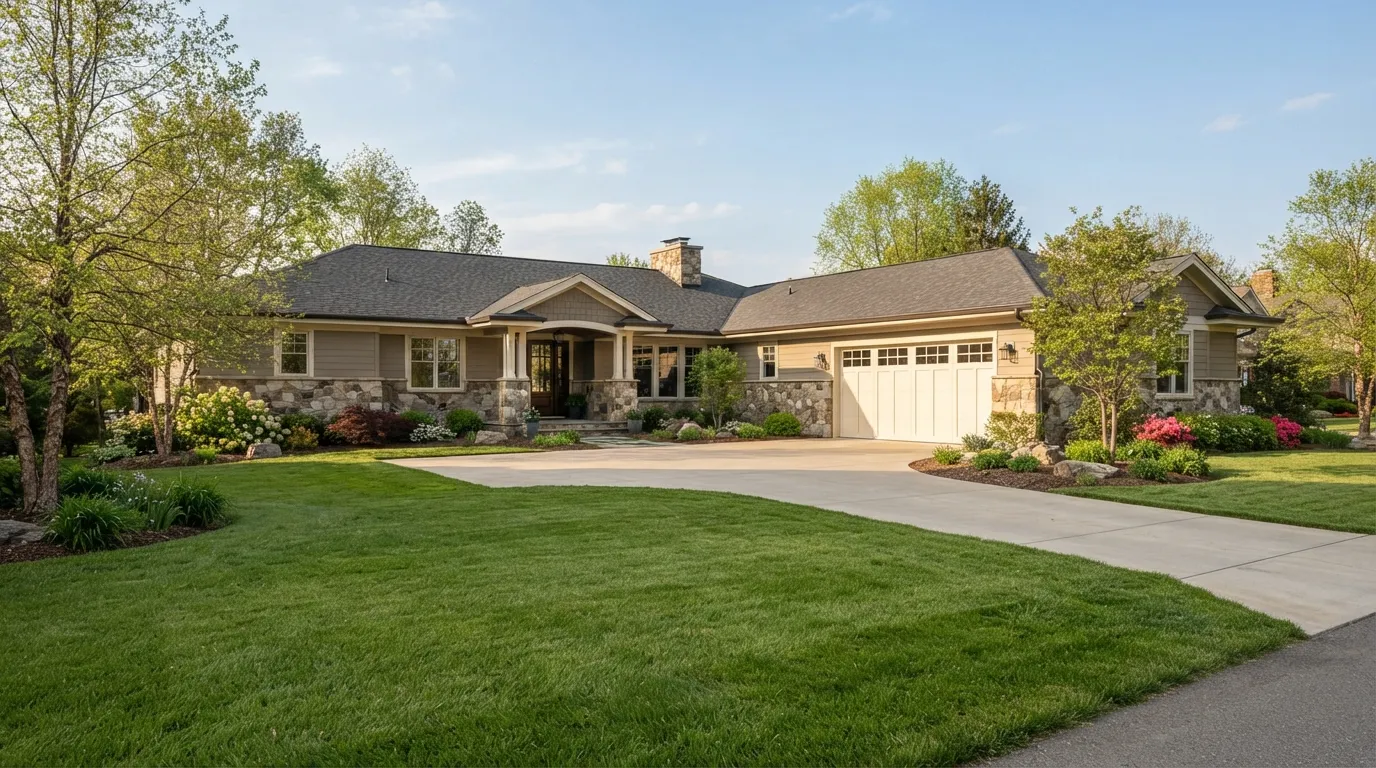
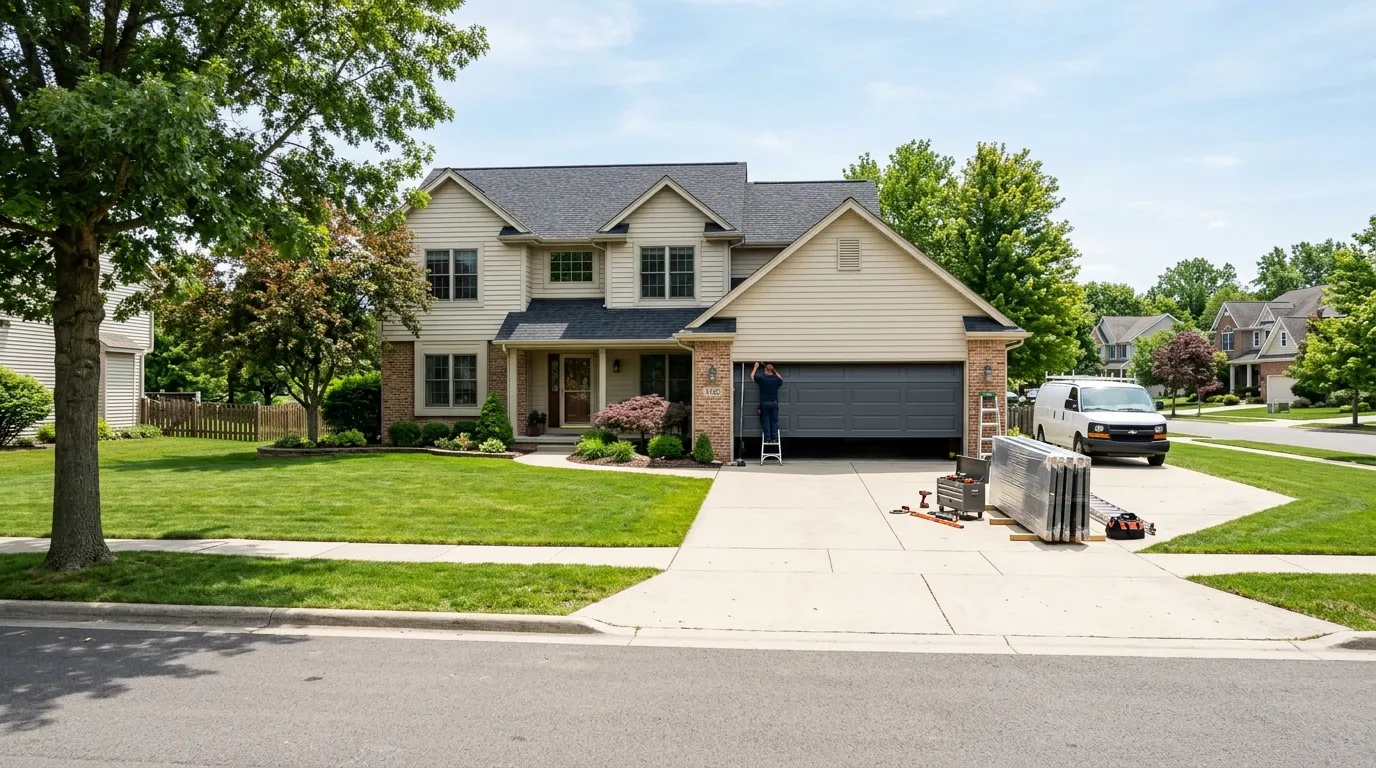
Harrisburg sits about 14 miles out from our Matthews shop, and the housing stock here skews newer than a lot of what we service closer in. Across the wider area homes went up between 1974 and 2006 (median 1998), but Harrisburg leans hard toward that back end of the range - a lot of these garages were built out around 2006. That matters because it means most of what's on the door is still the original stuff from the build: the first opener the builder installed, the first set of springs, the same nylon rollers. Nobody's replaced them because nothing's failed outright yet. But an opener from 2006 is pushing 18-19 years, which is past the point where the drive gear, the logic board capacitors, or the safety sensor wiring age gracefully. The failure mode we see isn't a door that won't open - it's a door that opens fine nine times out of ten and then doesn't, which is worse because it's harder to catch before it strands a car in the garage.
Cold-moderate winters put extra load on that aging hardware too. Metal contracts, grease stiffens, and a spring that's been fine for 18 summers can bind or snap the first hard cold snap of the year.
What the Fix Involves
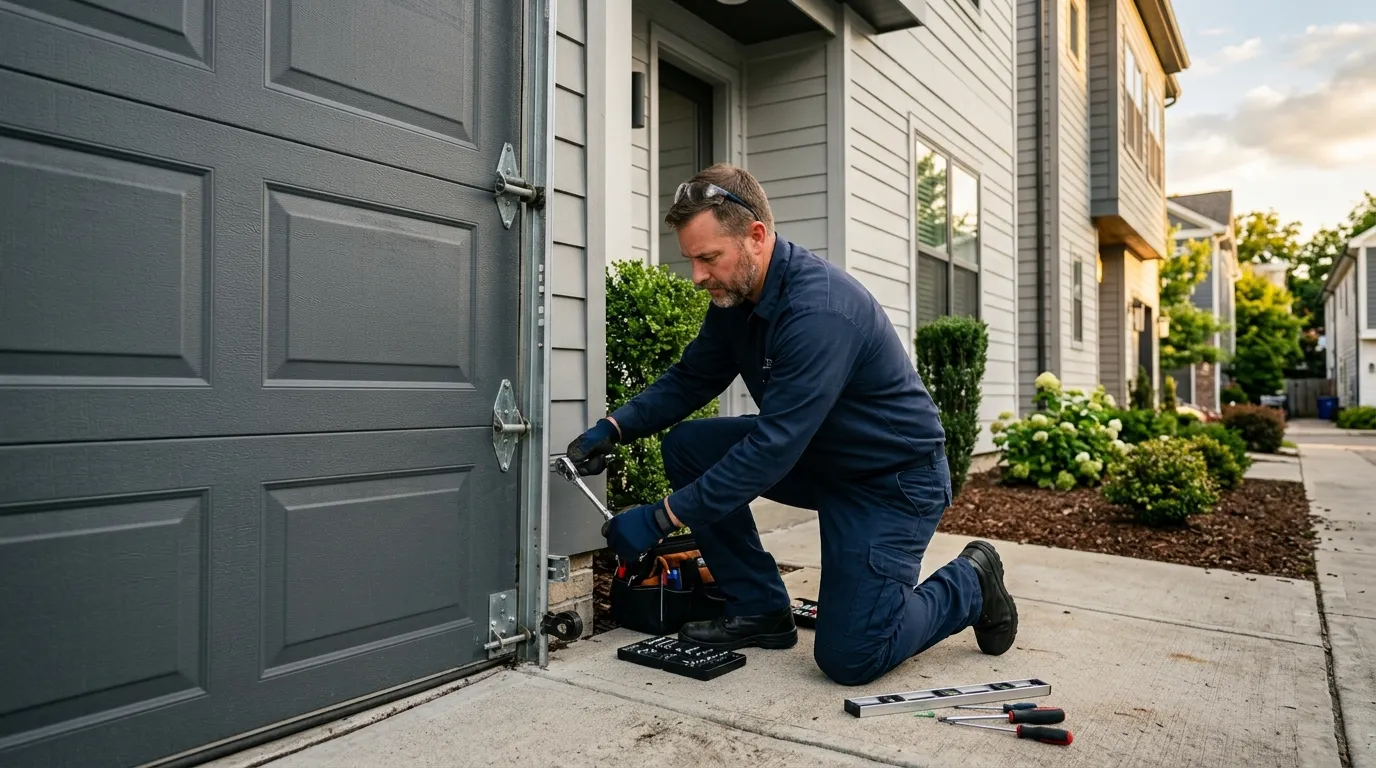
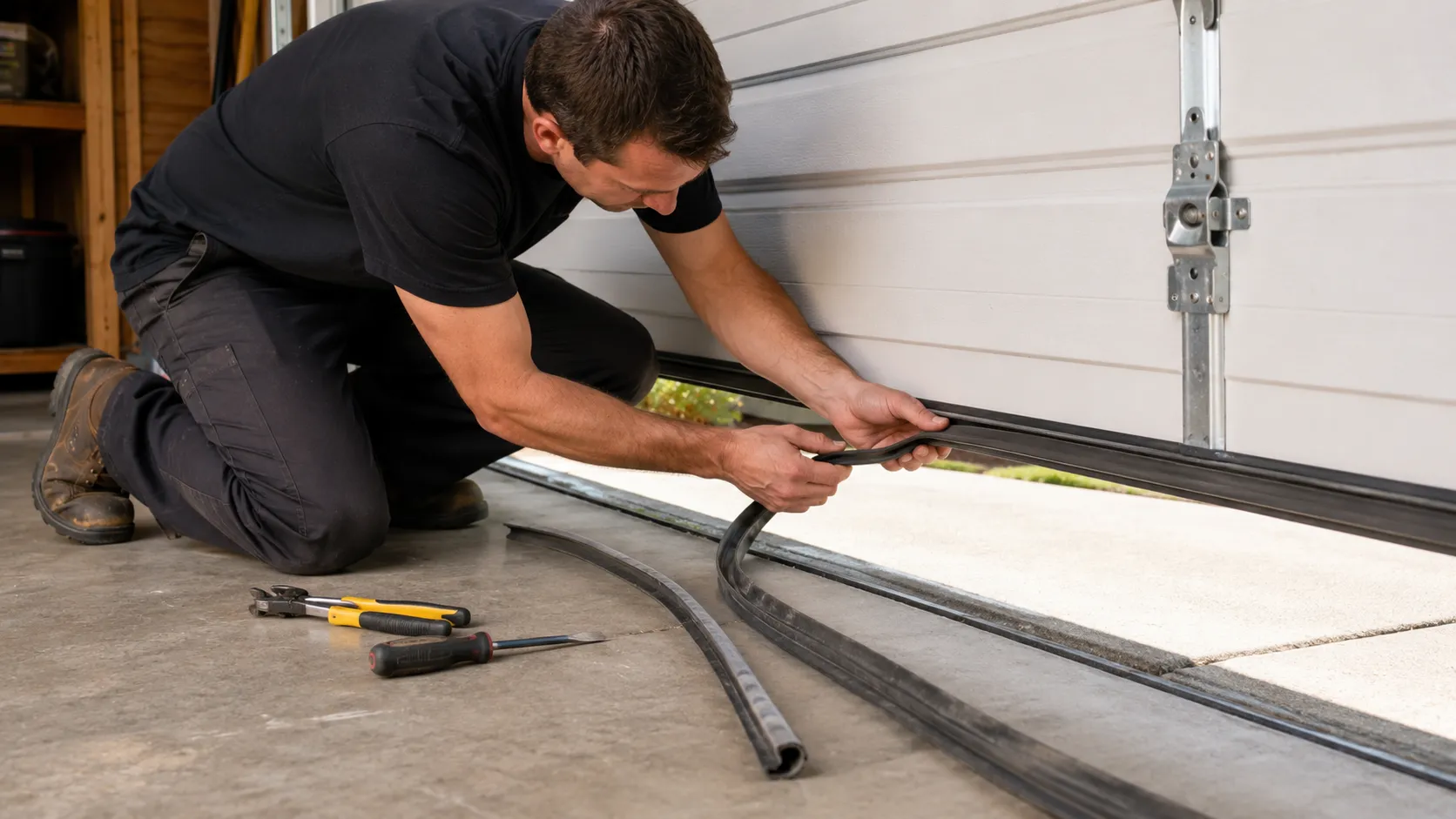
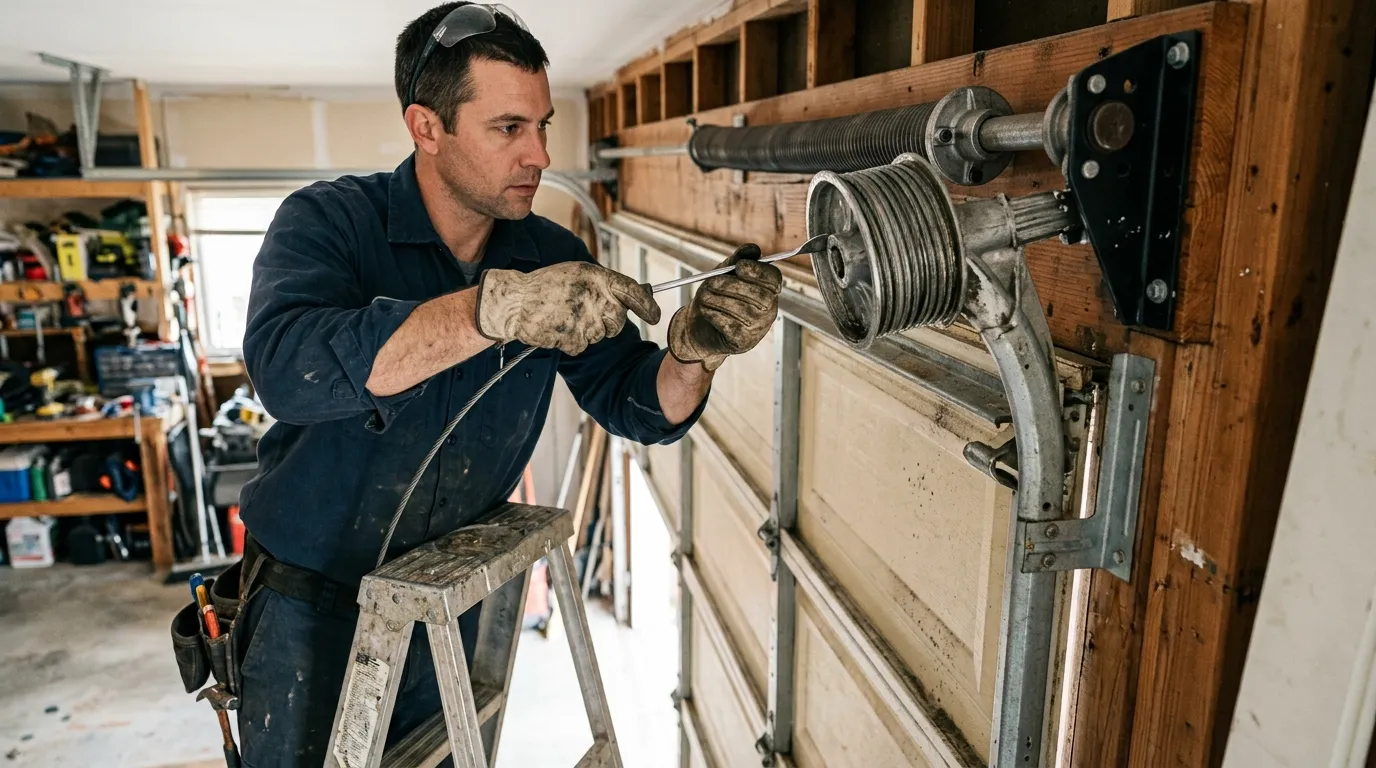
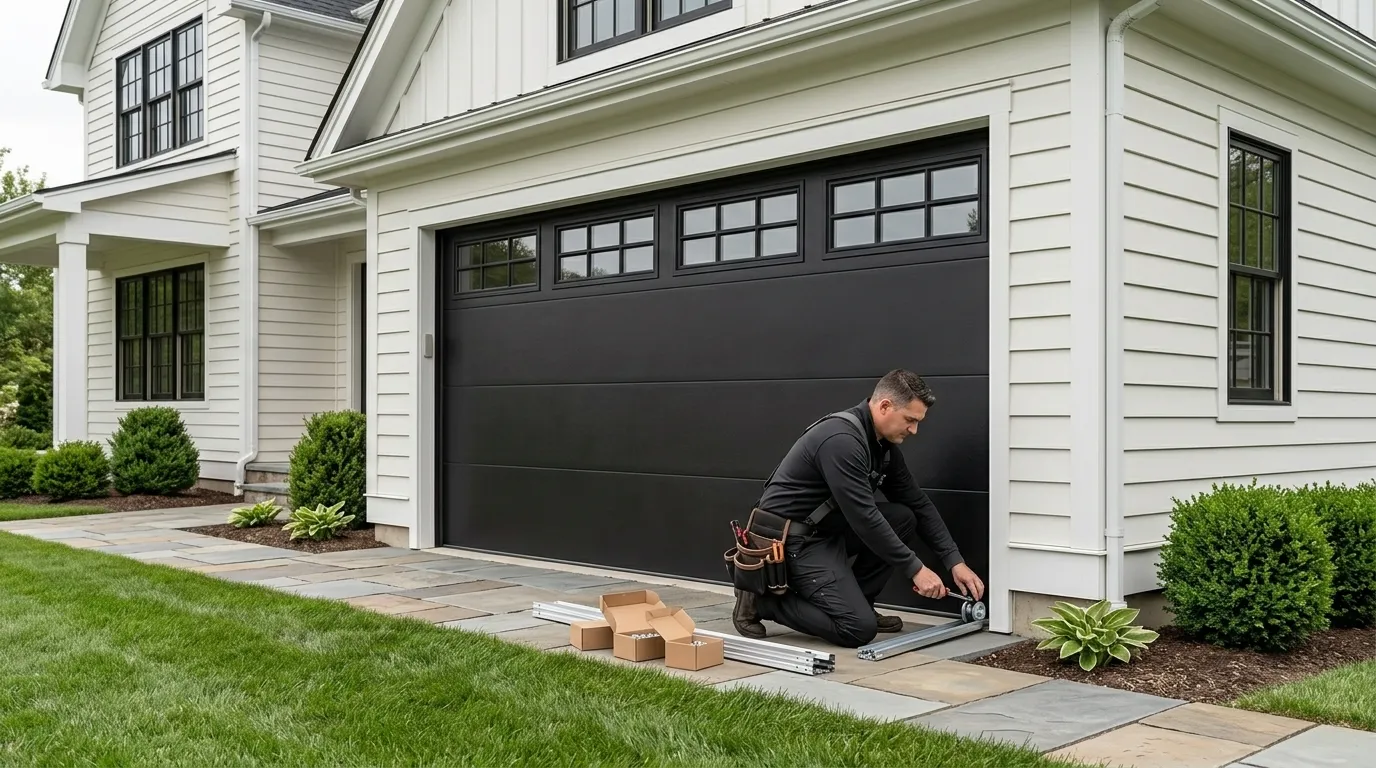
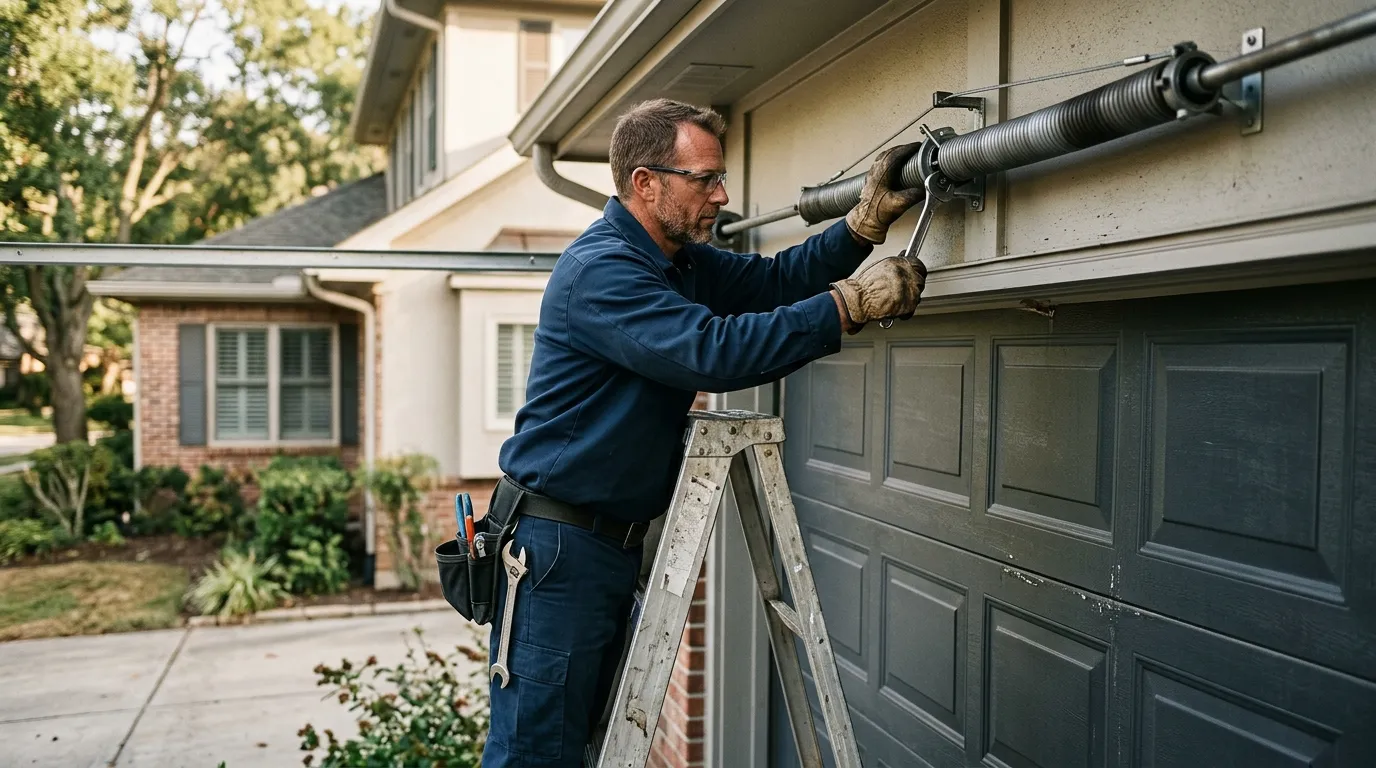
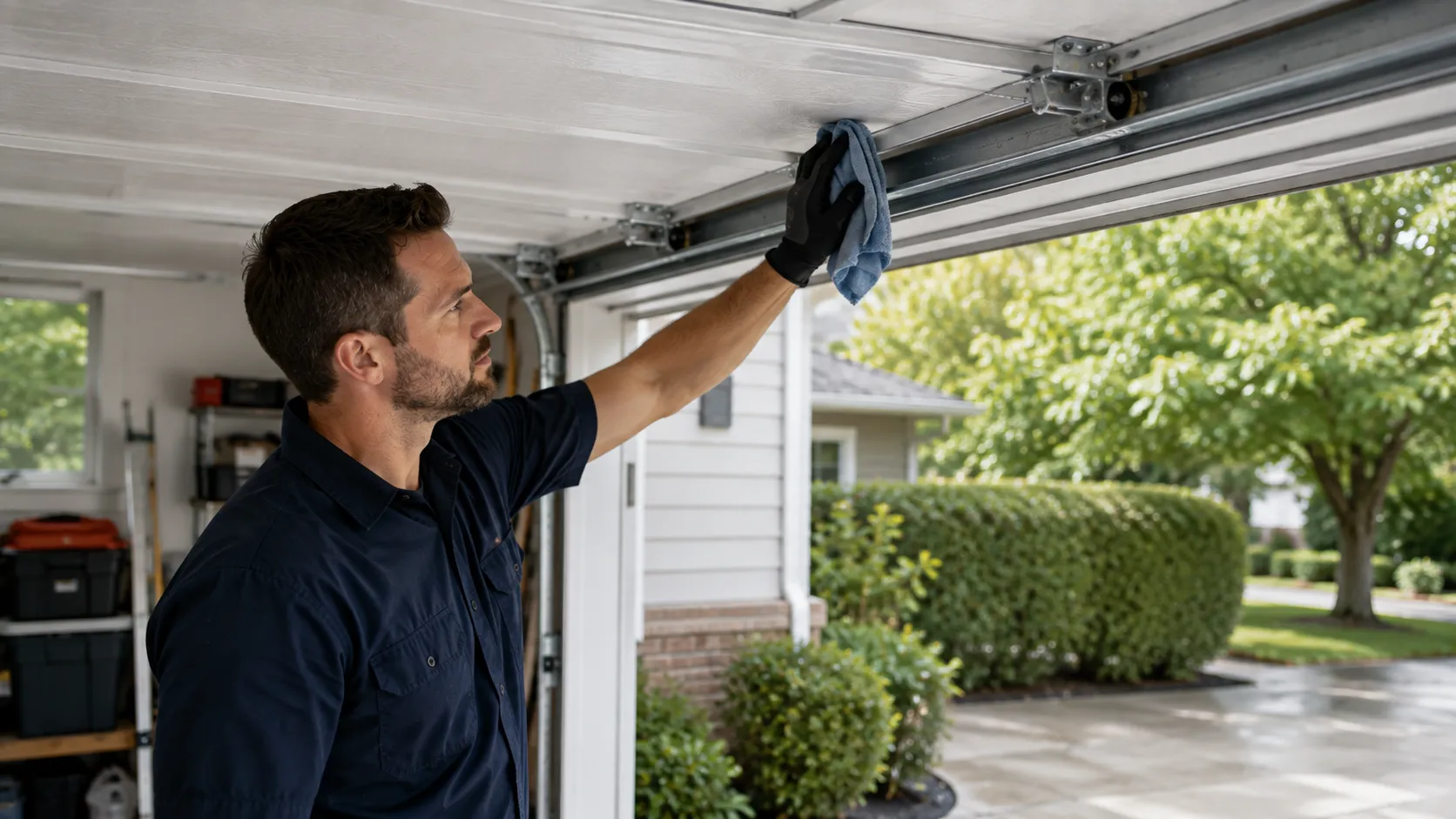
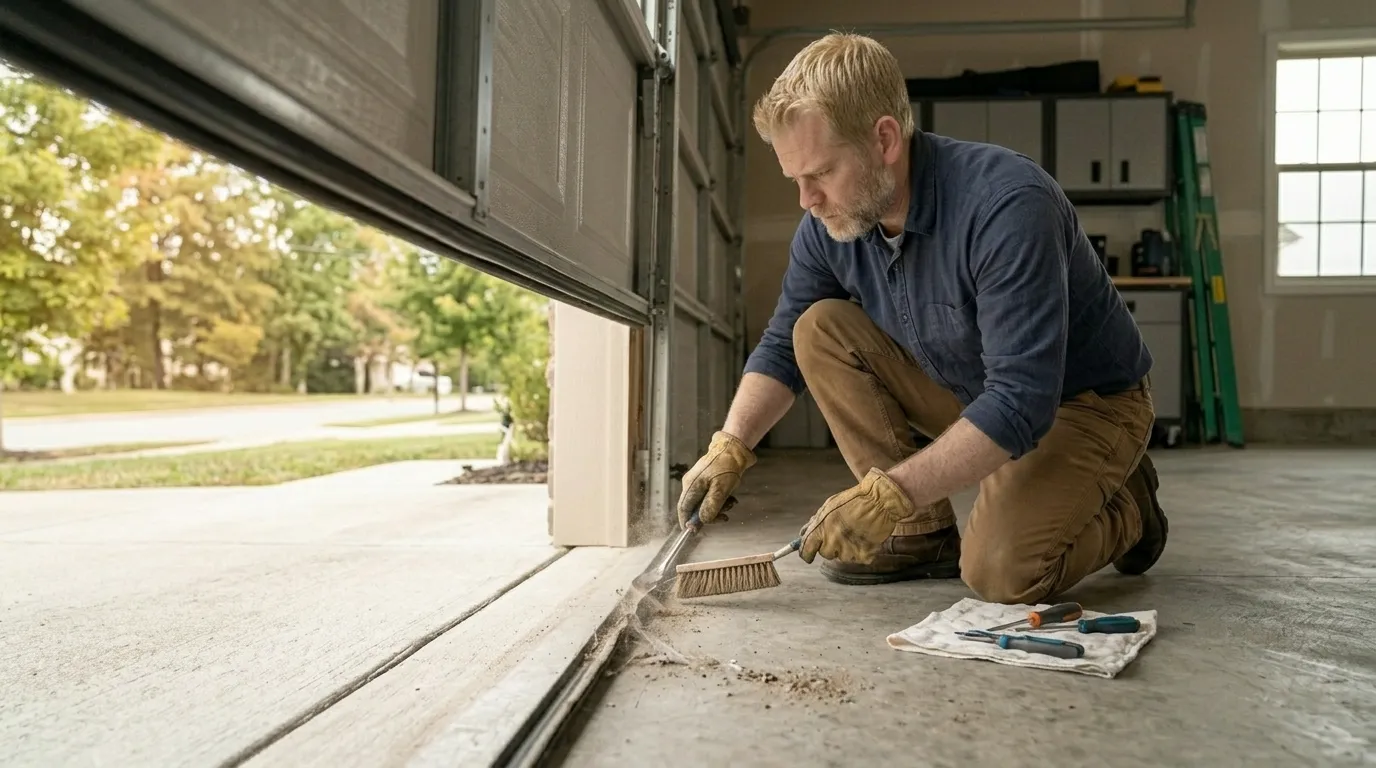
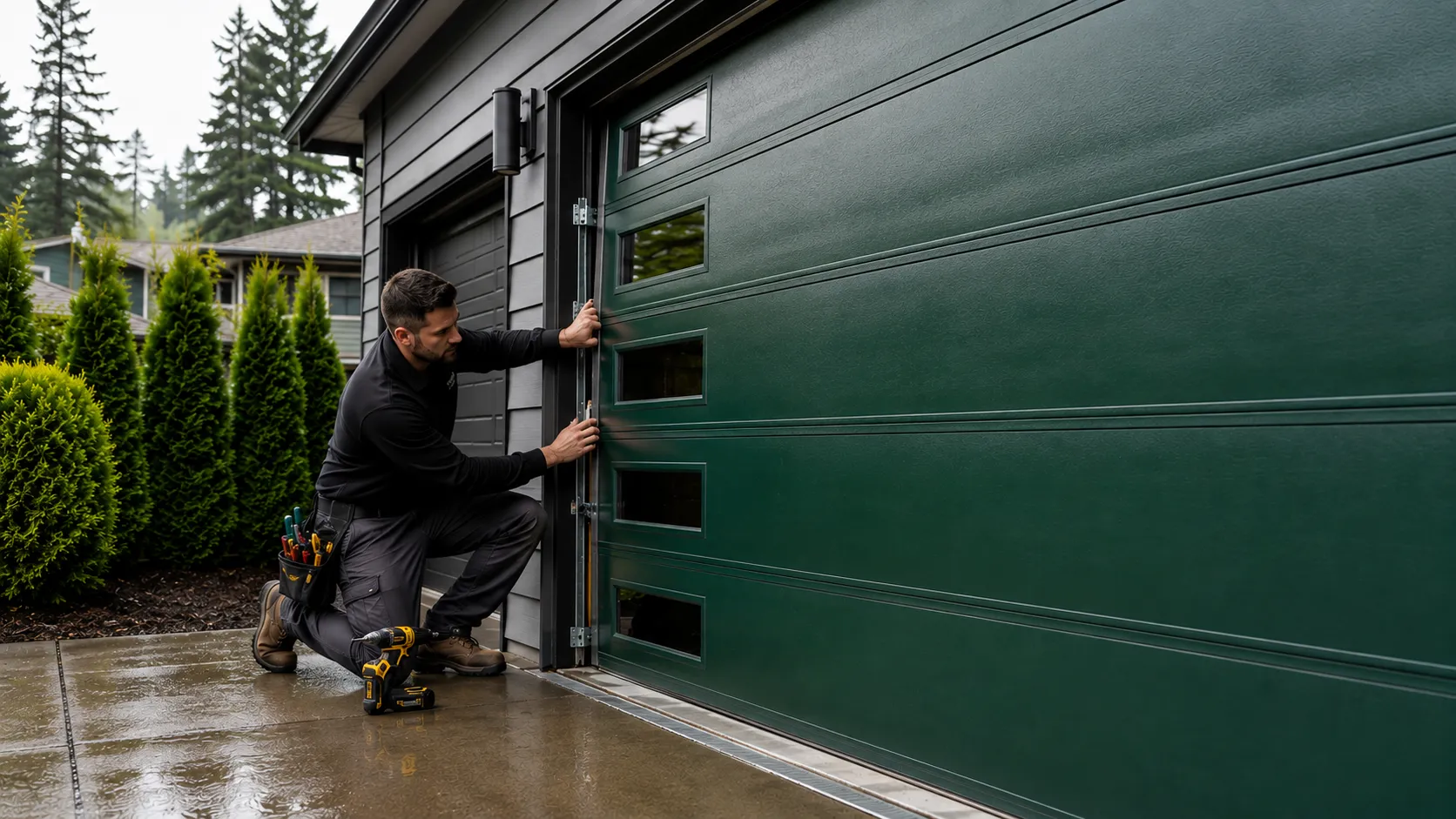
For a house built around 2006, maintenance starts with the opener, not the springs - those units are old enough that the logic board and the sensor eyes are the weak point, not the motor itself. We check the safety reversal, clean and realign the photo eyes, and test the wall control and remotes. On the door side, we're inspecting torsion springs for a specific wear pattern: metal fatigue that builds slowly over close to two decades of cycles, not sudden damage. We lubricate hinges, rollers, and the torsion bar, check track alignment, and torque down hardware that's worked loose from thousands of open-close cycles since the original install.
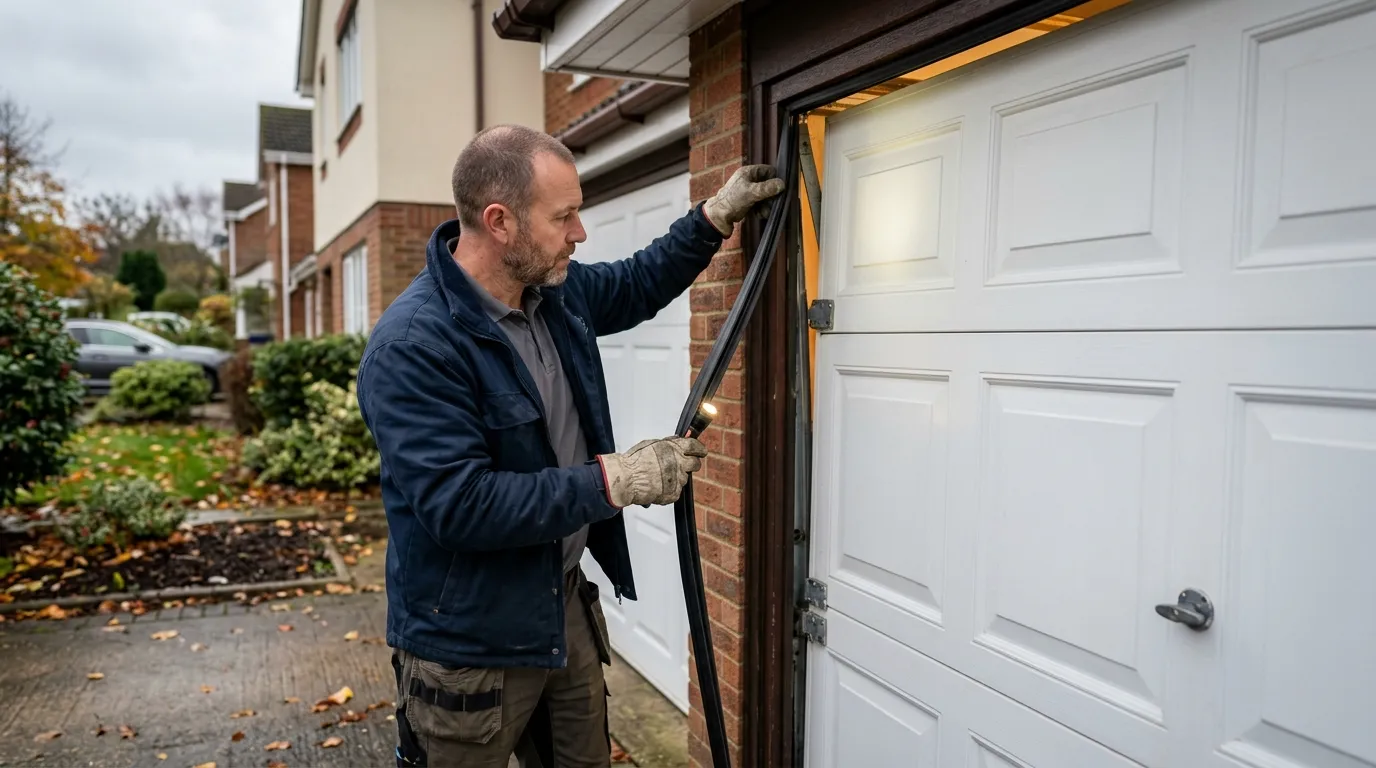
We also look at the cables and end bearing plates, since those are original-hardware parts that rarely get swapped until they fail outright. On a household income base like Harrisburg's, most owners we see are maintaining ahead of failure rather than waiting for a breakdown - which is the right call on hardware this age, since a spring or cable failure on an 18-year-old system tends to take a bearing plate or a track bracket with it.
The DIY Question
Lubricating hinges and testing the auto-reverse function on the opener are fine to do yourself, and we'd rather owners do that twice a year than not at all. What we don't recommend touching yourself: the torsion spring system. On a door with springs original to a 2006 build, that spring is old enough that nobody can tell you from the outside how much life is left in the coil, and a spring under that much stored tension doesn't give a warning before it lets go.
If your opener is the original unit from the build year and it's started making a new noise, grinding on the rail, or reversing before it hits the floor, that's worth a call rather than a wait-and-see. Hardware this age doesn't fail gently.
Stocked Parts
We carry common rollers, hinges, cables, and standard torsion springs sized for the door dimensions typical of homes from the mid-1990s through mid-2000s build era - which covers most of what we run into here. What we don't carry on the truck is proprietary opener boards or obsolete remote receivers from specific builder-grade units; those get ordered once we've confirmed the exact model on site. For a maintenance visit on a Harrisburg door, that usually means we finish the tune-up the same trip and only come back if a part needs ordering in.