What You Are Seeing
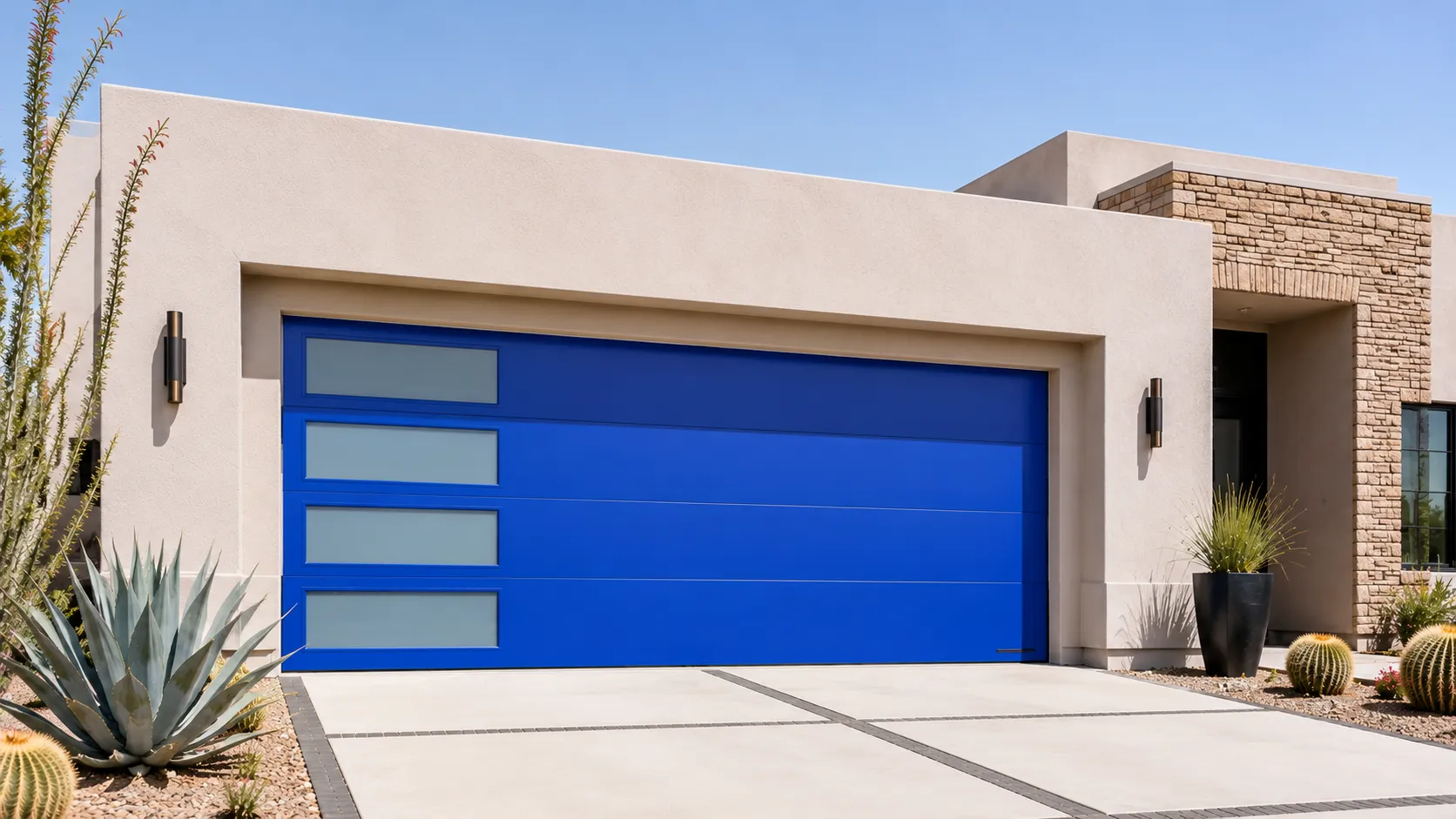
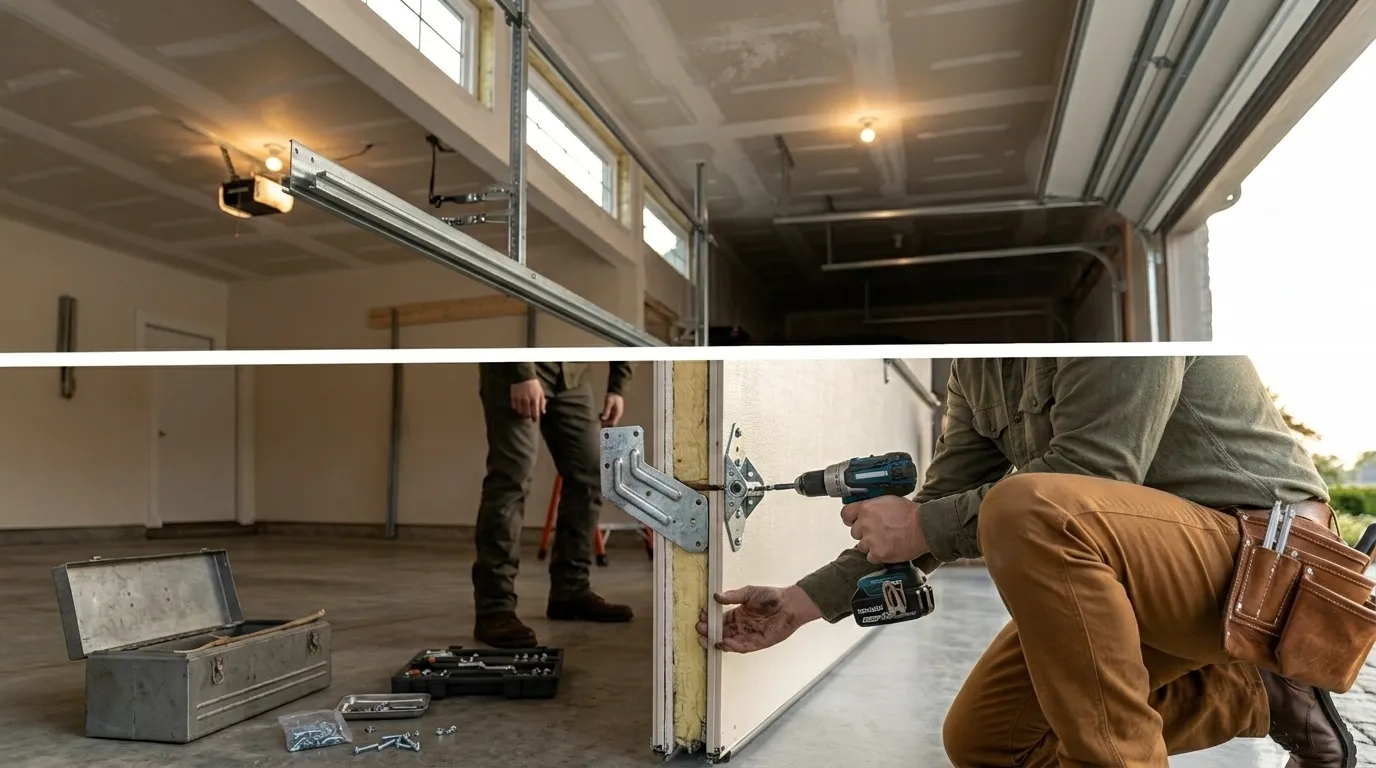
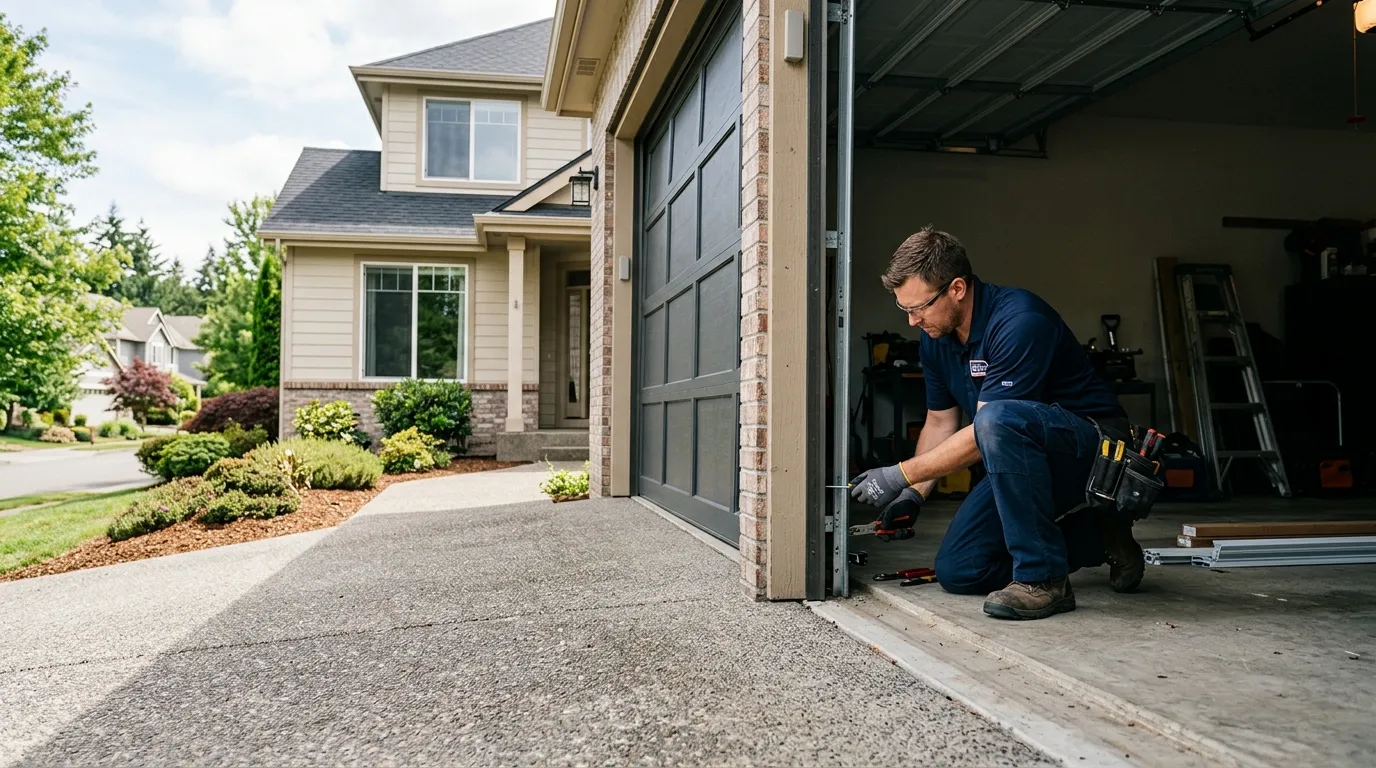
Most of the service area we work in was built with a median year of 1998, but Unionville's own median build year sits at 1993. That five-year gap matters more than it sounds. Doors and openers installed in the early '90s came before a lot of the hardware standardization that showed up later in the decade - narrower track widths, older-style extension springs on some single doors instead of torsion, and openers with no rolling-code or photo-eye safety features built in from the factory. If your house here is original to the neighborhood, what's on the opening now was likely sized and installed for a builder-grade door that's since been swapped, patched, or is still the first one that ever went in. A new install on a house like this isn't a drop-in replacement job - we're often correcting a track or header opening that was never square to begin with, or working around a header that was framed for a lighter door than what's standard today.
Getting It Booked In
We run this job out of Matthews, about 11 miles from Unionville. There's no branch or crew stationed out here - every install is a scheduled trip from the shop, so we book by appointment window rather than same-day walk-up service. That's not a knock on the area; it's just the honest setup. When you call, we ask for the door's rough opening, what's currently installed (or a photo of it), and whether the opener is staying or going. With roughly 2,431 households in Unionville, we're not doing volume tract work here the way we might in a subdivision built all in one phase - each house tends to need its own read before we quote it.
Time on the Job
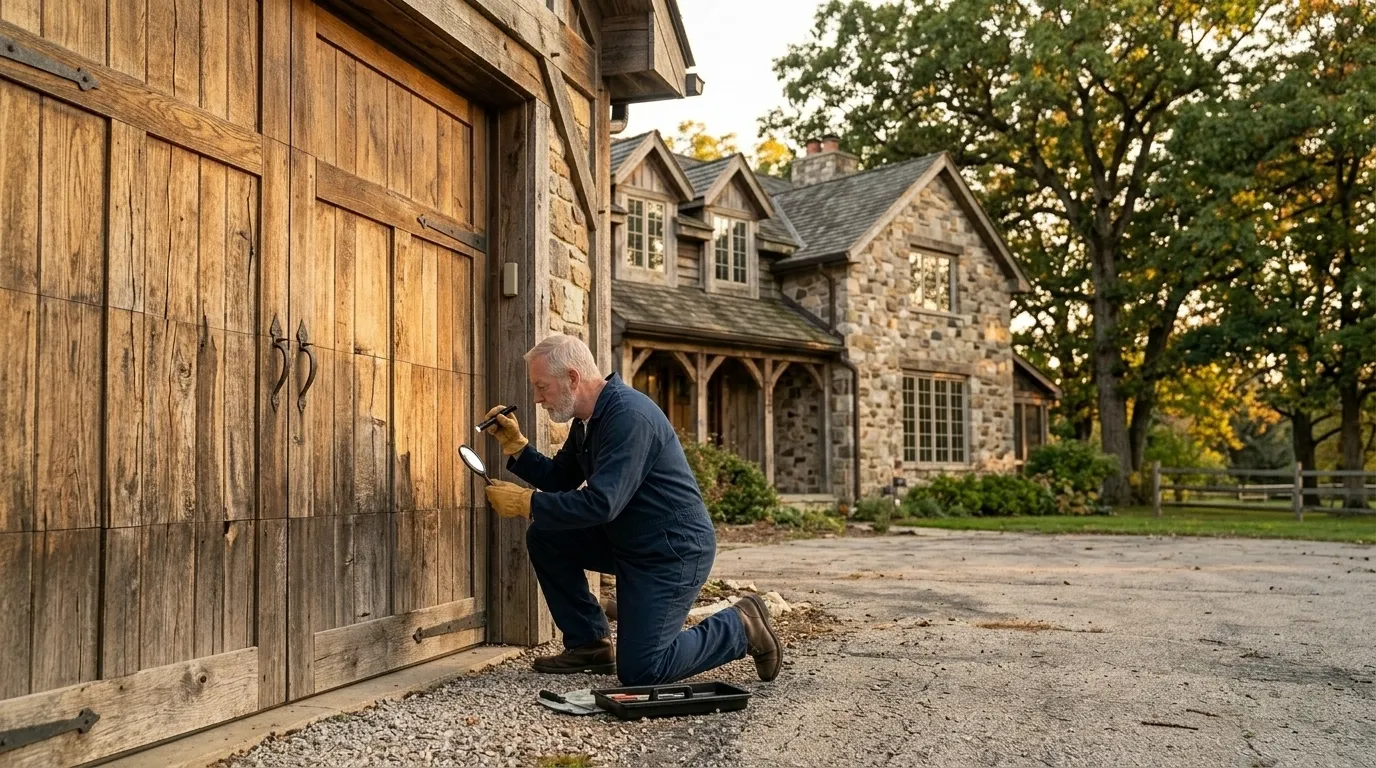
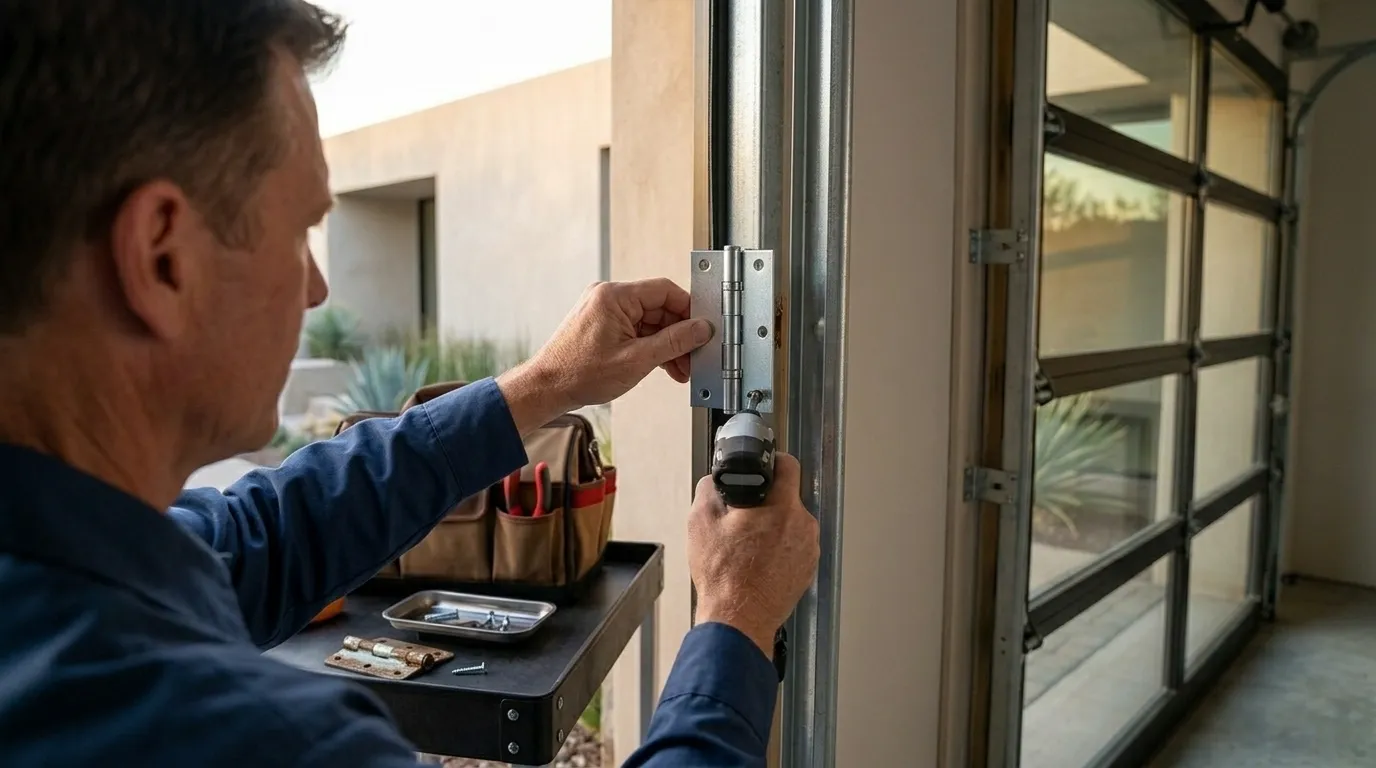
A straight swap - same size opening, no header work - is a one-visit job. Add a header modification, a wiring run, or a rough opening that's out of square (common on original-build homes from this era), and it turns into a two-part job: one visit to open things up and confirm what's actually behind the trim, a second to finish the install once we know what we're building to. We tell you which one you're looking at after the first walk-through, not before.
Why This Fails Locally
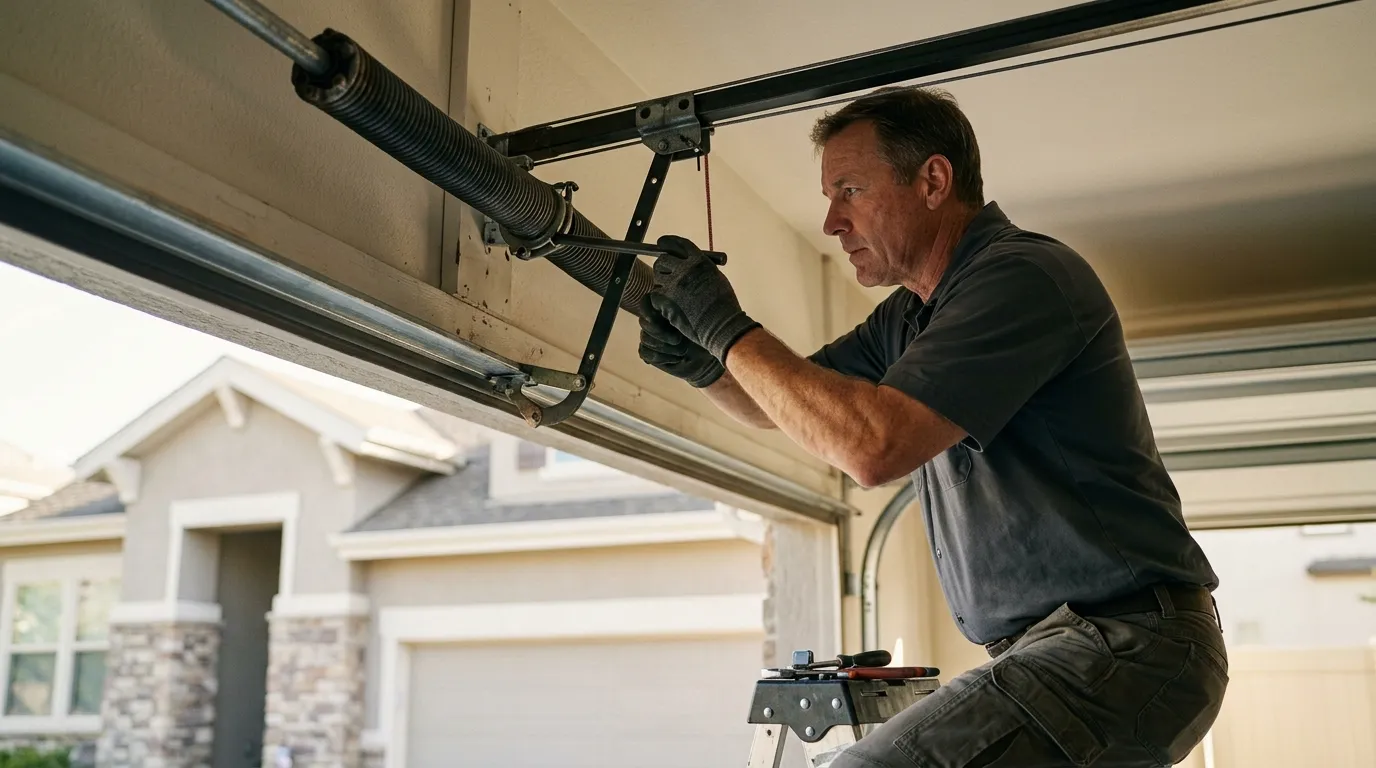
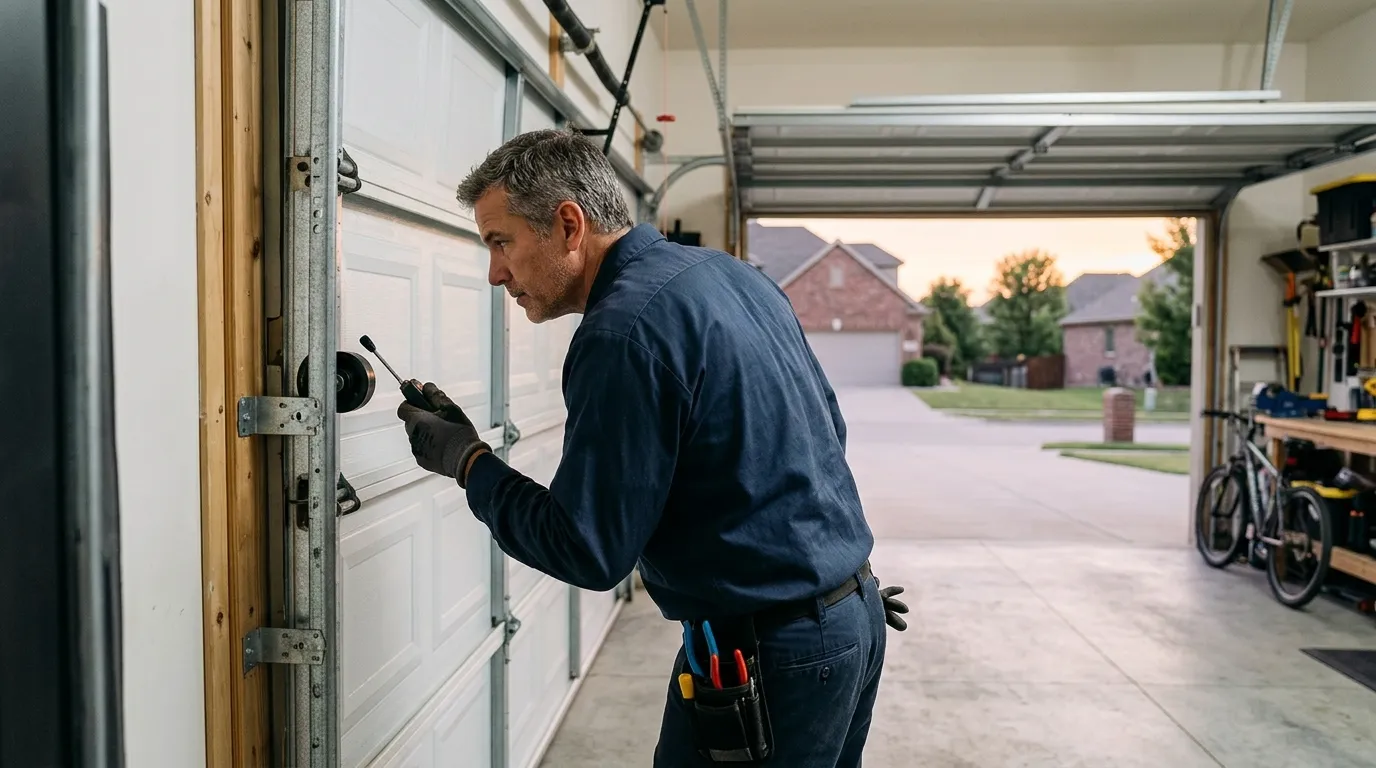
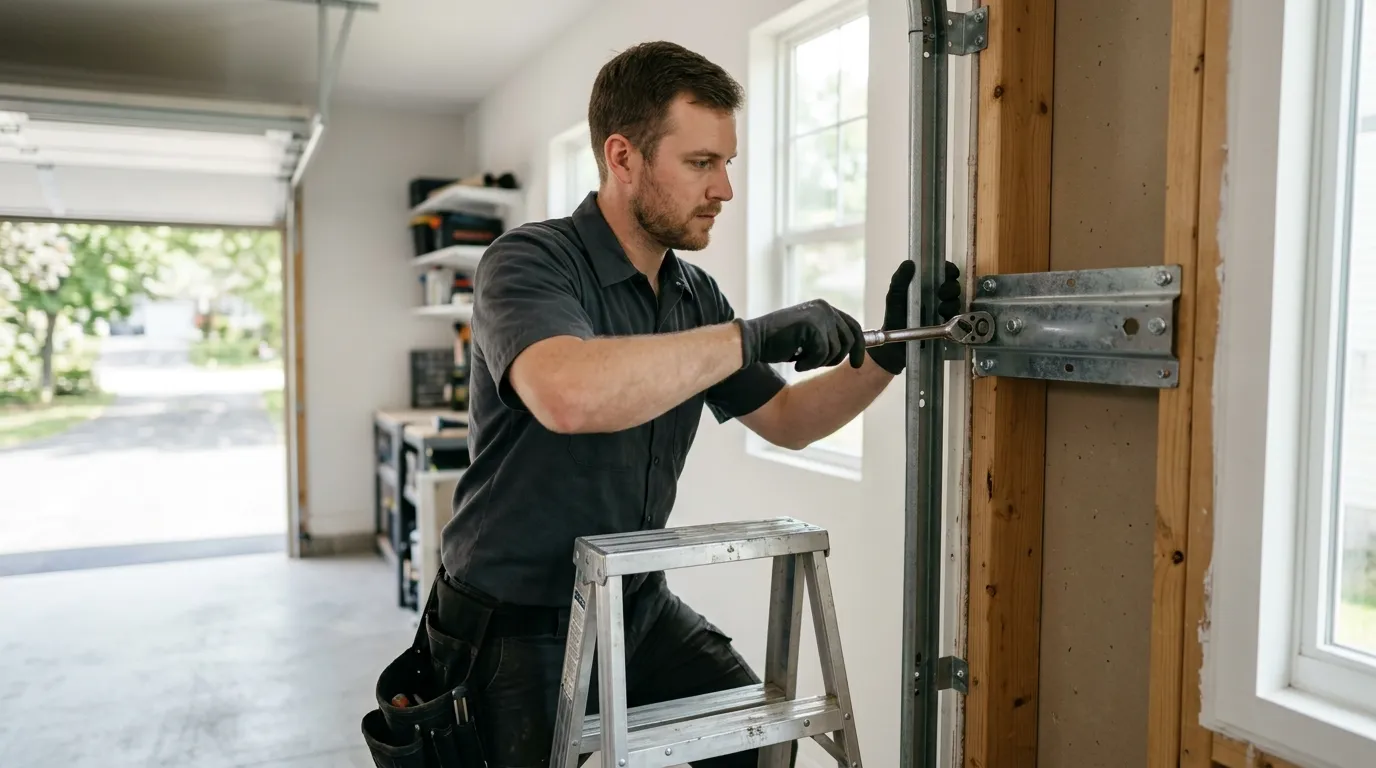
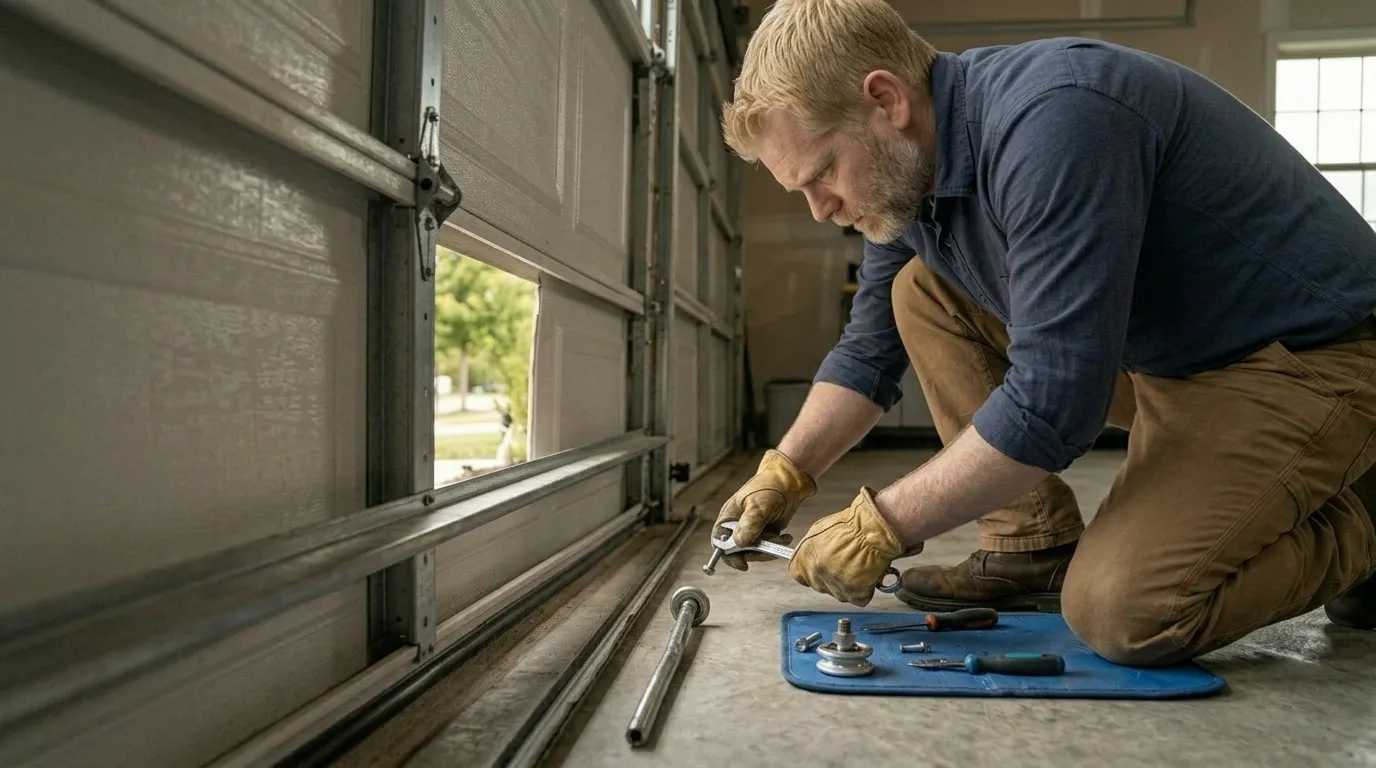
Unionville sits in a climate band that's cold-moderate - not brutal, but enough freeze-thaw cycling over a winter to matter for a door that's been sagging on old hardware. On a house built in 1993, the springs and rollers have usually been replaced once or twice already, but the track itself is often original. Old track that's been re-hung a few times develops play at the mounting points, and a new door hung on an old track transfers that play straight into the new panel - it'll rack, bind, or drop out of alignment within a season. That's the failure we see on this kind of house more than any other: a good new door installed onto track that should have been replaced with it.