What You Are Seeing
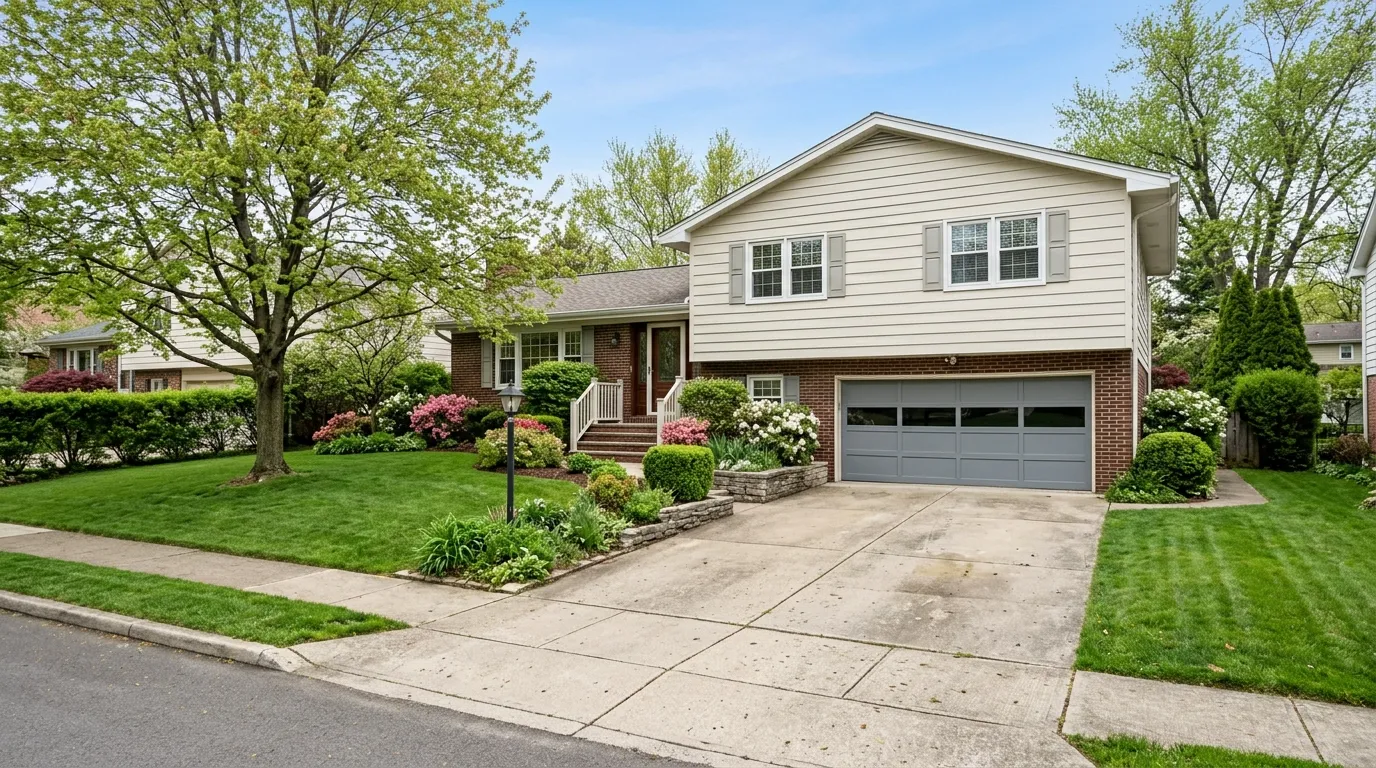
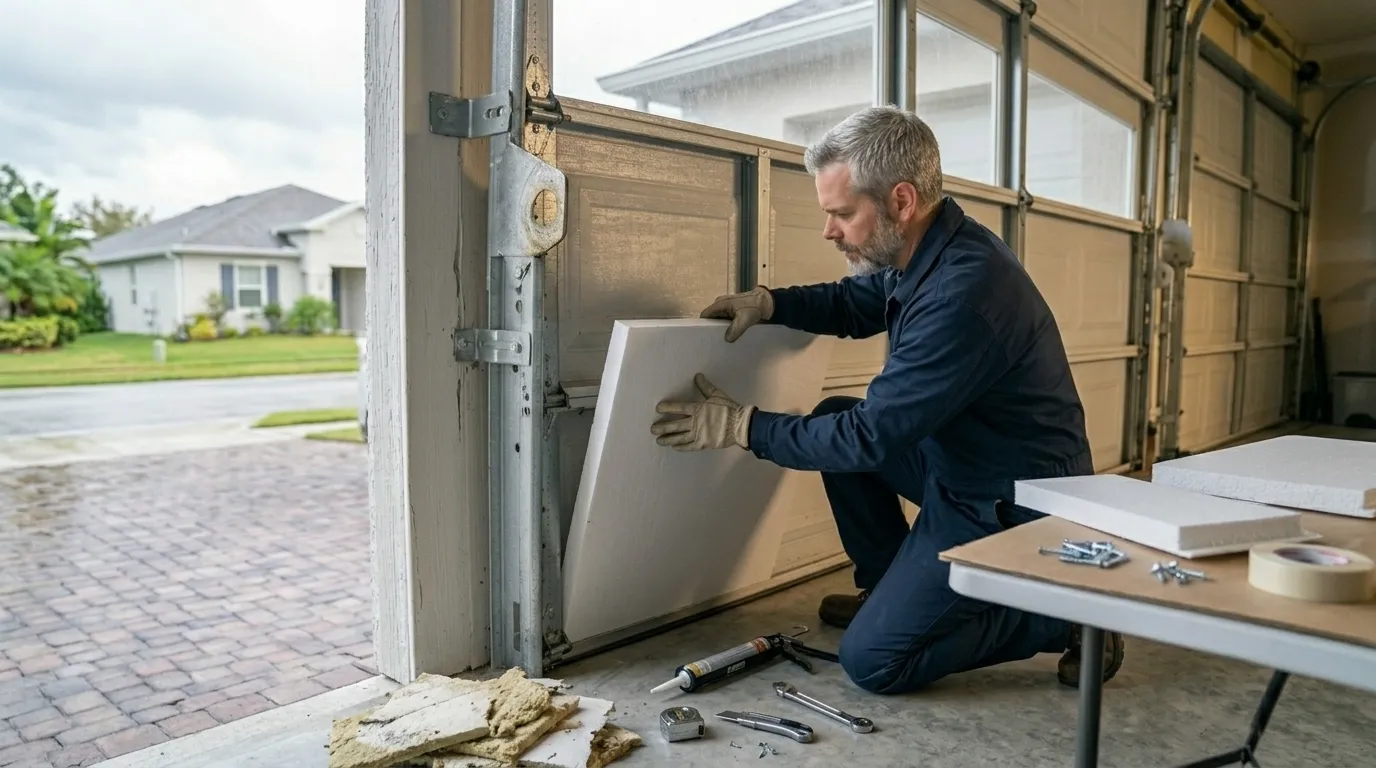
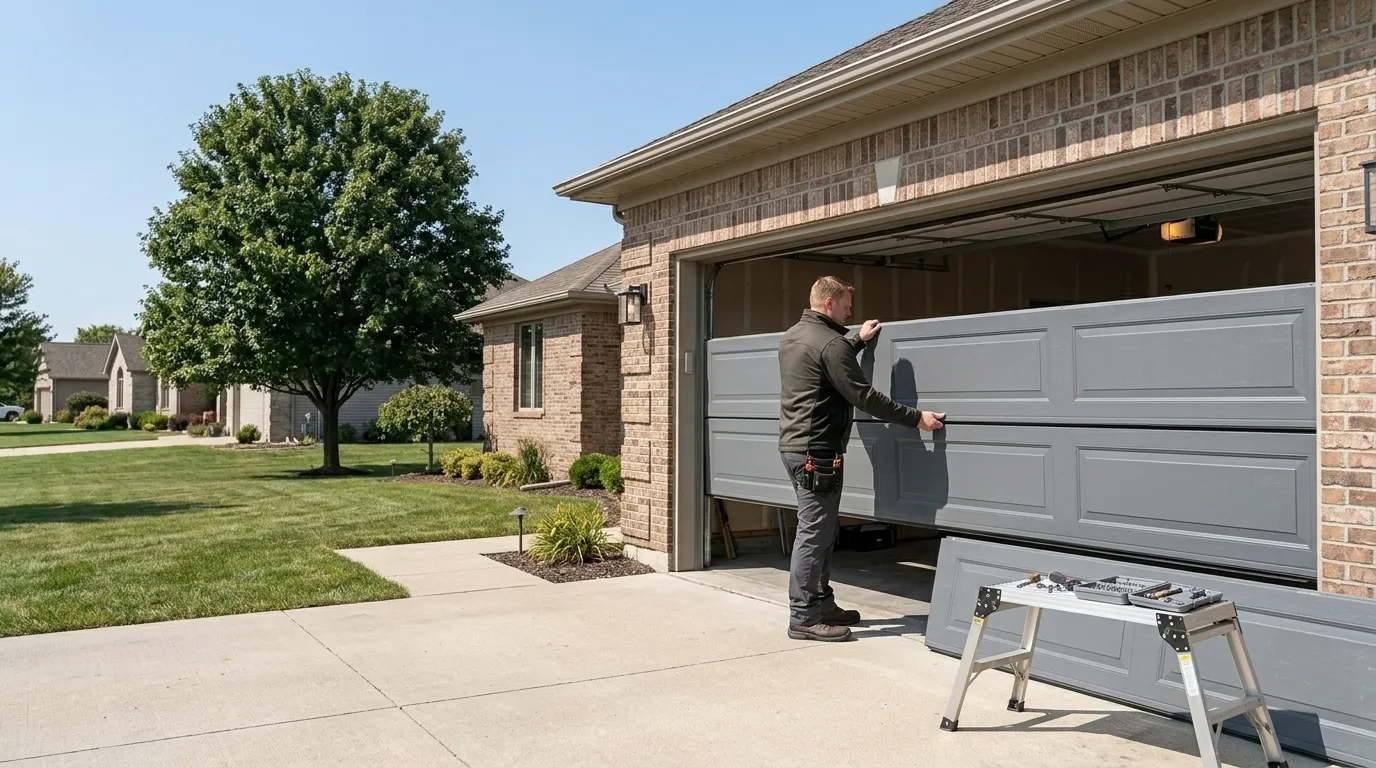
Most garage doors in Unionville went in around 1993, when builders here were putting up steel sectional doors in standard widths - a single 9-footer or a 16-foot double, hung on galvanized track with the roller and hinge hardware that came stock with the house. That hardware is now pushing thirty years old. It wasn't bad steel, but it wasn't built to be serviced either - the rollers are plain-bearing, not sealed, and the spring is usually the original torsion unit rated for a door weight that may have changed if anyone's swapped panels since. Insulation, if the door has any, is a thin foam layer glued to the inside skin rather than a sandwich panel. None of this makes the door unsafe on its own. It means the parts wearing out are original-era parts, and a lot of what shows up as a noisy or sticking door here is that hardware finally giving up after three decades of daily cycles, not a defect from install.
Getting It Booked In
We run out of Matthews, about 11 miles from Unionville, so there's no branch office here and no separate local crew - it's the same truck and the same scheduling as every other stop on the route that day. That means we're not going to promise a same-hour arrival for Unionville the way a shop sitting inside the neighborhood could. What we can do is plan the visit around the rest of the day's jobs on that side of the service area, so the drive isn't dead time tacked onto your bill. Maintenance visits get booked, not walked into - call ahead and we'll find a slot that fits the route.
Time on the Job
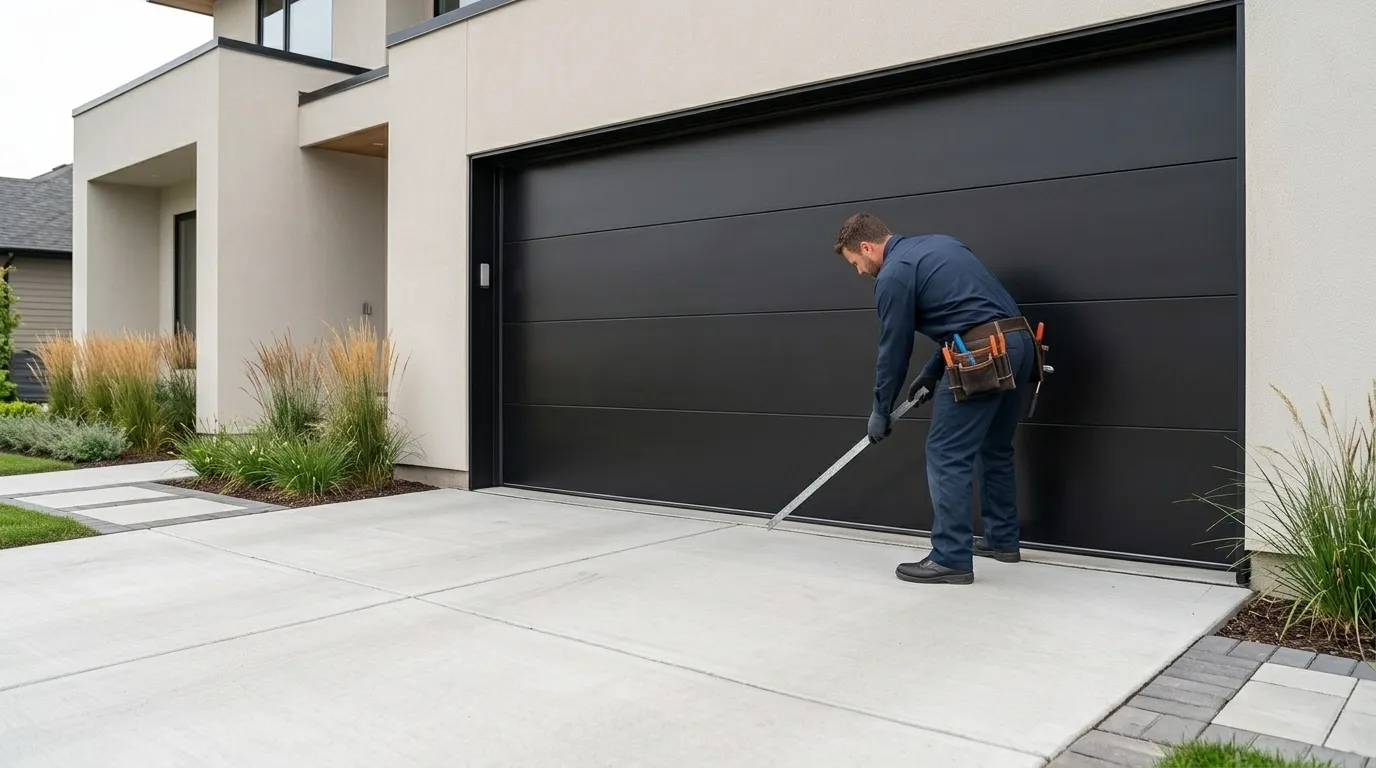
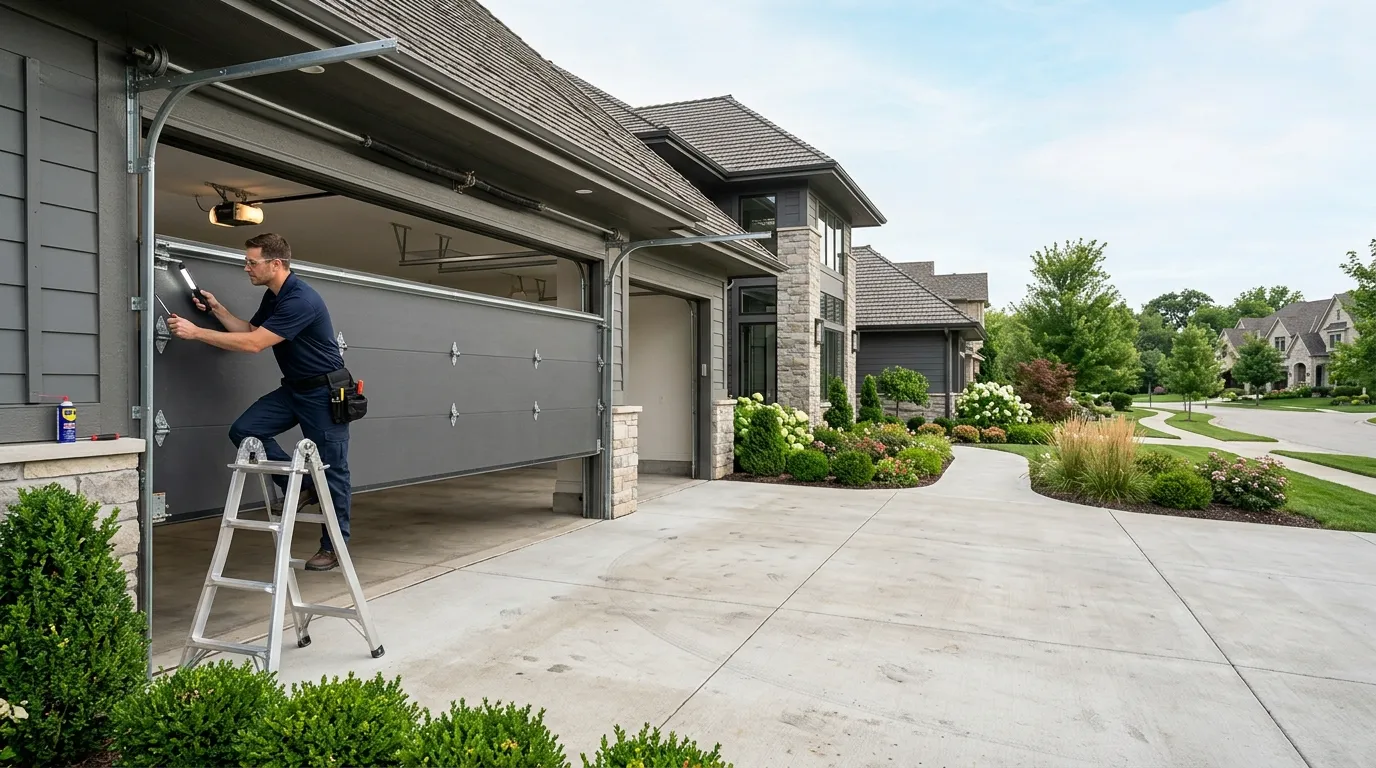
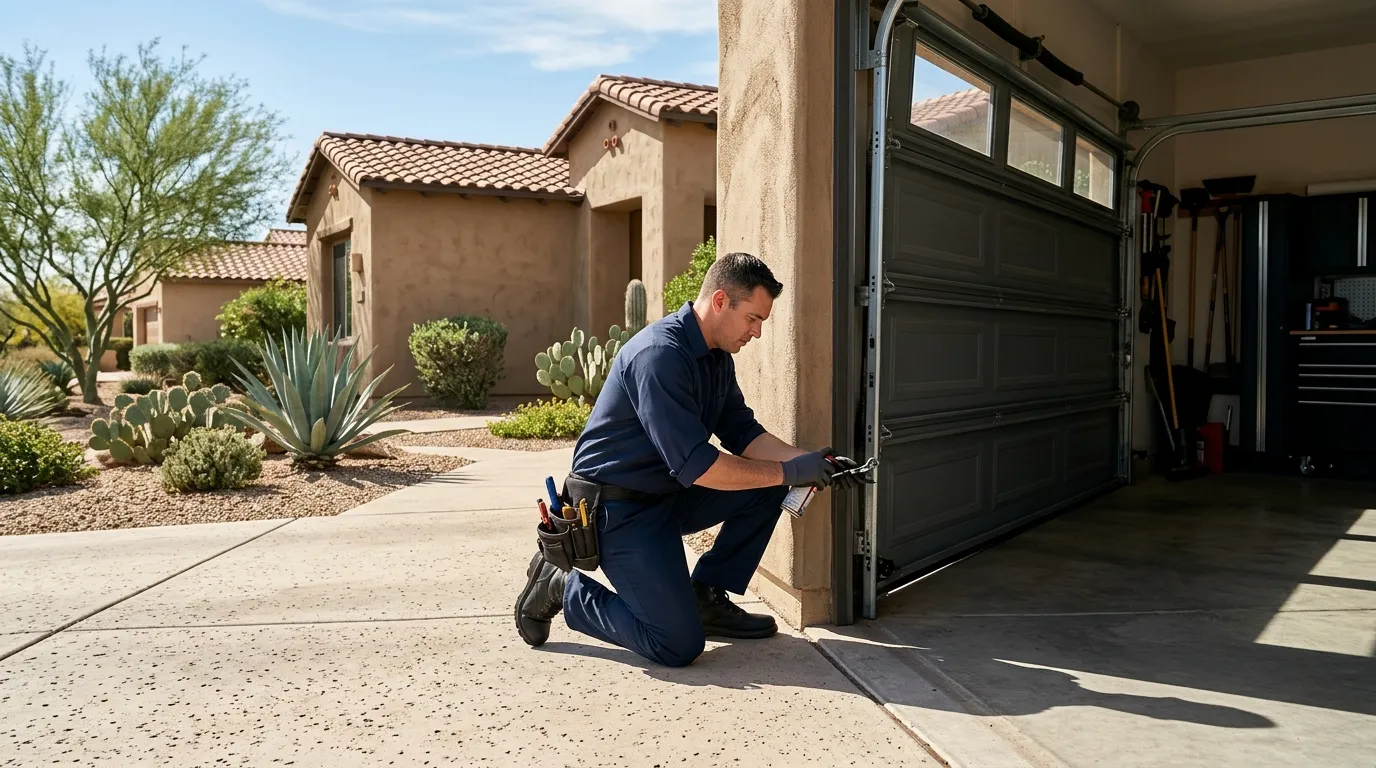
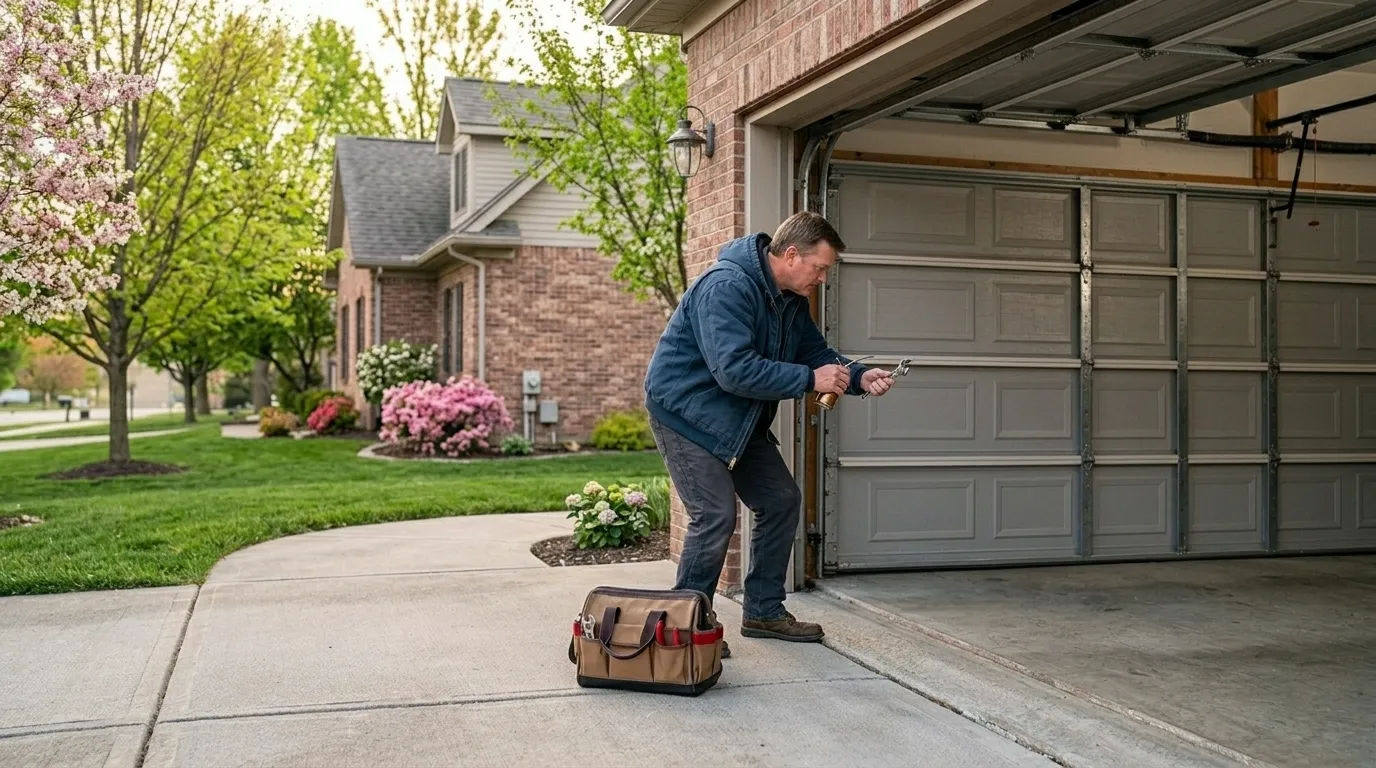
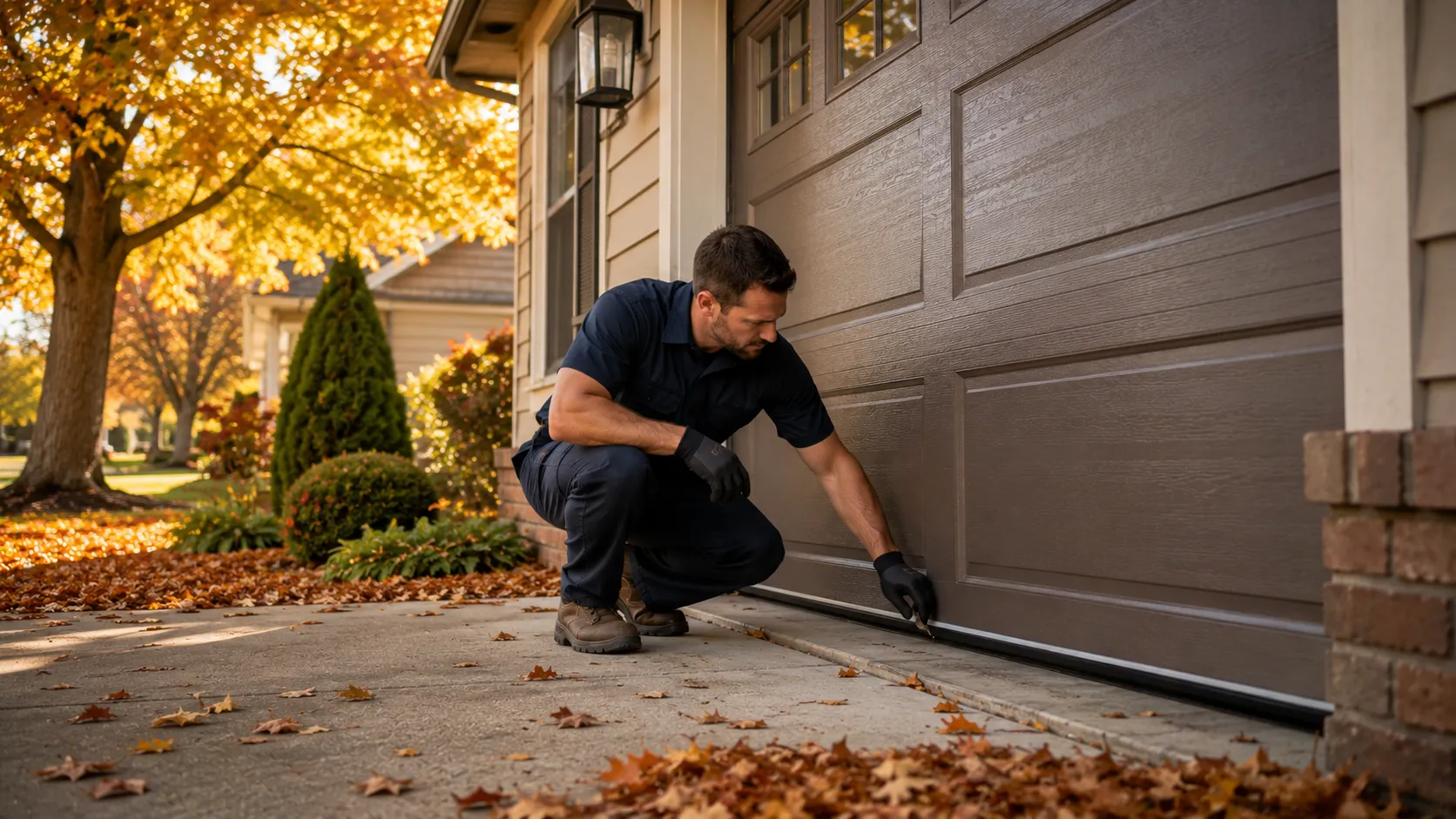
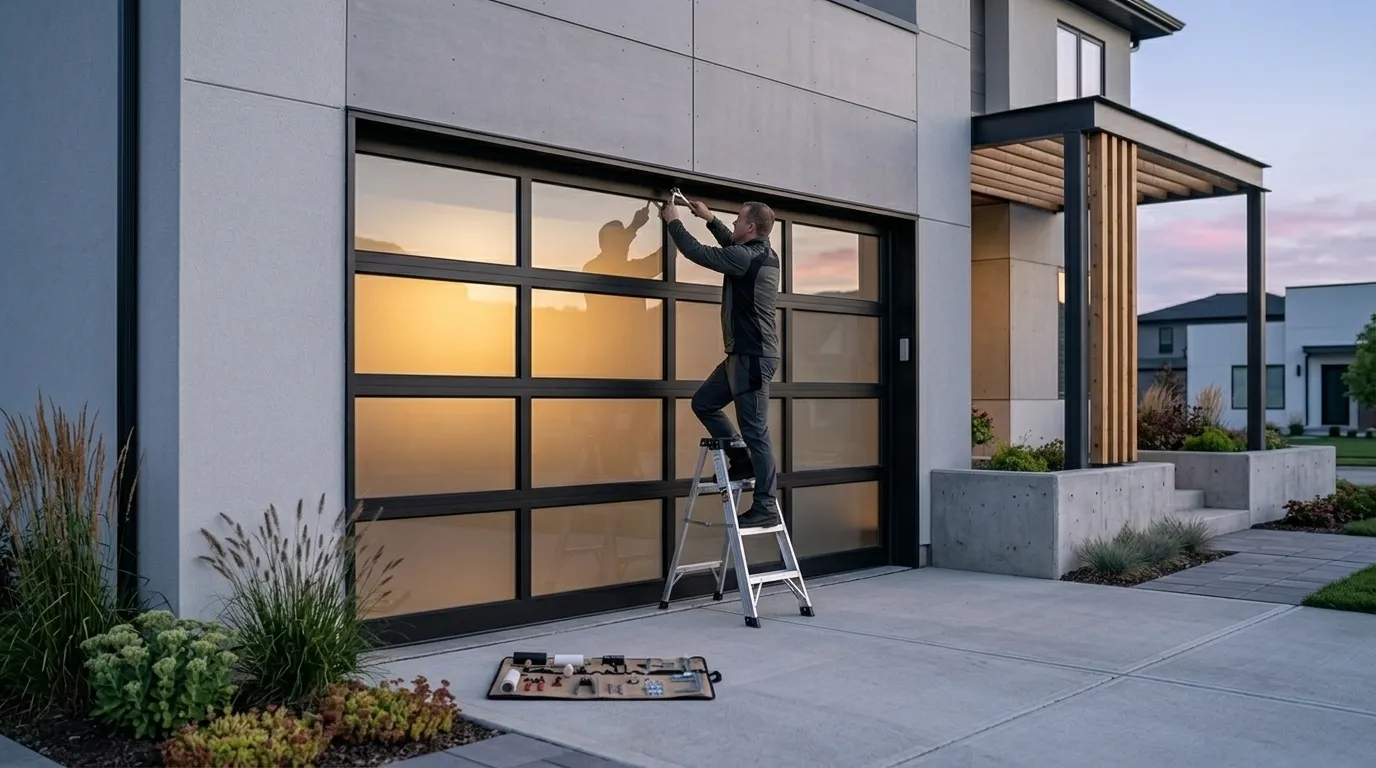
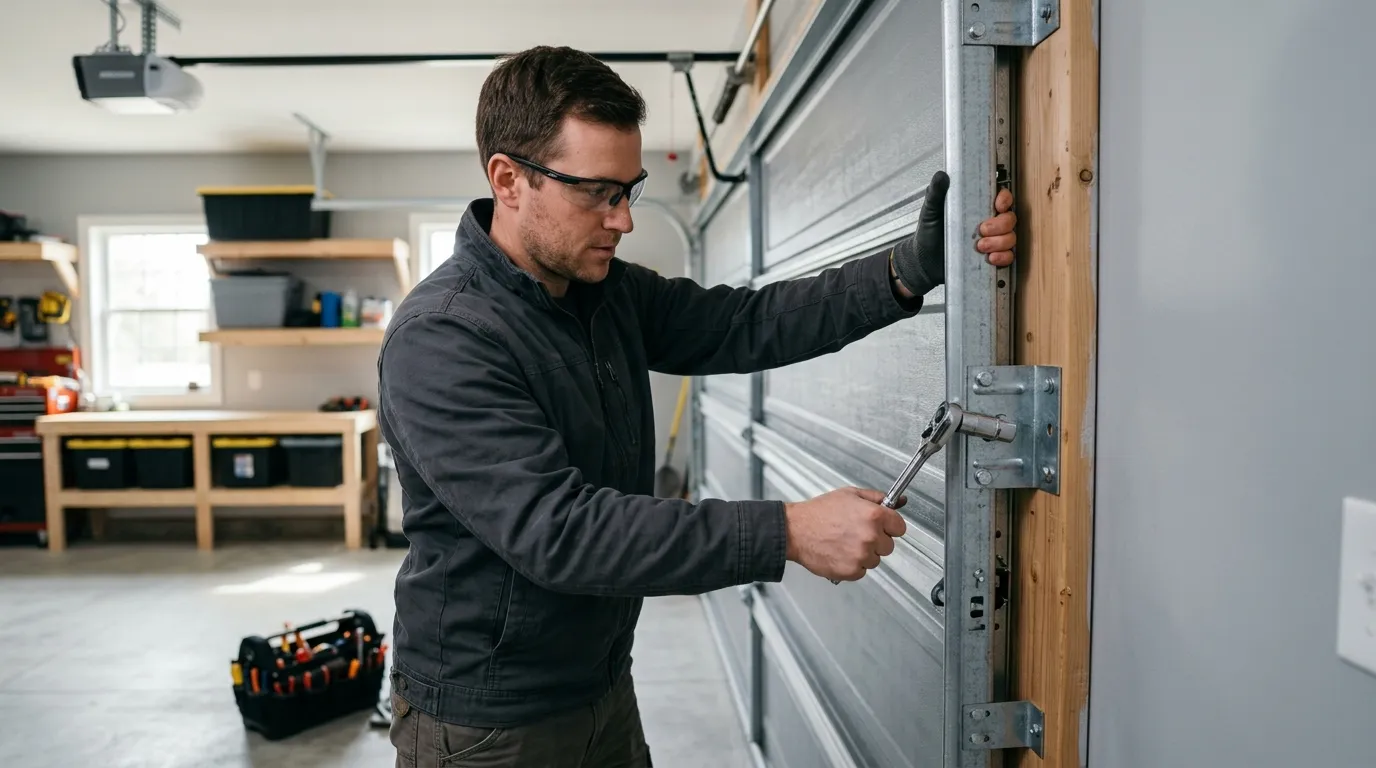
A straight maintenance visit on one of these doors - lubrication, hardware check, spring balance, track alignment, weatherstrip inspection - runs about what you'd expect for a single-car or double-car steel door with original hardware. If we find the spring or cable has already been swapped to compensate for a heavier door, that adds time to work out the correct sizing before we touch anything. We're not going to guess at a spring weight and hope; matching the door's actual weight is the point of doing this properly rather than fast.
Why This Fails Locally
This area sits in a cold-moderate climate band, which matters more for a 1993 door than people expect. The plain-bearing rollers and original torsion springs on doors this age were greased once at the factory and rarely since, and cold snaps make old grease stiffen right when the door needs to move smoothly. Combine that with builder-grade weatherstripping that's been compressing for thirty years and you get doors that drop harder on the seal, bind on the track in cold mornings, and put extra load on a spring that was never oversized to begin with. None of that shows up in July. It shows up on the first cold morning of the season, which is usually when we get the call.