Time on the Job
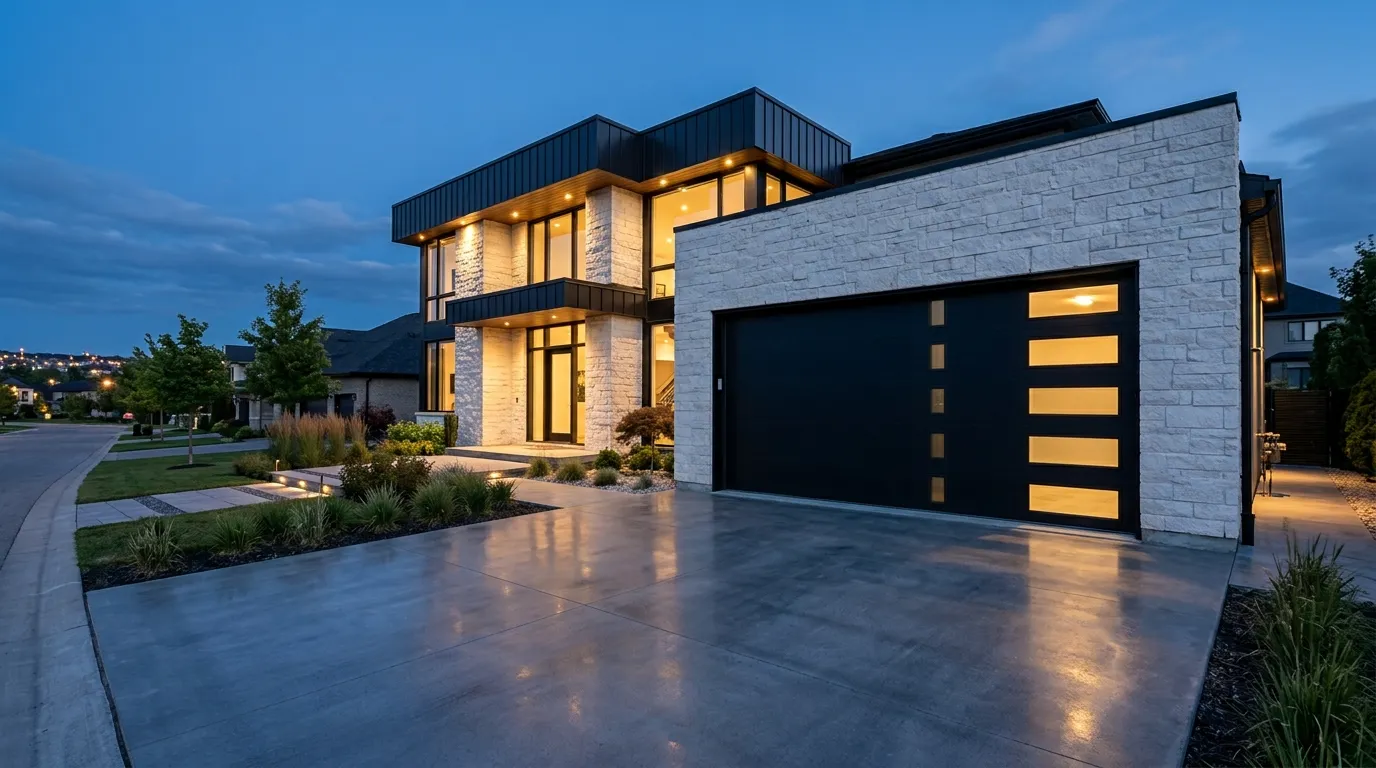
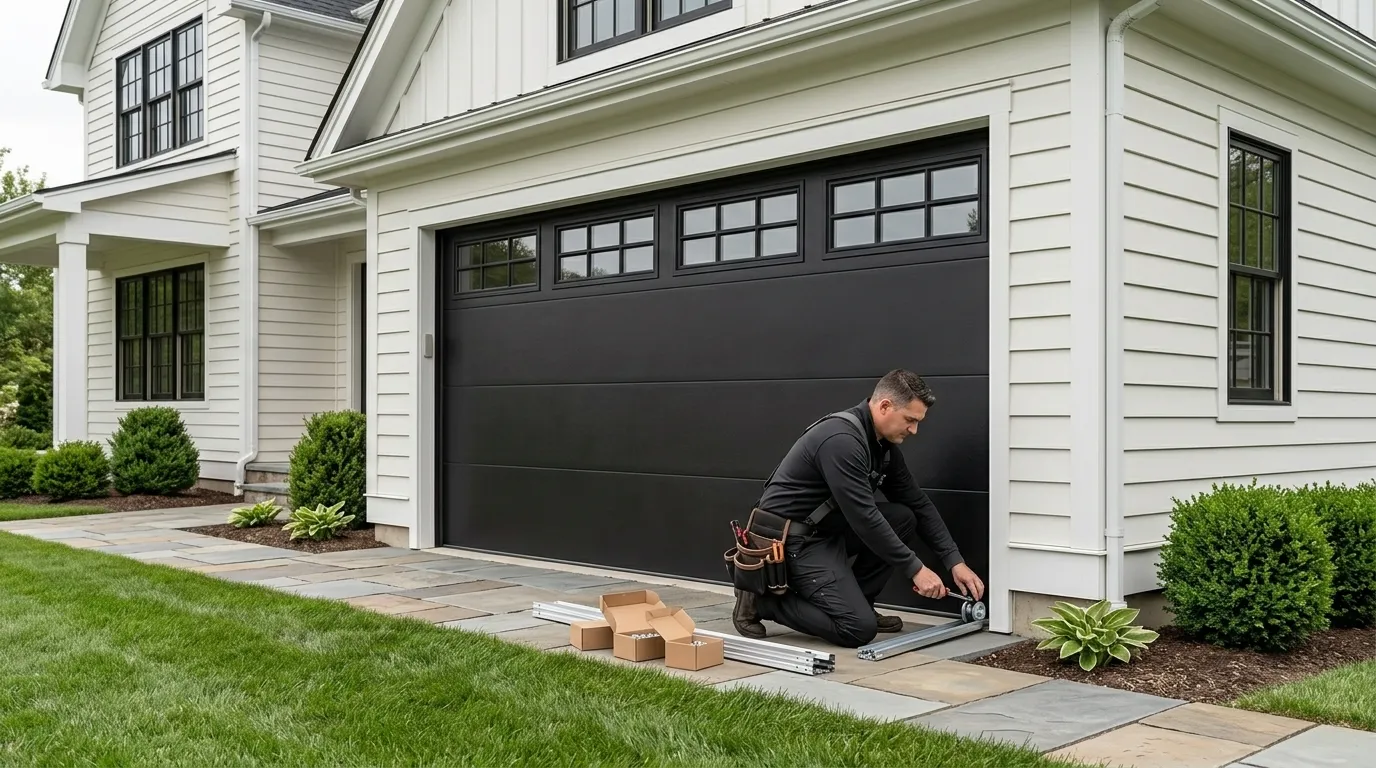
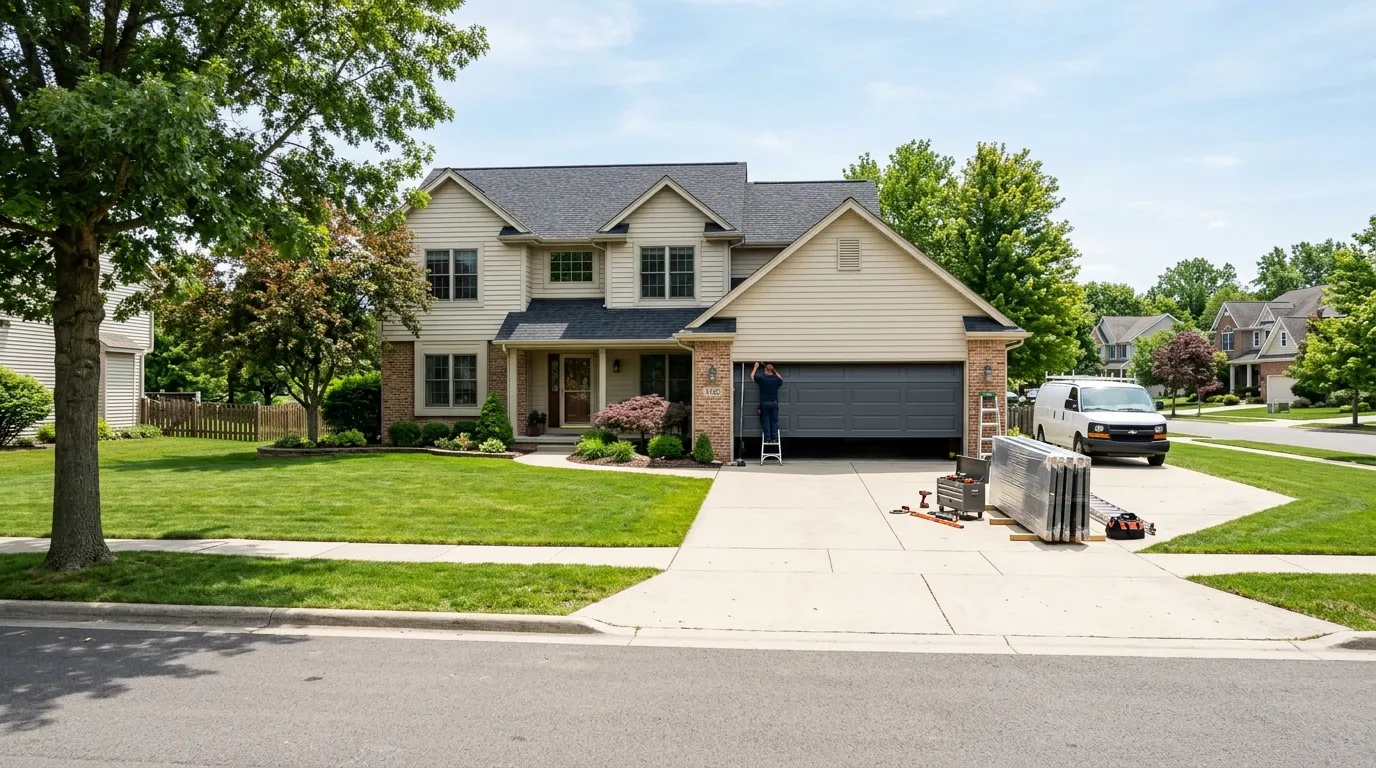
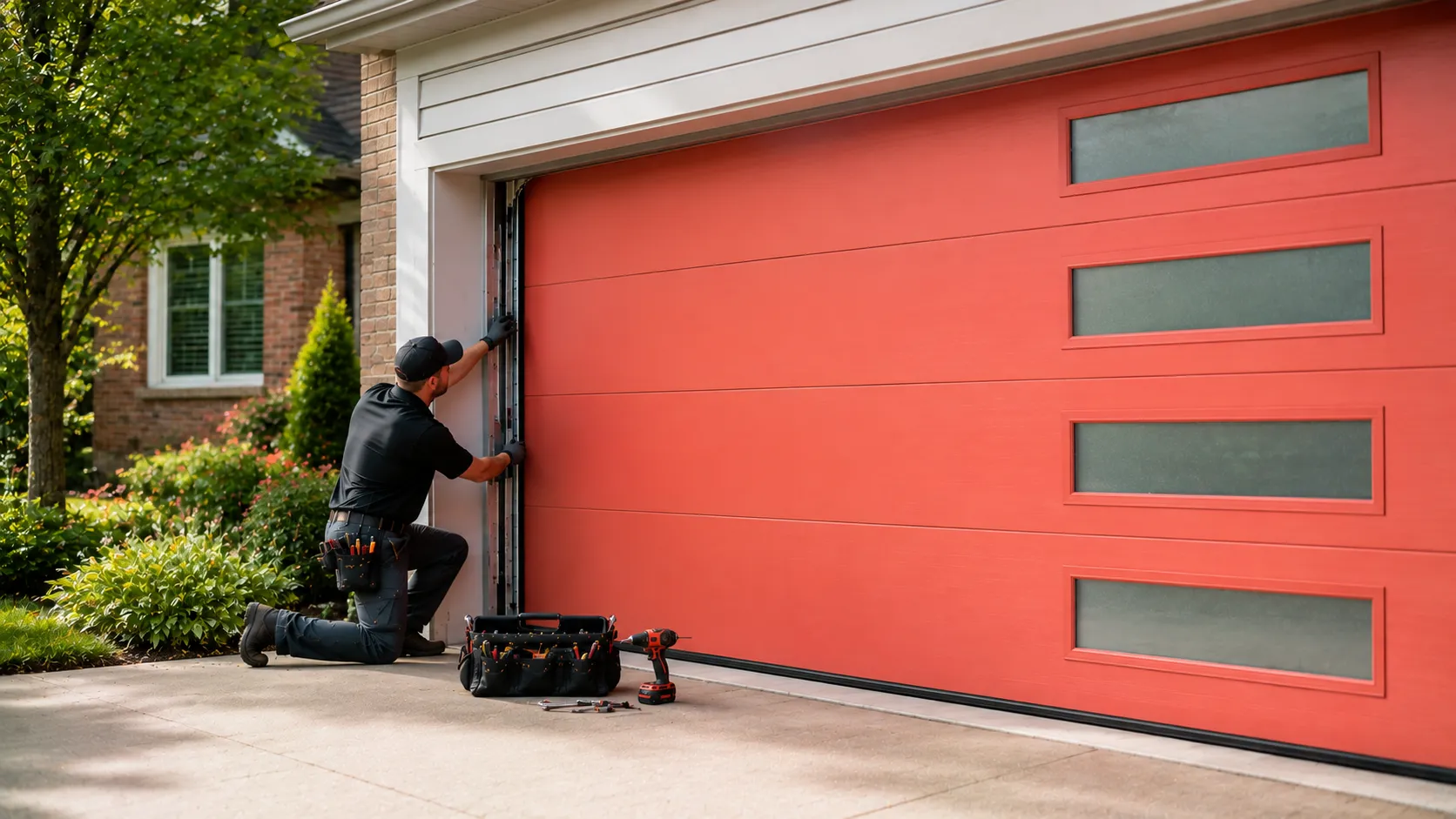
Most garage doors in Stallings sit on openers installed when the house was built, and the median build year here is 2002. That puts a lot of these units at or past the 20-year mark on their motors, gear sets, and logic boards. These were mostly builder-grade chain-drive units, half-horsepower, matched to a single steel door wide enough for two cars or one oversized SUV bay - standard for the era's floor plans. The doors themselves are steel panel, not the older wood or fiberglass you'd find on housing from the 70s. That steel is heavier than what some of these motors were speced for once insulation got added later, which is part of why the gear inside wears faster than owners expect. When we get a call in Stallings, we're usually looking at a unit from that same build wave, not something newer, and not something from the 70s or 80s stock you'd find further out in the service area.
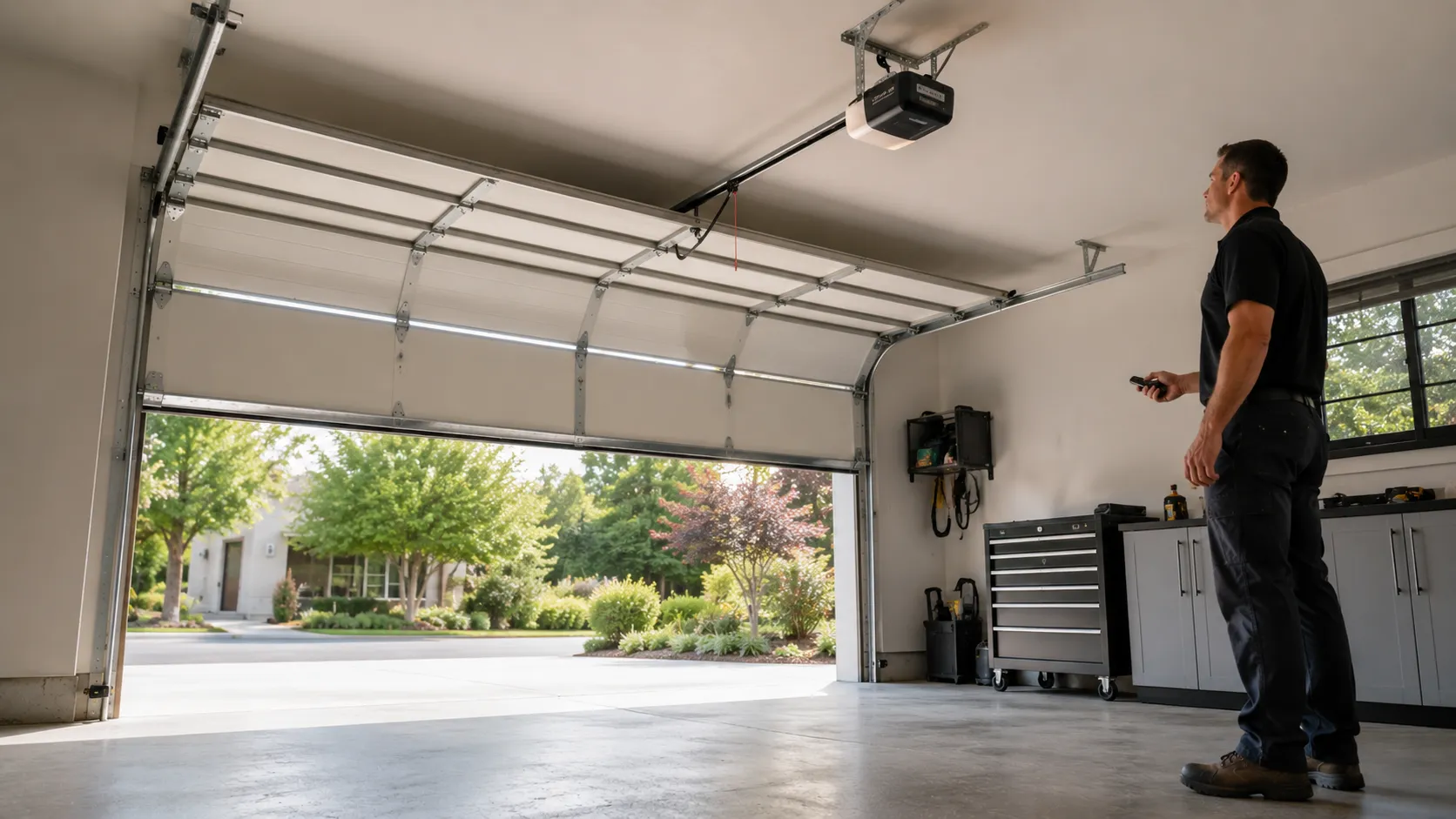
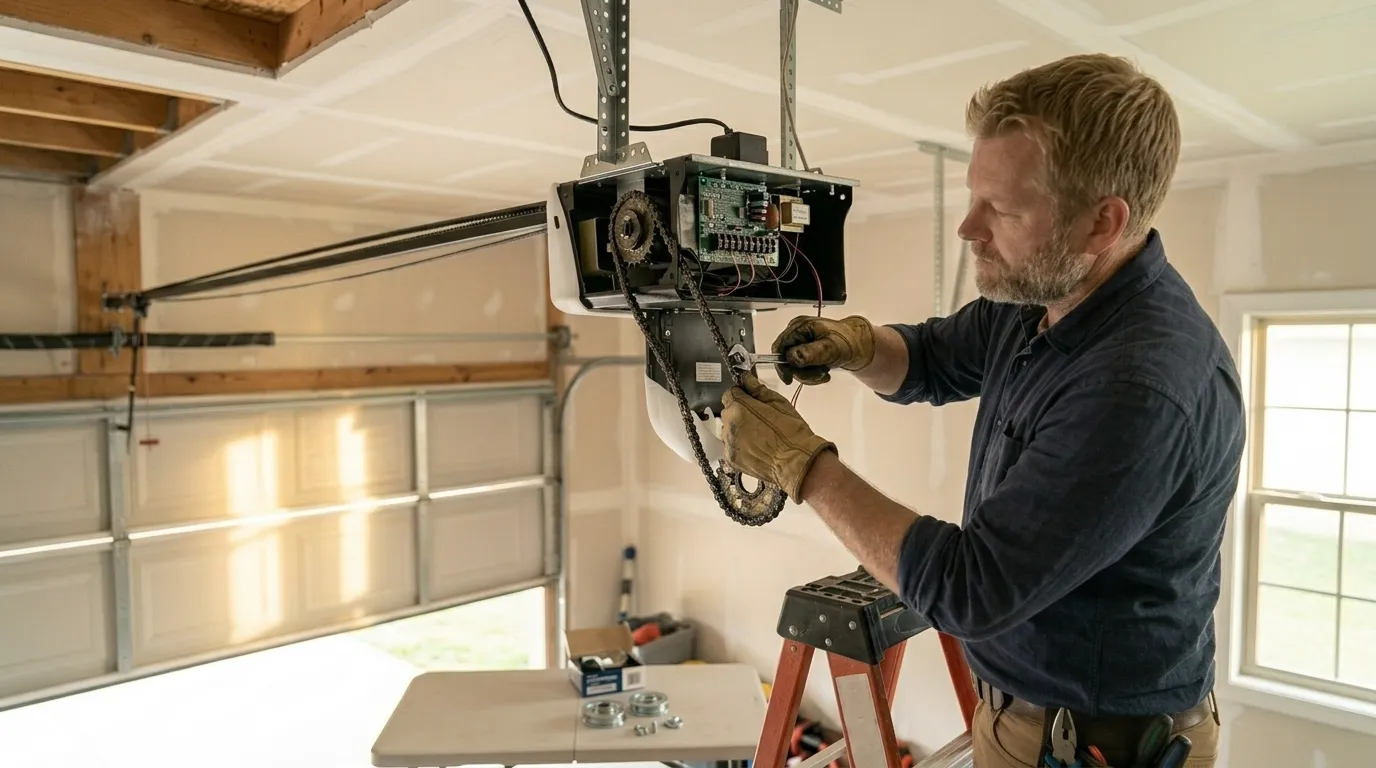
The job starts the same way every time: check the logic board, check the travel limits, check whether the motor is straining or just misfiring. On a house built in 2002, the motor's often original. That's the first thing worth knowing before a truck shows up.
Where This Job Goes Sideways
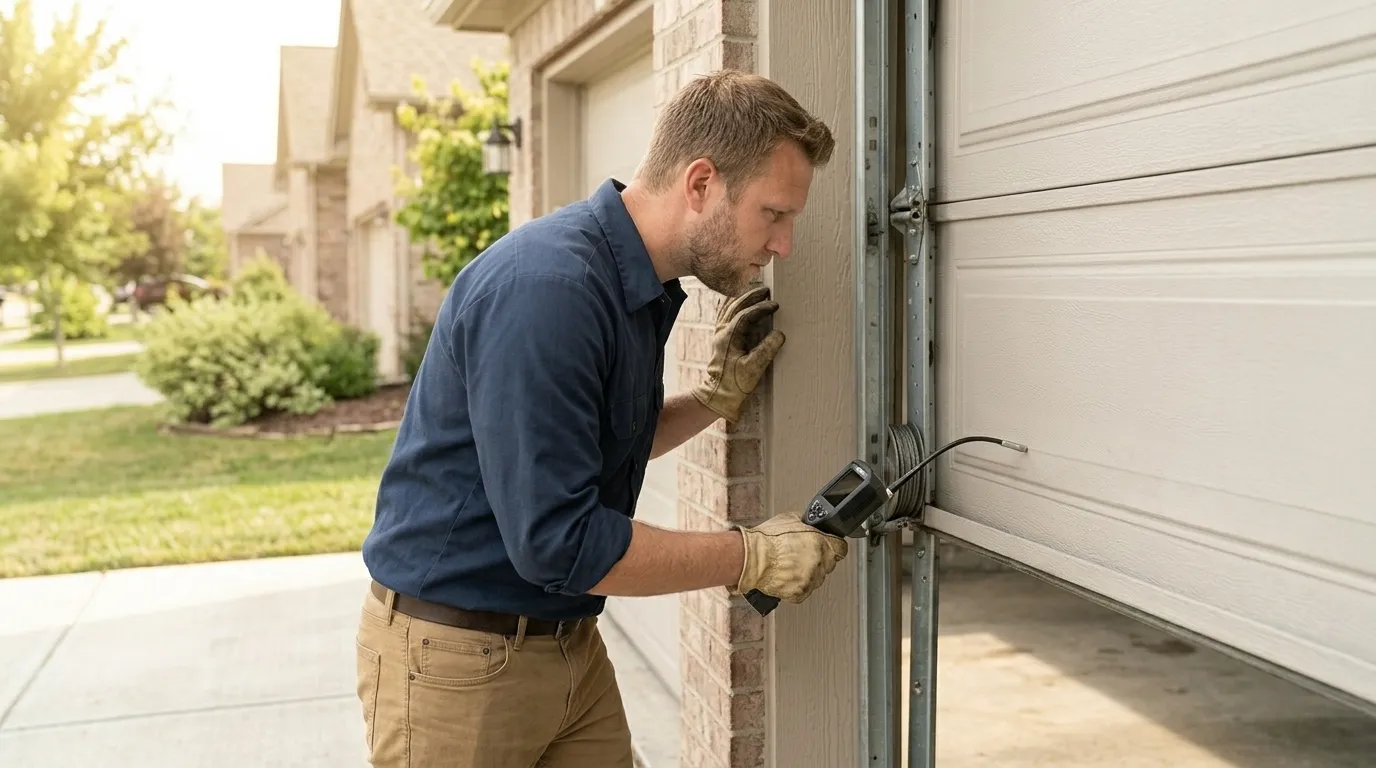
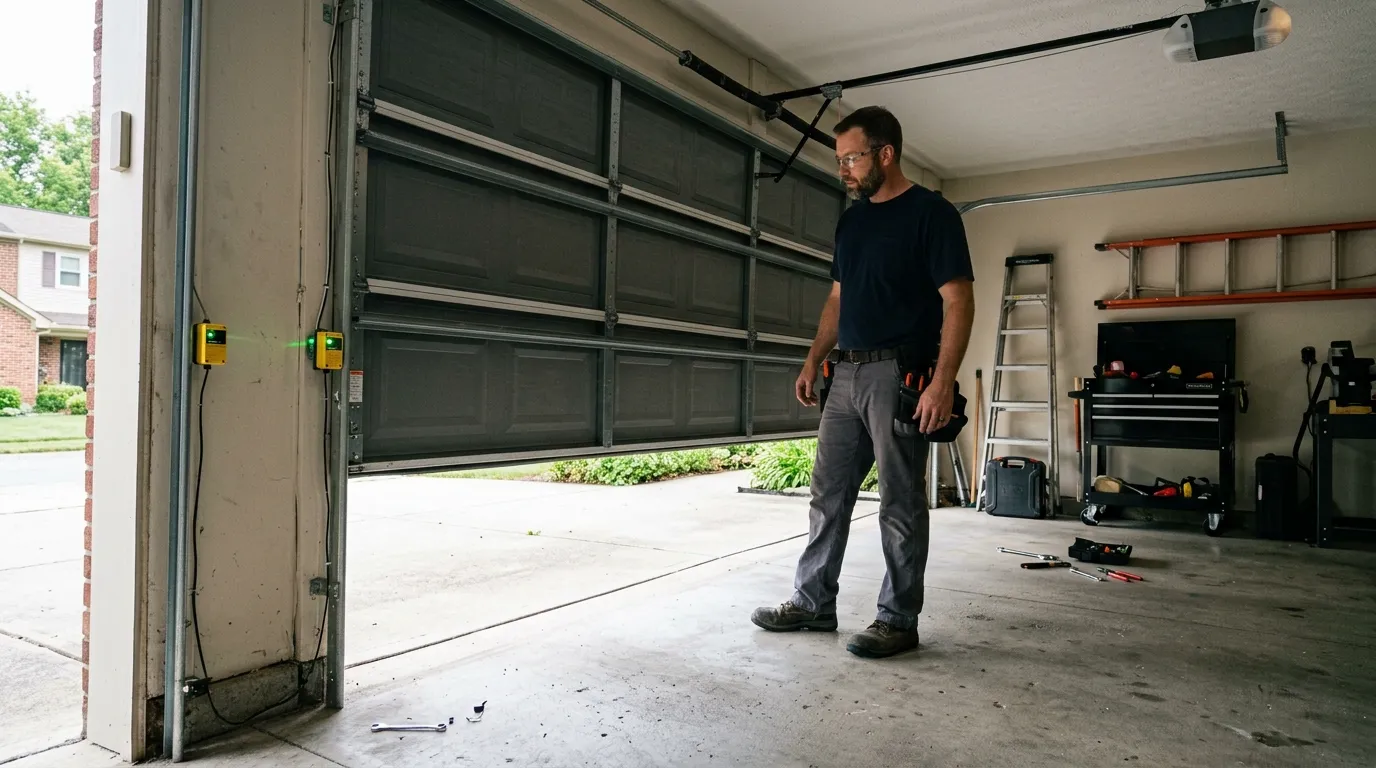
The failure that catches people off guard isn't the motor dying outright - it's the safety sensors going out of alignment first and the door refusing to close, while the owner assumes the whole opener is dead. On these builder-grade units, the photo-eye brackets are thin stamped metal, and over 20 years they get bumped, settle, or corrode slightly at the mount screws. The door reverses or won't close at all, and the owner replaces batteries in a remote that was never the problem.
The other common one is the circuit board itself. Boards from this era used capacitors that degrade with age and with temperature swings, and once one starts failing, the symptoms are inconsistent - works some mornings, not others, chatters on command. That inconsistency is what sends people down the wrong troubleshooting path for weeks before they call.
Getting It Booked In
We run this job out of Matthews, about 3 miles from Stallings, so there's no separate branch or dedicated crew sitting in town - a technician drives over for the call. That's a short trip, which keeps the job straightforward to schedule, but it's worth knowing we're not based here.
Before the truck comes, it helps to know the opener brand and roughly how old the unit is, since parts availability differs by manufacturer and year. If you can find a model number on the motor housing, that speeds up the visit. You can see what else we cover from Matthews on the Matthews opener repair page, and check the areas we reach from there on the Stallings area page.
What the Fix Involves
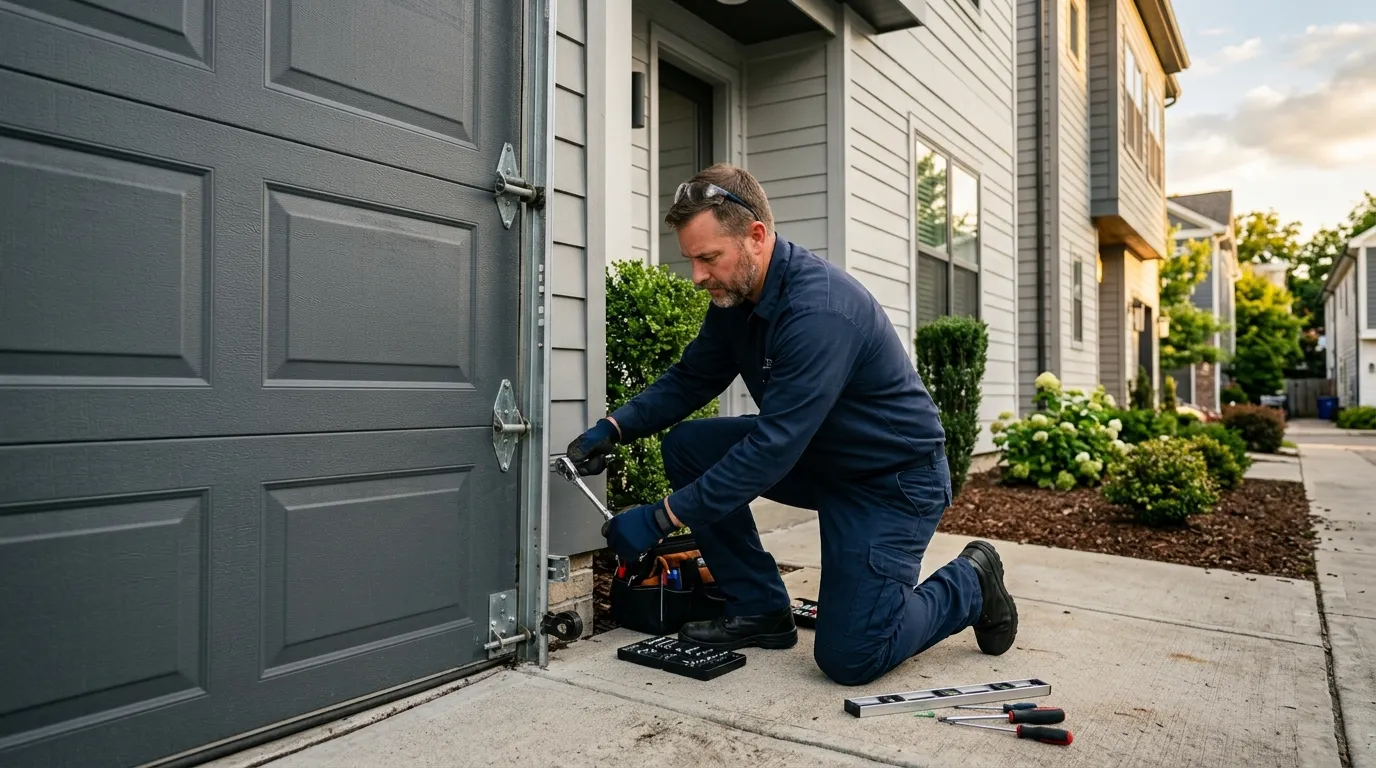
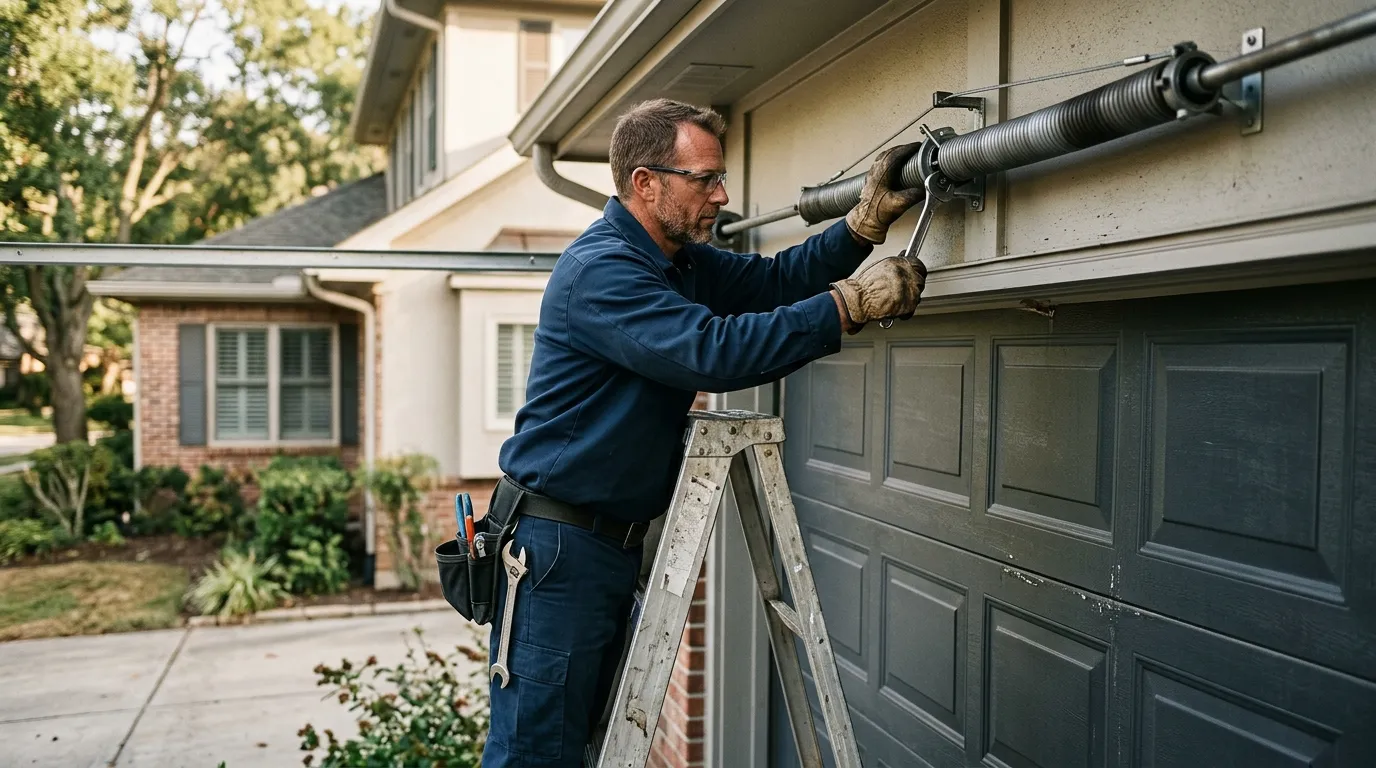
For a sensor misalignment or a worn sprocket, the fix is straightforward - realign, replace the part, test the reversal and travel limits. For a failing logic board on a unit from the early 2000s, the honest answer is that some boards for that era's models are no longer made, and a repair that should take an hour turns into a decision about full opener replacement instead. We'll tell you straight if that's where the job is headed rather than chase a board that isn't coming back in stock.
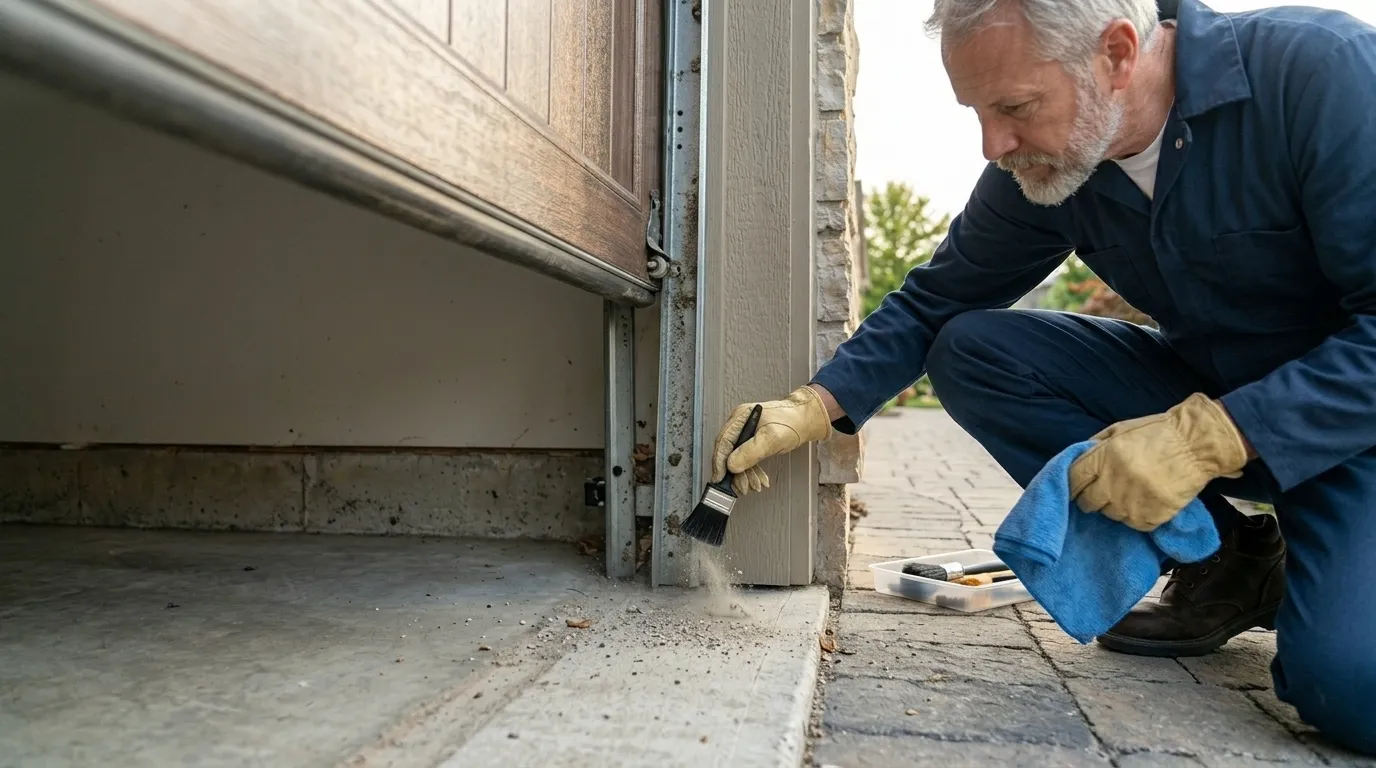
What we won't do is sell a full opener swap when the fix is a $20 sensor bracket. On a house this age, we check the cheap stuff first - sensors, limit switches, chain tension - before we talk about replacing the motor. Most calls in Stallings end there, not at a full unit swap.