Time on the Job
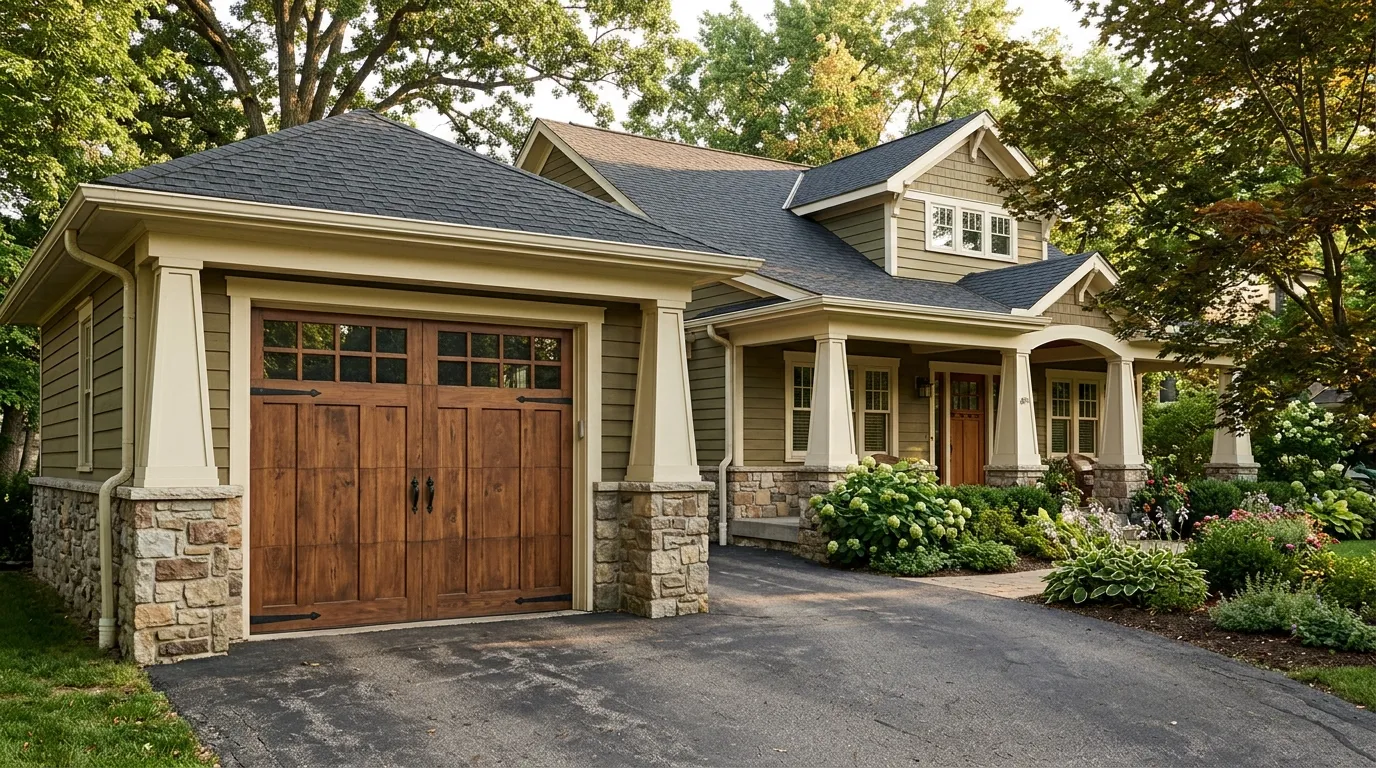
Most houses in Stallings went up around 2002, newer than the typical build year across the wider Matthews service area, which spans 1974 to 2006 with a median closer to 1998. That gap matters more than it sounds. A door installed in a newer Stallings build has had roughly two decades of cycles instead of nearly three, so a lot of the original hardware is still on the door: the same torsion spring, the same steel rollers, sometimes the same opener logic board from the first Bush administration. Nobody's replaced it because nothing has broken outright yet - it's just gotten slower, louder, and heavier on the opener motor. That's the maintenance window most owners here miss. The spring hasn't snapped, so nobody calls, but it's carrying two decades of wear on the same coil that was rated for a certain cycle count when the house was framed. We see this pattern across the newer pockets of the service area, and Stallings sits right in it - old enough to need a real inspection, young enough that owners assume the door is fine because the house still feels new.
Where This Job Goes Sideways
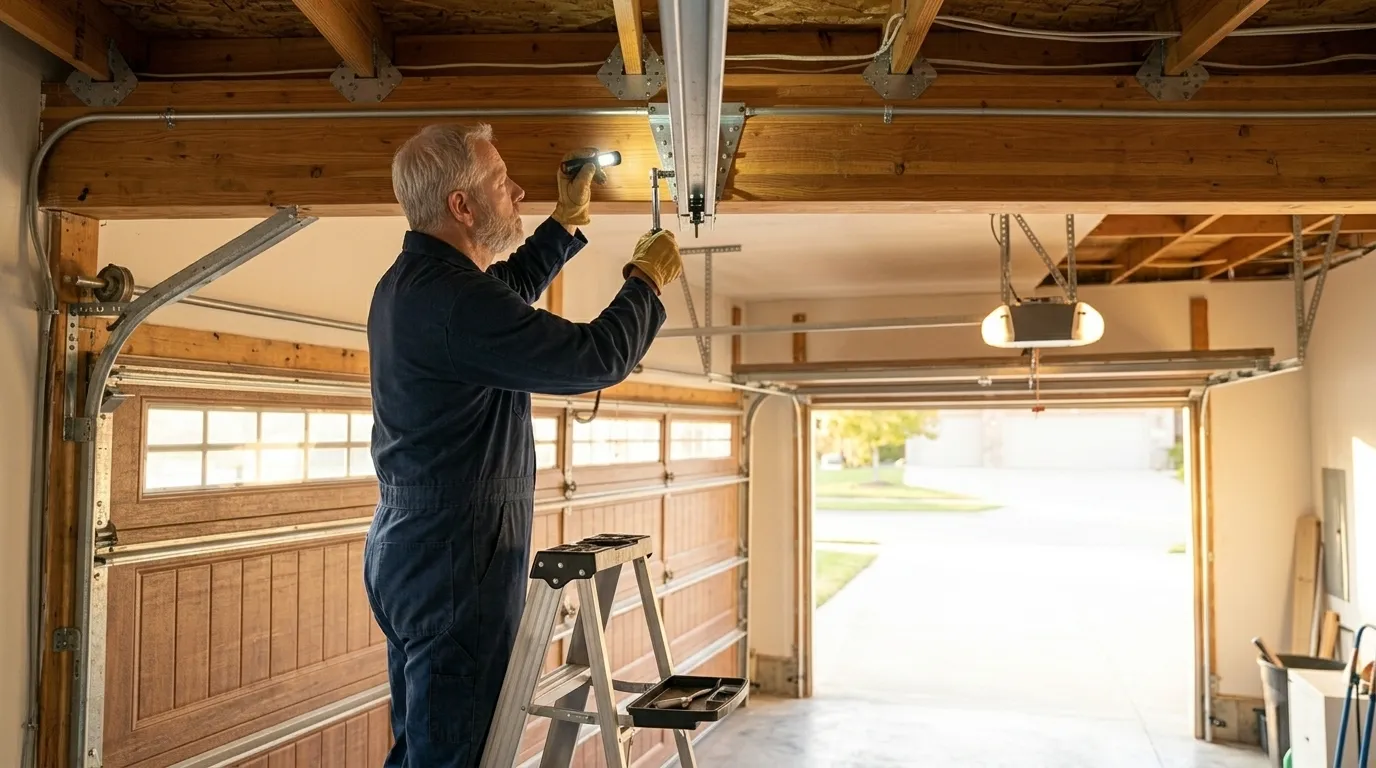
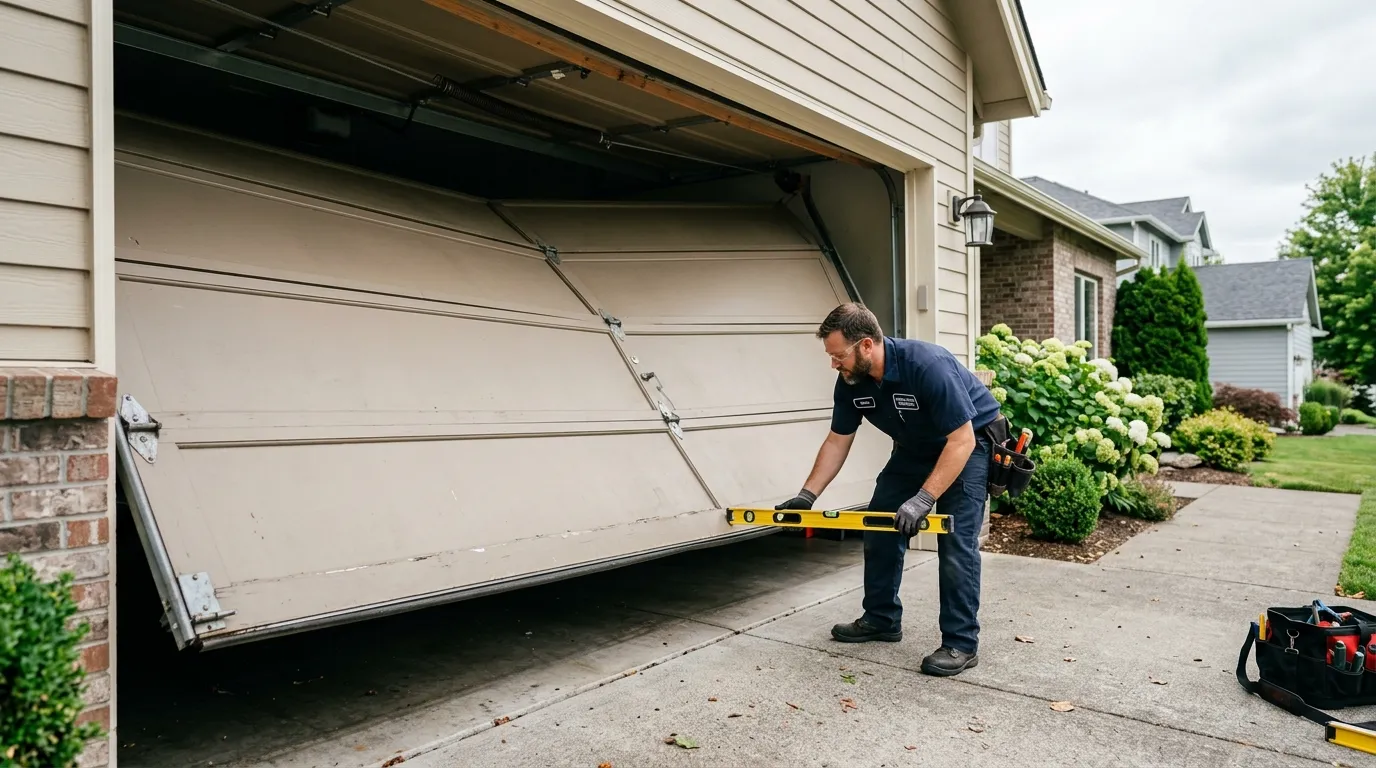
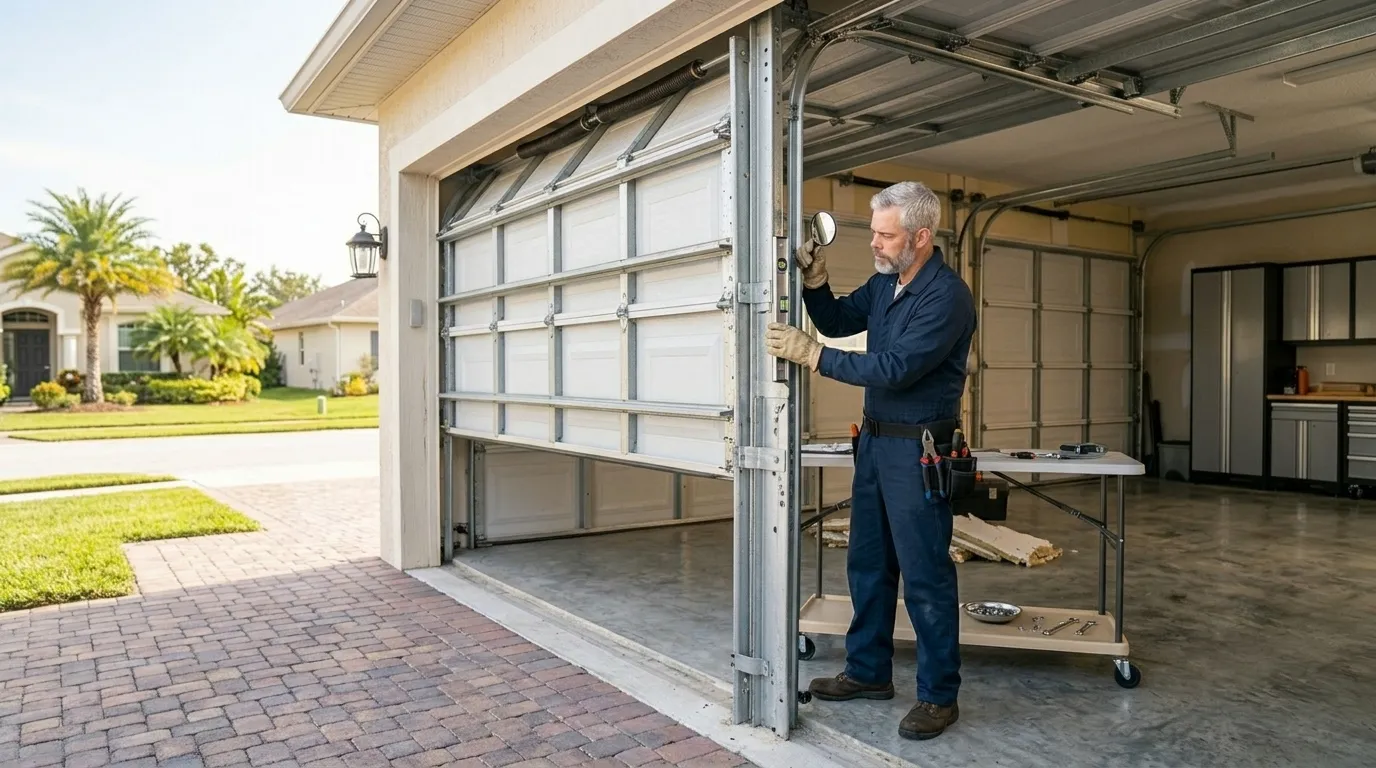
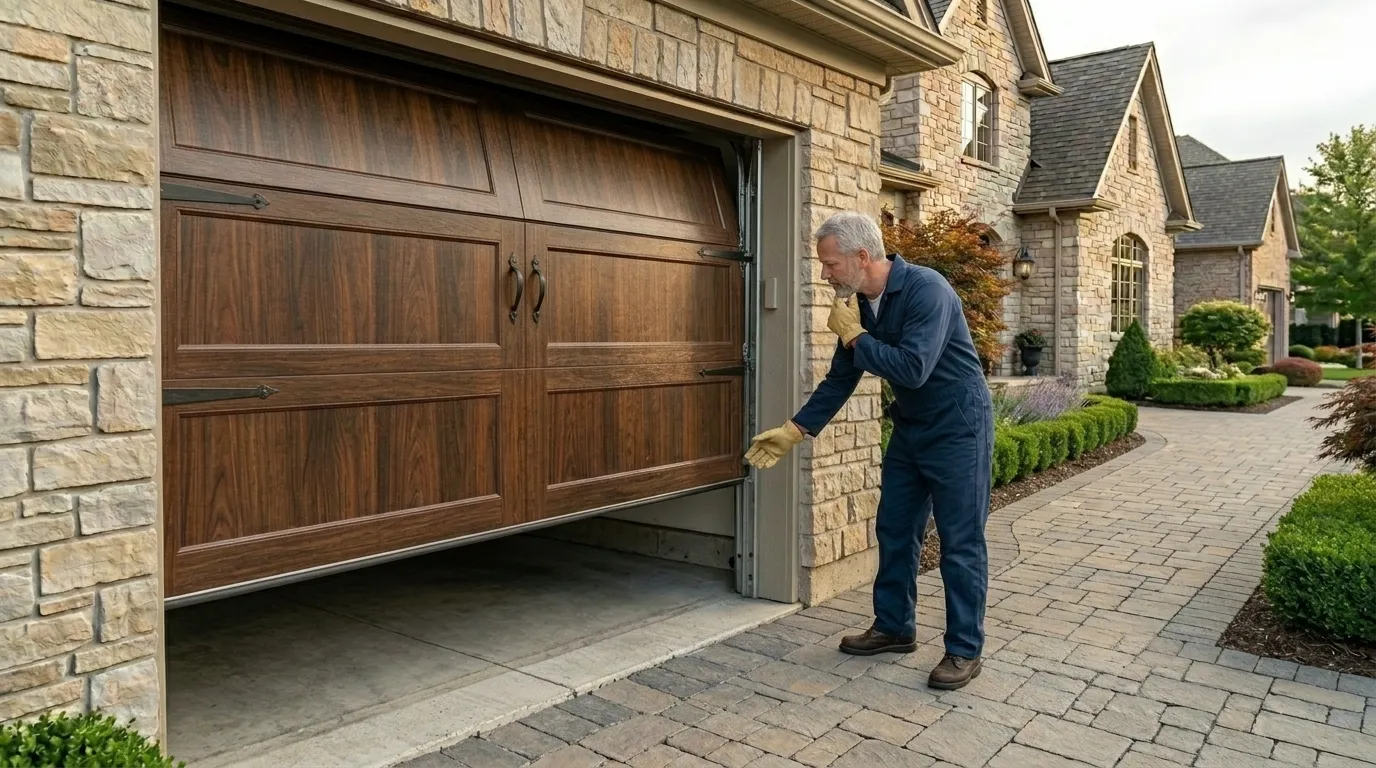
The failure point in a 2002-era door isn't usually the spring snapping clean - it's the cable fraying where it wraps the drum, hidden by the drum housing until someone actually pulls a ladder over and looks. Second most common: the opener's travel limits drifting so the door reverses off the floor by a half inch, which owners read as "it's just old" instead of a five-minute adjustment. Third, and this is the one that costs the most later, is a bent track from a car bumping it once, years ago, that's slowly walked itself another quarter inch out of plumb every season since. None of these show up on a quick glance from inside the garage. They show up when someone puts a level on the track or pulls slack on the cable by hand.
Getting It Booked In
We run this out of Matthews, about 3 miles from Stallings, so there's no local branch or depot to mention - just a short drive. Book through the area page and we'll get a truck out to look at the spring, cables, rollers, and opener settings as one visit rather than waiting for one of them to fail outright. Across the roughly 6,039 households in Stallings, a lot of doors are on the same build-year clock, so if your neighbor's cable frayed last year, yours is worth a look now rather than after it does the same.
What the Fix Involves
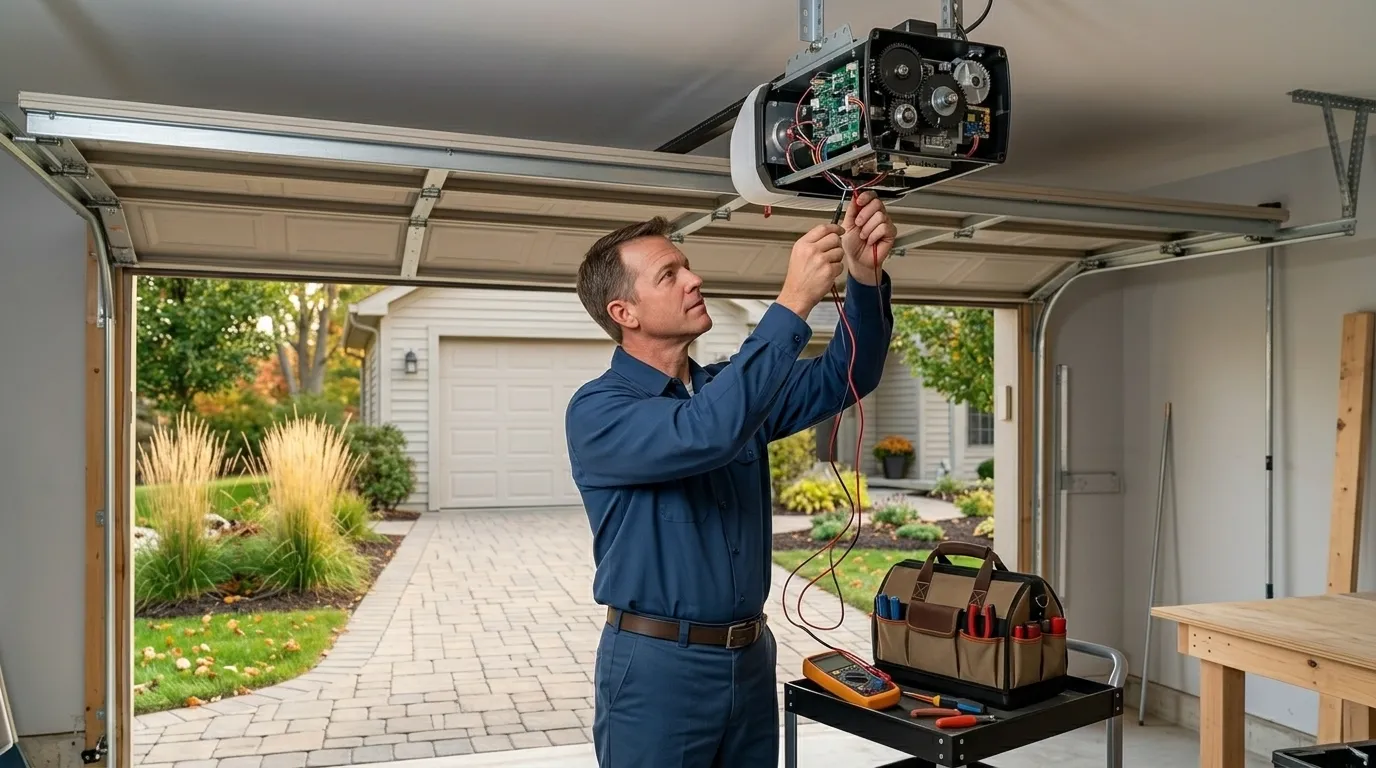
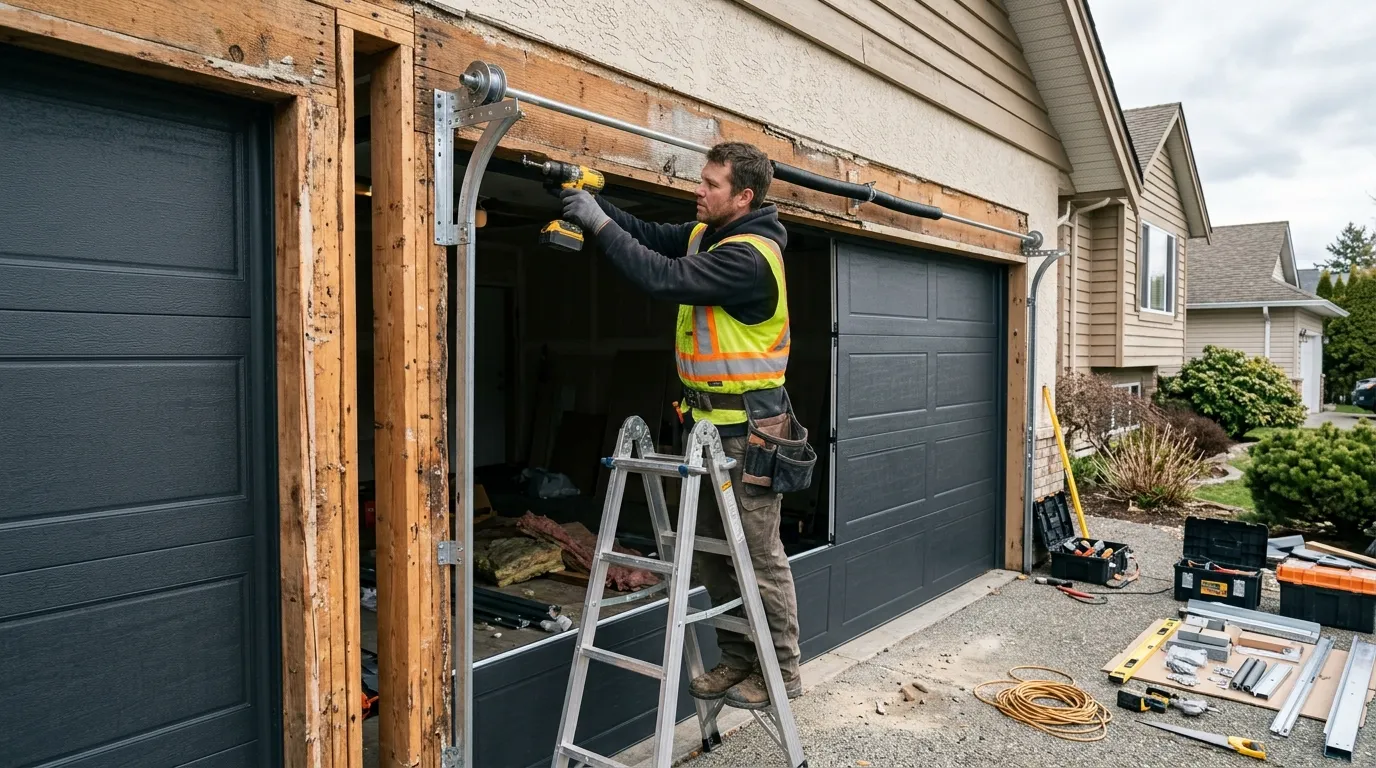
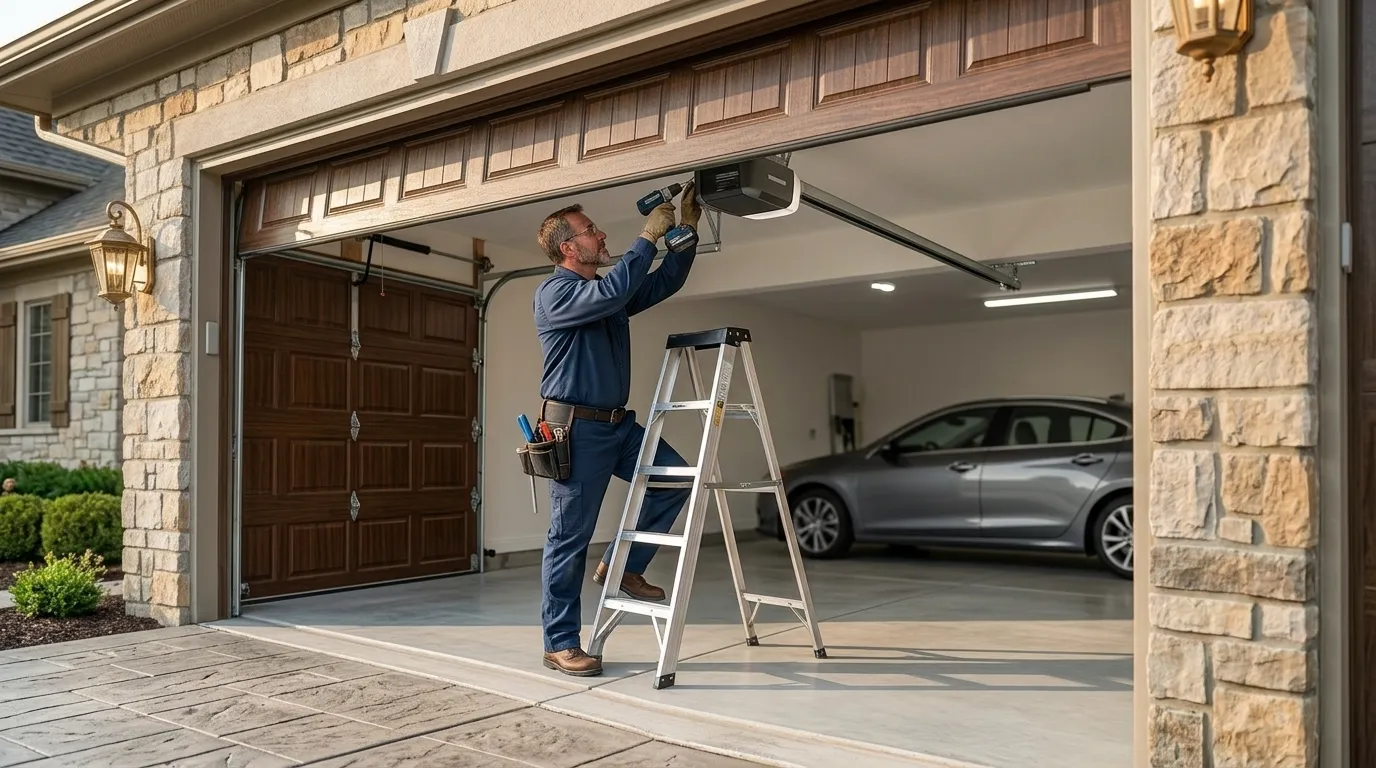
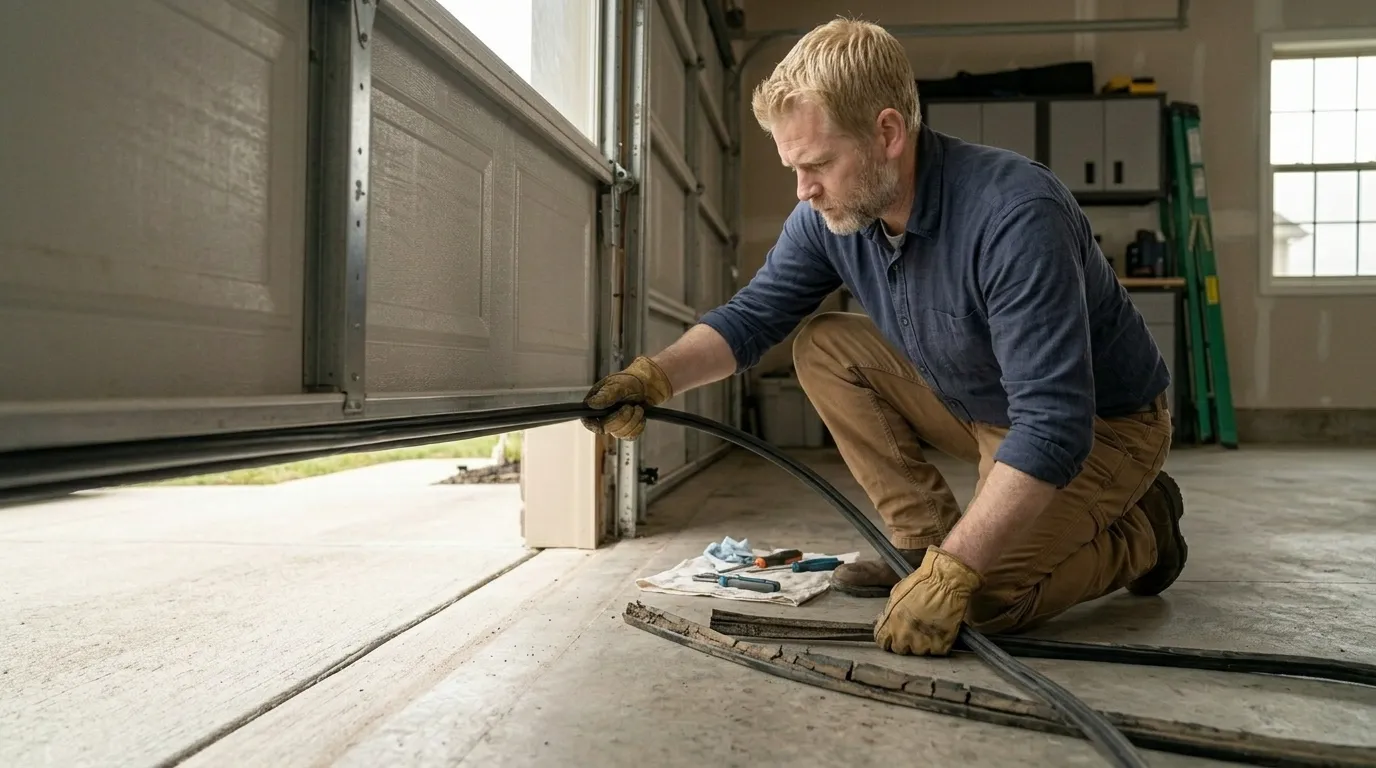
A maintenance visit on a door this age is mostly about catching wear before it becomes a repair. That means pulling the cable off the drum to check for fraying at the wrap point, checking spring coil ends for rust or stretch, resetting opener travel and force limits if they've drifted, and greasing rollers and hinges that have gone dry. If the track's out of plumb from an old bump, we'll flag it - sometimes that's a five-minute realignment, sometimes the track's bent enough that realignment won't hold and it needs replacing instead. One honest limit here: if the original opener's logic board is failing rather than just out of adjustment, we're not going to chase parts for a twenty-year-old unit that's discontinued. At that point replacement is the better use of your money, and we'll say so instead of running the bill up on a repair that won't last.