
Getting It Booked In
Hemby Bridge is small - around 780 households - which means we're not running a fleet through it every day the way we might through a bigger part of the service area. We drive the 5 miles out from Matthews for these calls, so there's no branch or drop box sitting in Hemby Bridge itself. That's fine for spring work; a broken torsion spring isn't a same-day walk-in kind of repair anyway, it's a scheduled truck visit with the right spring already loaded before we leave.
Because the town is this size, word travels - if a spring goes on one house built in the mid-1970s, the house two doors down built the same year is carrying the same fatigue on the same size wire. When you call, tell us the door's rough age and whether it's a single or double door. That's usually enough to pull the right torsion spring off the shelf before the truck rolls, instead of guessing on-site. You can see the general coverage picture for this area on our Hemby Bridge page, and the full run of what we do out of Matthews is on the main service page.
Stocked Parts
Housing in Hemby Bridge tends to run older than the median for the wider service area - the local median year built sits around 1974, versus a median closer to 1998 across the broader coverage footprint. That gap matters for springs. A door from the mid-1970s is more likely to be running an older torsion setup, sometimes with hardware that's been swapped once already by a previous owner, sometimes original.
We carry a range of torsion spring sizes on the truck, sized by wire diameter, coil length and inside diameter, not by door brand. Most jobs on a house this age get matched from stock. The honest limitation: if a door's been modified with a non-standard drum or someone installed an odd extension-spring conversion years back, we may not have that exact combination riding on the truck, and the job becomes an order-and-return instead of a one-visit fix. It doesn't happen often, but on older stock it happens more than on newer builds.
What the Fix Involves
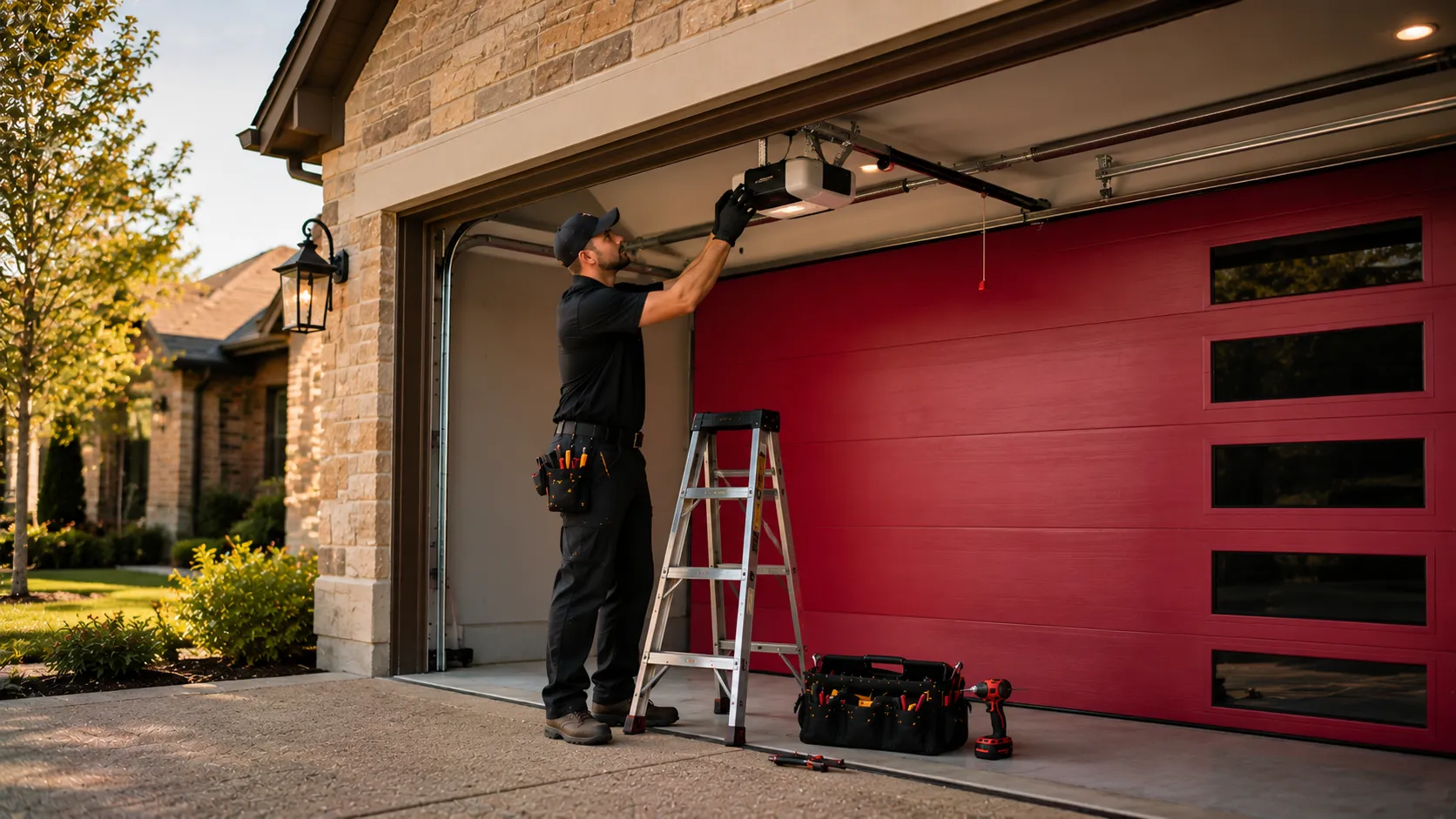
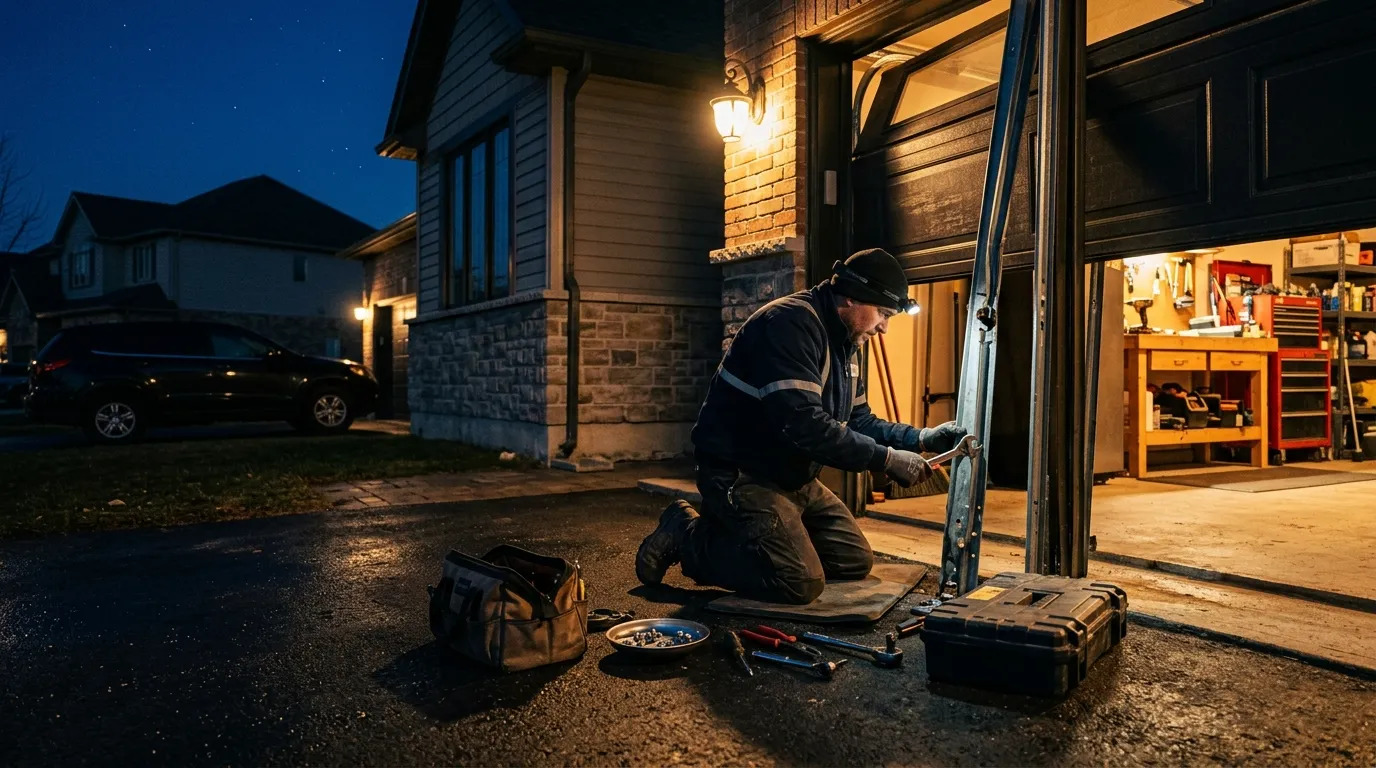
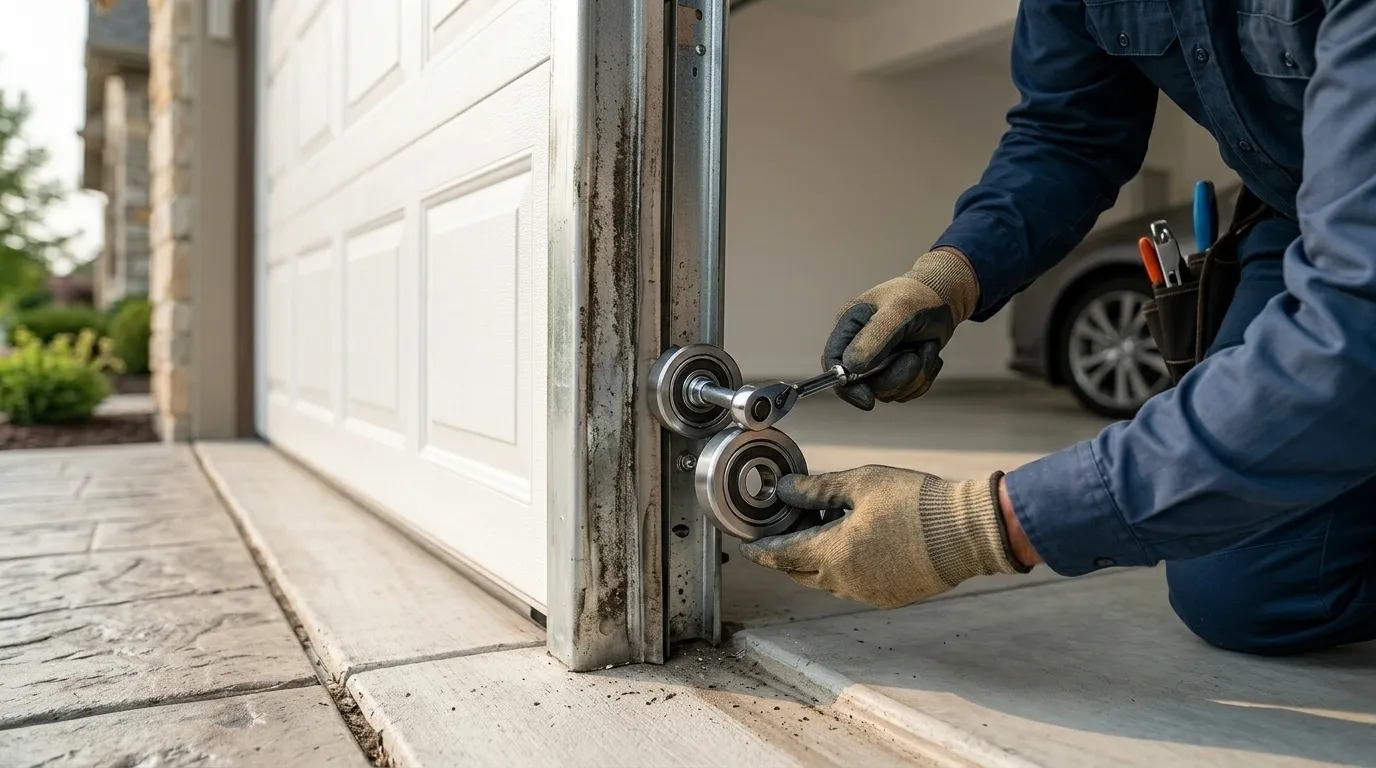
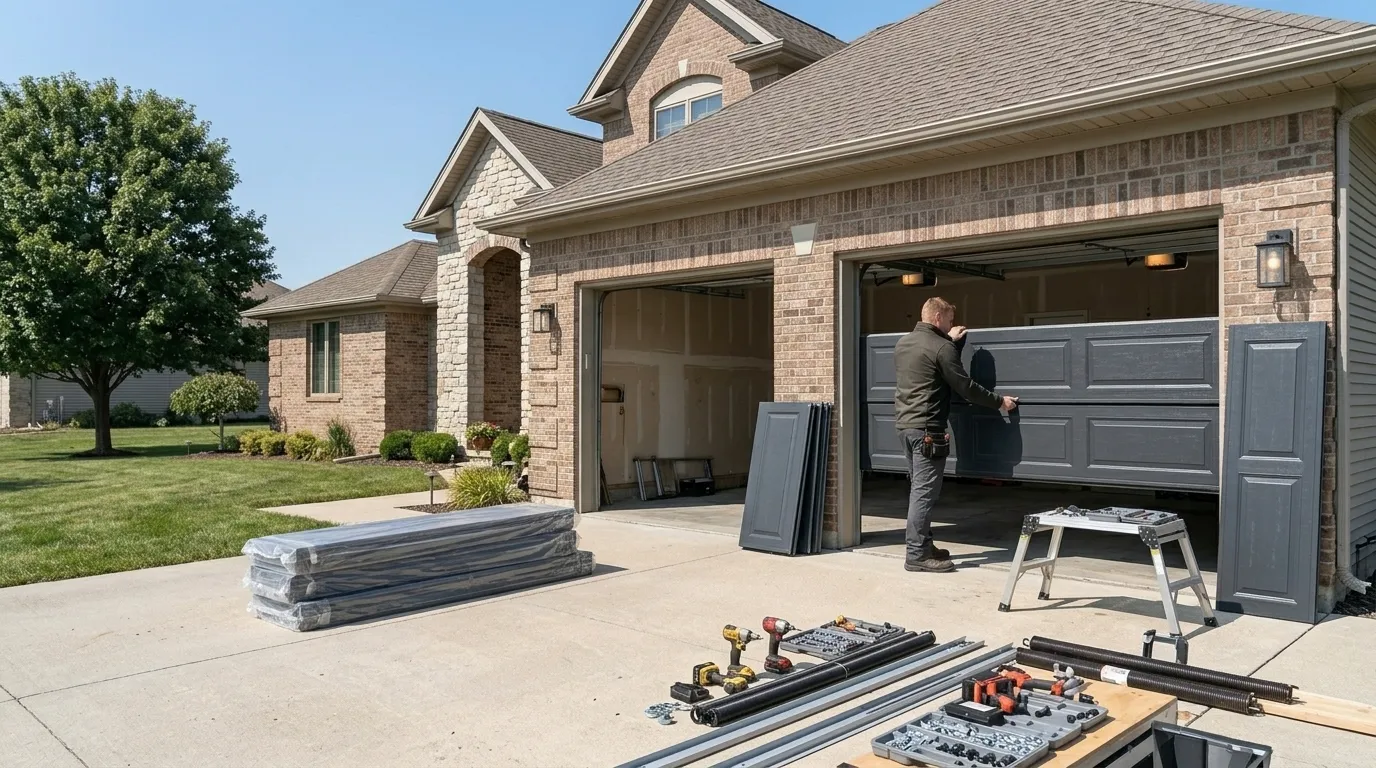
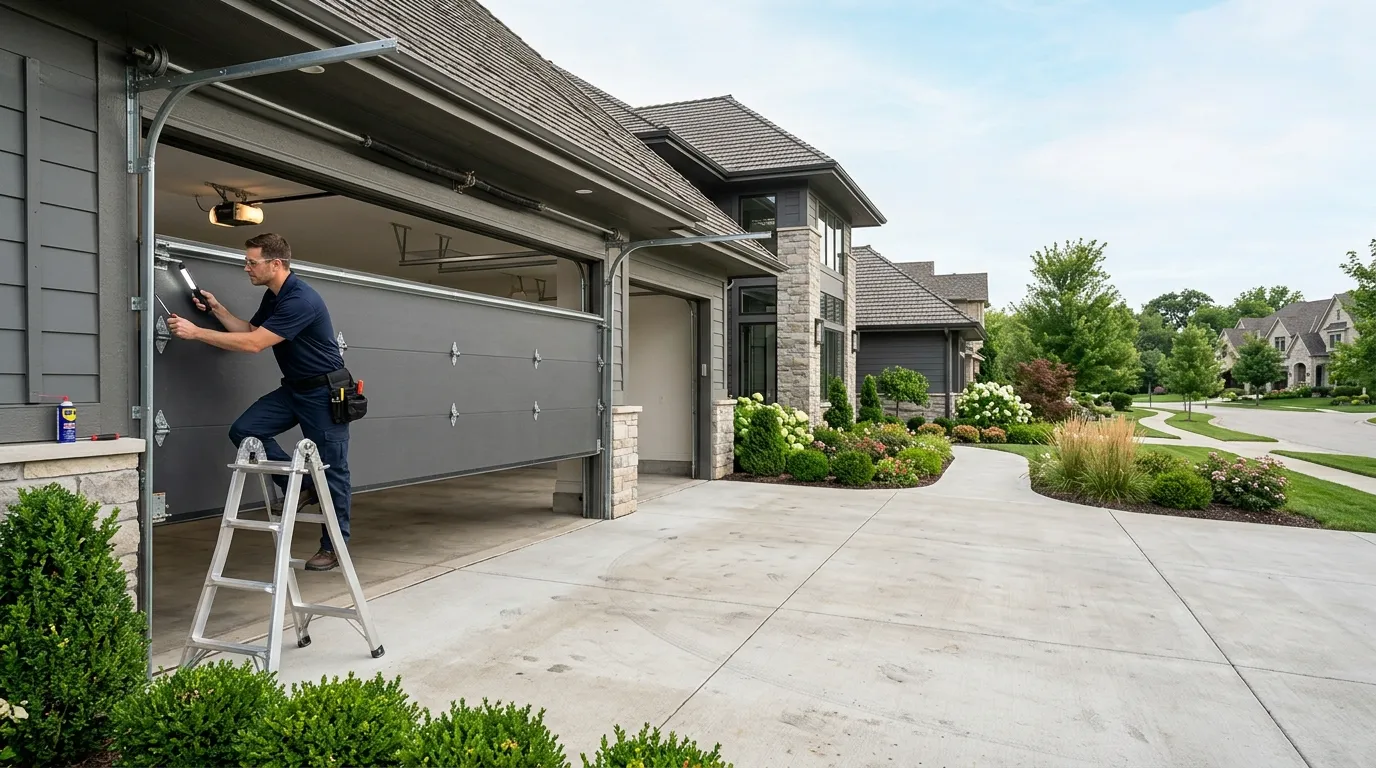
A torsion spring replacement starts with releasing tension safely, which is not a job for a winding bar improvised from something in the garage - that's how fingers and eye sockets get hurt, and it's the single most common way these jobs go wrong when someone tries it themselves. Once the old spring's off, we check the drums, the cable condition, and the bearing plate at the center bracket, since on a house from the 1974-era stock in Hemby Bridge those parts have usually been carrying the same load since installation.
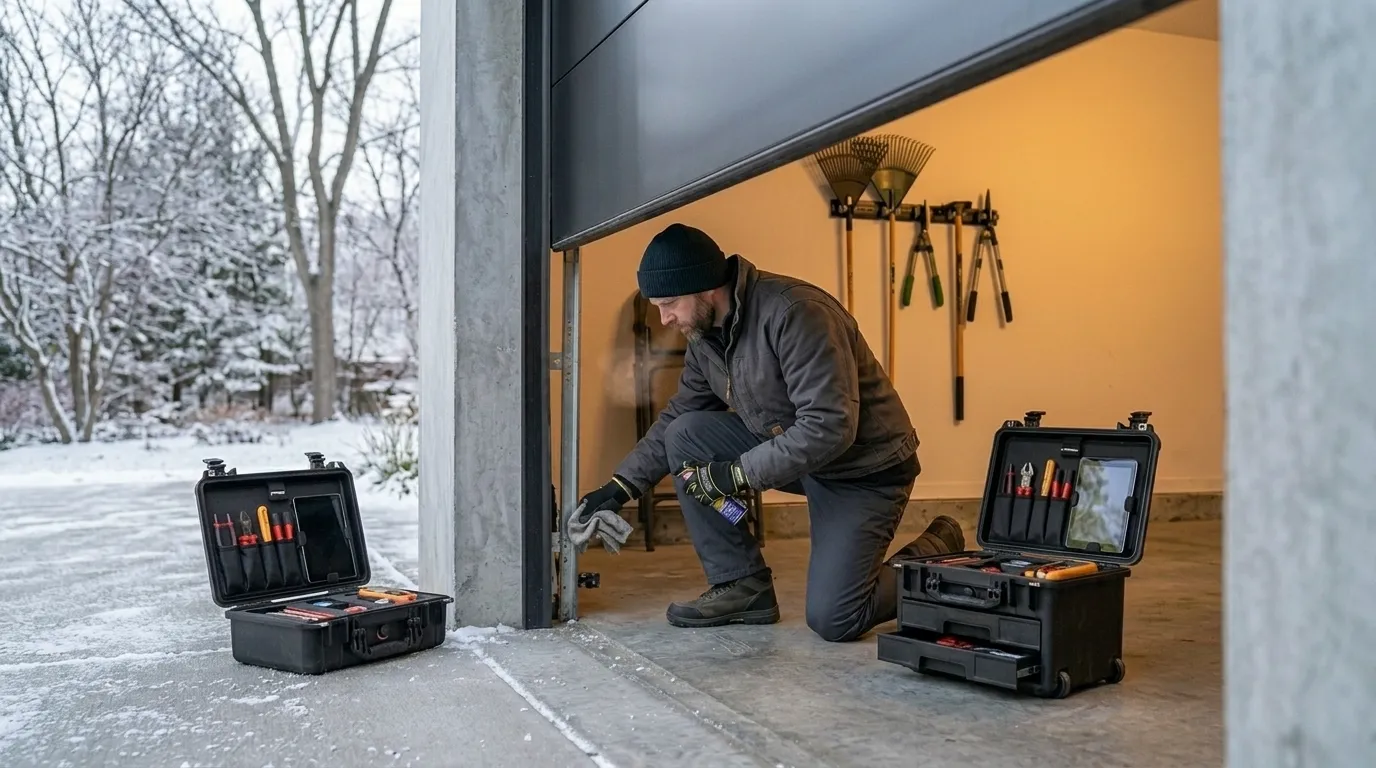
Cold-moderate winters here put real fatigue cycling on spring steel over decades - the coil works harder in cold weather, and after enough winters that shows up as a clean snap, usually first thing on a cold morning when the door's asked to lift a cold, heavier panel. We size the new spring to the door's actual weight and track configuration, not just the old spring's stamped number, since the door itself may have picked up an extra layer of insulation or a heavier panel replacement somewhere along the way.