Getting It Booked In
We run this job out of Matthews, five miles up the road, so there's no branch office sitting in Hemby Bridge waiting for a phone call. What that means for you: we schedule the visit, load the door and hardware onto the truck, and drive it out. It's a short trip, but it's still a trip, so we ask you to confirm door width and rough opening measurements ahead of time rather than sorting that out in your driveway.
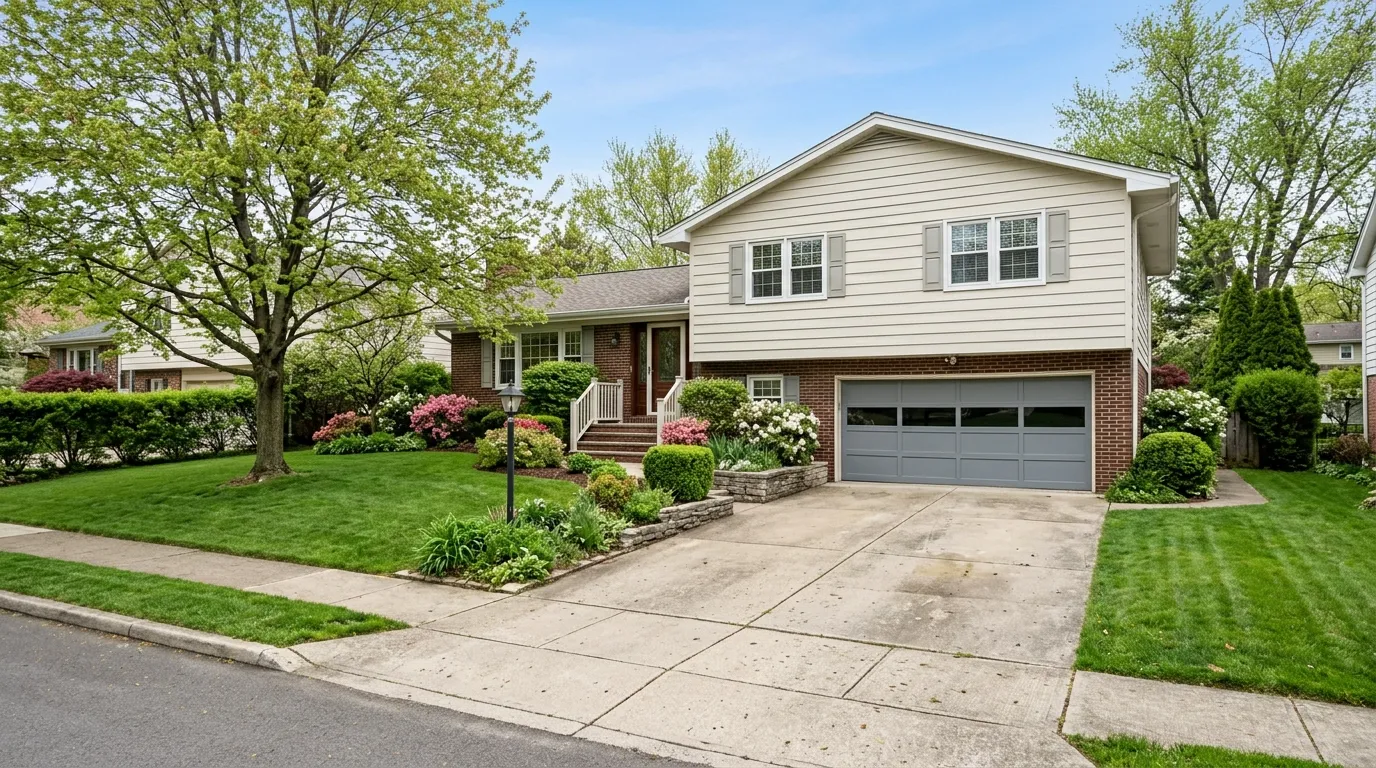
Hemby Bridge is a small pocket - about 780 households by the last count - so we're not running installs here every day the way we might in a bigger subdivision. That's fine. It just means we plan the day around your opening, not around a route already full of other jobs on your street. If your existing door is original to the house, tell us that up front; a door built when the house was new in 1974 almost never matches anything on a current parts shelf, and that changes what we bring on the truck.
Stocked Parts
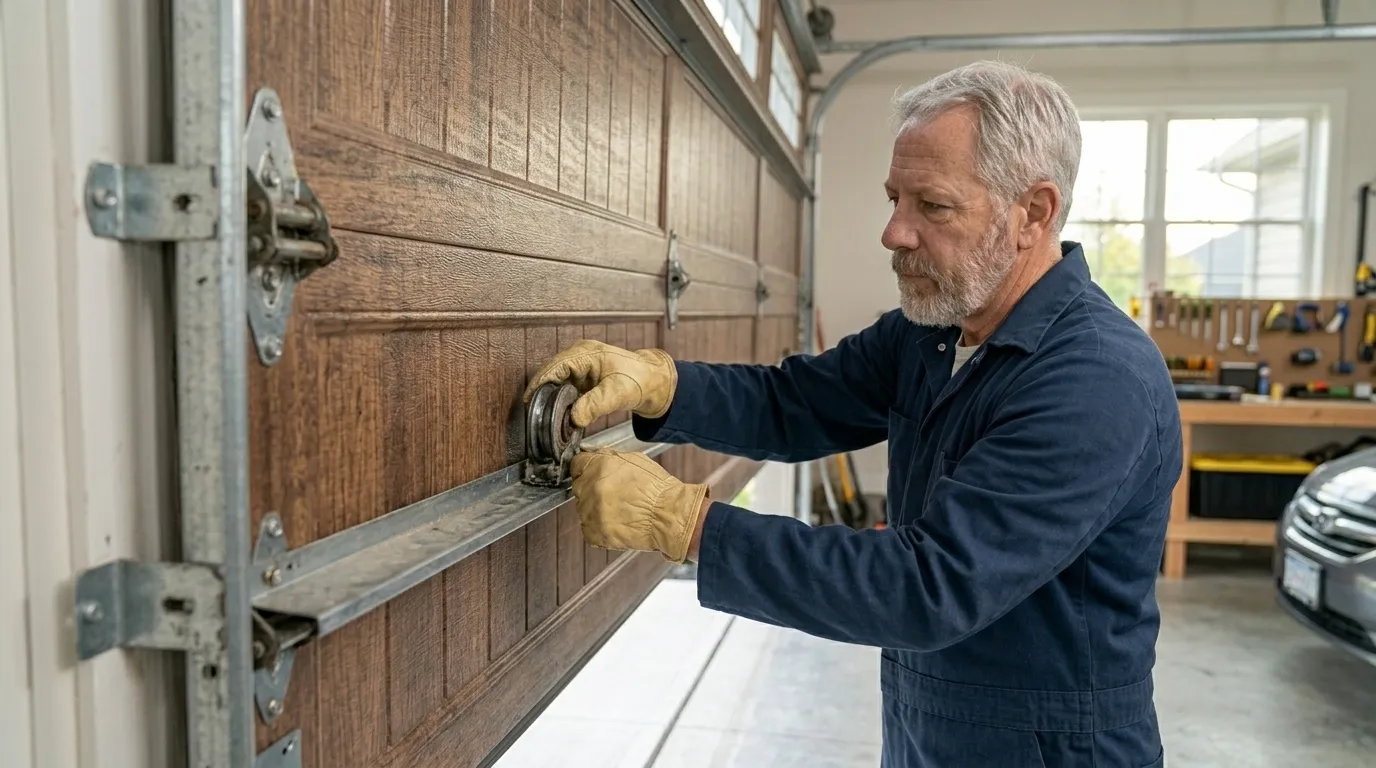
Most of the service area's housing landed between 1980 and the late 1990s, and that's what our stock is built around - standard torsion springs, 2-inch track, and panel sizes that fit that generation of openings. Hemby Bridge sits outside that curve. A median build year of 1974 means a chunk of these garage openings predate the area's main wave by a decade or more, and a fair number still carry original doors: single-layer steel or wood-panel sections, sized to openings that don't always match today's standard widths.
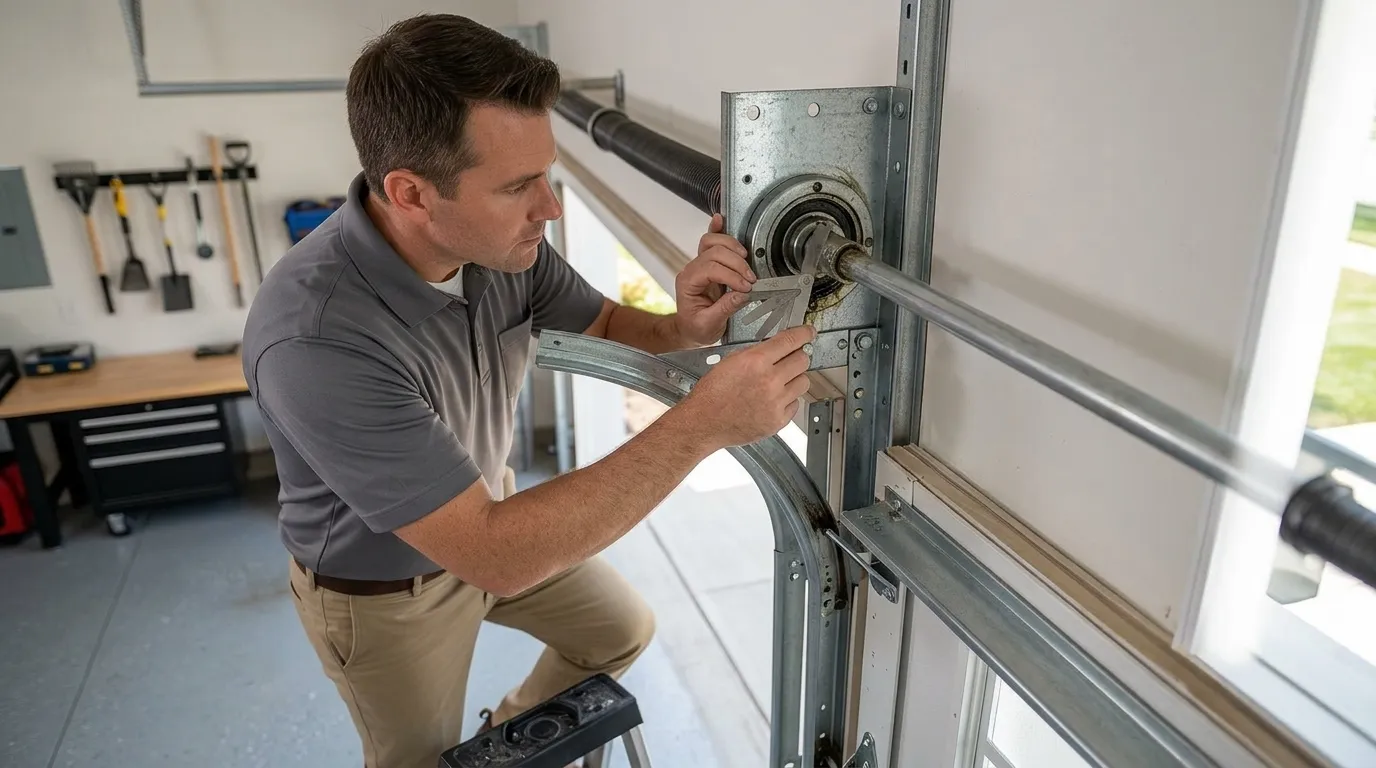
When we quote a new install here, we measure the actual opening rather than assuming it matches the stock panel size we'd grab for a 1990s house. If your opening is non-standard, that's a special order, and it adds lead time - we won't pretend otherwise. What we can do same-visit is confirm the exact dimensions and hardware so the order goes in right the first time instead of coming back a second time for a fix.
What the Fix Involves
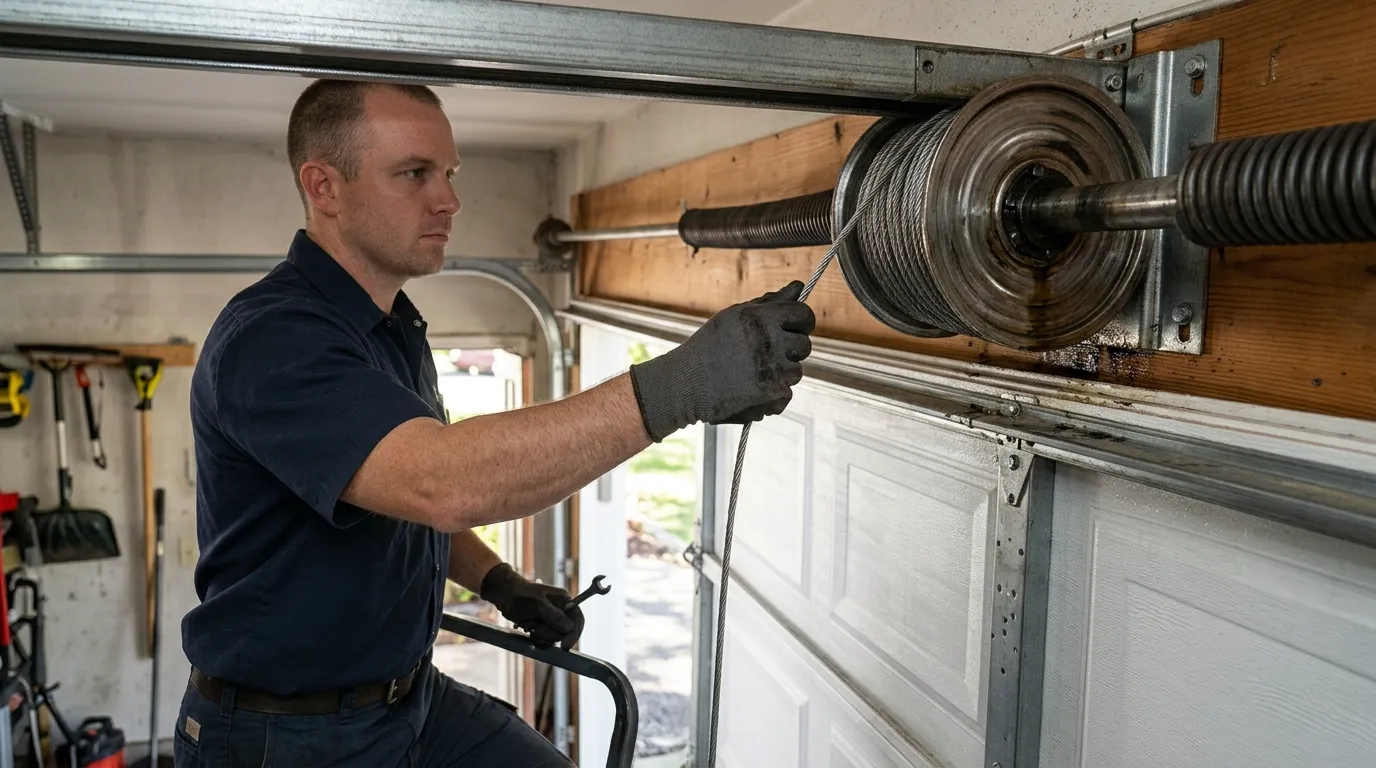
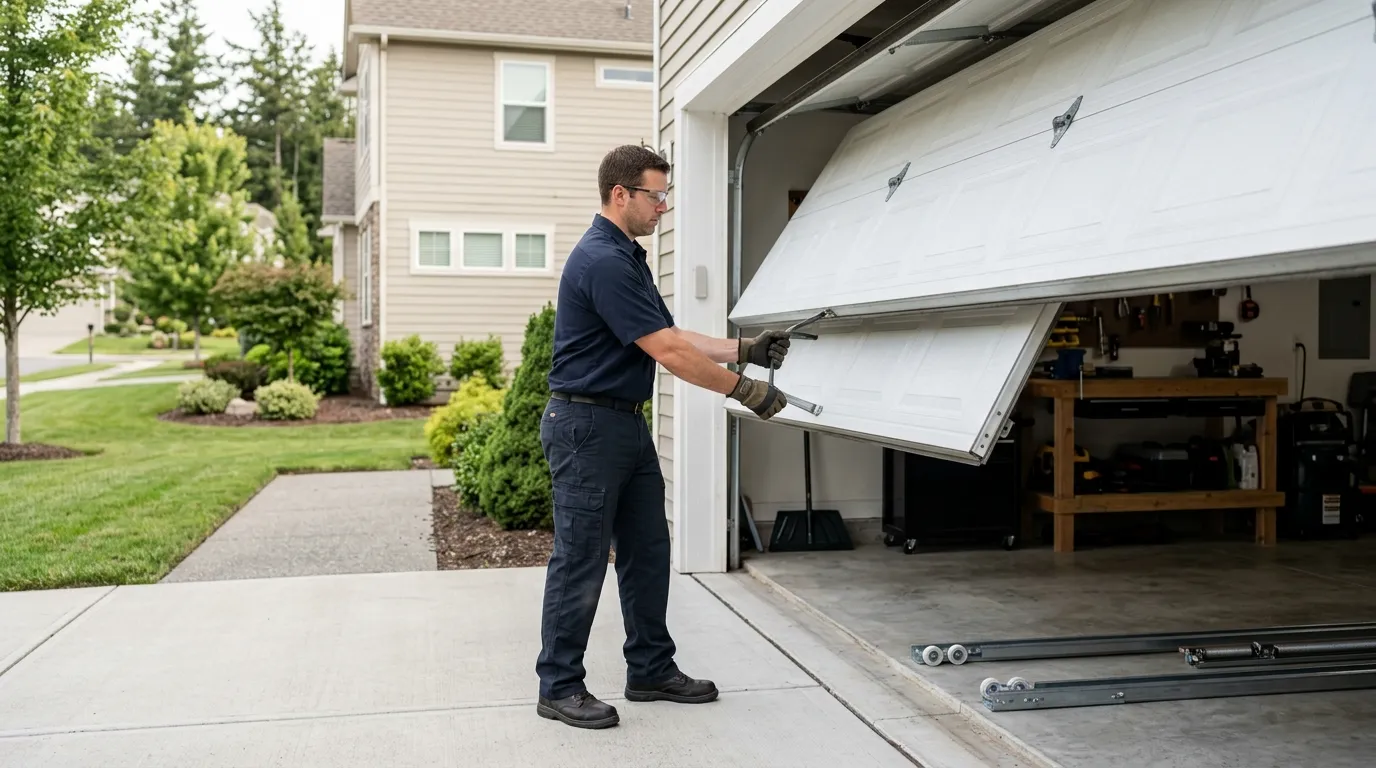
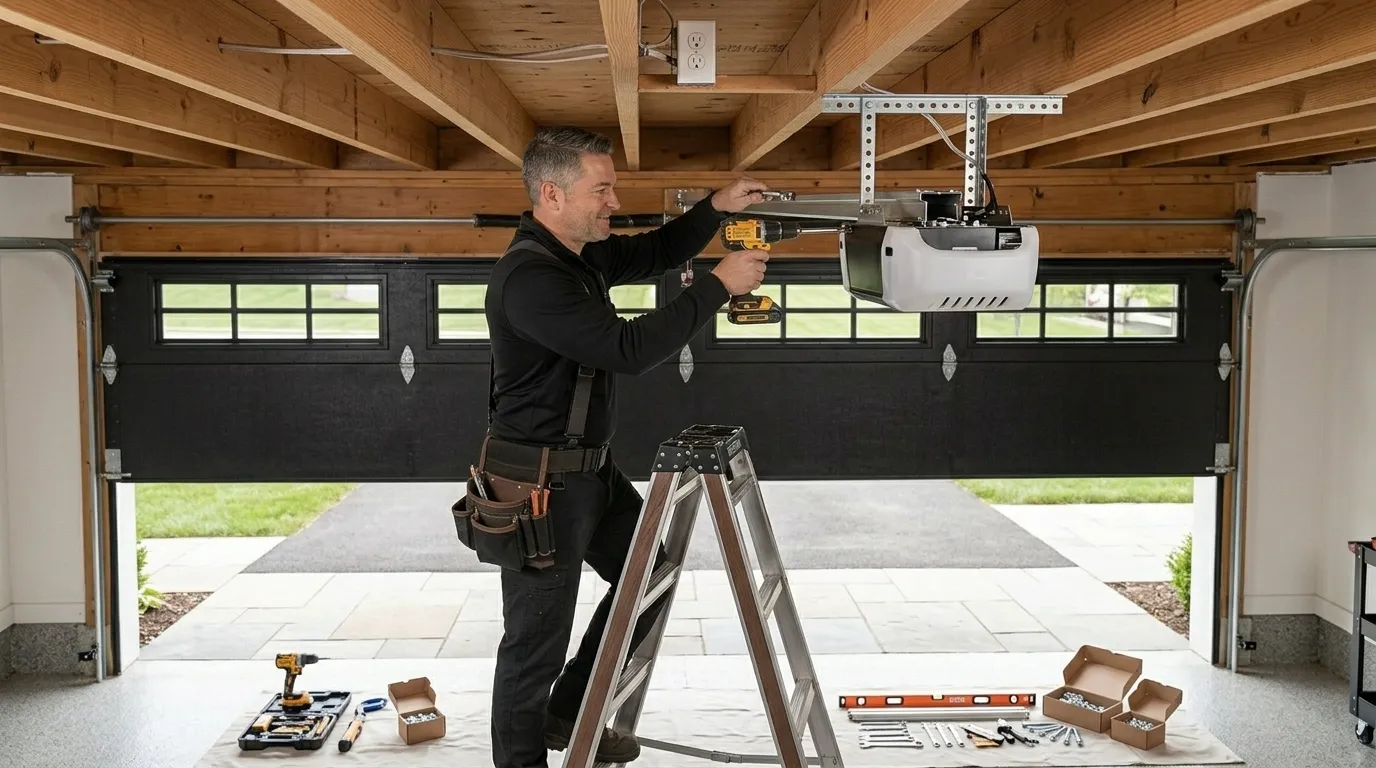
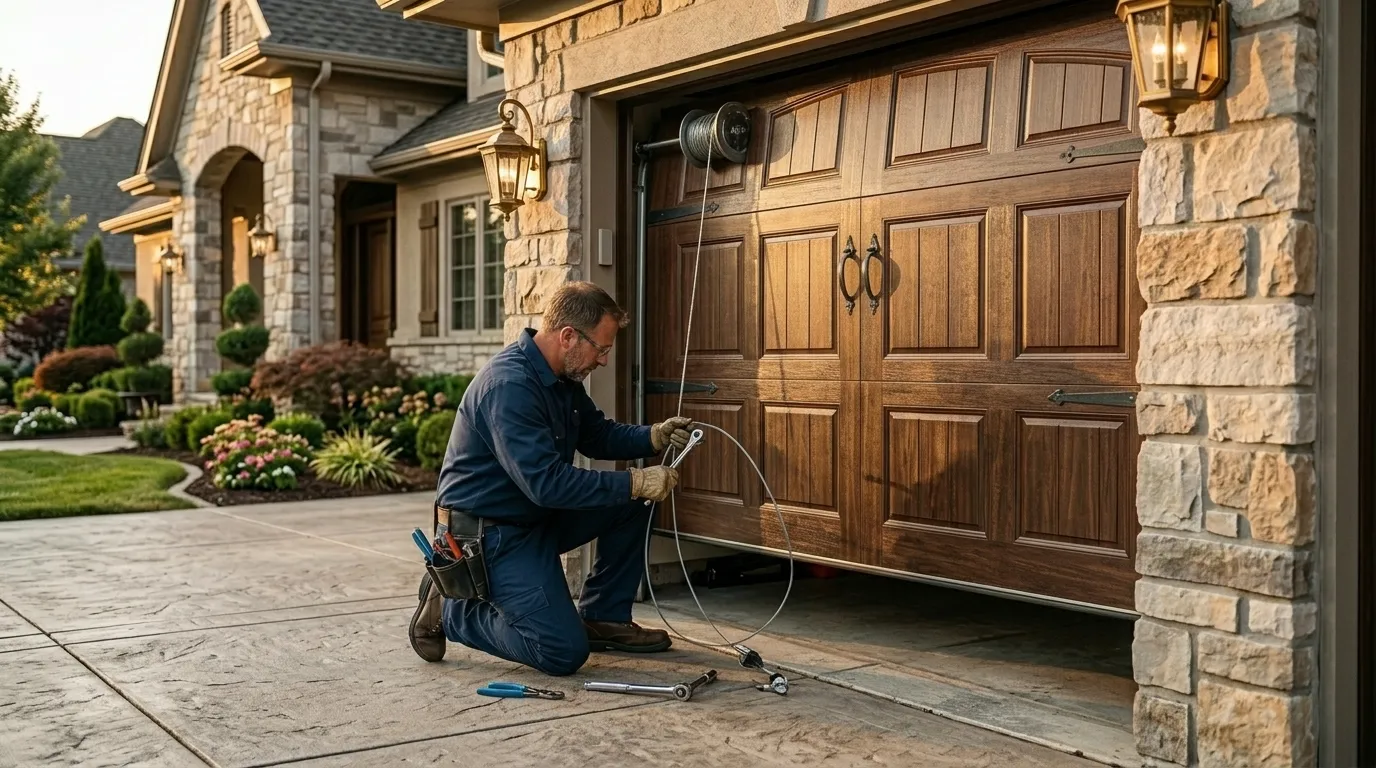
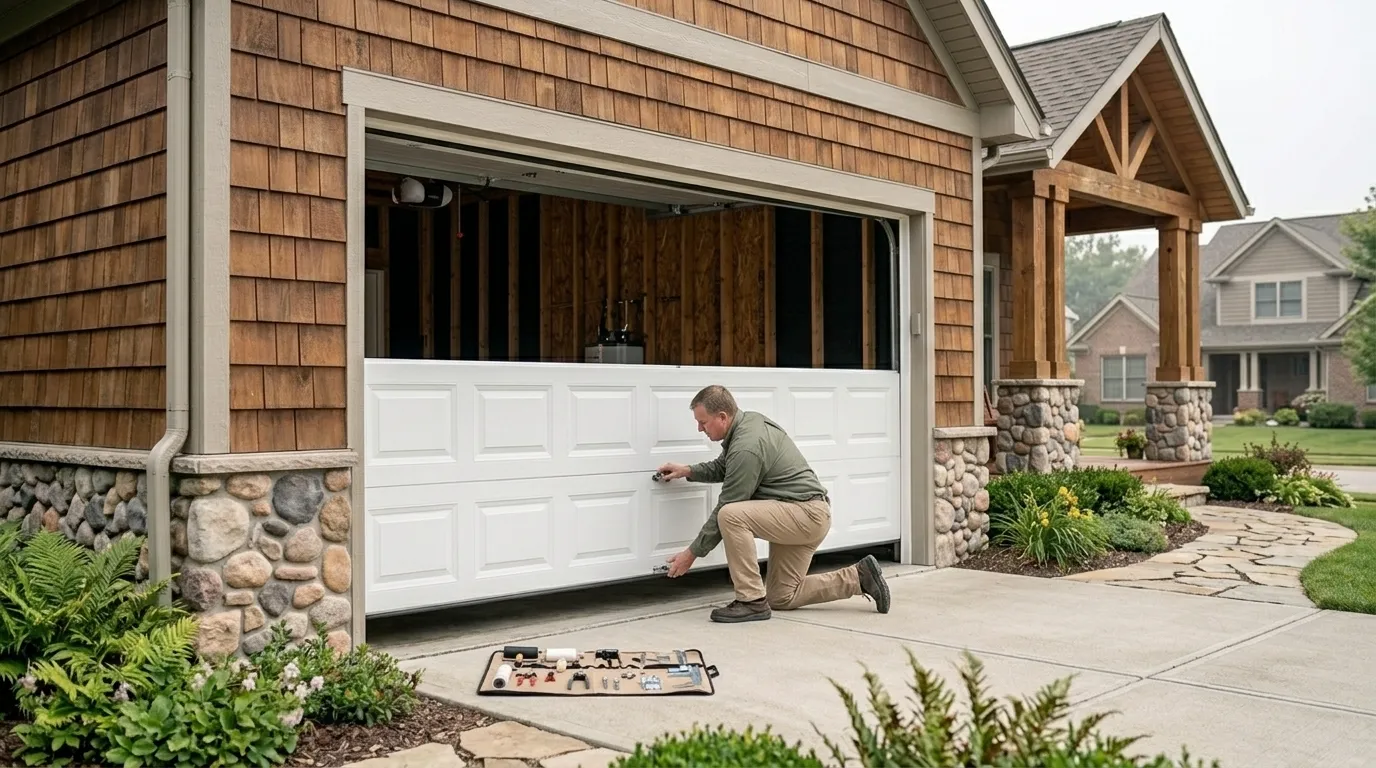
A new install starts with pulling the old door and track, checking the opening framing for square, and setting new track and springs sized to the door you're putting in - not the one coming out. In this climate band, cold with moderate swings, we default to weatherstripping and a bottom seal that actually seats tight, since a loose seal shows up fast once temperatures drop.
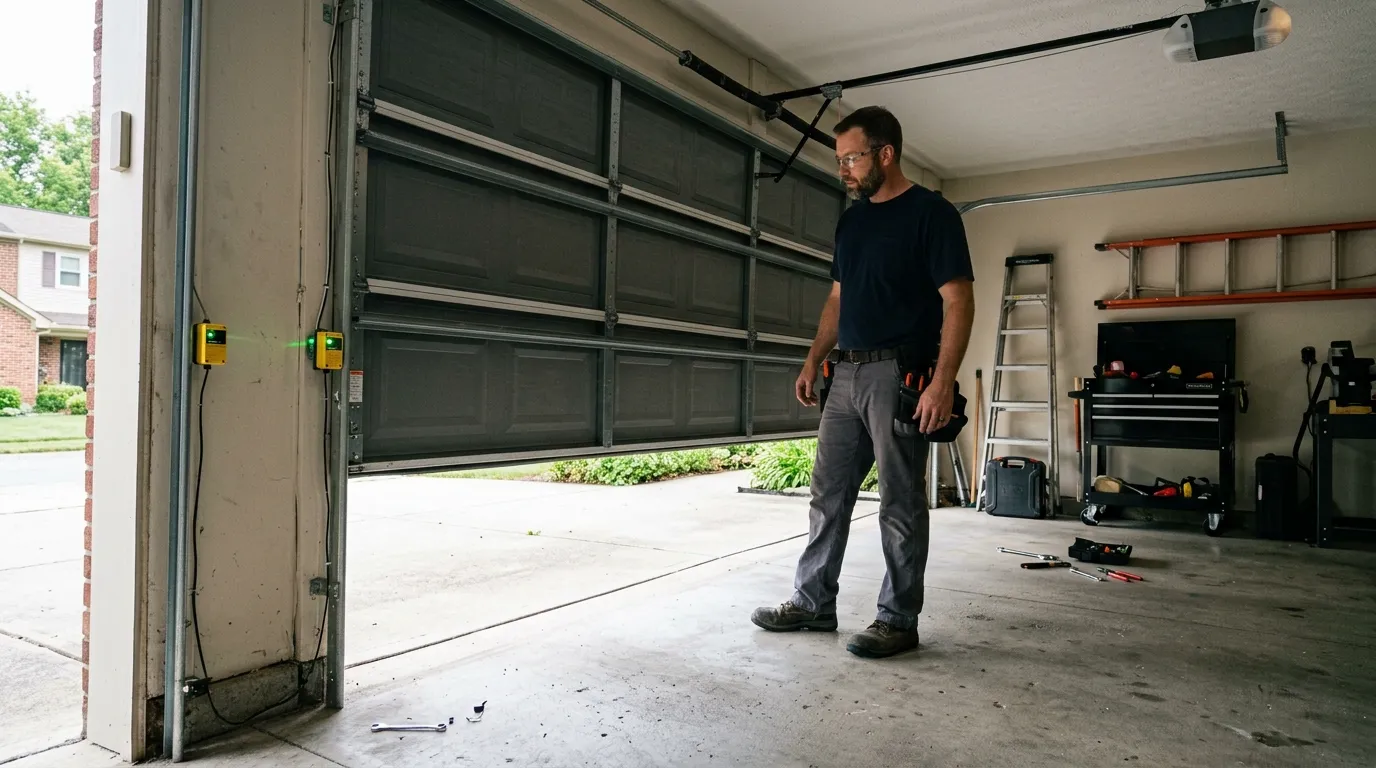
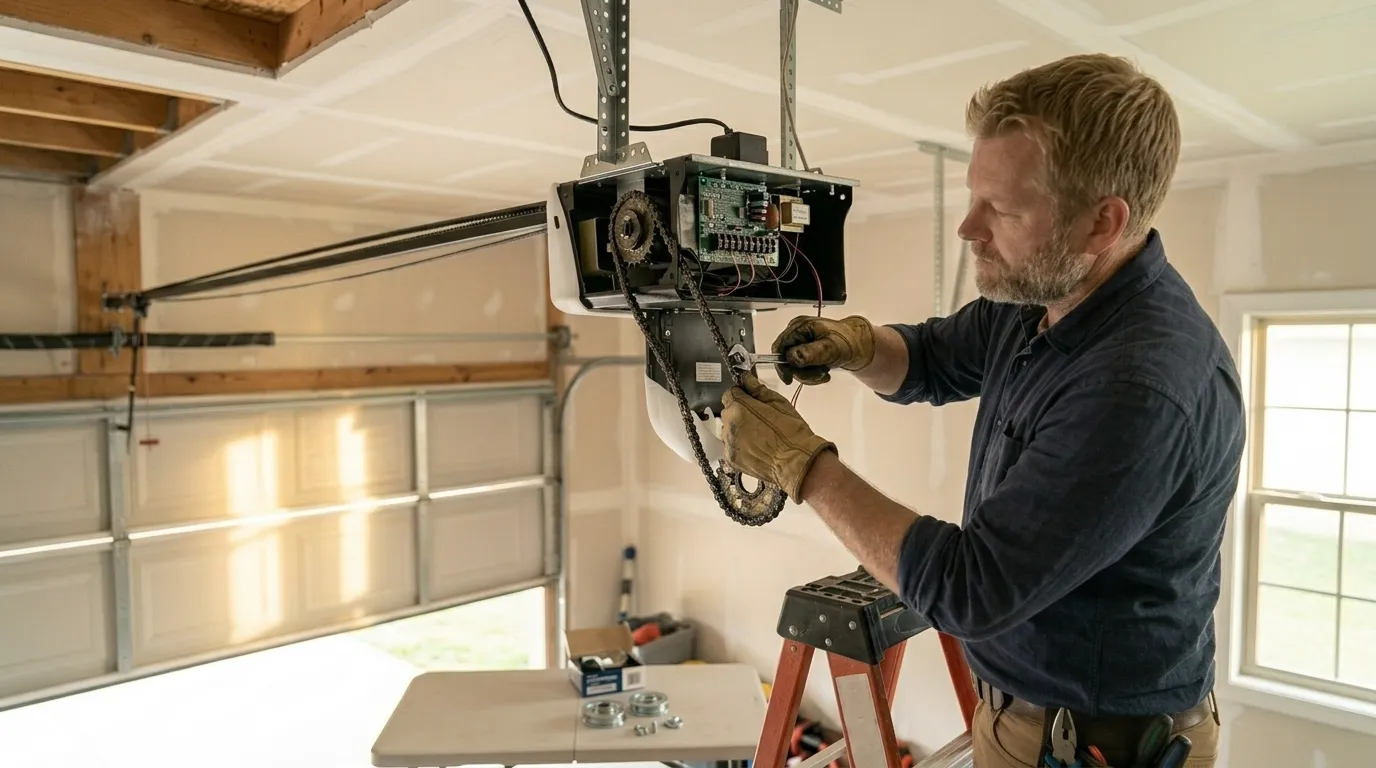
For a house built around 1974, we also check the header and jamb condition before we hang anything new. Framing from that era can be sound, but it's worth five minutes with a level before we commit hardware to it. Once the door's set, we balance the springs, run the opener through a full cycle, and test the auto-reverse safety feature before we call it done. We don't leave a door unbalanced just because it closes - a door that closes wrong today is a spring job again within a year.