What the Fix Involves
Wesley Chapel sits eight miles out from our Matthews shop, which changes the shape of a call before the truck even leaves the lot. That drive means a tech loads the van with both common torsion sizes and the extension-spring hardware before heading your way, rather than turning around for a missing part. Most Wesley Chapel houses went up around 2003, later than the 1998 median for the wider service area, so the springs failing right now are original factory springs on doors that are 20-plus years old, not the mismatched replacements you find on older stock elsewhere.
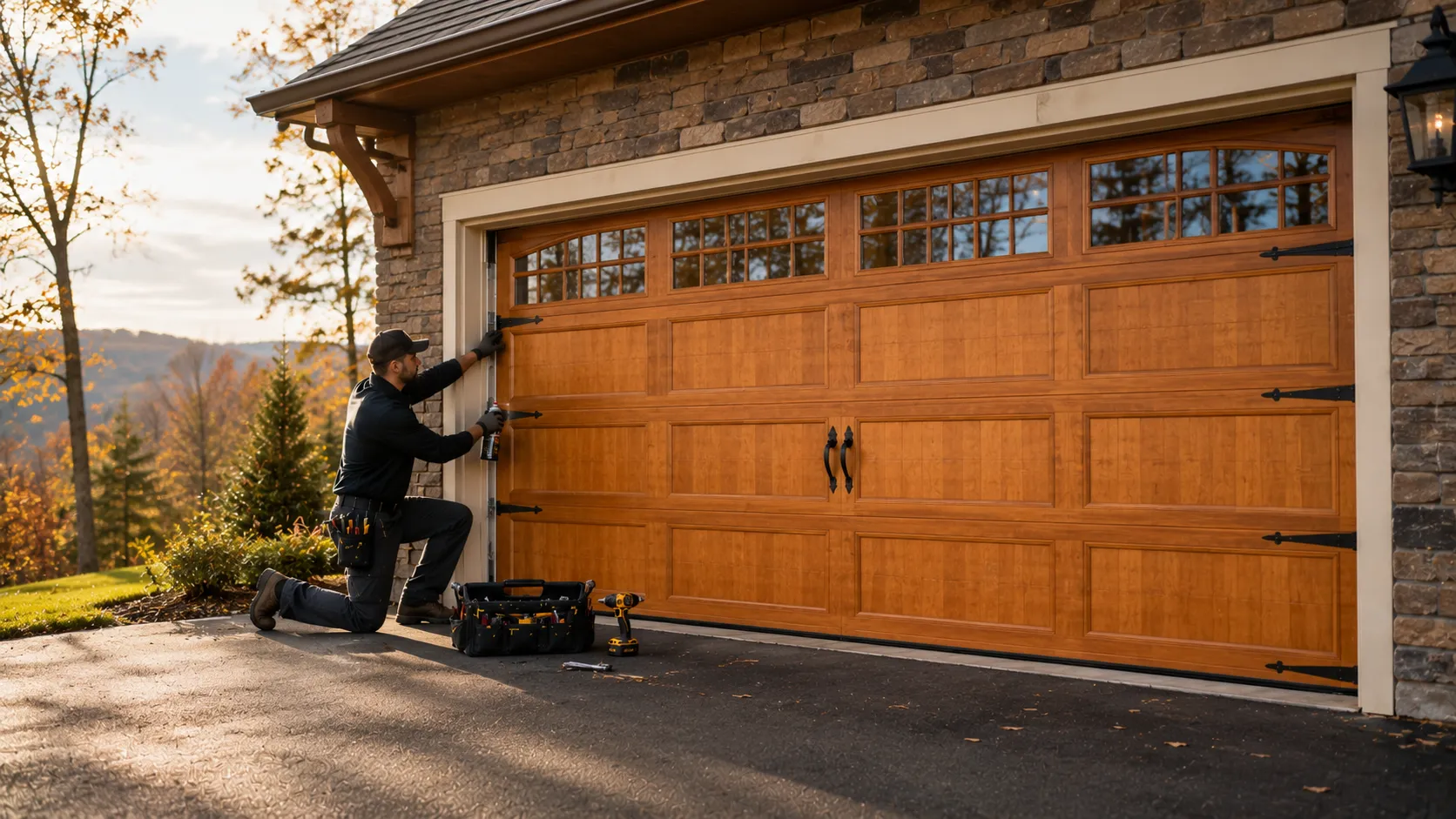
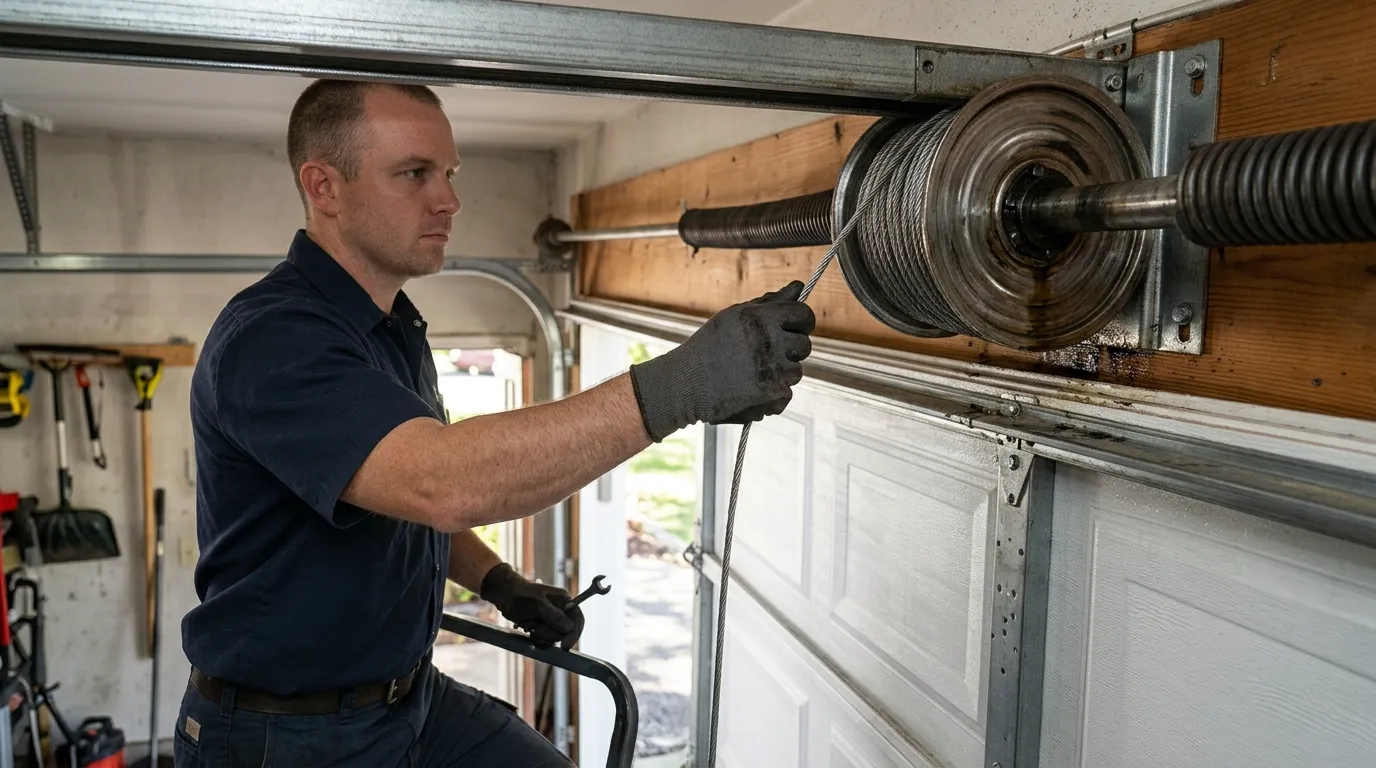
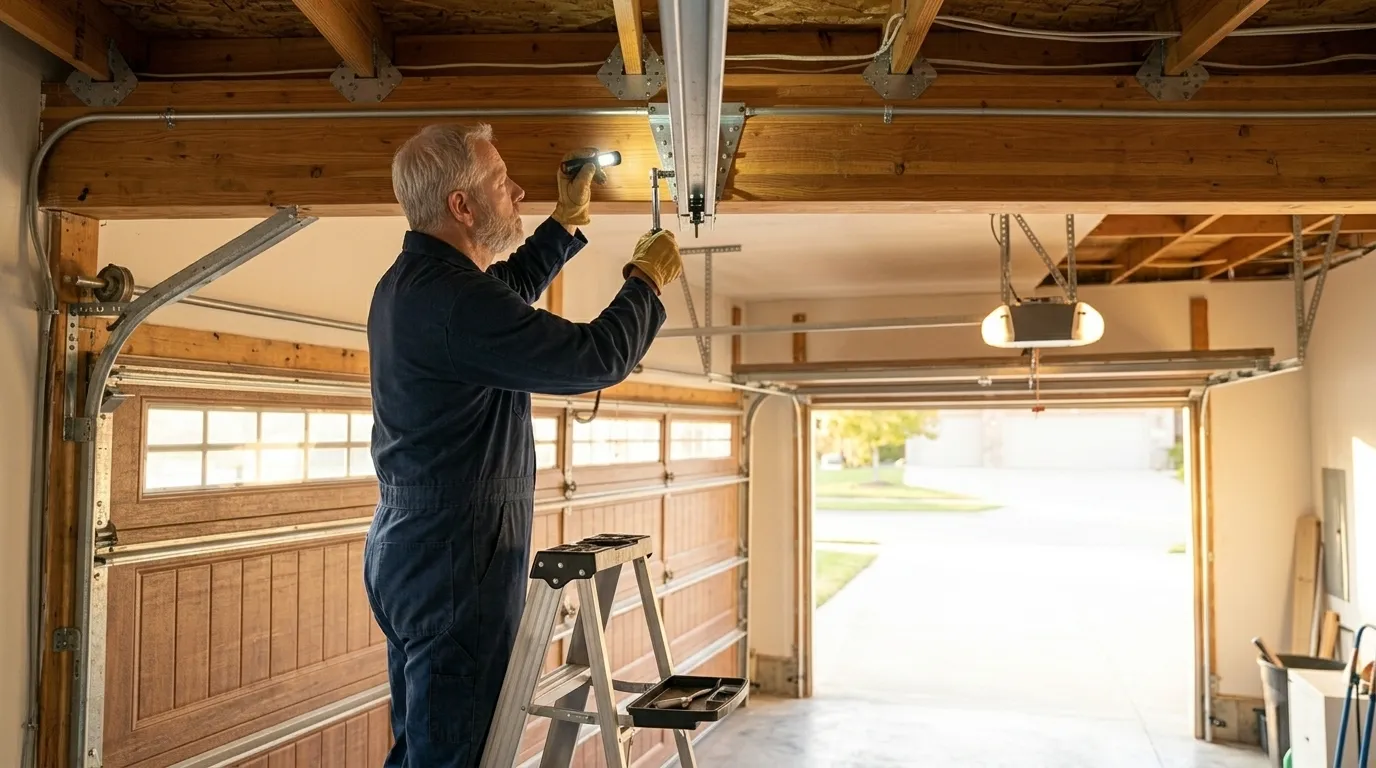
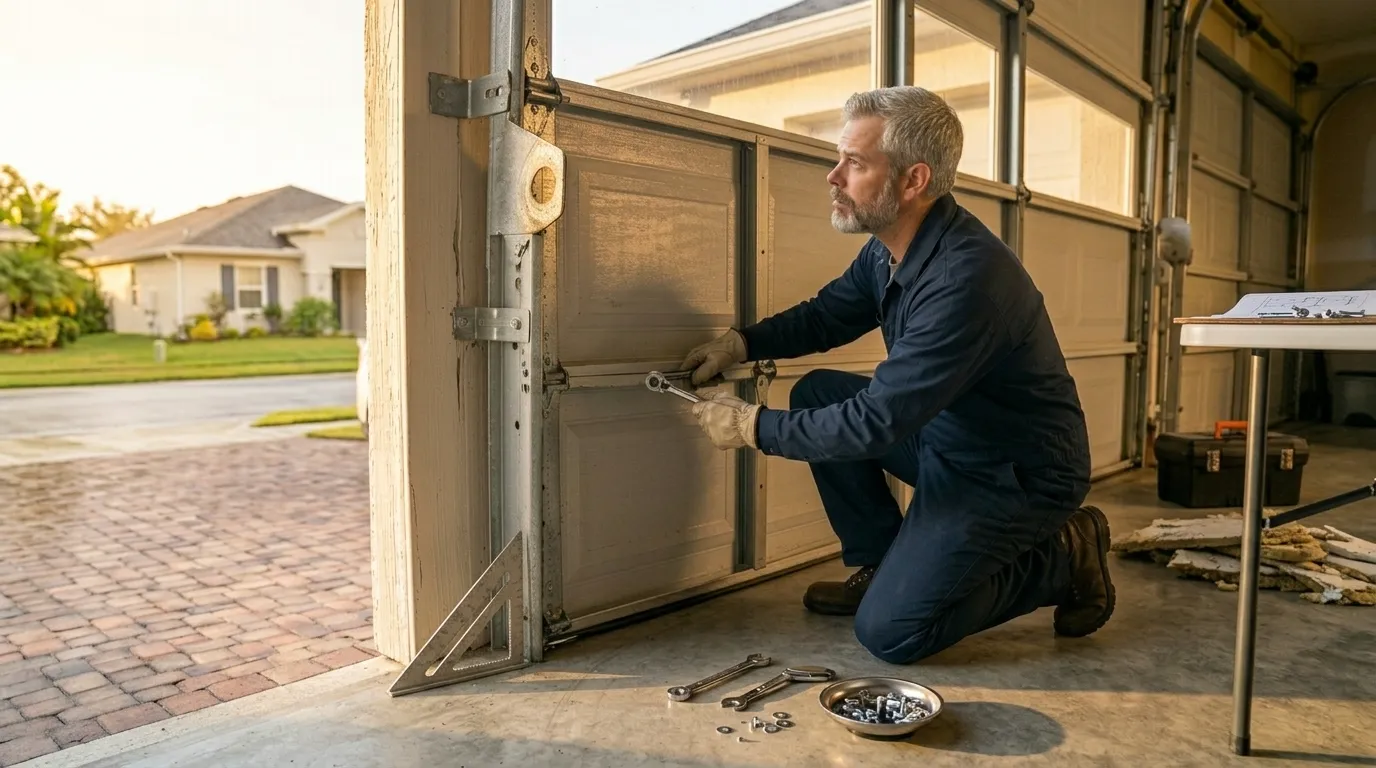
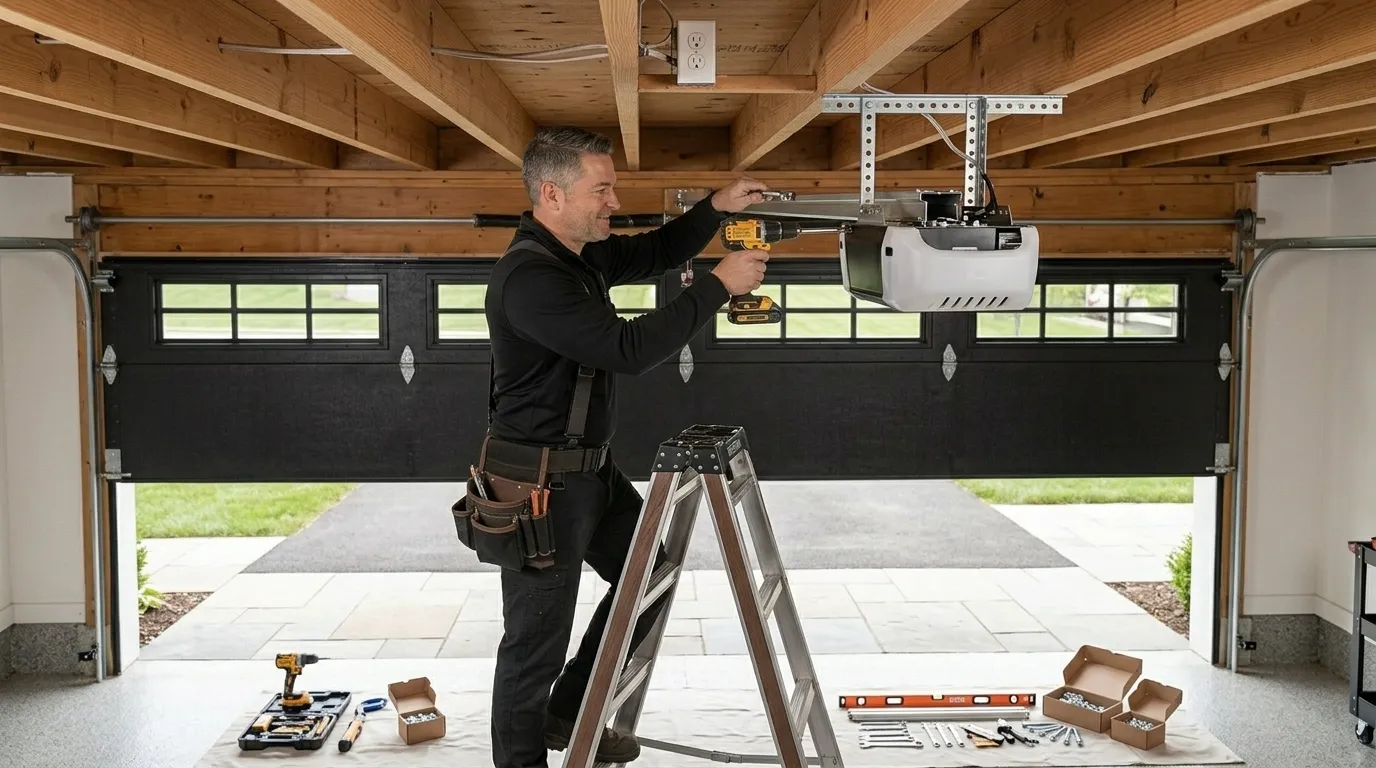
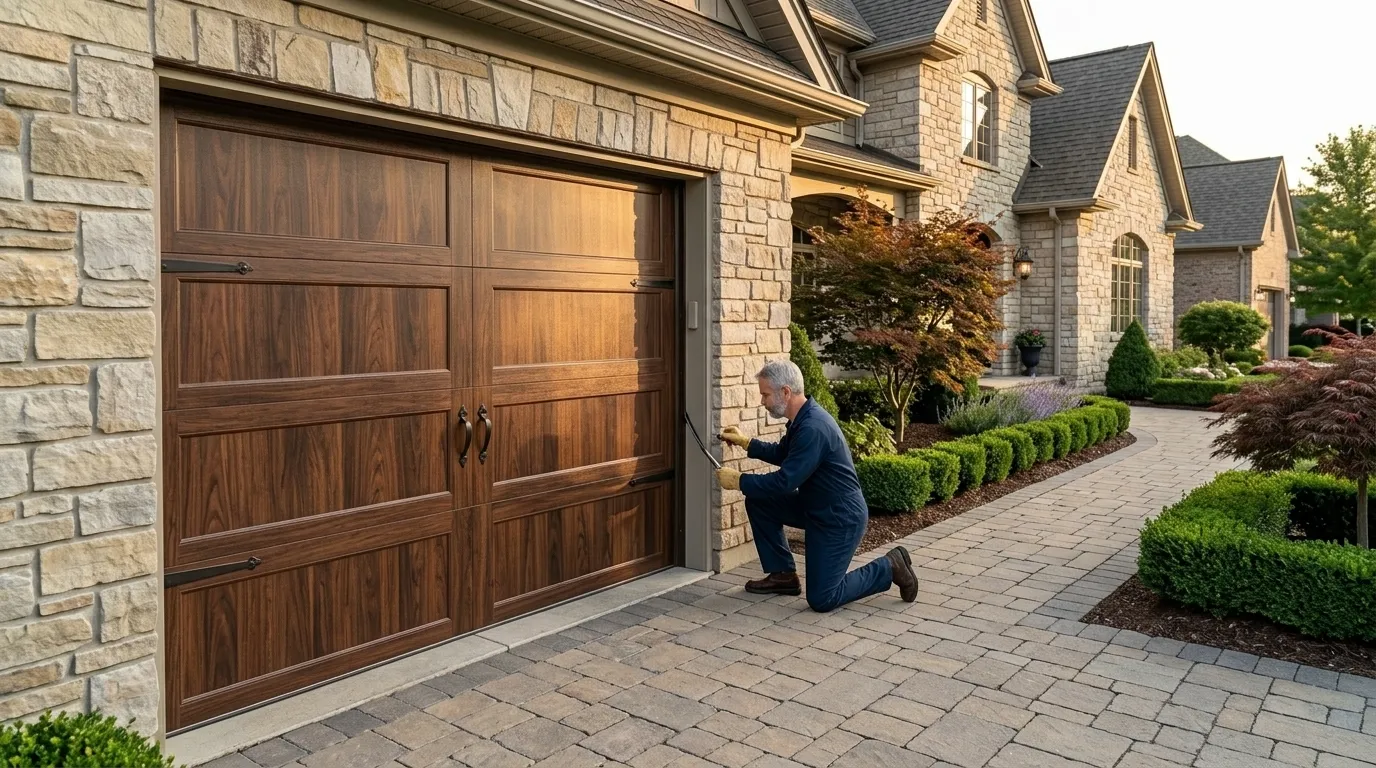
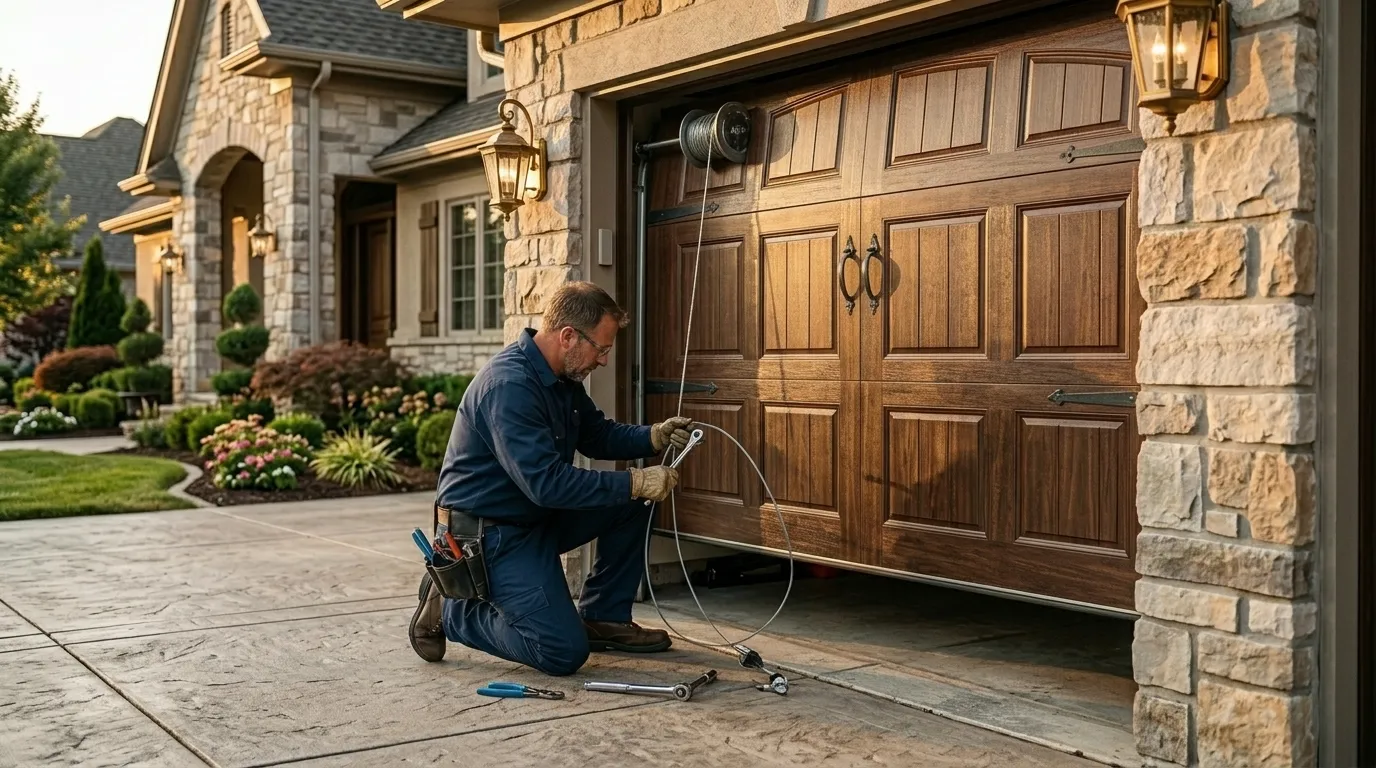
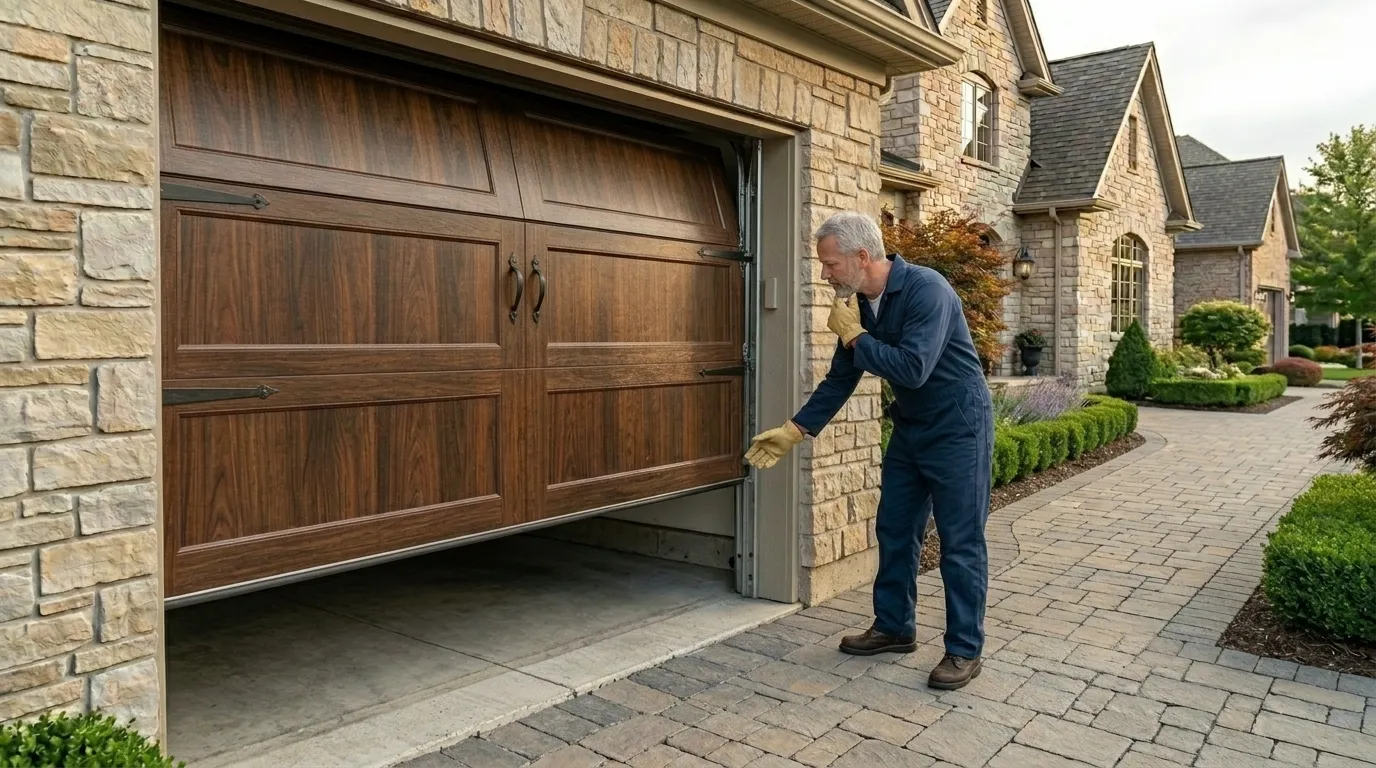
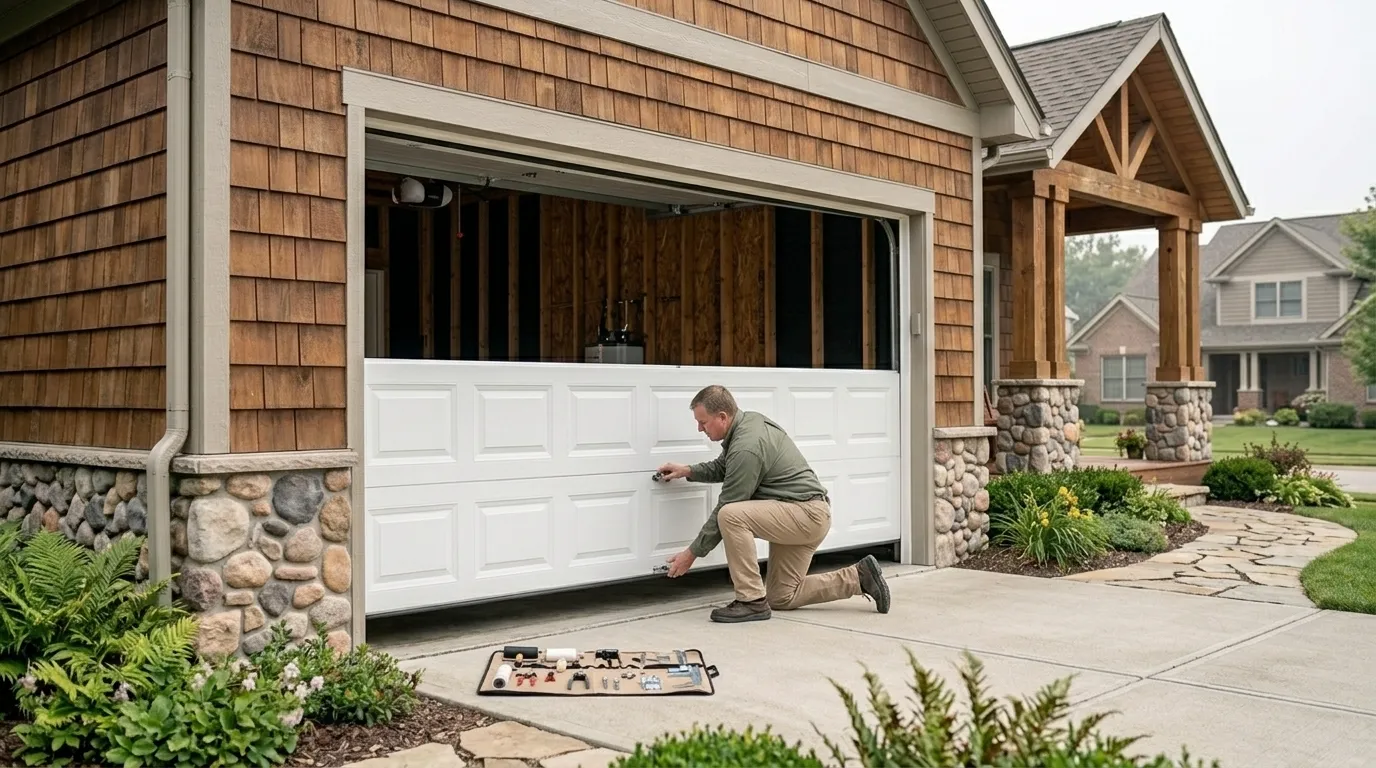
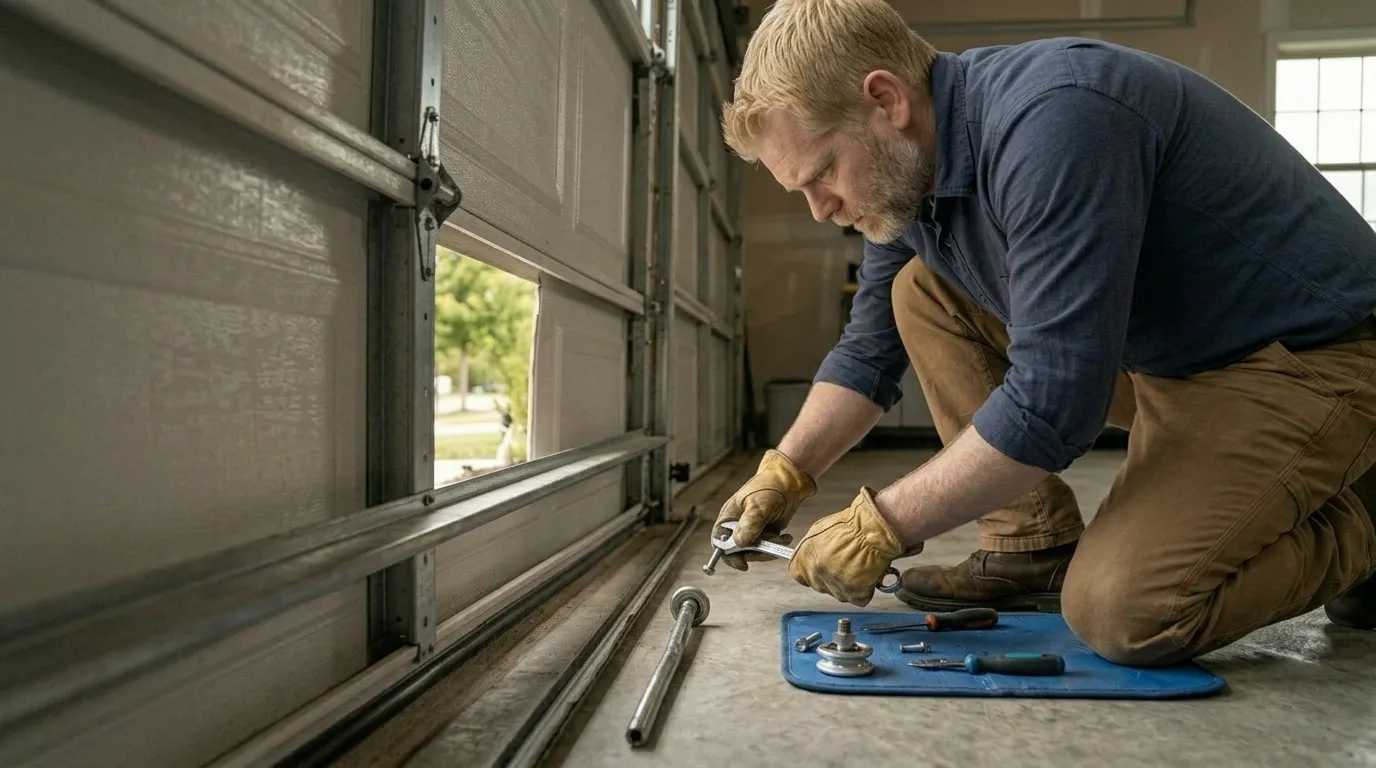
The fix itself is standard: unload the door, pull the broken torsion spring off the header, measure wire size, coil diameter and length against the door's actual weight, and wind in a matched pair rather than a single spring stretched to do a two-spring job. On a double door especially, replacing only the broken side is how you get a second call in a year. We check the cable, drums and center bearing while the door is unloaded, since a spring failure on a newer door often means one of those wore out first and took the spring with it.
Stocked Parts
Because the truck comes from Matthews, not a Wesley Chapel branch, what's on it when it leaves is what you get - there's no local depot to swing by for a size we don't carry. For houses built in the early-to-mid 2000s, that means standard torsion springs sized for double and single steel doors, the wire gauges that match that era's lighter insulated panels, and matched-pair sets so we're not putting one new spring against one worn one. Extension springs show up less often on 2003-era construction here than on the older homes closer to Matthews, but we carry those too.
What we don't stock on the truck: specialty springs for oversized or custom doors, and odd hardware for doors that have already been retrofitted with parts from a different manufacturer than what they shipped with. If your door falls into either category, expect the tech to confirm the spec on-site and order the exact part rather than guess and reinstall wrong.
The DIY Question
A torsion spring is under enough stored force to break a wrist or worse if the winding bars slip, and that risk doesn't change because your door is newer. What does change with a 2003-era door is that the hardware is usually still in spec - no rusted-through brackets, no decades of accumulated warping - so a repair is almost always the right call here rather than a full door swap.
Where it's not worth it: if the opener, track, and springs are all failing at once on the same call, or if a previous owner already retrofitted mismatched hardware before you bought the place, the labor to sort that out can approach the cost of a new door section by section. Extension springs are a smaller job than torsion and slightly more forgiving, but we still don't recommend homeowners open the door themselves once a spring's gone - measuring the right replacement and winding it to the correct number of turns takes the right bars and a second set of hands.
What You Pay
Wesley Chapel's median household income runs well above the wider area figure - about $129,962 here against roughly $88,203 across the full service footprint - but the spring itself doesn't price differently by zip code. What does add a bit to any call out this way is the eight miles of drive from Matthews, which we factor in plainly rather than padding into a vague trip charge.
We don't post a flat number here because torsion pairs, single springs, and extension setups price differently, and a door that's had prior repairs sometimes needs an extra part once it's opened up. What we will say: we quote the job on-site before any work starts, and matched-pair torsion replacement on a standard double door is the most common call we run out to Wesley Chapel.