What the Fix Involves
Most homes in Wesley Chapel went up around 2003, later than the 1974-2006 window that covers much of the wider Matthews service area. That matters because a house built in the early 2000s almost always came with a builder-grade steel door, a standard torsion spring sized for a lightweight panel, and an opener with the basic photo-eye safety setup required by that era's code. Older pockets of the territory, from the 1980s and 90s, carry different hardware entirely.
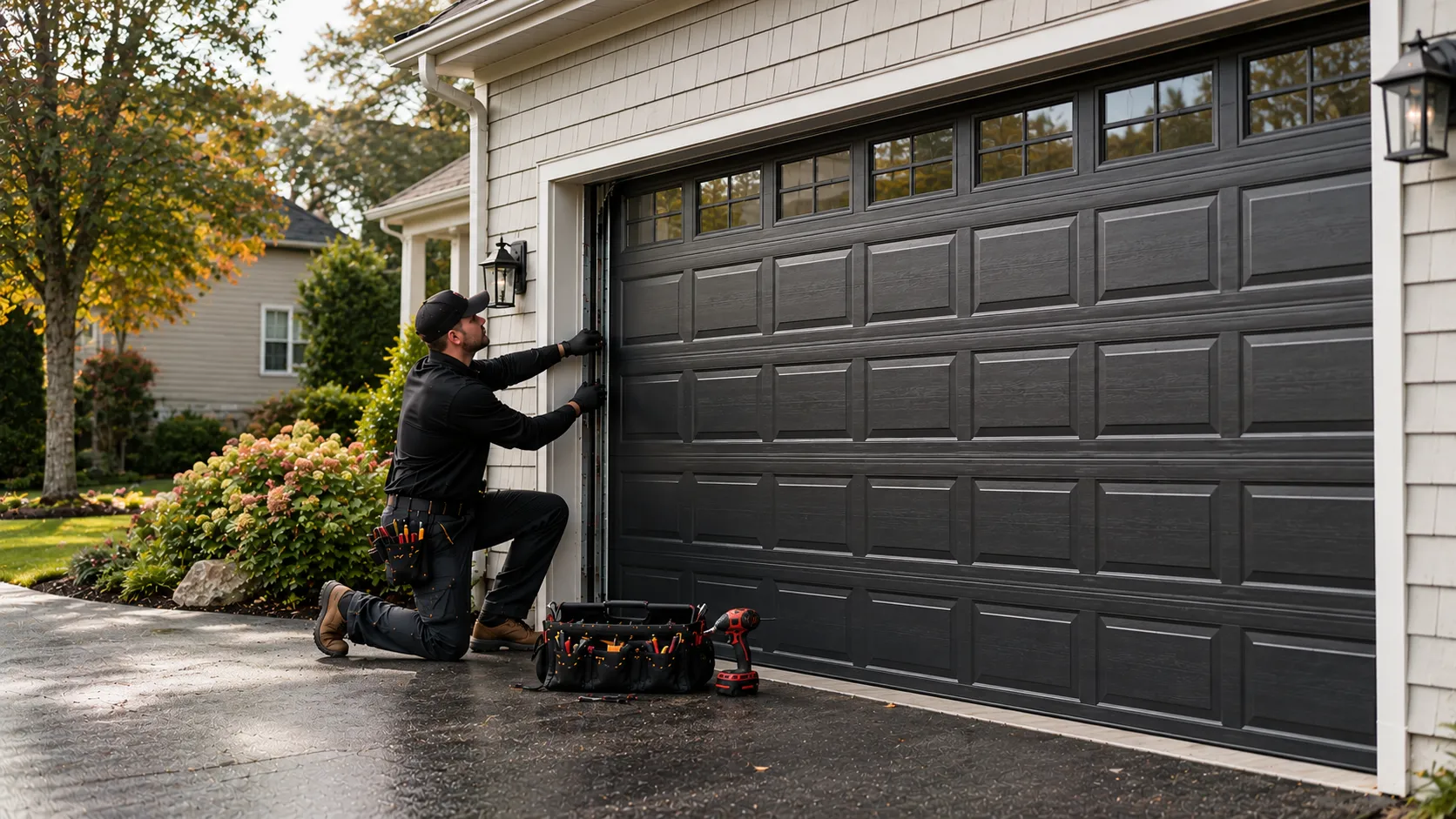
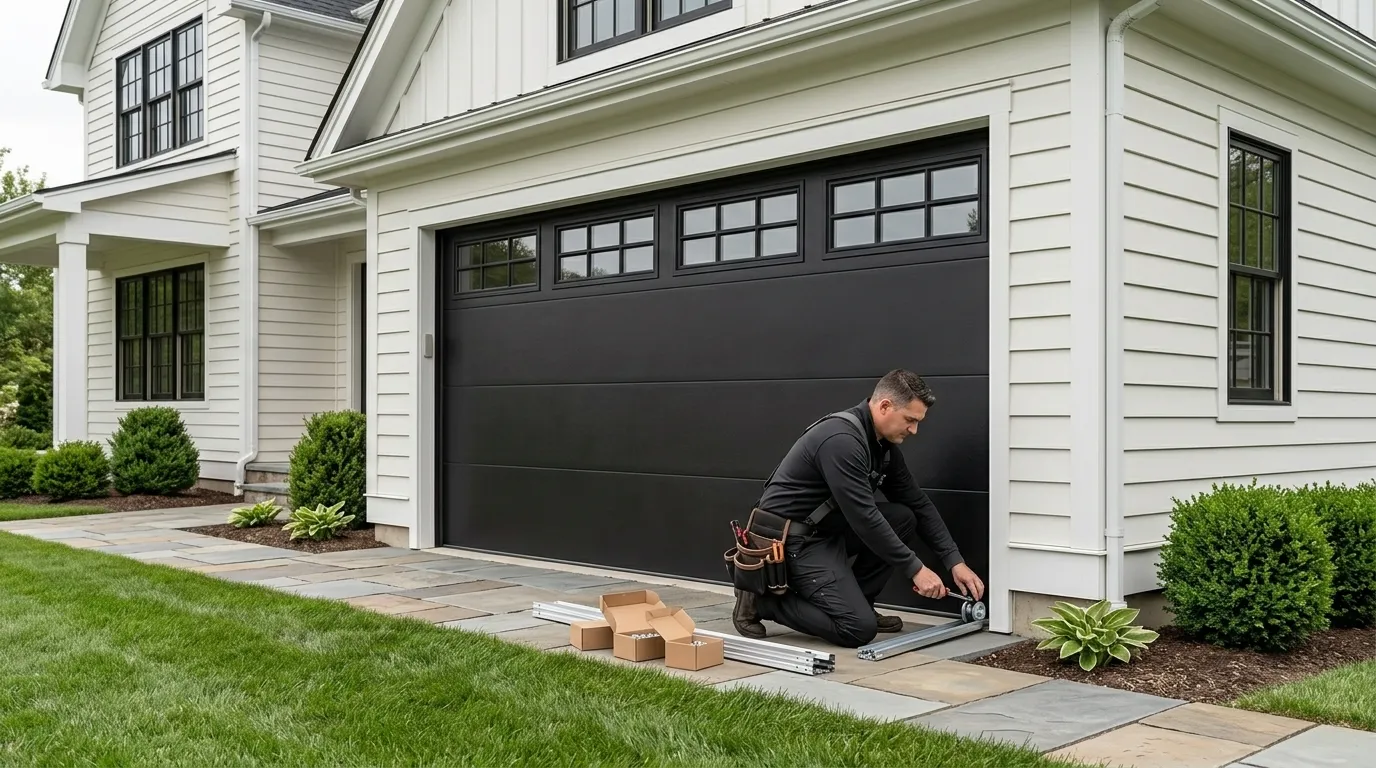
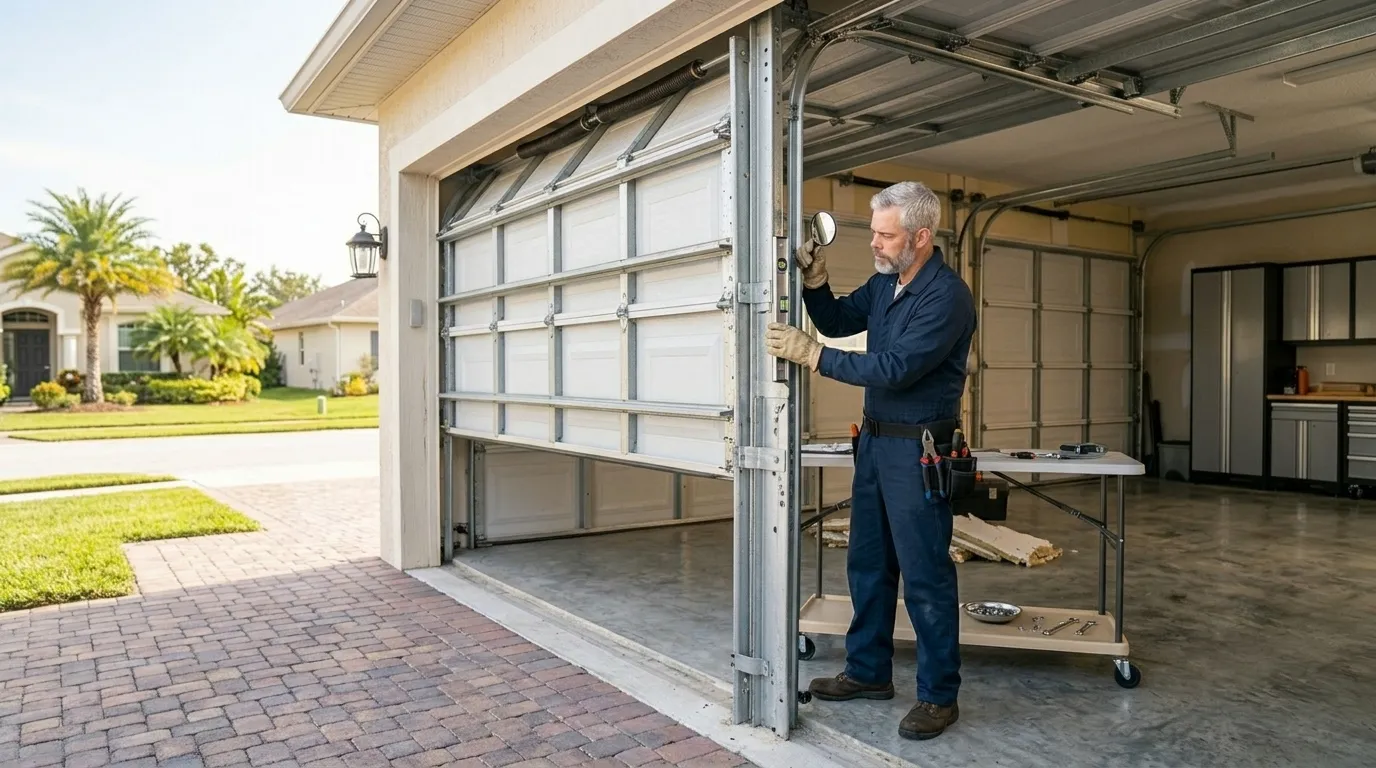
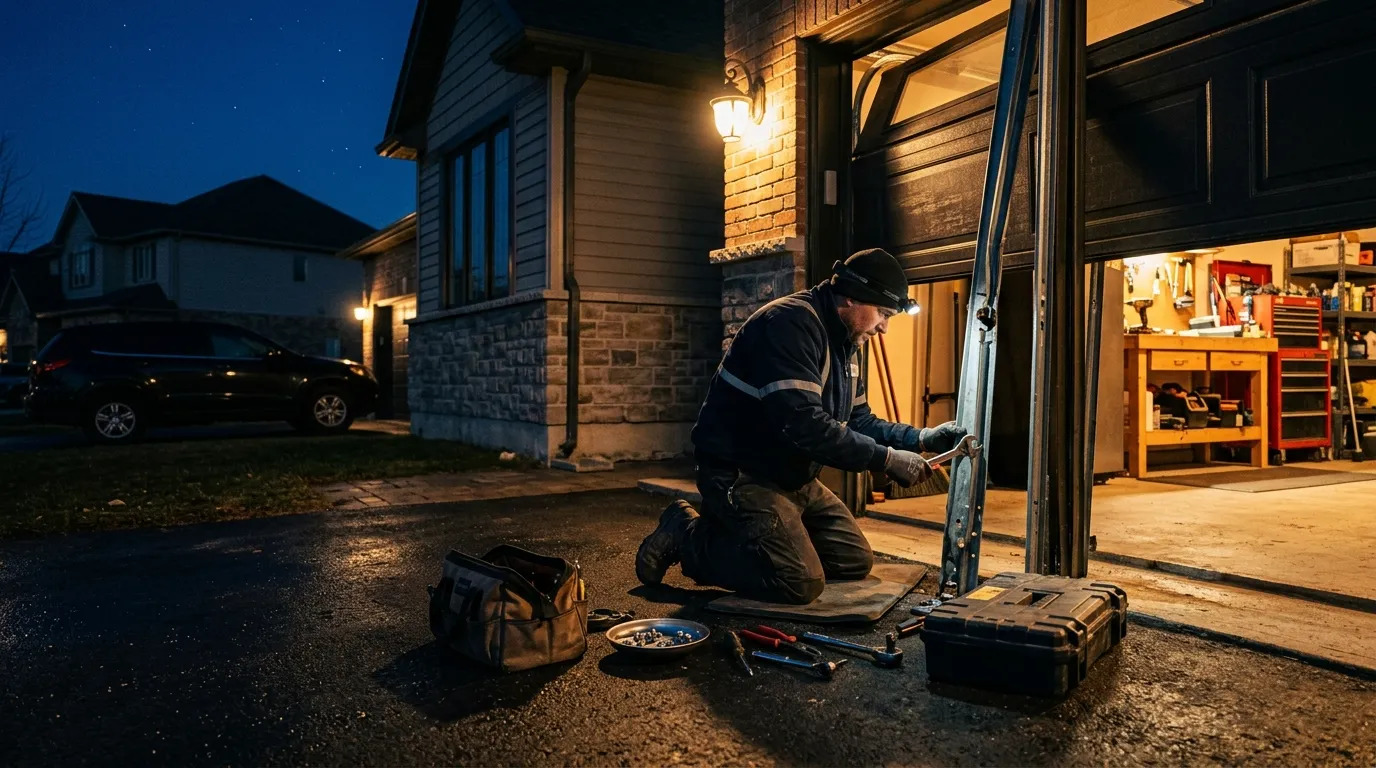
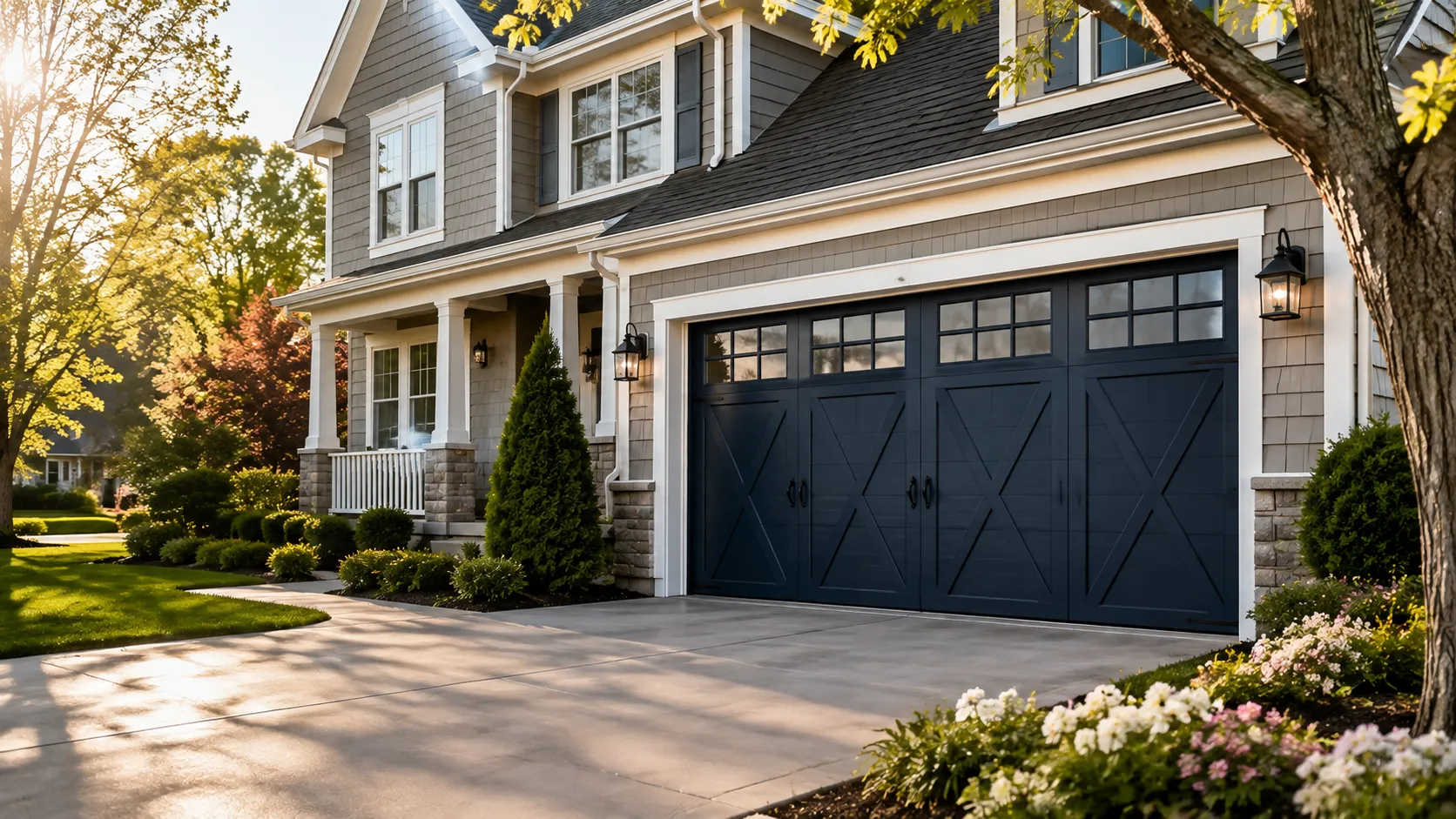
At 8 miles from Matthews, Wesley Chapel is far enough out that we plan the trip as one stop, not a quick swing-by. That doesn't change what the job looks like once we're there: pull the old panel set, check the track alignment against the opening, size the new spring to the door weight, and match the opener to whatever rail length the ceiling height calls for. Because the housing stock here is newer and more uniform than in the older neighborhoods closer to Matthews, openings tend to run standard widths - 8 or 9 foot single, 16 foot double - with fewer of the odd, resized openings you find in a house that's been added onto over 40 years.
Stocked Parts
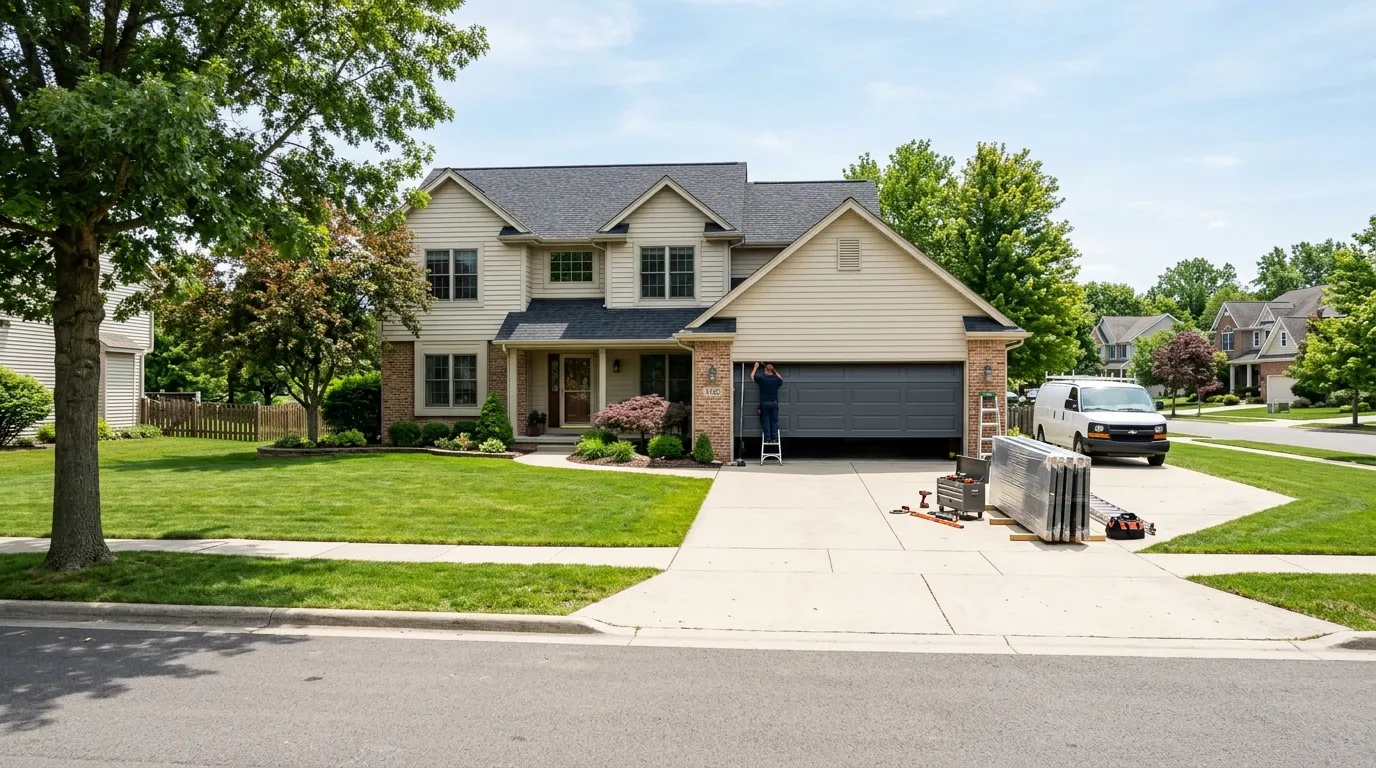
We carry standard steel panel sections, torsion springs in the common residential sizes, and nylon and steel rollers on the truck, because those cover the bulk of what a 2003-era build needs. Openers on the truck are current production units with rail lengths sized for a typical 7-foot ceiling opening, which is what you'll find in most Wesley Chapel garages.
What we don't carry standing is anything custom - a non-standard panel color to match a specific siding, or an odd-width door for a converted opening. If your house falls outside the standard sizing that most of this build era shares, that part gets special-ordered, and we'll tell you the lead time before you commit rather than after.
The DIY Question
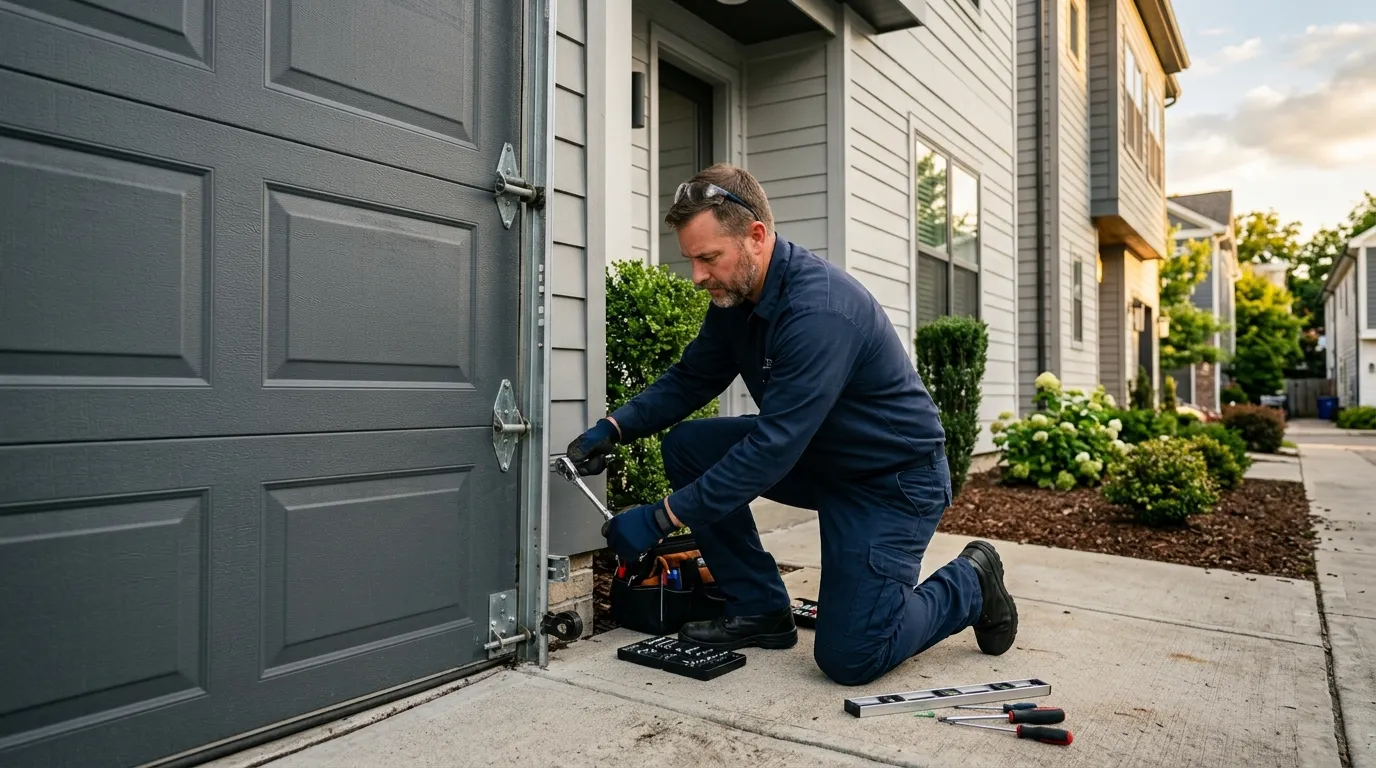
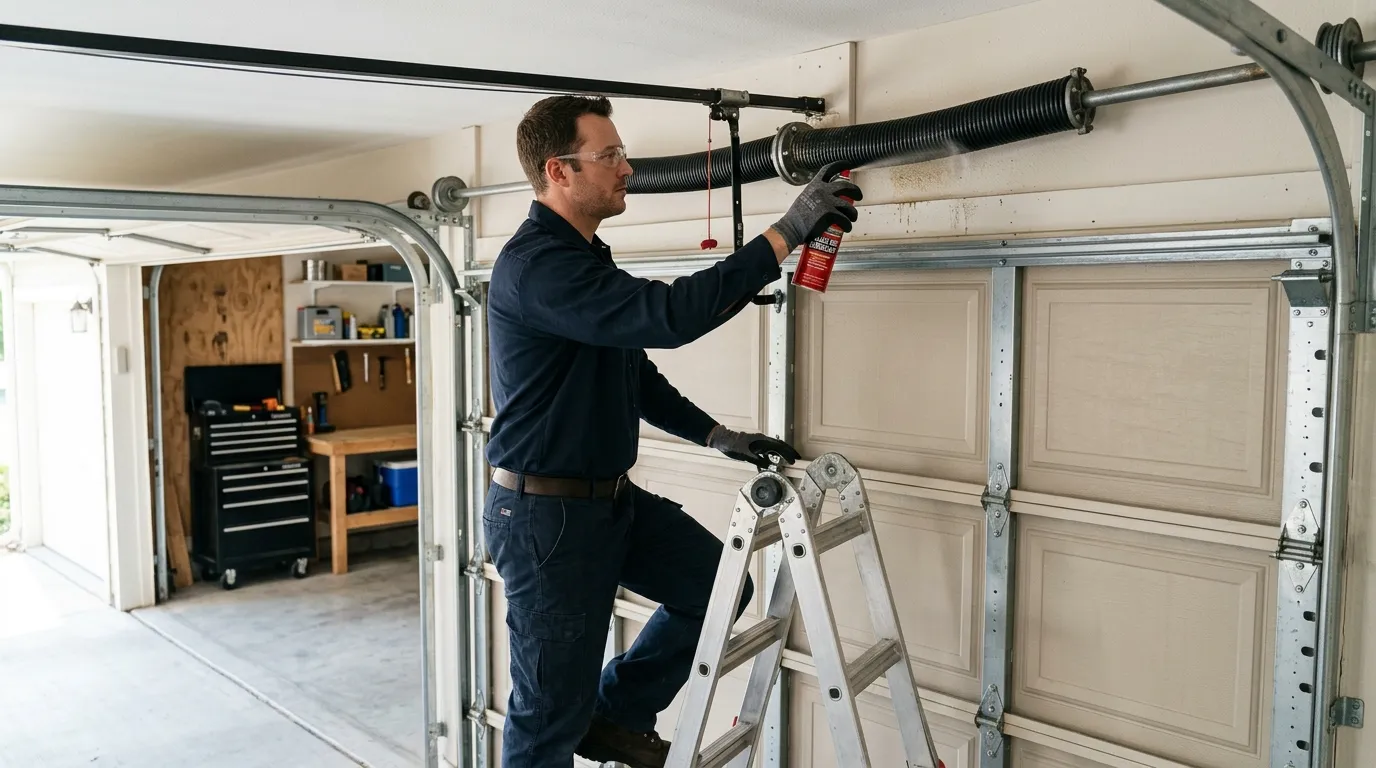
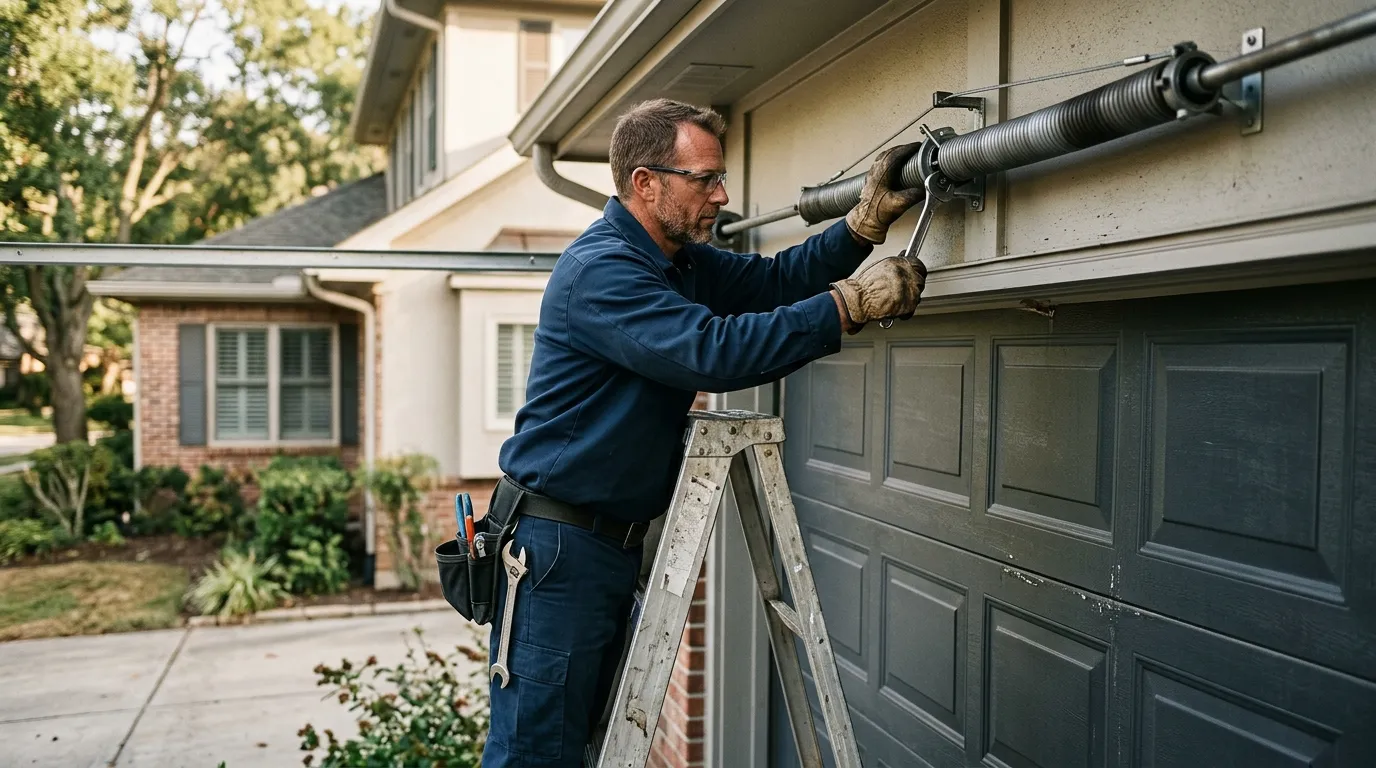
A torsion spring holds enough stored energy to break a bone or worse if it lets go while you're working on it, and that doesn't change based on where the house sits. If you're comfortable swapping rollers or tightening hinge bolts on a door that's already hung and balanced, that's reasonable DIY territory. Winding or unwinding the spring, or setting a new door into the opening, isn't.
One honest limitation: because most of Wesley Chapel's stock is a fairly uniform 2003-ish build, we can usually quote a straight installation without an in-person walk of the opening first. But if your garage has been modified - a converted bay, a resized opening, anything that departs from the standard build for the area - we need to see it before we quote, not after we show up with the wrong-size door on the truck.
What You Pay
With roughly 2,923 households, Wesley Chapel is a smaller pocket of the territory than areas like Harrisburg, and we don't keep a separate price sheet for it - the job is priced the same way any installation is, based on door size, insulation level, and opener choice, not on which suburb it's. What we can tell you without a number: because most homes here run standard opening sizes for a 2003-era build, you're less likely to hit the surcharges that come with a non-standard width or a custom color match.
Because most of Wesley Chapel was built after the neighborhoods that went up in the 1980s and 90s, the doors we pull off here are builder-grade steel from the early 2000s, not the older single-layer panels common. That means less structural surprise once the old door comes down, which keeps quotes closer to what we walk in with.